How Much Garlic Should You Eat a Day? Garlic sits in almost every kitchen, yet most of us have never stopped to ask how much we should actually be eating. One clove chopped into a stir-fry feels harmless. Three cloves crushed into a homemade dressing? That starts to raise questions. This guide walks through what the research actually shows about daily garlic intake, how much is considered reasonable, and where the line sits between a flavorful habit and one that causes side effects.
There’s no single government-issued number for garlic the way there is for sodium or added sugar. But there’s still a useful, evidence-informed range worth knowing, along with the nutrition facts, the risks, and the prep tricks that actually make a difference.
Quick Answer: How Much Garlic Is Right for You?
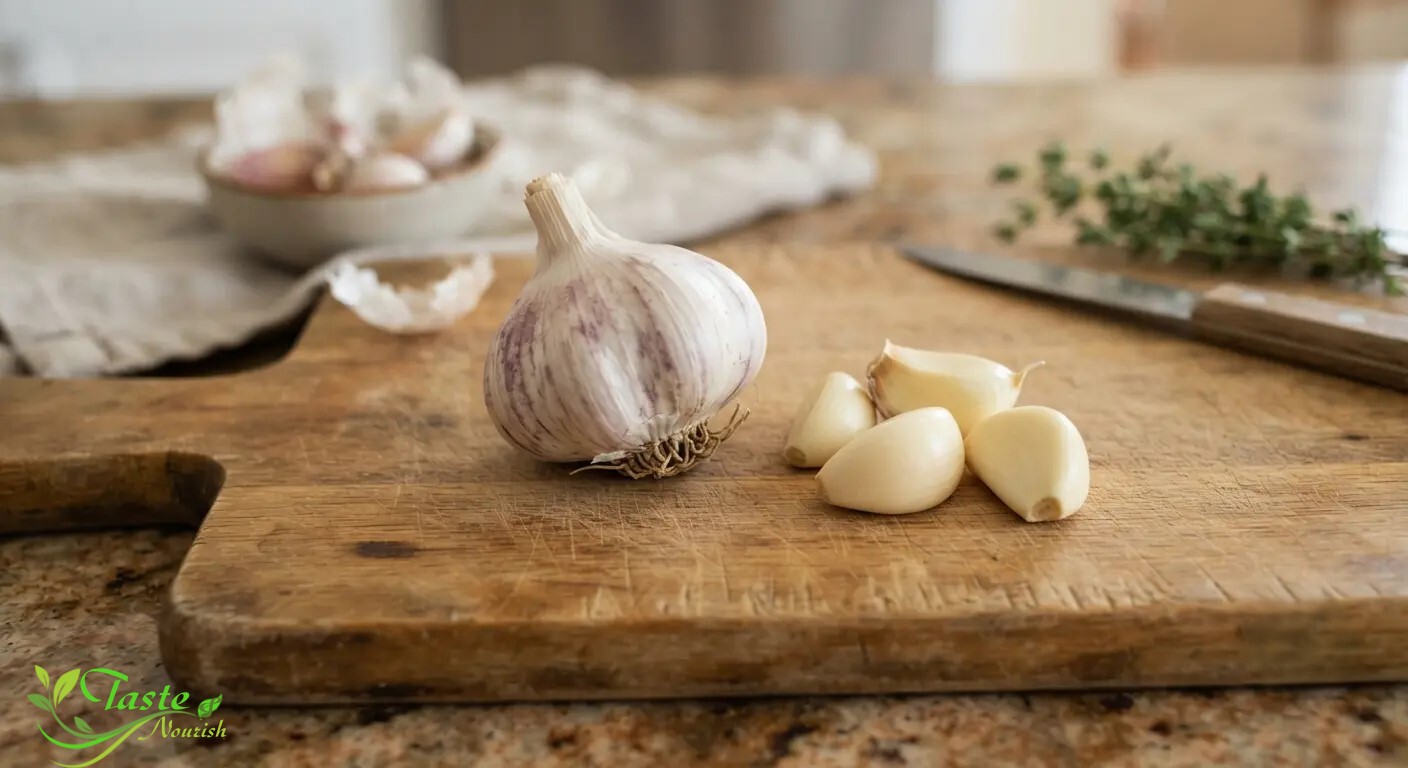
For most healthy adults, one to two raw cloves of garlic per day (roughly 2 to 5 grams) is a reasonable amount for everyday cooking and general wellness. That’s a small enough quantity to avoid digestive discomfort while still contributing the sulfur compounds researchers associate with garlic’s potential benefits.
There isn’t an official recommended daily allowance for garlic the way there is for vitamin C or fiber, according to the (NCCIH). Instead, what exists is a body of clinical research on specific doses used in studies, plus general food-safety guidance on how much culinary garlic tends to be well tolerated.
Key Takeaway: If you’re eating garlic as food, 1–2 cloves daily is a sensible everyday range. If you’re considering a garlic supplement for a specific health goal, that’s a different conversation — and one worth having with a doctor first, since supplement doses are far more concentrated than anything you’d realistically eat at the dinner table.
What Counts as “A Clove” of Garlic?
“Eat more garlic” is easy advice to give and surprisingly hard to measure. A garlic bulb (the whole papery-skinned globe) is made up of individual cloves, and the size of those cloves varies a lot depending on the variety, the growing season, and even where in the bulb the clove sits.
Clove Size and Weight Variations
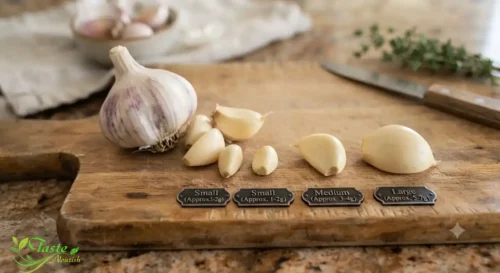
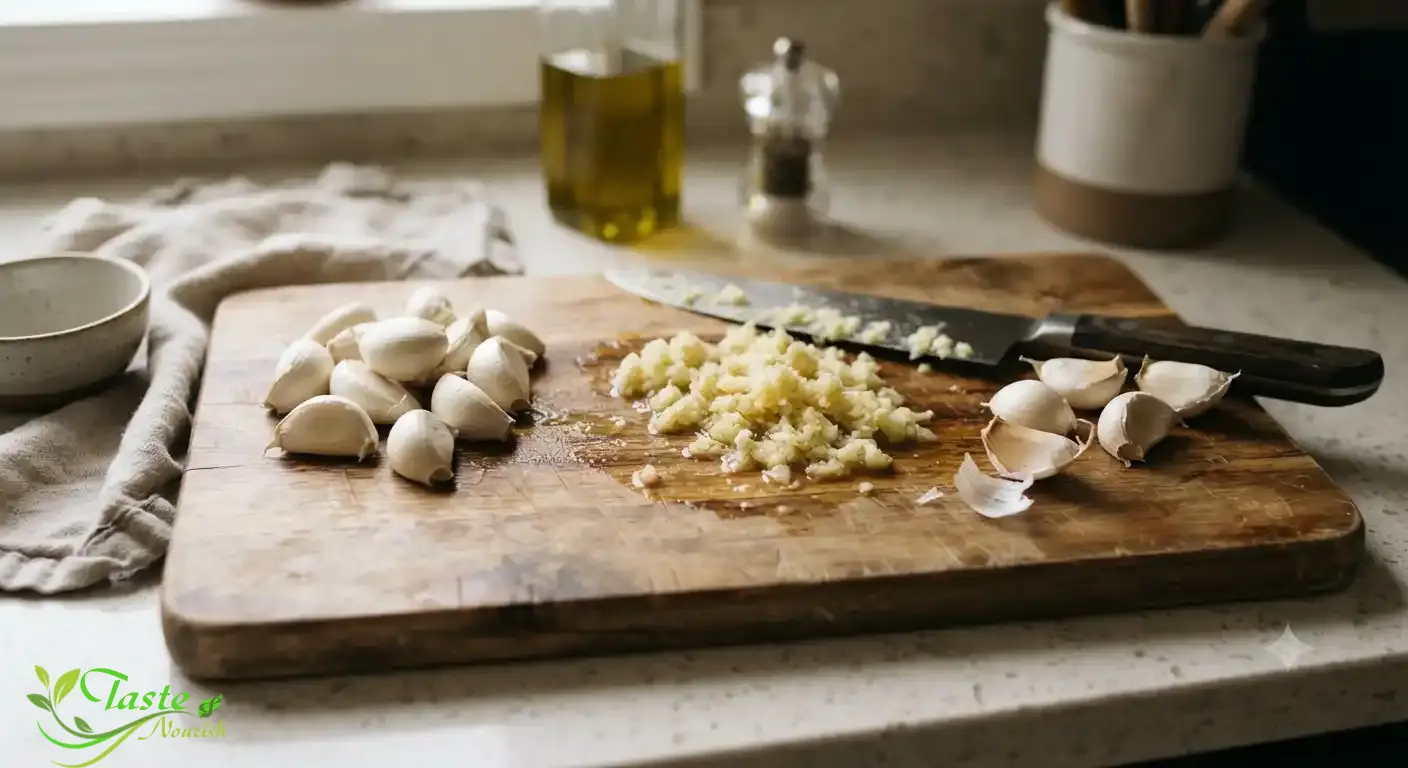
A small clove from a supermarket bulb might weigh close to 1 gram once peeled. A large clove from a hardneck variety grown for flavor intensity can weigh 5 to 6 grams — several times more. That’s part of why “eat a clove a day” is a vaguer instruction than it sounds.
Clove Size
Approximate Weight
Rough Garlic Equivalent
Small
1–2 g
About ½ teaspoon minced
Medium
3 g
About 1 teaspoon minced
Large
5–6 g
About 1.5–2 teaspoons minced
Because of this variability, thinking in grams (roughly 2 to 5 grams daily) is a more consistent way to track intake than counting cloves alone, especially if you cook with unusually large or small garlic.
Garlic Nutrition Facts: What You Get in Every Clove
Garlic isn’t eaten for its vitamin content the way you’d eat an orange for vitamin C. It’s a low-calorie, low-volume ingredient, and the nutrition numbers reflect that.
Calories and Macronutrients
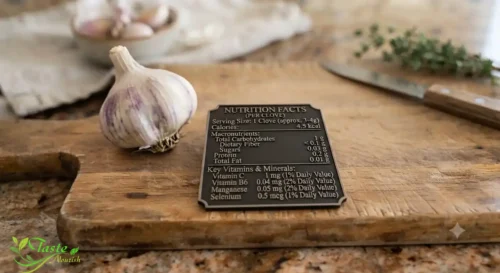
Raw garlic contains roughly 149 calories per 100 grams, according to USDA FoodData Central. Translated into an actual clove, a single medium clove (about 3 grams) works out to roughly 4 to 5 calories — nutritionally negligible on its own, but a reminder that garlic’s value comes from its bioactive compounds rather than its macronutrient profile.
Vitamins and Minerals
A single clove contributes small amounts of several micronutrients, including vitamin C, vitamin B6, manganese, and selenium. None of these appear in large enough quantities per clove to meaningfully move the needle on your daily nutrient targets, but they add up modestly if garlic is a regular part of your cooking.
Nutrient (per ~3 g raw clove)
Approximate Amount
Calories
4–5 kcal
Carbohydrates
~1 g
Protein
~0.2 g
Manganese
Small but notable % of daily needs
Vitamin B6
Small but notable % of daily needs
Vitamin C
Trace amount
Why Amount Matters: Understanding Allicin
Most of the interest in garlic’s health effects centers on a sulfur compound called allicin. Garlic cloves don’t actually contain allicin until they’re damaged — chopping, crushing, or chewing triggers an enzyme reaction that converts a precursor compound (alliin) into allicin. This is also what produces garlic’s characteristic sharp smell.
Allicin is unstable, which is exactly why “how much garlic” is a more complicated question than it looks. The amount you actually absorb depends heavily on how the garlic was prepared and how quickly it was cooked after being cut, not just on how many cloves ended up in the pan.
Raw vs. Cooked Garlic Allicin Content
Raw, freshly crushed garlic delivers the most allicin, but it’s also the form most likely to cause heartburn, bad breath, or stomach upset in larger amounts. Cooking garlic — especially high-heat methods like roasting or long sautéing — breaks down much of that allicin, which is one reason cooked garlic tends to be gentler on digestion even at similar clove counts.
Pro Tip: If you want to preserve more of garlic’s allicin-forming potential while still cooking it, chop or crush the cloves and let them sit for about 10 minutes before adding heat. This gives the enzyme reaction time to happen before cooking slows it down.
Recommended Daily Garlic Intake by Goal
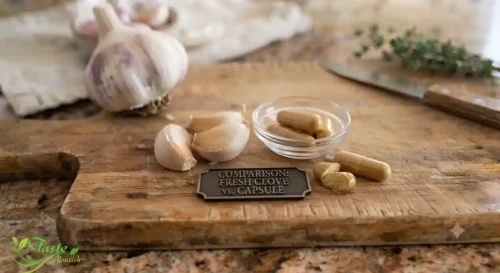
There’s a meaningful difference between eating garlic as a flavorful, everyday ingredient and using garlic supplements to target a specific health outcome. The research doses used in clinical studies are almost always higher and more standardized than anything achievable through home cooking.
Goal
Typical Approach in Research
Real-World Takeaway
General wellness / cooking
1–2 raw cloves (2–5 g) daily
Reasonable for most healthy adults as part of a varied diet
Cholesterol support
Standardized garlic extract supplements, often 600–1,200 mg/day
Effects are modest at best; talk to a doctor before adding a supplement
Blood sugar support
Doses ranging from under 1 g up to several grams daily in trials
Results vary by study population; not a substitute for prescribed treatment
For General Wellness
If your goal is simply “eat healthier” without a specific medical target, 1 to 2 cloves a day worked into meals — sauces, roasted vegetables, marinades — is a low-risk way to include garlic regularly. This amount is unlikely to cause digestive side effects for most people and fits comfortably into typical recipes.
For Heart Health and Cholesterol
This is where expectations need tempering. A 2022 randomized clinical trial published in the Journal of the American College of Cardiology compared a low-dose statin against six popular supplements, including a garlic extract standardized to 5,000 micrograms of allicin. After 28 days, the garlic group showed no meaningful cholesterol improvement — LDL cholesterol actually increased slightly compared with placebo, while the statin produced substantially larger reductions across the board.
That doesn’t mean garlic has zero relevance to heart health; it means the effect, if any, is small and inconsistent compared with proven medical treatments. The NCCIH similarly notes that garlic supplements may reduce total and LDL cholesterol only to a small extent in people with elevated levels, and the effect is modest next to cholesterol-lowering medication.
For Blood Sugar Support
Some smaller studies have used garlic doses ranging from well under a gram up to a few grams daily and observed reductions in fasting blood sugar over several weeks to months. These findings are worth noting but shouldn’t be treated as a replacement for medical management of diabetes or prediabetes — garlic is, at best, a complementary dietary habit rather than a treatment.
Health Benefits Linked to Daily Garlic Consumption
Garlic’s reputation as a “health food” is rooted in a mix of epidemiological observation and smaller clinical trials, not large-scale definitive proof. Here’s what the evidence base actually supports, in cautious terms:
Cardiovascular markers — Garlic supplements are associated with small reductions in total and LDL cholesterol in people with elevated levels, per NCCIH, though the effect is modest compared with medication.
Blood pressure — Limited evidence suggests garlic supplements may modestly lower blood pressure in people with hypertension.
Blood sugar — Some trials associate garlic intake with small reductions in fasting blood sugar, particularly in people with diabetes.
Cancer risk — Epidemiologic research on allium vegetables — the plant family that includes garlic and onions — has found some associations with a lower risk of certain gastrointestinal cancers, according to a review co-authored by National Cancer Institute and USDA researchers. The authors are clear that supportive intervention-trial evidence remains limited, and the NCCIH separately notes that garlic does not appear to reduce stomach cancer risk specifically.
Immune support — This is one of the weaker areas of evidence. NCCIH reports that very little rigorous research has examined garlic’s effect on immune function, despite its popularity as a cold-season remedy.
None of these should be read as a green light to self-treat a medical condition with garlic. They’re associations and modest effects, not replacements for prescribed care.
Side Effects and Risks of Eating Too Much Garlic
Garlic is generally well tolerated in food-level amounts, but larger quantities — particularly raw garlic or concentrated supplements — can cause real side effects. The most common complaints are digestive: heartburn, gas, bloating, and stomach discomfort, especially on an empty stomach.
The more serious risk involves bleeding. Garlic can slow blood clotting, and according to the Cleveland Clinic, garlic supplements may interact with blood thinners such as warfarin, as well as NSAIDs like ibuprofen, and other herbal supplements with similar effects. This is a bigger concern with concentrated supplements than with a clove or two in a recipe, but it’s still worth knowing.
Medication or Situation
Why It Matters
What to Do
Blood thinners (warfarin, apixaban, etc.)
Garlic may add to bleeding risk
Talk to your doctor before taking garlic supplements
NSAIDs (ibuprofen, naproxen)
Combined effect on clotting
Use caution with high-dose garlic supplements
Upcoming surgery
Increased bleeding risk during/after procedures
Many clinicians advise stopping garlic supplements 1–2 weeks prior
HIV medications (e.g., certain protease inhibitors)
Garlic may reduce drug effectiveness
Disclose garlic supplement use to your care team
Who Should Limit or Avoid Garlic
A few groups should be more cautious with garlic, particularly in supplement form rather than typical cooking amounts:
People on blood-thinning medication or with bleeding disorders
Anyone with an upcoming surgery, since many clinicians recommend stopping garlic supplements roughly one to two weeks beforehand
People with a known garlic allergy
Pregnant or breastfeeding individuals considering garlic supplements above the amounts typically found in food, per NCCIH guidance
People with acid reflux or a sensitive digestive system, since raw garlic in particular can trigger heartburn
If any of these apply to you, a conversation with a healthcare provider before increasing garlic intake — especially in supplement form — is the safer route.
How to Prepare Garlic to Maximize Its Benefits
Preparation affects both the potential benefits and the side effects of garlic. A few practical habits make a real difference in the kitchen:
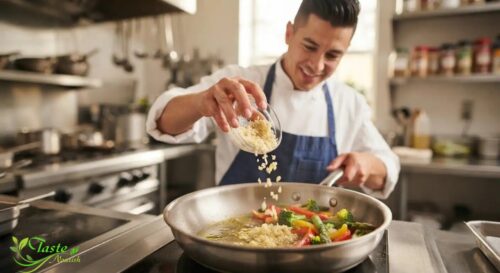
Crush or chop garlic and let it rest for about 10 minutes before cooking, which gives the allicin-forming reaction time to occur before heat slows it down. Add garlic toward the end of cooking rather than at the very start if you want to preserve more of its pungency and bioactive compounds, since prolonged high heat breaks them down. If raw garlic upsets your stomach, lightly cooking it — even a quick 60-second sauté — tends to be gentler while still contributing flavor and some of the compounds formed during cutting.
Pro Tip: Pairing raw garlic with acidic ingredients, like lemon juice or vinegar in a dressing, can help mellow its sharpness without needing to cook it, which is useful if you’re trying to get benefits from less-processed garlic without the intensity of eating it plain.
Common Garlic Myths, Debunked
Myth
Reality
“More garlic always means more benefit.”
Higher amounts increase side-effect risk without proportionally increasing benefit; there’s no evidence that piling on extra cloves scales up results.
“Garlic supplements work just like eating garlic.”
Supplements are far more concentrated and standardized than culinary amounts, and the research trial doses don’t translate directly to home cooking.
“Garlic can replace cholesterol medication.”
Clinical trial data, including the 2022 JACC study, shows garlic supplements underperform low-dose statins by a wide margin.
“Cooking destroys all of garlic’s value.”
Cooking reduces allicin specifically, but garlic still contributes flavor compounds and some nutrients after cooking; it isn’t nutritionally “dead.”
“Garlic prevents colds.”
Evidence here is thin; NCCIH notes that very few quality studies have examined this claim, and results are inconclusive.
Conclusion
There’s no official government dosage chart for garlic, but the evidence points to a sensible everyday range: roughly one to two cloves, or about 2 to 5 grams, for people simply cooking with garlic as part of a balanced diet. Beyond that, digestive side effects become more likely without clear added benefit. If you’re considering garlic supplements for a specific health goal — cholesterol, blood pressure, blood sugar — treat that as a decision to make with a healthcare provider rather than a swap for prescribed treatment, since the clinical evidence for meaningful, reliable effects remains modest.
Used thoughtfully, garlic can stay exactly what it’s always been: an inexpensive, flavorful ingredient with a few genuinely interesting, if limited, health associations attached to it.
How Much Garlic Should You Eat a Day? FAQs
Q1. Is it OK to eat garlic every day?
For most healthy adults, eating 1–2 cloves of garlic daily as part of cooking is considered reasonable and unlikely to cause problems. People on blood thinners or with digestive sensitivities should be more cautious.
Q2. How many raw garlic cloves is too many in one day?
There’s no universally defined “toxic” threshold, but digestive discomfort and increased bleeding risk become more likely as intake climbs well beyond a couple of cloves daily, particularly with raw garlic.
Q3. Does cooked garlic still have health benefits?
Yes, though cooking reduces allicin content. Cooked garlic still contributes flavor compounds and some nutrients, just not the same concentration of allicin as freshly crushed raw garlic.
Q4. Can garlic supplements replace medication for cholesterol or blood pressure?
No. Clinical research, including a 2022 trial in the Journal of the American College of Cardiology, found garlic supplements performed significantly worse than a low-dose statin for lowering cholesterol. Garlic should not be used as a substitute for prescribed treatment.
Q5. Who should avoid garlic supplements?
People taking blood thinners or NSAIDs, anyone with an upcoming surgery, those with a garlic allergy, and pregnant or breastfeeding individuals (in amounts beyond typical food use) should talk to a doctor before taking garlic supplements.
References
National Center for Complementary and Integrative Health. “Garlic: Usefulness and Safety.” National Institutes of Health. https://www.nccih.nih.gov/health/garlic
Laffin, L.J., et al. “Comparative Effects of Low-Dose Rosuvastatin, Placebo, and Dietary Supplements on Lipids and Inflammatory Biomarkers.” Journal of the American College of Cardiology, 2022. https://www.jacc.org/doi/10.1016/j.jacc.2022.10.013
Nicastro, H.L., Ross, S.A., Milner, J.A. “Garlic and onions: their cancer prevention properties.” National Cancer Institute / USDA-ARS, published in Cancer Prevention Research. PubMed. https://pubmed.ncbi.nlm.nih.gov/25586902/
This guide is for informational purposes only and should not replace professional medical or nutritional advice. Always consult with healthcare providers regarding specific dietary needs and health conditions.
Hanan Abo Samra is the founder of Taste & Nourish, sharing trustworthy nutrition guidance and recipes drawn from 20+ years of hands-on cooking experience. When she's not developing new recipes, Hanan is researching the science behind everyday ingredients to bring readers practical, evidence-based guidance for a healthier lifestyle.