
Garlic Nutrition Facts: Calories, Vitamins, Minerals, and Health Benefits Explained
Garlic Nutrition Facts, Benefits, and Side Effects Explained
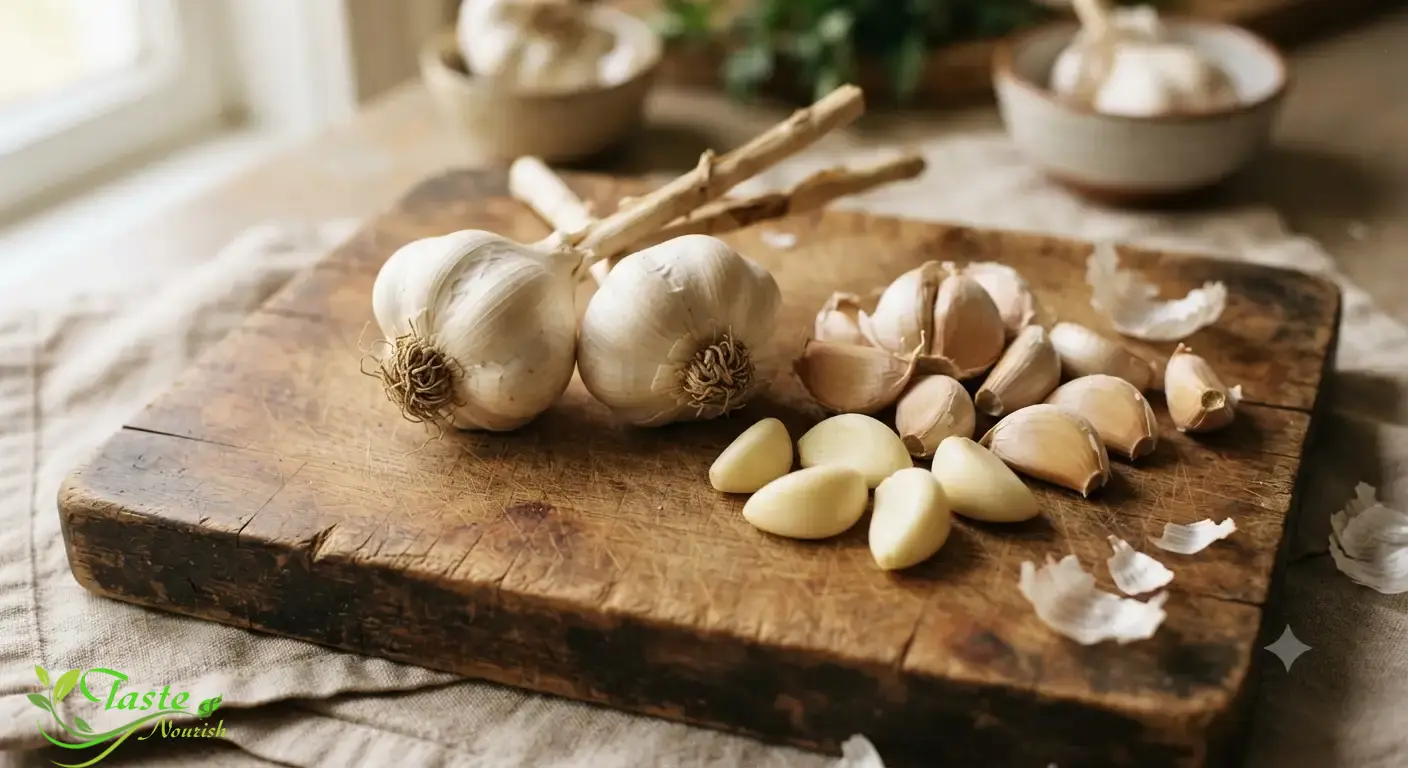
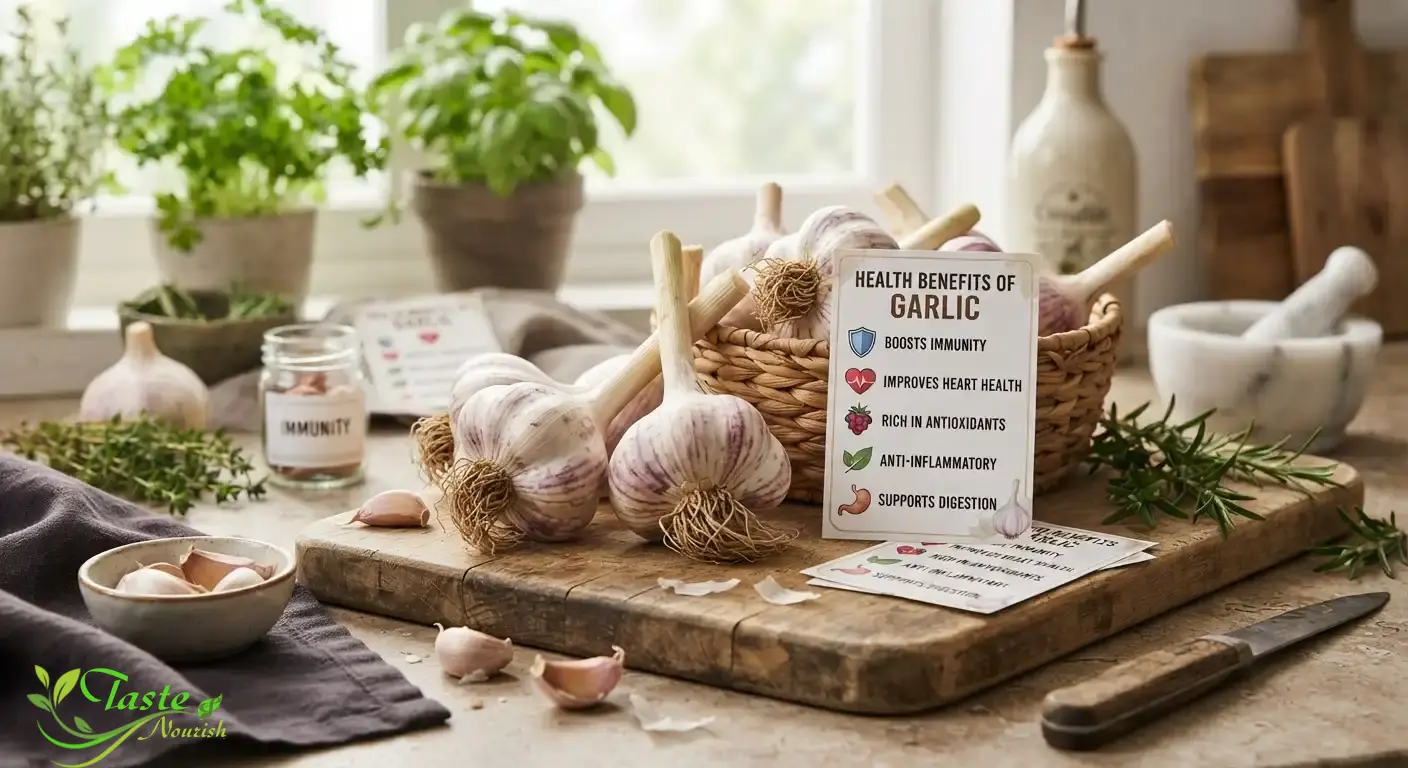
You’ve probably tossed a clove of garlic into a pan a thousand times without giving it a second thought. But this small, pungent bulb carries an outsized nutritional story for something that barely tips the scale. Garlic (Allium sativum) belongs to the same plant family as onions, leeks, and shallots, and people have relied on it for both flavor and folk medicine for thousands of years. What makes garlic different from most vegetables isn’t really its vitamin or mineral content — it’s a group of sulfur compounds that form the moment you crush, chop, or chew a clove.
That transformation is worth understanding before you look at a single number on a nutrition label. When garlic is intact, it stores a compound called alliin. The instant you damage the clove’s cell walls, an enzyme called alliinase gets to work and converts alliin into allicin, the compound responsible for garlic’s sharp smell and much of its research interest. This is why raw, crushed garlic behaves differently in your body than garlic that’s been roasted whole or swallowed as a supplement pill. Keep that distinction in mind as you read through the numbers below, because how you prepare garlic changes what you actually get out of it.
Garlic Nutrition Facts at a Glance
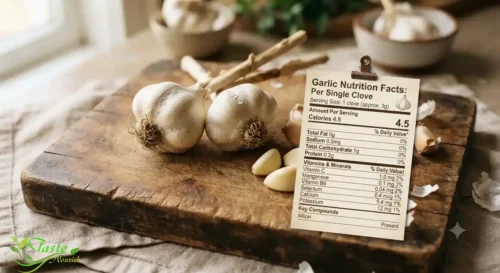
Garlic isn’t a significant source of calories, protein, or most vitamins in the amounts people typically eat it. A single clove weighs only about 3 grams, so even though 100 grams of garlic looks impressive on a nutrition label, that’s roughly 30 cloves — far more than anyone adds to a weeknight dinner. According to the USDA FoodData Central database, a single raw garlic clove of about 3 grams contains roughly 4 to 4.5 calories, making it one of the lowest-calorie ingredients in any kitchen. The table below breaks down what one clove and a 100-gram reference portion actually provide.
| Nutrient | Per 1 Clove (~3g) | Per 100g |
|---|---|---|
| Calories | ~4.5 kcal | ~149 kcal |
| Protein | ~0.2 g | ~6.4 g |
| Carbohydrates | ~1.0 g | ~33.1 g |
| Dietary Fiber | ~0.1 g | ~2.1 g |
| Total Sugars | ~0 g | ~1.0 g |
| Fat | ~0 g | ~0.5 g |
| Vitamin C | ~1 mg | ~31 mg |
| Vitamin B6 | ~0.04 mg | ~1.2 mg |
| Manganese | ~0.05 mg | ~1.7 mg |
| Potassium | ~12 mg | ~401 mg |
| Calcium | ~5 mg | ~181 mg |
Values approximated from USDA FoodData Central, Foundation Foods entry for raw garlic (FDC ID 169230). Actual values vary by bulb size, growing conditions, and variety.
Calories and Macronutrients
Let’s start with the obvious: garlic is not going to move the needle on your daily calorie count. At roughly 4 to 5 calories per clove, you could eat a whole head of garlic — something almost nobody does in one sitting — and still barely register on a tracking app. Garlic is mostly water and carbohydrate, with only trace amounts of protein and virtually no fat. That carbohydrate content comes primarily from fructans, a type of fiber-like starch that feeds beneficial gut bacteria but can also trigger bloating in people sensitive to FODMAPs (fermentable carbohydrates).
Because the calorie and macronutrient contribution is so small, garlic functions more like a seasoning than a food group in most diets. That’s actually part of its appeal for people managing weight or blood sugar: you get an enormous amount of flavor for essentially zero caloric cost. It’s a similar logic to why chefs lean on herbs and spices instead of butter or sugar to make food interesting. Garlic just happens to bring a health research profile that most seasonings don’t.
Vitamins and Minerals
Garlic isn’t a meaningful source of any single vitamin or mineral in the quantities people actually eat — one clove supplies only a small fraction of the Daily Value for nutrients like vitamin C, vitamin B6, or manganese. Where garlic contributes modestly is in trace minerals: it contains small amounts of selenium, an antioxidant mineral that many diets fall short on, along with a bit of calcium, phosphorus, and potassium. None of these amounts are large enough to replace a serving of leafy greens or citrus fruit, so it’s more accurate to think of garlic as a flavor-forward bonus rather than a vitamin source.
♦ If you’re eating garlic for nutrients rather than taste, you’re likely to be disappointed by the actual numbers.
Allicin and Other Bioactive Compounds
This is where garlic earns its reputation. According to the Linus Pauling Institute at Oregon State University, fresh garlic cloves contain about 6 to 14 milligrams of alliin per gram of fresh weight, and crushing releases roughly 2.5 to 4.5 milligrams of allicin per gram once the alliinase enzyme does its work.
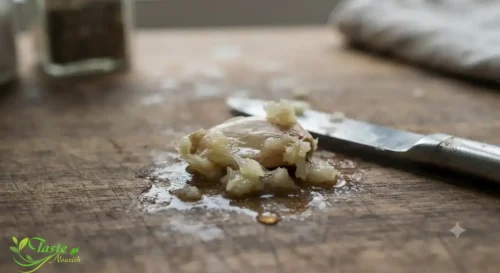
Allicin itself is unstable and breaks down quickly into a range of other organosulfur compounds, including diallyl disulfide and diallyl trisulfide, which researchers believe carry much of garlic’s antioxidant and anti-inflammatory activity. Because allicin degrades within days even in crushed garlic, and because heat inactivates the alliinase enzyme responsible for making it, the way you cut and cook your garlic genuinely changes its chemistry.
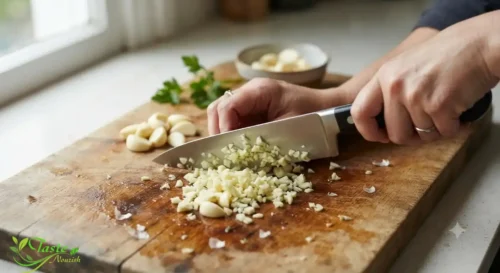
Pro Tip: If you want to preserve more of garlic’s allicin potential, crush or chop your cloves and let them rest on the cutting board for 10 minutes before adding them to a hot pan. This gives the alliinase enzyme time to finish converting alliin into allicin before heat can destroy it.
Health Benefits of Garlic Backed by Research
Garlic has been studied more than almost any other kitchen ingredient, and the picture that emerges is one of modest, real effects rather than miracle-food claims. Most of the research involves garlic supplements or concentrated extracts rather than the clove or two you might add to a stir-fry, which matters when interpreting what these findings mean for your own plate. Below is a rundown of where the evidence is strongest, and where it’s still mixed.
Heart Health and Cholesterol
Cholesterol management is where garlic has the deepest research base. A comprehensive analysis pooling data from 39 randomized controlled trials involving 2,300 participants treated for at least two weeks found that garlic was effective in reducing total cholesterol and LDL cholesterol by about 10 percent when taken for more than two months, particularly in people who started with mildly elevated levels. That’s a meaningful reduction, though it’s worth noting this effect came primarily from concentrated garlic preparations, not casual culinary use.
The National Center for Complementary and Integrative Health notes that garlic supplements may reduce levels of total cholesterol and LDL cholesterol to a small extent in people who have high blood cholesterol levels, which is a fair, cautious summary of where the science currently stands.
It’s important not to oversell this benefit. Some newer, well-controlled comparisons have found garlic performs far less effectively than prescription statin medications for lowering LDL cholesterol, and a few studies have even found garlic supplements associated with a slight LDL increase compared to placebo. Garlic may help as a complementary strategy, but it isn’t a substitute for cholesterol-lowering medication your doctor has prescribed.
♦ If you have diagnosed high cholesterol, think of garlic as a possible supporting player in an overall heart-healthy diet, not a stand-in for treatment.
Blood Pressure
Garlic’s effect on blood pressure has a reasonably solid evidence trail, especially in people who already have hypertension. One meta-analysis of nine randomized controlled trials involving hypertensive adults found that garlic preparations reduced systolic blood pressure by an average of about 9 mm Hg and diastolic pressure by about 4 mm Hg compared to placebo.
Reductions of that size are in a similar ballpark to what’s reported for some common blood pressure medications, although researchers caution that garlic hasn’t been shown to reduce the actual risk of heart attack or stroke the way medications have. The NCCIH describes the evidence as limited but suggestive that garlic supplements may reduce blood pressure to a small extent in people who already have high blood pressure.
♦ If you have normal blood pressure, don’t expect garlic to do much of anything in this department — most trials that found an effect specifically enrolled people with elevated readings to begin with. This pattern is common with food-based interventions: they tend to nudge an existing imbalance back toward normal rather than pushing a already-healthy system further in one direction. Talk to your doctor before relying on garlic supplements for blood pressure management, especially if you’re already taking medication for it.
Immune Support
Garlic’s reputation as a cold-and-flu fighter is one of the most widely repeated health claims out there, and the research is genuinely more limited than the folklore suggests. A well-known randomized trial of 120 healthy adults found that supplementation with aged garlic extract improved both natural killer cell and gamma-delta T cell function and reduced the severity of cold and flu symptoms over a 90-day period. That’s a promising signal, but the NCCIH is careful to note that a 2022 review identified only two small studies suggesting a possible immune benefit, both with real limitations in their design.
Translation: garlic supplementation might modestly support immune cell activity and could shorten how rough a cold feels, but there’s no strong evidence it prevents you from catching one in the first place. If you’re reaching for garlic during cold season, there’s no harm in it for most healthy adults, but manage your expectations.
♦ Handwashing, sleep, and vaccination remain far better-supported strategies for avoiding respiratory illness than any single food or supplement.
Antioxidant and Anti-Inflammatory Effects
Much of garlic’s broader health interest comes down to its antioxidant and anti-inflammatory activity at the cellular level. Laboratory and animal research consistently shows that garlic-derived organosulfur compounds can reduce oxidative stress markers and calm several inflammatory signaling pathways involved in chronic disease.
Human trials echo some of this: one randomized, placebo-controlled study in patients on peritoneal dialysis found that standardized garlic extract taken twice daily for eight weeks meaningfully lowered inflammatory markers including interleukin-6 and C-reactive protein. Other trials in healthy or overweight adults have shown smaller or inconsistent effects, which is typical for inflammation research given how many factors influence those markers day to day.
None of this means garlic is an anti-inflammatory cure-all — inflammation research is notoriously difficult to translate into clean, universal conclusions. What it does suggest is that garlic’s sulfur compounds are biologically active in ways that plausibly connect to some of its other reported benefits, like supporting blood vessel function. Think of this as the mechanistic backstory that helps explain why garlic keeps showing up across so many different areas of nutrition research, from heart health to metabolic conditions.
Key Takeaways
- One raw garlic clove has about 4 to 5 calories and negligible protein, fat, or vitamin content.
- Garlic’s real value lies in allicin and related organosulfur compounds, which form only when the clove is crushed, chopped, or chewed.
- The strongest evidence supports modest improvements in cholesterol and blood pressure, mainly from concentrated supplements rather than culinary amounts.
- Immune and antioxidant benefits are plausible but backed by smaller, less conclusive studies.
- Garlic is a helpful addition to a balanced diet, not a replacement for medical treatment.
Potential Side Effects and Who Should Use Caution
Garlic is generally well tolerated, but it’s not entirely without downsides, especially at supplement doses far beyond what you’d eat in a meal. The most common complaints are unglamorous: breath and body odor, heartburn, upset stomach, and gas are the most frequently reported issues tied to garlic consumption. These effects tend to scale with dose, so someone popping concentrated garlic capsules is far more likely to notice gastrointestinal discomfort than someone who added two cloves to a pasta sauce.
The more serious concern involves bleeding risk. Garlic has mild blood-thinning properties, and the NCCIH warns that taking garlic supplements may increase the risk of bleeding, and people should tell their health care providers if they use garlic supplements, particularly before surgery or if they take blood-thinning medications like warfarin or aspirin. This is a genuine drug interaction risk rather than a theoretical one, since garlic has also been shown to reduce blood levels of certain antiretroviral medications used to treat HIV.
♦ If you’re on anticoagulants, scheduled for a procedure, or managing a chronic condition with prescription medication, it’s worth having a quick conversation with your pharmacist or doctor about garlic supplement use specifically — culinary amounts in food are a different story and are considered safe for the vast majority of people.
♦ Pregnant or breastfeeding individuals should also be cautious with garlic in supplement form, since safety data in these populations remains limited, though normal dietary amounts appear fine. People with known allergies to garlic, onions, or other Allium vegetables should avoid it altogether, as allergic reactions ranging from skin irritation to more serious symptoms have been documented. And if you’re someone who reacts poorly to high-FODMAP foods, garlic’s fructan content can trigger bloating or digestive discomfort independent of any allergy.
Raw Garlic vs. Cooked Garlic vs. Garlic Supplements
Not all garlic is created equal, and the format you choose changes both the flavor and the chemistry you’re getting. Raw, freshly crushed garlic delivers the highest allicin content because the alliinase enzyme hasn’t been deactivated by heat. Cooked garlic, especially when heated for long periods or added early in a recipe, loses much of that allicin-generating potential, though it retains other flavor compounds and some antioxidant activity. Supplements occupy a different category entirely, since manufacturing processes determine which compounds actually make it into the capsule.
| Format | Allicin Potential | Typical Use | Considerations |
|---|---|---|---|
| Raw, crushed garlic | Highest | Dressings, salsas, finishing dishes | Strongest odor and flavor; most GI irritation potential |
| Cooked garlic | Reduced | Sauces, roasts, sautés | Milder flavor; some antioxidant compounds remain |
| Powdered garlic supplements | Variable | Capsules, tablets | Many products test low for actual allicin release |
| Aged garlic extract | Minimal allicin, rich in SAC | Standardized supplements | Best safety and interaction data among supplement forms |
| Garlic oil / oil macerate | Yes, oil-soluble derivatives | Capsules | Concentrated; used mainly in research settings |
Does Cooking Destroy Garlic’s Benefits?
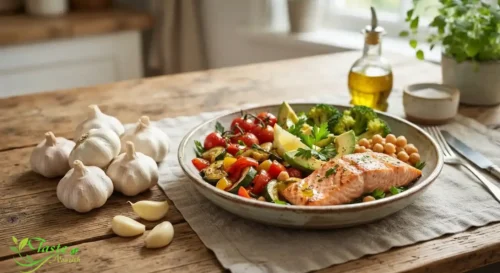
Cooking doesn’t destroy garlic’s benefits so much as change them. Heat inactivates the alliinase enzyme, which means less allicin gets produced from any alliin still present in the clove.
Research on garlic and platelet aggregation found that prolonged heating — six minutes or more of boiling or oven exposure — meaningfully reduced garlic’s ability to inhibit platelet clumping compared to raw garlic, though crushed garlic retained more of this activity than uncrushed cloves even after cooking. This is exactly why some nutrition-focused recipes call for crushing garlic and letting it sit for 10 minutes before it hits a hot pan.
That said, cooked garlic is still garlic, and there’s nothing wrong with roasting a whole head until it turns sweet and spreadable. You’re trading some allicin-related activity for a different flavor profile and, arguably, better digestibility for people who find raw garlic harsh on the stomach.
♦ If you’re specifically trying to maximize allicin for a research-backed reason like cardiovascular support, raw or lightly cooked garlic — crushed and rested first — is your best bet. If you just want dinner to taste incredible, cook it however makes the dish work.
How to Buy, Store, and Prep Garlic for Maximum Benefit
Good garlic starts at the grocery store or farmers market, and it’s easier to spot quality than you might think. Look for firm, plump bulbs with tight, unbroken skin and no visible sprouting or soft spots. Avoid bulbs that feel light for their size or have a musty smell, since both can indicate the cloves inside have started to dry out or spoil. Fresh garlic should feel heavy and dense, almost like a small, papery rock.
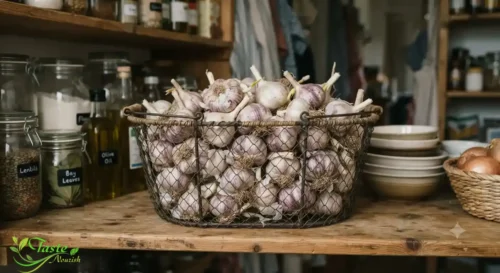
Storage matters more than most people realize. Whole, unpeeled garlic bulbs keep best in a cool, dry, dark place with good air circulation — a pantry or a mesh basket on the counter works well, and a whole bulb can last for about a month this way. Once you peel or cut a clove, it should go in the refrigerator in a sealed container and be used within about a week, since cut garlic loses potency and can develop off-flavors relatively quickly. Skip the refrigerator for whole, unpeeled bulbs, though, since cold, humid conditions can encourage premature sprouting and mold.
Prepping Garlic to Maximize Allicin
If you want the full research-backed benefit profile, technique matters as much as freshness. Crush or finely mince your garlic rather than slicing it into large pieces, since more surface area damage means more alliinase contact with alliin. Let the crushed garlic rest for about 10 minutes at room temperature before it touches heat, oil, or acid, giving the enzyme time to complete its work. Adding garlic near the end of cooking, rather than at the very start, also helps preserve more of its heat-sensitive compounds while still mellowing its sharpest edges.
Pro Tip: Keep a small garlic press or a sharp knife dedicated to garlic prep, and always crush more than one clove at once — the reaction happens faster and more completely with a slightly larger, more thoroughly damaged surface area than with a single lonely clove minced halfheartedly.
Common Garlic Myths, Debunked
Garlic attracts more folklore than almost any vegetable, so it’s worth clearing up a few persistent myths:
- Garlic is not a significant source of vitamin C or any single vitamin in the amounts typically consumed. A single clove provides only a small fraction of the recommended daily intake, despite claims suggesting otherwise.
- Roasting garlic does not increase its calorie content. Any additional calories in roasted garlic dishes usually come from ingredients such as olive oil rather than the garlic itself.
- Garlic supplements are not equivalent to fresh garlic. The allicin potential stated on supplement labels does not necessarily reflect the amount absorbed by the body, and many powdered supplements release substantially less allicin than advertised under normal digestive conditions.
- Garlic does not reliably prevent the common cold. While some evidence suggests it may modestly reduce symptom severity or duration, the evidence supporting its role in preventing colds remains limited.
- Garlic should not be considered a replacement for prescribed cholesterol or blood pressure medications. Although it may provide modest health benefits, substituting garlic supplements for evidence-based medical treatment is not supported by current research and may pose significant health risks.
♦ Maintaining a healthy level of skepticism toward single-ingredient health claims is essential, as scientific evidence often paints a more nuanced picture than popular beliefs.
Garlic Nutrition Facts FAQs
Q1. Does garlic have any calories?
Yes, but very few. A single raw clove contains approximately 4 to 5 calories, which is negligible in the context of a normal diet. You’d need to eat an entire head of garlic to approach the calorie count of a small apple.
Q2. Is garlic good for high blood pressure?
Research suggests garlic, particularly in supplement form, may modestly reduce blood pressure in people who already have hypertension, with effects in some trials comparable to certain medications. It shouldn’t replace prescribed blood pressure treatment, and its effect in people with normal blood pressure appears minimal.
Q3. Does garlic really boost your immune system?
There’s some evidence that aged garlic extract may support immune cell activity and reduce the severity of cold symptoms, but the research base is still small. Garlic isn’t a proven way to prevent illness outright, so it’s best viewed as a possible supporting habit rather than a primary defense.
Q4. Can garlic thin your blood?
Yes, garlic has mild antiplatelet, blood-thinning properties, which is why people on anticoagulant medications like warfarin or those preparing for surgery are typically advised to discuss garlic supplement use with their doctor. Culinary amounts in food are generally not a concern for most healthy people.
Q5. Is raw garlic healthier than cooked garlic?
Raw, freshly crushed garlic retains more allicin because cooking heat deactivates the enzyme responsible for producing it. Cooked garlic still offers flavor and some antioxidant compounds, so the “healthier” choice really depends on whether you’re optimizing for allicin specifically or simply want garlic in your meal.
Conclusion
Garlic occupies an unusual spot in nutrition: it’s nutritionally unremarkable in terms of calories, protein, or vitamins, yet it’s one of the most studied ingredients in the human diet because of what happens the moment you crush it. The organosulfur compounds it produces, especially allicin, are linked to modest but real benefits for cholesterol, blood pressure, and possibly immune function, mostly demonstrated using concentrated extracts rather than the clove or two most people cook with daily. That doesn’t make garlic any less worth keeping in your kitchen.
A little crushed garlic, rested for ten minutes before it hits the pan, gives you both outstanding flavor and the best shot at the compounds researchers have spent decades studying, all for a caloric cost you’ll never notice.
References
- U.S. Department of Agriculture, Agricultural Research Service. “Garlic, raw” — FoodData Central. https://fdc.nal.usda.gov/food-details/169230/nutrients
- National Center for Complementary and Integrative Health, National Institutes of Health. “Garlic: Usefulness and Safety.” https://www.nccih.nih.gov/health/garlic
- Linus Pauling Institute, Oregon State University. “Garlic and Organosulfur Compounds” — Micronutrient Information Center. https://lpi.oregonstate.edu/mic/food-beverages/garlic
- Centers for Disease Control and Prevention. “Complementary and Integrative Health Approaches to Travel Wellness” — CDC Yellow Book. https://www.cdc.gov/yellow-book/hcp/preparing-international-travelers/complementary-and-integrative-health-approaches.html
- Ansary J, Forbes-Hernández TY, Gil E, et al. “Potential Health Benefit of Garlic Based on Human Intervention Studies: A Brief Overview.” Antioxidants (Basel), National Library of Medicine/PMC. https://pmc.ncbi.nlm.nih.gov/articles/PMC7402177/
This guide is for informational purposes only and should not replace professional medical or nutritional advice. Always consult with healthcare providers regarding specific dietary needs and health conditions.