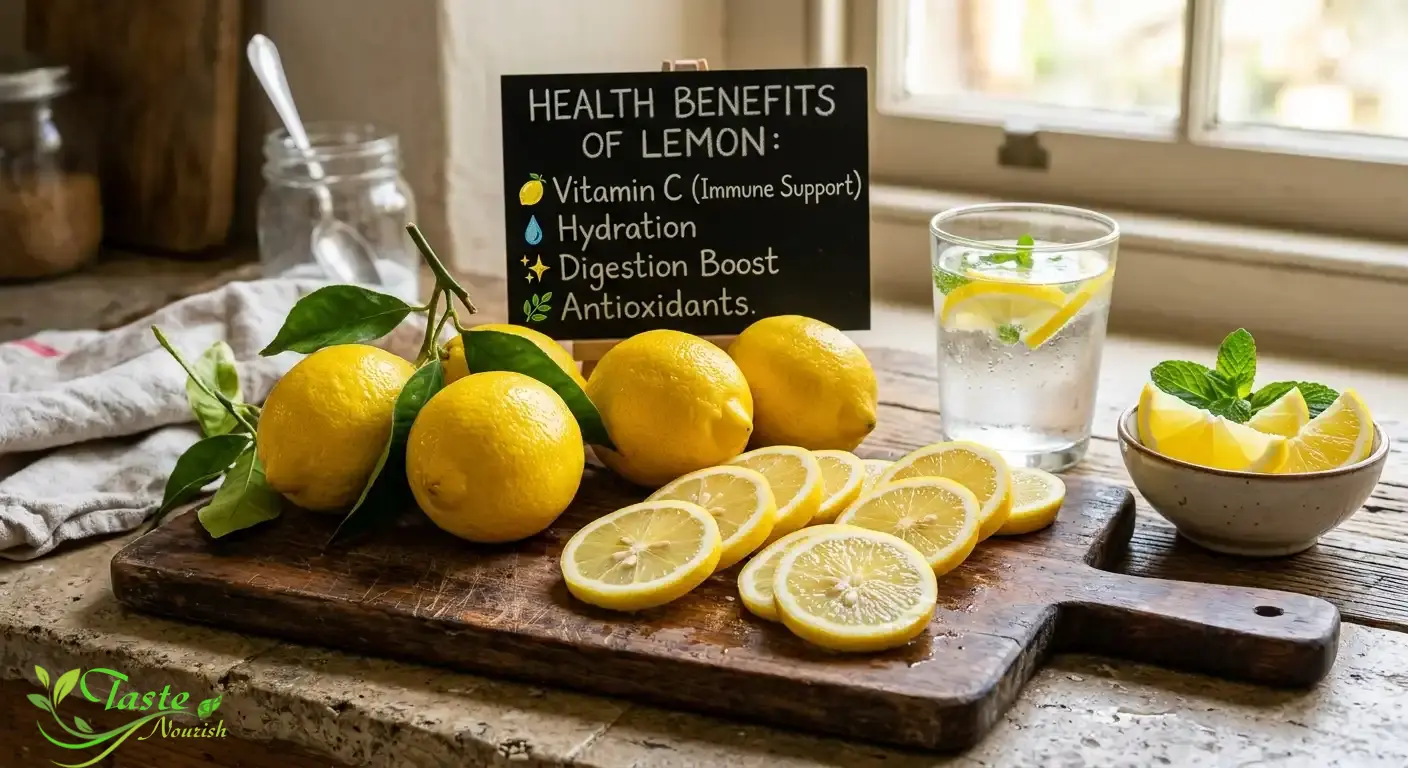

Lemon Nutrition Facts: Calories, Vitamins, Benefits, and More
Lemon Nutrition Facts Explained: What's Really in a Lemon

Few ingredients pull double duty quite like the lemon. It brightens a glass of water, cuts through the richness of a pan sauce, and somehow still gets billed as a “superfood” in half the wellness articles you’ll find online. So what’s actually true about lemon nutrition facts, and what’s just internet noise?
This guide breaks down exactly what’s in a lemon, what the research actually supports, and where some of the more dramatic health claims fall apart. No hype, no miracle cures — just a clear, well-sourced look at one of the kitchen’s most useful fruits.
What Is a Lemon?
A lemon (Citrus limon) is a small, oval citrus fruit known for its sour taste and thick, fragrant peel. Botanically, it’s a fruit — not a vegetable — and it belongs to the same citrus family as oranges, limes, and grapefruits.
Most people don’t eat lemons whole. Instead, the juice, zest, and occasionally the whole fruit (in preserved or candied form) show up across cuisines worldwide, from Mediterranean cooking to Southeast Asian and Middle Eastern dishes.
What makes the lemon nutritionally interesting isn’t bulk calories or protein. It’s a favorable mix of vitamin C, plant compounds, and citric acid, packed into a fruit most people only use a tablespoon or two of at a time.
Lemon Nutrition Facts (Per Serving)
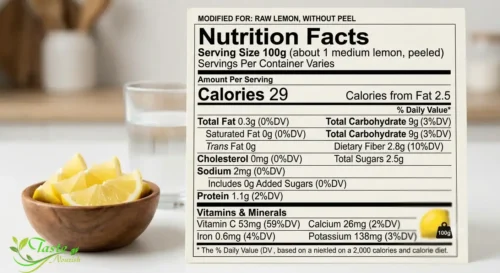
According to the USDA database, a 100-gram serving of raw lemon (without peel) contains the following:
| Nutrient | Amount per 100g | % Daily Value* |
|---|---|---|
| Calories | 29 kcal | — |
| Water | ~89 g | — |
| Carbohydrates | 9.3 g | 3% |
| Dietary fiber | 2.8 g | 10% |
| Sugars | 2.5 g | — |
| Protein | 1.1 g | 2% |
| Fat | 0.3 g | <1% |
| Vitamin C | 53 mg | 59% |
| Potassium | 138 mg | 3% |
| Calcium | 26 mg | 2% |
| Magnesium | 8 mg | 2% |
| Folate | 11 mcg | 3% |
*Daily Values are based on a 2,000-calorie adult diet.
Because most people don’t sit down and eat a whole lemon, here’s how the numbers look in real-world servings, based on the same USDA reference data:
| Serving | Calories | Vitamin C | Carbs |
|---|---|---|---|
| 1 medium lemon (58g, no peel) | ~17 kcal | ~31 mg (34% DV) | ~5.4 g |
| 1 tablespoon juice (~15g) | ~3 kcal | ~7 mg (8% DV) | ~1 g |
| 1 tablespoon zest (~6g) | ~2 kcal | ~5 mg | ~1 g |
Key takeaway: A single medium lemon covers roughly a third of your daily vitamin C needs for about 17 calories — one of the better nutrient-to-calorie ratios in the produce aisle.
Macronutrients in Lemons
Lemons are low in calories and nearly fat-free, with most of their carbohydrate content coming from a mix of natural sugars and fiber rather than starch. The fiber is concentrated in the pulp and membranes, which is one reason whole-fruit lemonade (blended, not strained) retains more fiber than plain juice.
Protein content is negligible, so lemons won’t meaningfully contribute to daily protein targets. That’s not a knock against them — they’re not being used as a protein source in any cuisine, and their nutritional value lies elsewhere.
Vitamins and Minerals in Lemons
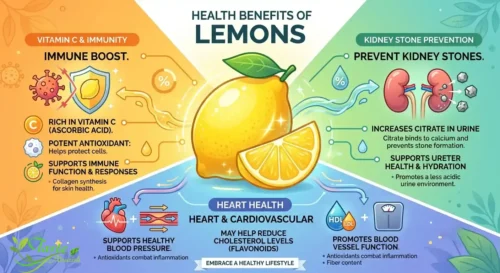
Vitamin C is the headline nutrient, and it’s a meaningful one. Per the National Institutes of Health Office of Dietary Supplements, adult men need about 90 mg of vitamin C daily and adult women need about 75 mg, so a single lemon gets you a substantial portion of the way there. Beyond vitamin C, lemons contribute smaller amounts of potassium, folate, and B vitamins, along with plant compounds called flavonoids that are concentrated in the peel and pith.
What Does a Lemon Taste Like?
The defining trait of a lemon is its sharp acidity, driven largely by citric acid, which can make up as much as 5–7% of the juice by weight. That’s what gives lemon its signature pucker.
But sourness isn’t the whole story. Lemon zest carries fragrant oils — mostly limonene — that add a floral, almost perfume-like brightness distinct from the sour juice. That’s why recipes often call for zest and juice separately: one brings aroma, the other brings acidity.
Where Do Lemons Come From?
Lemons are believed to have originated in Northeast India, northern Myanmar, or China, later spreading through Persia and the Mediterranean by way of Arab traders and, eventually, European explorers. By the 18th century, lemons had earned a very practical reputation: British naval physician James Lind demonstrated that citrus fruit could prevent scurvy among sailors, a discovery that eventually led the Royal Navy to stock lemons and limes on long voyages.
Today, lemons are grown commercially across the Mediterranean, the United States (particularly California and Arizona), Argentina, and India, among other regions. Their popularity isn’t just culinary — it’s tied directly to that early recognition of their vitamin C content.
Health Benefits of Lemons, Backed by Research
Lemons show up in a lot of wellness content with claims that outpace the science. Here’s what’s actually supported by credible research.
Vitamin C and Immune Support
Vitamin C is a water-soluble antioxidant that supports normal immune function and is required for collagen synthesis, according to the NIH Office of Dietary Supplements. Getting enough vitamin C from food sources like lemons is associated with healthy immune defenses, though vitamin C is not a cure or preventive treatment for the common cold on its own.
Kidney Stone Prevention
This is one area where lemon has real, specific evidence behind it. A peer-reviewed narrative review published in Nutrients and hosted on the National Library of Medicine’s PMC database found that lemon juice consistently increases urinary citrate levels, a compound that helps inhibit calcium stone formation. That said, the same review noted lemon juice has a smaller protective effect than orange juice and doesn’t raise urinary pH the way orange juice does, so it’s a helpful addition rather than a standalone treatment.
💡 Pro tip: If you’re prone to calcium oxalate kidney stones, ask your doctor whether adding diluted lemon juice to water throughout the day might be a reasonable complement to other prevention strategies.
May Heart Health and Antioxidants
According to Harvard Health Publishing, citrus fruits like lemons are rich in fiber, potassium, and anti-inflammatory plant compounds such as flavonoids, which may help protect against chronic conditions including heart disease. The key word is “may” — citrus is one part of a broader dietary pattern, not a substitute for medical treatment of existing heart conditions.
Digestion and Gut Health
The fiber found in lemon pulp and pith may support regular digestion, and the fruit’s acidity can also stimulate saliva production, which plays a role in the early stages of digestion. Adding lemon to meals is a low-risk way to add flavor without relying on excess salt or sugar, which is a modest but real benefit for people managing sodium or added-sugar intake.
Skin and Collagen Support
Vitamin C is a cofactor in collagen production, the protein responsible for skin structure and wound healing, per NIH data. This has fueled popular claims about lemon water “detoxifying” skin, but there’s no strong clinical evidence that drinking lemon water directly improves skin appearance beyond the general benefit of adequate vitamin C intake from any food source.
Potential Risks and Who Should Limit Lemons
Lemons are safe for most people in normal culinary amounts, but there are a few groups who should be more careful.
- People with acid reflux or GERD, since citric acid can worsen heartburn symptoms for some individuals.
- People with sensitive tooth enamel, because frequent, undiluted exposure to citric acid can gradually erode enamel over time.
- People prone to canker sores, as citrus acidity is a common trigger for mouth sore flare-ups.
- People with citrus allergies, which can cause itching, swelling, or oral discomfort after contact with lemon.
- People taking certain medications, since very high vitamin C intake can interact with drug absorption in some cases — worth a quick check with a pharmacist if you’re taking multiple supplements.
Tooth Enamel and Digestive Sensitivity
If enamel erosion is a concern, using a straw for lemon water, rinsing your mouth with plain water afterward, and waiting at least 30 minutes before brushing your teeth are simple ways to reduce the acid’s contact time. For reflux-prone individuals, diluting lemon juice generously or limiting it to cooked applications (where some acidity mellows) can help minimize symptoms without cutting the fruit out entirely.
How to Buy, Store, and Prep Lemons

Choosing good lemons comes down to a few visual and tactile cues rather than guesswork. Look for fruit that feels heavy for its size — that usually signals more juice inside — with smooth, brightly colored skin free of soft spots or excessive wrinkling.
| Storage Method | Shelf Life | Notes |
|---|---|---|
| Room temperature (countertop) | 5–7 days | Best for near-term use |
| Refrigerator (whole, unwrapped) | 3–4 weeks | Ideal for longer storage |
| Refrigerator (cut, wrapped) | 2–3 days | Wrap tightly to limit air exposure |
| Freezer (juice or zest) | Up to 3–4 months | Freeze juice in ice cube trays for portioning |
A common mistake is refrigerating lemons in a sealed plastic bag with no airflow, which can trap moisture and speed up mold growth. A loosely closed bag or an open bin in the crisper drawer tends to work better, a point echoed in USDA consumer produce guidance.
Everyday Culinary Uses for Lemons
Lemon’s versatility comes from the fact that its acidity, aroma, and pulp can each be used independently or together, depending on the dish.
- Juice brightens dressings, marinades, sauces, and drinks, and can also prevent cut fruit like apples or avocado from browning.
- Zest adds concentrated citrus aroma to baked goods, pastas, and finishing sauces without adding extra liquid or sourness.
- Whole slices work well in roasting, poaching fish, or infusing water and tea.
- Preserved lemon (salt-cured) is a staple in North African cooking, offering a deeper, more savory citrus flavor than fresh juice.
Lemon vs. Lime: How Do They Compare?
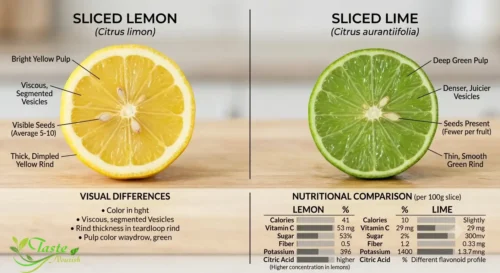
Lemons and limes are often used interchangeably, but they’re not nutritionally identical.
| Nutrient (per 100g) | Lemon | Lime |
|---|---|---|
| Calories | 29 kcal | 30 kcal |
| Vitamin C | 53 mg | 29 mg |
| Potassium | 138 mg | 102 mg |
| Folate | 11 mcg | 8 mcg |
| Vitamin A | Lower | Slightly higher |
Lemons generally edge out limes in vitamin C, potassium, and folate, while limes have a marginal edge in vitamin A. In practice, the differences are small enough that either fruit fits comfortably into a healthy diet — the choice usually comes down to flavor and what a recipe calls for.
Conclusion
Lemons aren’t a miracle food, and they won’t detoxify your body or single-handedly boost your immune system. What they are is a genuinely useful, low-calorie source of vitamin C, fiber, and plant compounds that pair well with a balanced diet — plus a research-backed nudge for people managing certain types of kidney stones. Used the way most people already use them, in cooking, dressings, and the occasional glass of water, lemons are an easy, evidence-supported addition to a healthy plate.
Lemon Nutrition Facts FAQs
Q1. Is lemon water good for you?
Lemon water can be a low-calorie, hydrating way to get some vitamin C into your day, but it doesn’t “detox” your body or offer benefits beyond what you’d get from eating a lemon wedge or another vitamin C-rich food. Your liver and kidneys handle detoxification on their own.
Q2. How many calories are in a lemon?
A whole medium lemon (about 58 grams without peel) has roughly 17 calories, according to USDA FoodData Central. Even a full cup of lemon juice comes in under 60 calories.
Q3. Do lemons alkalize the body?
No. Despite being acidic outside the body, lemons don’t meaningfully change your blood pH once digested — your kidneys and lungs tightly regulate blood pH regardless of diet. This is one of the more persistent myths in wellness content.
Q4. Can lemons help you lose weight?
Lemons themselves have no special fat-burning properties. They may support weight management indirectly by adding flavor to food and drinks without added sugar or calories, which can help some people reduce intake of higher-calorie beverages.
Q5. Is it safe to eat lemon peel?
Yes, in small amounts — lemon zest is commonly used in cooking and baking. Just be sure to wash the peel well first and use organic lemons when possible, since conventional citrus peels may carry pesticide residue or wax coatings.
References
- U.S. Department of Agriculture, Agricultural Research Service. Lemons, raw, without peel (SR Legacy, FDC ID 167746). FoodData Central. https://fdc.nal.usda.gov/fdc-app.html#/food-details/167746/nutrients
- National Institutes of Health, Office of Dietary Supplements. Vitamin C — Fact Sheet for Health Professionals. https://ods.od.nih.gov/factsheets/VitaminC-HealthProfessional/
- Barghouthy, Y., & Somani, B. K. (2021). Role of Citrus Fruit Juices in Prevention of Kidney Stone Disease (KSD): A Narrative Review. Nutrients, National Library of Medicine (PMC). https://pmc.ncbi.nlm.nih.gov/articles/PMC8625077/
- Harvard Health Publishing, Harvard Medical School. Eat These Fruits for Their Anti-Inflammatory Benefits. https://www.health.harvard.edu/diet-and-nutrition/eat-these-fruits-for-their-anti-inflammatory-benefits
- U.S. Department of Agriculture, Food and Nutrition Service, SNAP-Ed Connection. Lemons — Seasonal Produce Guide. https://snaped.fns.usda.gov/resources/nutrition-education-materials/seasonal-produce-guide/lemons