
Garlic for Weight Loss: Does It Actually Work? (Full Guide)
Garlic for Weight Loss: What the Science Really Says
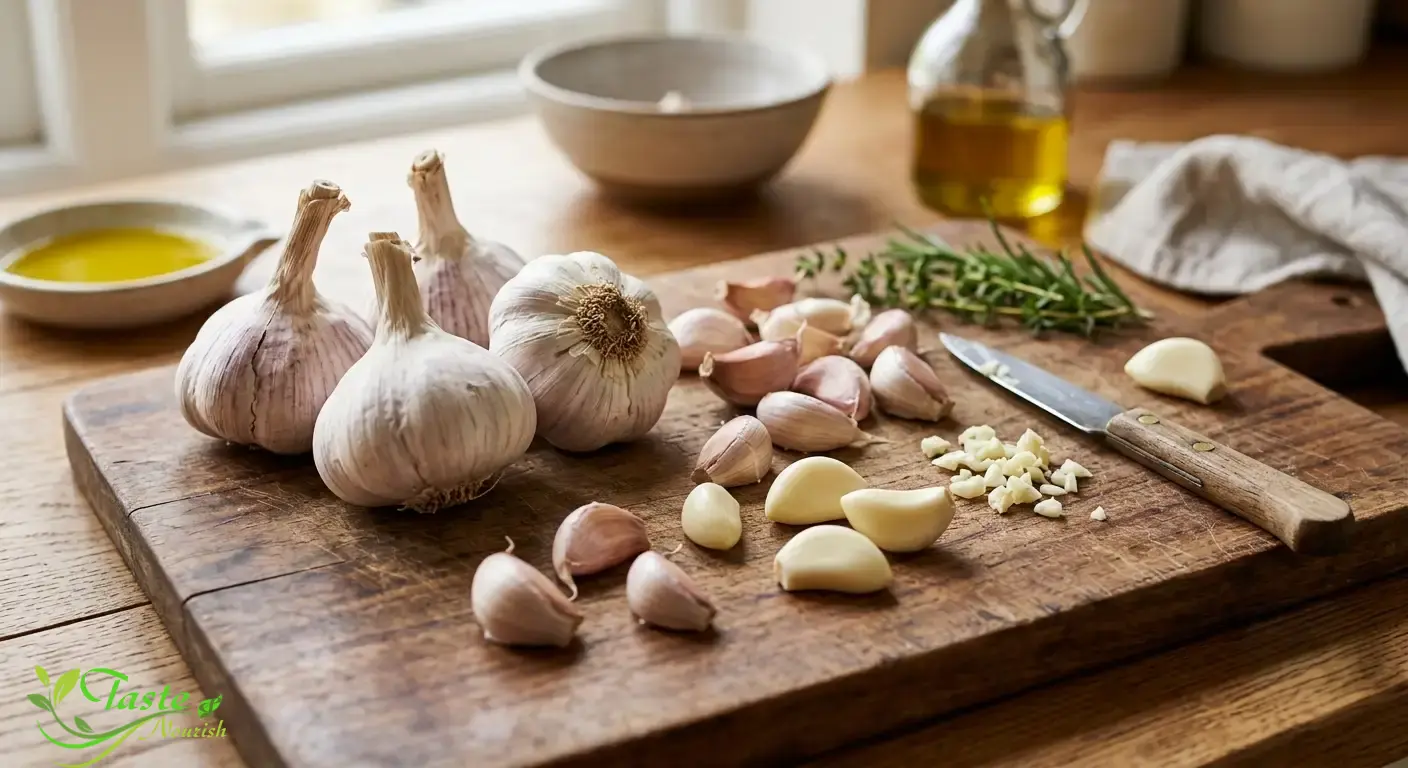
Garlic sits in almost every kitchen, yet most of us think of it purely as a flavor booster. Lately, though, it’s earned a second reputation: a possible ally for weight management. Search “garlic for weight loss” and you’ll find everything from miracle-cure claims to flat dismissals. Neither extreme tells the full story.
This guide walks through what garlic actually is, what the research supports, and how to use it sensibly if you’re trying to manage your weight. No hype, no shortcuts — just a clear, evidence-based look at one of the world’s oldest kitchen staples.
Key takeaway: Garlic is not a fat-burning miracle food, but a small body of research suggests it may modestly support weight management markers like waist circumference, blood sugar, and cholesterol — best used as part of a broader healthy eating pattern, not a substitute for one.
What Is Garlic, Exactly?
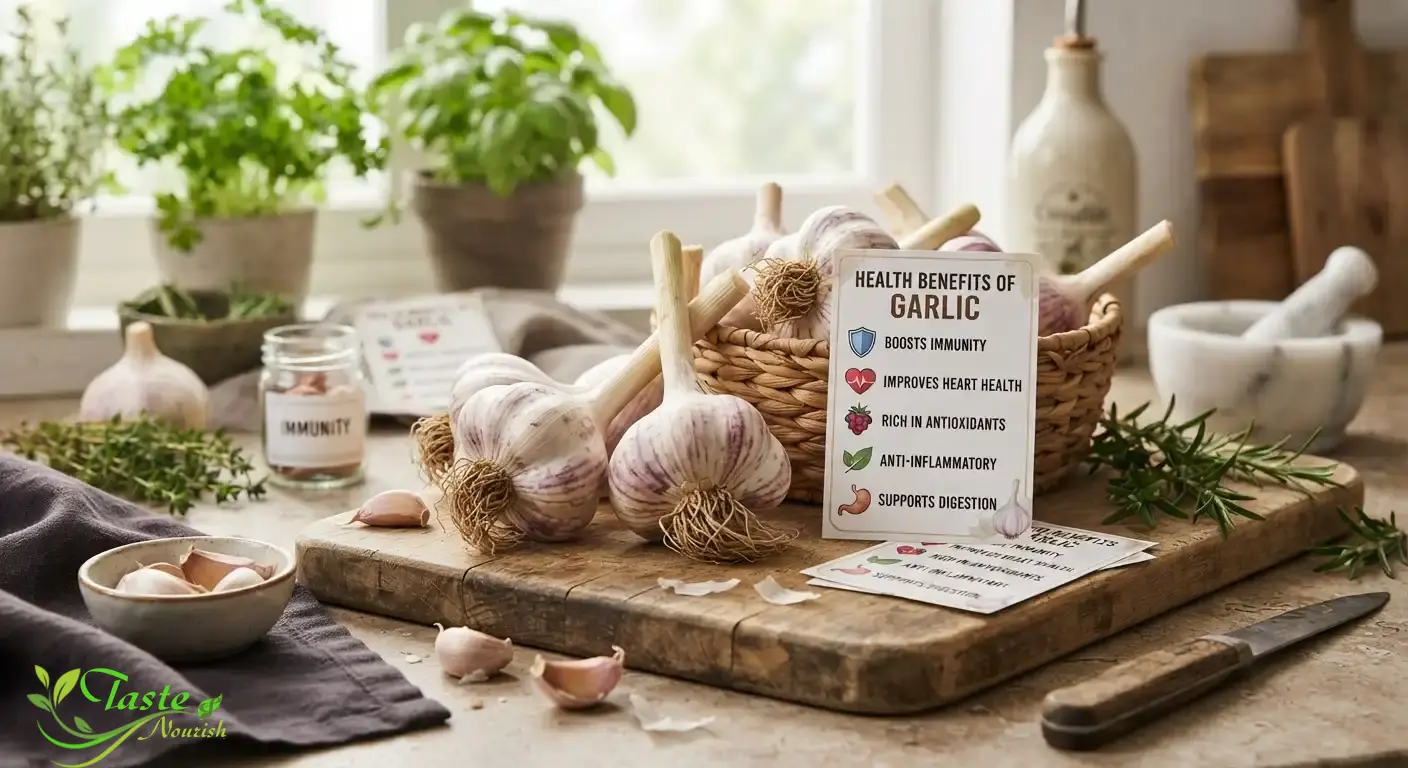
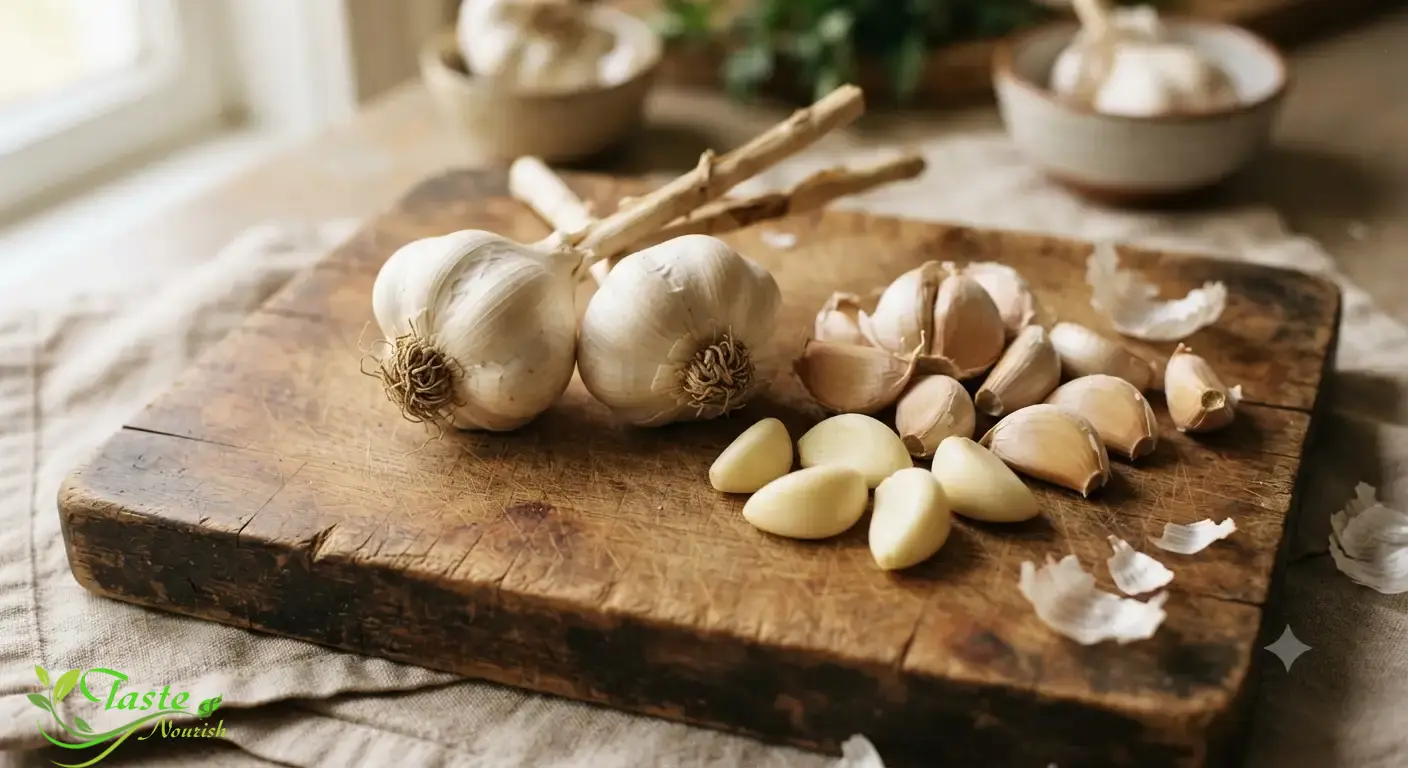
Garlic (Allium sativum) is a bulb vegetable in the same plant family as onions, leeks, and shallots. Each bulb is made up of individual cloves wrapped in papery skin, and it grows underground much like an onion does.
According to the U.S. Department of Agriculture’s SNAP-Ed Connection, garlic is technically classified as a vegetable, even though people rarely eat it on its own the way they would a carrot or a pepper. Instead, it’s used to build flavor into sauces, marinades, dressings, and dips.
Garlic has a long history as both a food and a folk remedy, used across cultures for thousands of years to season meals and to address minor ailments. Ancient Egyptian, Greek, and Chinese texts all reference garlic for its purported restorative properties, long before anyone understood the chemistry behind it. Modern nutrition science is now testing which of those traditional uses actually hold up — and weight management is one of the more actively studied areas.
That gap between folklore and evidence is exactly why this article leans on peer-reviewed research and government health sources rather than anecdote. Garlic has earned a reputation as a “superfood” in popular media, a label that often overstates what any single ingredient can realistically do. Understanding garlic’s actual, evidence-backed role helps set expectations that are both useful and honest.
Garlic’s Nutrition Profile at a Glance
Before getting into weight loss specifically, it helps to understand what garlic does — and doesn’t — bring to the table nutritionally.
Calories and Macronutrients
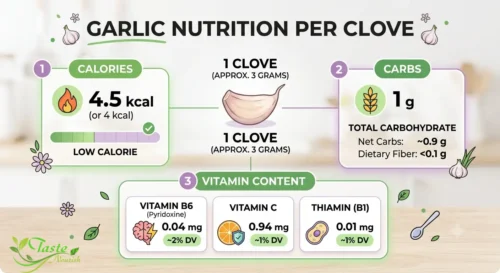
A single clove of raw garlic is tiny, and its calorie count reflects that. It contains only a handful of calories, a small amount of carbohydrate, and a trace of protein, with essentially no fat. That makes it easy to use generously without meaningfully affecting your daily calorie intake.
Because garlic is so low in calories, it’s often described as a “free” flavor enhancer — one that lets you cut back on higher-calorie additions like butter, cream, or excess oil without sacrificing taste. This is one of the more practical, if unglamorous, ways garlic supports a weight-conscious diet.
Vitamins, Minerals, and Allicin
Garlic contains small amounts of vitamin C, vitamin B6, manganese, and selenium, but in the quantities most people eat, these contributions are minor compared to vegetables like broccoli or leafy greens. Garlic’s real claim to fame is a sulfur-containing compound called allicin.
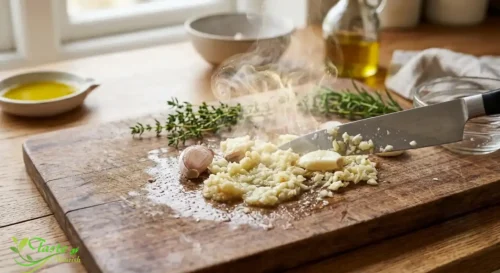
Allicin doesn’t exist in whole, unbroken garlic. It forms when garlic is chopped, crushed, or chewed, triggering an enzyme reaction that converts a precursor compound (alliin) into allicin. This is why recipes often recommend crushing garlic and letting it rest for several minutes before cooking — it gives the enzyme reaction time to happen before heat potentially slows it down.
Can Garlic Help You Lose Weight?
This is the question most people actually want answered, and the honest response is: garlic may offer modest support, but it is not a standalone weight-loss solution.
What the Research Shows
A systematic review and meta-analysis published in the International Journal for Vitamin and Nutrition Research pooled data from 15 randomized controlled trials examining garlic’s effects on body weight, BMI, and waist circumference. The analysis found that garlic consumption was associated with a reduction in waist circumference, though its effects on overall body weight and BMI were less consistent across studies.
Separately, a meta-analysis of randomized controlled trials on garlic’s effects on glucose and lipid parameters, published via PubMed Central, examined fasting blood glucose, HbA1c, and cholesterol markers across multiple trials through early 2024. The researchers note that garlic’s impact on these metabolic markers remains a genuinely debated area, with results varying by study design, dose, and population.
The National Center for Complementary and Integrative Health (NCCIH), offers a similarly measured take. Its clinical digest on natural products and high cholesterol states that garlic supplements can lower cholesterol when taken for more than two months, but the effect is modest next to prescription cholesterol-lowering medications.
Put together, the evidence points to garlic as a supporting player — one that may nudge certain metabolic markers in a favorable direction — rather than a primary driver of fat loss.
How Garlic May Support Weight Management
So how might a humble clove of garlic influence weight at all? Researchers point to a few overlapping mechanisms, though none of them work in isolation.
Appetite and Satiety
Some early research suggests sulfur compounds in garlic may have a mild effect on appetite signaling and thermogenesis (the body’s heat-and-energy-burning process), though human evidence here is still limited.
Garlic’s strong flavor can also make meals more satisfying without adding calories, which indirectly supports portion control.
Metabolism and Fat Storage
Animal studies have explored garlic’s potential to influence fat cell formation and lipid metabolism, with some suggesting reduced fat accumulation in specific models. Human data is far less conclusive, so this mechanism should be viewed as a plausible hypothesis rather than a settled fact.
Blood Sugar and Cholesterol Support
This is where the evidence is comparatively stronger. Garlic supplementation is associated with modest reductions in total cholesterol and LDL cholesterol in several trials, and NCCIH’s hypertension-focused review notes some evidence that garlic preparations may modestly lower blood pressure in people with hypertension — though the research base remains limited and inconsistent. Since healthy blood sugar and lipid levels are closely tied to metabolic health, this indirect pathway may matter more for weight management than any direct “fat-burning” effect.
| Potential Mechanism | Strength of Evidence | What It Means for You |
|---|---|---|
| Reduced waist circumference | Moderate (meta-analysis of RCTs) | May offer modest support alongside diet and exercise |
| Cholesterol reduction | Moderate | Supports overall metabolic health |
| Blood pressure reduction | Limited/preliminary | Small effect at best; not a substitute for treatment |
| Appetite/satiety effects | Weak/early-stage | Plausible but not well established in humans |
| Direct fat-burning | Weak | Not supported as a primary mechanism |
How to Add Garlic to a Weight-Loss Diet
If you want to incorporate garlic thoughtfully, the way you prepare and use it matters almost as much as how much you eat.
Raw vs. Cooked vs. Supplements
Raw garlic delivers the most allicin, since heat can degrade some of the compound during cooking. That said, cooked garlic still retains meaningful sulfur compounds and is far easier on the digestive system for most people.
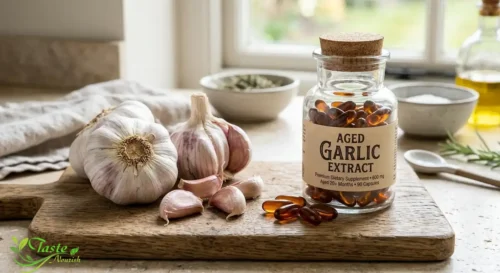
Garlic supplements, including aged garlic extract, are standardized and convenient, but NCCIH’s garlic fact sheet notes that dietary supplements aren’t FDA-approved before they reach the market, so quality and dosage can vary between brands.
| Form | Allicin Content | Digestive Tolerance | Best For |
|---|---|---|---|
| Raw, crushed garlic | Highest | Can cause heartburn in some people | Dressings, salsas, dips |
| Cooked garlic | Moderate | Generally gentle | Sauces, roasted dishes, soups |
| Garlic powder | Lower | Gentle | Quick seasoning, rubs |
| Aged garlic extract (supplement) | Standardized | Usually well tolerated | People who dislike garlic’s taste |
Pro tip: Crush or chop garlic and let it sit for about 10 minutes before cooking. This brief rest gives the alliinase enzyme time to convert alliin into allicin before heat is applied, helping preserve more of the compound.
Simple Ways to Eat More Garlic
You don’t need a supplement regimen to work more garlic into your routine. A few practical, low-effort ideas include:
- Roasting a whole bulb and spreading the softened cloves on whole-grain toast instead of butter
- Whisking minced raw garlic into vinaigrettes to replace some of the oil
- Adding extra cloves to soups, stews, and stir-fries in place of salt-heavy seasoning blends
- Blending garlic into hummus, yogurt-based dips, or bean spreads for a flavor-forward, high-fiber snack

Common Mistakes to Avoid
Even people who genuinely like garlic tend to make a few avoidable missteps. Overcooking garlic until it browns and turns bitter destroys much of its flavor and some of its beneficial compounds. Relying on garlic supplements as a replacement for balanced eating, rather than a complement to it, is another common misstep — supplements can’t substitute for vegetables, fiber, and lean protein in a weight-loss plan.
Another mistake is expecting fast, dramatic results. Because garlic’s research-backed effects are modest and cumulative, judging it after a few days — rather than weeks or months of consistent use — sets unrealistic expectations. Finally, some people over-restrict garlic out of fear of “garlic breath” and miss out on a genuinely useful, low-calorie flavor tool; simple fixes like chewing parsley or a slice of apple afterward can help manage the odor.
Pairing garlic with foods that undercut its benefits is another quiet mistake. Adding a generous helping of raw garlic to a dish that’s already loaded with refined carbohydrates, excess sodium, or deep-fried components won’t offset those choices — garlic works best as part of an overall pattern of vegetables, lean protein, and whole grains, not as a counterbalance to less healthy foods elsewhere on the plate. Buying pre-minced garlic in oil for convenience is also worth a second look, since these jarred products often lose potency over time and, if improperly stored, can carry a small risk of bacterial contamination.
Garlic Myths vs. Facts
Garlic attracts more myths than most kitchen staples, largely because of its long history in folk medicine. Sorting fact from exaggeration helps set realistic expectations.
| Myth | Reality |
|---|---|
| “Garlic melts fat directly” | No strong human evidence supports a direct fat-burning effect |
| “More garlic always means more benefit” | Benefits appear to plateau, and very high intakes raise the risk of digestive discomfort |
| “Garlic supplements work exactly like fresh garlic” | Supplement potency and standardization vary; effects aren’t guaranteed to match whole-food garlic |
| “Cooking destroys all of garlic’s benefits” | Cooking reduces allicin somewhat but doesn’t eliminate all beneficial compounds |
| “Garlic can replace blood pressure or cholesterol medication” | Evidence shows only modest effects — not a substitute for prescribed treatment |
Risks, Side Effects, and Who Should Avoid Garlic
Garlic is generally well tolerated in the amounts typically used in cooking. According to NCCIH, common side effects include breath and body odor, heartburn, and upset stomach, and these tend to be more noticeable with raw garlic than cooked.
Certain groups should be more cautious, however. People taking blood-thinning medications should talk with a healthcare provider before starting garlic supplements, since garlic may increase the risk of bleeding.
NCCIH’s fact sheet also notes that garlic has been found to interfere with the effectiveness of some medications, including the HIV drug saquinavir, so anyone on prescription medication should check with a pharmacist or doctor before adding garlic supplements to their routine.
People scheduled for surgery are often advised to stop garlic supplementation beforehand due to its mild blood-thinning properties, and anyone with a sensitive digestive system, such as those with acid reflux or irritable bowel symptoms, may want to moderate raw garlic intake specifically.
Key takeaway: Culinary garlic is low-risk for most healthy adults. Garlic supplements deserve more caution, particularly for people on medication, pregnant or breastfeeding individuals, and those with upcoming surgeries — always a conversation worth having with a healthcare provider first.
Buying, Storing, and Prepping Garlic
Choosing good garlic starts with the bulb. Firm bulbs with tight, unbroken papery skin and no visible green sprouts are freshest and easiest to work with. Soft spots, sprouting, or a shriveled appearance are signs that a bulb is past its prime.

Whole, unpeeled garlic bulbs store well in a cool, dry place for roughly a month, according to USDA’s SNAP-Ed guidance. Once peeled or chopped, garlic is more perishable and should be refrigerated and used within a few days.
Avoid storing peeled garlic submerged in oil at room temperature, since this combination can create conditions for harmful bacterial growth if not refrigerated and used quickly.
Garlic for Weight Loss FAQs
Q1. Does eating garlic every day help you lose weight?
Eating garlic daily is unlikely to cause meaningful weight loss on its own, but it may modestly support waist circumference reduction and healthier cholesterol levels when combined with an overall balanced diet.
Q2. How much garlic should I eat for potential weight benefits?
There’s no universally agreed-upon “optimal” dose from culinary garlic alone. Most studies showing benefits used concentrated supplements at specific doses, so talk with a healthcare provider before taking garlic supplements for a specific health goal.
Q3. Is raw garlic more effective than cooked garlic for weight loss?
Raw garlic contains more allicin immediately after crushing, but cooked garlic still offers beneficial compounds and is easier to tolerate for many people. Neither form has been shown to directly cause weight loss on its own.
Q4. Can garlic supplements replace a healthy diet for weight loss?
No. Garlic supplements are not a substitute for balanced eating, regular physical activity, and adequate sleep, all of which have far stronger evidence for supporting weight management.
Q5. Who should avoid garlic supplements?
People taking blood thinners or certain other medications, those with upcoming surgery, and anyone with a known sensitivity to garlic should consult a healthcare provider before using garlic supplements.
Conclusion
Garlic isn’t a magic weight-loss switch, and any article claiming otherwise is overselling the science. What the research actually supports is more modest and, frankly, more believable: garlic consumption is associated with reduced waist circumference in some studies, may offer small benefits for cholesterol and blood pressure, and serves as a genuinely useful low-calorie flavor tool that can help you cut back on richer, higher-calorie ingredients.
Used this way — as one thoughtful piece of a broader eating pattern rather than a stand-alone fix — garlic earns its place in a weight-conscious kitchen. Pair it with vegetables, lean proteins, whole grains, and consistent movement, and you’ll get far more mileage than from garlic alone, however you prepare it.
This article is for informational purposes and isn’t a substitute for personalized medical advice. Talk with a healthcare provider before making significant dietary changes or starting any supplement, especially if you take medication or have an underlying health condition.
References
- National Center for Complementary and Integrative Health. “Garlic: Usefulness and Safety.” National Institutes of Health. https://www.nccih.nih.gov/health/garlic
- National Center for Complementary and Integrative Health. “High Cholesterol and Natural Products: What the Science Says.” National Institutes of Health. https://www.nccih.nih.gov/health/providers/digest/high-cholesterol-and-natural-products-science
- National Center for Complementary and Integrative Health. “Complementary Health Approaches for Hypertension: What the Science Says.” National Institutes of Health. https://www.nccih.nih.gov/health/providers/digest/complementary-health-approaches-for-hypertension-science
- Darooghegi Mofrad, M., Rahmani, J., Kord Varkaneh, H., Teymouri, A., & Mousavi, S. M. “The Effects of Garlic Supplementation on Weight Loss: A Systematic Review and Meta-Analysis of Randomized Controlled Trials.” International Journal for Vitamin and Nutrition Research. https://econtent.hogrefe.com/doi/10.1024/0300-9831/a000607
- U.S. Department of Agriculture, SNAP-Ed Connection. “Garlic.” Food and Nutrition Service. https://snaped.fns.usda.gov/resources/nutrition-education-materials/seasonal-produce-guide/garlic