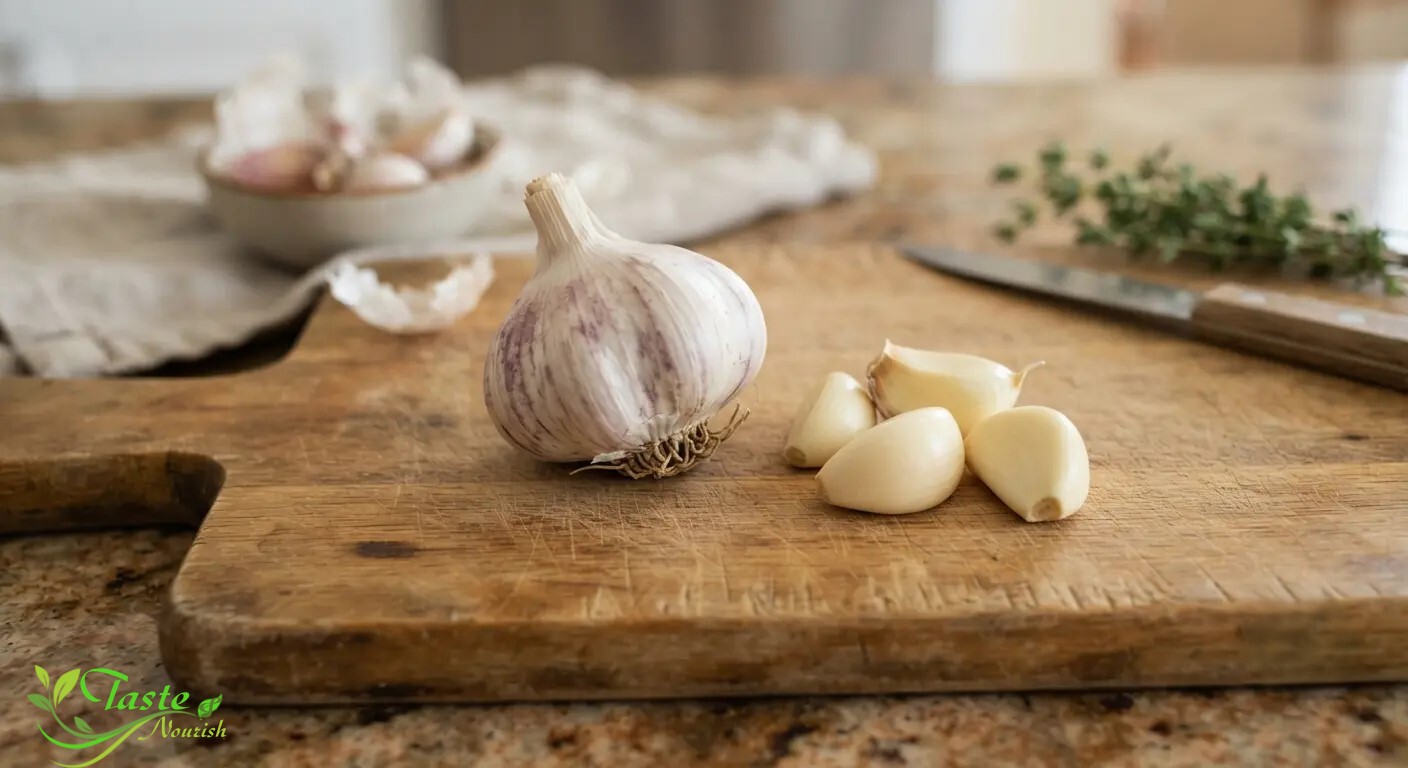
Garlic has a reputation as a kitchen hero — it turns a bland sauce into something unforgettable and shows up in nearly every cuisine on earth. But that same pungent bulb that makes your pasta sing can also cause some uncomfortable, and occasionally serious, reactions in your body. Most people can enjoy garlic daily without any trouble. Still, understanding garlic side effects helps you know where the line is, especially if you take medication, have a sensitive stomach, or are considering a garlic supplement.
This guide walks through the most common reactions, who should be more cautious, and how to keep enjoying garlic’s flavor and health benefits without the downsides.
Key Takeaways
Garlic is generally safe in normal food amounts, but excess intake can trigger heartburn, gas, and stomach upset.
Garlic has natural blood-thinning properties, which matters for anyone on anticoagulant medication or facing surgery.
Homemade garlic-in-oil mixtures carry a real botulism risk if not stored correctly.
Some people develop true allergies or skin reactions to garlic, particularly with prolonged skin contact.
Cooking garlic tends to reduce its intensity and some side effects compared to eating it raw.
Why Garlic Affects Everyone Differently
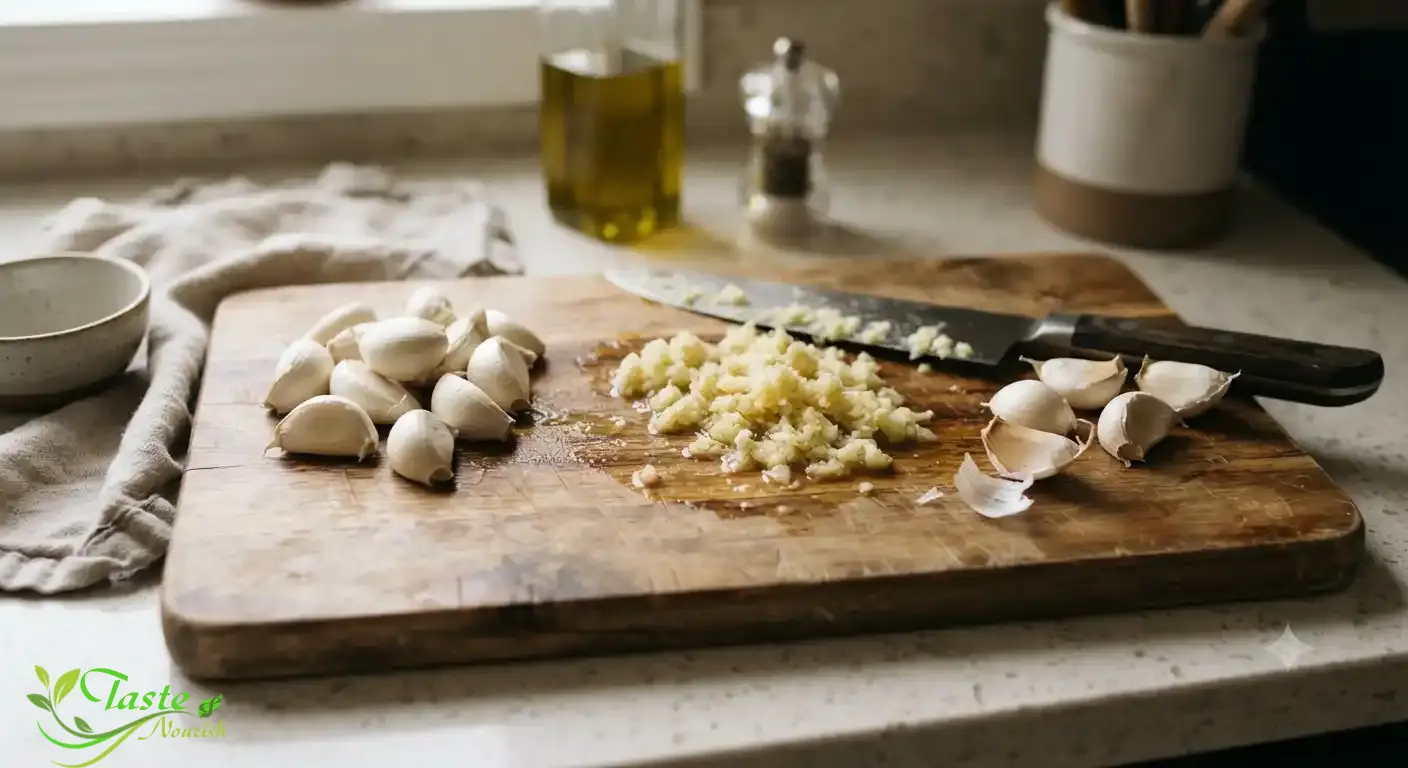
Garlic’s bite comes largely from a compound called allicin, which forms when a clove is crushed, chopped, or chewed. Allicin and its breakdown products are responsible for both garlic’s health-supportive reputation and its ability to irritate sensitive tissue. Your gut lining, blood clotting system, and immune system can all respond to these sulfur compounds in slightly different ways depending on your own biology.
Genetics, gut sensitivity, and even the amount of garlic you’re used to eating all play a role in how your body reacts. Someone who grew up eating garlic daily may tolerate two raw cloves without blinking, while someone new to it might feel it in their stomach within the hour.
According to the National Center for Complementary and Integrative Health (NCCIH), garlic taken orally has been used safely in research studies lasting as long as seven years, and some forms used topically also seem to be safe, though fresh raw garlic can cause severe skin irritation and chemical burns when applied directly to skin.
The form of garlic matters too. Raw garlic delivers a concentrated hit of allicin, supplements vary widely in potency and standardization, and cooked garlic is generally milder on the digestive system because heat breaks down some of the more irritating compounds. Knowing your own tolerance — and adjusting the form and amount accordingly — is the simplest way to avoid most problems before they start.
Common Digestive Side Effects of Garlic
The stomach and intestines are usually the first place people notice garlic pushing back. This isn’t unusual, since garlic’s sulfur compounds are designed to be biologically active, and your digestive tract is where they make first contact.
Heartburn and Acid Reflux
A burning sensation behind the breastbone after a garlicky meal is one of the most frequently reported complaints. Garlic can relax the lower esophageal sphincter, the muscle that normally keeps stomach acid where it belongs, which allows acid to creep back up into the esophagus. This tends to be more pronounced on an empty stomach or when raw garlic is eaten in large quantities rather than cooked into a dish.
People who already deal with gastroesophageal reflux disease (GERD) often notice that garlic is one of their personal trigger foods. If this sounds familiar, try pairing garlic with a fuller meal rather than eating it alone, and lean toward roasted or sautéed garlic instead of raw cloves.
Bloating, Gas, and Stomach Upset
Garlic belongs to the allium family alongside onions and leeks, and it contains fructans — a type of fermentable carbohydrate that your gut bacteria break down, producing gas as a byproduct. For most people this means mild bloating; for those with irritable bowel syndrome (IBS) or a sensitivity to FODMAPs, it can mean noticeably uncomfortable gas and cramping.
Pro Tip: If garlic reliably leaves you bloated, try garlic-infused oil instead of whole cloves. The fructans stay behind in the solids, so the oil carries the flavor without most of the gas-producing carbohydrates.
Nausea, Vomiting, and Diarrhea
Eating garlic on an empty stomach, taking high-dose supplements, or simply eating more than your gut is used to can bring on nausea or loose stools. This is generally your digestive system’s way of moving an irritant through quickly rather than a sign of anything dangerous. NCCIH notes that common side effects of garlic taken by mouth include breath and body odor, abdominal pain, flatulence, and nausea, and that some people experience genuine allergic reactions on top of these digestive complaints.
Symptom
Likely Cause
Typical Severity
Heartburn
Relaxed esophageal sphincter, acid reflux
Mild to moderate
Bloating/gas
Fructan fermentation by gut bacteria
Mild
Nausea
Raw garlic on an empty stomach, high doses
Mild to moderate
Diarrhea
Digestive irritation, high intake
Mild, usually short-lived
Bad breath/body odor
Sulfur compounds absorbed into bloodstream
Mild, cosmetic only
Garlic Breath and Body Odor
This one is less a medical concern than a social one, but it’s the side effect people ask about most. Garlic’s sulfur compounds don’t just sit in your mouth — they’re absorbed into your bloodstream and released through your lungs and skin pores for hours after you eat it, which is why brushing your teeth only helps so much.
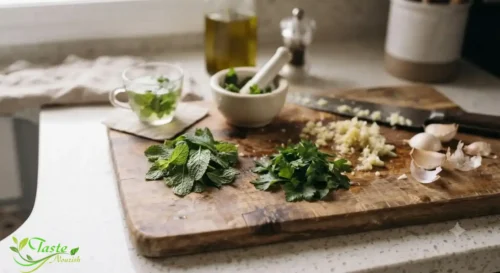
Chewing fresh parsley, mint, or apple slices can neutralize some of the odor-causing compounds in your mouth. Drinking milk alongside a garlicky meal has also shown some effect at cutting the smell, likely because the fat and proteins bind to certain sulfur molecules. Ultimately, the odor fades as your body clears the compounds, typically within a day for a normal serving.
Garlic Allergies and Skin Reactions
True garlic allergies are less common than intolerance, but they’re well documented in medical literature, and reactions can range from mildly annoying to genuinely serious.
Oral and Digestive Allergic Reactions
Some people experience itching in the mouth, swelling of the lips or tongue, hives, or digestive cramping shortly after eating garlic — classic signs of an IgE-mediated food allergy rather than simple intolerance. Anyone who notices swelling of the face, throat tightness, or difficulty breathing after eating garlic should treat it as a medical emergency and seek immediate care, since these can be signs of anaphylaxis.
Garlic allergy can also show up as a cross-reaction in people already allergic to other allium vegetables like onions, leeks, or chives. If you’ve had a reaction to one member of this plant family, it’s worth being cautious with the others until you’ve discussed it with an allergist.
Contact Dermatitis From Raw Garlic
Handling raw garlic, especially in large quantities or over long periods, can irritate or sensitize the skin. A case series published in a peer-reviewed dermatology journal and archived by the National Library of Medicine described patients who developed severe irritant contact dermatitis after applying fresh garlic directly to their skin as a home remedy, including burn-like plaques with oozing, blistering, and swelling that required topical steroid treatment to resolve.
This kind of reaction is most common when raw garlic is pressed against skin for an extended time, such as in folk remedies for warts or infections. Home cooks who chop large amounts of garlic regularly can also develop a milder, chronic form of irritation on their fingertips sometimes nicknamed “garlic fingers” in dermatology literature.
♦ Wearing gloves when prepping large batches and avoiding direct skin application of raw cloves are simple ways to sidestep this issue entirely.
Garlic’s Blood-Thinning Effect
One of garlic’s most clinically significant properties is its natural ability to reduce platelet aggregation — in plain terms, it makes blood cells less likely to clump together and clot. This effect is part of why garlic has long been studied for cardiovascular health, but it’s a double-edged sword for certain people.
NCCIH’s clinical guidance is direct on this point: taking garlic supplements may increase the risk of bleeding, and anyone using them should tell their health care providers. This matters most for people who bruise easily, have a bleeding disorder, or are already taking medication that affects clotting.
Bleeding Risk Before and After Surgery
Because of its antiplatelet effect, garlic supplements (and very high dietary intake) are generally recommended to be stopped roughly one to two weeks before any scheduled surgery or dental procedure. Surgeons and anesthesiologists routinely ask about supplement use during pre-operative screening precisely because unreported garlic, fish oil, or ginkgo use can contribute to unexpected bleeding or bruising during and after a procedure.
♦ If you’re preparing for surgery, mention garlic supplements the same way you would a prescription blood thinner.
Garlic and Medication Interactions
Garlic’s bioactive compounds don’t just affect clotting — they can also interfere with how your body processes certain drugs, either by amplifying an effect or by reducing a medication’s effectiveness.
Blood Thinners and Antiplatelet Drugs
This is the best-documented interaction. MedlinePlus, a consumer health information service of the National Library of Medicine, lists garlic among the nonprescription and herbal products that may interact with warfarin, alongside other supplements like ginkgo biloba and ginseng.
♦ Combining garlic supplements with warfarin, aspirin, or clopidogrel can raise the risk of unusual bruising, prolonged bleeding from cuts, or more serious internal bleeding.
Medication/Class
Example Drugs
Potential Interaction
Anticoagulants
Warfarin
Increased bleeding risk
Antiplatelet agents
Aspirin, clopidogrel
Additive blood-thinning effect
HIV protease inhibitors
Saquinavir
Reduced drug effectiveness
Antihypertensives
Various blood pressure medications
Possible excessive drop in blood pressure
Diabetes medications
Insulin, oral hypoglycemics
Possible additive blood-sugar-lowering effect
Other Notable Drug Interactions
Garlic’s effect isn’t limited to blood thinners. NCCIH specifically notes that garlic has been found to interfere with the effectiveness of saquinavir, a medication used to treat HIV infection, likely by speeding up how the liver metabolizes the drug. Similar concerns have been raised about garlic reducing blood levels of other protease inhibitors, which is why anyone on antiretroviral therapy should check with their doctor or pharmacist before adding garlic supplements to their routine.
Garlic may also modestly lower blood pressure and blood sugar on its own. That’s a benefit for some people, but if you’re already taking medication for hypertension or diabetes, adding concentrated garlic supplements on top could push those numbers lower than intended, leading to dizziness, lightheadedness, or symptoms of low blood sugar.
The Hidden Risk: Garlic-Infused Oil and Botulism
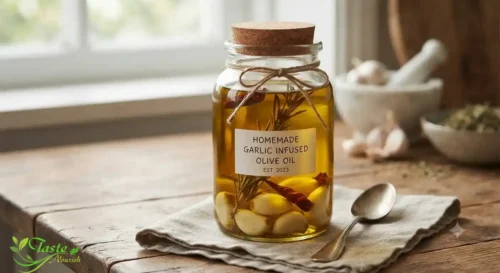
Of all the risks tied to garlic, this is the one most worth taking seriously, because it isn’t about mild discomfort — it’s about a rare but potentially fatal illness. Garlic cloves carry soil-based spores of Clostridium botulinum on their surface. When raw garlic is submerged in oil and left at room temperature, it creates a low-oxygen, low-acid environment that’s ideal for those spores to grow and produce botulinum toxin, one of the most potent toxins known.
The Centers for Disease Control and Prevention includes chopped garlic stored in oil among the newer recognized sources of botulism, and recommends refrigerating any homemade oils made with garlic or herbs and discarding them after four days.
The U.S. Department of Agriculture’s Food Safety and Inspection Service echoes this, advising that garlic-in-oil mixtures should be made fresh and kept refrigerated at 40°F or lower for no more than about a week.
What makes this risk particularly dangerous is that contaminated garlic oil typically looks, smells, and tastes completely normal. There’s no cloudiness or off odor to warn you.
♦If you make your own garlic-infused oil at home, treat it as a perishable product: refrigerate it immediately, use it within a few days, and never leave a jar of garlic sitting in oil on the counter “to steep.” Store-bought garlic-in-oil products are generally safe because manufacturers add acidifying agents or preservatives that home cooks typically don’t use.
Who Should Avoid or Limit Garlic?
Most healthy adults can eat garlic in typical cooking amounts without any issue. Certain groups, however, should be more careful or check with a doctor first.
Group
Reason for Caution
Recommendation
People on blood thinners
Additive bleeding risk
Discuss supplement use with a doctor
Pre-surgery patients
Increased bleeding during/after procedures
Stop garlic supplements 1-2 weeks prior
People with garlic/allium allergy
Risk of allergic reaction, including anaphylaxis
Avoid garlic and related alliums entirely
People with IBS or GERD
Fructans and acid-reflux triggers
Favor cooked garlic or garlic-infused oil in small amounts
Pregnant or breastfeeding individuals
High-dose supplements not well studied
Stick to normal food amounts; avoid concentrated supplements
Infants and young children
Digestive sensitivity, choking risk with whole cloves
Introduce cooked, well-incorporated garlic only
Pregnant and breastfeeding individuals in particular should lean toward garlic as a food seasoning rather than a high-dose supplement, since concentrated extracts haven’t been well studied for safety during pregnancy or lactation. When in doubt, a conversation with an OB-GYN or pharmacist is the safest path forward.
How Much Garlic Is Too Much?
There’s no single official upper limit for garlic in food, since tolerance varies so much from person to person. As a general rule of thumb, one to two raw cloves per day (or the cooked equivalent) is a reasonable ceiling for most healthy adults before side effects like heartburn or gas start becoming more likely. Supplement doses vary by product and concentration, which is exactly why label instructions and a healthcare provider’s guidance matter more than a single flat number.
It also helps to think about garlic cumulatively across a day rather than per meal. A garlicky breakfast, a heavy aioli at lunch, and a stir-fry loaded with fresh cloves at dinner can add up to a much bigger dose than any single dish suggests.
♦ If you’re new to eating garlic regularly, building up gradually gives your gut bacteria and digestive lining time to adjust, which tends to reduce the intensity of gas and bloating over the following weeks.
Tips to Enjoy Garlic While Minimizing Side Effects
A few practical habits go a long way toward keeping garlic’s benefits while dodging most of its downsides:
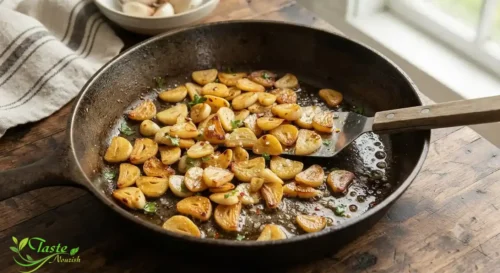
Cook garlic instead of eating it raw when your stomach feels sensitive, since heat mellows both flavor and irritation.
Pair garlic with meals rather than eating it on an empty stomach to reduce heartburn risk.
Refrigerate any homemade garlic-in-oil mixture immediately and use it within a few days.
Tell your doctor or pharmacist about any garlic supplement before surgery or if you’re on blood thinners.
Start with small amounts if you’re new to regular garlic consumption, and increase gradually.
Wash your hands and consider gloves when prepping large quantities of raw garlic to avoid skin irritation.
Pro Tip:Letting chopped garlic rest for about 10 minutes before cooking allows more allicin to form, which may preserve more of its health-supportive compounds — but if you’re sensitive to garlic’s bite, this same resting time can also intensify its irritant effect, so adjust based on your own tolerance.
Conclusion
Garlic earns its place in kitchens worldwide, and for most people, the occasional bout of heartburn or garlic breath is the extent of the downside. Still, its natural blood-thinning effect, potential for allergic or skin reactions, and the very real botulism risk tied to homemade garlic-in-oil deserve genuine respect rather than dismissal. Paying attention to how your own body responds, being upfront with your doctor about supplement use, and handling homemade garlic preparations with proper food-safety habits will let you keep garlic on the menu without unwelcome surprises.
Garlic Side Effects FAQs
Q1. Is it normal to feel sick after eating raw garlic?
Yes, mild nausea or an upset stomach after raw garlic is common, especially on an empty stomach or with more than a clove or two. Cooking garlic or pairing it with a full meal usually reduces this reaction.
Q2. Can garlic thin your blood too much?
Garlic has a mild natural blood-thinning effect on its own, but the concern grows when it’s combined with prescription anticoagulants or before surgery. If you’re on blood-thinning medication, check with your doctor before taking garlic supplements.
Q3. Why does garlic make my stomach bloat?
Garlic contains fructans, a fermentable carbohydrate that gut bacteria break down into gas. This is especially noticeable in people with IBS or a sensitivity to FODMAP foods.
Q4. Is homemade garlic oil dangerous?
It can be if it’s stored at room temperature, since garlic submerged in oil creates conditions where botulism-causing bacteria can grow without any visible warning signs. Refrigerate homemade garlic oil and use it within a few days.
Q5. How do I get rid of garlic breath?
Chewing fresh parsley, mint, or apple, or drinking milk with your meal, can help neutralize some of the sulfur compounds responsible for garlic breath. The smell also fades naturally within a day as your body clears the compounds.
References
National Center for Complementary and Integrative Health, National Institutes of Health. “Garlic: Usefulness and Safety.” https://www.nccih.nih.gov/health/garlic
This guide is for informational purposes only and should not replace professional medical or nutritional advice. Always consult with healthcare providers regarding specific dietary needs and health conditions.
Hanan Abo Samra is the founder of Taste & Nourish, sharing trustworthy nutrition guidance and recipes drawn from 20+ years of hands-on cooking experience. When she's not developing new recipes, Hanan is researching the science behind everyday ingredients to bring readers practical, evidence-based guidance for a healthier lifestyle.