
Oats for Weight Loss: What the Evidence Says, Portions
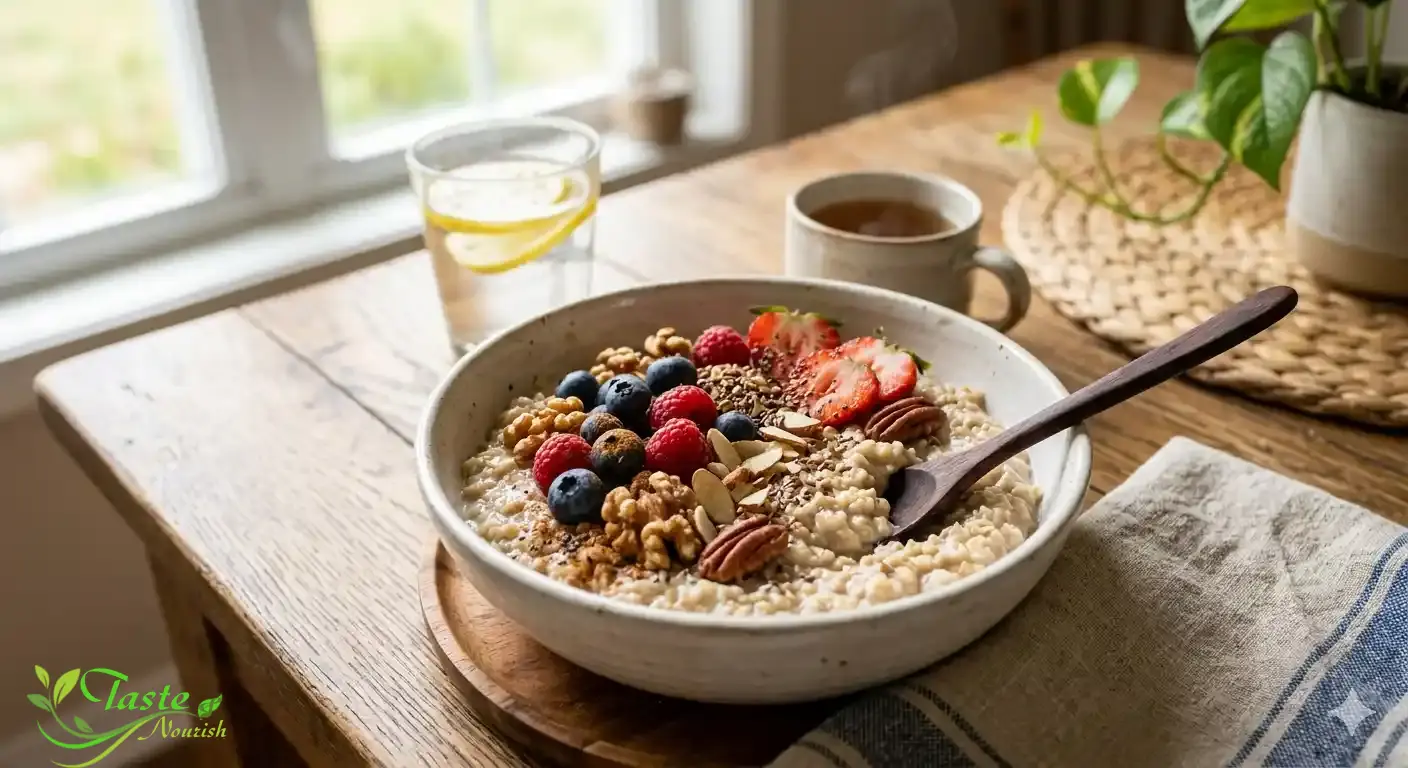
Oats for weight loss are a reasonable part of a plan, but nothing in the research shows that eating oats alone makes you lose weight. What oats offer is practical: a whole grain with fiber at a moderate number of calories, easy to measure and easy to build into balanced meals. What decides the result is the portion, what goes in the bowl, and the rest of your diet.
This guide covers the evidence honestly, then the practical side: how to estimate calories, how much to eat, which oats to choose, and how a balanced bowl adds up.
Oats for Weight Loss: Quick Answer
Oats for weight loss can work as part of a plan, not as a fix on their own. Studies have not shown that eating oats alone causes weight loss, but a measured bowl of oats provides fiber for a moderate number of calories. A 40-gram dry portion has about 152 calories before milk and toppings.
Key Takeaways: Oats for Weight Loss
- The research does not show that oats cause weight loss by themselves. Trials of oat beta-glucan added to a reduced-calorie diet have not shown extra benefit.
- Oats can help in practice because they are easy to measure, flexible, and provide fiber and some protein for a moderate number of calories.
- Measure dry oats on a scale. Milk, nut butter, honey, and seeds can double the calories of a bowl.
- Plain oats are the better base. Flavored packets add sugar, and less-processed oats do not automatically fill you up more.
- Oats are not a substitute for GLP-1 medications, and no food should be treated as one.
What the Research Shows
| Type of evidence | What it found | How strong |
|---|---|---|
| Single meal | In a small controlled trial of healthy adults, a breakfast with concentrated oat beta-glucan lowered appetite ratings (Gotteland et al., Foods, 2023). | Short-term; a one-meal result does not show lasting weight change |
| Population studies and trials | A systematic review of oatmeal and body weight found only five studies. Some cross-sectional ones linked oatmeal intake with lower weight or waist size, while randomized trials did not consistently show weight changes. | Limited and mixed |
| Weight-loss trial | In a 3-month randomized trial, oat beta-glucan did not enhance the effectiveness of an energy-restricted diet in overweight women. | One trial; supports caution |
The honest summary is that oats are a sensible food to include, not a proven weight-loss food. For what the research does show about oats, see the benefits of oats article.
Why Oats Can Still Help in Practice
A cup of cooked oatmeal has about 166 calories and 4 grams of fiber in the USDA entry for oats cooked with water. Fiber can contribute to fullness, but the effect varies with the portion, the rest of the meal, and the person.
The practical advantages are simpler: oats are inexpensive, easy to weigh, and flexible. You can cook them with water or milk and add fruit, yogurt, nuts, or seeds, and those choices decide the calories and nutrition of the meal. Oats are not a fat-burning food, and no single ingredient guarantees weight loss.
Oats and GLP-1 medications
Online posts sometimes describe oats as a natural alternative to GLP-1 medications. The evidence above does not support that comparison. The short-term studies measured appetite-related signals after a meal, which is very different from the effects of medication, and no study shows oats producing weight loss like those drugs.
How Much Oats Should You Eat?
There is no serving of oats that is right for everyone. Your energy needs, appetite, and activity level decide what fits. A practical starting point is 40 grams of dry oats (about 1/2 cup), which provides about 152 calories according to the USDA entry for dry oats.
Weigh the oats dry on a kitchen scale before cooking. A cup scoop can vary, and the calories listed for oats refer to the dry weight. The oats calories guide explains dry versus cooked amounts and how milk and toppings change the total.
How a Balanced Oatmeal Bowl Adds Up
Here is the bowl from the recipe below, with approximate calories for each part.
| Ingredient | Approximate calories |
|---|---|
| 40 g dry rolled oats | 152 |
| 3/4 cup unsweetened almond milk | about 22 |
| 1/2 cup (120 g) plain nonfat Greek yogurt | about 66 |
| 1/2 cup mixed berries | about 35 |
| 1 tablespoon chia seeds | about 58 |
| 1 teaspoon cinnamon | about 6 |
| Total | about 340 |
The almond milk figure comes from a University of Florida extension guide, and the yogurt value is scaled from USDA data summarized by Harvard Health. Whole-milk Greek yogurt would add about 30 more calories. The bowl provides roughly 18 grams of protein, mostly from the yogurt and oats.
Which Oats Should You Choose?
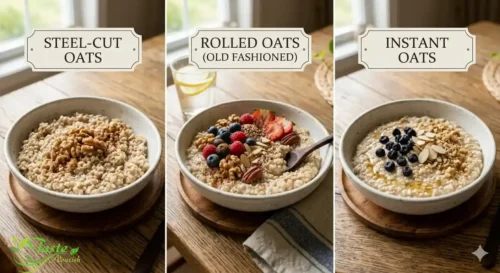
Plain steel-cut, rolled, and instant oats are broadly similar by dry weight, and the best choice is the one you will actually eat. Flavored instant packets are where sugar tends to appear, so compare serving size, added sugars, fiber, and calories on the label.
Less-processed oats tend to produce a lower blood sugar response, but that does not automatically mean they fill you up more. In a small crossover trial of 13 people, pinhead oats produced a lower glucose response than rolled oats, but participants felt less full afterward.
Building a Balanced Bowl
Add protein
Oats provide some plant protein, and you can combine them with other foods for a more varied meal. Plain Greek yogurt, milk, fortified soy milk, a small serving of nuts or seeds, or eggs on the side for a savory bowl all work. There is no single protein target for breakfast, because needs depend on age, activity, and health.
Choose toppings
- Fruit: Berries, bananas, apples, and peaches add flavor, fiber, and other nutrients.
- Nuts and seeds: Chia, walnuts, almonds, and flaxseed add nutrients but also calories, so measure the portion.
- Milk or yogurt: These add protein and, depending on the product, calcium.
- Sweeteners: Honey, maple syrup, and sugar add calories, so measure them.
- Spices: Cinnamon, cardamom, and vanilla add flavor with almost no calories.
You do not need to avoid any particular topping. Consider the portion and how each ingredient contributes to the whole meal.
7-Day Sample Oatmeal Plan
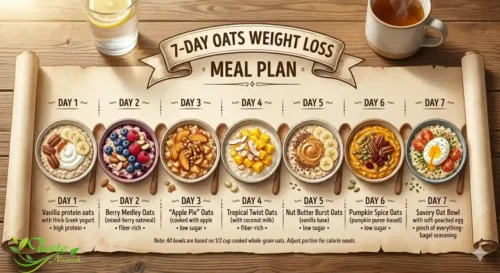
This is a flexible set of breakfast ideas, not a prescribed weight-loss plan. Adjust portions and ingredients to your appetite and nutritional needs.
| Day | Oatmeal idea | Suggested additions |
|---|---|---|
| Monday | Rolled oats | Plain Greek yogurt, berries, and cinnamon |
| Tuesday | Steel-cut oats | Banana and a small serving of walnuts |
| Wednesday | Oat bran porridge | Cottage cheese on the side and pumpkin seeds |
| Thursday | Savory oatmeal | Two boiled eggs, if suitable for your needs, with avocado and herbs |
| Friday | Overnight oats | Plain yogurt, chia seeds, and raspberries |
| Saturday | Warm steel-cut oats | Apple slices and a small serving of almond butter |
| Sunday | Rolled oats | Cottage cheese or yogurt, sliced peach, and ground flaxseed |
You do not need to eat oatmeal every morning. A variety of meals can make your eating pattern easier to keep.
Common Mistakes With Oatmeal
- Overlooking portion size: The calories listed for dry oats refer to the dry weight. A larger scoop has more calories, even when cooked in water.
- Ignoring added ingredients: Milk, nut butter, seeds, and sweeteners can multiply the total. They can still be nutritious; just count them.
- Choosing flavored oats without checking the label: Compare serving size, added sugars, fiber, and calories.
- Expecting oats to cause weight loss alone: Overall intake, activity, sleep, and long-term habits all matter.
- Making the diet too restrictive: A varied pattern you can maintain is easier to stick with than a rigid one.
Oats vs. Other Popular Breakfasts
| Breakfast option | What it can provide | What to consider |
|---|---|---|
| Plain oatmeal | Whole-grain carbohydrates and fiber | Calories vary with the dry portion and added ingredients |
| Eggs with whole-grain toast | Protein, carbohydrates, and other nutrients | Preparation methods and toppings change the total |
| Plain yogurt with fruit | Protein, depending on the yogurt, plus nutrients from fruit | Added sugar and portion size vary by product |
| Whole-grain cereal with milk | Carbohydrates and, depending on the product, fiber and added vitamins | Compare fiber, added sugars, and serving size |
| Smoothie with fruit and yogurt | Fruit and protein from yogurt | Ingredients and portions can change the calories a lot |
No single breakfast is best for everyone. Oatmeal is a useful choice if you enjoy it, and other breakfasts can fit a balanced pattern too.
Who Should Be Cautious With Oats
- Celiac disease: FDA does not classify oats as a gluten-containing grain, but cross-contact with wheat, barley, and rye is common. Choose oats labeled gluten-free and ask a healthcare provider about oats.
- Digestive sensitivity: Raising fiber quickly can cause gas and bloating. Increase gradually, and see our guide to oats for gut health for portions that suit IBS.
- Gastroparesis or other medical diets: Ask a healthcare professional about fiber and food texture before changing your diet.
- Diabetes: Oats contain carbohydrates and can affect blood glucose. Follow your individual care plan and consider the carbohydrate content of the serving.
Balanced Oatmeal Bowl with Yogurt and Berries
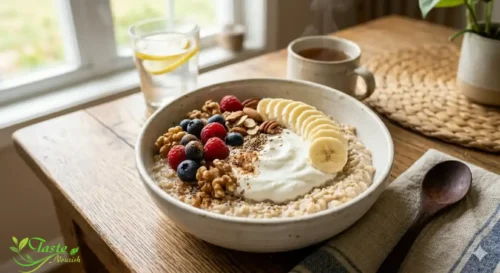
This is the bowl used in the calorie table above, made with a measured 40 grams of dry oats.
- 1/2 cup (40 g) dry rolled oats
- 3/4 cup unsweetened almond milk or water
- 1/2 cup (120 g) plain nonfat Greek yogurt
- 1/2 cup mixed berries
- 1 teaspoon ground cinnamon
- 1 tablespoon chia seeds
- Combine the dry oats and almond milk in a small pot over medium heat.
- Simmer for 5 to 8 minutes, stirring occasionally, until the oats are creamy.
- Remove from heat and stir in the cinnamon.
- Top with the yogurt, berries, and chia seeds.
Nutrition values are estimates and vary with the brands and ingredients you use. Using water instead of almond milk lowers the total by about 20 calories.
Oats for Weight Loss FAQs
Is oatmeal good for weight loss, or is it just marketing?
Oatmeal can fit into a weight-management plan because it provides whole-grain carbohydrates and fiber, but oats do not directly cause weight loss. The result depends on portion size, added ingredients, and your overall eating pattern.
What is the best time to eat oats for weight management?
There is no best time. Breakfast is common, but any meal that suits your routine works. Total intake and long-term habits matter more than the time of day.
Can I eat oats every day?
Many people can include oats regularly in a varied diet. Change the fruit, spices, liquid, or protein source to keep it interesting. Eating oats every day is not necessary for weight management.
Do instant oats lose their benefits compared with rolled or steel-cut oats?
Plain instant, rolled, and steel-cut oats all provide fiber and other nutrients. Processing affects texture and how quickly blood sugar rises, while flavored packets may contain added sugar. Compare labels and choose what suits you.
How long does it take to see weight-loss results from eating oats?
There is no reliable timeline. Changes in body weight depend on overall energy intake, activity, health, and consistency, and individual responses vary.
1
servings5
minutes5
minutes340
kcalIngredients
1/2 cup (40g) dry rolled oats
3/4 cup unsweetened almond milk or water
1/2 cup (120g) plain Greek yogurt
1/2 cup mixed berries
1 tsp ground cinnamon
1 tbsp chia seeds
Directions
- Combine the dry oats and almond milk in a small pot over medium heat.
- Simmer for 5-8 minutes, stirring occasionally, until oats reach a creamy consistency.
- Remove from heat and stir in the cinnamon.
- Top the bowl with Greek yogurt, mixed berries, and chia seeds before serving.
Notes
- Nutrition values are estimates and may vary depending on the brands and ingredients used. Using water instead of almond milk can also change the final nutrition calculation.
The Bottom Line on Oats for Weight Loss
Oats for weight loss work best as a measured, balanced breakfast inside a pattern you can keep, not as a special food. I would weigh the dry oats, count the milk and toppings, and judge the bowl by the whole day around it rather than expecting the oats to do the work.
Explore Oats by Topic
- Oats Calories: dry versus cooked, plus how milk and toppings change the total.
- Oats Nutrition Facts: the full vitamin, mineral, and macronutrient breakdown.
- Benefits of Oats: what the research shows on cholesterol, blood sugar, digestion, and more.
- Oats for Gut Health: fiber types, IBS tolerance, and ways to avoid bloating.
This article provides general nutrition information and is not personal medical advice. If you have celiac disease, diabetes, a digestive condition, or a food allergy, or you take medication, check with a qualified healthcare professional before changing how you eat.