Quinoa Weight Loss: Does This Ancient Grain Actually Help You Slim Down?If you’ve scrolled past quinoa in the grocery aisle wondering whether it’s worth the extra cost, you’re not alone. Quinoa weight loss claims show up everywhere, from wellness blogs to grocery store flyers, and it can be hard to separate real science from marketing hype.
The short version: quinoa isn’t a magic bullet, but its mix of protein, fiber, and steady-burning carbohydrates can make it a genuinely useful tool if you’re trying to manage your weight. Here’s what the research actually says before you build a whole diet around one seed.
Quinoa weight loss isn’t guaranteed just from eating the grain, but quinoa can support a weight management plan. One cup of cooked quinoa provides about 8 grams of complete protein and 5 grams of fiber for roughly 222 calories, a combination that may help you feel full longer and eat less at your next meal. Human research on quinoa and weight loss specifically is still limited, but existing clinical and animal studies point in a promising direction for triglycerides, blood sugar control, and waist circumference.
Key Takeaways
Quinoa weight loss support comes mainly from its protein and fiber combination, which promotes satiety and helps curb overeating.
One cup of cooked quinoa has about 222 calories, 8 grams of protein, and 5 grams of fiber.
Quinoa is a complete protein, meaning it contains all nine essential amino acids your body cannot make on its own.
Early human trials suggest quinoa may help lower triglycerides and support healthier blood sugar levels, though more research is needed.
Portion size still matters. Swapping quinoa for refined grains like white rice or white pasta works better than simply adding it on top of your usual meals.
What Is Quinoa?
Quinoa (pronounced keen-wah) is technically a seed, not a true cereal grain, though it’s cooked and eaten the same way as rice or couscous. It’s part of the same plant family as spinach, Swiss chard, and beets, and it has been cultivated in the Andean regions of Bolivia, Peru, Ecuador, and Chile for roughly 5,000 years. Because it behaves nutritionally and culinarily like a grain, quinoa is classified as a whole grain by most nutrition authorities, including the Harvard T.H. Chan School .
Raw quinoa seeds are coated in saponins, bitter-tasting natural compounds that protect the plant from pests. Most packaged quinoa sold in the United States has already been rinsed to remove these compounds, though giving it an extra rinse before cooking never hurts. You’ll typically find quinoa in white, red, and black varieties, with white having the mildest flavor and red or black holding their shape a little better after cooking.
Quinoa Nutrition Facts
Quinoa’s nutrition profile is a big part of why it gets so much attention from people focused on weight management. Below is a snapshot of what you’re getting in a standard cooked serving.
What stands out most is the protein quality. Quinoa is one of the few plant foods that qualifies as a complete protein, supplying all nine essential amino acids your body needs from food. Its magnesium content is also worth noting, since magnesium plays a role in more than 300 enzyme systems in the body, including those involved in blood sugar regulation and energy production, both of which are relevant when you’re trying to manage your weight.
Health Benefits of Quinoa
Quinoa’s benefits extend well beyond weight management, but its role in appetite control and metabolic health is where most of the current interest comes from.
Quinoa for Weight Loss: How It Works
Quinoa for weight loss largely comes down to three mechanisms working together. First, its protein content helps trigger satiety hormones and requires more energy to digest than carbohydrates or fat, sometimes called the thermic effect of food. Second, its fiber slows digestion, which can help stabilize blood sugar and stretch out the feeling of fullness after a meal. Third, quinoa has a relatively low glycemic index, meaning it’s less likely to spike your blood sugar and trigger the crash-and-craving cycle that often follows refined-carb meals.
None of these mechanisms are unique to quinoa. Other high-fiber, high-protein whole grains offer similar benefits. What makes quinoa stand out is that it delivers all three qualities in one relatively convenient, versatile food, which makes it easier to build a satisfying meal around.
Other Health Benefits Beyond the Scale
Quinoa’s fiber and antioxidant content may support heart health by helping manage cholesterol levels. Because it’s naturally gluten-free, it’s also a valuable grain substitute for people with celiac disease or gluten sensitivity who still want the fiber and nutrients found in whole grains. And because it supplies complete protein, quinoa can help preserve lean muscle mass during a calorie deficit, which matters since muscle loss during dieting can slow your metabolism over time.
Does Quinoa Help You Lose Weight? What the Research Shows
Does quinoa help you lose weight in a clinical sense, or is this mostly theoretical based on its nutrient profile? The honest answer is that direct human research is still fairly limited, but what exists is encouraging. A randomized controlled trial published in the peer-reviewed literature tested daily doses of 25 and 50 grams of quinoa seed in overweight and obese adults and found that quinoa consumption was associated with lower circulating triglycerides, a marker linked to metabolic and cardiovascular health.
Animal research offers additional clues about the mechanisms at play. Several rodent studies have found that quinoa or quinoa-derived compounds like saponins may help reduce diet-induced weight gain, improve insulin sensitivity, and favorably shift gut bacteria populations associated with obesity. These findings are promising, but animal studies don’t always translate directly to human outcomes, so they should be read as supportive rather than conclusive.
Taken together, the evidence suggests quinoa may help support healthy weight management as part of a balanced diet, particularly when it replaces refined grains rather than simply adding extra calories to your day. It is not a fat-burning food, and no single ingredient can offset an otherwise calorie-excessive diet.
Potential Risks & Side Effects
Quinoa is well tolerated by most people, but a few things are worth knowing. Unrinsed quinoa can taste bitter and, in some sensitive individuals, may cause mild digestive discomfort due to residual saponins. Quinoa also contains oxalates, naturally occurring compounds that can contribute to kidney stone formation in people who are already prone to them. Eating very large portions in one sitting may cause bloating or gas in people with sensitive digestive systems, largely due to its fiber and fermentable carbohydrate content.
Who Should Avoid It?
Quinoa is naturally gluten-free and generally considered safe for people with celiac disease, though cross-contamination can occur if it’s processed in a facility that also handles gluten-containing grains, so checking labels matters if you’re highly sensitive. People with a history of calcium-oxalate kidney stones may want to discuss quinoa portions with their doctor or dietitian.
Those following a strict low-FODMAP diet should keep portions modest, since larger amounts can trigger symptoms in people with irritable bowel syndrome. True quinoa allergies are rare, but anyone with a known sensitivity to the amaranth or chenopod plant family should introduce it cautiously.
How Much Quinoa Should You Eat for Weight Management?
There’s no official government-recommended dose specifically for weight loss, but research and practical experience point to a reasonable range. The clinical trial mentioned earlier used 25 to 50 grams of dry quinoa per day, which cooks up to roughly a half to three-quarter cup. For most people, treating quinoa as a side dish, roughly a half to one cup cooked per meal, alongside vegetables and a lean protein source offers the satiety benefits without turning it into a calorie overload.
Tip: The biggest wins usually come from substitution, not addition. Swapping quinoa in for white rice, pasta, or bread at a meal tends to be more effective for weight management than simply adding a scoop of quinoa on top of your normal plate.
How to Choose the Best Quinoa
Look for quinoa that’s uniform in color and size, without a lot of dust or broken seeds in the bag, which can indicate age or poor storage. Pre-rinsed varieties save a step, but a quick rinse at home never hurts if you’re sensitive to any lingering bitterness. Tri-color blends combine white, red, and black quinoa for visual appeal and a slightly different texture, though nutritionally they’re very similar to single-color varieties. Buying in bulk bins can be more economical, but only if the bin has good turnover, since quinoa’s natural oils can eventually turn rancid.
Storage Tips
Uncooked quinoa keeps well in an airtight container in a cool, dry pantry for up to two to three years, though it’s best used within a year for optimal flavor. Once cooked, store quinoa in the refrigerator in a sealed container for five to seven days. For longer storage, portion cooked quinoa into freezer-safe bags or containers and freeze for up to eight months, then thaw and reheat with a splash of water to restore its fluffy texture.
Best Quinoa Weight Loss Tips: How to Eat and Cook It
Rinse quinoa under cool water using a fine mesh strainer, then cook it using a two-to-one ratio of liquid to dry quinoa. Bring it to a boil, reduce to a simmer, cover, and cook for about 15 minutes until the liquid is absorbed and you see the little white germ unfurl from each seed. From there, quinoa is remarkably flexible. It works warm as a side dish, cold in a grain salad, blended into veggie burgers, or even popped like popcorn for a crunchy snack.
Quinoa Weight Loss Meal Ideas
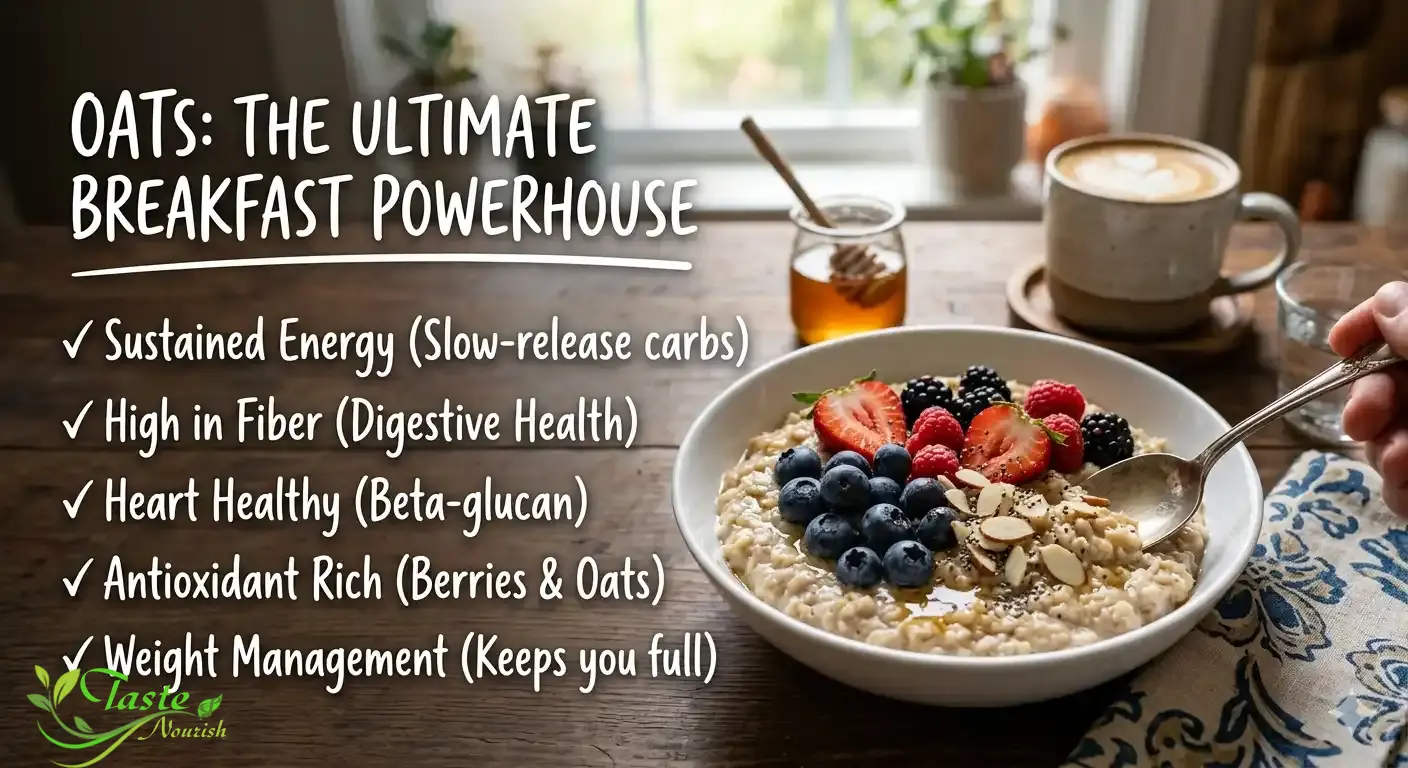
Breakfast: Quinoa porridge cooked in milk or a milk alternative, topped with berries, cinnamon, and a spoonful of nuts.
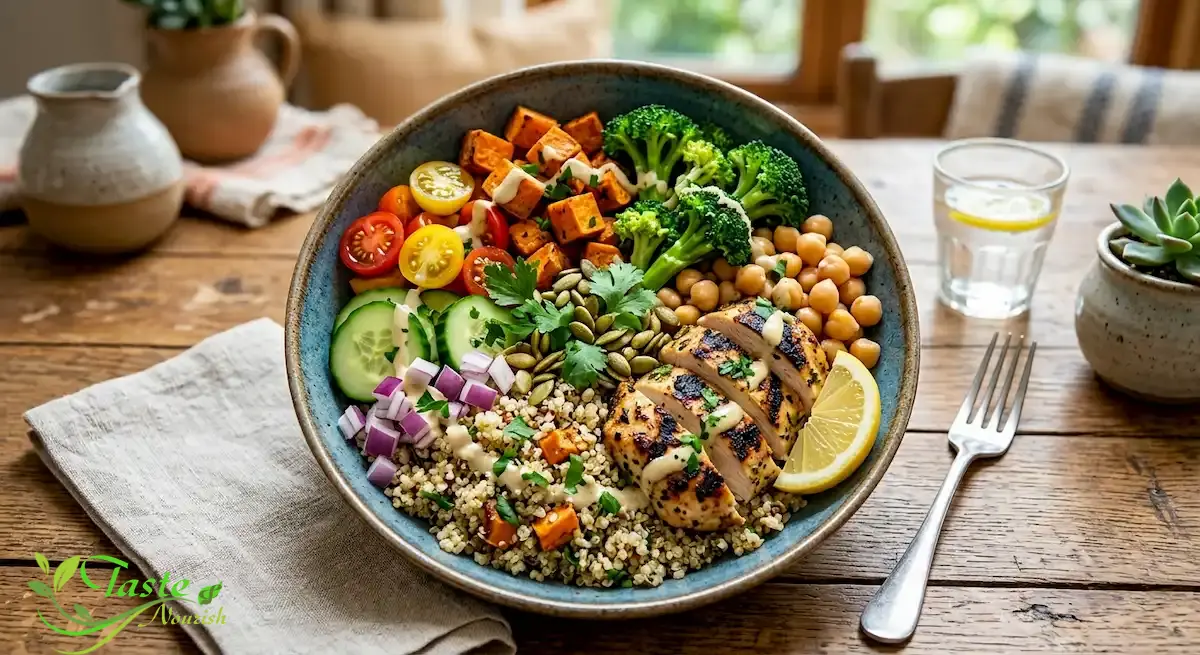
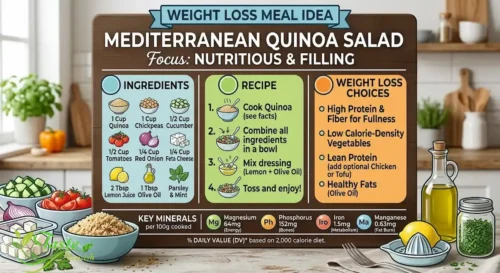
Lunch: A cold quinoa salad with chickpeas, cucumber, tomato, feta, and a light lemon vinaigrette.
Dinner: Quinoa as a base for a stir-fry with chicken or tofu and a generous portion of broccoli or bell peppers.
Snack: Quinoa energy bites made with nut butter, oats, and a small amount of honey.
Common Mistakes When Eating Quinoa
The most common mistake is treating quinoa as a free food simply because it’s labeled healthy, then loading it with cheese, creamy dressings, or dried fruit that quietly stack up the calories. Another frequent misstep is oversized portions, since a cup and a half of cooked quinoa can easily add 300 or more calories to a meal without much extra satiety benefit compared to a smaller serving.
Some people skip rinsing, get a bitter first impression, and give up on quinoa entirely before giving it a fair second try. Finally, using quinoa purely as a starch without pairing it with vegetables and a protein source misses out on the balanced, filling meal that actually supports weight management.
Myths vs Facts
Quinoa Weight Loss Myths You Should Stop Believing
Myth
Fact
Quinoa is calorie-free, so you can eat unlimited amounts.
A cooked cup has about 222 calories. Portion size still matters for weight management.
Quinoa is a vegetable.
It’s a seed that’s nutritionally and culinarily classified alongside whole grains.
Eating quinoa alone will cause weight loss.
Weight loss depends on your overall calorie balance. Quinoa is a helpful tool, not a standalone solution.
Quinoa has no carbohydrates.
It has about 39 grams of carbs per cooked cup, though it offers more protein and fiber than most refined grains.
Quinoa vs Other Grains: Comparison Table
Grain (1 cup cooked)
Calories
Protein
Fiber
Glycemic Index (approx.)
Quinoa
222
8 g
5 g
53 (low-moderate)
Brown Rice
216
5 g
3.5 g
68 (moderate)
White Rice
205
4.3 g
0.6 g
73 (high)
Couscous
176
6 g
2 g
65 (moderate)
Quinoa Weight Loss FAQs
Does quinoa help you lose weight?
Quinoa may support weight management thanks to its protein and fiber content, which can promote fullness and steadier blood sugar. It works best as part of a balanced, calorie-conscious diet rather than as a standalone solution.
How much quinoa should I eat per day for weight loss?
Most research and practical guidance points to about a half to three-quarter cup of cooked quinoa per meal, roughly 25 to 50 grams dry per day, as a reasonable amount when swapped in for refined grains.
Is quinoa better than rice for weight loss?
Quinoa generally offers more protein and fiber than white rice, which may support fullness more effectively. Brown rice is a closer nutritional match, though quinoa still edges it out on protein quality and fiber content.
Can I eat quinoa every day?
For most people, daily quinoa consumption is safe and can be part of a healthy, varied diet. Those with a history of kidney stones or FODMAP sensitivity may want to keep portions moderate and consult a healthcare provider.
Is quinoa keto-friendly?
Not typically. A quarter-cup serving of cooked quinoa contains enough carbohydrates that it can be difficult to fit into a strict ketogenic diet’s daily carb limit, though small portions may work for some less restrictive low-carb approaches.
Conclusion
Quinoa weight loss claims aren’t hype, but they’re also not a guarantee. What quinoa offers is a nutrient-dense, satisfying whole grain alternative that combines complete protein, fiber, and a moderate glycemic index in one convenient food. Used thoughtfully, in place of refined grains and alongside vegetables and lean protein, quinoa can be a genuinely useful part of a sustainable approach to managing your weight. Like most things in nutrition, consistency and overall dietary pattern matter far more than any single ingredient.
Hanan Abo Samra is the founder of Taste & Nourish, sharing trustworthy nutrition guidance and recipes drawn from 20+ years of hands-on cooking experience. When she's not developing new recipes, Hanan is researching the science behind everyday ingredients to bring readers practical, evidence-based guidance for a healthier lifestyle.