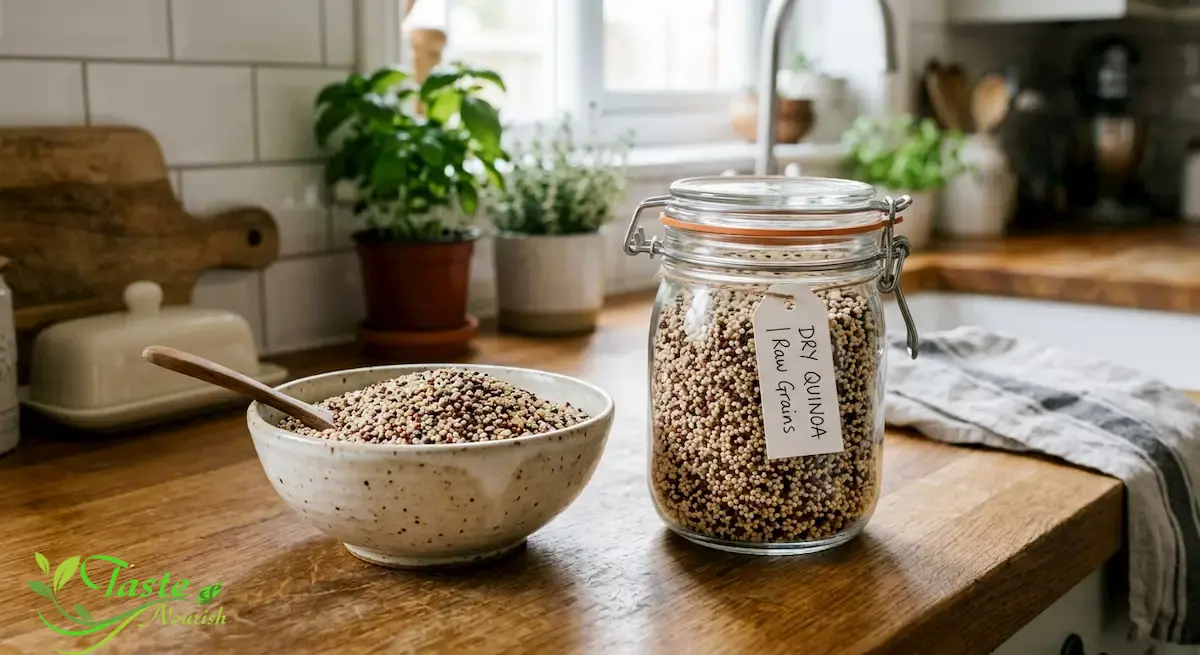
You bought a big bag of quinoa months ago, and it’s been sitting at the back of the pantry ever since. Now you’re wondering: does quinoa go bad? The short answer is yes, but not in the way rice or fresh produce does. Quinoa is a shelf-stable pantry staple, and dry quinoa can stay safe and taste good for a long time when it’s stored correctly. It isn’t indestructible, though.It has natural oils that can turn rancid, and once it’s cooked, it behaves like any other cooked grain. Here’s what actually happens to quinoa over time, and how to tell when it’s no longer worth eating.
Yes, quinoa can go bad, though uncooked quinoa stored properly in a cool, dry pantry usually holds good quality for about 2 to 3 years past its packaged date, and sometimes longer if it’s kept airtight. Cooked quinoa is far more perishable and should be treated like any cooked grain: refrigerate it within two hours of cooking and use it within 3 to 4 days, or freeze it for longer storage.
The main things that degrade quinoa are moisture, heat, light, and the natural oils in the seed’s germ, which slowly turn rancid over time.
Key Takeaways: Does Quinoa Go Bad?
Does quinoa go bad? Yes, but properly stored dry quinoa keeps its quality for roughly 2 to 3 years, sometimes longer.
Cooked quinoa is perishable. Refrigerate it for up to 3 to 4 days or freeze it for up to about 8 months.
Quinoa doesn’t “expire” the way dairy does. The date on the bag is almost always a best-by date, not a hard safety cutoff.
Rancidity, not bacteria, is the main quality risk for dry quinoa because of its natural fat content.
A musty or oily smell, off flavor, clumping, or visible pests are the clearest signs it’s time to toss it.
What Is Quinoa?
Quinoa (pronounced “keen-wah”) is technically a seed, not a true grain, though it’s cooked and eaten like one. According to Harvard T.H. Chan School , quinoa has been cultivated for roughly 5,000 years and is native to the Andean region of South America, particularly Bolivia, Ecuador, Chile, and Peru.
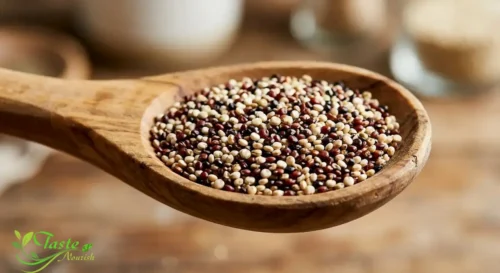
It comes in white, red, black, and multicolor varieties, and it’s naturally gluten-free. Before quinoa is packaged, the outer layer of bitter-tasting saponins is removed, which is why most store-bought quinoa doesn’t need extensive rinsing, though a quick rinse is still a good habit.
Nutrition Facts
Quinoa is prized for being a complete plant protein, meaning it contains all nine essential amino acids. Here’s how it breaks down per the USDA’s data for dry, uncooked quinoa.
Nutrient
Per 100g Dry Quinoa
Per 1 Cup Cooked (about 185g)
Calories
~368
~222
Protein
~14g
~8g
Fat
~6g
~3.5g
Carbohydrates
~64g
~39g
Fiber
~7g
~5g
Magnesium
~197mg
~118mg
Iron
~4.6mg
~2.8mg
Values are approximate and based on USDA FoodData Central entries for quinoa. Magnesium content is notable here; per the NIH Office of Dietary Supplements, magnesium supports muscle and nerve function, blood sugar regulation, and blood pressure, and many adults in the U.S. don’t get quite enough of it from food alone.
Health Benefits of Quinoa
Because quinoa is a complete protein and a good source of fiber, it may help support steadier energy and fullness compared with refined grains. The fiber and magnesium combination is also associated with supporting healthy digestion and blood sugar management, according to Harvard’s Nutrition Source.Quinoa’s gluten-free status makes it a useful substitute for people managing celiac disease or gluten sensitivity, and its mineral profile, particularly manganese, magnesium, and folate, may help support everyday nutrient needs when it’s part of a varied diet.
Scientific Evidence
Most quinoa research focuses on two areas: its nutrient density and its storage stability. A peer-reviewed study published on PubMed Central tracked quinoa flour stored under different temperature and humidity conditions for 120 days and found that lipase activity and oxidation increased fastest under warm, humid storage, while cool, dry, low-humidity conditions slowed fat breakdown considerably.
That research lines up with what home cooks notice in practice: quinoa doesn’t spoil quickly, but its natural oils are the first thing to degrade, and heat and moisture speed that process along.
Potential Risks and Side Effects
Saponins: The bitter outer coating is mostly removed during processing, but residual saponins can occasionally cause a soapy taste or mild stomach upset if quinoa isn’t rinsed.
Oxalates: Quinoa contains oxalates, compounds that may be a consideration for people prone to certain types of kidney stones.
Digestive adjustment: Because quinoa is high in fiber, eating a large amount all at once may cause temporary bloating or gas, especially if your usual diet is lower in fiber.
Rancid oil risk: Old or improperly stored quinoa with oxidized oils may cause mild digestive discomfort and simply won’t taste good.
Who Should Avoid It?
True quinoa allergies are uncommon, but anyone with a known sensitivity to quinoa or related plants in the chenopod family should avoid it. People managing a low-oxalate diet for kidney stone prevention may want to discuss quinoa portions with their doctor or a registered dietitian, since it’s a moderate oxalate source.
Quinoa is not typically restricted for people with IBS, but very large portions could aggravate symptoms in those sensitive to fermentable fibers. If you have a specific medical condition, it’s worth checking with a healthcare provider before making major dietary changes.
How Much Should You Eat?
There’s no single official serving size specifically for quinoa, but a typical serving in most meal plans is about half a cup to one cup of cooked quinoa, which fits comfortably into the whole grains portion of a balanced plate. Portion needs vary by age, activity level, and overall diet, so this is a general starting point rather than a prescription.
How to Choose the Best Quinoa
Check the package for an intact seal with no tears, punctures, or signs of moisture inside the bag.
Look at the best-by date and choose the furthest-out date available when possible.
If buying from bulk bins, choose a store with good turnover and give the quinoa a quick sniff for freshness before purchasing.
White quinoa has the mildest flavor, while red and black hold their shape a bit better after cooking; either is a fine choice for freshness purposes.
Store-brand and name-brand quinoa are nutritionally similar, so freshness and price often matter more than the brand itself.
Storage Tips
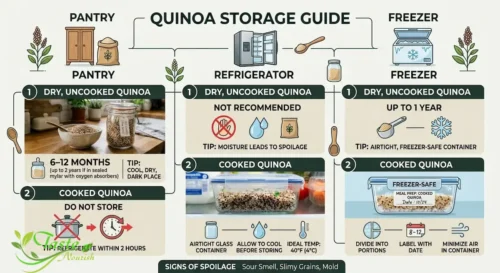
Dry Quinoa Shelf Life: What to Expect
Unopened, properly stored dry quinoa typically stays at good quality for about 2 to 3 years past its printed date. Once opened, it’s best used within about 12 to 18 months for peak flavor, though it usually remains safe to eat well beyond that if it’s been kept dry and sealed.
How Long Does Uncooked Quinoa Last Once Opened?
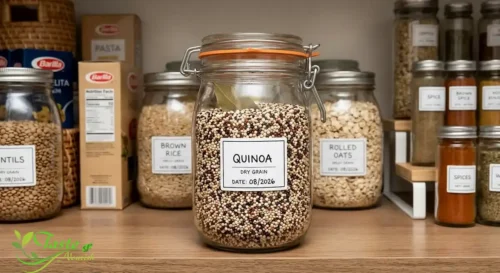
Once you open the bag, transfer the quinoa to an airtight container. Kept in a cool, dark pantry, opened dry quinoa generally holds good quality for around 12 to 18 months. Moving it to the refrigerator or freezer in a sealed container can stretch that window even further, since cold slows the oxidation of its natural oils.
Does Quinoa Go Bad in the Fridge or Freezer?
Dry quinoa doesn’t need refrigeration, but it isn’t harmed by it either. Storing dry quinoa in the fridge or freezer in an airtight container can meaningfully extend its freshness window, especially in a warm or humid kitchen. It won’t “go bad” from cold storage; if anything, cold storage slows the process that eventually does make it go bad.
Cooked Quinoa Storage
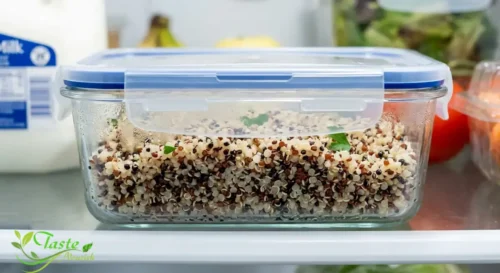
Cooked quinoa behaves like rice or any other cooked grain. Cool it, then refrigerate it in an airtight container within two hours of cooking, and plan to use it within 3 to 4 days. For longer storage, cooked quinoa freezes well for about 8 months in a freezer-safe container or bag.
So, Does Quinoa Go Bad If You Store It the Right Way?
Eventually, yes, but “right” storage buys you a lot of time. The combination of an airtight container, a cool spot away from the stove or a sunny window, and low humidity is what keeps both dry and cooked quinoa at their best for as long as possible.
Quinoa Storage Times at a Glance
Form
Pantry
Refrigerator
Freezer
Dry, unopened
2 to 3 years past date
Not necessary
Not necessary
Dry, opened
12 to 18 months
Up to 2 years
Up to 2 to 3 years
Cooked quinoa
Do not leave at room temperature over 2 hours
3 to 4 days
About 8 months
Quinoa flour
1 to 2 months
4 to 6 months
8 to 12 months
General storage principles here follow guidance from the FDA’s food storage recommendations, which note that cool, dry, sealed storage is key to slowing spoilage in pantry staples, and that cooked foods should move to the refrigerator promptly rather than sitting out.
Signs Quinoa Has Gone Bad
A musty, sour, or paint-like smell instead of quinoa’s usual mild, slightly nutty scent.
Visible clumping, discoloration, or moisture inside the bag or container.
Small bugs, webbing, or larvae, which are signs of a pantry pest infestation rather than simple aging.
A rancid, bitter, or “off” taste after cooking, even if the quinoa looked fine dry.
For cooked quinoa: a sour smell, sliminess, or any visible mold.
Best Ways to Eat or Cook It
Rinse quinoa briefly under cool water using a fine mesh strainer, then cook it in a 2-to-1 ratio of liquid to quinoa. Bring it to a boil, reduce to a simmer, cover, and cook for about 15 minutes until the liquid is absorbed and the seed’s little white “tail” appears.
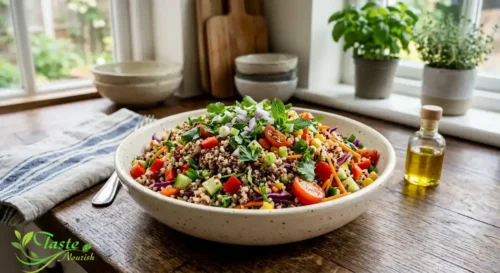
Stir cooked quinoa into salads in place of pasta or rice for extra protein and fiber.
Use it as a warm breakfast porridge with fruit and a sprinkle of cinnamon.
Swap it into stir-fries, grain bowls, or stuffed vegetables.
Cool leftovers quickly and portion them before refrigerating to keep quality consistent.
Common Mistakes
Leaving the bag open or rolled shut instead of transferring quinoa to an airtight container.
Storing quinoa above or beside the stove, where heat speeds up oxidation.
Letting cooked quinoa sit out at room temperature for more than two hours before refrigerating.
Assuming the best-by date means the quinoa is unsafe the day after, and tossing perfectly good quinoa unnecessarily.
Skipping the smell-and-look check before cooking a bag that’s been in the pantry a long time.
Myths vs Facts
Myth
Fact
Quinoa lasts forever because it’s a dry pantry food.
It lasts a long time, but its natural oils can eventually turn rancid, especially in warm or humid storage.
The date on the bag means it’s unsafe after that day.
It’s a best-by date for quality, not a safety expiration date, and quinoa is often fine well past it if stored properly.
You have to refrigerate dry quinoa.
Refrigeration isn’t required, though it can extend freshness in a warm kitchen.
All colors of quinoa spoil at the same rate.
Fat content and processing can vary slightly by variety, but storage conditions matter far more than color.
Does Quinoa Go Bad? FAQs
Does quinoa go bad after the best-by date?
Not immediately. Quinoa stored in a cool, dry, sealed container is usually still good for a long time past the printed date. Use your senses. If it smells fresh and looks normal, it’s typically fine to cook.
How long does uncooked quinoa last in the pantry?
Unopened, it typically holds quality for 2 to 3 years past the packaged date. Once opened, plan to use it within about 12 to 18 months for the best flavor.
Can you eat quinoa that smells musty or oily?
It’s best not to. A musty, sour, or oily smell usually signals rancidity or moisture damage, and the flavor won’t be pleasant even if it’s technically not dangerous in small amounts.
Does cooked quinoa need to be refrigerated?
Yes. Treat it like rice or any cooked grain: refrigerate within two hours and use within 3 to 4 days.
Can you freeze dry quinoa?
Yes. Freezing dry quinoa in an airtight, moisture-proof container can extend its shelf life well beyond typical pantry storage.
Is it safe to eat quinoa with small bugs in the bag?
No. Visible pests mean the batch should be discarded, and it’s worth checking nearby pantry items for the same issue.
Conclusion
So, does quinoa go bad? Eventually, yes, but it’s one of the more forgiving pantry staples out there. Dry quinoa can last years when it’s kept sealed, cool, and dry, and even cooked quinoa is easy to manage with a few basic refrigeration habits. A quick smell-and-look check before cooking is really all it takes to know whether your quinoa is still good.
Hanan Abo Samra is the founder of Taste & Nourish, sharing trustworthy nutrition guidance and recipes drawn from 20+ years of hands-on cooking experience. When she's not developing new recipes, Hanan is researching the science behind everyday ingredients to bring readers practical, evidence-based guidance for a healthier lifestyle.