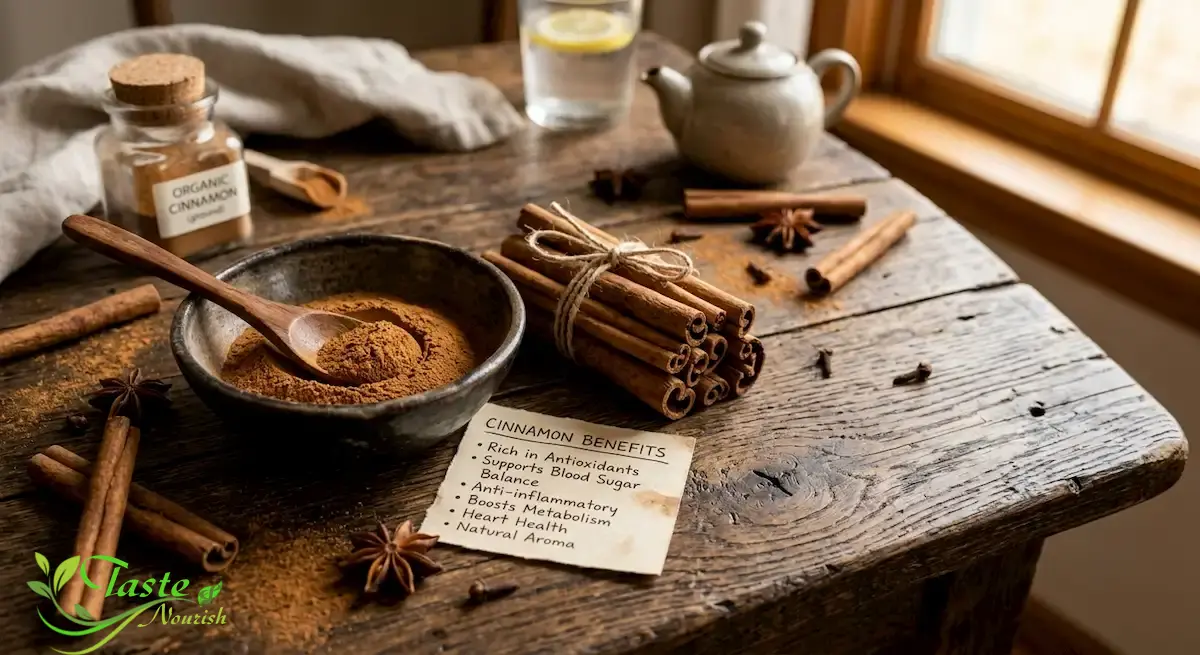
Grab two jars labeled “cinnamon” from two different stores and you might be holding two different spices. That’s the heart of the Ceylon vs Cassia cinnamon question — most people assume cinnamon is just cinnamon, but the two main types come from different trees, taste different, and even affect the body a little differently when eaten in large amounts.
This guide breaks down what separates them, what the research actually supports, and how to pick the right one for your kitchen.
In the Ceylon vs Cassia cinnamon comparison, Ceylon (Cinnamomum verum) is often called “true cinnamon.” It has a lighter, slightly sweet flavor and very low levels of coumarin, a naturally occurring compound that can stress the liver in high doses. Cassia (Cinnamomum cassia and related species) is bolder, cheaper, and is what’s actually sold as “cinnamon” in most U.S. grocery stores — but it contains meaningfully more coumarin. For occasional cooking and baking, either type is fine for most healthy adults. If you eat cinnamon daily, in large amounts, or take cinnamon supplements, Ceylon is generally the more cautious pick.
Key Takeaways
Ceylon cinnamon (“true cinnamon”) comes from Cinnamomum verum bark in Sri Lanka and has a mild, delicate flavor.
Cassia cinnamon is the stronger, darker spice that fills most supermarket shelves, even when the label just says “cinnamon.”
The biggest practical difference in the Ceylon vs Cassia cinnamon debate isn’t taste — it’s coumarin content, which is far higher in cassia.
Neither type is a proven treatment for diabetes, weight loss, or any other health condition, according to federal health researchers.
For everyday cooking, cassia is fine in normal amounts; Ceylon is the safer choice for people who use cinnamon heavily or regularly.
What Is Cinnamon? Ceylon vs Cassia Cinnamon Explained
Cinnamon comes from the inner bark of trees in the Cinnamomum genus. The bark is peeled, dried, and either ground into powder or rolled into the curled sticks known as quills.
Several species are sold commercially as “cinnamon,” but two dominate the market:
Ceylon cinnamon (Cinnamomum verum, also called Cinnamomum zeylanicum) is native to Sri Lanka, formerly known as Ceylon. It has a delicate, citrusy sweetness.
Cassia cinnamon is a broader category that includes Chinese cassia (Cinnamomum cassia), Indonesian cassia (Cinnamomum burmannii), and Vietnamese or “Saigon” cinnamon (Cinnamomum loureiroi). It has a sharper, more intense, slightly spicy flavor.
True Cinnamon vs Regular Cinnamon: What’s the Real Difference?
When people talk about “true cinnamon vs regular cinnamon,” they’re really describing the same split. Ceylon earned the nickname “true cinnamon” historically because it was the original species Europeans traded for centuries. “Regular cinnamon,” in this context, almost always means cassia, since it’s cheaper to grow and dominates the global spice trade.
Neither one is fake or lower quality in a culinary sense. They’re simply different spices from related trees, with cassia being more common and Ceylon being more of a specialty item in most U.S. stores.
Ceylon vs Cassia Cinnamon: Nutrition Facts Compared
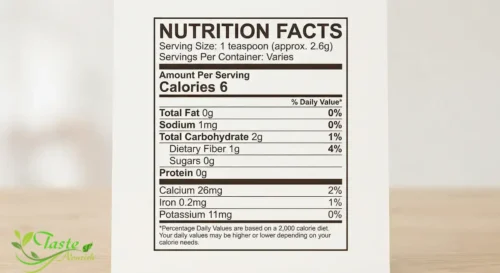
Standard nutrition databases don’t break cinnamon out by species, so the basic nutrient profile below reflects ground cinnamon generally, based on data from the USDA FoodData Central database. Because a typical serving is small, cinnamon isn’t a major source of calories or macronutrients — its value in the diet comes more from the plant compounds it contains than from vitamins or minerals.
Nutrient (per 1 tsp, about 2.6 g)
Approximate Amount
Calories
6
Carbohydrates
2.1 g
Dietary fiber
1.4 g
Sugars
0.1 g
Fat
Less than 0.1 g
Protein
0.1 g
Calcium
26 mg
Iron
0.2 mg
Potassium
11 mg
The one meaningful nutritional difference between the two types isn’t on a standard label at all: coumarin, a naturally occurring compound that shows up in much higher amounts in cassia than in Ceylon.
Which Cinnamon Is Healthier? Health Benefits of Each Type
Both types of cinnamon contain plant compounds like cinnamaldehyde and various polyphenols, which give cinnamon its antioxidant activity in lab studies. The question of which cinnamon is healthier depends on how it’s used, since the base compounds overlap but coumarin levels don’t.
Benefits Backed by Some Research
Antioxidant activity — Cinnamon’s polyphenols may help neutralize free radicals in laboratory studies, though this doesn’t automatically translate to a measurable health outcome in humans.
Blood sugar support — According to the NIH’s National Center for Complementary and Integrative Health, some studies suggest cinnamon might help with blood sugar control, though the evidence is considered weak and inconsistent.
Heart-related markers — Some research points to modest effects on blood pressure and blood lipids, though more research is necessary to confirm this.
Benefits That Need More Evidence
Allergy relief: Early research on a nasal spray containing Ceylon cinnamon extract suggests it might ease allergic rhinitis symptoms, but this is preliminary.
Weight management: Cinnamon is sometimes marketed as a weight-loss aid, but current evidence doesn’t clearly support this use.
Antimicrobial effects: Cinnamon compounds show activity against certain bacteria in lab settings, but this doesn’t mean eating cinnamon treats infections.
What Does the Science Actually Say?
The National Center for Complementary and Integrative Health (NCCIH) notes that research on cinnamon and health is genuinely hard to interpret, largely because many studies don’t specify which species of cinnamon, or which part of the plant, was actually tested. That matters a lot in a Ceylon vs Cassia cinnamon comparison, since the two aren’t interchangeable at the chemical level.
NCCIH’s overall conclusion is direct: research doesn’t clearly support using cinnamon to treat any health condition, and it remains unclear whether cinnamon supplementation meaningfully helps with diabetes or weight loss. Higher-quality studies that clearly identify the cinnamon species used would be needed to settle the question.
On the safety side, the same NCCIH review points out that interactions between coumarin, a compound concentrated in cassia cinnamon, and the liver have been reported. A related risk assessment published in the peer-reviewed literature notes that a 23-year-old woman was hospitalized with hepatitis after consuming just 1 to 2 grams of cinnamon a day — roughly the equivalent of 3.3 to 6.6 milligrams of coumarin — for two months.
Potential Risks and Side Effects
Cinnamon is generally well tolerated in typical cooking amounts. Still, a few things are worth knowing:
Digestive upset — Bloating, heartburn, or nausea can occur, especially with larger amounts.
Allergic reactions — Some people react to cinnamon, particularly with skin or mouth contact.
Liver strain from coumarin: This risk is tied almost entirely to cassia, since Ceylon contains only trace amounts of coumarin.
Medication interactions — Because cinnamon may lower blood sugar, it could add to the effects of diabetes medications. The coumarin in cassia may also be a concern for people taking medications that are processed by the liver.
The “cinnamon challenge” — NCCIH specifically warns against inhaling or swallowing spoonfuls of dry cinnamon powder as an internet dare, noting it can cause serious harm.
Who Should Avoid It?
Most people can enjoy cinnamon in ordinary cooking and baking amounts without concern. A few groups may want to be more careful, ideally after talking with a healthcare provider:
People with existing liver conditions, given cassia’s coumarin content
People taking medications metabolized by the liver, or medications that lower blood sugar
People with a known cinnamon allergy or sensitivity
Children, since their smaller body weight lowers the amount of coumarin they can tolerate
Anyone considering high-dose cinnamon supplements rather than culinary use
For pregnant or breastfeeding people, the National Library of Medicine’s LactMed database notes that cinnamon is generally well tolerated, with occasional bloating, indigestion, or nausea reported, and that no studies have specifically evaluated its effect on milk supply. As with any supplement-level use, checking with a doctor first is the more cautious route.
How Much Should You Eat?
There’s no official daily recommendation for cinnamon as a food, but the coumarin question gives a useful reference point. The European Food Safety Authority’s tolerable daily intake for coumarin is 0.1 milligrams per kilogram of body weight, a figure widely cited in food-safety research. For a 150-pound (about 68-kilogram) adult, that works out to roughly 6.8 milligrams of coumarin a day as a lifetime safety threshold, not a hard cutoff.
In practice, that means:
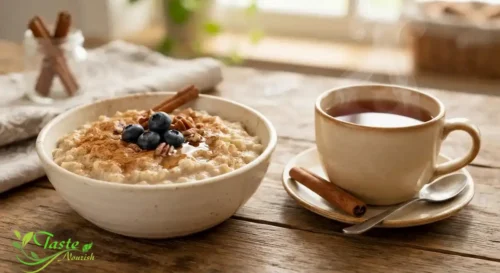
Occasional cassia use — a sprinkle on oatmeal, a teaspoon in a baked good — fits comfortably within that range for most adults.
Daily, heavy cassia use (multiple teaspoons a day, every day) could push closer to that threshold over time.
Ceylon’s trace coumarin levels leave a much wider margin, which is why it’s often recommended for people who use cinnamon in large or frequent amounts.
Expert tip: If cinnamon is a daily habit rather than an occasional flavor, switching your everyday jar to Ceylon is a simple way to keep coumarin intake low without giving up the spice.
How to Choose the Best Cinnamon
A few practical checks can help you know what you’re actually buying:
Read the label closely. “Cinnamon” alone almost always means cassia. Look for “Ceylon cinnamon” or “Cinnamomum verum” spelled out.
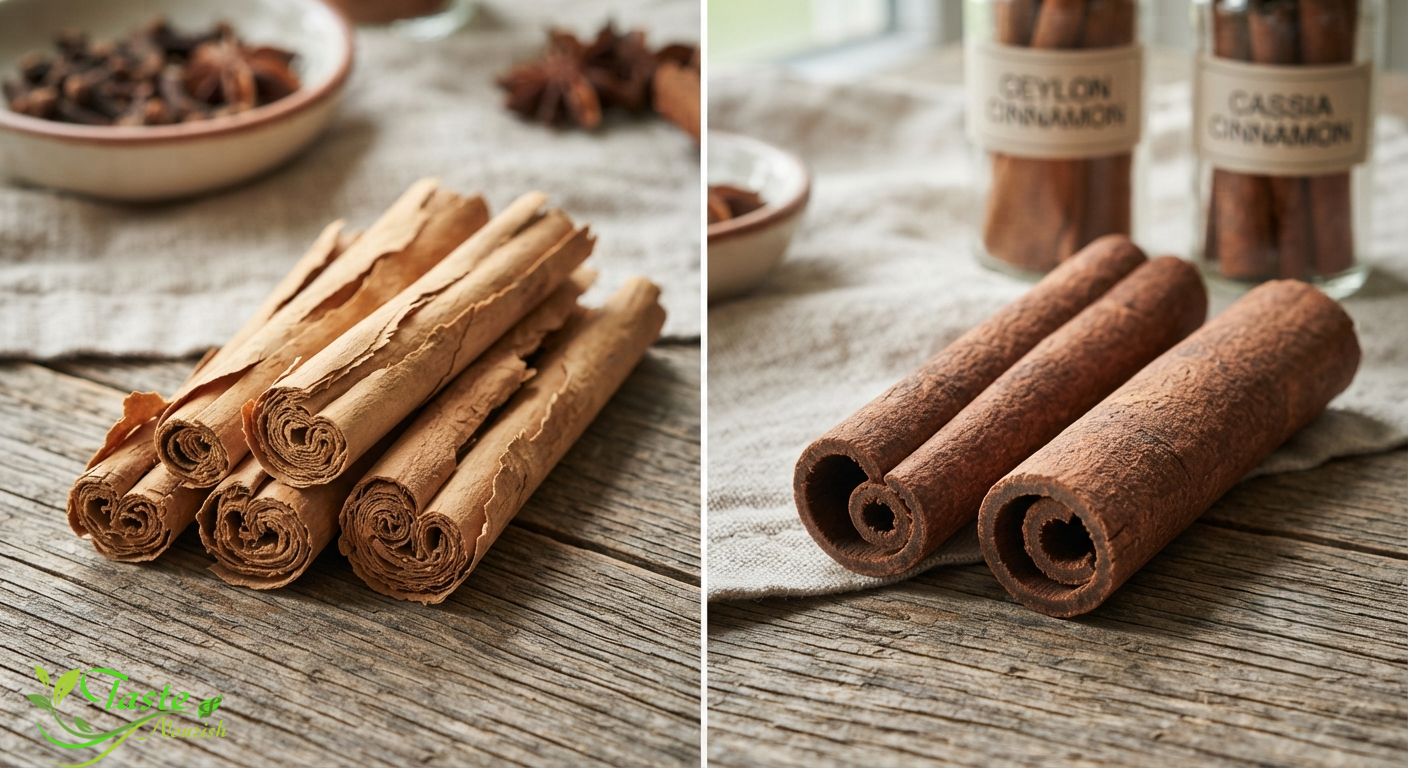
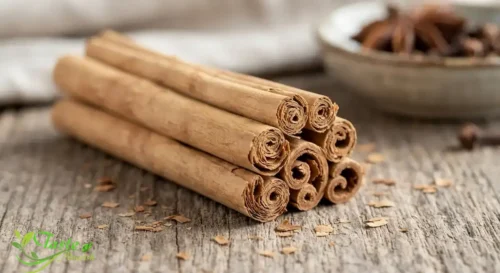
Check the sticks, not just the powder. Ceylon quills are thin, soft, and made of many tightly rolled layers, similar to a cigar. Cassia sticks are thicker, harder, and usually one single rolled layer.
Look at the color. Ceylon tends to be a lighter tan-brown; cassia is typically a darker reddish-brown.
Consider the origin. Cinnamon sourced from Sri Lanka is almost always Ceylon; cinnamon from Indonesia, China, or Vietnam is cassia.
Expect a price difference. Ceylon is more labor-intensive to produce and typically costs more than cassia.
Storage Tips
Store ground cinnamon and cinnamon sticks in an airtight container.
Keep it in a cool, dark spot away from the stove, oven, or direct sunlight, since heat and light speed up flavor loss.
Ground cinnamon holds peak flavor for roughly six months to a year; whole sticks last considerably longer, often a few years, if stored well.
Buy only as much as you’ll realistically use within that window — cinnamon doesn’t spoil in a way that’s unsafe, but it does fade in flavor and aroma over time.
Best Ways to Cook and Bake With Each Type
Cassia’s bold, spicy-sweet punch holds up well in recipes with strong competing flavors:
Cinnamon rolls, snickerdoodles, and spiced cookies
Chili, curries, and other savory dishes that call for warm spice depth
Ceylon’s softer, more citrus-like flavor shines in dishes where cinnamon is meant to be a background note rather than the star:
Tea, mulled cider, and other steeped drinks
Custards, rice pudding, and dairy-based desserts
Fruit salads or light pastries where a heavier cassia flavor would overpower the dish
Because cassia is more intensely flavored, recipes written with cassia in mind may taste noticeably weaker if you swap in Ceylon at the same measurement — you may want to use a little more Ceylon to match the intensity.
Common Mistakes People Make With Cinnamon
Assuming a plain “cinnamon” label means Ceylon. Unless it says Ceylon specifically, it’s almost certainly cassia.
Buying cinnamon supplements without checking the species. Supplement labels don’t always specify Ceylon vs. cassia, which matters for coumarin exposure.
Treating cinnamon as a diabetes treatment. It may offer modest support alongside medical care, but it isn’t a substitute for it.
Confusing Saigon cinnamon with Ceylon. Saigon cinnamon is a particularly strong, high-coumarin type of cassia, not a form of Ceylon.
Storing cinnamon above the stove. The heat quietly wears down its flavor over time.
Cinnamon Myths vs Facts
Myth
Fact
All cinnamon is basically the same.
Ceylon and cassia are different species with different flavor profiles and different coumarin levels.
Cinnamon can cure or reverse diabetes.
Research doesn’t clearly support using cinnamon to treat any health condition, according to NCCIH.
Ceylon cinnamon has zero health risks.
Ceylon carries far less coumarin risk, but allergic reactions and digestive upset are still possible.
More cinnamon means more health benefit.
Large daily amounts of cassia can approach coumarin’s tolerable intake threshold.
Cinnamon supplements are FDA-approved and standardized.
Dietary supplements, including cinnamon products, aren’t approved by the FDA before they’re sold.
Ceylon vs Cassia Cinnamon: Comparison Table
Feature
Ceylon Cinnamon
Cassia Cinnamon
Botanical name
Cinnamomum verum
Cinnamomum cassia and related species
Common origin
Sri Lanka
China, Indonesia, Vietnam
Flavor
Mild, sweet, slightly citrusy
Bold, spicy, more intense
Stick appearance
Thin, soft, multi-layered
Thick, hard, single-layered
Coumarin content
Trace amounts
Notably higher
Typical price
Higher
Lower, widely available
Best for
Frequent use, delicate dishes
Occasional use, bold-flavored baking
Ceylon vs Cassia Cinnamon FAQs
Is Ceylon cinnamon really healthier than cassia?
In the sense of long-term coumarin exposure, yes — Ceylon carries meaningfully less risk if you eat cinnamon often or in large amounts. Beyond that, the core health evidence for both types is similarly limited and preliminary.
Can I use Ceylon and cassia interchangeably in recipes?
You can, but expect a flavor difference. Cassia is stronger, so recipes built around it may taste milder if you substitute Ceylon in the same amount.
How do I know which cinnamon I’m buying at the grocery store?
Check the label for the word “Ceylon” or the species name Cinnamomum verum. If neither appears, it’s almost certainly cassia.
Is cassia cinnamon dangerous?
Not in normal cooking amounts. The concern is mainly about coumarin building up with heavy, daily, long-term use, not from a typical sprinkle on toast or in a recipe.
Does Ceylon cinnamon help with blood sugar more than cassia?
There isn’t strong evidence that one species outperforms the other for blood sugar. Some studies suggest cinnamon in general might offer modest support, but researchers note the science is inconsistent and often doesn’t specify which species was tested.
What is Saigon cinnamon?
Saigon cinnamon (Cinnamomum loureiroi) is a type of cassia grown in Vietnam. It has a very intense flavor and tends to be higher in coumarin than other cassia varieties, so it’s worth using sparingly.
Conclusion
The Ceylon vs Cassia cinnamon question isn’t really about one being “good” and the other “bad” — both are real, food-safe spices with a long culinary history. The practical takeaway is simpler: cassia is what’s in most kitchens already, and it’s fine for everyday cooking in normal amounts. Ceylon is the more cautious choice if cinnamon is a daily habit, if you’re drawn to supplements, or if you simply prefer its milder, more delicate flavor.
References
National Center for Complementary and Integrative Health, National Institutes of Health. “Cinnamon: Usefulness and Safety.” https://www.nccih.nih.gov/health/cinnamon
**Hanan Abo Samra** shares practical cooking insights, delicious recipes, and evidence-based nutrition information. Drawing on more than 20 years of hands-on cooking experience, she creates helpful food content that combines everyday cooking knowledge with information from reliable scientific sources. Her goal is to help readers better understand the foods they eat, explore their nutritional benefits, and prepare delicious meals with confidence.