If you’ve ever stood in the cereal aisle staring at a dozen different oat products wondering what the difference actually is, you’re definitely not alone. Oats, scientifically known as Avena sativa, are a whole-grain cereal that has been consumed for centuries — not just by humans, but by livestock too — due to their extraordinarily dense nutritional profile.
Originally cultivated across Europe and North America, oats have now become a globally consumed staple found in everything from morning porridge to high-performance sports nutrition products. And the more research catches up to this humble grain, the more impressive its credentials become.
What makes oats different from your average grain? Think of oats as the overachievers of the cereal world. While wheat might be more famous and rice more versatile, oats quietly pack more fiber, more antioxidants, and more unique bioactive compounds than almost any other grain on the planet. Whole oats are actually the only known food source of avenanthramides — a unique and powerful group of antioxidants believed to help protect against heart disease.
That alone should be enough to earn oats a permanent spot on your grocery list. Whether you’re a fitness enthusiast, a busy parent, or someone managing a chronic health condition, the benefits of oats are wide-ranging, well-researched, and genuinely life-changing when you make them part of your daily routine.
Types of Oats and Their Differences
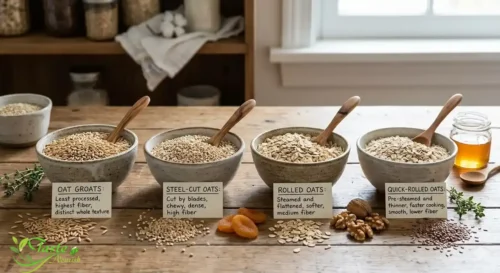
Not all oats are created equal — and this is where a lot of people get tripped up. The key difference between oat varieties comes down to processing level, which directly affects the glycemic index, texture, and cooking time.
Type of Oats
Glycemic Index (GI)
Processing Level
Best For
Oat Groats
~42
Minimal
Long cooking, maximum nutrition
Steel-Cut Oats
~52
Low
Chewy texture, slow energy release
Old-Fashioned Rolled Oats
~49–55
Medium
Oatmeal, baking, overnight oats
Instant (Quick) Oats
~62–75
High
Convenience, but faster blood sugar spike
Steel-cut oats are whole oat groats chopped by a steel rolling saw and have a low GI of 52, while old-fashioned oats — flattened whole oat groats — have a GI of 49 when made into oatmeal. Instant oats, being more processed, have a mid-range to high GI between 62 and 75.
♦ The rule of thumb? The less processed, the better — especially if you’re watching blood sugar or trying to stay fuller for longer.
Oats Nutrition Facts — What’s Inside Every Serving?
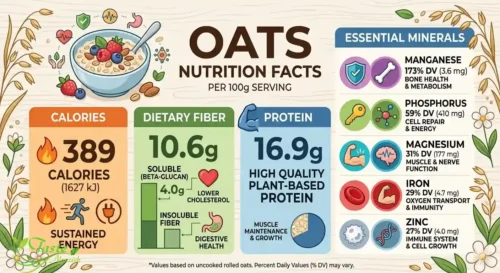
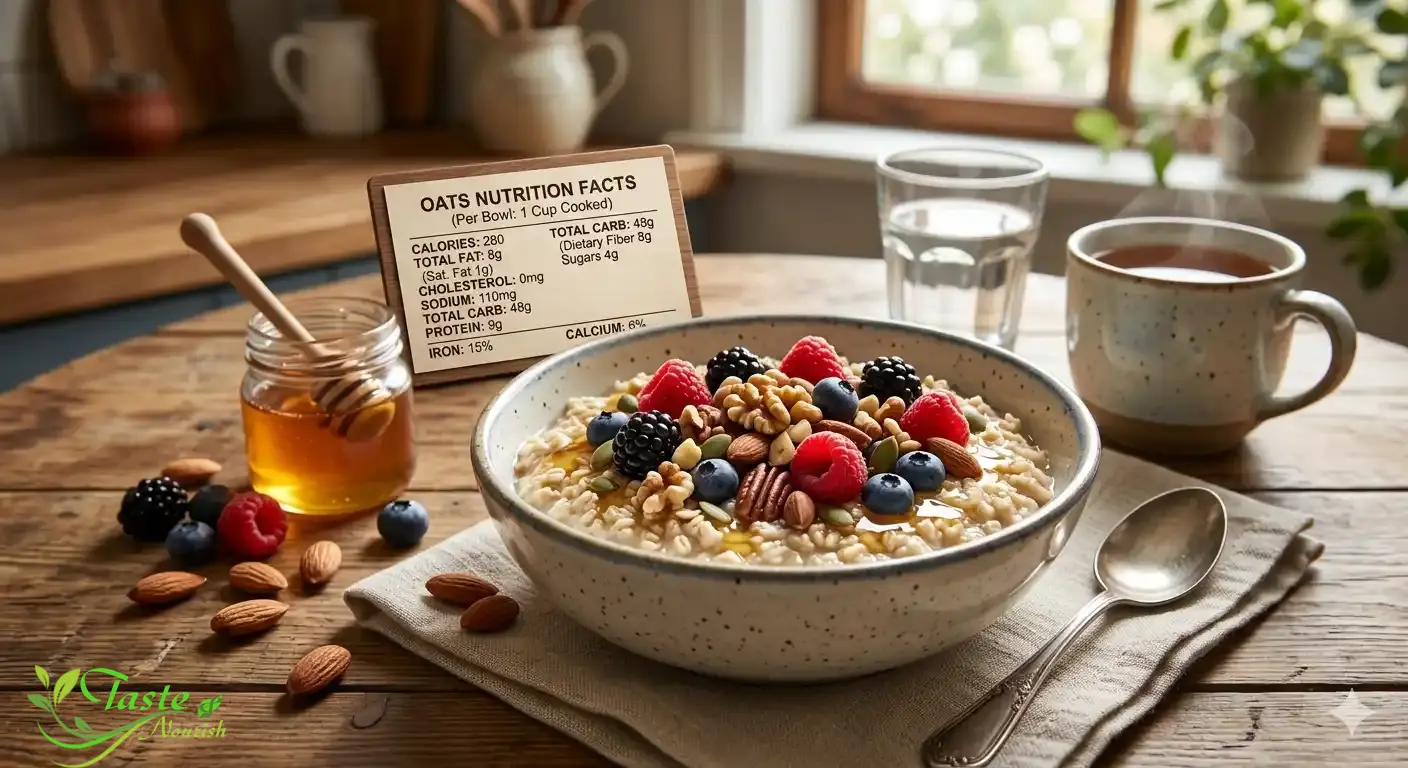
Before diving into all the incredible things oats can do for your body, let’s talk numbers. Every 100 grams of raw oats contains approximately 16.9 grams of protein, 66.3 grams of carbohydrates, and only 8% water — making it one of the most calorie-dense and nutrient-rich whole grains available. These aren’t empty calories, either. Every gram of carbohydrate in oats comes packed with fiber, vitamins, minerals, and unique plant compounds that work together synergistically to support your health.
Oats Nutrition Facts Table (Per 100g, Raw)
Nutrient
Amount per 100g
Calories
389 kcal
Carbohydrates
66.3 g
Dietary Fiber
10.6 g
Protein
16.9 g
Total Fat
6.9 g
Beta-Glucan (soluble fiber)
4 g
Iron
4.7 mg (26% DV)
Magnesium
177 mg (44% DV)
Zinc
3.6 mg (33% DV)
Manganese
3.6 mg (191% DV)
Vitamins and Minerals in Oats
Oats are packed with essential nutrients such as manganese, phosphorus, magnesium, copper, iron, zinc, folate, and vitamins B1 and B5 — all of which play vital roles in maintaining overall health, supporting bone strength, energy production, and immune function. What’s particularly impressive is the manganese content — a single serving of oats can deliver nearly double your recommended daily intake of this essential trace mineral, which plays a critical role in metabolism, antioxidant defense, and bone development.
Vitamins in Oats (Per 100g)
Vitamin
Amount
Function
Vitamin B1 (Thiamine)
0.76 mg
Energy metabolism, nerve function
Vitamin B5 (Pantothenic Acid)
1.35 mg
Hormone production, stress response
Folate (B9)
56 µg
Cell division, pregnancy health
Vitamin E
0.42 mg
Antioxidant protection
Vitamin K
2.0 µg
Blood clotting, bone health
Macronutrient Breakdown
One of the most underappreciated aspects of oats is their surprisingly high protein content. One cup of cooked oats gives you around 5 grams of protein, plus important minerals like magnesium and iron — making it ideal for anyone doing workouts or building strength.
For a plant-based food that costs just a few cents per serving, that protein content is genuinely remarkable. Add in the beta-glucan soluble fiber, the complex carbohydrates, and the heart-healthy fats, and you’ve got a food that ticks virtually every macronutrient box.
💡 Key Takeaway: A single half-cup serving of dry rolled oats provides 4 grams of fiber — roughly 10–16% of your recommended daily intake — making it one of the most fiber-efficient foods you can eat on a budget.
Top Health Benefits of Oats Backed by Science
1. Oats Are Exceptionally Rich in Antioxidants
When most people think about antioxidants, they think about blueberries or green tea — but oats deserve a serious spot in that conversation. Whole oats contain avenanthramides (found only in oats), ferulic acid, and phytic acid — powerful antioxidant compounds that work together to reduce inflammation and protect cells from oxidative damage.
♦ Avenanthramides in particular are fascinating because they’ve been shown to reduce inflammation in the arterial walls and help regulate blood pressure — two critical factors in long-term cardiovascular health. Think of avenanthramides as tiny security guards patrolling your blood vessels, neutralizing threats before they can cause damage.
♦ Ferulic acid, the most common polyphenol antioxidant in oats, adds another layer of protection by shielding cells from free radical damage — the underlying process behind aging, cancer development, and chronic disease.
♦ Oats also provide substantial levels of other bioactive compounds such as phenolic acids, tocols, sterols, avenacosides, and avenanthramides, and their consumption has been found to promote immunomodulation and improve gut microbiota.
In simple terms, eating oats regularly gives your immune system a measurable upgrade.
Antioxidants Found in Oats:
Avenanthramides – unique to oats; reduce arterial inflammation and regulate blood pressure
Ferulic acid – the most abundant polyphenol; protects cells from oxidative stress
Phytic acid – found in the bran; has antioxidant activity but may limit mineral absorption at high doses
Tocols (Vitamin E compounds) – protect cell membranes from lipid peroxidation
Beta-glucan – acts as a prebiotic, indirectly supporting antioxidant defense through gut health
Avenacosides – saponins unique to oats with anti-inflammatory and immune-modulating properties
2. Beta-Glucan: The Cholesterol-Lowering Fiber in Oats
If you’ve ever seen oat packaging claim it’s “good for your heart,” that claim is directly backed by the presence of beta-glucan — a type of soluble fiber that is genuinely one of the most studied and proven functional food components in the world. The European Food Safety Authority and the US Food and Drug Administration (FDA) have both accredited health claims for oat foods containing oat beta-glucan to lower serum cholesterol and the risk of cardiovascular disease. That’s a significant endorsement — regulatory bodies don’t hand out health claims without serious scientific backing.
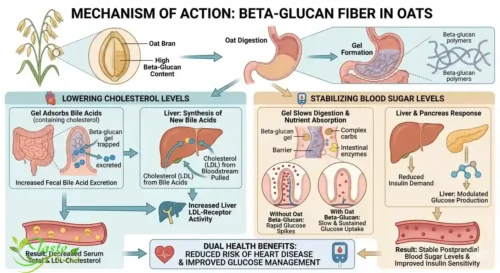
So how does beta-glucan actually work? When you eat oats, beta-glucan dissolves in the digestive tract and forms a thick, viscous gel. This gel literally traps cholesterol-rich bile acids in your intestine and flushes them out of the body before they can be reabsorbed.
Your liver then pulls cholesterol from the bloodstream to produce more bile acids, which lowers your overall LDL (bad) cholesterol levels. Studies show that 3 grams of beta-glucan daily — found in about 1.5 cups of cooked oats — can significantly lower cholesterol levels. That’s roughly one generous bowl of oatmeal per day. Simple, affordable, and profoundly effective.
3. Benefits of Oats for Heart Health
Heart disease remains the leading cause of death worldwide, and diet is one of the most powerful tools we have for prevention. High levels of serum cholesterol and low-density lipoproteins (LDL) are known to increase the risk of cardiovascular disease, and the consumption of oats has been shown to reduce serum total cholesterol and LDL cholesterol, thereby reducing the risks of CVD. But the cardiovascular benefits of oats don’t stop at cholesterol management.
The avenanthramides we mentioned earlier also play a direct role in reducing arterial inflammation and improving blood vessel flexibility — both critical factors in preventing heart attacks and strokes.
Oats may also protect LDL cholesterol from oxidation — a crucial step in the progression of heart disease, since oxidized LDL produces inflammation in arteries, damages tissue, and can raise the risk of heart attacks and strokes.
Think of it this way: not only do oats reduce the total amount of LDL cholesterol circulating in your blood, but they also protect the LDL that remains from becoming the dangerous oxidized form. That’s a double layer of cardiac protection from a single breakfast bowl.
Heart Health Benefits Summary:
Lowers total serum cholesterol
Reduces LDL (“bad”) cholesterol specifically
Protects LDL from oxidative damage
Reduces arterial inflammation via avenanthramides
Helps regulate blood pressure
Supports healthy blood vessel function
4. Benefits of Oats for Weight Loss and Appetite Control
Let’s be honest — most people who start eating oats do so because they’ve heard it’s good for weight management. And they’re right, but probably not for the reasons they think. The magic of oats for weight loss isn’t about being low-calorie — a cup of cooked oatmeal actually delivers around 150–160 calories. The real power lies in oats’ extraordinary ability to keep you feeling full for hours after eating. Oats are rich in dietary fiber, particularly beta-glucan, which has been shown to promote feelings of fullness and reduce appetite — meaning that consuming oats for breakfast can help you stay satiated longer, reducing the likelihood of snacking throughout the day.
The protein and fiber in oatmeal work together to increase satiety, meaning you’re less likely to eat more calories than your body needs, making it easier to achieve and maintain a healthy weight. This isn’t just anecdotal — satiety research consistently shows that oatmeal outperforms virtually every other common breakfast food, including eggs, toast, and even commercial high-protein cereals, when it comes to reducing caloric intake later in the day. If you’ve been trying to cut back on afternoon snacking without success, adding a proper bowl of steel-cut oats to your morning might be the simplest solution you haven’t tried yet.
How Oats Support Weight Management:
Increases satiety hormones – beta-glucan triggers the release of peptide YY (PYY), a satiety hormone
Slows gastric emptying – the viscous gel formed by beta-glucan keeps food in your stomach longer
Stabilizes blood sugar – prevents energy crashes that lead to cravings
Provides clean, complex carbohydrates – sustains energy without promoting fat storage
Supports gut microbiome – a healthy gut is increasingly linked to healthy weight regulation
Low energy density – high water and fiber content means you eat a large volume for relatively few calories
📝 Reader Note: If you want maximum satiety from oats, choose steel-cut or old-fashioned rolled oats over instant varieties. The less processed the oat, the longer it takes your body to digest — and the longer you stay full.
5. Oats and Blood Sugar Control
For anyone living with type 2 diabetes, prediabetes, or simply trying to avoid the mid-morning energy crash, oats are one of the smartest food choices you can make.
Oatmeal is rich in soluble fiber, particularly beta-glucan, which can slow the absorption of carbohydrates and improve insulin sensitivity — making it a smart carbohydrate choice for those watching their blood glucose levels. This is critically important because most carbohydrate-rich breakfast foods — white bread, pastries, flavored yogurt — cause rapid blood sugar spikes followed by equally rapid crashes, leaving you tired, hungry, and reaching for more food within an hour or two.
The low glycaemic index of oats means they cause a slower rise in blood glucose levels, which is crucial for blood sugar control. This slow digestion and absorption rate helps maintain stable blood sugar levels, reducing the risk of spikes and crashes that can be harmful to individuals with diabetes. According to the American Diabetes Association, choosing low-GI foods is a clinically recognized strategy for managing blood sugar, and oats fit squarely in that category — particularly steel-cut and rolled varieties.
For people with type 2 diabetes, incorporating oats into a balanced diet can meaningfully reduce the need for blood sugar-spiking foods and support better long-term glycemic control.
Glycemic Index Comparison: Oats vs. Common Breakfast Foods
Food
Glycemic Index
Blood Sugar Impact
Steel-Cut Oats
52
Low — slow, steady rise
Rolled Oats
49–55
Low — gradual absorption
Instant Oats
62–75
Medium-High — faster spike
White Bread
70–75
High — rapid spike
Cornflakes
81
Very High — fast spike
Whole Wheat Bread
69
Medium-High
6. Digestive Health Benefits of Oats
Your gut is often called your “second brain,” and the health of your microbiome has cascading effects on everything from mood and immunity to metabolism and skin clarity. Oats happen to be one of the most gut-friendly foods available, delivering both soluble and insoluble fiber that work in complementary ways to keep your digestive system running smoothly.
Soluble fiber in oatmeal creates a gel-like substance when combined with proper hydration, which helps slow down digestion, while insoluble fiber helps to bulk up stool and move waste through the GI tract — together improving regularity and making bowel movements easier to pass.
But oats do more than just prevent constipation. The beta-glucan in oats functions as a prebiotic — meaning it feeds the beneficial bacteria in your gut, helping them thrive and multiply. The prebiotic effect of oats feeds good gut bacteria, promoting a healthy microbiome, while also helping to reduce bloating and acidity since oats are gentle on the stomach.
A well-nourished gut microbiome is associated with improved immunity, better mental health, reduced inflammation, and even a lower risk of colorectal cancer. So when you eat your morning oatmeal, you’re essentially feeding both yourself and the 100 trillion microorganisms that help keep you healthy.
Digestive Benefits of Eating Oats:
Prevents and relieves constipation through insoluble fiber
Promotes regular, easier bowel movements
Acts as a prebiotic to nourish beneficial gut bacteria
Reduces bloating and digestive discomfort
Supports a diverse and balanced gut microbiome
May reduce the risk of colorectal cancer through improved gut transit time
health benefits of oats
7. Skin and Hair Benefits of Oats
Here’s something many people don’t realize: oats aren’t just a food — they’re one of the most widely used ingredients in clinical skincare, and for very good reason. Oat-based skin products can improve uncomfortable symptoms of eczema, with oats providing protection against skin irritation through their anti-inflammatory properties. The FDA has actually approved colloidal oatmeal as a skin protectant ingredient since 1989, recognizing its ability to soothe irritated, dry, and inflamed skin. If you’ve ever used a soothing oat bath during a case of chickenpox or sunburn, you’ve experienced this firsthand.
Oats are rich in antioxidants and have anti-inflammatory properties that help soothe dry, itchy skin, acne, or eczema, and can also promote healthier hair when consumed regularly or used as a scalp mask. When consumed internally, oats support skin health by providing zinc (essential for wound healing and sebum regulation), iron (for oxygenating skin cells), and B vitamins (for cell regeneration and moisture retention). The result is skin that’s better equipped to defend itself from environmental stressors, maintain hydration, and recover from inflammation.
Internal consumption: Zinc supports sebum regulation and acne prevention
Anti-inflammatory: Avenanthramides reduce redness and skin irritation
Hydration support: B vitamins help maintain the skin’s moisture barrier
Hair health: Regular oat consumption supports scalp health via zinc and biotin
Antioxidant protection: Ferulic acid defends skin against UV-induced oxidative damage
8. Oats Benefits for Immunity and Disease Prevention
The immune-supporting benefits of oats extend far beyond the antioxidants we’ve already discussed. Consumption of oats has been determined to be beneficial for human health by promoting immunomodulation and improving gut microbiota, and oat consumption also assists in preventing diseases such as atherosclerosis, dermatitis, and some forms of cancer.
The beta-glucan fiber in oats is particularly noteworthy here — research has shown it can activate immune cells like macrophages and natural killer cells, essentially putting your immune system on alert status without triggering unnecessary inflammation.
Consumption of oat products has been associated with a reduced serum cholesterol level, a lower risk of cardiovascular disease, and a lower risk of obesity, hypertension, cancer, diabetes, and gastrointestinal disorders. That’s an impressively broad spectrum of disease prevention from a single food.
For children specifically, early introduction of oats has been studied in relation to asthma prevention, with some research suggesting that oats in infancy may reduce the risk of developing this chronic respiratory condition.
For adults, the combination of anti-inflammatory compounds, immune-modulating beta-glucan, and gut-nourishing fiber creates a comprehensive defense against chronic disease development.
Hypertension – avenanthramides help regulate blood pressure
Atherosclerosis – prevents LDL oxidation and arterial plaque formation
How to Eat Oats — Best Preparation Methods
The beauty of oats is their extraordinary versatility — you can eat them hot or cold, sweet or savory, whole or blended. Here’s a quick breakdown of the most popular and nutritious ways to incorporate oats into your daily diet:
Classic oatmeal (hot porridge): Cook rolled or steel-cut oats in water or milk, then top with fresh fruit, nuts, and a drizzle of honey. This is the gold standard for maximum nutrition and satiety.
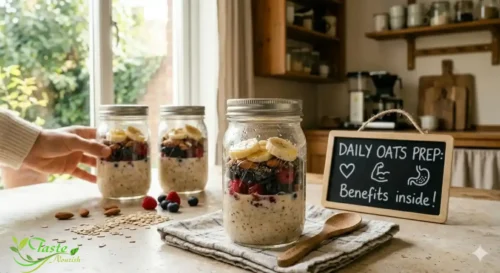
Overnight oats: Combine rolled oats with milk or yogurt in a jar, let them soak overnight in the fridge, and add toppings in the morning. No cooking required — ideal for busy mornings.
Oat smoothies: Blend raw rolled oats with banana, almond milk, protein powder, and nut butter for a thick, filling breakfast smoothie that keeps you full for hours.
Oat-based baking: Use oat flour or rolled oats in muffins, cookies, pancakes, and bread for a nutrient upgrade over white flour.
Savory oatmeal: Cook oats in vegetable broth and top with a poached egg, avocado, and herbs for a protein-rich savory breakfast that breaks the monotony.
Granola and energy balls: Combine oats with dates, nut butter, and dark chocolate chips for no-bake snacks that travel well and provide sustained energy.
Common Mistakes to Avoid When Eating Oats
Adding too much sugar: Flavored instant oat packets often contain as much added sugar as a candy bar. Sweeten naturally with fruit, cinnamon, or a small drizzle of honey.
Choosing highly processed instant oats: These have the highest GI and the least beta-glucan. Opt for steel-cut or old-fashioned rolled oats whenever possible.
Eating them plain and getting bored: Oats are a blank canvas — experiment with toppings like berries, seeds, nut butters, and spices to keep breakfast exciting.
Not pairing with protein: Adding Greek yogurt, eggs, or protein powder to your oat meal creates a more balanced macronutrient profile and even greater satiety.
Possible Side Effects and Who Should Be Careful
While oats are one of the safest and most well-tolerated foods on the planet, a small number of people need to exercise some caution. Here’s what you should know before making oats a daily staple:
Celiac Disease & Gluten Sensitivity: Oats are naturally gluten-free, but standard processing facilities often handle wheat, barley, and rye alongside oats, creating a real risk of cross-contamination. If you have celiac disease or non-celiac gluten sensitivity, always purchase oats that are certified gluten-free to avoid potentially serious reactions.
Mineral Absorption & Phytic Acid: Oat bran contains phytic acid, a naturally occurring compound that can reduce your body’s ability to absorb minerals like iron and zinc when consumed in excessive amounts. This isn’t a concern for most people eating one or two servings per day — but if oats dominate your diet, soaking them overnight before cooking is a simple and effective way to reduce phytic acid levels and improve mineral bioavailability.
Digestive Sensitivity & Bloating: If you’re new to high-fiber foods or are significantly increasing your daily fiber intake, you may experience temporary bloating, gas, or digestive discomfort in the first few days of eating oats regularly. This is completely normal and typically resolves within one to two weeks as your gut microbiome adapts to the increased fiber load.
Blood Sugar Spikes from Instant Oats: Not all oats behave the same way in your body. Highly processed instant oats carry a glycemic index of up to 75 — significantly higher than steel-cut or rolled oats. People managing diabetes or insulin resistance should avoid flavored instant oat packets and stick to less-processed varieties.
Overconsumption Risks: Even healthy foods can cause issues in excess. Eating disproportionately large quantities of oats every single day may lead to an imbalanced diet that crowds out other important food groups. Oats work best as part of a varied, balanced diet — not as a near-exclusive food source.
Children and Oat : Oats are generally safe and highly nutritious for children and infants, but always introduce them gradually and watch for any signs of sensitivity, particularly in children with a known family history of gluten intolerance or grain allergies.
📝 Practical Tip: To get the maximum benefits of oats with minimal downsides, choose steel-cut or certified gluten-free rolled oats, soak them overnight when possible, and pair them with vitamin C-rich foods like berries or citrus to counteract any potential impact of phytic acid on iron absorption.
Benefits of Oats (FAQs)
What are the top benefits of eating oats every day?
Eating oats daily can lower LDL cholesterol, stabilize blood sugar, improve digestive health, support weight management, and reduce inflammation. The beta-glucan fiber and avenanthramide antioxidants in oats make them one of the most comprehensively health-supporting foods available. Most people notice improved satiety, better energy levels, and improved digestive regularity within 1–2 weeks of consistent consumption.
Are oats good for weight loss?
Yes — oats are highly effective for weight management, primarily through their high beta-glucan content, which promotes powerful satiety hormones and slows gastric emptying. Studies show that people who eat oatmeal for breakfast consume significantly fewer calories later in the day compared to those who eat other common breakfast foods. Steel-cut and old-fashioned rolled oats deliver the greatest satiety benefit.
Can people with diabetes eat oats?
Absolutely — oats are actually one of the best carbohydrate choices for people with type 2 diabetes or prediabetes. The beta-glucan fiber slows glucose absorption into the bloodstream, leading to a gentler, more gradual rise in blood sugar rather than a sharp spike. Steel-cut oats with a GI of 52 are the best choice for diabetics, while instant oats should be avoided due to their higher glycemic index.
How much oats should I eat per day?
Most nutritionists recommend one serving per day — approximately half a cup of dry oats (which yields about one cup cooked). This provides roughly 4 grams of dietary fiber and around 2 grams of beta-glucan. To reach the 3 grams of beta-glucan associated with measurable cholesterol reduction, you’d need about 1.5 cups of cooked oats, which can be achieved by adding oats to smoothies or snacks throughout the day.
Are raw oats or cooked oats better for you?
Both are nutritious, but cooking oats improves digestibility and makes their nutrients more bioavailable. Raw oats can be consumed safely — as in overnight oats that have been soaked — but eating them completely dry and unsoaked is not recommended, as it can be hard on the digestive system. Soaking raw oats overnight in milk or water effectively “pre-cooks” them while preserving their nutritional integrity.
Conclusion
There’s a reason oats have earned the title of super food — and it’s not just clever marketing. From their unique avenanthramide antioxidants and powerful beta-glucan fiber to their proven ability to lower cholesterol, stabilize blood sugar, support weight loss, and nourish the gut microbiome, the benefits of oats are backed by decades of rigorous clinical research. Whether you’re 25 or 75, athletic or sedentary, managing a health condition or simply trying to eat better, oats offer something genuinely valuable for virtually every health goal.
They’re affordable, versatile, sustainable, and — when prepared thoughtfully — genuinely delicious. If there’s one change you make to your diet this year, let it be this: start your mornings with a proper bowl of oats, and let the science do the rest.
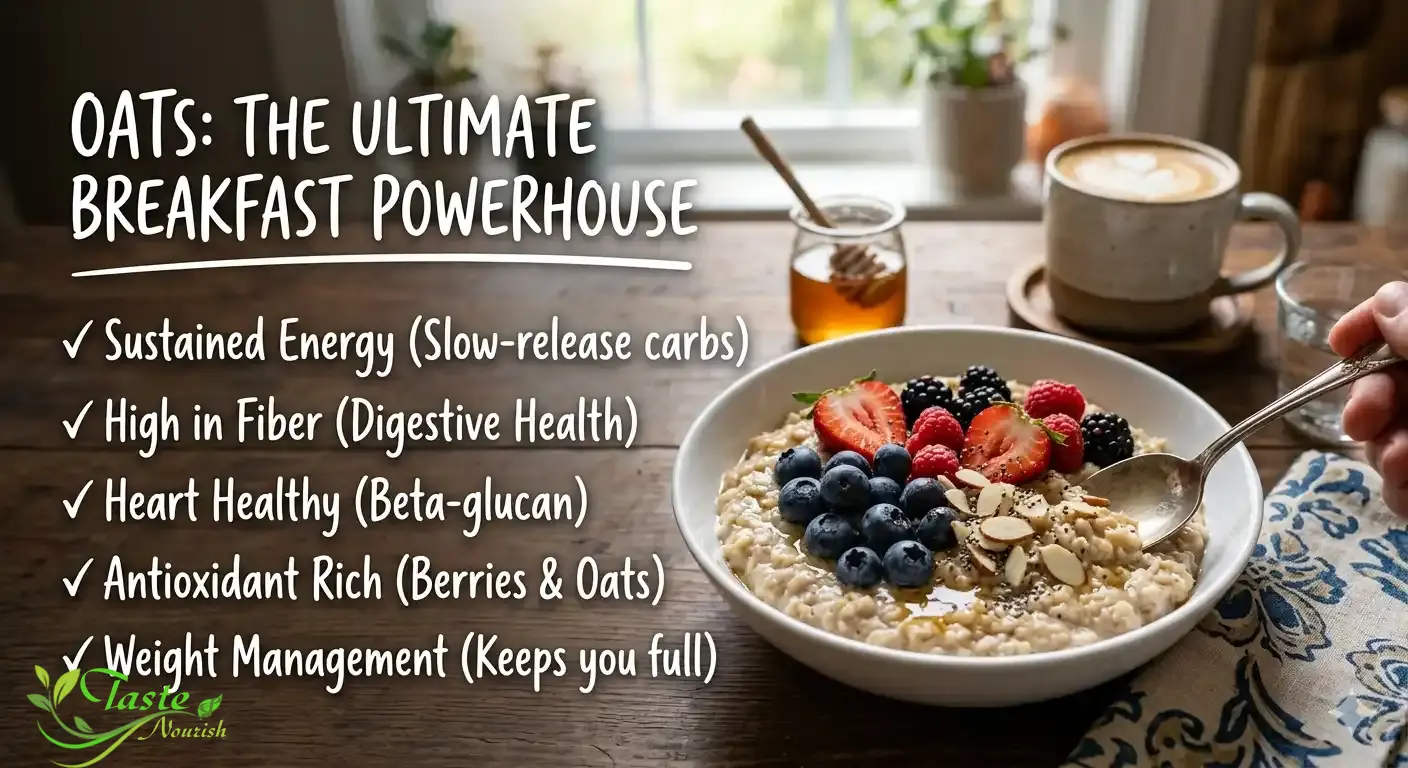
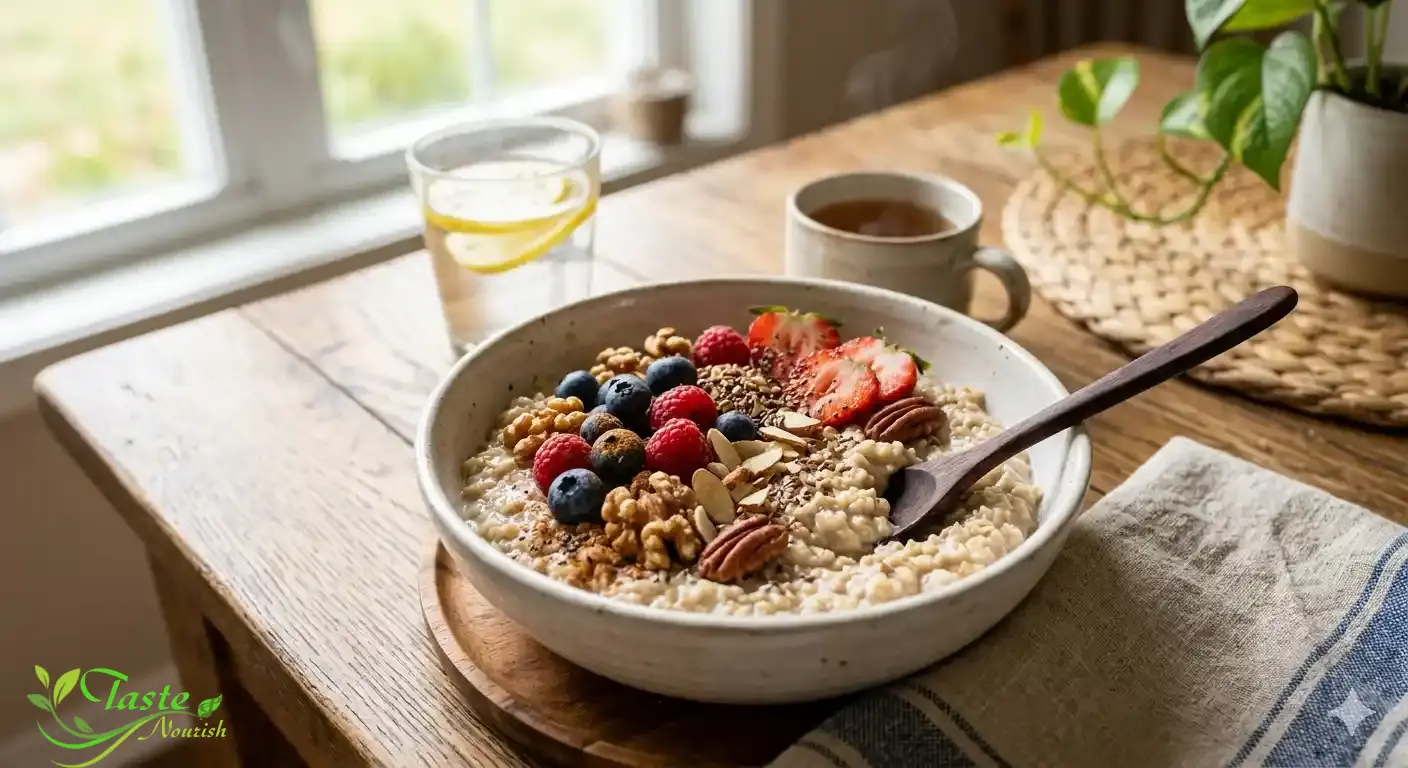
A simple, nutrient-packed oatmeal bowl that delivers the full benefits of oats — including beta-glucan fiber for heart health, sustained energy, and weight management support.
Ingredients
½ cup rolled or steel-cut oats
1 cup water or unsweetened milk (dairy or plant-based)
1 pinch of salt
½ cup fresh mixed berries (blueberries, strawberries)
1 tablespoon natural almond butter or peanut butter
1 teaspoon honey or maple syrup (optional)
1 teaspoon ground cinnamon
1 tablespoon chia seeds or flaxseeds
Directions
Bring 1 cup of water or milk to a gentle boil in a small saucepan over medium heat.
Stir in ½ cup of rolled or steel-cut oats and a pinch of salt. Reduce heat to low.
For rolled oats, cook for 3–5 minutes stirring occasionally. For steel-cut oats, cook for 20–25 minutes until creamy and thick.
Transfer to a bowl and top with fresh berries, a tablespoon of almond butter, a sprinkle of cinnamon, and chia seeds.
Drizzle lightly with honey or maple syrup if desired. Serve immediately.
Hanan Abo Samra is the founder of Taste & Nourish, sharing trustworthy nutrition guidance and recipes drawn from 20+ years of hands-on cooking experience. When she's not developing new recipes, Hanan is researching the science behind everyday ingredients to bring readers practical, evidence-based guidance for a healthier lifestyle.