
Purple Bell Pepper: 5 Amazing Facts About Its Color, Taste & Uses
Quick Answer
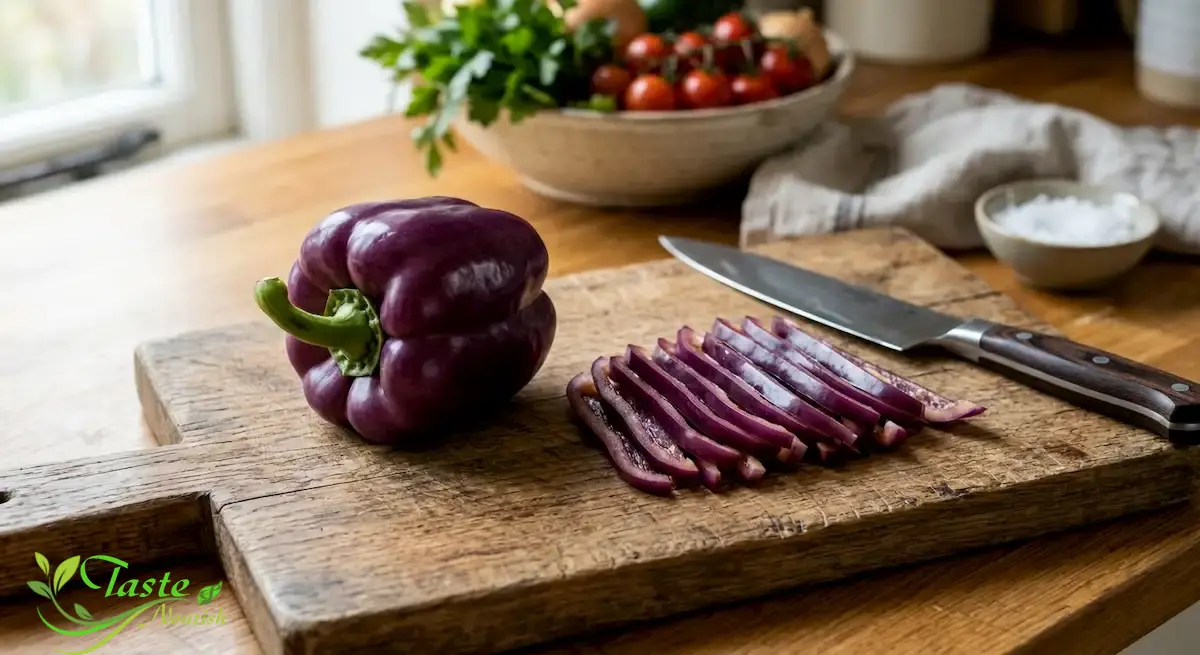
A purple bell pepper is a real, edible sweet pepper whose skin carries anthocyanin pigments instead of only green chlorophyll. It tastes mild and close to a green bell pepper, and it is not spicy. It keeps its color raw but turns green when cooked. Keep it whole in the refrigerator, rinse it just before using, and eat cooked leftovers within 3 to 4 days.
What Is a Purple Bell Pepper?
It is a bell pepper that develops purple skin as it grows. Specialty bell varieties come in many colors. Virginia Tech Extension notes that some varieties produce orange, purple, yellow, or even chocolate-colored fruit, among roughly 200 bell varieties. Purple Beauty is one widely sold example.
Whether purple counts as a ripe color depends on the variety, and sources describe it differently. University of Illinois Extension says white, light yellow, lilac, and purple are colors that develop in immature fruit, and that those peppers should be harvested before they ripen to red. University of Kentucky Extension lists purple among the colors specialty bells may show at maturity, alongside yellow, orange, brown, and white.
For many varieties, purple is one stage in a color sequence. A peer-reviewed study in Frontiers in Plant Science followed purple pepper fruit from small green fruit to large unripe purple fruit, then to ripening and finally red fruit. Virginia Tech’s publication also shows miniature bell peppers changing from purple to orange as they mature.

Why Do Bell Peppers Turn Purple?
The cause is anthocyanin, a water-soluble pigment family. In the Frontiers study, delphinidin glycosides were the anthocyanins mainly responsible for the appearance of purple pepper. Some varieties are bred to make plenty of it. Others make it only where conditions push them to.
Light is a major trigger. In a study indexed in PubMed Central, pepper fruit peels turned purple under UV-B light, while red and blue light alone did not do it. The same paper notes that light, temperature, and drought can all affect anthocyanin buildup.
A separate PubMed Central study compared light-exposed and green areas of one pepper variety. The light-exposed peel turned black, and the rest stayed green. That is why one pepper can be dark on its sunny side and green on its shaded side.
Why Is My Bell Pepper Purple?
If a pepper from your garden or a market has purple patches, the usual explanations are the variety, direct sun on that side of the fruit, or cool growing conditions. Anthocyanin is a pigment, not a sign of rot. Check the pepper the way you would any other: look for soft, sunken, slimy, or moldy spots, and ignore the color.
What Does a Purple Bell Pepper Taste Like?
Mild is the safe description, and it is closer to green than to red. University of Illinois Extension says all sweet peppers are similar in flavor and texture. They are crisp and refreshing raw and pleasantly assertive when cooked to tenderness.
Ripeness is the bigger variable. Mississippi State University Extension says bell peppers get sweeter as they ripen, with green the slightly bitter, least sweet stage and red the sweetest. Indiana University’s A Moment of Science makes the same point about sugar rising with age. A purple pepper picked at an immature stage therefore tends to land nearer the green end.
Descriptions of Purple Beauty vary by seller. PepperScale calls it sweeter than a typical green bell, though not as sweet as a gypsy pepper. Eden Brothers describes a fresh, slightly grassy flavor with a hint of sweetness. Expect a crisp, light, lightly sweet pepper with no heat.
Why a Purple Bell Pepper Turns Green When Cooked
Heat breaks down the anthocyanin, and the green chlorophyll that was hiding underneath shows through. A gardening column on purple beans explains two effects. Heat decomposes the anthocyanin directly, and it bursts cells, which dilutes the acidity of the cell sap that keeps the pigment purple. Seed company Fedco reports that Purple Beauty peppers turn green all the way through when cooked.
Red and orange peppers behave differently because their color comes from carotenoids, not anthocyanins. A syndicated gardening column notes that red peppers stay red after cooking for that reason.
A Daily Herald gardening column says that soaking a purple vegetable in vinegar or lemon juice before cooking lessens the color change. That advice was written about purple beans, and I did not find a source testing it on peppers. If you try it, test one slice first. Raw is still the only reliable way to keep the purple.
Bell Pepper Colors Compared
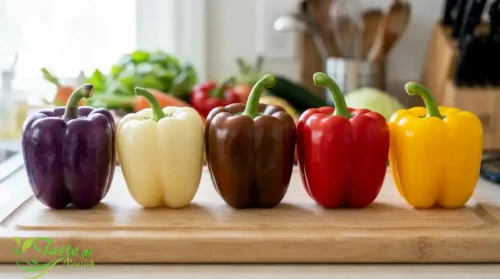
The table summarizes what causes each color and how each typically tastes. The sections after it cover the less familiar colors in more detail.
| Color | What causes it | Typical stage | Flavor note |
|---|---|---|---|
| Purple | Anthocyanin in the skin | Often an immature stage; varies by variety | Mild, close to green |
| Lavender or lilac | A paler anthocyanin color | Immature stage in some varieties | Mild and sweet-leaning |
| White or ivory | Little pigment early on | Immature stage; later yellow, orange, or red | Very mild |
| Brown or chocolate | Green chlorophyll lingering while red develops | Mature | Sweet |
| Black | Dense anthocyanin | Intermediate or sun-exposed fruit | Similar to other sweet peppers |
| Green | Chlorophyll | Usually immature | Slightly bitter, least sweet |
| Yellow, orange, red | Carotenoids | Ripe | Sweeter, with red the sweetest |
Are White Bell Peppers Good to Eat?
Yes. A white bell pepper is a normal, edible sweet pepper, and its color is simply an early stage or a variety trait. Cook’s Info describes white bell peppers as really more ivory, staying that color a long time on the vine and usually harvested then. It lists a very mild taste. If left on the plant, they go to peach, orange, and then pale red.
Because the flavor is so gentle, white peppers suit raw dishes where you want crunch and color without sweetness or bitterness.
Lavender, Lilac, and Ivory Bell Peppers
Lavender and lilac peppers are paler cousins of the purple type. University of Illinois Extension groups lilac with the immature-stage colors. One seed company’s listing for a lilac-lavender variety describes peppers that move from ivory to lilac-lavender to red. Treat them like purple peppers: raw is where the color lasts.
What Is a Chocolate Bell Pepper?
A chocolate bell pepper is a variety that ripens to brown skin. Specialty Produce describes the Brown Holland type as going from green to mahogany brown, with crisp, thick, brick-red flesh underneath. It is not chocolate-flavored. It is a sweet bell with an unusual coat.
One gardening reference, Garden Myths, explains the color this way. If chlorophyll drops slowly while red pigment builds quickly, the fruit turns dark chocolate before going red. Brown skin on one of these peppers is not spoilage, but the usual checks for soft spots still apply.
Black and Blue Bell Peppers
Mississippi State Extension says some bell varieties mature to nearly white or almost black. Black peppers owe the color to heavy anthocyanin, the same pigment as purple. The PubMed Central study mentioned earlier found that light-exposed peel turned black in one variety.
Blue is trickier. None of the extension sources cited here list a true blue bell pepper; they describe purple and near-black. The Daily Herald column points out that the same anthocyanin can look red in very acidic cell sap and bluer in less acidic sap. A “blue” label is most likely a purple with a bluish cast, so judge by the variety name.
Rainbow Bell Peppers
Rainbow bell peppers can mean two things. Mississippi State Extension explains that variety and time on the plant set a pepper’s color and ripeness, so one green pepper left to mature can go yellow, orange, red, or purple. A mixed pack, on the other hand, is usually several varieties sold together. Seed catalogs sell rainbow blends that grow green, red, yellow, orange, and purple fruit. If the colors taste different, ripeness is the likely reason, not the color itself.
How to Prepare and Cook It Without Losing the Color

Preparation is the same for any bell pepper. The choice that matters is raw or cooked, because that decides whether the purple survives.
- Rinse it under plain running water. FDA’s guidance on selecting and serving produce safely says to wash produce under running water before preparing or eating it, with no soap or produce wash needed.
- Dry it and inspect it. Pat the pepper dry. FDA advises cutting away damaged or bruised areas and discarding produce that looks rotten.
- Cut and clean it. Slice off the top, pull out the seeds and pale ribs, and cut the pepper into strips, rings, or cups.
- Choose raw or cooked. Raw keeps the violet skin. Any cooking turns it green.
- If cooking, add it last. Stir strips in near the end, so they stay crisp-tender and you only lose color briefly.
Best Ways to Use It Raw
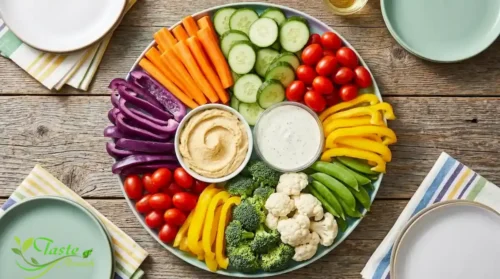
Thin strips work well in salads and slaws. Rings and cups look good on a tray. Halved peppers make edible containers for cold fillings, since bell peppers have thick walls. For building a colorful tray around them, see our game day appetizer platter ideas.
If you want a no-cook way to serve raw vegetables with a dip, our no-cook veggie and hummus bites recipe is a good starting point.
If You Cook It Anyway
A cooked purple pepper works like a green one in flavor and texture, and the dish simply will not be purple. For a dish where the color should stay bright, pick a red, orange, or yellow pepper instead, since those pigments hold up to heat better. A cooked example is our roasted red pepper and feta dip.
Bell Pepper Nutrition at a Glance
USDA FoodData Central does not list purple bell peppers separately. Its raw sweet pepper entries cover green, red, and yellow, so these figures are stand-ins. Values are per 100 g of raw pepper, and 1 cup of sliced pepper weighs about 92 g in the USDA record for the raw green sweet pepper and the raw red sweet pepper.
| Raw pepper, per 100 g | Calories | Protein | Carbohydrate | Fat | Fiber |
|---|---|---|---|---|---|
| Green | 20 | 0.86 g | 4.64 g | 0.17 g | 1.7 g |
| Red | 26 | 0.99 g | 6.03 g | 0.3 g | 2.1 g |
Variety, ripeness, and growing conditions shift these numbers, so the product label is the best reference for what you bought.
How to Store a Purple Bell Pepper
Whole peppers keep best in the refrigerator. Once a pepper is cut or cooked, the clock runs much faster.
Whole Peppers
Keep whole peppers unwashed in the crisper drawer, and rinse them right before use. Utah State University Extension’s postharvest handling table lists peppers at 45 to 50°F (7 to 10°C) and 90 to 95 percent relative humidity, with a storage life of 2 to 3 weeks under the best conditions and moderate sensitivity to chilling injury.
A home refrigerator is colder than that ideal. FDA recommends keeping perishable produce at 40°F (4°C) or below. As a general estimate, plan to use a whole pepper within about a week or two. How long it lasts depends on how fresh it was when you bought it.
Cut and Cooked Peppers
Refrigerate cut peppers in a covered container at 40°F (4°C) or below, per FDA. Cut peppers lose crispness faster than whole ones, so use them within a few days; this is a general estimate, and it varies with freshness.
For cooked peppers, USDA’s Food Safety and Inspection Service says leftovers can be kept in the refrigerator for 3 to 4 days or frozen for 3 to 4 months. It also says to refrigerate them within 2 hours of cooking, or within 1 hour when the air temperature is above 90°F (32°C).
Can You Freeze Purple Bell Peppers?
Yes. Nebraska Extension says peppers can be frozen raw without blanching. Thawed peppers keep some crispness and suit cooked dishes. Expect the purple to turn green when you cook them, and use frozen pepper within several months for the best quality.
How to Tell If a Pepper Is No Longer Good
Look for mold, slimy or mushy skin, deep sunken spots, or a sour smell. FDA says to cut away small damaged or bruised areas and to throw out produce that looks rotten. Never taste a questionable pepper to decide. Purple skin on its own is not a warning sign.
Common Mistakes to Avoid
- Waiting for a purple pepper to ripen on the plant when you want purple. Pick it while it is still purple, since many varieties turn red later.
- Assuming a brown pepper is overripe or spoiled. Check for soft spots instead; chocolate varieties are brown by design.
- Washing with soap or produce wash. Plain running water is what FDA recommends.
- Assuming every purple pepper is mild. Illinois Extension notes that chili peppers also ripen through purple, and Virginia Tech lists hot Celestial peppers that range up to purple, so check the tag.
- Expecting white peppers to taste sweet like red ones. White types are very mild, so season or pair them to taste.
Expert Kitchen Tips
- Slice a purple pepper open to show its pale interior. Fedco notes that purple peppers reveal green interiors when sliced, and the contrast looks good on a plate.
- Use halved peppers as edible cups for cold fillings, because the walls are thick.
- Mix purple, red, yellow, and white strips on a tray so each color stands out.
- Ask the seller for the variety name. It tells you whether the pepper is a sweet bell or a hot chili.
- Dry peppers thoroughly after washing so the knife grips the glossy skin and slices stay tidy.
Troubleshooting
- The pepper turned green in the pan. Heat broke down the anthocyanin. Add raw slices after cooking next time.
- Only part of the pepper is purple. That is usually sun exposure on one side, and it is normal.
- It went soft or wrinkled in the fridge. Age and moisture loss are the likely causes. Use it in a cooked dish rather than raw.
- A white pepper tastes bland. Very mild is normal for these. Season it, or pair it with a bolder ingredient.
Substitutes When You Can’t Find One
Purple peppers are not common in supermarkets, according to PepperScale. For raw dishes, a green bell pepper is the closest match in flavor and crunch. For color, use a red, orange, or yellow bell pepper, which is sweeter. Mississippi State Extension says red is the sweetest, so cut back on any added sugar in a dressing.
Purple Bell Pepper FAQs
Are purple bell peppers spicy?
No. Bell peppers have no heat. PepperScale lists Purple Beauty at zero spiciness. Hot chilies can also be purple, so check the label.
Is a purple bell pepper green on the inside?
Often, yes. Fedco says purple peppers reveal green interiors when sliced. In pepper studies the anthocyanin builds up in the peel.
Where can you buy purple bell peppers?
Farmers’ markets and specialty produce sellers are the likeliest places. PepperScale says they are not common in supermarkets. Seed catalogs sell varieties such as Purple Beauty for home growing.
How long does a purple bell pepper take to grow?
It depends on the variety. Fedco lists Purple Beauty at 74 days from seed to maturity, and other sellers give similar numbers. Cool weather can slow it down.
Do all bell peppers start out green?
Most do. Indiana University’s A Moment of Science says all bell peppers start green, though Illinois Extension notes some varieties begin white, light yellow, lilac, or purple.
My Bottom Line
My bottom line: treat a purple bell pepper as a raw-first ingredient. Use it in salads and on trays, and choose red or orange peppers when a cooked dish needs color.
Key Takeaways: Purple Bell Pepper
- A purple bell pepper is a real, edible sweet pepper colored by anthocyanin, and it has no heat.
- It tastes mild and close to green, and its flavor depends on variety and ripeness.
- Cooking turns it green, so serve it raw if you want to keep the purple.
- White, brown, black, and lavender peppers are also normal bell varieties, and color alone is not a spoilage sign.
- Store whole peppers in the refrigerator, and eat cooked leftovers within 3 to 4 days.
Conclusion
A purple bell pepper is a mild, crisp sweet pepper that earns its place raw. Wash it under plain water, slice it just before serving, and save the cooking for peppers whose color holds. Keep it whole in the refrigerator until you need it.
Explore Pepper Ideas by Topic
- game day appetizer platter ideas: Platter ideas that give raw pepper strips a place on the table.
- no-cook veggie and hummus bites: A no-cook way to serve raw vegetables with a dip.
- roasted red pepper and feta dip: A cooked pepper dish where the red color stays put.
- homemade hummus recipe: A simple dip to pair with raw pepper strips.