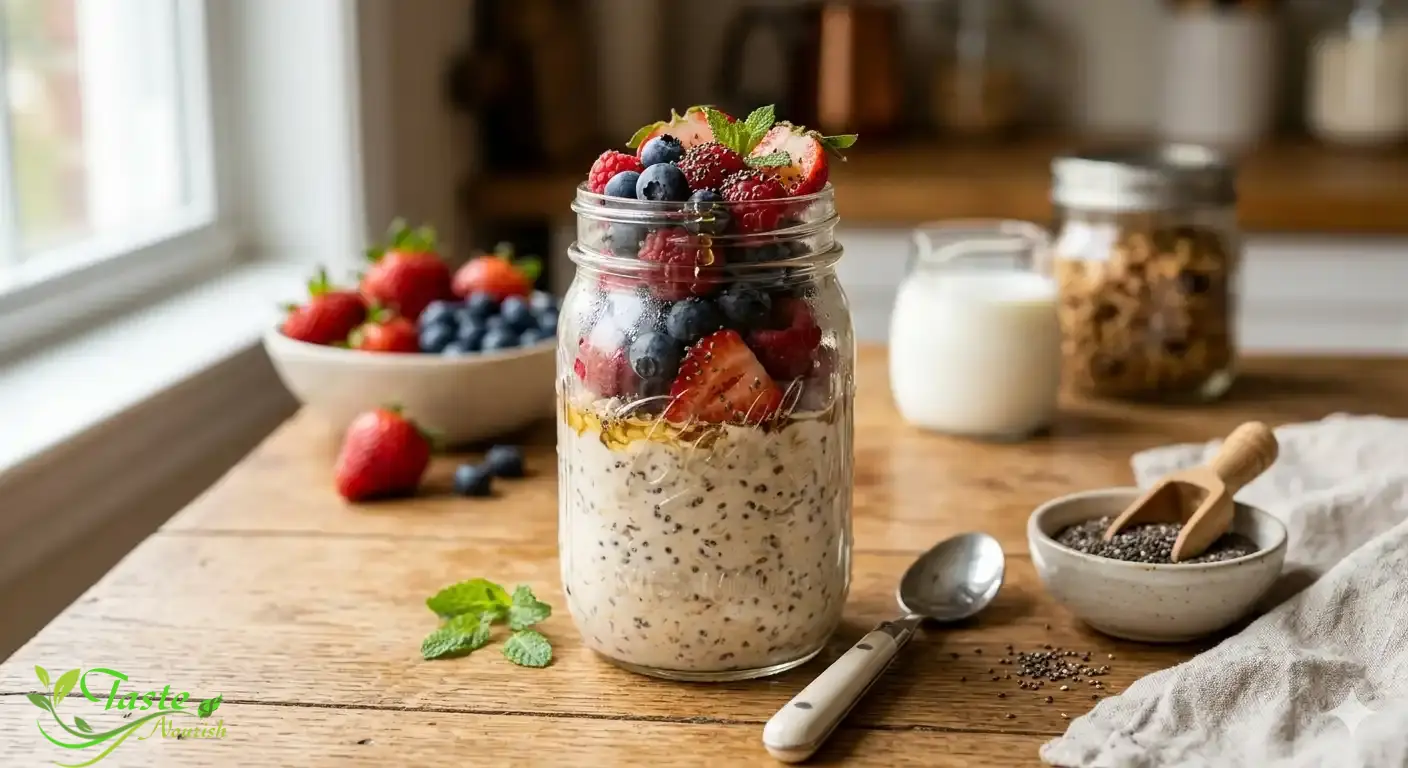
Mornings are chaotic enough without standing over a stove stirring oatmeal. Overnight oats solve that problem in the laziest, smartest way possible: you mix everything the night before, let the fridge do the work, and wake up to a creamy, ready-to-eat breakfast.
No pot to scrub, no waiting around, no excuse to skip the most important meal of the day. This guide walks you through the exact ratios, the science behind why oats keep you full for hours, seven flavor variations worth trying, and the small mistakes that quietly ruin texture for most beginners.
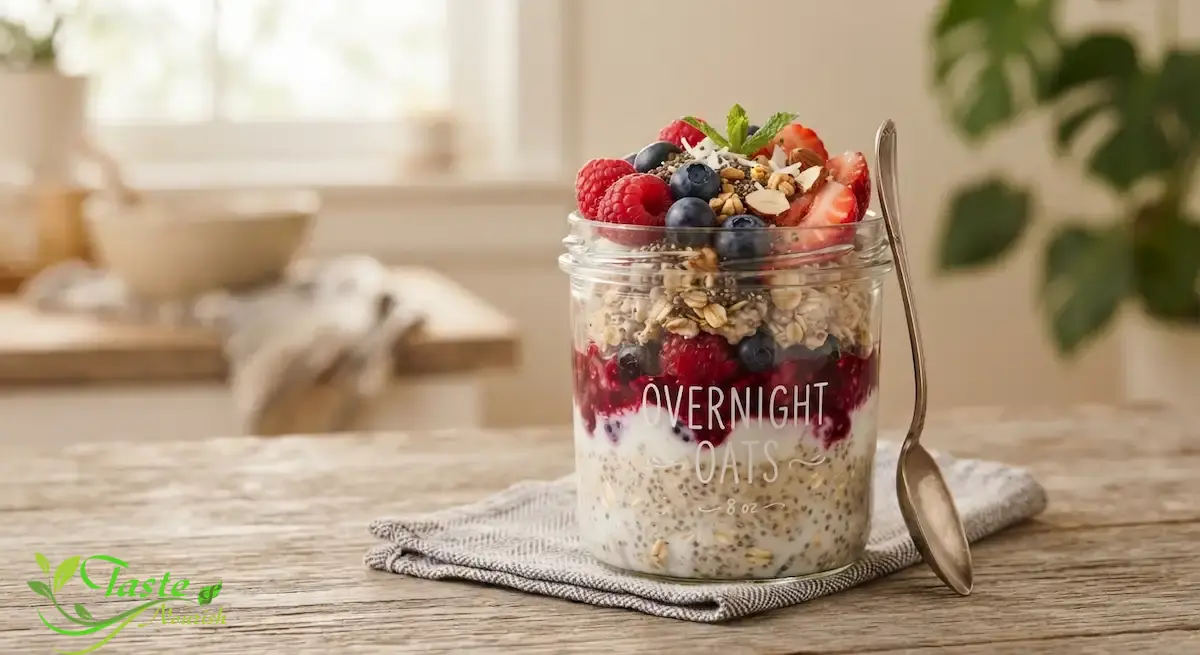
Overnight oats are raw rolled oats soaked in milk (or a plant-based alternative) and refrigerated for several hours until they soften into a thick, pudding-like consistency. Unlike traditional oatmeal, which relies on heat to break down the starches, this method uses time and liquid absorption instead. The basic process involves placing oats, water, and flavorings in a lidded container, mixing gently, and refrigerating for at least 4 hours, though some prefer up to 12 hours for maximum creaminess.
The result tastes closer to rice pudding than to the hot cereal you grew up eating, and that textural shift is exactly why so many people who claim to “hate oatmeal” end up loving this version.
What makes the format so popular isn’t just convenience — it’s flexibility. You can build a base recipe once and then customize it endlessly with fruit, nut butter, spices, or protein powder depending on your mood that week.
Registered dietitian Paige Wilson notes that overnight oats can be made with several different liquid combinations depending on desired richness: only milk or a non-dairy alternative, a mix of yogurt and water, or yogurt and milk together for the creamiest possible result. That single piece of advice alone opens up a huge range of texture options depending on what you have in your fridge.
The Basic Overnight Oats Ratio (And Why It Matters)
Getting the texture right comes down almost entirely to ratio. Get this wrong and you’ll end up with either a dry clump or a soupy mess, both of which give the dish an unfairly bad reputation.
Ratio Component
Standard Amount
Notes
Rolled oats
½ cup (120 ml)
Old-fashioned, not instant
Liquid (milk/alt-milk)
½ to ⅔ cup (120-160 ml)
1:1 is the starting point; increase slightly with chia seeds
Chia seeds (optional)
1 tablespoon
Common pairing: ½ cup oats to ⅔ cup milk to 1 tbsp chia
Sweetener (optional)
1 teaspoon maple syrup or honey
Adjust to taste
Yogurt (optional)
2-3 tablespoons
Adds protein and creaminess
Choosing the Right Oats
Not all oats behave the same way once they hit liquid, and this trips up more beginners than anything else. Rolled oats are the standard choice because steel-cut oats are too thick and require cooking, while instant oats tend to turn mushy and lose texture.
For a shorter soaking window, quick oats work fine, and for a longer soak, steel-cut oats can be used if you’re willing to wait, but for the classic creamy-yet-chewy texture most recipes aim for, old-fashioned rolled oats are non-negotiable.
Picking Your Liquid
Dairy milk is the default, but it’s far from your only option. Water works fine if you’re adding yogurt for creaminess, and other liquids like orange juice, or a combination of water with applesauce or mashed banana, can replace milk entirely for a different flavor profile. If you’re avoiding dairy, fortified unsweetened plant milks (oat, almond, soy) work at the same 1:1 ratio without changing the technique at all.
The Classic Overnight Oats Recipe (Step-by-Step)
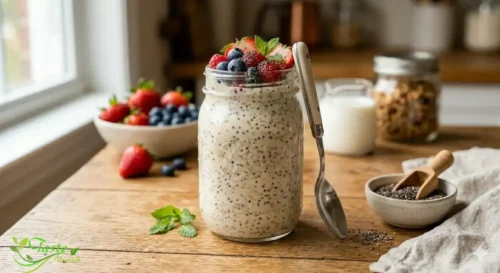
“A simple, no-cook overnight oats recipe made with rolled oats, milk, and chia seeds, soaked overnight for a creamy, ready-to-eat breakfast.”
This is the foundational version — master it, and every variation below becomes a simple swap.
⏱ Prep Time: 5 minutes • Total Time: Within 4 to 12 hours • 🍽 Servings: 1
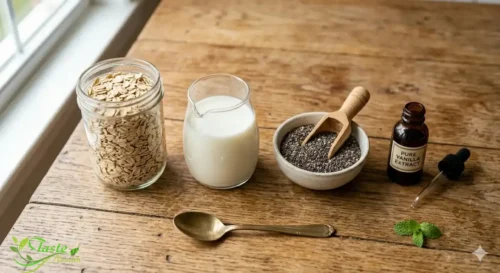
Ingredients You’ll Need
½ cup old-fashioned rolled oats
½ to ⅔ cup milk of choice
1 tablespoon chia seeds (optional but recommended)
1 teaspoon maple syrup or honey
¼ teaspoon vanilla extract
A pinch of salt
Step-by-Step Instructions
Add the oats, chia seeds, and salt to a jar or airtight container first.
Pour in the milk and vanilla extract, then stir until fully combined.
Stir in the sweetener if using one.
Seal the container and refrigerate for at least 4 hours, or overnight for best texture.
Give the mixture another stir the next morning since chia seeds and oats can clump if not mixed thoroughly the night before.
Add fresh toppings — fruit, nuts, granola — right before eating, not before refrigerating.
Adjust consistency with a splash of extra milk if the oats turn out thicker than you’d like.
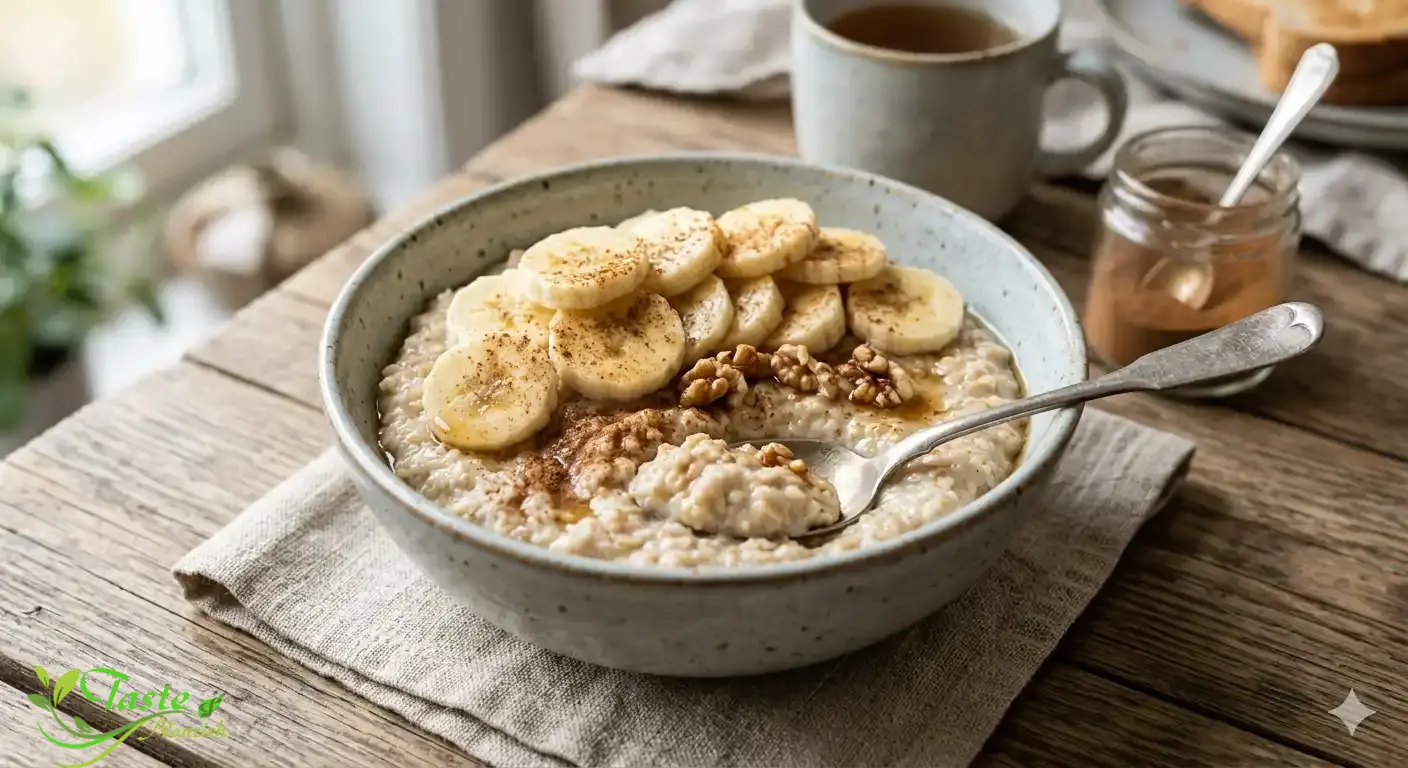
Reader Tip: Layer your toppings rather than stirring them in. If you’re using fruits, nuts, or syrups, layering instead of mixing helps maintain texture until you’re ready to eat — soggy banana mixed throughout a jar is a very different experience from banana slices fanned across the top.
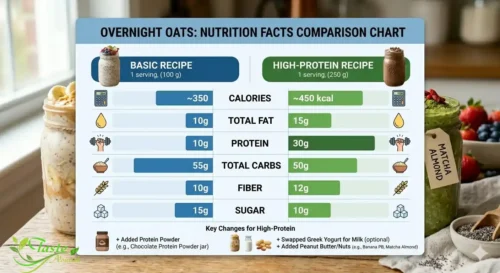
Nutrition Facts — What’s Actually in a Jar of Overnight Oats
Numbers vary depending on your exact mix-ins, but here’s a realistic range based on common recipe formulations using 2% milk and standard portions.
Nutrient
Basic Recipe (per serving)
High-Protein Version
Calories
229-326 kcal
Up to 350 kcal
Protein
9-10 g
Up to 40 g with protein powder and Greek yogurt
Carbohydrates
33-34.5 g
Varies with toppings
Dietary Fiber
4-14 g
As high as 14 g with berries and chia
Sugar
11.5-15 g
Lower if unsweetened
Fat
6-10 g
Varies with nut butter
A standard prepared cup of overnight oats made with 2% milk also provides 12-19% of the Daily Value for calcium, iron, magnesium, zinc, thiamine, and pantothenic acid, making it a genuinely nutrient-dense way to start the day, not just a filler meal. Oats also contain more protein and fat than most other grains and are a particularly good source of beta-glucan, the same fiber discussed earlier for its appetite-regulating effects.
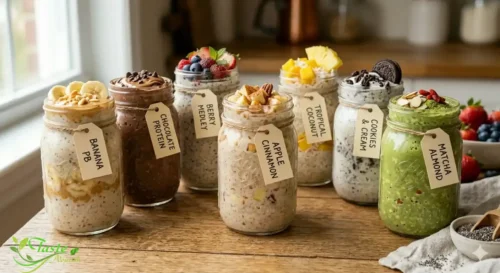
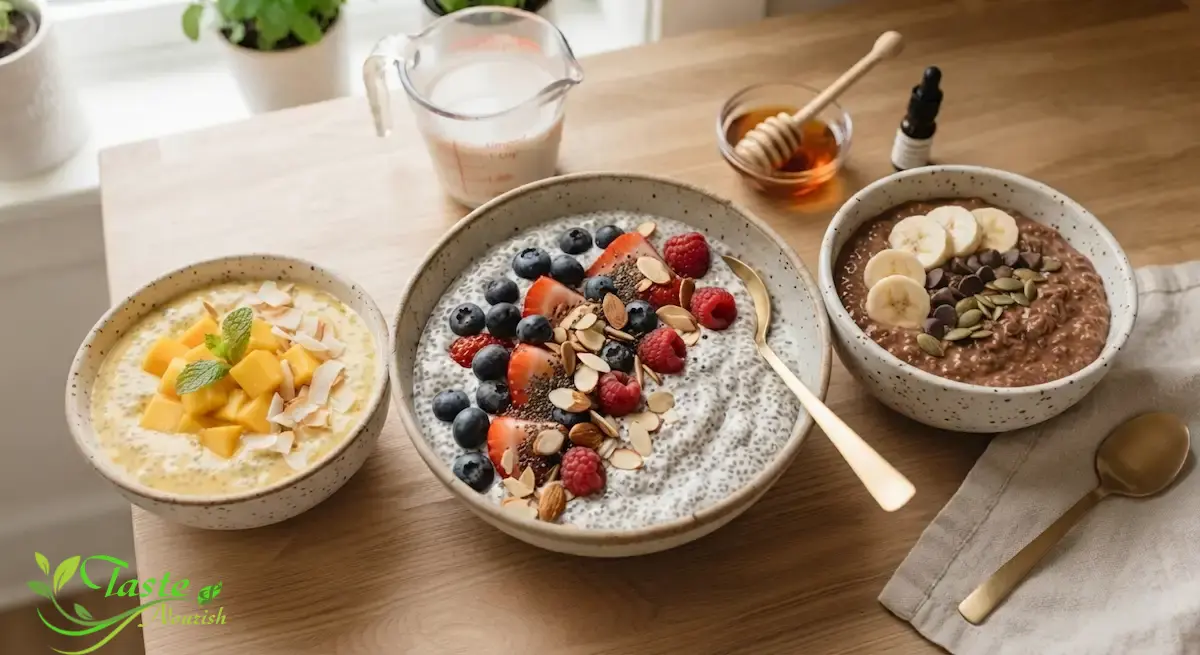
7 Flavor Variations to Keep Things Interesting
Eating the same jar every single day gets old fast, so here are seven directions to take your base recipe:
Berry Chia — Frozen mixed berries, a tablespoon of chia seeds, and a touch of honey.
Banana Peanut Butter — Mashed banana mixed in, with a swirl of peanut butter on top.
Apple Cinnamon — Diced apple, a dash of cinnamon, and a sprinkle of chopped walnuts.
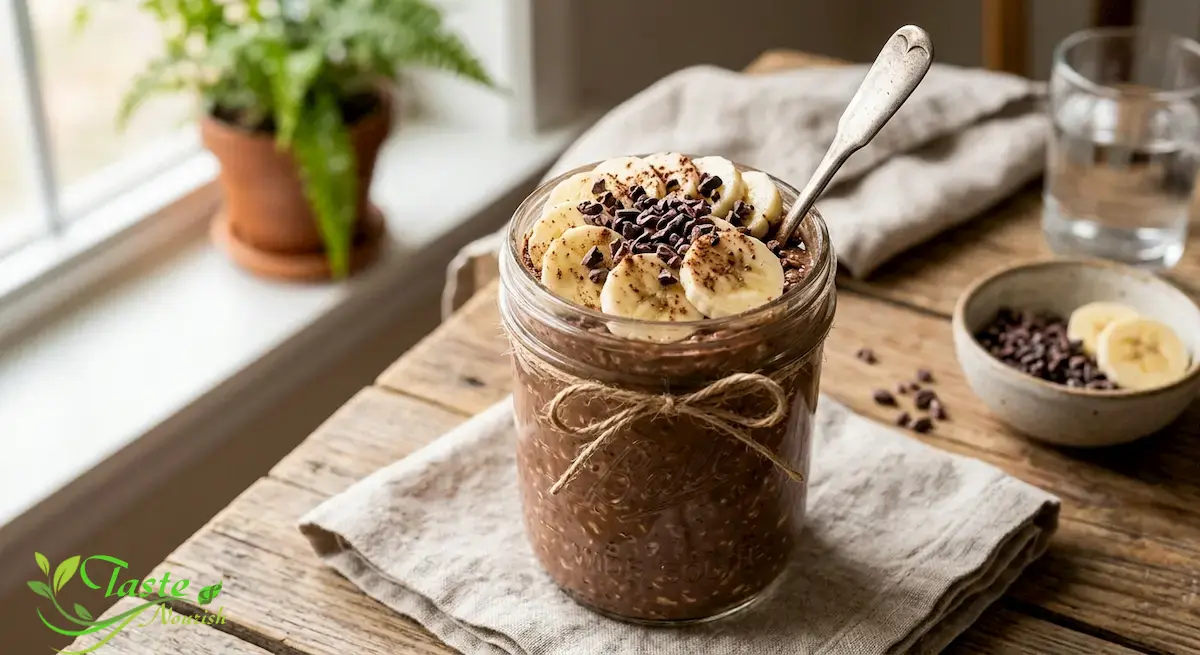
Chocolate Protein — Cocoa powder, a scoop of chocolate protein powder, and a few dark chocolate chips.
Tropical Coconut — Pineapple, mango, and shredded coconut for a tropical-inspired version.
Pumpkin Spice — Pumpkin puree, pumpkin pie spice, and a drizzle of maple syrup.
Carrot Cake — Shredded carrot, raisins, walnuts, and a pinch of nutmeg, finished with a spoon of cream cheese.
Common Mistakes That Ruin Overnight Oats
Even a two-ingredient recipe has a few ways to go wrong, and most complaints about “gross, mushy oats” trace back to one of these.
Using the wrong oat type — instant oats disintegrate into mush rather than holding a pleasant chew.
Getting the liquid ratio wrong — too much liquid makes the oats soupy, while too little leaves them dry and hard.
Not soaking long enough — while 2 hours can technically work, anything less leaves the oats too firm, and 4-5 hours or a full overnight soak is recommended for truly creamy results.
Adding crunchy toppings too early — soft fruits get soggy and crunchy nuts or granola lose their crispness if added the night before instead of the morning of. Skipping the morning stir — clumping is common, especially with chia seeds or protein powder, if the mixture isn’t stirred again before eating.
Leaving the jar unsealed — an airtight container prevents the oats from drying out and absorbing.
How Long Do Overnight Oats Last in the Fridge?
Meal preppers want a straight answer here, and thankfully there is one. Overnight oats generally last 3 to 5 days in the refrigerator when stored properly, though quality may start to decline after 2 days as texture softens and flavor becomes less intense. Like any prepared food, it’s best to consume overnight oats within 3-4 days following standard food safety guidelines.
A few storage factors affect how well your batch holds up over that window:
Liquid-to-oat ratio: A higher ratio of oats to liquid creates a thicker, more durable mixture that tends to last longer than a thinner one.
Fresh fruit timing: If you’re prepping for the full week, keep fresh fruit out of the base jars and add it the morning you eat, since it can start to break down after a day or two sitting in liquid.
Refrigeration consistency: Always refrigerate rather than leaving the mixture at room temperature, which carries a risk of bacterial growth.
Key Takeaway: Batch-make your base oats without fruit, then top individual jars with fresh produce only on the day you plan to eat them. This single habit extends usable shelf life by days.
Overnight Oats vs. Cooked Oatmeal: Which Is Better?
Neither version is objectively superior — they serve different needs, and the table below breaks down where each one wins.
Factor
Overnight Oats
Cooked Oatmeal
Prep time
5 minutes (night before)
5-10 minutes (same morning)
Texture
Creamy, pudding-like, cold
Warm, soft, porridge-like
Portability
Excellent (grab-and-go jar)
Poor (needs a bowl, hot)
Nutrient retention
High (no heat exposure)
High, with some texture loss
Best for
Meal prep, busy schedules
Cold mornings, immediate eating
Tips for Meal Prepping a Full Week of Overnight Oats
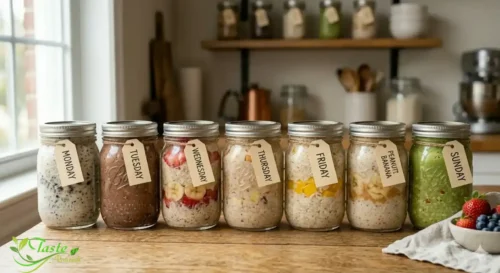
Batch prepping is where this recipe truly earns its keep, turning five separate decisions into one ten-minute Sunday task.
Set out five to seven jars on the counter at once.
Make a large batch of the dry mixture (oats, chia, salt) and divide evenly.
Add the liquid portion to each jar individually rather than mixing one giant batch, since proportions can shift in a single large container.
Leave flavor add-ins (cocoa, spices, mashed fruit) until this step so each jar can differ.
Seal and refrigerate all jars at once, stirring once more before bed if possible.
Add fresh, crunchy, or perishable toppings only on the morning you plan to eat that specific jar.
Why Overnight Oats Deserve a Spot in Your Weekly Routine
It’s easy to dismiss a breakfast trend as just another Instagram fad, but overnight oats hold up under actual nutritional scrutiny. Oats are a whole grain rich in soluble fiber, plant protein, and micronutrients, and soaking them overnight doesn’t strip away any of that — if anything, it may improve how your body absorbs certain minerals.
The Science Behind That “Full” Feeling
The real star of the show is a type of soluble fiber called beta-glucan, and the research on it is genuinely compelling. Reviews of high-quality studies found that about 75-80% of trials measuring body weight, BMI, or body fat observed a significant reduction when subjects consumed their usual diet alongside oat or barley beta-glucan, with effective doses ranging from 3 to 7 grams daily over 6 to 12 weeks.
For reference, roughly 1.5 cups of cooked oatmeal provides about 3 grams of beta-glucan — meaning a generous bowl of overnight oats can meaningfully contribute toward that threshold.
The mechanism behind this isn’t a mystery either. Beta-glucan enhances satiety, slows gastric emptying, increases appetite-suppressing gut hormones, and promotes growth of gut bacteria that metabolize it into short-chain fatty acids that further regulate energy and appetite.
Put simply: it forms a thick gel in your stomach that slows digestion, so the hunger pang that usually hits at 10 a.m. gets pushed back significantly. This same gel-forming property also slows carbohydrate absorption and moderates post-meal blood glucose spikes, which is part of why oats are frequently recommended for people managing blood sugar.
A Genuine Time-Saver for Busy Mornings
Beyond the nutrition angle, there’s a practical reason this recipe has stuck around: it removes decision fatigue from your morning entirely. You’re not choosing what to eat at 6:45 a.m. while half-asleep — the choice was already made the night before, and the jar is sitting in the fridge waiting.
Overnight oats are made with simple, nutritious ingredients, contain fiber from the oats, and most of the time include a protein source like yogurt or protein powder, making them satisfying and filling. That combination of low effort and high payoff is rare in the world of “healthy breakfasts,” most of which demand either a blender, a stove, or twenty minutes you don’t have.
Overnight Oats Recipe FAQs
Can I eat overnight oats cold straight from the fridge?
Yes, that’s the standard way to eat them, though some people prefer warming the jar in the microwave for 60-90 seconds first.
Do overnight oats need to be cooked the next day?
No — the soaking process fully softens the oats, so no heat is required, though warming is optional for preference.
Can I make overnight oats without chia seeds?
Absolutely. Chia seeds help thicken the mixture, but the recipe works fine without them; you may just want a slightly lower liquid ratio.
Are overnight oats good for weight loss?
They can support weight management goals thanks to beta-glucan’s effect on satiety and appetite hormones, though overall results depend on total diet and toppings used.
Can I freeze overnight oats?
Yes, the base mixture freezes well for up to a month; thaw overnight in the fridge before eating and add fresh toppings after thawing.
Add the oats, chia seeds, and salt to a jar or airtight container.
Pour in the milk and vanilla extract, then stir until fully combined.
Stir in the sweetener if using one.
Seal the container and refrigerate for at least 4 hours, or overnight for best texture.
Stir again the next morning to break up any clumping.
Add fresh toppings such as fruit, nuts, or granola right before eating.
Adjust consistency with a splash of extra milk if needed.
Conclusion
Overnight oats earn their popularity honestly — they’re inexpensive, require zero cooking skill, and pack in fiber, protein, and micronutrients in a format that travels well. The science around beta-glucan backs up the “stays full longer” reputation, and the customization options mean you genuinely never have to eat the same breakfast twice in a month. Nail the basic ratio once, store it properly, and this becomes one of those rare healthy habits that actually survives a busy week.
Hanan Abo Samra is the founder of Taste & Nourish, sharing trustworthy nutrition guidance and recipes drawn from 20+ years of hands-on cooking experience. When she's not developing new recipes, Hanan is researching the science behind everyday ingredients to bring readers practical, evidence-based guidance for a healthier lifestyle.