Honey Before Workout — Scroll through any fitness forum and you’ll find someone swearing by a spoonful of honey before their morning run. It sounds almost too simple: a natural sweetener, straight from the hive, doing the job of an $8 energy gel. But does the science actually back this up, or is it just another kitchen myth dressed up as a performance hack?
As a food-first approach to eating gains ground among home cooks and athletes alike, honey deserves a closer look. It’s not a supplement, it’s not a powder in a scoop, it’s just food, and that alone makes it appealing. Below, we’ll walk through what honey actually does in your body before exercise, what the research says (and doesn’t say), how it stacks up against other pre-workout options, and who should think twice before using it.
What Exactly Is Honey?
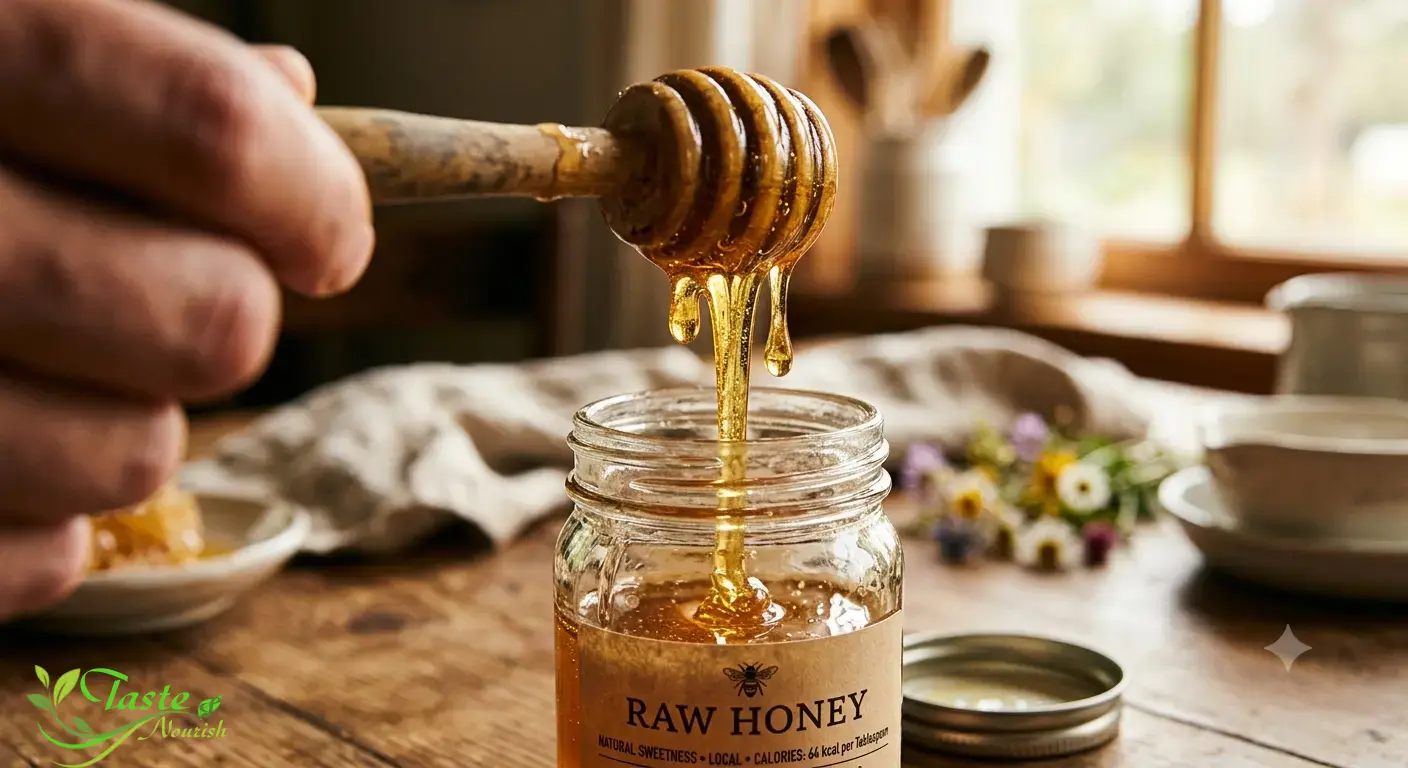
Honey starts as flower nectar, collected by bees and transformed inside the hive through enzymatic action and moisture reduction. The result is a thick, viscous liquid made almost entirely of natural sugars, primarily fructose and glucose, along with trace amounts of pollen, enzymes, minerals, and antioxidant compounds called polyphenols.
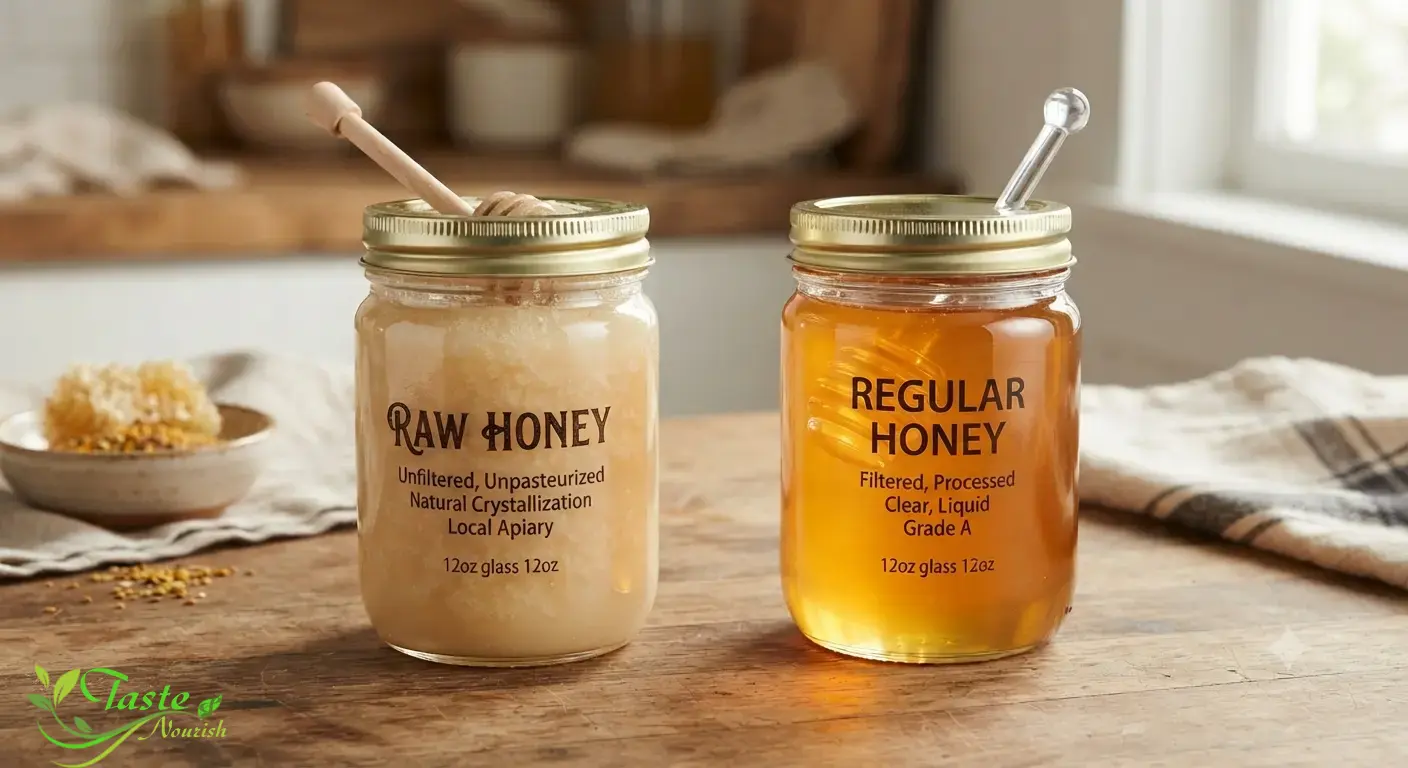
Not all honey is the same. Raw honey is minimally filtered and unheated, which means it retains more of its natural enzymes and pollen. Commercial, pasteurized honey is heated to extend shelf life and improve clarity, a process that softens some of those delicate compounds. Flavor and color also shift depending on the flower source, clover honey tastes mild and floral, while buckwheat honey is dark, malty, and mineral-rich.
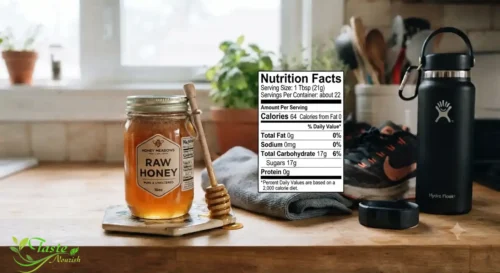
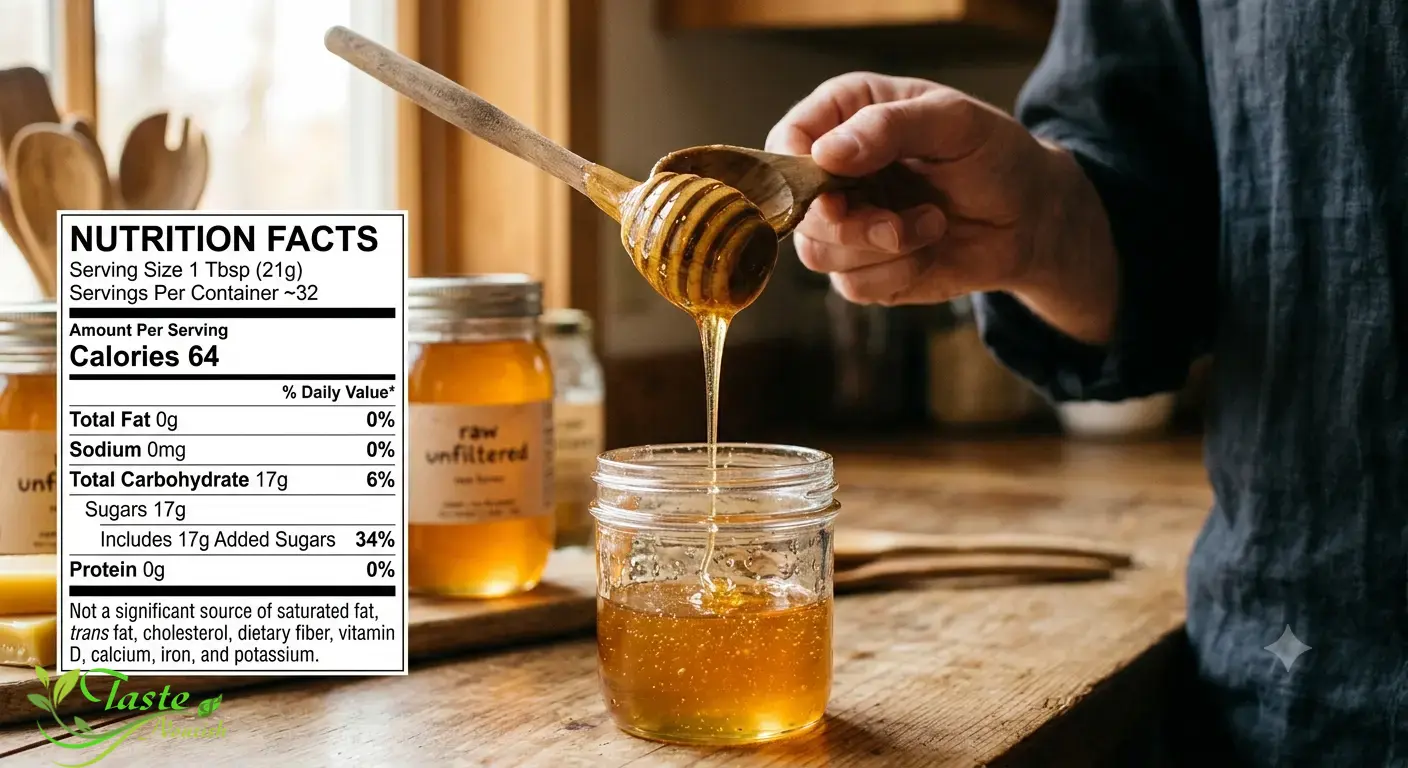
Honey Nutrition Facts (Per Tablespoon)
Before deciding how much honey makes sense for your routine, it helps to know exactly what you’re consuming. Here’s the standard nutrition profile, based on data from the USDA FoodData Central database.
Nutrient
Per 1 tbsp (21g)
Per 1 tsp (7g)
Calories
~64 kcal
~21 kcal
Total carbohydrates
~17.3 g
~5.8 g
Sugars (mostly fructose & glucose)
~17.2 g
~5.7 g
Fiber
~0 g
~0 g
Protein & fat
Negligible
Negligible
Honey has no meaningful protein or fat, which is exactly why it works as fast fuel, there’s nothing to slow digestion down. It does, however, count as an added sugar on nutrition labels, a detail worth keeping in mind as you think about your daily totals.
How Much Honey Before a Workout, and When
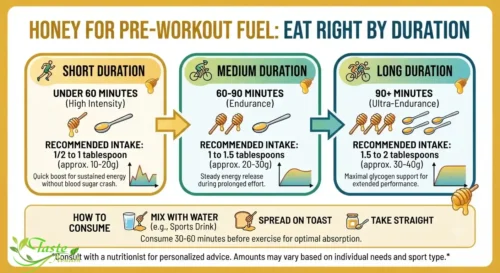
Most guidance from sports nutrition sources suggests around 1 to 3 teaspoons (roughly 7 to 21 grams) of honey, eaten 15 to 30 minutes before training. For shorter, lower-intensity sessions, even a small amount may be enough to top off glycogen stores without weighing down your stomach.
Longer endurance efforts, think 60-plus minutes of running, cycling, or hiking, may call for a slightly larger amount, closer to what researchers in the Frontiers study used. Starting on the lower end and adjusting based on how your gut responds is generally the smarter approach than guessing at a bigger dose right away.
Pro tip: Test any new pre-workout food, honey included, during a low-stakes training session first. Race day or a hard interval workout is not the time to find out your stomach disagrees with a new fueling strategy.
Honey vs. Other Pre-Workout Carb Sources
Honey isn’t the only whole-food option for pre-exercise fuel. Here’s how it compares to a few common alternatives.
Food
Carbs (approx.)
Digestion speed
Notable pros
Notable cons
Honey (1 tbsp)
17g
Fast, dual-sugar pathway
Minimally processed, portable, palatable
Concentrated sugar, sticky to carry
Banana (medium)
27g
Moderate
Potassium, fiber, filling
Bulkier, less convenient mid-activity
Dates (2 pieces)
~36g
Moderate, high fiber
Fiber, minerals, natural
Can cause GI discomfort in large amounts
Sports gel (1 packet)
~22-25g
Very fast
Precise dosing, engineered for exercise
Processed, added additives/flavoring
Table sugar (1 tbsp)
~12.6g
Fast
Simple, cheap
No trace nutrients or antioxidants
None of these are objectively “best” for every situation. A marathon runner training for a three-hour effort has very different needs than someone doing a 30-minute strength session at the gym. Matching the food to the activity matters more than chasing a single “optimal” fuel source.
Simple, Kitchen-Tested Ways to Use Honey Before Training
You don’t need a complicated routine to work honey into your pre-workout habits. A few practical, low-effort options:
Honey and warm water: Stir 1 to 2 teaspoons into warm water for a quick, easily digestible sip about 20 minutes before training.
Honey on toast: A thin layer on whole-grain toast pairs fast sugars with a bit of fiber for a slower release.
Honey in oatmeal: Stirred into a small bowl of oats an hour before a longer session, this combines quick and slow-digesting carbs.
Honey electrolyte mix: Combine honey, a pinch of salt, and water for a simple homemade alternative to commercial sports drinks.
Why People Reach for Honey Before a Workout
The basic logic is straightforward. Muscles run primarily on carbohydrates during exercise, and honey is roughly 82% carbohydrate by weight. Because it contains both glucose and fructose, honey may be absorbed through two different intestinal pathways at once, which some researchers believe could support a steadier stream of energy compared to a single-sugar source.
Honey is also just easy. There’s no wrapper to tear open mid-run, no artificial flavoring, and no ingredient list longer than a paragraph.
What the Research Actually Says
Honey and Endurance Performance
A systematic review published by the National Library of Medicine examined nine studies on honey supplementation and exercise performance. The reviewers found that honey may support blood glucose maintenance and fuel availability during activity, similar to other carbohydrate sources.
That said, the review also noted real limitations: study designs varied widely in dose, timing, and exercise type, which made it difficult to draw firm, universal conclusions. In other words, honey looks promising, but it isn’t a magic bullet with guaranteed effects for every athlete.
Honey, Muscle Soreness, and Recovery
A 2024 study published in Frontiers in Physiology looked specifically at strength-trained women and a honey-sweetened beverage consumed around exercise-induced muscle damage. Participants who drank the honey beverage showed better wall-sit endurance and greater improvement in one-repetition-maximum strength testing compared to a placebo group. Researchers pointed to honey’s antioxidant and anti-inflammatory compounds as a possible explanation, alongside its role in replenishing glycogen after muscle-damaging exercise.
The same research pointed to a fairly specific intake pattern: consuming around 20 grams of honey daily, or roughly 70 grams about 90 minutes before exercise, was associated with measurable physiological benefits in the studies reviewed. It’s a useful data point, but it’s still a narrow slice of the overall evidence base, not a universal prescription.
How Honey Stacks Up Against Sports Gels
Commercial energy gels are engineered for one job: fast, predictable carbohydrate delivery. Honey, being a whole food, tends to behave similarly in terms of blood sugar response, though it digests slightly slower thanks to its fructose content and trace fiber-adjacent compounds.
Several smaller trials comparing honey to glucose gels found comparable effects on blood glucose maintenance and perceived exertion, suggesting honey can be a reasonable, less processed substitute for some athletes.
Key takeaway: The current evidence suggests honey may support energy availability and recovery around exercise, similar to other carbohydrate sources, but the research base is still relatively small and mixed. Treat it as one solid option among several, not a guaranteed performance upgrade.
Who Should Be Careful With Honey
Infants Under 12 Months
This one isn’t optional. Honey can contain spores of Clostridium botulinum, the bacteria responsible for botulism. Infants under a year old lack the mature gut flora needed to prevent these spores from germinating, which can lead to a serious illness called infant botulism.
The CDC is unambiguous on this point: never feed honey to a child younger than one, including in baked goods or on a pacifier. This risk does not apply to older children or adults, whose digestive systems can handle the spores safely.
People Managing Diabetes or Blood Sugar
Honey is still sugar, regardless of how natural its origin. It can raise blood glucose levels, and its glycemic index varies noticeably depending on the floral source, from around 32 for acacia honey up to the 60s or higher for some clover varieties. Anyone managing diabetes or insulin sensitivity should treat honey the same way they’d treat any concentrated carbohydrate and coordinate intake with a healthcare provider.
Pollen or Bee Product Allergies
Because honey contains trace pollen, individuals with known pollen or bee product allergies may want to avoid it or introduce it cautiously, ideally with guidance from an allergist.
Added Sugar and Heart Health
The American Heart Association recommends most women limit added sugar to about 25 grams (6 teaspoons) daily, and most men to about 36 grams (9 teaspoons). A single pre-workout tablespoon of honey already uses up a meaningful chunk of that daily allowance. This doesn’t mean honey is off-limits before a workout, it just means the rest of your day’s added sugar intake, sodas, desserts, flavored coffee, deserves some attention too.
Buying and Storing Honey Like a Pro
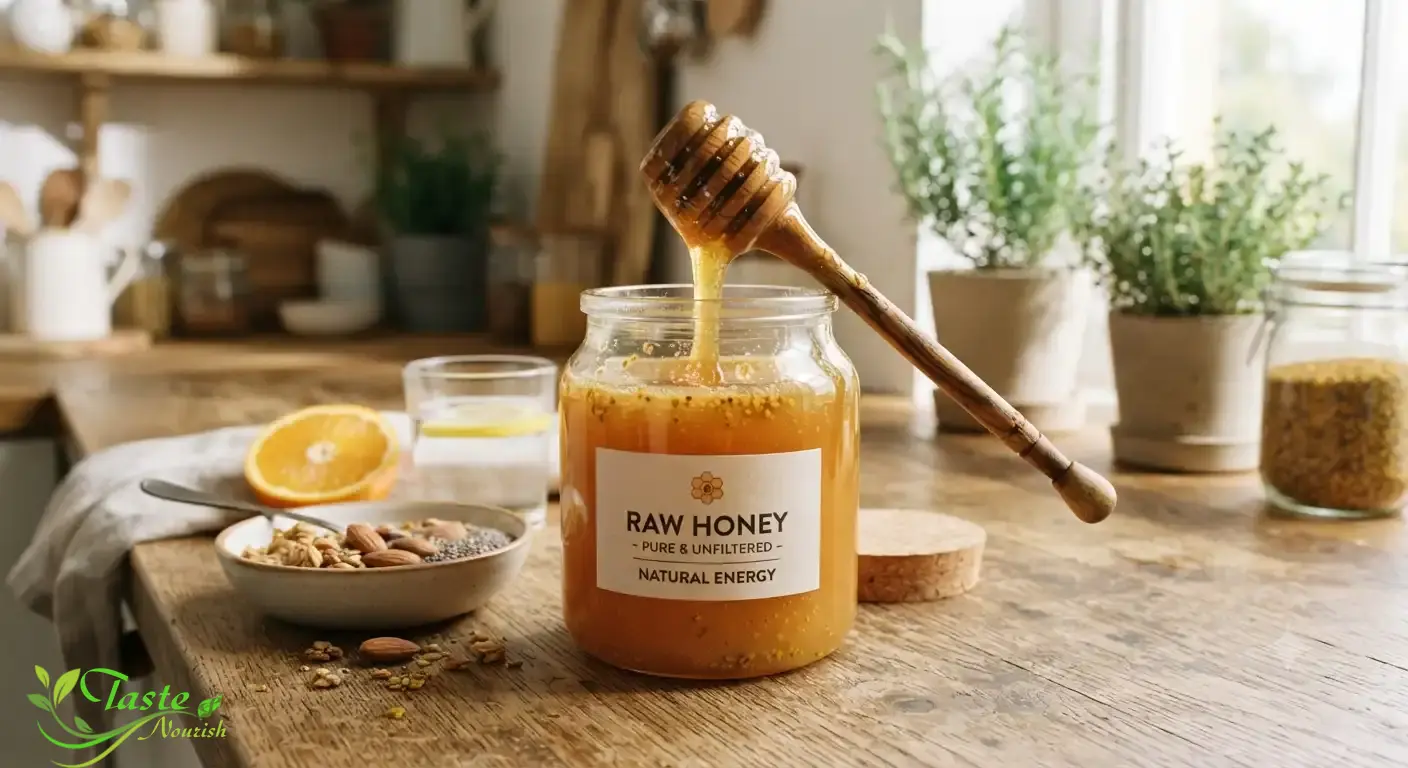
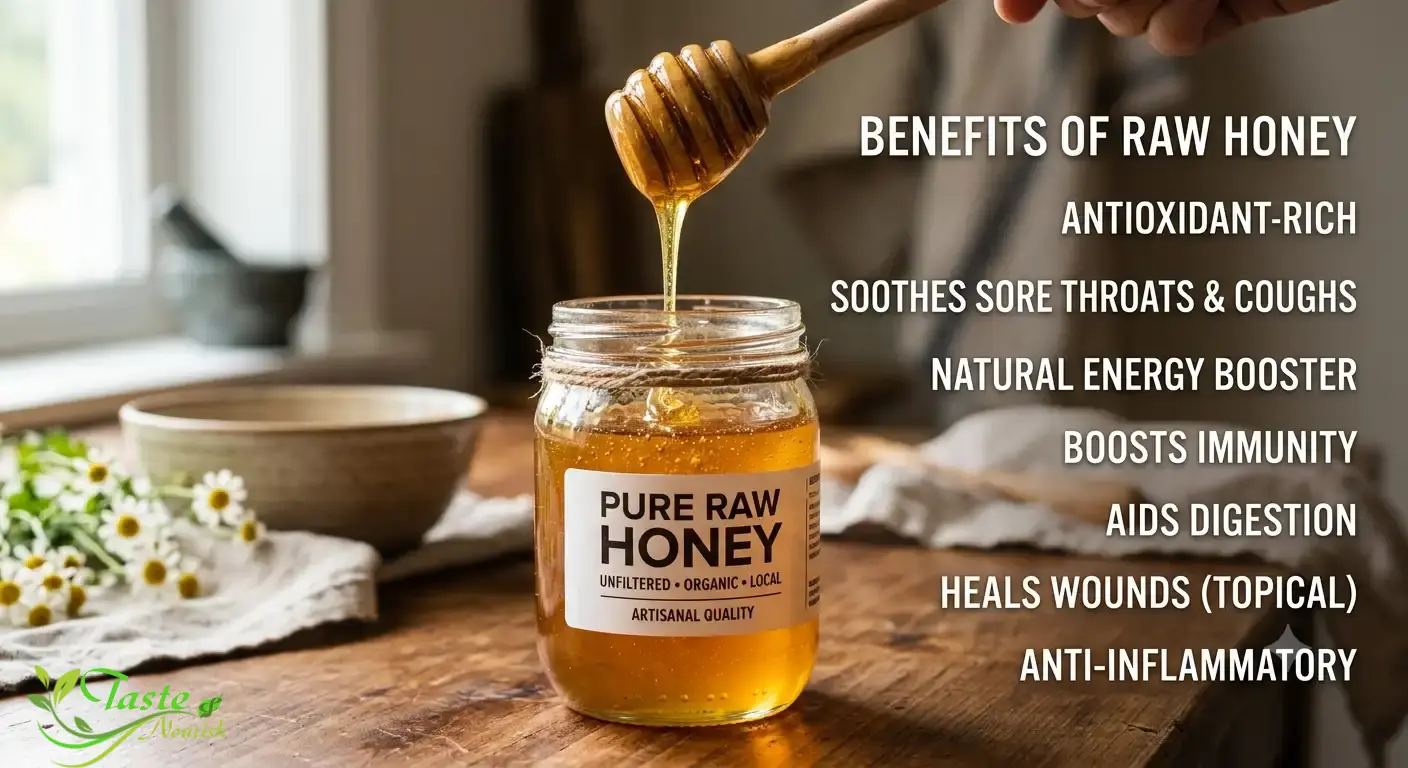
Raw, minimally processed honey tends to retain more of its natural enzymes and antioxidant compounds compared to heavily filtered, pasteurized versions. If you’re buying for both flavor and nutritional value, look for labels that specify “raw” or “unfiltered,” and consider sourcing from a local producer when possible.
Honey doesn’t need refrigeration. Store it at room temperature, away from direct sunlight, in a sealed container. Crystallization is completely normal, not a sign of spoilage, and can be reversed by gently warming the jar in a bowl of warm water.
Common Mistakes People Make With Pre-Workout Honey
Overdoing the portion. More honey doesn’t mean more energy, it often just means a heavier stomach and a possible sugar crash later.
Skipping the trial run. Trying a new pre-workout snack for the first time on race day or during a max-effort session is a common and avoidable mistake.
Ignoring flavored honey blends. Some “honey” products on store shelves are cut with corn syrup or other sweeteners, check the label if purity matters to you.
Forgetting hydration. Honey supports energy, not fluid balance, pairing it with adequate water intake matters just as much.
Treating it as a cure-all. Honey may support performance and recovery, but it can’t compensate for inadequate sleep, poor overall nutrition, or inconsistent training.
Common Myths About Honey and Exercise
Myth: Honey is calorie-free because it’s natural. Honey has roughly 64 calories per tablespoon, slightly more than table sugar by volume. Natural doesn’t mean calorie-free.
Myth: All honey has the same effect on blood sugar. Glycemic index varies significantly by floral source and processing, acacia honey behaves very differently in the body than clover or buckwheat honey.
Myth: Honey instantly boosts strength or endurance. Research suggests honey may support energy availability and recovery over time, but no single pre-workout spoonful produces an immediate strength jump in one session.
Myth: Raw honey is dramatically more “powerful” than regular honey. Raw honey does retain more trace enzymes and antioxidants, but the difference in real-world exercise performance is likely modest, not dramatic.
Key takeaways:
Honey offers quick-digesting carbohydrates that may support energy and recovery around exercise.
Roughly 1 to 3 teaspoons, 15 to 30 minutes before training, is a reasonable starting point.
It’s not a guaranteed performance enhancer, evidence is promising but still limited.
Never give honey to infants under 12 months old.
People managing diabetes or watching added sugar intake should factor honey into their daily totals.
Conclusion
Honey earns its place in a food-first approach to fueling workouts. It’s minimally processed, easy to digest, and backed by a growing, if still modest, body of research pointing to real benefits for energy availability and post-exercise recovery. It isn’t a miracle supplement, and it won’t replace solid training, sleep, and overall nutrition, but as a simple, whole-food alternative to engineered gels and chews, it holds up well.
The smartest approach is the same one that applies to most nutrition decisions: start small, pay attention to how your body responds, and treat honey as one useful tool among many rather than a shortcut. For most healthy adults without diabetes or specific sugar restrictions, a spoonful before a workout is a reasonable, evidence-informed choice worth trying.
Honey Before Workout FAQs
Is honey good to eat before a workout?
Yes, for most healthy adults. Honey provides fast-digesting carbohydrates that may help maintain blood sugar and support energy during exercise, though individual results vary and the research is still developing.
How much honey should I eat before exercising?
A common starting point is 1 to 3 teaspoons (about 7 to 21 grams), consumed 15 to 30 minutes before training. Longer endurance efforts may call for a slightly larger amount.
Can honey replace a sports gel?
For many people, yes. Honey provides a similar carbohydrate profile to commercial gels, though it digests slightly differently due to its fructose content. Some athletes prefer it as a less processed alternative.
Is honey safe for people with diabetes before a workout?
Honey still raises blood glucose and should be treated as a concentrated carbohydrate source. Anyone managing diabetes should discuss pre-workout fueling, including honey, with their healthcare provider.
Why shouldn’t babies eat honey?
Honey can contain spores of the bacteria that cause botulism. Infants under 12 months lack the mature gut bacteria needed to neutralize these spores safely, which is why health authorities recommend avoiding honey entirely until after a child’s first birthday.
**Hanan Abo Samra** shares practical cooking insights, delicious recipes, and evidence-based nutrition information. Drawing on more than 20 years of hands-on cooking experience, she creates helpful food content that combines everyday cooking knowledge with information from reliable scientific sources. Her goal is to help readers better understand the foods they eat, explore their nutritional benefits, and prepare delicious meals with confidence.