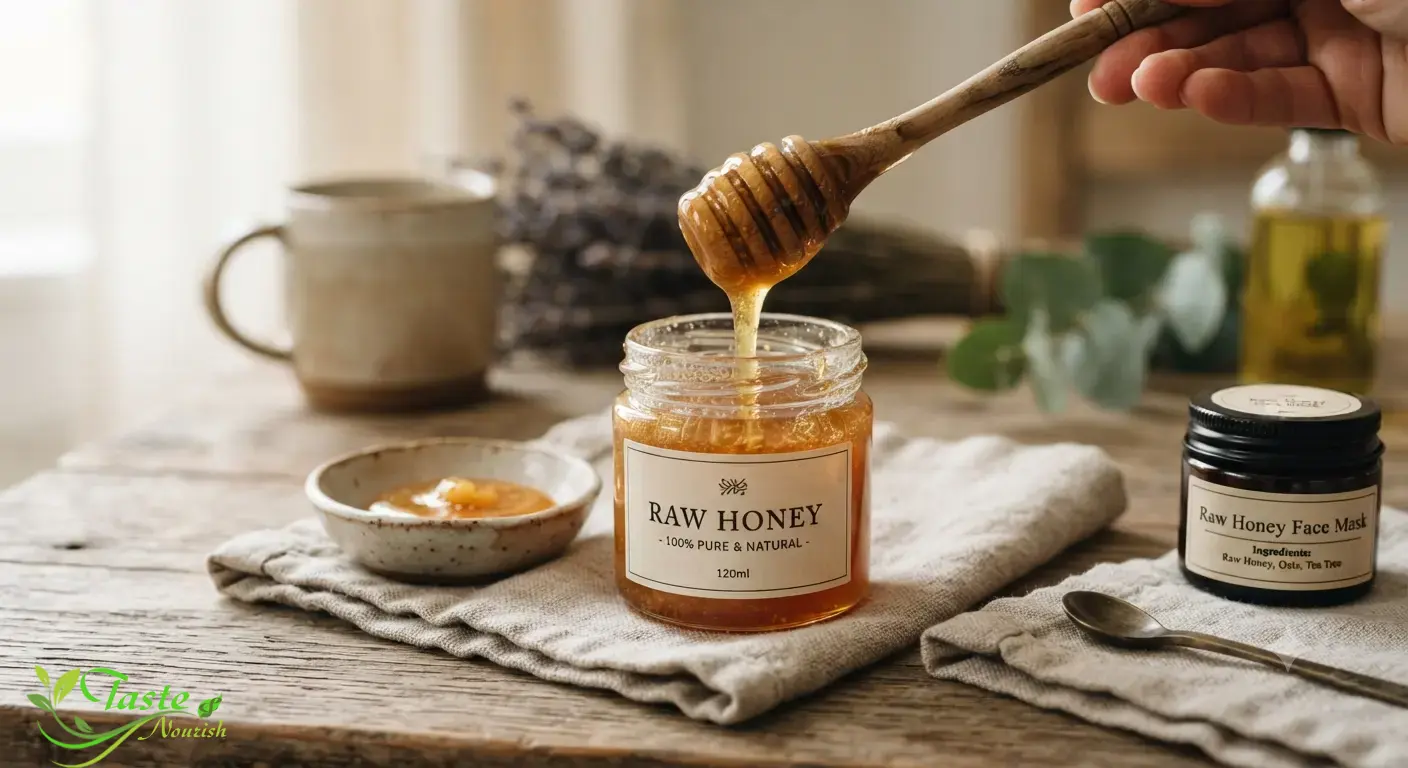
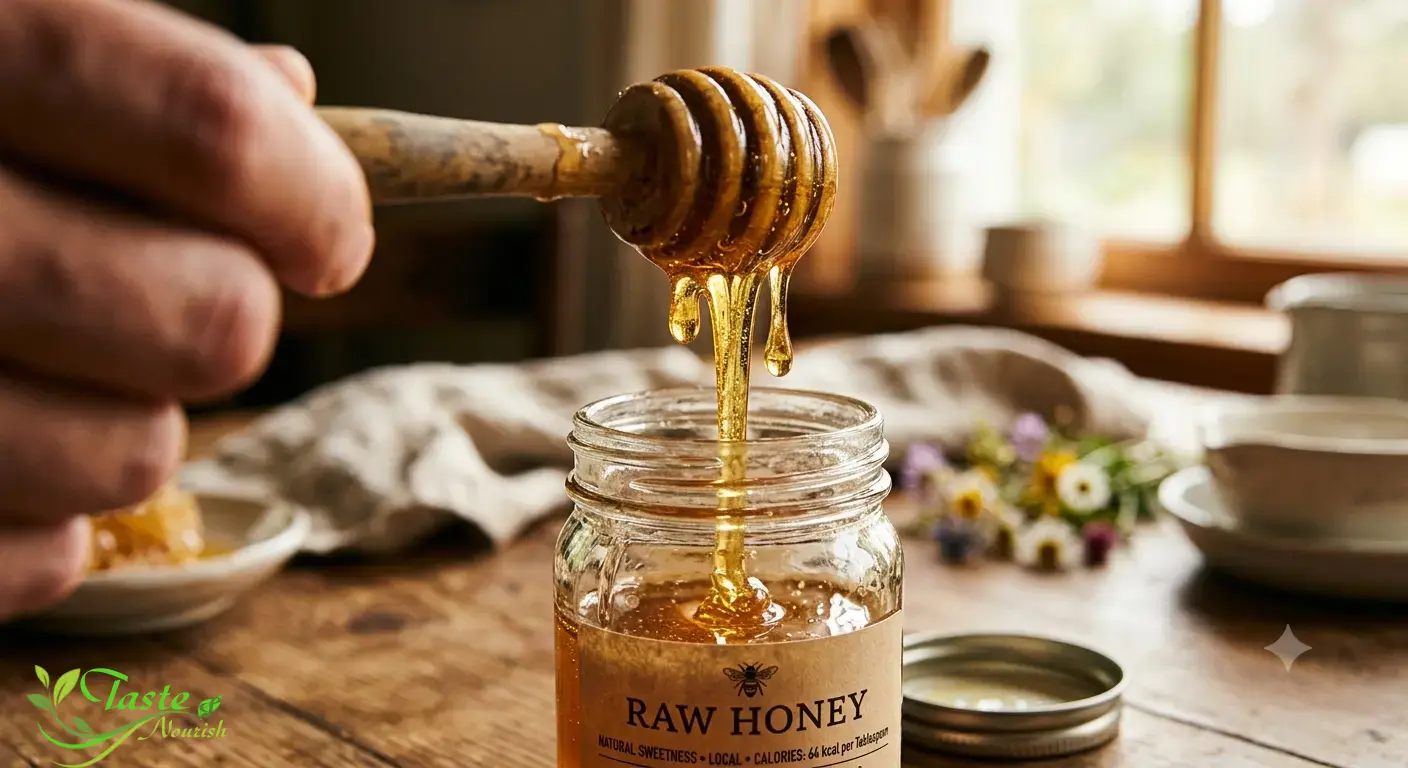
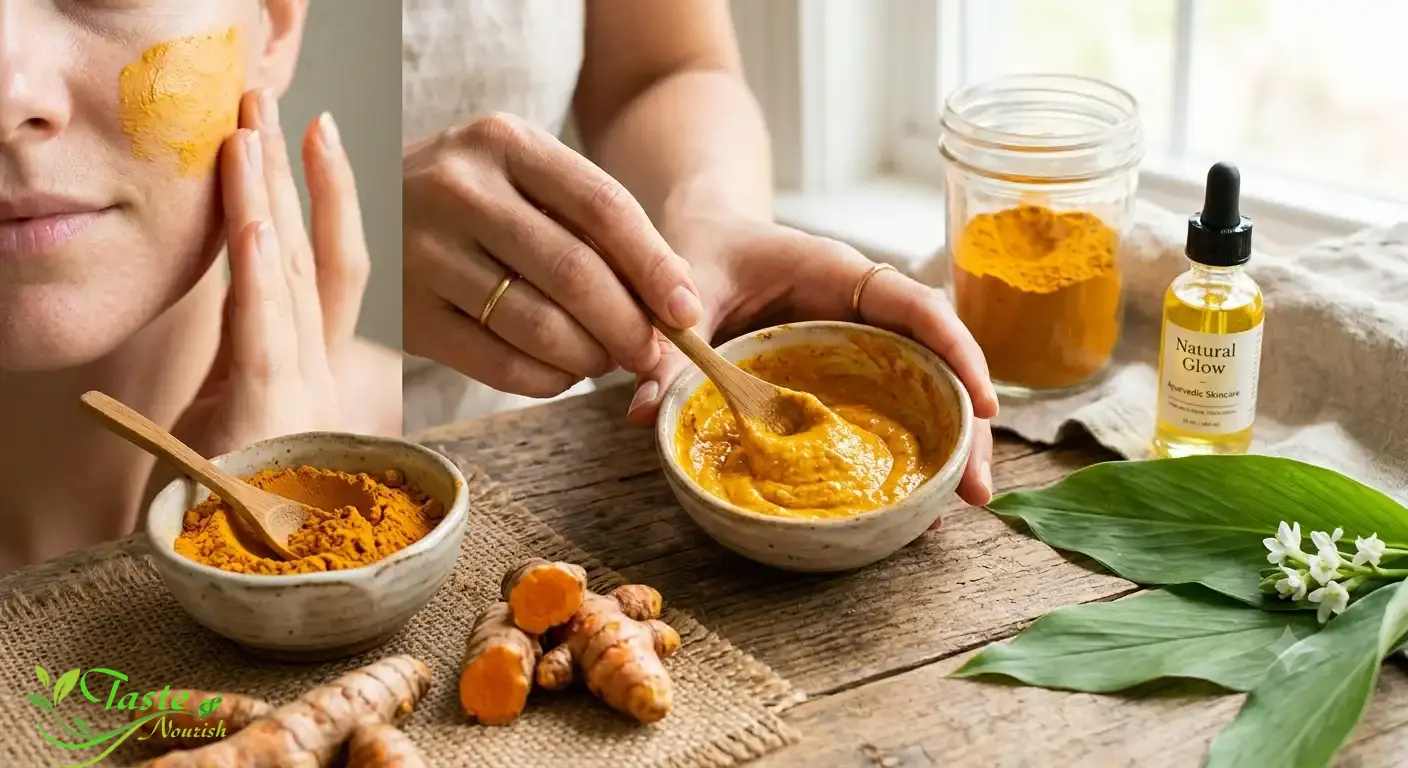
Honey for Skin — Honey has been rubbed into skin for thousands of years, long before “skincare” was a category on a store shelf. It shows up in ancient Egyptian wound dressings, in traditional Ayurvedic remedies, and now in modern dermatology clinics using medical-grade honey for burns.
That long history is part of why honey keeps resurfacing as a skincare ingredient. But tradition isn’t the same as evidence, and not every honey jar in your pantry works the way a clinical-grade wound dressing does.
This guide breaks down what honey may actually do for your skin, where the research is solid versus thin, how to use it safely, and who should think twice before applying it topically.
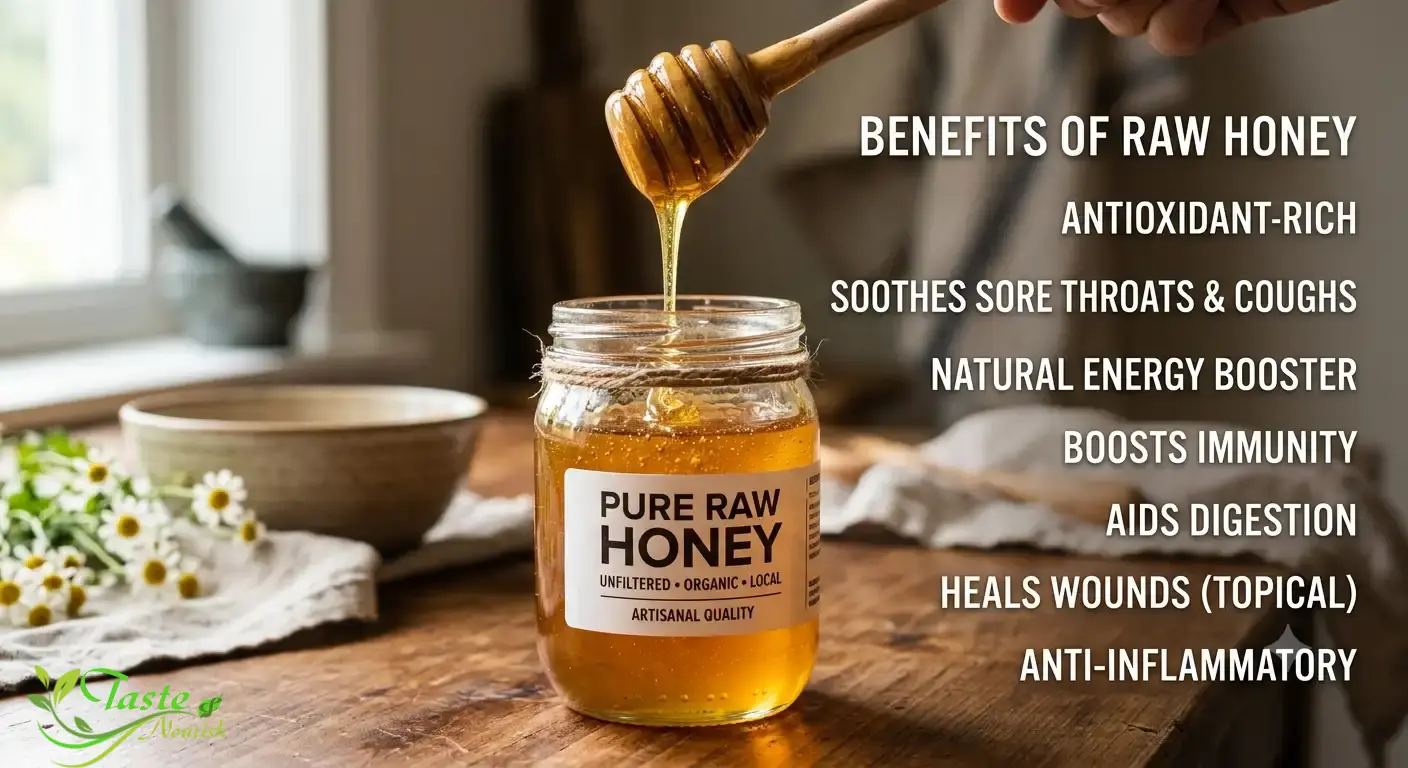
Honey’s natural humectant, antioxidant, and antibacterial properties are associated with several documented skin benefits, particularly for wound and burn healing.
Medical-grade honey (like sterilized Manuka or kanuka honey) has stronger clinical support than the honey in your kitchen cupboard.
Small studies suggest topical honey may help with acne-causing bacteria, but results on acne severity itself are mixed.
Honey allergy is rare but real, and can range from mild irritation to anaphylaxis — always patch test first.
Honey is not a substitute for prescribed treatment for infected wounds, moderate-to-severe acne, or diagnosed skin conditions.
Is Honey Good for Skin? The Short Answer
Yes, with caveats. Honey is a natural humectant, meaning it draws moisture into the skin, and it contains antioxidant and antibacterial compounds that are associated with wound healing and may help calm certain inflammatory skin conditions.
The strongest clinical evidence supports honey — especially medical-grade honey — for burns and wounds. The evidence for cosmetic uses like acne, anti-aging, or “glowing skin” is more limited and often based on small studies or lab research rather than large human trials.
What Makes Honey Good for Skin? A Look at the Composition
Honey isn’t just sugar in a jar. Its skin-relevant properties come down to a handful of natural characteristics working together.
It’s a Natural Humectant
Honey pulls water from the air and holds onto it, which is the same basic mechanism used by ingredients like glycerin and hyaluronic acid in commercial moisturizers. This is part of why honey masks can leave skin feeling softer immediately after rinsing.
It Contains Antioxidants
Darker honeys in particular contain phenolic compounds and flavonoids, plant-derived antioxidants that help neutralize free radicals. Free radical damage is one of the mechanisms linked to premature skin aging, though topical honey’s long-term anti-aging effect on human skin hasn’t been well established in large trials.
It Has Natural Antibacterial Activity
Honey’s low water content, mild acidity, and hydrogen peroxide production create an environment that’s inhospitable to many bacteria. According to a review published in PMC, honey has demonstrated antimicrobial activity against a range of skin-relevant microbes, including some linked to acne and fungal skin infections.
It May Support Tissue Repair
Beyond killing bacteria, honey appears to interact with the skin’s healing process itself. Research summarized in a review on advanced wound care notes that honey’s wound-healing effects are linked to anti-inflammatory and antioxidant activity, along with its ability to support re-epithelialization — the process by which new skin cells cover a wound.
Types of Honey Used for Skin Care
Not all honey is created equal when it comes to skin application. The source, processing method, and purity all matter.
Honey Type
Key Traits
Best Used For
Things to Know
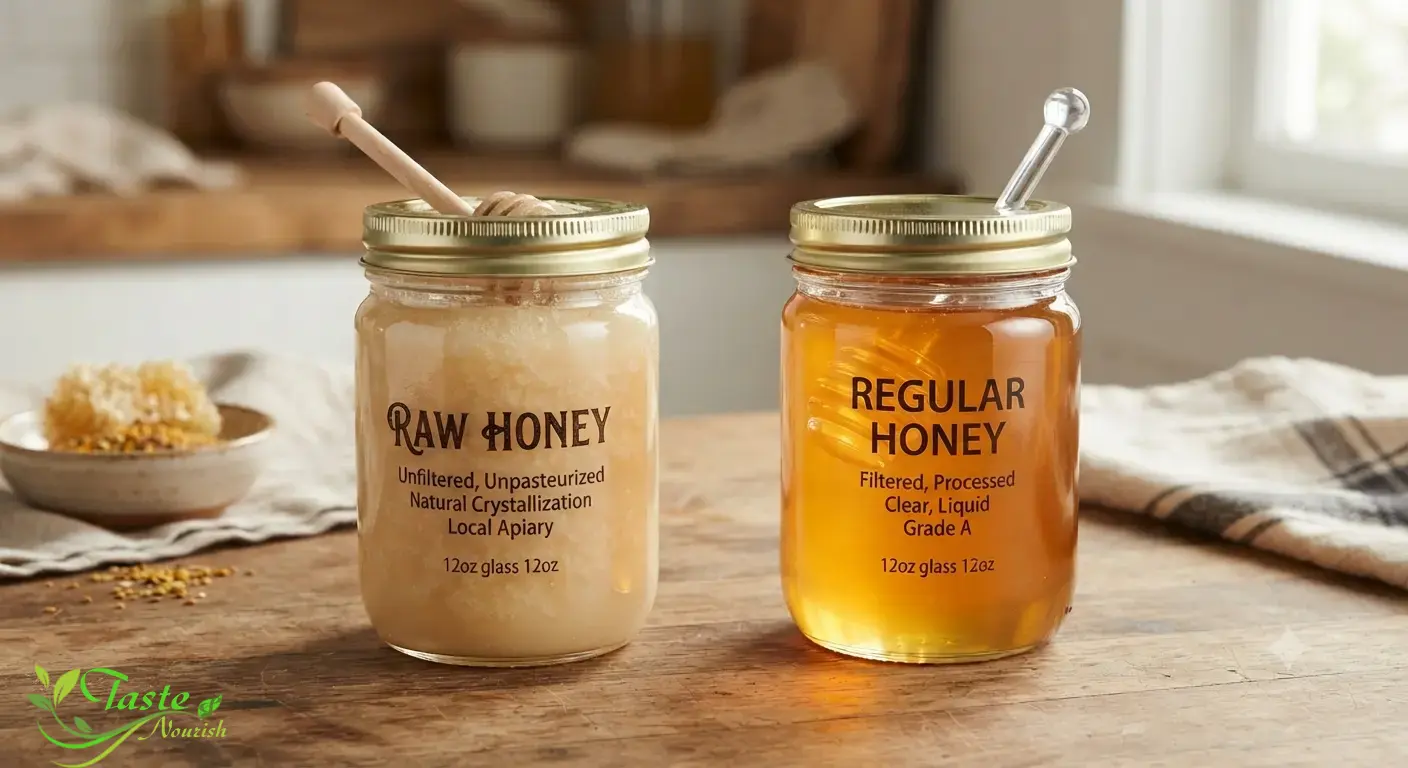
Raw, unfiltered honey
Minimally processed, retains more pollen and enzymes
DIY masks, spot treatments on intact skin
Not sterile — not recommended for open wounds
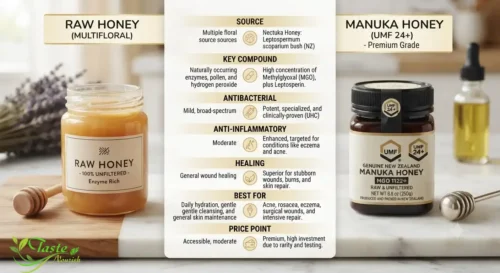
Manuka honey
High antibacterial potency, rated by UMF or MGO scale
Acne-prone skin, minor blemishes
More research-backed than most honey types; higher price point
Kanuka honey
Related to Manuka, studied for acne and rosacea
Sensitive or reactive skin
Used in some clinical trials with mixed acne results
Medical-grade honey
Sterilized, standardized, used in clinical wound care
Wound dressings, burns (under medical guidance)
Only type recommended for broken or infected skin
Regular pasteurized honey
Heat-treated, widely available grocery store honey
General moisturizing masks
Lower pollen and enzyme content than raw honey
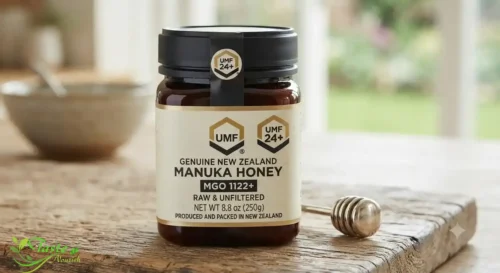
Pro Tip: If you’re using honey specifically for its antibacterial properties, look for Manuka honey with a UMF (Unique Manuka Factor) rating of 10+ or an MGO rating of 250+. Lower-grade or blended Manuka products may not carry the same antibacterial strength studied in research.
Science-Backed Benefits of Honey for Skin
1. Wound and Burn Healing
This is where honey has the most consistent research behind it. Clinical studies have found that honey can be effective in promoting healing in partial-thickness burn wounds, and it’s used in some hospital settings as part of wound dressings, particularly for burns and slow-healing wounds.
It’s worth noting that results are more mixed for chronic wounds and non-burn acute wounds, so honey isn’t a universal wound-care solution.
2. May Help With Acne-Causing Bacteria
Several lab studies have tested honey’s effect on the bacteria associated with acne. One study found that honey showed measurable antibacterial activity against Propionibacterium acnes and Staphylococcus epidermidis, two of the main bacteria linked to acne formation.
However, lab activity against bacteria doesn’t always translate to clear skin. A randomized controlled trial testing topical kanuka honey alongside antibacterial soap for acne found that the honey treatment was not more effective than antibacterial soap alone, and some participants experienced skin irritation, oiliness, or dryness from the honey product.
The takeaway:honey may help as a gentle, supportive addition to an acne routine, but it shouldn’t replace evidence-based acne treatment for moderate or severe breakouts.
3. Skin Hydration and Barrier Support
Honey’s humectant properties are associated with short-term improvements in skin softness and moisture. This makes it a reasonable ingredient for occasional hydrating masks, especially for dry or dehydrated skin — though it’s not a replacement for a daily moisturizer formulated with occlusive ingredients that lock hydration in.
4. Calming Effect on Some Inflammatory Skin Conditions
Some clinical research has explored kanuka honey for rosacea, with modest improvements reported in redness scores compared to controls. The anti-inflammatory and antibacterial properties are thought to play a role, though researchers note the exact mechanism isn’t fully understood, and more research is needed before honey can be considered a standard rosacea treatment.
Pro Tip: If you have rosacea, eczema, or another diagnosed skin condition, treat honey as a possible complementary step — not a substitute for dermatologist-guided treatment.
Myths vs. Facts: Separating Hype From Evidence
Claim
What the Evidence Actually Shows
“Honey cures acne”
Not supported. Lab studies show antibacterial activity, but a clinical trial found no significant improvement over standard care.
“Any honey works the same on skin”
False. Medical-grade and Manuka/kanuka honey have more research support than standard grocery-store honey.
“Honey is a natural anti-aging cream”
Partially supported. Its antioxidants may help reduce oxidative stress, but there’s no strong human trial evidence of wrinkle reduction.
“Raw honey is safe for open wounds”
Not recommended. Only sterilized, medical-grade honey is appropriate for broken or infected skin.
“Honey can’t cause allergic reactions”
False. Honey allergy is rare but documented, including severe reactions in sensitive individuals.
How to Use Honey on Your Skin
Basic Honey Face Mask
Wash your face with a gentle cleanser and pat dry.
Apply a thin, even layer of raw or Manuka honey to clean, dry skin, avoiding the eye area.
Leave it on for 10–15 minutes.
Rinse thoroughly with lukewarm water and pat skin dry.
Follow with your regular moisturizer.
Spot Treatment for Blemishes
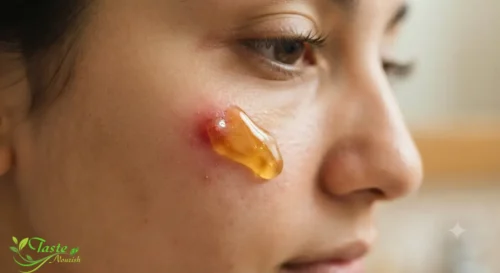
Apply a small dot of Manuka or kanuka honey directly to a clean blemish.
Cover loosely with a bandage if desired, especially overnight.
Rinse off in the morning.
Honey Cleansing Method
Wet your face with warm water.
Massage a small amount of honey (about a teaspoon) into skin for 30–60 seconds.
Rinse thoroughly and follow with your usual routine.
Pro Tip — Patch Test First: Apply a small amount of honey to your inner forearm and wait 24 hours before using it on your face. This is especially important if you have seasonal pollen allergies, since honey can contain trace pollen proteins.
Who Should Be Cautious About Honey on Skin
People with pollen or bee product allergies. Honey allergy is uncommon but can be serious. A case report published in PMC documented a patient who developed a positive skin reaction to multiple honey varieties during allergy testing, underscoring that reactions aren’t limited to a single honey type.
People with open, infected, or deep wounds. Only sterilized medical-grade honey, used under medical supervision, is appropriate here — not kitchen honey.
People with very reactive or compromised skin barriers. Honey’s stickiness and sugar content can occasionally cause irritation in sensitive individuals, even without a true allergy.
Anyone trying honey for the first time. A patch test is a simple way to catch a reaction before it affects a larger area, like your face.
Buying and Storing Honey for Skin Care
Check the label for “raw” or “unpasteurized” if you want more of the natural enzymes and pollen intact.
Look for UMF or MGO ratings on Manuka honey if antibacterial strength is your priority.
Store honey at room temperature in a sealed container, away from direct sunlight — refrigeration isn’t necessary and can cause crystallization.
Avoid honey with added sugars or syrups if you’re using it specifically for its natural skin-care properties, since dilution reduces potency.
Keep a separate jar for skincare use if you’re dipping fingers in repeatedly, to avoid introducing bacteria into your food-grade honey.
Common Mistakes People Make With Honey Skincare
Using it on broken skin without medical-grade sterilization. Regular honey can carry trace bacteria that isn’t a concern for eating but matters for open wounds.
Expecting fast, dramatic results. Most benefits, like hydration, are mild and short-term unless paired with a consistent routine.
Skipping the patch test. Especially risky for people with known pollen allergies.
Using low-grade or heavily processed honey and expecting the same antibacterial effect studied with Manuka or medical-grade products.
Leaving honey on too long. Extended exposure doesn’t necessarily improve results and can increase the chance of irritation for sensitive skin.
Honey vs. Other Natural Skin Remedies
Ingredient
Primary Skin Benefit
Best Skin Type
Caution
Honey
Humectant, antibacterial, wound support
Dry, acne-prone, sensitive
Allergy risk; not for infected wounds without medical grade
Aloe vera
Soothing, cooling, mild anti-inflammatory
Sunburned, irritated skin
Allergic contact dermatitis possible in rare cases
Coconut oil
Occlusive moisturizer
Very dry, non-acne-prone skin
Can clog pores in acne-prone or oily skin
Honey for Skin FAQs
Can I put honey on my face every day?
Occasional use, a few times a week, is generally considered reasonable for most people. Daily use isn’t necessary for benefits and may increase the chance of irritation in sensitive skin.
Does honey help with acne scars?
There’s limited direct research on honey for acne scarring specifically. Its antioxidant content may support overall skin repair, but it shouldn’t be relied on as a primary scar treatment.
Is Manuka honey better than regular honey for skin?
For antibacterial purposes, yes — Manuka honey has more clinical research behind its antibacterial strength than standard grocery-store honey. For basic hydration, regular raw honey can still be effective.
Can honey cause breakouts?
It’s uncommon, but honey is sticky and can trap debris if not rinsed thoroughly, which may contribute to congestion in some skin types. Rinsing completely after a mask helps reduce this risk.
Is it safe to use honey on a cut or wound at home?
Only sterilized, medical-grade honey is recommended for wounds, and ideally under guidance from a healthcare provider. Regular kitchen honey isn’t sterile and isn’t the same product used in clinical wound care studies.
How do I know if I’m allergic to honey?
Watch for redness, swelling, itching, or hives after a patch test. If you have known pollen allergies, especially to ragweed or related plants, talk to an allergist before trying honey topically.
The Bottom Line
Honey has a genuine, research-backed role in skin care, particularly for wound healing and as a natural humectant. Its antibacterial properties make it an interesting supportive option for acne-prone skin, though it’s not a proven replacement for standard acne treatment.
The type of honey matters. Medical-grade and Manuka honey carry more clinical support than regular pasteurized honey, and only medical-grade honey belongs on broken skin. As with any new skincare ingredient, a patch test and realistic expectations go a long way.
“Randomised Controlled Trial of Topical Kanuka Honey for the Treatment of Acne.” National Library of Medicine, PubMed Central (PMC), National Institutes of Health. https://pmc.ncbi.nlm.nih.gov/articles/PMC4746462/
“Antibacterial Activity of Ethanolic Extract of Cinnamon Bark, Honey, and Their Combination Effects against Acne-Causing Bacteria.” National Library of Medicine, PubMed Central (PMC), National Institutes of Health. https://pmc.ncbi.nlm.nih.gov/articles/PMC5489923/
Hanan Abo Samra is the founder of Taste & Nourish, sharing trustworthy nutrition guidance and recipes drawn from 20+ years of hands-on cooking experience. When she's not developing new recipes, Hanan is researching the science behind everyday ingredients to bring readers practical, evidence-based guidance for a healthier lifestyle.