
The Incredible Benefits of Dried Fruits | Your Complete 2026 Health Guide
6 Powerful Health Benefits of Dried Fruits You Need to Know in 2026

Have you ever reached for a handful of raisins, dates, or dried apricots and wondered whether you were actually doing your body a favor? You’re not alone. Dried fruits have been a staple food in human diets for thousands of years — from ancient Middle Eastern traders carrying dates across desert routes to modern athletes stashing them in gym bags for a quick energy fix. But in today’s world of superfoods and health trends, they often get overshadowed or, worse, unfairly labeled as “just candy.” The truth, backed by real science, is far more fascinating.
Dried fruits are nature’s nutritional treasure — a concentrated source of vitamins, minerals, and fiber that are not only delicious but also convenient for on-the-go snacking. Whether you’re looking to improve your digestion, protect your heart, strengthen your bones, or simply fuel your body with clean energy, dried fruits offer a surprisingly wide range of benefits that deserve a serious look. Let’s dig deep into what makes these little morsels so powerful.
What Exactly Are Dried Fruits?
Before we jump into the benefits, it’s worth understanding what dried fruits actually are and how they come to be. At their core, dried fruits are simply fresh fruits that have had most of their water content removed — but don’t let that simple description fool you into thinking they’re nutritionally hollow. The reality is the exact opposite.
How the Drying Process Works
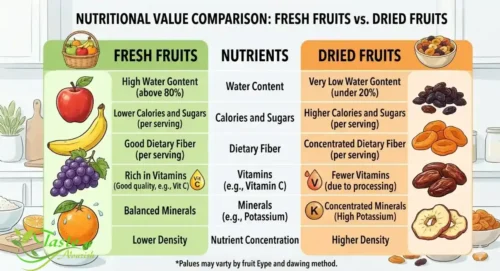
Unlike fresh fruits, dried fruits naturally lose 80 to 90% of their water content over time through sun exposure or dehydrators. This dehydration process is what gives dried fruits their chewy texture, concentrated sweetness, and remarkably long shelf life. Historically, sun-drying was the most common method, and it’s still used today for many traditional varieties like raisins and figs.
Modern techniques include mechanical dehydrators, freeze-drying, and even spray drying for certain processed varieties. Each method has different effects on the final nutritional content, but all of them result in a fruit that is vastly more energy-dense per gram than its fresh counterpart. The drying process is essentially nature’s way of packing more nutrients into less space — think of it like compressing a file on your computer without losing the important data inside.
Dried vs. Fresh Fruit: A Quick Comparison
One piece of dried fruit contains about the same amount of nutrients as the fresh fruit, but condensed in a much smaller package. By weight, dried fruit contains up to 3.5 times the fiber, vitamins, and minerals of fresh fruit. This is a remarkable fact that most people completely overlook. When you eat a small box of raisins, you’re essentially consuming the nutritional equivalent of a significantly larger portion of fresh grapes.
Of course, this also means the calories and natural sugars are more concentrated — something we’ll address later. But for those concerned about getting enough nutrients in a convenient format, dried fruits offer a genuinely practical solution that fresh fruits sometimes can’t match in terms of portability and shelf stability.
A Nutritional Goldmine — What’s Inside Dried Fruits?
Think of dried fruits as nature’s multivitamin — except far more delicious and satisfying. The nutritional profile of most dried fruits is genuinely impressive, and understanding what’s in them helps explain why so many health-conscious people and nutritionists include them in their daily diets.
Vitamins and Minerals Packed Per Bite
Dried fruits are rich in vitamins such as vitamin D, A, B6, and E, and minerals such as potassium, magnesium, calcium, zinc, and phosphorus — all of which help boost the immune system and support overall body function. Take dried apricots, for example — they’re loaded with beta-carotene, a precursor to vitamin A that supports eye health and immune function.
Dates are packed with potassium, which is critical for maintaining healthy blood pressure and muscle function. Figs provide a meaningful dose of calcium, rivaling many dairy products gram for gram. And raisins offer a solid source of iron, making them particularly valuable for individuals at risk of anemia, such as women of reproductive age or vegetarians. The variety across different dried fruits means that rotating between them gives your body access to a remarkably broad spectrum of micronutrients that would be hard to match with most processed snacks.

The Fiber Content You Can’t Ignore
It’s easy to meet your daily fiber needs when you consume concentrated sources of fiber, one of which is dried fruits. Fiber has many important roles, including helping support gut and digestive functions, reducing constipation, controlling your appetite, and even maintaining healthy cholesterol levels. Most adults fall significantly short of the recommended 25–38 grams of dietary fiber per day, and dried fruits offer a surprisingly efficient way to close that gap.
A single serving of prunes, for instance, provides around 3 grams of fiber — both soluble and insoluble varieties — which work synergistically to keep your gut happy, your blood sugar stable, and your appetite in check. If fiber were a currency, dried fruits would be walking around like millionaires.
Top Health Benefits of Dried Fruits
Now that we’ve established the nutritional foundation, let’s explore exactly how those nutrients translate into real, tangible health benefits. These aren’t vague, wishy-washy claims — they’re supported by clinical research, epidemiological studies, and expert nutritional guidance.
Benefit 1 — Heart Health Support
Your heart is arguably the most important organ in your body, and dried fruits turn out to be some of its best allies. The monounsaturated and polyunsaturated fats in dried fruit help lower bad cholesterol levels, reducing the risk of heart disease because omega-3 fatty acids help prevent arteries from clogging and reduce the risk of heart attacks while also preventing plaque buildup in the arteries. This is particularly relevant for dried walnuts and almonds, which have a well-established reputation as heart-healthy foods. But even traditionally “sweet” dried fruits like raisins and prunes contribute meaningfully to cardiovascular health.
Dried apricots are rich in potassium, which supports heart function and helps regulate blood pressure, while also providing fiber and antioxidants including vitamin A and beta-carotene that promote overall cardiovascular health. When you look at the collective body of research, the picture becomes clear: epidemiological evidence suggests dried fruit consumption is associated with a lower risk of cardiovascular disease, type 2 diabetes, as well as obesity and various cancers. That’s a remarkable range of protective effects from something you can toss in a trail mix.
Benefit 2 — Boosting Your Digestive System
Let’s talk about something people don’t always discuss openly but absolutely need: digestive health. Your gut is often called your “second brain,” and keeping it functioning well has cascading effects on everything from mood to immunity. Dried fruits, particularly prunes and figs, are extraordinary allies in maintaining a healthy digestive system.
Consuming dried fruits like figs and prunes has shown the ability to help the stomach recover health and create suitable environments for healthy gut bacteria, relieving upset stomachs and helping with digestion. This isn’t just folk medicine either — it’s backed by regulatory science. In 2014, the European Food Safety Authority (EFSA) authorized a health claim for dried plums/prunes and gastrointestinal health, stating that “dried plums/prunes can contribute to normal bowel function,” with about 100 g/day (approximately 8–12 prunes) required to obtain the claimed effect.
That’s a significant milestone — getting a health claim approved by the EFSA is no small feat, requiring substantial clinical evidence. Beyond prunes, according to the National Library of Medicine, dates and raisins affect human gut microbiota composition in a potentially beneficial manner, suggesting that regular consumption can literally reshape the bacterial ecosystem in your gut for the better.
Benefit 3 — A Powerful Antioxidant Source
If free radicals are the villains of your cellular story, antioxidants are the superheroes — and dried fruits are packed with them. Dried fruit generally contains a lot of fiber and is a great source of antioxidants, especially polyphenols. Polyphenol antioxidants are associated with health benefits such as improved blood flow, better digestive health, decreased oxidative damage, and reduced risk of many diseases. What’s particularly interesting is what happens to antioxidants during the drying process.
The drying process also increases antioxidants within fruits — chemicals found in fruits and vegetables that help the body combat free radicals, which are known to contribute to adverse aging.
So in some respects, your dried blueberries or cranberries may actually pack a bigger antioxidant punch than their fresh counterparts. Dried fruits contain several bioactive compounds broadly classified as phytochemicals, including phenolics, carotenoids, stilbenes, chalcones, phytoestrogens, and flavonoids, all of which contribute to that powerful protective effect against chronic disease and premature aging.

Benefit 4 — Bone Strength and Density
Osteoporosis affects hundreds of millions of people worldwide, and while calcium gets all the headline glory when it comes to bone health, the reality is that several nutrients work together to keep your skeleton strong. Dried fruits happen to be a surprisingly rich source of many of them. Dried fruits contain healthy nutrients like magnesium, calcium, boron, and vitamin K, all of which play essential roles in bone metabolism, mineral density, and fracture prevention.
Prunes deserve special mention here — they contain unique phenolic compounds that have been shown in multiple studies to support bone density, with some research suggesting they may actually help reverse bone loss in postmenopausal women. Dry fruits like figs and prunes are good sources of calcium and vitamin K, which are essential for maintaining strong bones.
Boron, a trace mineral found in raisins and dates, is also increasingly recognized by researchers as critical for calcium and magnesium metabolism — yet most people have never even heard of it. Eating a varied mix of dried fruits regularly is one of the simplest and most enjoyable ways to give your bones the multi-nutrient support they need.
Benefit 5 — Immunity Boost
In a world where immune health has become a top priority for most people, dried fruits offer a genuinely effective natural strategy. Almonds are rich in vitamin E, an antioxidant that helps protect the body from oxidative stress, which is one of the primary mechanisms through which chronic disease and immune suppression develop. But the immune benefits go far beyond vitamin E.
Dried fruits like cranberries and pineapple rings are notable sources of antioxidants and vitamin C; antioxidants have shown a tendency to reduce inflammation within the intestine lining by protecting it from free radicals. Since roughly 70% of your immune system resides in your gut, anything that supports gut health — as dried fruits clearly do — simultaneously supports immune resilience.
Research shows that eating about 2 ounces of almonds daily reduces inflammation markers in the blood and improves blood sugar control, while scientists also found that almonds feed the good bacteria in the gut that help keep the heart and immune system healthy. The synergy between antioxidants, fiber, vitamins, and minerals in dried fruits creates a comprehensive immune-supporting package that’s hard to replicate with any single supplement.
Benefit 6 — Energy and Athletic Performance
Ask any endurance athlete, hiker, or busy professional what their go-to snack is, and dried fruits will come up more often than you’d expect. There’s a very good reason for this. The natural sugars in dried fruits — fructose and glucose — provide a readily available source of energy, making them perfect for pre-workout snacks or a midday pick-me-up.
Unlike the sugar rush and subsequent crash you get from candy or sugary drinks, the natural sugars in dried fruits are accompanied by fiber, healthy fats (in the case of nuts and certain dried fruits), and minerals that moderate the rate of glucose absorption into the bloodstream.
The fat and protein in nuts slow down digestion, meaning the natural sugars from dried fruits enter the bloodstream slowly and steadily instead of all at once, providing sustained energy that keeps you performing at your best for longer. For anyone who struggles with that dreaded 3 PM energy slump, a small portion of mixed dried fruits and nuts is one of the most effective — and evidence-based — solutions available.

Dried Fruits and Weight Management — Friend or Foe?
This is perhaps the most contentious question surrounding dried fruits, and it deserves an honest, nuanced answer. The short version? Dried fruits can absolutely support healthy weight management when consumed mindfully — but they can also contribute to excess calorie intake if you treat the bag as a bottomless snack bowl.
Several studies have shown that people who eat dried fruit tend to weigh less and ingest more nutrients compared to individuals not eating dried fruit. This correlation is likely explained by the fact that dried fruit eaters tend to have healthier overall dietary patterns, and that the fiber and nutrient density of dried fruits promotes satiety — making you feel full on fewer calories. The key insight here is that dried fruits are calorie-dense, so the serving size matters enormously.
A quarter cup of raisins is roughly 120 calories, which is perfectly reasonable as a snack; a full cup, on the other hand, starts approaching a full meal’s worth of calories from sugar and carbohydrates alone.
Smart Portion Control Tips
Getting the most from dried fruits without overdoing it comes down to a few practical habits. Think of a single serving as fitting in the palm of your hand — roughly 30–40 grams for most varieties. Pairing dried fruits with a source of protein or healthy fat (like a handful of almonds or a spoonful of nut butter) slows sugar absorption and dramatically increases satiety.
Using dried fruits as recipe additions rather than standalone snacks — stirred into oatmeal, tossed into salads, or blended into smoothies — makes it much easier to enjoy their benefits without mindlessly over consuming hem. The goal is to let them enhance your diet, not dominate it.
The Best Dried Fruits to Add to Your Diet
Not all dried fruits are created equal, and knowing which ones deliver the biggest nutritional payoff helps you make smarter choices at the grocery store or market.
Comparing Popular Dried Fruits at a Glance
| Dried Fruit | Key Nutrients | Top Benefit |
|---|---|---|
| Dates | Potassium, Magnesium, Iron | Energy & gut health |
| Prunes | Fiber, Vitamin K, Boron | Digestion & bone health |
| Raisins | Iron, Potassium, Antioxidants | Anemia prevention |
| Dried Apricots | Vitamin A, Beta-carotene, Potassium | Eye & heart health |
| Dried Figs | Calcium, Fiber, Polyphenols | Bone & digestive health |
| Dried Cranberries | Vitamin C, Antioxidants | Immunity & urinary health |
| Almonds (dried) | Vitamin E, Healthy fats, Protein | Heart & skin health |
Are There Any Downsides?
Honesty demands that we acknowledge the other side of the coin. Dried fruits, for all their virtues, do come with a few caveats worth keeping in mind. Their calorie density is the most obvious concern — it’s genuinely easy to eat far more than a single serving without realizing it, especially with sweet varieties like dates and dried mangoes.
Some commercially produced dried fruits are also coated in added sugars or treated with sulfur dioxide as a preservative, which can trigger reactions in sulfite-sensitive individuals and adds empty calories. Dried fruit can boost your fiber and nutrient intake and supply your body with large amounts of antioxidants, but it is also a high-carb food containing sugar and many calories that can cause problems if you eat too much.
The solution is straightforward: read labels carefully, choose unsweetened and naturally dried varieties whenever possible, and stick to sensible portion sizes. People managing diabetes or blood sugar conditions should be particularly mindful and consult a healthcare provider about appropriate amounts.
How to Incorporate Dried Fruits Into Your Daily Routine
The beautiful thing about dried fruits is their versatility — they’re one of the few genuinely healthy foods that also happen to be delicious, portable, and easy to incorporate into almost any meal or snack occasion.
Start your morning by stirring a tablespoon of chopped dates or golden raisins into your oatmeal or yogurt — you get natural sweetness without any refined sugar, plus a fiber boost that will keep you full until lunch.
For mid-morning snacking, pair a small portion of dried apricots or figs with a handful of walnuts; the combination of fiber, healthy fats, and protein is a nutritional triple threat that stabilizes energy and curbs cravings.
In savory cooking, dried fruits shine in ways that surprise many people — prunes in a slow-cooked lamb tagine, cranberries in a grain salad, or dried cherries in a balsamic reduction for roasted vegetables all demonstrate the remarkable culinary range of these ingredients.
Even your baking can get a nutritional upgrade when you substitute dried fruits for processed sugars in cookies, muffins, and energy balls.
Conclusion
Dried fruits are genuinely one of nature’s most complete and convenient health foods — small in size but enormous in nutritional value. From protecting your heart and strengthening your bones to fueling your athletic performance and supporting a thriving gut microbiome, the benefits are broad, well-researched, and accessible to virtually everyone.
They’re not a miracle cure, and like any food, they work best as part of a balanced, varied diet — but dismissing them as “just sugar” would be a serious nutritional mistake. The next time you reach for a handful of raisins or pop a few dates, know that you’re making a choice that humans have been making wisely for thousands of years — and science is increasingly confirming just how right that choice really is.
Benefits of Dried Fruits FAQs
1. How many dried fruits should I eat per day?
A typical recommendation is about 30–40 grams per day (roughly one small handful), which gives you meaningful nutritional benefits without excessive calorie or sugar intake. Pairing them with nuts or seeds improves satiety and moderates sugar absorption, making that daily serving even more effective.
2. Are dried fruits safe for people with diabetes?
Dried fruits can be included in a diabetic diet, but in carefully controlled portions due to their concentrated natural sugar content. Varieties like prunes, dried apricots, and cherries tend to have a lower glycemic index than dates or raisins. Always consult your doctor or registered dietitian for personalized guidance.
3. Do dried fruits lose their nutritional value during the drying process?
Most nutrients are preserved or even concentrated during drying. The notable exception is vitamin C, which degrades with heat exposure. However, antioxidants, fiber, minerals, and most vitamins remain highly bioavailable, and in some cases the drying process actually increases antioxidant activity.
4. What are the best dried fruits for weight loss?
Prunes, dried apricots, and figs tend to be the best choices for weight management due to their high fiber content, which promotes satiety. Avoiding dried fruits with added sugars or coatings is essential, as these significantly increase calorie density without adding nutritional value.
5. Can children eat dried fruits regularly?
Yes, dried fruits are a nutritious snack for children, providing natural energy, fiber, and essential vitamins. However, parents should be mindful of the sticky texture, which can adhere to teeth and contribute to cavities — so encouraging children to rinse their mouths with water after eating dried fruits is a simple preventive step.