how to use honey for weight loss — Can a spoonful of honey really help you drop pounds, or is that just wellness-influencer folklore? Here’s the evidence-backed answer, plus how to use honey without sabotaging your goals.
Key takeaway — Honey isn’t a fat-burning miracle. But swapped in smartly, it may support weight loss indirectly — by curbing sugar cravings, feeding gut bacteria, and helping you eat less refined sugar overall.
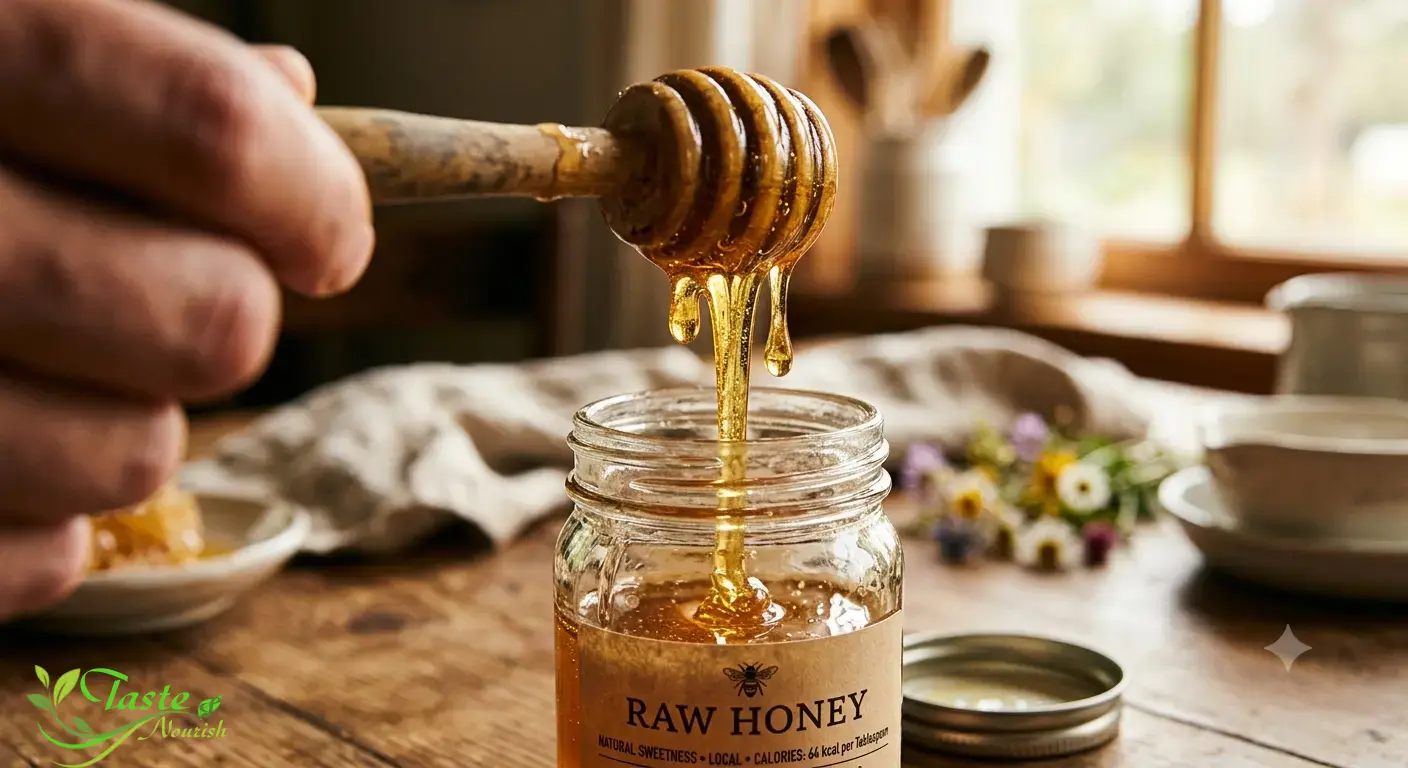
Honey is a natural sweetener made by bees from flower nectar. It’s roughly 80% sugar, 17% water, and 3% everything else — enzymes, pollen, antioxidants, and trace minerals.
That “3% everything else” is the part marketers love to highlight. It’s real, but it’s small. Honey is still, first and foremost, a concentrated source of sugar and calories.
Unlike white table sugar, raw honey contains active enzymes, over 200 bioactive compounds, and polyphenols that may support gut and metabolic health in small amounts, according to nutrition data compiled from USDA FoodData Central.
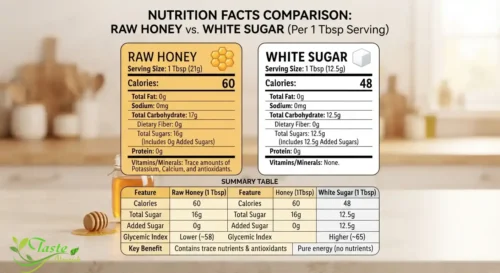
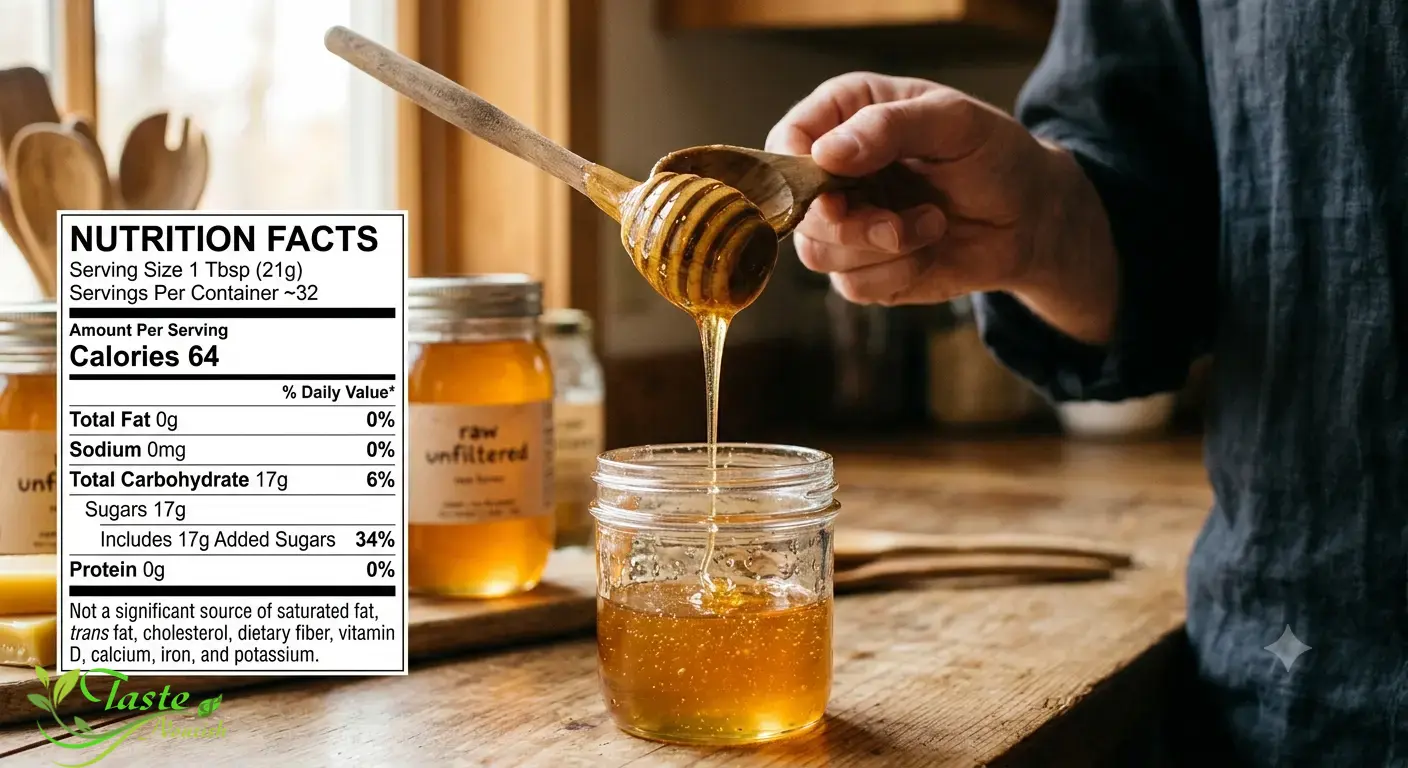
Honey Nutrition Facts at a Glance
Before deciding whether honey fits your weight-loss plan, it helps to see the numbers side by side. Here’s the standard profile for one tablespoon (21g) of raw honey.
Nutrient
Amount per tbsp (21g)
Calories
64 calories
Total carbohydrates
17g
Fructose
approximately 38% of sugars
Glucose
approximately 31% of sugars
Fat
0g
Protein
Trace amounts
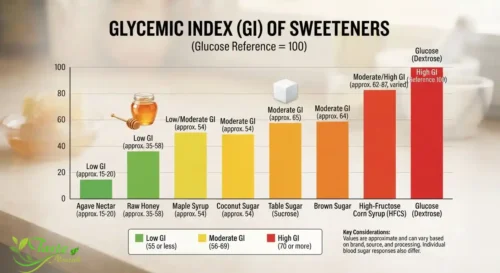
Glycemic index
58–64, moderate category
Glycemic load
approximately 10–12 per tbsp
Notice honey has more calories per tablespoon than sugar. That’s because it’s denser and contains more water-adjusted sugar mass, not because it’s “worse” nutritionally.
Can Honey Really Help You Lose Weight?
This is where things get nuanced. The short answer: maybe, but the evidence is far from conclusive — especially in humans.
What Animal Studies Show
Most of the encouraging honey-and-weight-loss research comes from rodent studies, not people. A 2022 systematic review found that the majority of screened studies included six animal trials and three human clinical trials, with animal results skewing far more positive.
In these studies, honey reduced body weight, body fat, and fat cell size in obese animal models. Researchers also observed that honey increased physical activity in obese rats, which raised their energy expenditure and contributed to weight loss.
Emerging research has even pointed to specific honey proteins. Proteins related to royal jelly have shown anti-obesity potential in animal experiments, activating genes tied to fat metabolism and raising metabolic rate. Promising — but this is early-stage, animal-level science.
What Human Studies Show
Human data tells a more cautious story. Human studies haven’t found a significant weight-reducing effect from honey, though researchers note those trials weren’t especially robust either.
One notable exception: a small 2008 trial. Overweight participants who consumed honey daily for 30 days experienced small reductions in body weight and body fat compared with those who consumed sucrose instead.
That’s a modest, short-term finding — not proof that honey melts fat. A broader review reached a similar conclusion: animal studies showed reduced body weight and fat mass, but human evidence remains limited and inconsistent.
Reader note: No credible study shows honey burns fat on its own. Its potential weight-loss role is almost always tied to replacing worse sugar sources, not some unique metabolic magic.
How Honey May Support Weight Management
If honey isn’t a fat-burner, how might it help at all? Three mechanisms come up repeatedly in the research.
Appetite and Satiety
Honey’s mix of fructose and glucose may influence hunger hormones differently than pure sucrose. Some people report feeling more satisfied with less, which naturally trims total calorie intake over a day.
Gut Health and Prebiotic Effects
Honey contains oligosaccharides that act as prebiotics, feeding beneficial gut bacteria like Bifidobacteria and Lactobacillus. A healthier gut microbiome has been linked in broader research to improved metabolic regulation.
Blood Sugar and Glycemic Load
Honey’s fructose-heavy composition means it often produces a lower peak blood glucose response than table sugar, though the practical difference is modest once portion size is factored in.
Here’s how these three mechanisms typically play out in practice:
You swap a spoon of sugar in your coffee for a spoon of honey.
Your blood glucose rises slightly more slowly, reducing the “crash and crave” cycle.
Prebiotic compounds in honey feed beneficial gut bacteria over weeks.
A more balanced microbiome may support appetite-regulating hormones.
Steadier hunger cues make it easier to stick to a calorie deficit.
Consistency, not honey itself, drives the actual weight change.
Honey vs. Other Sweeteners for Weight Loss
Choosing a sweetener isn’t just about calories. Here’s how honey stacks up against common alternatives.
Sweetener
Calories/tbsp
Glycemic index
Micronutrients
Best for
Honey
64
58–64
Antioxidants, trace minerals, enzymes
Occasional use, flavor-forward swaps
White sugar
49
65
None
Baking precision only
Maple syrup
52
~54
Manganese, zinc
Whole-food recipes
Agave nectar
63
Low (high fructose)
Minimal
Low-GI baking
Stevia (liquid)
~0
0
None
Strict calorie control
Honey isn’t the lowest-calorie or lowest-GI option on this list. Its case rests on flavor intensity (you use less) and its unique enzyme and antioxidant content.
How to Use Honey for Weight Loss the Right Way
If you’re going to keep honey in your routine, portioning and pairing matter more than the honey itself. Here’s a practical approach.
Portion Control and Timing
Treat honey as a condiment, not a diet staple. Most nutrition guidance caps it at roughly one tablespoon daily for metabolically healthy adults, or half that for people managing insulin resistance or weight goals.
Measure it — don’t eyeball a “drizzle.”
Use it to replace sugar, not stack on top of it.
Choose raw or minimally processed varieties when possible.
Store it sealed at room temperature to preserve enzyme activity.
Avoid heating honey excessively, which degrades beneficial compounds.
Check labels for “honey blends” cut with cheaper syrups.
Pair It With Protein or Fiber
Eating honey alongside protein or fiber slows digestion and blunts the blood sugar spike. Think honey drizzled on Greek yogurt, oats, or nut butter rather than eaten alone.
Honey and Lemon Water — Does It Really Burn Fat?
This is one of the internet’s most searched weight-loss “hacks.” The honest answer is that no single food or drink targets fat loss in a specific area.
Warm lemon water with honey can be a low-calorie, hydrating morning ritual that replaces higher-calorie beverages. That substitution effect — not any special fat-burning property — is where any benefit comes from.
If you want to try it, here’s a simple method:
Warm (not boiling) one cup of water — excess heat degrades honey’s enzymes.
Stir in one teaspoon of raw honey.
Add the juice of half a fresh lemon.
Drink it in place of a sugary morning beverage, not in addition to breakfast.
Track how it affects your overall daily calorie intake over two weeks.
Risks and Downsides to Keep in Mind
Honey is not risk-free, especially for certain people or in large amounts. Keep these considerations in mind before making it a daily habit.
It’s still an added sugar and counts toward FDA-recommended sugar limits.
Overuse can spike blood glucose and triglycerides in sensitive individuals.
People with diabetes or insulin resistance should use it cautiously.
Infants under one year should never be given honey due to botulism risk.
“Ultra-filtered” honey may offer little more than empty calories.
Excess fructose intake is linked to increased fat production in the liver.
Nutrition experts are consistent on one point: substituting sugar with honey will not necessarily promote weight loss unless it’s part of a broader strategy to reduce overall added sugar intake.
Comparing Honey Varieties by Glycemic Index
Not all honey behaves the same in your body. Floral source changes the fructose-to-glucose ratio, which shifts the glycemic index significantly.
Honey variety
Approximate glycemic index
Notes
Acacia
~32
Lowest common option, high fructose
Tupelo
~45–74
Wide range by source
Buckwheat
73–83
Darker, more antioxidants, higher GI
Clover
~69
Common commercial variety
Yellow box
35
Lower-GI specialty honey
If blood sugar control is your priority, acacia or other high-fructose, light-colored honeys are generally the smarter pick.
Simple Ways to Add Honey to a Weight-Loss-Friendly Diet
Small, intentional swaps are where honey earns its place in a healthy routine. Try these approaches:
Replace sugary cereal with plain oats sweetened with a teaspoon of honey.
Use honey instead of syrup on a protein-forward pancake or waffle.
Stir a small amount into plain yogurt instead of buying flavored, sugar-loaded versions.
Whisk honey into salad dressings to cut down on bottled dressing sugar.
Add it to tea instead of reaching for a sugary latte.
Use it in marinades, where a little goes a long way on flavor.
Honey for weight loss
Verdict
Direct fat-burning effect
Not supported by human evidence
Helps replace worse sugar sources
Plausible, indirect benefit
Safe in moderate daily amounts
Yes, for most healthy adults
Suitable for diabetics without guidance
Not recommended
Better than sugar nutritionally
Marginally, due to antioxidants
Conclusion
Honey isn’t a weight-loss shortcut, and no serious researcher claims otherwise. What it offers is a slightly more nutrient-dense way to satisfy a sweet tooth than refined sugar.
Used in small, measured amounts and paired with protein or fiber, honey can fit comfortably into a calorie-controlled diet. The real driver of weight loss remains your total intake, activity level, and consistency — not the sweetener in your tea.
Honey for Weight Loss FAQs
Does honey burn belly fat?
No single food targets fat in one body area. Honey may support a modest calorie deficit if it replaces less nutritious sugar sources, but it doesn’t directly burn fat.
How much honey per day is safe for weight loss?
Most guidance suggests up to one tablespoon daily for healthy adults, and about half that for people actively managing weight or insulin resistance.
Is honey better than sugar for weight loss?
Honey has a slightly lower glycemic index than table sugar and contains antioxidants sugar lacks, but the calorie and sugar content are comparable overall.
Can diabetics use honey to lose weight?
Honey still raises blood glucose meaningfully and should only be used under a healthcare provider’s guidance for anyone managing diabetes.
Does honey and warm water help you lose weight overnight?
No. Any benefit comes from replacing a higher-calorie beverage, not from a special metabolic effect of the combination itself.
Hanan Abo Samra is the founder of Taste & Nourish, sharing trustworthy nutrition guidance and recipes drawn from 20+ years of hands-on cooking experience. When she's not developing new recipes, Hanan is researching the science behind everyday ingredients to bring readers practical, evidence-based guidance for a healthier lifestyle.