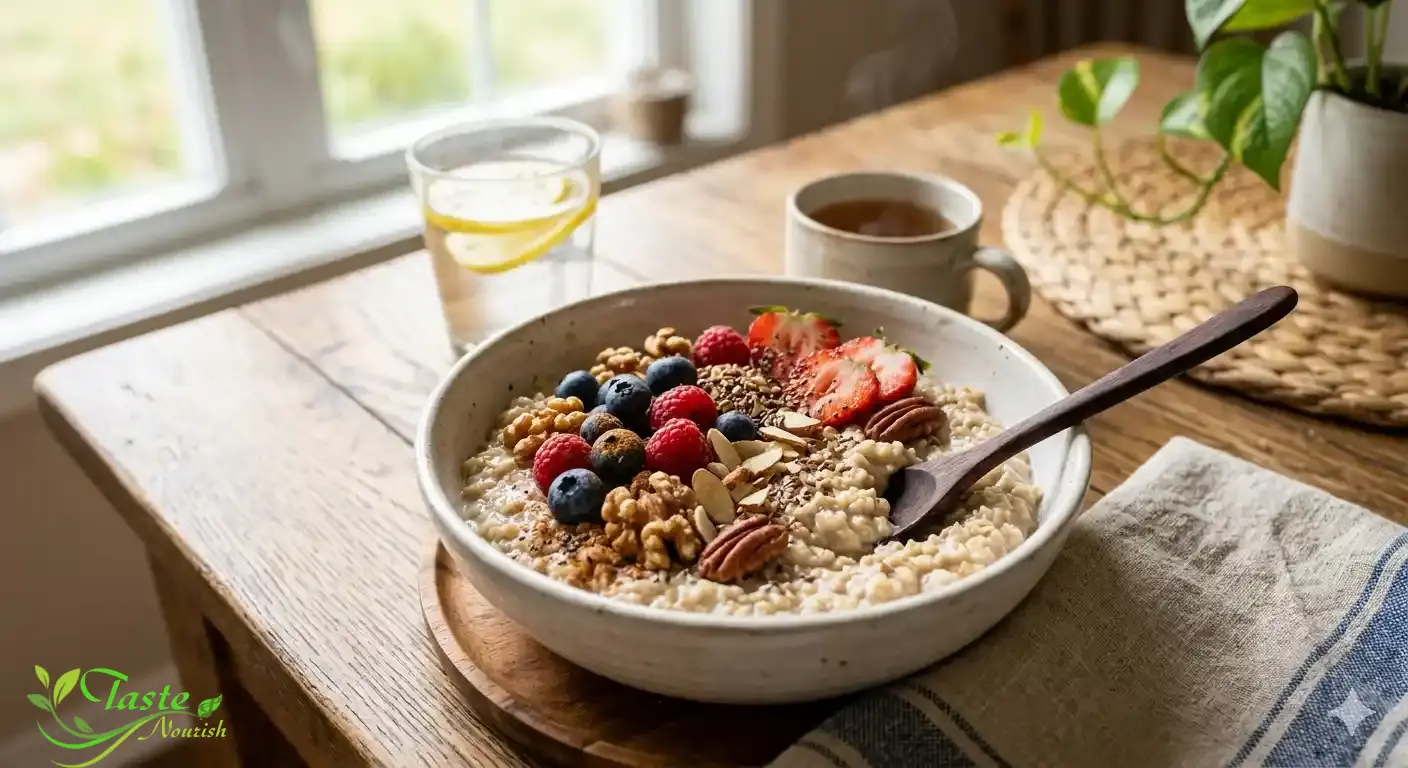
Oats can be a practical addition to a weight-management plan because they provide carbohydrates, dietary fiber, and some protein. They are also versatile, making them easy to include in breakfasts and other meals.
However, eating oats does not automatically cause weight loss. Portion size, total calorie intake, added ingredients, physical activity, and the overall dietary pattern all influence weight management.
In this guide, you’ll learn how to estimate the calories in oats, compare common oat varieties, choose portions that suit your needs, and build satisfying meals with ingredients such as fruit, yogurt, nuts, and seeds.
Why Oats Can Fit Into a Weight-Management Plan
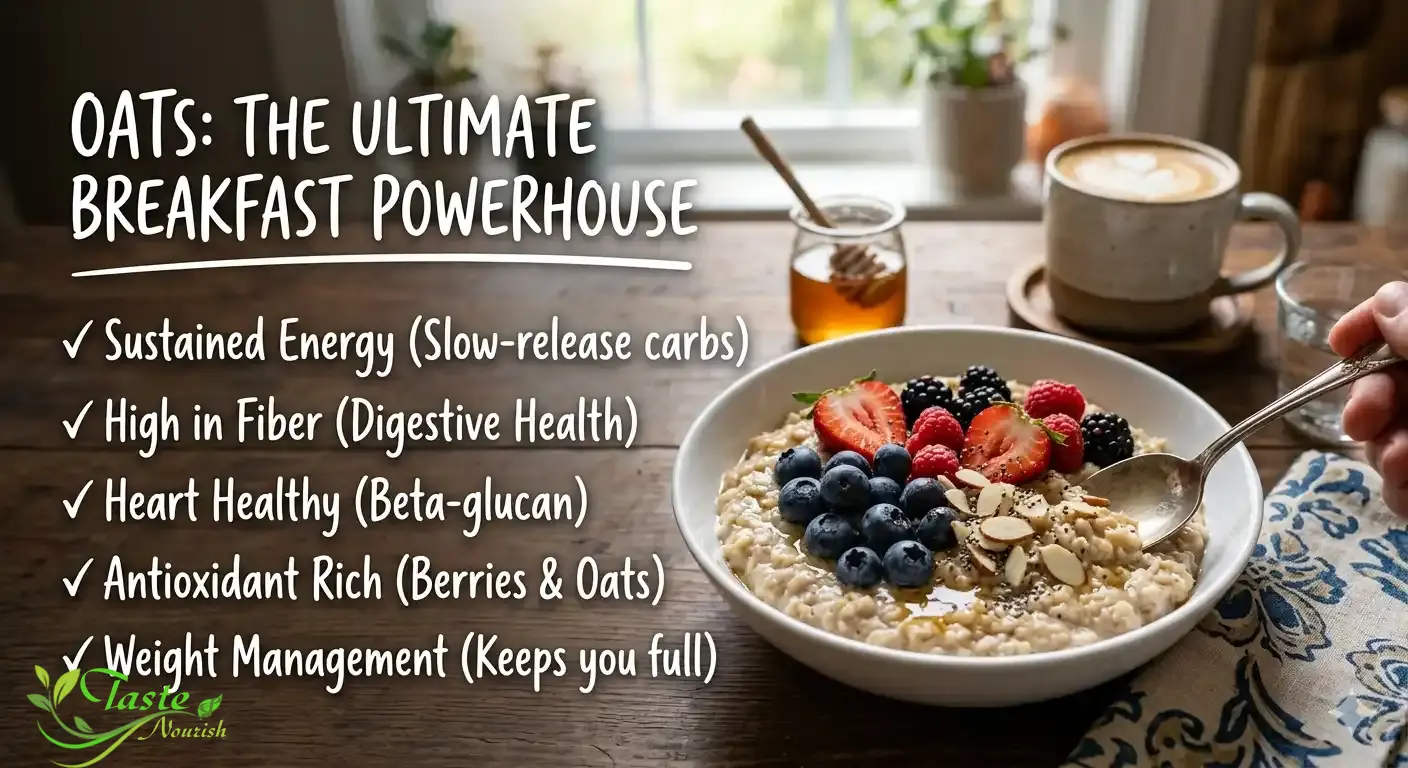
Oats are a whole grain that provides carbohydrates, dietary fiber, protein, and several vitamins and minerals. Their fiber content, including soluble beta-glucan, makes them a useful option for meals built around whole grains and other nutrient-rich foods.
Fiber can contribute to feelings of fullness, but the effect varies with portion size, meal composition, and individual needs. Oats are not a fat-burning food, and no single ingredient guarantees weight loss.
The practical benefit of oats is their flexibility. You can prepare them with water or milk, combine them with fruit, or add yogurt, nuts, or seeds. These choices affect the meal’s calorie content and nutritional balance.
Key takeaway: Oats can support a balanced eating pattern, but weight loss depends on the overall dietary pattern and energy balance, not on oats alone.
Key takeaway: Oats don’t burn fat directly. What they do is make it dramatically easier to stay in a calorie deficit without feeling like you’re white-knuckling through hunger all day.
The Real Science — How Oats Actually Help You Lose Weight
Beta-Glucan and Fullness
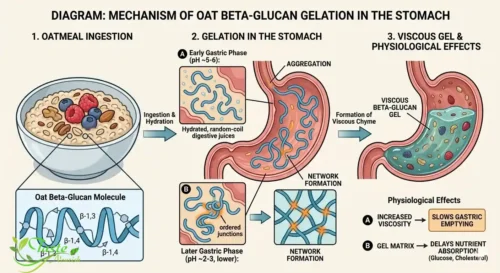
Beta-glucan is a type of soluble fiber found in oats. When mixed with water, it forms a viscous substance that can influence digestion and the absorption of nutrients.
Researchers have studied oat beta-glucan for several potential effects, including its role in blood cholesterol and the way fiber may influence fullness after meals. However, the effect on appetite can vary depending on the amount consumed, the meal’s composition, and individual differences.
Although a bowl of oatmeal may be satisfying, it is not accurate to promise that it will keep everyone full for a specific number of hours. Adding a protein source, such as plain yogurt or milk, along with fruit or seeds can help create a more varied meal.
Oats can be one useful source of fiber in a balanced diet, but they should not be treated as a stand-alone solution for weight loss.
Oats, Appetite, and GLP-1: What to Know
GLP-1 is a hormone involved in regulating blood glucose and appetite. Researchers study how different nutrients and foods may influence the body’s appetite-related signals.
Some research has investigated whether fermentable fibers and beta-glucan may affect these processes. However, the evidence does not establish that eating oats produces a predictable GLP-1 response or leads to a specific amount of weight loss.
Oats should not be described as working like prescription weight-loss medications. The effects of medication cannot be inferred from the presence of fiber in a food.
For practical weight management, focus on portions, the overall calorie content of meals, food variety, and eating habits that you can maintain over time.
Oats and Blood Sugar
Oats contain carbohydrates, so they can raise blood glucose after a meal. Their beta-glucan fiber may influence how quickly carbohydrates are digested and absorbed, but the response varies with the type of oats, portion size, cooking method, and other foods eaten with the meal.
Eating oats does not guarantee stable blood glucose or prevent cravings. Flavored oatmeal products may also contain added sugars, so checking the nutrition label can be helpful when comparing options.
People with diabetes should consider the carbohydrate content of their portions and follow their individualized nutrition plan. Oats can be included in a balanced diet, but they should not replace medical treatment or professional dietary advice.
Oats Nutrition Facts — A Closer Look at What’s in the Bowl
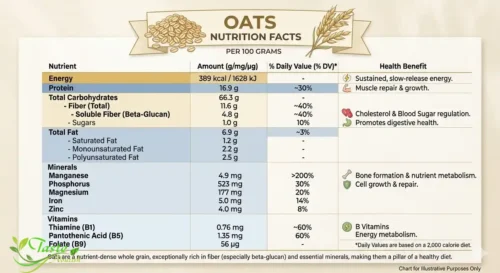
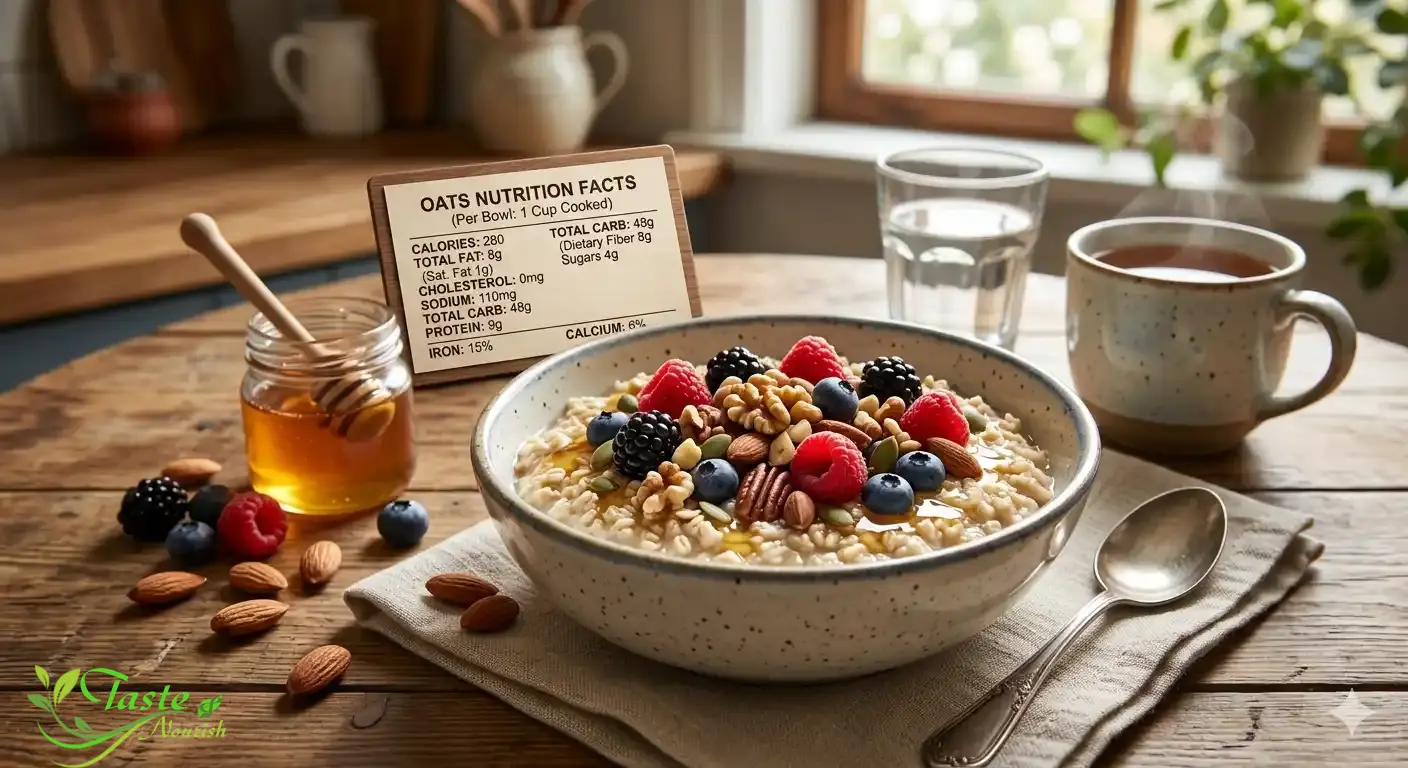
Numbers help here, because “healthy” is a vague word and oats deserve a more precise look. The table below reflects standard USDA data for dry rolled oats per 100 grams, which is the most commonly cited baseline across nutrition databases.
Nutrient
Amount per 100g (dry)
% Daily Value
Calories
379 kcal
—
Protein
13.2 g
26%
Total Fat
6.5 g
8%
Carbohydrates
67.7 g
25%
Dietary Fiber
10.1 g
36%
Beta-Glucan
~4 g
—
Sugars
1.0 g
—
Manganese
3.6 mg
158%
Phosphorus
410 mg
33%
Magnesium
138 mg
33%
Iron
4.25 mg
24%
These figures come from USDA database values for rolled oats, which contain 379 kcal, 67.70g carbohydrates, 10.1g dietary fiber, 6.52g fat, and 13.15g protein per 100 grams, along with high levels of manganese, phosphorus, and B vitamins like thiamine.
Note: A realistic single serving is usually 40 grams dry, not 100 grams — at that portion, you’re looking at roughly 150 calories, which is a far more useful number to keep in mind when you’re planning your day.
Not All Oats Are Created Equal — Which Type Should You Choose?
Steel-Cut vs. Rolled vs. Instant vs. Oat Bran
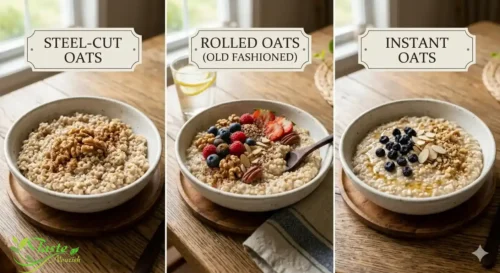
Walk down any cereal aisle and you’ll see a dozen variations of “oats,” and they are absolutely not interchangeable for weight-loss purposes. The difference comes down to processing. Less processing means the starch granule structure stays more intact, which means your body has to work harder to digest it, which means a slower, steadier release of glucose.
Steel-cut oats are the least processed — whole oat groats simply chopped into pieces. They take longer to cook but deliver the slowest digestion and best satiety per calorie.
Rolled (old-fashioned) oats are steamed and flattened. They cook faster than steel-cut while still retaining a moderate digestion rate, making them a solid everyday middle ground.
Instant oats are pre-cooked, dried, and rolled thinner for speed. Convenient, but they digest fast — and many flavored packets add sugar you don’t need.
Oat bran is the outer layer of the grain, stripped from the rest. It’s lower in calories per serving but extremely concentrated in beta-glucan.
Oat Type
Main Advantage
What to Consider
Steel-cut oats
Firm texture and longer cooking time
Requires more preparation time
Rolled oats
Versatile and relatively quick to cook
Portion size still affects total calories
Plain instant oats
Convenient for busy mornings
Check serving size and ingredients
Oat bran
Concentrated source of dietary fiber
Compare its nutrition label with the serving size
The blood glucose response to oats varies with the product, portion size, cooking method, and other foods eaten with the meal. A single glycemic index value should not be treated as a guarantee of an individual’s response.
protein or healthy fat to instant oats can blunt the spike significantly, even if the base GI is higher.
How Much Oats Should You Eat for Weight Management?
There is no single serving size of oats that is right for everyone. The amount that fits your diet depends on your energy needs, appetite, activity level, and the other foods you eat throughout the day.
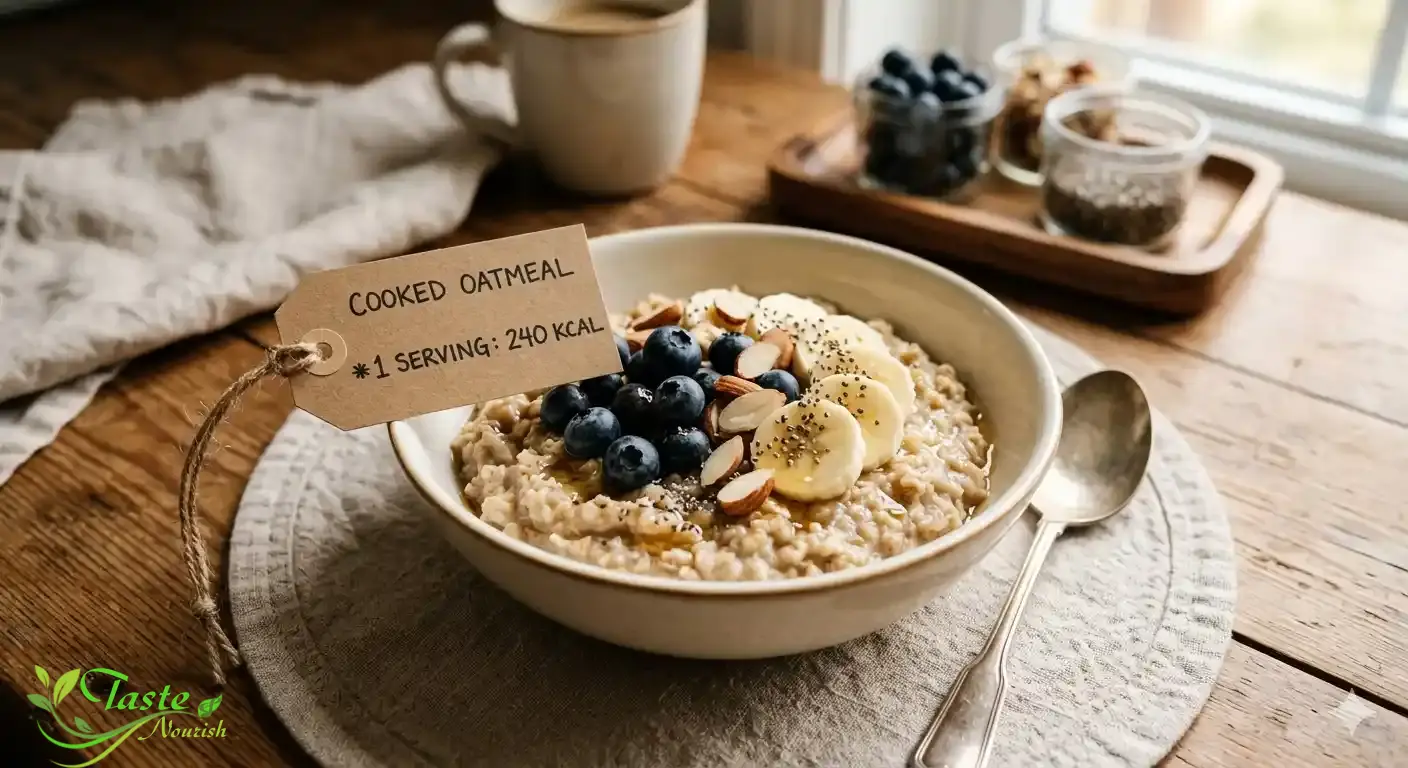
A 40-gram serving of dry oats is one practical example. It provides approximately 150 calories, although the exact amount depends on the product. You can adjust the portion to suit your needs and combine it with other foods to make a balanced meal.
Remember that the calories in a bowl of oatmeal include more than the oats themselves. Milk, yogurt, nuts, seeds, fruit, and sweeteners can all change the total nutritional value and calorie content.
If you are increasing your fiber intake, do so gradually and drink enough fluids. This may help reduce digestive discomfort for some people.
Practical tip: Measure dry oats before cooking when you want to compare portions consistently. Choose an amount that fits your overall eating pattern rather than following a fixed serving as a weight-loss rule.
Building the Perfect Weight-Loss Oatmeal Bowl
Adding Protein to Your Oatmeal
Oats provide some plant-based protein, but you can combine them with other foods to create a more varied and satisfying meal.
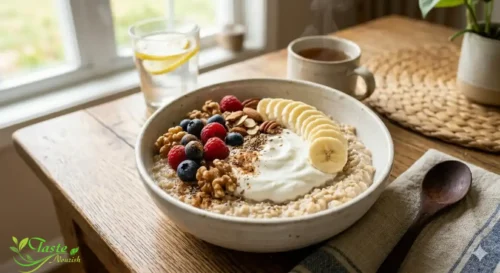
Depending on your preferences and dietary needs, consider adding plain Greek yogurt, milk, fortified soy milk, or a small serving of nuts or seeds. Eggs can also be served alongside oatmeal if you prefer a savory breakfast.
There is no single protein target that everyone must reach at breakfast. Your needs depend on factors such as age, activity level, health, and your overall diet.
The goal is to build a meal that provides a useful combination of carbohydrates, protein, fiber, and other nutrients—not to follow a rigid rule.
Choosing Oatmeal Toppings
Choosing Oatmeal Toppings
Toppings affect the flavor, nutritional value, and total calories in your oatmeal. The best choices depend on your preferences and the type of meal you want to prepare.
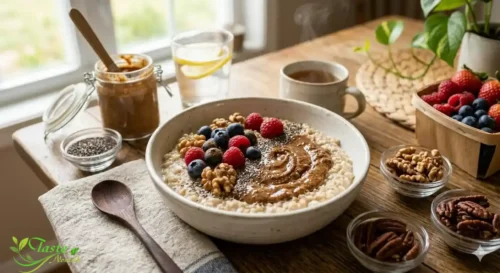
Fresh or frozen fruit: Berries, bananas, apples, and peaches add flavor, fiber, and other nutrients.
Nuts and seeds: Chia seeds, walnuts, almonds, and flaxseed provide fats and other nutrients, but they also add calories. Adjust the amount to suit your needs.
Milk or yogurt: These can add protein and, depending on the product, calcium and other nutrients.
Sweeteners: Honey, maple syrup, and sugar add sweetness and calories. If you use them, consider the amount.
Spices: Cinnamon, cardamom, and vanilla can add flavor without requiring much or any added sugar.
You do not need to avoid a particular topping to manage your weight. Instead, consider the portion size and how each ingredient contributes to the meal as a whole.
Practical tip: Start with plain oats, then add fruit and a protein source if desired. Measure calorie-dense ingredients such as nut butter, nuts, seeds, and sweeteners when portion awareness is important to you.
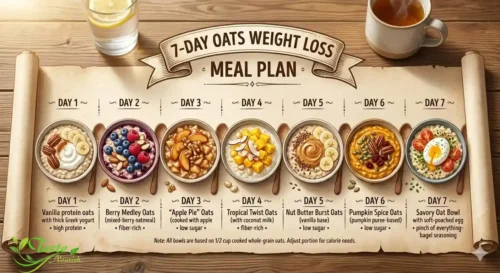
7-Day Sample Oatmeal Meal Plan
This seven-day plan offers simple ideas for including oats in different breakfasts. It is a flexible example, not a prescribed weight-loss plan. Adjust portion sizes and ingredients to suit your appetite, nutritional needs, and overall diet.
Day
Oatmeal Idea
Suggested Additions
Monday
Rolled oats
Plain Greek yogurt, berries, and cinnamon
Tuesday
Steel-cut oats
Banana and a small serving of walnuts
Wednesday
Oat bran porridge
Cottage cheese on the side and pumpkin seeds
Thursday
Savory oatmeal
Two boiled eggs, if suitable for your needs, with avocado and herbs
Friday
Overnight oats
Plain yogurt, chia seeds, and raspberries
Saturday
Warm steel-cut oats
Apple slices and a small serving of almond butter
Sunday
Rolled oats
Cottage cheese or yogurt, sliced peach, and ground flaxseed
How to Adapt the Plan
Choose plain oats and adjust the dry portion to your needs. Prepare them with water or milk, and remember that the liquid and toppings contribute to the meal’s overall nutritional value.
Include other foods throughout the day to provide a varied diet. Depending on your preferences, this may include vegetables, fruit, legumes, eggs, fish, dairy products, or suitable alternatives.
You do not need to eat oatmeal every morning to manage your weight. A variety of meals can help you maintain an eating pattern that suits your preferences and lifestyle.
Common Mistakes to Avoid When Preparing Oatmeal
Oatmeal can be a convenient meal, but the way you prepare it affects its nutritional value and calorie content. Keep these points in mind:
1. Overlooking Portion Size
The calories listed for dry oats refer to the amount before cooking. A larger dry portion provides more calories, even when prepared with water.
2. Ignoring Added Ingredients
Milk, nut butter, nuts, seeds, honey, and other toppings can increase the total calories in your bowl. These foods can still be nutritious; the key is to consider their amounts.
3. Choosing Flavored Oats Without Checking the Label
Some flavored instant oatmeal products contain added sugar, while others contain little or none. Compare the serving size, added sugars, fiber, and calories on the nutrition label instead of assuming that every instant product has the same nutritional profile.
4. Expecting Oats to Cause Weight Loss on Their Own
Eating oats does not guarantee weight loss. Overall food intake, activity, sleep, health factors, and long-term habits can all influence weight management.
5. Making Your Diet Too Restrictive
You do not need to eat the same breakfast every day or avoid all sweet toppings. A varied eating pattern that meets your nutritional needs may be easier to maintain over time.
Practical tip: Focus on the complete meal and your overall eating habits rather than expecting one ingredient to determine your results.
Oats vs. Other Popular Breakfast Foods
Oats are one of several options for breakfast. Comparing foods is most useful when you consider portion size, preparation method, added ingredients, and the nutrients you want your meal to provide.
Breakfast Option
What It Can Provide
What to Consider
Plain oatmeal
Whole-grain carbohydrates and dietary fiber
Calories vary with the dry portion and added ingredients
Eggs with whole-grain toast
Protein, carbohydrates, and other nutrients
Preparation methods and toppings affect the meal’s nutritional value
Plain yogurt with fruit
Protein, depending on the yogurt, plus nutrients from fruit
Added sugar and portion size vary by product
Whole-grain cereal with milk
Carbohydrates and, depending on the product, fiber and added vitamins or minerals
Compare fiber, added sugars, serving size, and the nutrition label
Smoothie with fruit and yogurt
Fruit, protein from yogurt, and other nutrients
Ingredients and portion sizes can substantially change the calorie content
No single breakfast is best for everyone. Oatmeal can be a useful choice if you enjoy it, but other breakfasts can also fit into a balanced eating pattern.
When comparing options, consider what you eat with the main food and whether the meal fits your preferences, nutritional needs, and daily routine.
Who Should Be Cautious With Oats?
Oats are suitable for many people, but certain situations call for additional care.
People With Celiac Disease
Oats are naturally gluten-free, but they can become contaminated with wheat, barley, or rye during processing. People with celiac disease should choose oats labeled or certified gluten-free and discuss their suitability with their healthcare professional, since individual tolerance can vary.
People With Digestive Sensitivities
Increasing fiber intake quickly may cause gas, bloating, or changes in bowel habits in some people. Consider increasing fiber gradually and drinking adequate fluids, unless you have been advised to restrict fluids.
People With Gastroparesis or Other Medical Dietary Restrictions
People with gastroparesis or a medical condition requiring a modified diet may need individualized advice about fiber and food texture. Ask your healthcare professional before making a substantial change to your diet.
People Managing Diabetes
Oats contain carbohydrates and can affect blood glucose. Portion size, the type of oats, preparation method, and accompanying foods can influence the response. Follow your individualized diabetes care plan and consider the carbohydrate content of the serving you eat.
For most people, the practical approach is to choose an appropriate product, pay attention to portion size, and adapt food choices to their individual needs.
Final Takeaway
Oats can be a useful addition to a balanced diet because they provide whole-grain carbohydrates, dietary fiber, and some protein. They are also versatile and can be prepared with a range of ingredients to suit different preferences.
For a more balanced oatmeal meal, consider combining oats with fruit and a protein source, such as plain yogurt or milk. Nuts and seeds are additional options, but their portions affect the meal’s total calories.
There is no universal serving size or oatmeal recipe that guarantees weight loss. Choose portions that fit your nutritional needs and focus on eating habits you can maintain over time.
The bottom line: Oats can support a balanced eating pattern, but weight management depends on your overall diet and lifestyle—not on one food alone.
Combine the dry oats and almond milk in a small pot over medium heat.
Simmer for 5-8 minutes, stirring occasionally, until oats reach a creamy consistency.
Remove from heat and stir in the cinnamon.
Top the bowl with Greek yogurt, mixed berries, and chia seeds before serving.
Notes
Nutrition values are estimates and may vary depending on the brands and ingredients used. Using water instead of almond milk can also change the final nutrition calculation.
Oats for Weight Loss FAQs
Is oatmeal good for weight loss, or is it just marketing?
Oatmeal can fit into a weight-management plan because oats provide whole-grain carbohydrates and dietary fiber. However, oats do not directly cause weight loss, and their effect depends on portion size, added ingredients, and the overall eating pattern.
What is the best time to eat oats for weight management?
There is no universally best time to eat oats. You can enjoy them at breakfast or another meal that suits your routine. Overall food intake and long-term eating habits matter more than a specific time of day.
Can I eat oats every day without getting bored or affecting my progress?
Many people can include oats regularly as part of a varied diet. Try changing the fruit, spices, liquid, or protein source to vary the flavor and nutritional profile. Eating oats every day is not necessary for weight management, and your overall diet remains important.
Do instant oats lose their benefits compared with rolled or steel-cut oats?
Plain instant, rolled, and steel-cut oats can all provide fiber and other nutrients. Processing and preparation can affect texture and digestion, while flavored products may contain added sugars or other ingredients. Compare nutrition labels and choose an option that suits your preferences and needs.
How long does it take to see weight-loss results from eating oats?
There is no reliable timeline for weight-loss results from eating oats. Changes in body weight depend on many factors, including overall energy intake, activity, health, and consistency over time. Oats alone do not guarantee weight loss, and individual responses vary.
**Hanan Abo Samra** shares practical cooking insights, delicious recipes, and evidence-based nutrition information. Drawing on more than 20 years of hands-on cooking experience, she creates helpful food content that combines everyday cooking knowledge with information from reliable scientific sources. Her goal is to help readers better understand the foods they eat, explore their nutritional benefits, and prepare delicious meals with confidence.