Some dips take a whole afternoon. This one takes twenty minutes, a food processor, and a jar of roasted red peppers you probably already have in the pantry. Roasted Red Pepper and Feta Dip is creamy, tangy, faintly smoky, and just sweet enough from the peppers to keep people going back for one more scoop. It’s the kind of appetizer that looks like it took real effort but comes together almost entirely by pulsing a few ingredients together and letting the fridge do the rest of the work.
Below you’ll find exactly how to make it, how to get the texture and flavor right on the first try, and how to store and serve it so it holds up at a party.
To make Roasted Red Pepper and Feta Dip, drain and blot dry 2 cups of roasted red peppers, then blend them with softened cream cheese, crumbled feta, olive oil, garlic, and lemon juice in a food processor until you reach the texture you like — smooth or slightly chunky. Chill for at least 30 minutes before serving so the flavors settle and the texture firms up. The whole process takes about 20 minutes of hands-on work.
Key Takeaways
Draining and blotting the roasted peppers is the single most important step — skip it and the dip turns watery.
Softened cream cheese blends smooth; cold cream cheese leaves lumps no amount of processing will fix.
Chilling Roasted Red Pepper and Feta Dip for at least 30 minutes mellows raw garlic and lets the dip firm up to a scoopable consistency.
Feta varies a lot in saltiness by brand, so add salt at the end, not the beginning.
This dip is dairy-based, so it belongs in the fridge until serving and shouldn’t sit out longer than two hours.
What Is Roasted Red Pepper and Feta Dip?
This dip is a creamy, spreadable blend of roasted red peppers, feta cheese, and cream cheese, brightened with garlic, lemon, and a little olive oil. It sits in the same family as Greek meze dips like htipiti (also called tyrokafteri), a whipped feta-and-roasted-pepper spread served at tavernas across Greece, usually made with just feta, peppers, olive oil, and sometimes a hot pepper for heat.
This version leans a little more American appetizer-table by adding cream cheese, which softens the tang of the feta and gives the dip a thicker, more spoonable body that holds its shape on a cracker instead of sliding off.
Ingredients
Roasted red peppers (2 cups, drained)
Cream cheese (8 ounces, softened)
Feta cheese (6 ounces, crumbled)
Olive oil (2 tablespoons, plus more for drizzling)
Garlic (2 cloves)
Lemon juice (1 tablespoon, fresh)
Smoked paprika (1/2 teaspoon)
Crushed red pepper flakes (1/4 teaspoon, optional)
Kosher salt and black pepper, to taste
Fresh parsley or basil, chopped, for garnish
Ingredient Notes
Roasted red peppers (2 cups, drained) — jarred peppers work well and save time; they bring sweetness and that smoky-roasted flavor that defines the dip. If you’d rather roast your own, three large red bell peppers will get you to about the same volume.
Cream cheese (8 ounces, softened) — use block-style, not the whipped tub kind, which has extra air and won’t give the dip the same body. Softening it at room temperature first is what keeps the dip smooth instead of lumpy.
Feta cheese (6 ounces, crumbled) — buy a block packed in brine rather than pre-crumbled feta in a tub. Block feta is creamier and has a cleaner tang; pre-crumbled feta is often coated in anti-caking starch that can make the dip slightly grainy.
Olive oil (2 tablespoons, plus more for drizzling) — adds richness and helps the food processor move the mixture smoothly. Use a good extra-virgin olive oil since its flavor comes through.
Garlic (2 cloves) — use fresh, not jarred or powdered; fresh garlic mellows as the dip chills, which jarred garlic doesn’t do the same way.
Lemon juice (1 tablespoon, fresh) — cuts through the richness of the cheese and brightens the sweetness of the peppers. Bottled juice works in a pinch but fresh has more punch.
Smoked paprika (1/2 teaspoon) — reinforces the roasted, smoky note already in the peppers. Regular paprika works too, but you’ll lose some of that depth.
Crushed red pepper flakes (1/4 teaspoon, optional) — for a little background heat. Leave it out for a mild dip, or double it if you like more kick.
Kosher salt and black pepper, to taste — go slowly here since feta is already salty.
Fresh parsley or basil, chopped, for garnish — adds color and a fresh note against the richness of the dip.
How to Prepare the Ingredients
The prep work for this dip is short, but two steps make a real difference in the final result.
Drain and blot the peppers. Jarred roasted peppers sit in liquid, and that liquid is mostly water plus some brine. Drain the peppers in a colander, then press them between layers of paper towels until they stop releasing moisture. Skipping this step is the number one reason this dip turns out thin instead of creamy.
Soften the cream cheese. Set it out for about 30 minutes before you start, or cut it into cubes to speed things up. Cold cream cheese resists blending and leaves small lumps that never fully smooth out, even with a powerful food processor.
How to Make Roasted Red Pepper and Feta Dip
1. Drain and dry the peppers. Press the roasted red peppers between paper towels until they no longer feel wet to the touch.
2. Combine the base ingredients. In a food processor, add the softened cream cheese, feta, olive oil, garlic, lemon juice, smoked paprika, and a pinch of salt.
3. Add the peppers. Add the drained peppers to the processor.
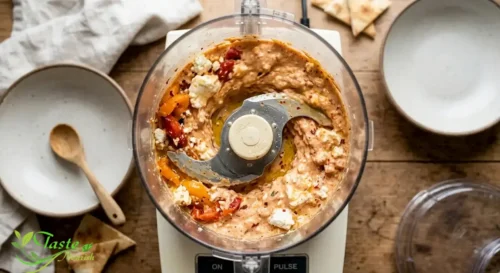
4. Blend to your preferred texture. Pulse a few times for a dip with visible flecks of red pepper, or process continuously for 30 to 45 seconds for a smooth, whipped consistency. Scrape down the sides of the bowl once or twice so everything blends evenly.
5. Taste and adjust. Add salt and black pepper as needed, plus more lemon juice if the dip tastes flat, or more red pepper flakes for heat. The dip should taste balanced — tangy from the feta, sweet from the peppers, bright from the lemon, with no single flavor overpowering the others.
6. Chill before serving. Transfer the dip to a serving bowl, cover, and refrigerate for at least 30 minutes. This firms up the texture and softens any sharp, raw garlic bite.
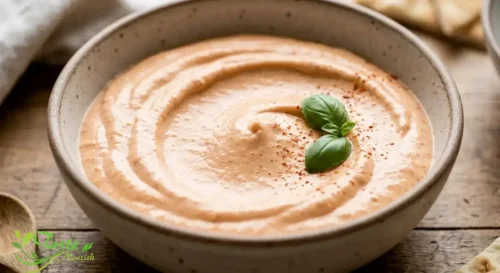
7. Finish and serve. Right before serving, drizzle with olive oil and top with extra crumbled feta, a pinch of red pepper flakes, and chopped parsley or basil.
How to Get the Best Texture
The texture of this dip comes down to two things: how much moisture is in the peppers and how long you chill it before serving. Peppers that haven’t been drained well will thin the dip no matter how long you blend it, so don’t skip the blotting step. If your dip still feels looser than you’d like after blending, that’s almost always excess pepper liquid, not a blending problem.
Chilling matters just as much. Cream cheese and feta are both solid at cold temperatures and soften as they warm up, so a dip that seems slightly loose right out of the food processor will firm up considerably after 30 minutes in the fridge. If you want a thicker, more spreadable dip for crackers rather than a looser one for chips, chill it longer — up to a few hours or overnight.
How to Get the Best Flavor
Three flavors are doing most of the work here: the sweetness of the roasted peppers, the salty tang of the feta, and the brightness of the lemon juice. If your dip tastes one-note, it’s usually because one of these is out of balance. Too sweet and flat means it needs more lemon or salt. Too sharp or acidic means it needs a touch more cream cheese to round it out.
Raw garlic is more assertive than most people expect right after blending, which is why the chilling step isn’t optional if you’re using fresh cloves — the flavor mellows and rounds out as the dip sits. Smoked paprika reinforces the char already present in the peppers rather than introducing a new flavor, so it’s worth using even a small amount rather than skipping it.
How to Serve Roasted Red Pepper and Feta Dip
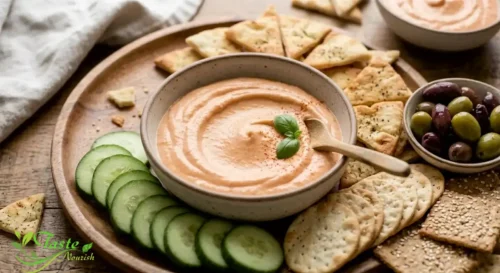
Serve this dip cold or close to it, straight from the fridge or after sitting out for 10 to 15 minutes to take the chill off. Good dippers include pita chips, toasted baguette slices, sturdy crackers, and raw vegetables like cucumber rounds, endive spears, and bell pepper strips, which hold up well against a thick dip without breaking.
For presentation, spread the dip in a shallow bowl rather than mounding it in a deep one — it gives more surface area for the olive oil drizzle and garnishes, and makes scooping easier for guests. A small drizzle of olive oil, a few extra crumbles of feta, and a scattering of fresh herbs right before serving go a long way for very little effort.
Make-Ahead Instructions
This dip is a good make-ahead choice because chilling actually improves it. You can prepare it up to 2 days in advance, store it covered in the refrigerator, and add the final garnish of olive oil, feta, and herbs just before serving. If the dip thickens more than you’d like after a day or two in the fridge, stir in a small splash of olive oil or lemon juice to loosen it back up.
Storage
Store leftover dip in an airtight container in the refrigerator at 40°F or below. Because it contains both cream cheese and feta, treat it as you would any dairy-based leftover: for best quality and safety, plan to use it within about 3 to 4 days. The dip may firm up further in the fridge; give it a stir and let it sit at room temperature for a few minutes before serving again.
Freezing is not recommended for this dip. Cream cheese and feta both separate when frozen and thawed, and the dip will turn watery and grainy instead of smooth — texture that can’t be fixed by re-blending.
Common Mistakes
Not draining the peppers well enough. This happens because it’s tempting to skip a step that seems minor, but jarred peppers hold a surprising amount of liquid. Blot them thoroughly with paper towels before they go anywhere near the food processor.
Using cold cream cheese. Straight-from-the-fridge cream cheese doesn’t break down fully, leaving small lumps in the finished dip. Let it sit out to soften, or cut it into small cubes to speed the process along.
Salting before tasting the feta. Feta’s saltiness varies quite a bit between brands and even between batches. Add salt in small amounts at the end, after the feta and cream cheese are already blended in.
Skipping the chill time. Serving the dip right after blending means raw garlic tastes sharper than intended and the texture is looser than it should be. Give it at least 30 minutes in the fridge before it hits the table.
Over-blending for too long. Running the food processor nonstop can turn the dip into a texture closer to baby food than a rustic appetizer dip. Pulse in short bursts and check the texture as you go if you want some visible texture from the peppers.
Using pre-crumbled feta from a tub. It’s convenient, but the anti-caking coating on most pre-crumbled feta can leave a slightly chalky texture in a blended dip. A block of feta packed in brine gives a creamier result.
Troubleshooting
Dip is too thin or watery. This is almost always leftover moisture from the peppers. Fix it by stirring in a bit more softened cream cheese or crumbled feta to thicken it back up, or by pressing the dip gently through a fine mesh strainer to remove excess liquid. Next time, blot the peppers more thoroughly before blending.
Dip is too thick. Loosen it with a small drizzle of olive oil, a splash of fresh lemon juice, or a spoonful of the reserved pepper liquid you set aside before draining. Add it a little at a time so you don’t overcorrect.
Dip tastes bland. This usually means it needs more acid or salt, not more of everything. Add lemon juice and salt in small increments, tasting between each addition, before reaching for other seasonings.
Dip tastes too salty. Feta is the likely culprit. Blend in a bit more cream cheese, or a spoonful of plain Greek yogurt, to dilute the saltiness without changing the overall flavor too much.
Garlic flavor is too sharp. This happens when the dip is served too soon after blending. Give it more time in the refrigerator — several hours or overnight softens raw garlic considerably. If you’re especially sensitive to raw garlic, use one clove instead of two, or swap in a roasted garlic clove for a milder, sweeter flavor.
Variations
Spicier version — Add a diced fresh jalapeño or an extra pinch of cayenne along with the red pepper flakes.
Herb-forward version — Swap the parsley for fresh dill, basil, or oregano, or blend a tablespoon of fresh herbs directly into the dip.
Roasted garlic version — Replace the raw garlic with one or two roasted garlic cloves for a sweeter, mellower flavor with no chill time required to soften the bite.
Lighter version — Replace half the cream cheese with plain Greek yogurt for a tangier, lower-fat dip with a slightly looser texture.
Nutty, muhammara-inspired version — Blend in a small handful of toasted walnuts and a teaspoon of pomegranate molasses for a flavor closer to the Middle Eastern roasted red pepper dip muhammara, while keeping the feta for tang.
Appetizer Platter and Party Serving Ideas
This dip fits naturally into a Mediterranean-style mezze spread alongside olives, cucumber slices, cherry tomatoes, and warm pita wedges. On a game-day table, set it next to tortilla chips and other dips for variety in flavor and texture.
For a holiday appetizer board, spoon it into a small bowl at the center of a platter and surround it with crackers, sliced baguette, and a few other spreads so guests can build their own bites. Leftover dip also works well spread inside a wrap or sandwich the next day, so it rarely goes to waste.
Food Safety
Because this dip is made with cream cheese and feta, both perishable dairy products, keep it refrigerated until shortly before serving. According to USDA guidance on the food safety “danger zone,” perishable foods shouldn’t sit out at room temperature for more than two hours, or one hour if the surrounding temperature is above 90°F, since bacteria multiply quickly in that range. At a party, keep the serving bowl chilled by nesting it in a larger bowl of ice, and swap it out for a fresh batch if it’s been out for a while.
Your refrigerator should hold a temperature of 40°F or below to keep dairy-based foods like this dip safe, a point the FDA recommends checking with an appliance thermometer since built-in dials aren’t always accurate. If you’re serving this dip to someone who is pregnant, older, or has a weakened immune system, the CDC notes that soft cheeses carry a higher risk of Listeria contamination, so choose feta clearly labeled as made with pasteurized milk.
For general storage guidance on refrigerated foods, FoodSafety.gov’s cold food storage chart and the CDC’s broader guidance on preventing foodborne illness are useful references for keeping any homemade dip safe from prep to leftovers.
Roasted Red Pepper and Feta Dip Recipe FAQs
Can I make Roasted Red Pepper and Feta Dip ahead of time?
Yes. It can be made up to 2 days in advance and stored covered in the refrigerator. Add any fresh garnish, like herbs or an olive oil drizzle, right before serving.
How long does this dip last in the fridge?
Stored in an airtight container at 40°F or below, it’s best used within about 3 to 4 days, consistent with general USDA guidance for refrigerated dairy-based leftovers.
Can I use fresh peppers instead of jarred?
Yes. Roast whole red bell peppers under a broiler or over a gas flame until the skin is blackened on all sides, then place them in a covered bowl to steam for about 10 minutes before peeling off the skin and removing the seeds. Pat them dry the same way you would jarred peppers before blending.
Why is my dip watery?
This almost always comes from moisture left in the roasted peppers. Drain them well and press them between paper towels before adding them to the food processor.
Can I freeze Roasted Red Pepper and Feta Dip?
It’s not recommended. The cream cheese and feta both separate after freezing and thawing, which leaves the dip watery and grainy instead of smooth.
What can I serve with this dip?
Pita chips, toasted baguette slices, sturdy crackers, and raw vegetables like cucumber, bell pepper strips, and endive all work well as dippers.
Can I substitute the feta with another cheese?
Feta’s tang is central to the flavor, so swapping it out changes the character of the dip significantly. If you need a milder option, a mild goat cheese can stand in, though the flavor will be softer and less briny.
Conclusion
Roasted Red Pepper and Feta Dip earns its place on an appetizer table because it delivers a lot of flavor for very little effort — a food processor, a short chill, and a handful of ingredients most kitchens already have on hand. Drain the peppers well, soften the cream cheese first, and give the dip time to chill, and you’ll end up with a creamy, well-balanced dip that’s just as good on crackers as it is scooped up with a cucumber slice.
Hanan Abo Samra is the founder of Taste & Nourish, sharing trustworthy nutrition guidance and recipes drawn from 20+ years of hands-on cooking experience. When she's not developing new recipes, Hanan is researching the science behind everyday ingredients to bring readers practical, evidence-based guidance for a healthier lifestyle.