If you’ve ever stood in the grocery aisle wondering whether breast or thighs will get you closer to your protein goals, you’re not alone. Chicken is one of the most common protein sources in American kitchens, but the actual numbers behind it are often misquoted or oversimplified.This guide breaks down exactly how much protein is in different chicken cuts, why raw and cooked weights give different numbers, and how chicken fits into a balanced diet.
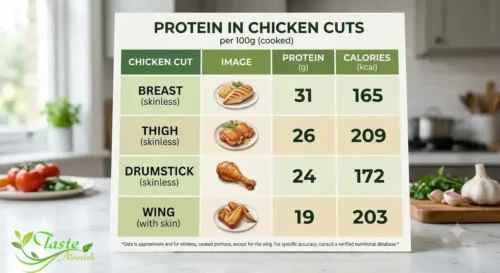
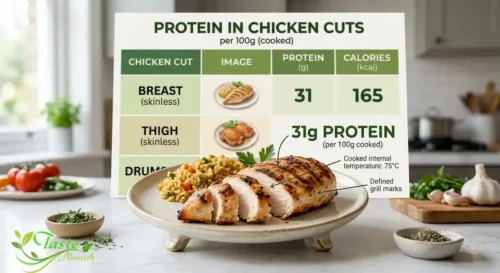
Cooked, skinless chicken breast has about 31 grams of protein per 100 grams.
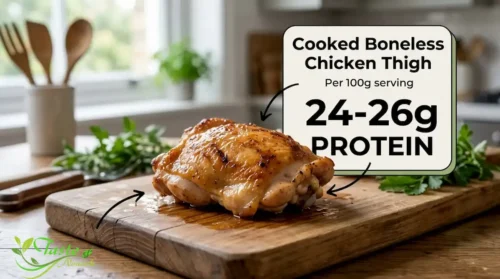
Cooked, skinless chicken thigh has about 24 to 28 grams of protein per 100 grams.
Cooked, skinless drumstick has about 24 grams of protein per 100 grams.
Raw chicken shows a lower protein number per 100 grams than cooked chicken because of water content, not because it has less actual protein.
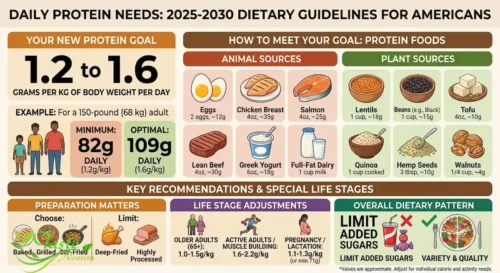
Most healthy adults need roughly 0.8 grams of protein per kilogram of body weight daily at minimum, though newer federal guidance suggests some adults may benefit from more.
Protein in Chicken Breast
Chicken breast is the cut most people reach for when protein is the priority, and the numbers back that up. According to USDA FoodData Central, a 100-gram serving of cooked, skinless, boneless chicken breast provides about 31 grams of protein, 165 calories, and roughly 3.6 grams of fat.
Scaled to real portions, that works out to about 26 grams of protein in a standard 3-ounce serving, and closer to 53 grams in a larger 6-ounce breast. Few whole foods pack this much protein into so few calories, which is part of why chicken breast shows up constantly in meal-prep plans.
Raw chicken breast, by comparison, has less protein per 100 grams simply because it hasn’t lost the water weight that cooking removes.
How Much Protein Is in Chicken Thigh?
Chicken thigh often gets treated as the “less healthy” option, but the protein gap between thigh and breast is smaller than most people expect. Cooked, skinless, boneless chicken thigh delivers roughly 24 to 28 grams of protein per 100 grams, depending on the exact cut and cooking method, according to USDA-derived nutrient data.
A typical medium thigh weighing around 116 grams cooked provides close to 29 grams of protein. That’s only a few grams less than an equivalent weight of breast meat, while thigh also brings more iron and a richer flavor thanks to its slightly higher fat content.
Chicken Cuts Compared (Cooked, Skinless, Per 100g)
Chicken Cut
Protein
Calories
Fat
Breast
31g
165
3.6g
Thigh
24–28g
176–210
8–9g
Drumstick
24g
172
8g
Values are approximate and can vary by bird size, cooking method, and whether any fat was added during cooking.
Why Cooking Changes the Protein Number
This trips up a lot of home cooks: cooked chicken shows more protein per 100 grams than raw chicken, even though cooking doesn’t add protein to the meat. Heat drives out moisture, so the same amount of protein ends up packed into less total weight.
Raw chicken breast is roughly 73 percent water before cooking. Once grilled, baked, or roasted, that water content drops and the protein becomes more concentrated per gram, which is why nutrition trackers show a jump in the protein-per-100-gram figure after cooking.
The practical takeaway is simple: always match your tracking app entry to how you actually weighed the chicken. Weighing raw chicken but logging it as a cooked-weight entry will noticeably undercount your protein and calories.
How Chicken Stacks Up Against Other Protein Sources
Chicken breast holds its own against most other common protein foods. Based on USDA nutrient data, cooked chicken breast offers about 31 grams of protein per 100 grams, compared with roughly 26 grams for lean beef and around 27 grams for pork loin.
Chicken’s advantage isn’t just the protein number itself, but its favorable ratio of protein to calories and fat, especially when the skin is removed. That said, protein quality also matters, not just quantity.
Chicken is a complete protein, meaning it contains all nine essential amino acids your body can’t produce on its own, according to the Harvard T.H. Chan School of Public Health’s Nutrition Source. That puts it in the same category as eggs, dairy, and other animal proteins, though some plant foods like soy and quinoa also qualify as complete proteins.
Health Benefits Linked to Chicken’s Protein
Protein plays a central role in building and repairing muscle tissue, and research suggests adequate intake may help preserve lean mass as people age. Because chicken supplies a complete amino acid profile in an easily digestible form, it’s frequently recommended as part of muscle-supportive eating patterns.
Protein-rich foods like chicken may also help with satiety, meaning they can help you feel fuller for longer after a meal compared with foods lower in protein. This is one reason chicken breast shows up so often in weight-management meal plans.
It’s worth remembering that the overall “protein package” matters too. The Harvard Nutrition Source notes that everything eaten alongside protein, including fat content and preparation method, influences the overall health impact of a meal, not the protein number in isolation.
Key Takeaways
Chicken is a complete protein containing all nine essential amino acids.
Higher-protein meals may help support fullness and reduce overeating later in the day.
Skinless preparations keep the protein-to-fat ratio the most favorable.
Both breast and thigh meat are strong protein sources; the difference between them is smaller than commonly assumed.
How Much Protein Do You Actually Need?
The baseline Recommended Dietary Allowance for protein has long been 0.8 grams per kilogram of body weight per day, which works out to about 60 grams daily for a 165-pound adult, according to the Mayo Clinic Health System. This figure is designed to prevent deficiency in most healthy adults, not to define an ideal target.
The Dietary Guidelines for Americans, 2025–2030, released by the USDA and HHS, keep this 0.8 gram baseline in place while also highlighting that some groups, including older adults and physically active individuals, may benefit from higher intakes in the range of roughly 1.2 to 1.6 grams per kilogram per day to support muscle health.
In practical terms, a 150-pound person eating a 6-ounce cooked chicken breast, a cup of Greek yogurt, and a serving of beans across a day would likely meet or exceed their basic protein needs without much effort.
Expert Tip
Rather than fixating on hitting a specific gram target, spread protein across meals throughout the day. Distributing protein intake evenly is often more supportive of muscle maintenance than loading most of it into a single dinner.
Possible Risks and Downsides
Chicken itself isn’t risky in normal amounts, but how it’s prepared and handled matters. Fried chicken and chicken with the skin left on add meaningful saturated fat and calories, which can offset some of the benefits of a lean protein choice if eaten frequently.
Raw or undercooked poultry can carry bacteria such as Salmonella, so proper cooking and handling are essential food safety steps rather than optional precautions. The USDA Food Safety and Inspection Service notes that bacteria multiply quickly between 40°F and 140°F, and that thorough cooking is what destroys them, not freezing.
Processed chicken products like nuggets, deli slices, or breaded cutlets often carry more sodium and additives than a simple cooked breast or thigh, so they shouldn’t automatically be counted the same way when tallying protein quality.
Food Safety Basics
Cook chicken to an internal temperature of 165°F, checked with a food thermometer.
Wash hands and surfaces after handling raw chicken to avoid cross-contamination.
Never rinse raw chicken in the sink, since this can splash bacteria onto nearby surfaces.
Storing Chicken to Keep It Safe and Fresh
Storage time affects both safety and quality, not the protein content itself. Per USDA Food Safety and Inspection Service guidance, raw chicken should be refrigerated at 40°F or below and cooked or frozen within 1 to 2 days of purchase.
Cooked chicken leftovers are generally safe in the refrigerator for 3 to 4 days when reheated to 165°F. Frozen chicken remains safe indefinitely from a food-safety standpoint, though for best quality, raw poultry parts are typically used within about 9 months and whole birds within about a year.
Chicken Type
Refrigerator (40°F)
Freezer (0°F)
Raw chicken
1–2 days
9–12 months for best quality
Cooked chicken
3–4 days
2–6 months for best quality
Cooking Methods That Keep Chicken Lean
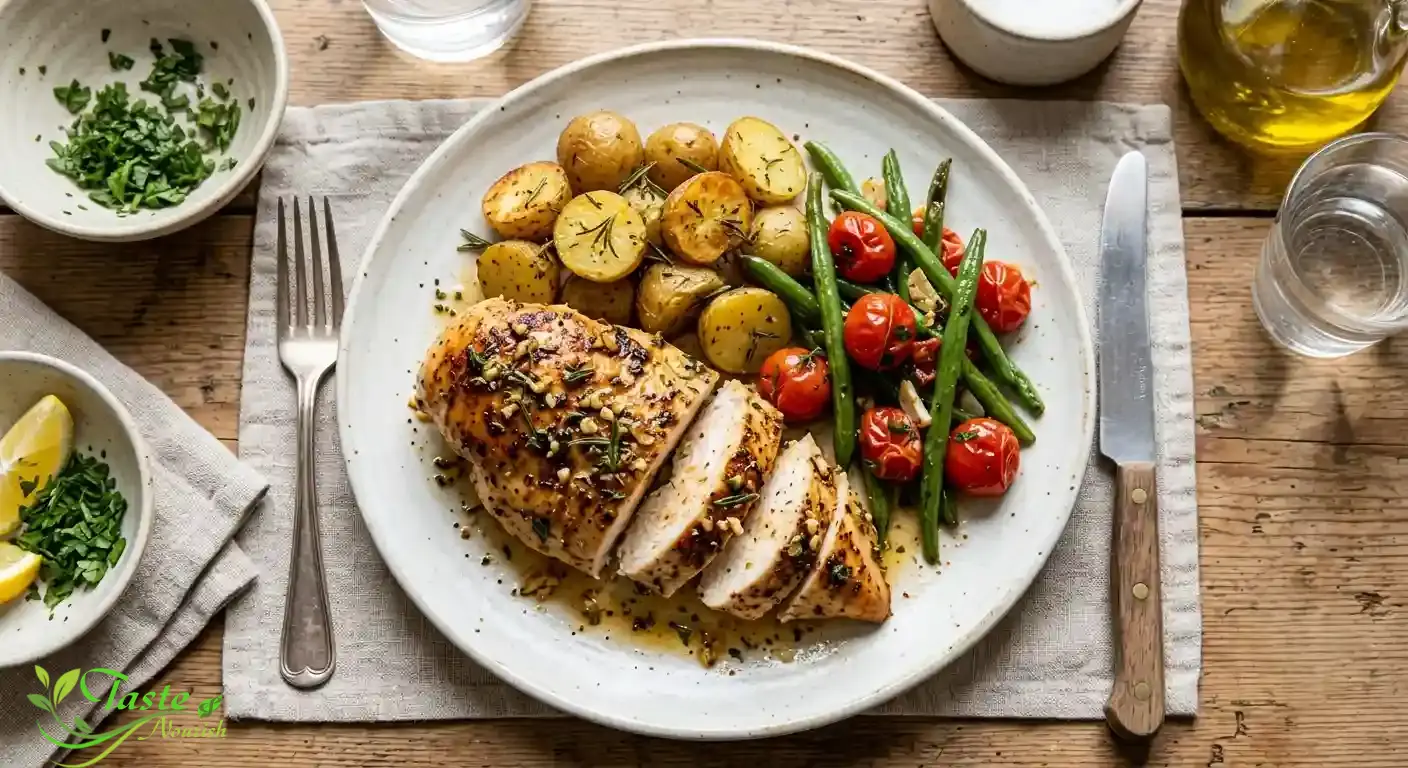
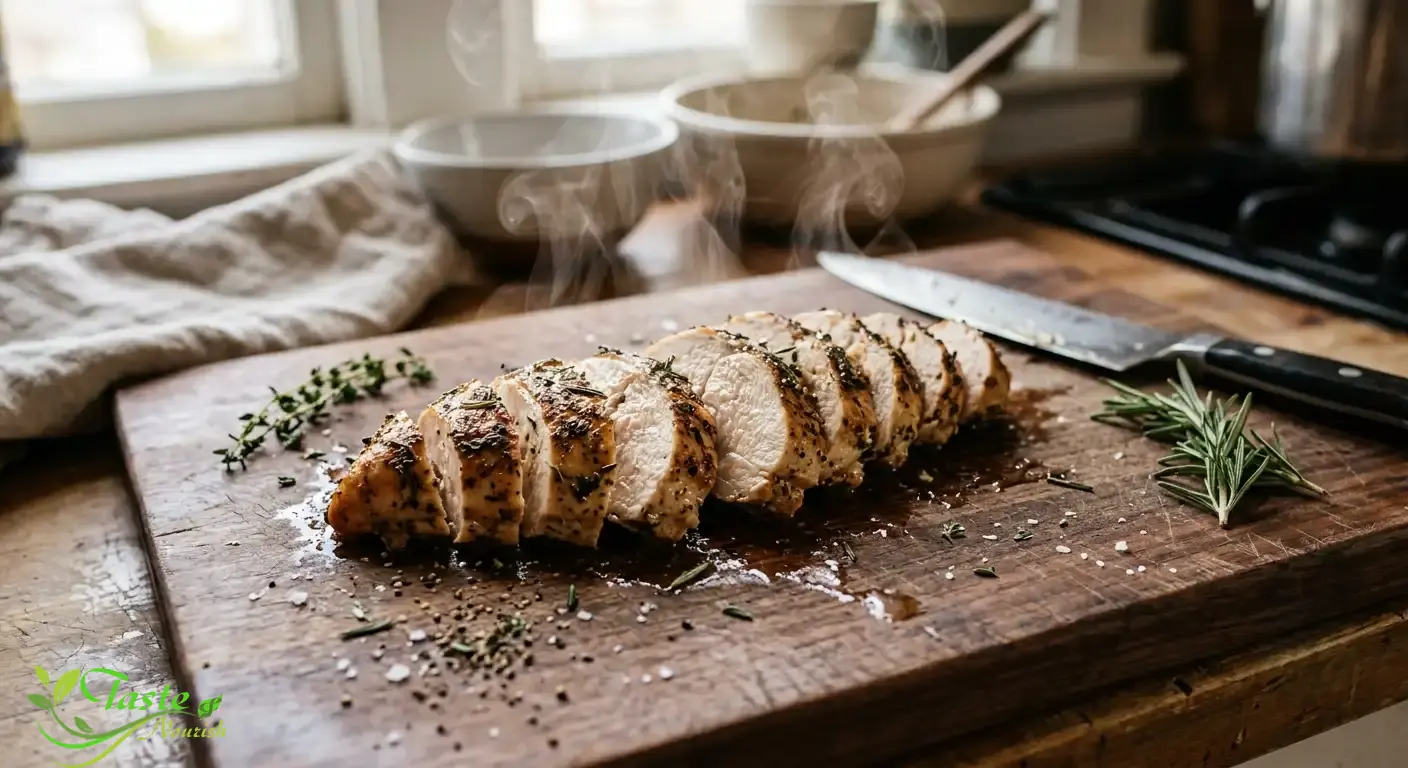
Grilling, roasting, baking, and poaching all cook chicken without requiring added fat, which keeps the protein-to-calorie ratio favorable. These methods also tend to preserve moisture better than high, dry heat, which helps prevent the meat from becoming tough.
Pan-searing with a small amount of oil is a reasonable middle ground, while deep frying adds significant calories and fat without changing the underlying protein content. Sous vide cooking has become popular among home cooks specifically because it’s difficult to overcook chicken breast this way, keeping the texture tender.
Whichever method you choose, using a meat thermometer is the most reliable way to avoid both undercooking and drying out the meat from excess cooking time.
Common Myths About Chicken Protein
Myth: Raw Chicken Has More Protein Than Cooked Chicken
This is a common misreading of the numbers. Cooking doesn’t remove protein; it removes water, which is why cooked chicken shows a higher protein count per 100 grams than the same raw piece.
Myth: Only Chicken Breast Counts as a Real Protein Source
Thigh and drumstick meat are close behind breast in protein density and offer more iron and flavor. The difference matters far less than it’s often made out to be, especially once skin is removed.
Myth: You Need Enormous Amounts of Chicken to Hit Your ProteinGoals
Most American adults already meet or exceed baseline protein recommendations through a normal mixed diet, according to national nutrition survey data referenced by nutrition researchers. A single reasonably sized chicken meal, paired with other protein foods across the day, is usually enough for most people.
Myth:Any Amount of Chicken Skin Ruins the Meal
Chicken skin adds fat and calories but doesn’t meaningfully change the protein content of the meat underneath. Enjoying it occasionally is a matter of overall dietary pattern, not a single forbidden food.
Easy Ways to Add Chicken Protein to Your Day
Add shredded rotisserie chicken to salads, wraps, or grain bowls for a quick protein boost.
Batch-cook chicken thighs on a weekend and portion them into meals for the week.
Use diced chicken breast in soups or stir-fries alongside vegetables and whole grains.
Pair chicken with beans or lentils in one dish to combine complementary protein sources.
Conclusion
Chicken remains one of the most reliable protein sources in a typical American kitchen, whether it’s breast, thigh, or drumstick on the plate. The numbers show that all three cuts deliver strong protein per serving, with far less difference between them than popular diet advice often suggests.
What matters more than chasing a single “best” cut is how the chicken is prepared, how it’s stored, and how it fits into the rest of your meals across the day. Skinless, simply cooked chicken paired with vegetables, whole grains, or legumes offers a practical way to meet daily protein needs without much complexity.
As with any single food, chicken works best as part of a varied diet rather than the sole source of protein. For personalized targets, especially if you have specific health conditions or fitness goals, a registered dietitian or healthcare provider can help translate these general numbers into a plan suited to you.
Chicken Protein FAQs
Q1. How much protein is in a chicken breast?
A 100-gram serving of cooked, skinless chicken breast has about 31 grams of protein, which works out to roughly 26 grams in a standard 3-ounce portion.
Q2. How much protein is in chicken thigh?
Cooked, skinless chicken thigh provides approximately 24 to 28 grams of protein per 100 grams, only slightly less than chicken breast at the same weight.
Q3. Is chicken thigh healthier than chicken breast?
Neither cut is strictly “healthier” across the board. Breast has less fat and a higher protein-to-calorie ratio, while thigh offers more iron and a richer taste; both can fit a balanced diet.
Q4. Does cooking chicken reduce its protein content?
No. Cooking removes water weight, which actually makes the protein appear more concentrated per 100 grams, not less.
Q5. How much chicken should I eat per day to meet my protein needs?
This depends on body weight, activity level, and overall diet, but a single 4 to 6-ounce cooked serving of chicken combined with other protein foods across the day is generally enough for most adults to meet baseline protein needs.
Dietary Guidelines for Americans, 2025–2030, U.S. Department of Agriculture and U.S. Department of Health and Human Services, https://www.dietaryguidelines.gov/
Hanan Abo Samra is the founder of Taste & Nourish, sharing trustworthy nutrition guidance and recipes drawn from 20+ years of hands-on cooking experience. When she's not developing new recipes, Hanan is researching the science behind everyday ingredients to bring readers practical, evidence-based guidance for a healthier lifestyle.