If you’ve been tossing pistachios into your snack rotation for a protein boost, you’re onto something. The protein in pistachios is genuinely impressive for a plant food, and it comes bundled with fiber, healthy fats, and a handful of nutrients most people don’t get enough of. But how does it actually stack up against other nuts, and is it enough to matter for your daily protein goals? Here’s the honest breakdown, backed by USDA data and peer-reviewed research.
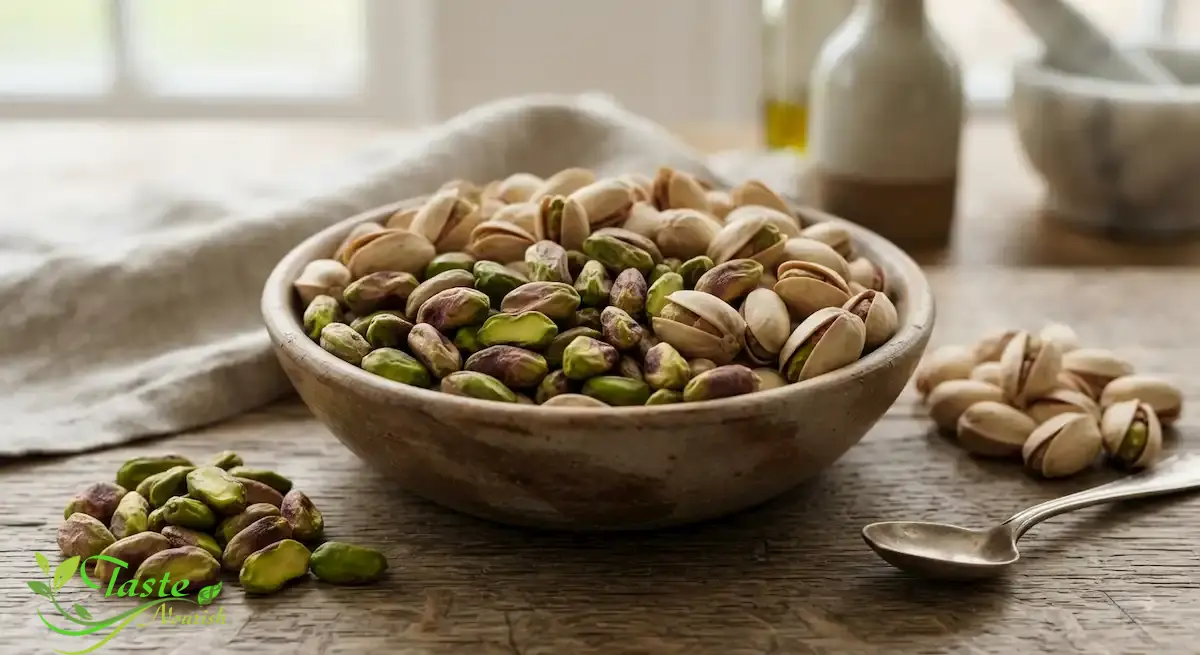
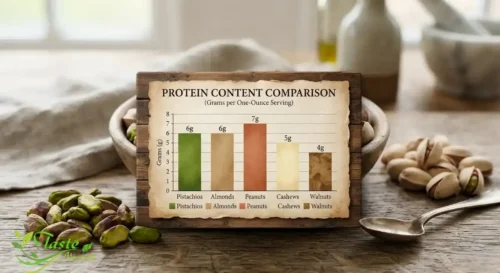
A one-ounce serving of pistachios (about 49 kernels, or roughly 28 grams) contains close to 6 grams of protein. That makes the protein in pistachios among the highest of any commonly eaten tree nut, trailing only almonds and true legumes like peanuts by a small margin. Per calorie, pistachios are one of the more protein-efficient nuts you can snack on.
Key Takeaways
One ounce of pistachios delivers about 5.7 to 6 grams of protein, alongside roughly 159 calories.
The protein in pistachios includes all nine essential amino acids, though at lower total amounts than animal proteins.
Pistachios rank near the top of the tree nut category for protein per calorie, just behind almonds.
Roasting slightly changes protein digestibility, according to controlled feeding studies.
People with tree nut allergies should avoid pistachios entirely, as they’re a federally recognized major allergen.
What Is a Pistachio?
Pistachios (Pistacia vera) are the edible seeds of a small tree native to Central Asia and the Middle East, though today the majority of the U.S. supply is grown in California. The tree produces clusters of drupes, and inside each shell sits a single green-hued kernel.
That green color isn’t a marketing trick. It comes from natural plant pigments called lutein and zeaxanthin, the same compounds found in leafy greens like spinach and kale, just in a much less expected package.
Botanically, pistachios are a fruit’s seed rather than a true nut, but nutritionally and culinarily they’re grouped with tree nuts, right alongside almonds, cashews, and walnuts.
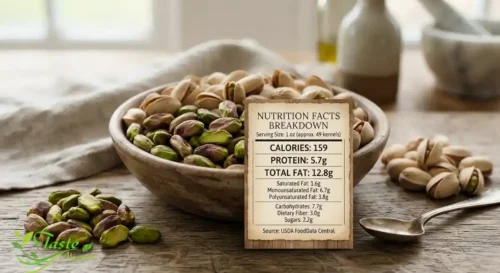
Pistachio Nutrition Facts
Pistachio protein content is just one piece of a fairly balanced nutritional picture. A one-ounce serving of raw pistachios delivers roughly 14% of its calories from protein, 18% from carbohydrates, and the rest from fat, most of it unsaturated.
Nutrient
Per 1 oz (28g, ~49 kernels)
Per 1 cup shelled (123g)
Calories
~159
~689
Protein
~5.7g
~24.8g
Total fat
~12.7g
~55.7g
Carbohydrates
~7.7g
~33.5g
Fiber
~3g
~13g
Potassium
~287mg
~1,260mg
Values are based on USDA FoodData Central data for raw pistachio nuts. Dry-roasted pistachios are very similar, coming in around 572 calories and 21 grams of protein per 100 grams.
Protein in Pistachios by Serving Size
Serving
Approximate Protein
10 kernels
~1.2g
1 oz / 49 kernels
~5.7g
1/4 cup shelled
~6.3g
1 cup shelled
~24.8g
Health Benefits of Protein in Pistachios
Supports Muscle Maintenance
Protein is essential for maintaining and repairing muscle tissue, and pistachios can contribute to that intake, especially for people eating plant-forward diets. They won’t replace a full protein source at meals, but as a snack they add up.
May Support Satiety
The combination of protein, fiber, and fat in pistachios tends to slow digestion, which may help you feel fuller for longer after snacking on them compared to lower-protein, lower-fiber snacks.
Contains a Favorable Amino Acid Profile
Unlike many plant proteins, pistachios provide meaningful amounts of all nine essential amino acids. Research using digestibility scoring methods has found pistachio protein compares reasonably well with more traditional protein sources, though it isn’t a one-to-one substitute for animal protein or soy.
Heart Health
Pistachios are part of a group of nuts covered by an FDA qualified health claim linking regular nut consumption, as part of a diet low in saturated fat, to a potentially reduced risk of coronary heart disease. This is supportive but not conclusive evidence, so it’s one factor among many for cardiovascular health, not a guarantee.
Scientific Evidence
Most of what we know about pistachio protein content comes from USDA nutrient analysis combined with a smaller body of digestibility research. One notable study, published in the peer-reviewed journal Current Developments in Nutrition and hosted by the National Institutes of Health, fed raw and roasted pistachios to pigs (a standard model for estimating human amino acid digestibility) and calculated a Digestible Indispensable Amino Acid Score (DIAAS) of 86 for raw pistachios and 83 for roasted pistachios in the age group of three years and older, with lysine identified as the limiting amino acid.
A DIAAS or PDCAAS above 75 is generally considered indicative of a good-quality protein source, so this research suggests pistachios clear that bar, though roasting appears to modestly reduce digestibility.
A separate peer-reviewed review comparing the composition of common nuts found that amino acid content varies considerably across nut types, with glutamic acid and arginine typically making up the largest share of total amino acids in pistachios and other tree nuts. This variability is part of why nutrition researchers generally recommend eating a mix of nuts rather than relying on just one type.
Potential Risks & Side Effects
Calorie density — Pistachios are easy to overeat since they’re small and calorie-dense; mindless snacking can add up quickly.
Sodium — Salted and roasted varieties can carry significantly more sodium than raw pistachios, which matters for anyone watching blood pressure.
Digestive discomfort — Some people notice bloating or gas from pistachios, particularly in large amounts, since they contain fermentable carbohydrates.
Allergic reactions — Tree nut allergies can range from mild to life-threatening and require strict avoidance.
Who Should Avoid It?
Pistachios are one of the tree nuts the FDA recognizes as a major food allergen under federal labeling law, so anyone with a diagnosed tree nut allergy should avoid them completely and check labels carefully for cross-contamination warnings.
People managing potassium intake for certain kidney conditions may need to moderate pistachios, since they’re relatively high in potassium. Anyone following a low-FODMAP diet for irritable bowel syndrome may also want to limit portion size, as pistachios are one of the higher-FODMAP nuts. If any of this applies to you, it’s worth checking with a doctor or registered dietitian about how pistachios fit your specific plan.
How Much Protein in Pistachios Should You Eat Daily?
A standard serving is about 1 ounce, roughly a small handful or 49 kernels, which lines up with the amount referenced in the FDA’s qualified health claim for nuts and heart health. At that serving size, you’re getting close to 6 grams of protein along with about 159 calories.
Federal survey data shows most American adults fall short of that amount, with only around 1 in 10 adults consuming 1.5 ounces or more of nuts on a given day. There’s no need to eat pistachios daily to see benefit, but working in a serving a few times a week is a reasonable, sustainable target for most healthy adults.
Pistachios shouldn’t be your only protein source in a day. Think of them as a supplement to protein from foods like eggs, fish, legumes, dairy, or poultry rather than a replacement for them.
How to Choose the Best Pistachios
Check the shells: Naturally split shells are a good sign of ripeness; avoid completely closed shells, which are often underripe or damaged.
Raw vs. roasted: Both have essentially the same protein content; roasted just has a deeper flavor and, if salted, more sodium.
Color: Look for a bright, natural green-and-purple kernel rather than a dull, yellowed one, which can indicate age or poor storage.
Smell: Fresh pistachios smell mild and nutty. A sharp, rancid, or musty smell means it’s time to pass.
In-shell vs. shelled: In-shell pistachios take longer to eat, which can naturally help with portion control.
Storage Tips
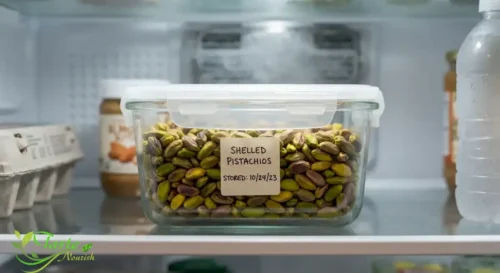
In-shell pistachios kept in a cool, dry pantry will stay fresh for a few months. Once shelled, their exposed fats are more prone to going rancid, so an airtight container in the refrigerator is a better bet, typically good for around six months.
For longer storage, pistachios freeze well in a sealed bag or container for up to a year without much change in texture or flavor once thawed.
Best Ways to Eat Pistachios for Protein
Straight out of the shell as a portioned snack, which naturally slows down how fast you eat them.
Chopped and pressed onto salmon or chicken before baking for a protein-and-crunch crust.
Blended into a pistachio pesto with olive oil, garlic, and parmesan for pasta or roasted vegetables.
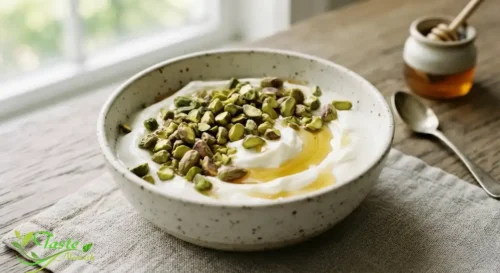
Stirred into plain Greek yogurt with honey for a higher-protein breakfast or snack.
Mixed into homemade energy bites with oats and nut butter for a post-workout option.
Tossed into grain bowls or salads for texture and a protein boost.
Common Mistakes
Ignoring the shells when counting servings: A cup of in-shell pistachios has far less edible nut than a cup of shelled ones, which throws off protein and calorie estimates.
Assuming flavored varieties are equally healthy: Honey-roasted or chocolate-covered pistachios add sugar without adding meaningfully more protein.
Overeating because they’re “healthy”: Protein and fiber help with fullness, but pistachios are still calorie-dense, and portions matter.
Skipping the sodium check: Salted, roasted pistachios can carry a surprising amount of sodium per serving.
Myths vs Facts
Myth
Fact
Pistachios have more protein than eggs.
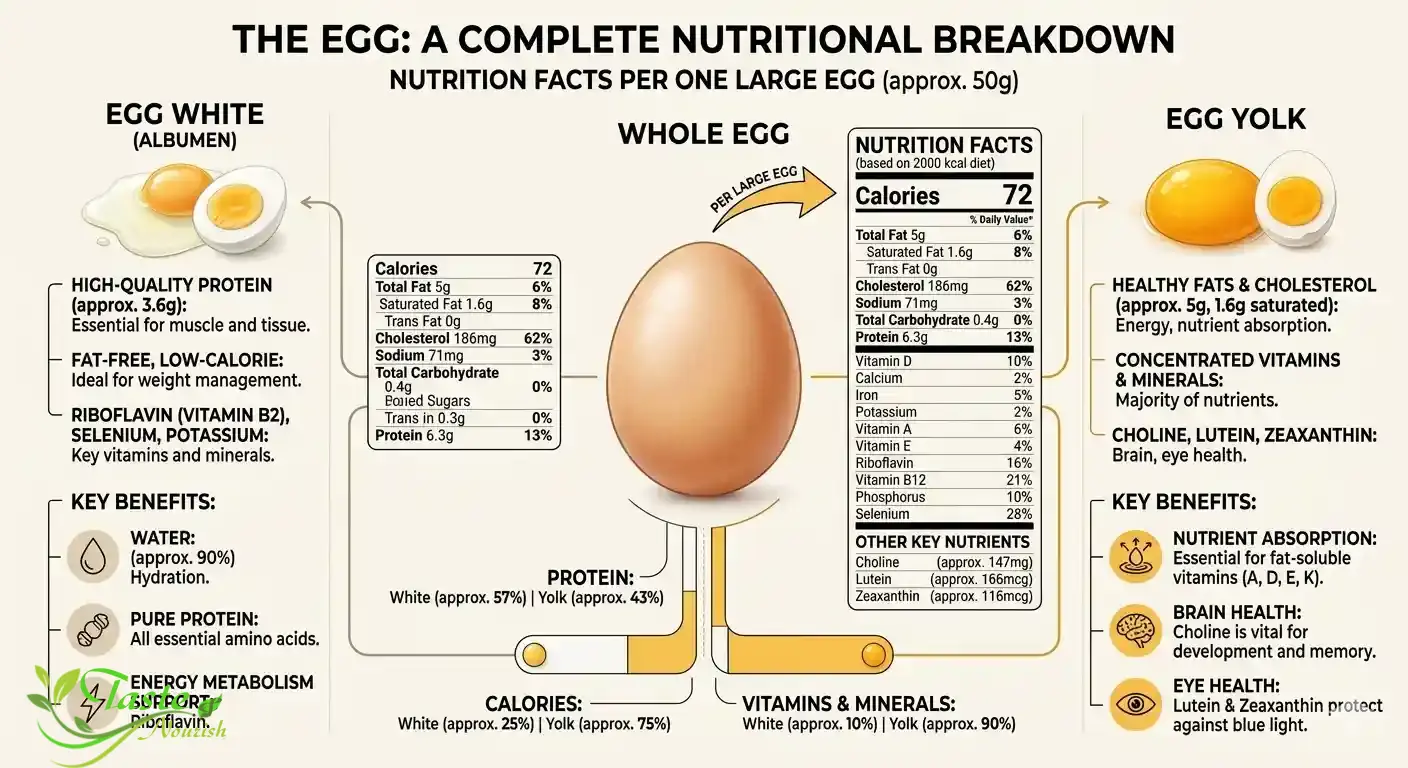
Ounce for ounce, a large egg (about 50g) has roughly 6.3 grams of protein, which is very close to, and slightly above, a same-size serving of pistachios.
Pistachios are a “complete protein” just like meat or eggs.
They contain all nine essential amino acids, but at a lower overall protein density and with a slightly less optimal amino acid balance than most animal proteins.
If you search “pistachios highest protein nut,” the answer is a clear yes.
Pistachios are among the top tree nuts for protein, but almonds and peanuts (technically a legume) typically edge them out by a small margin per ounce.
Roasting destroys the protein in pistachios.
Roasting doesn’t meaningfully reduce total protein content; research suggests it may cause a modest dip in digestibility, not a loss of protein itself.
Protein in Pistachios vs Other Nuts
So, are pistachios really the highest protein nut? Not quite, but they’re close. Here’s how a one-ounce serving compares to other popular nuts, using standard USDA-based values.
Nut (1 oz / 28g)
Protein
Calories
Peanuts (technically a legume)
~7.3g
~166
Almonds
~6.0g
~164
Pistachios
~5.7g
~159
Cashews
~5.2g
~157
Walnuts
~4.3g
~185
Pecans
~2.6g
~196
Among true tree nuts, pistachios sit just behind almonds. But because they’re also relatively low in calories per ounce compared to most other nuts, pistachios offer one of the better protein-to-calorie ratios of any nut you can buy.
Protein in Pistachios FAQs
How much protein in pistachios is in one ounce?
About 5.7 grams, which works out to roughly 49 kernels or a small handful.
Are pistachios a complete protein?
They contain all nine essential amino acids, and digestibility research has scored pistachio protein reasonably high, but they’re generally not considered nutritionally equivalent to complete animal proteins like eggs or meat.
Do pistachios have more protein than almonds?
No. Almonds typically edge out pistachios slightly, with about 6 grams of protein per ounce compared to pistachios’ 5.7 grams.
Can pistachios help you build muscle?
They can contribute to your overall daily protein intake, which supports muscle maintenance and repair, but they shouldn’t be relied on as a primary protein source for muscle building goals.
Are pistachios good for weight management?
Their combination of protein, fiber, and healthy fat may help with fullness, and some research links regular nut consumption to healthy weight patterns, though portion control still matters given their calorie density.
Conclusion
The protein in pistachios is one of the better arguments for keeping a bag in your pantry. At around 5.7 grams per ounce, they’re not quite the single highest-protein nut on the shelf, but they land near the top of the list while staying relatively light on calories. Pair them with other protein sources throughout the day, watch your portions, and they can be a genuinely useful part of a balanced diet.
Hanan Abo Samra is the founder of Taste & Nourish, sharing trustworthy nutrition guidance and recipes drawn from 20+ years of hands-on cooking experience. When she's not developing new recipes, Hanan is researching the science behind everyday ingredients to bring readers practical, evidence-based guidance for a healthier lifestyle.