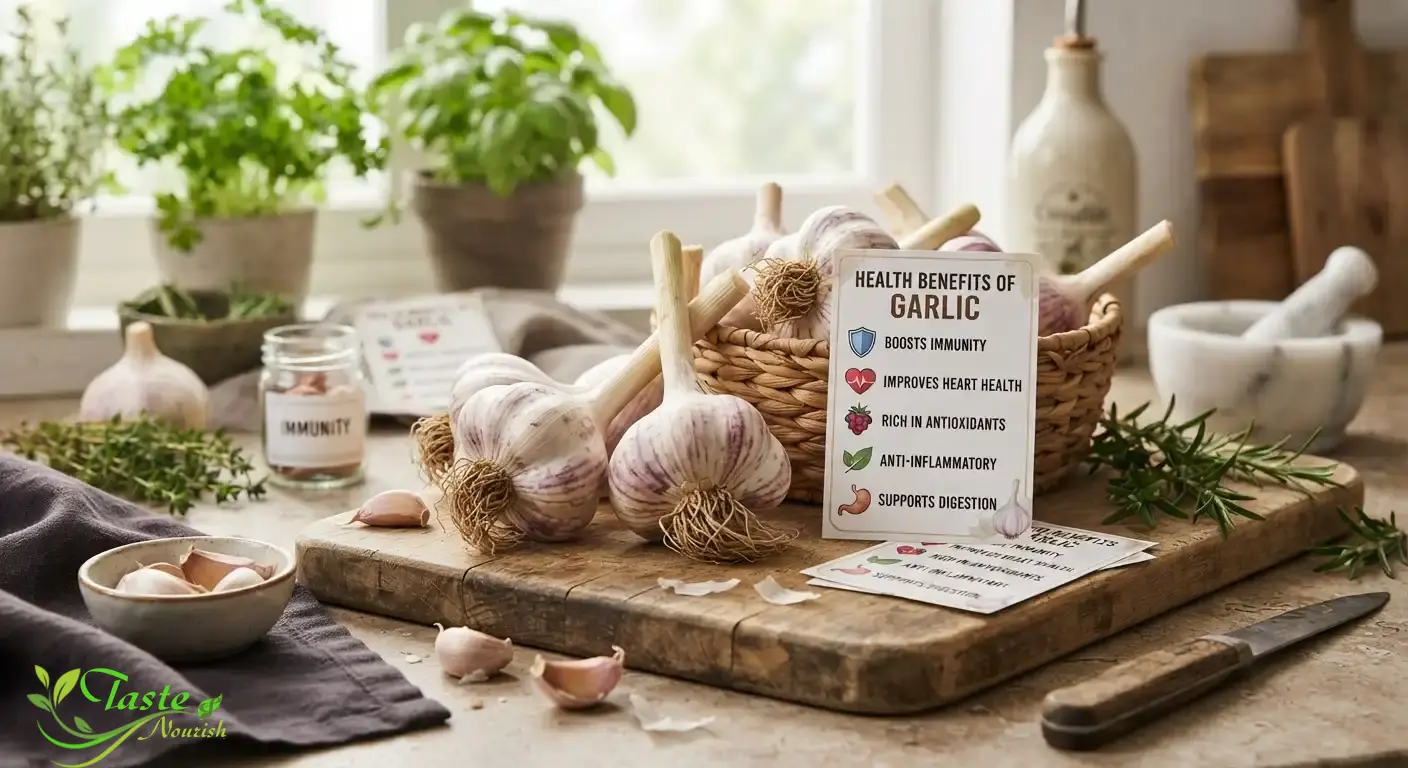
Benefits of Garlic — Garlic sits in almost every kitchen on earth, yet most of us barely think about it beyond tossing a clove into the pan. That’s a shame, because this small bulb carries a research history stretching back to Hippocrates, who reportedly prescribed it for a range of ailments long before anyone understood why it worked. Modern science has since caught up with tradition, confirming that garlic’s sulfur compounds genuinely interact with your cardiovascular system, immune response, and metabolism.
This guide breaks down what garlic actually does for your body, what it can’t do, and how to use it in a way that gets you the most benefit. You’ll find the nutrition numbers, the science behind the headlines, common myths worth retiring, and practical buying and cooking tips. No hype, no miracle claims — just what the evidence supports.
What Is Garlic, Exactly?
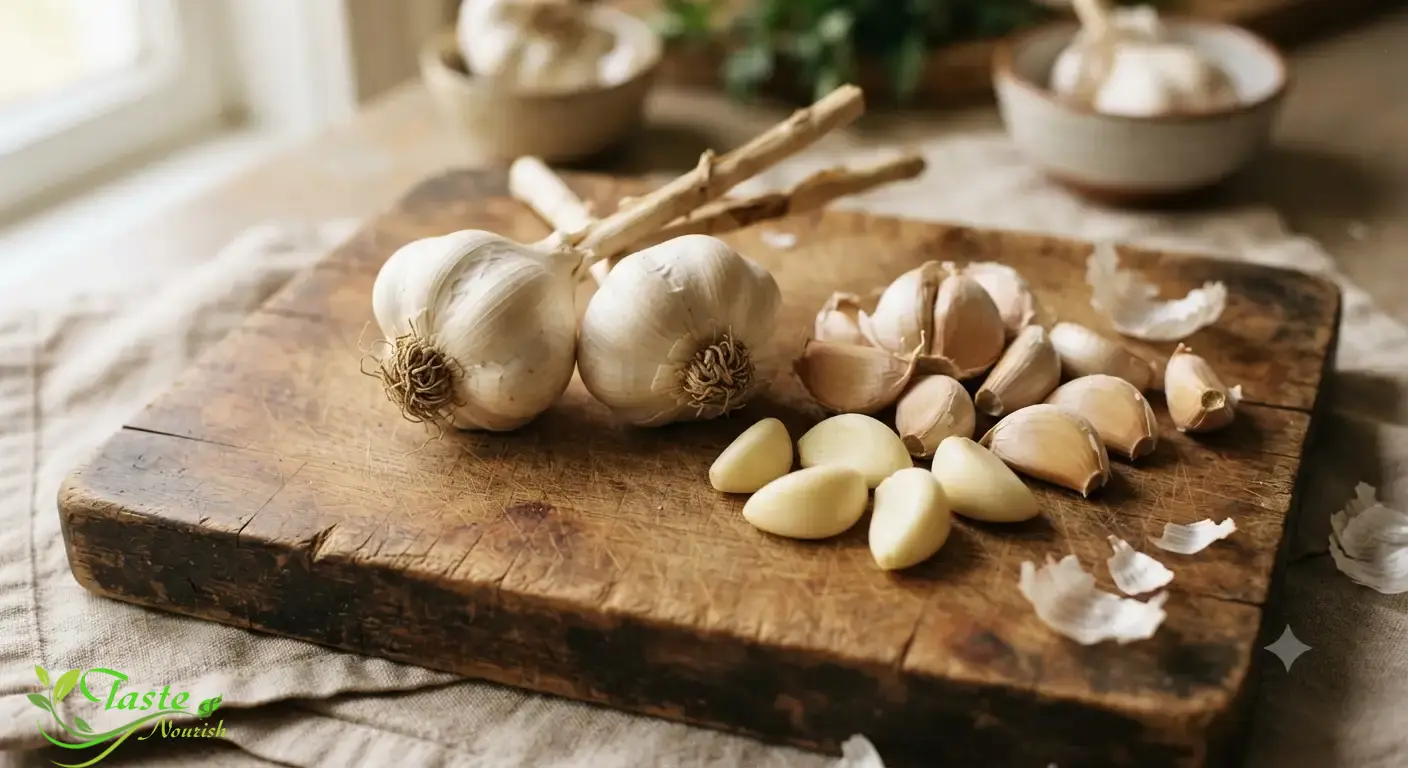
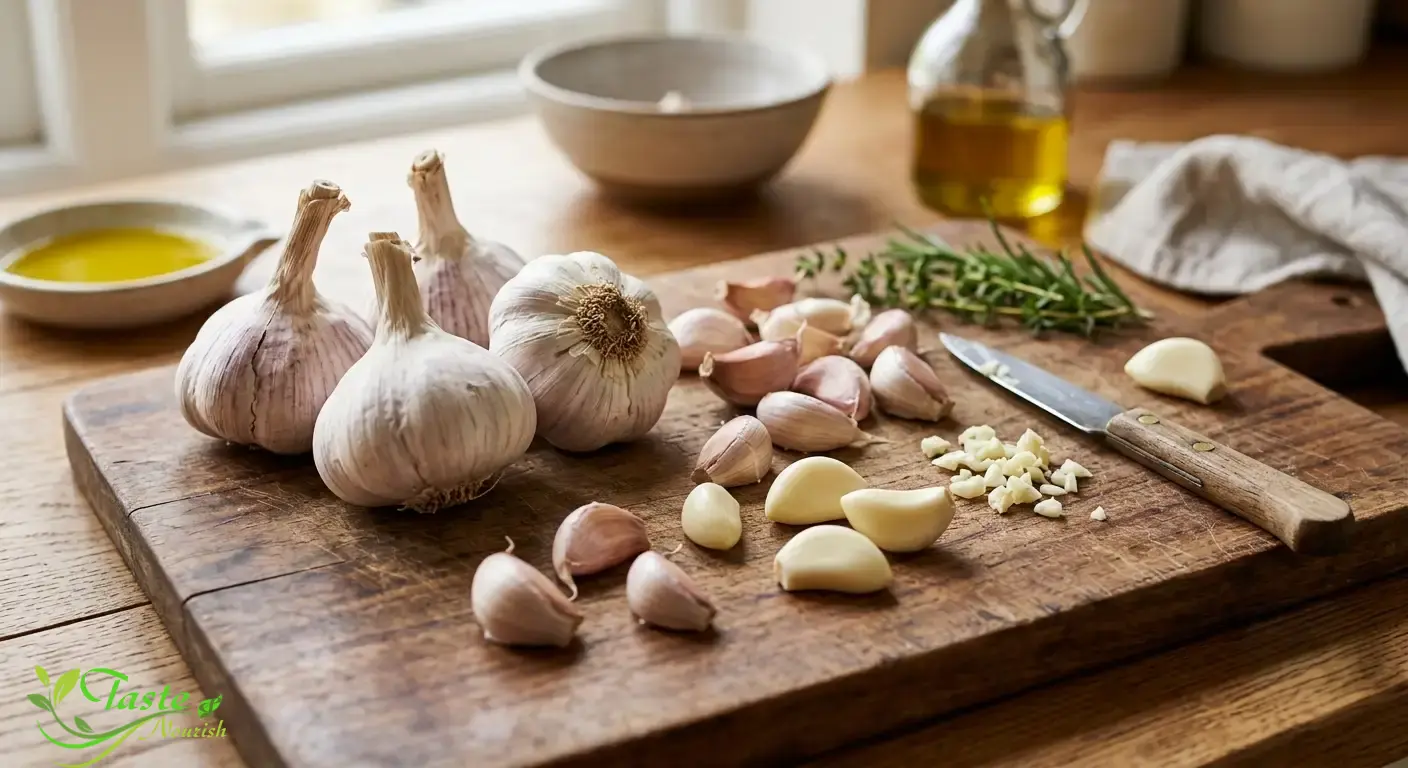
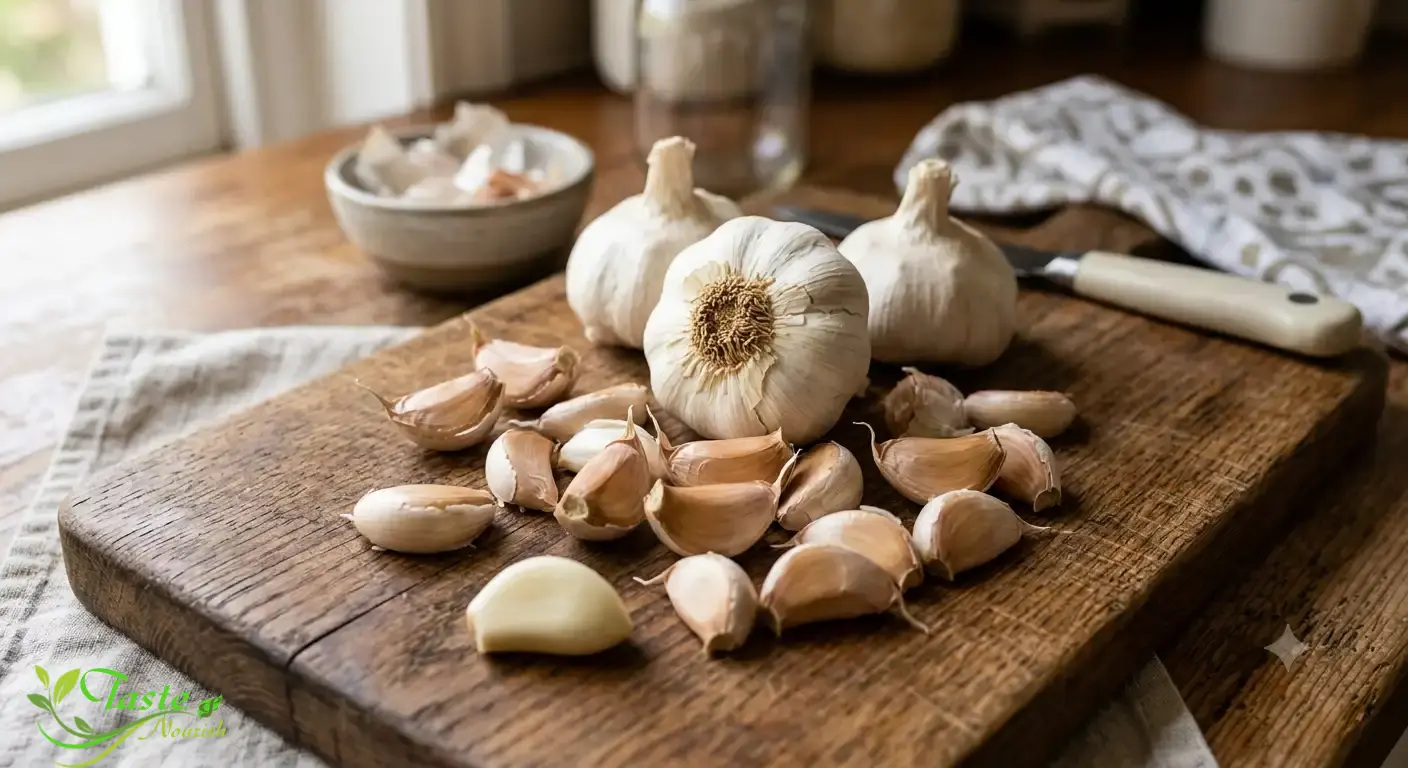
Garlic (Allium sativum) is a bulb vegetable in the same botanical family as onions, leeks, and shallots. Each bulb is made up of individual cloves wrapped in a papery skin, and each clove packs a concentrated dose of flavor and plant compounds into a tiny package. It’s grown on nearly every continent, which says a lot about how adaptable — and how universally valued — this plant has become.
You’ll typically buy it fresh as whole bulbs, though it also comes minced in jars, dried and granulated, powdered, or fermented into black garlic. Each form behaves a little differently in the kitchen and in your body, something worth keeping in mind if you’re cooking for health benefits rather than convenience alone.
Origin and Culinary History
Garlic is believed to have originated in Central Asia before spreading along ancient trade routes into the Mediterranean, the Middle East, and eventually every corner of the globe. Egyptian laborers reportedly received garlic rations to maintain strength and stamina, and ancient Chinese and Indian medical texts referenced it for circulation and digestion long before “cardiovascular health” was a phrase anyone used.
By the time it reached European and Asian kitchens, garlic had become inseparable from regional identity — think French aioli, Italian soffritto, Korean banchan, or Middle Eastern toum. That culinary staying power isn’t an accident. Few ingredients transform a dish as dramatically with as little effort, which is part of why it earned a permanent seat at tables everywhere.
Taste and Aroma Profile
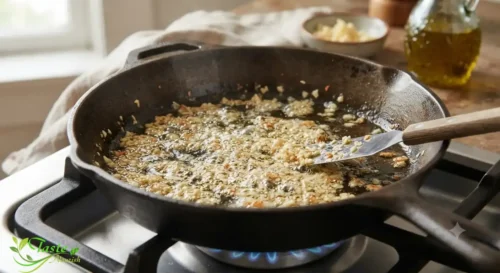
Raw garlic hits you with a sharp, pungent bite that mellows dramatically once it meets heat. Roasting turns it sweet and almost caramel-like, while a quick sauté in oil gives you a nutty, savory backbone for sauces and stir-fries. That transformation happens because heat breaks down the same sulfur compounds responsible for garlic’s smell and much of its health-supportive activity.
That trade-off — flavor intensity versus bioactive potency — matters more than most home cooks realize. The more you cook garlic, the milder and sweeter it tastes, but the fewer active sulfur compounds survive the process. Keep that in mind if you’re eating it specifically for its health-related properties rather than just for taste.
Garlic Nutrition Facts
Garlic isn’t a significant source of calories or macronutrients, and that’s actually the point. A single clove weighs about 3 grams, which means you’re never getting much volume — but you are getting a concentrated hit of specific vitamins, minerals, and the plant compounds researchers are most interested in.
Key takeaway: At normal serving sizes, garlic won’t move the needle on your daily vitamin or mineral intake. Its value comes almost entirely from sulfur-containing compounds, not from being a vitamin powerhouse — so don’t count on it to replace vegetables in your diet.
Vitamins, Minerals, and Fiber
Per 100 grams, raw garlic contains meaningful amounts of vitamin B6, manganese, and selenium, along with smaller contributions of calcium, potassium, and vitamin C. Vitamin B6 supports normal metabolic and nervous system function, manganese acts as a cofactor for antioxidant enzymes in your cells, and selenium plays a similar antioxidant-supporting role.
The catch is portion size. Because garlic is eaten in cloves rather than cups, you’re realistically consuming a gram or two per serving, not 100 grams. That’s why nutrition scientists are quick to point out that garlic shouldn’t be relied upon as a primary source of any single nutrient — its micronutrient contribution is real but modest at typical intake levels.
Allicin and Other Key Bioactive Compounds
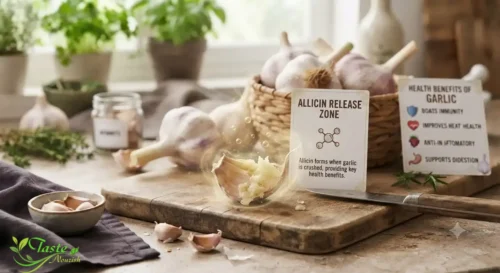
Here’s where garlic gets interesting. Intact garlic cloves contain a compound called alliin, which is completely inactive and odorless. The moment you chop, crush, or chew a clove, an enzyme called alliinase gets released and converts alliin into allicin — the pungent, sulfurous compound responsible for both garlic’s smell and much of its studied physiological activity.
Allicin is unstable and breaks down quickly, especially with heat, which is why preparation technique matters so much. Research published in the Journal of Agricultural and Food Chemistry found that crushing garlic and letting it rest for about 10 minutes before cooking allows peak allicin formation, while sautéing it immediately after crushing can cut allicin content dramatically because heat inactivates the alliinase enzyme before the reaction completes.
Roasting a whole bulb goes even further, largely destroying allicin altogether while producing a different compound, S-allylcysteine, which has its own separate antioxidant properties.
Pro tip: If you want the most allicin from your garlic, chop or crush it and let it sit uncovered for 10 minutes at room temperature before adding it to a hot pan. That short pause lets the enzymatic reaction finish before heat shuts it down.
Top Health Benefits of Garlic, Backed by Research
Garlic has been studied across dozens of human clinical trials, and a comprehensive review of 83 human intervention studies found that garlic consumption modulates multiple biomarkers tied to cardiovascular and metabolic disease, according to a review published via the National Library of Medicine. The effects are generally modest rather than dramatic, and they tend to show up most clearly with consistent, longer-term use rather than a single garlicky meal. Here’s what the research actually supports.
Heart Health and Blood Pressure
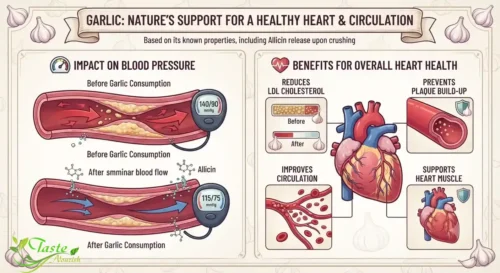
Garlic’s most consistently studied benefit involves the cardiovascular system. According to the (NCCIH), limited evidence suggests garlic supplements may reduce blood pressure to a small extent in people who already have high blood pressure. The proposed mechanism involves allicin-derived compounds supporting nitric oxide release, which helps blood vessels relax.
That said, the NCCIH is careful to note that evidence remains mixed on whether these modest changes actually translate into fewer heart attacks or strokes over time. Garlic may be a helpful piece of a heart-healthy pattern, but it isn’t a standalone treatment for existing hypertension, and it shouldn’t replace prescribed blood pressure medication.
Cholesterol and Blood Lipids
If you’ve heard garlic can lower cholesterol, that claim has real research behind it — with caveats. A meta-analysis and review of 39 randomized controlled trials involving over 2,300 participants found garlic effective at reducing total cholesterol and LDL cholesterol by around 10 percent when taken consistently for more than two months, based on findings summarized by the.
The effect size matters here. That reduction is real but modest compared to what prescription statins typically achieve, and results vary depending on the garlic preparation used, the dose, and how long people stuck with it. Garlic can be a reasonable complementary step for people with mildly elevated cholesterol, but it’s not positioned to replace medication for anyone with significant cardiovascular risk.
Blood Sugar and Metabolic Health
Several meta-analyses point to garlic supplementation producing small reductions in fasting blood glucose, and in some studies, A1C, particularly among adults with type 2 diabetes who use it alongside standard care. The effect appears to stem from garlic’s influence on insulin sensitivity and its broader anti-inflammatory activity, though researchers still consider the evidence preliminary compared to established diabetes treatments.
This one comes with an important caveat: garlic is not a substitute for diabetes medications or medical nutrition therapy. If you’re managing blood sugar, think of garlic as a possible small assist within a larger plan your clinician has helped you build, not a treatment on its own.
Immune Support and the Common Cold
Garlic’s reputation as a natural “immunity booster” runs ahead of the actual evidence. A 2014 Cochrane review examined a single randomized controlled trial of 146 adults who took either a garlic supplement or a placebo for 12 weeks and concluded there wasn’t enough clinical evidence to confirm garlic prevents or treats the common cold, according to the NCCIH which references this same body of research. That single trial did suggest a possible reduction in cold occurrences, but the sample size and study design were too limited to draw firm conclusions.
So does garlic help your immune system at all? Its sulfur compounds do show antimicrobial and antiviral activity in laboratory settings, which explains why the idea persists. Just don’t expect a clove of garlic to stop a cold once symptoms have already started — the research simply doesn’t support that level of confidence yet.
Antioxidant and Anti-Inflammatory Effects
Beyond blood pressure and cholesterol, garlic’s sulfur compounds and flavonoids demonstrate measurable antioxidant activity in laboratory and human studies, helping neutralize the oxidative stress linked to chronic disease development over time. Manganese and selenium, both present in garlic, support the body’s own internal antioxidant enzyme systems as cofactors, adding a secondary layer to garlic’s protective profile.
Population-level studies have also associated higher garlic consumption with a lower incidence of certain cancers, including stomach and colon cancer, though researchers are careful to distinguish this from proof of a direct causal effect. Garlic supplements specifically haven’t been shown to reduce cancer risk the way whole-food consumption patterns have been observed to correlate with it, a distinction worth remembering before reaching for a bottle of pills.
Common Garlic Myths, Debunked
Garlic attracts more folklore than almost any other food, and separating the myths from the evidence matters if you’re making decisions about your health. Here are a few claims worth retiring.
“Garlic supplements prevent heart disease.” According to the NCCIH’s myth-busting review of popular natural products, there’s no solid evidence that garlic supplements actually prevent heart disease, even though evidence on cholesterol and blood pressure effects is mixed but present.
“More garlic always means more benefit.” Higher intake doesn’t scale benefits linearly, and very high doses raise the risk of digestive discomfort, heartburn, and increased bleeding risk without proportionally greater payoff.
“Garlic supplements work the same as fresh garlic.” Preparation method changes the chemistry entirely — aged garlic extract, powder, and raw cloves each deliver different active compounds in different amounts, so they aren’t interchangeable.
“Garlic cures the common cold.” As covered above, the clinical trial evidence here is thin, limited to a single small study, and far from conclusive.
“Garlic is a safe substitute for prescribed medication.” Even when garlic shows a measurable effect on blood pressure or cholesterol, that effect is consistently smaller than what medication delivers, and stopping treatment in favor of garlic alone isn’t supported by the evidence.
Risks, Side Effects, and Who Should Avoid Garlic
For most people eating normal culinary amounts, garlic carries very little risk. Side effects tend to be limited to breath and body odor, mild heartburn, or occasional stomach upset, according to the NCCIH. Concentrated supplement doses are a different story, and that’s where caution becomes genuinely important.
Garlic’s sulfur compounds — particularly ajoene — inhibit platelet aggregation, meaning they interfere with your blood’s ability to clot. This becomes clinically relevant for anyone taking anticoagulant or antiplatelet medications, since combining them with concentrated garlic can increase bleeding risk. Surgeons have specifically flagged this in clinical case reports involving unexpected bleeding complications tied to garlic supplement use before procedures.
Who Should Be Cautious
Why
People on blood thinners (warfarin, apixaban, clopidogrel)
Garlic may compound anticoagulant effects and raise bleeding risk
People taking HIV protease inhibitors (e.g., saquinavir)
Garlic can interfere with how these medications are metabolized, reducing effectiveness
Pregnant or breastfeeding individuals
Garlic in supplement-level amounts (beyond typical food use) hasn’t been well studied for safety
People with acid reflux, GERD, or sensitive digestion
Raw garlic in particular can trigger heartburn and stomach irritation
Pro tip:If you take any medication regularly, talk with your healthcare provider before adding concentrated garlic supplements to your routine — culinary amounts in cooking are a different risk category than standardized extract capsules, and your provider can tell you which applies to your situation.
How to Buy and Store Garlic
Good garlic starts at the grocery store, and a few quick checks make a real difference in flavor and shelf life. Look for firm, tight bulbs with dry, papery skin and no visible sprouting, soft spots, or green shoots poking through — sprouting is a sign the clove is past its prime and turning bitter. Heavier bulbs relative to their size usually mean the cloves inside are plump rather than shriveled.
Pre-peeled garlic sitting in water or oil at the store might look convenient, but it’s worth skipping for both freshness and safety reasons. Garlic stored in oil at room temperature creates a low-oxygen environment where Clostridium botulinum, the bacteria responsible for botulism, can potentially grow. If you make your own garlic-infused oil, keep it refrigerated and use it within about a week.
For storage, whole bulbs do best in a cool, dry, dark spot with good air circulation — a mesh bag in the pantry works well and can keep garlic fresh for three to five months. Once you break a bulb apart, individual cloves lose freshness faster, so try to peel only what you plan to use within a few days. Refrigeration is fine for peeled or chopped garlic, but only for short-term storage of a few days, since moisture speeds up spoilage.
Cooking With Garlic to Maximize Its Benefits
Garlic earns its place in virtually every cuisine because it works in almost any cooking method — minced into a marinade, smashed for a quick pan sauce, roasted whole until spreadable, or shaved raw over a finished dish for a sharp final note. Each method changes both the flavor and the chemistry, so choosing your technique based on your goal (flavor versus bioactive content) actually matters.
If preserving allicin is your priority, mince or crush your garlic and let it rest for 10 minutes before it hits any heat, then add it toward the end of cooking rather than at the start. If a milder, sweeter flavor is what you’re after, roasting whole cloves or sautéing gently over lower heat gets you there, even though it sacrifices most of the allicin along the way. Neither approach is “wrong” — they just serve different purposes.
A few practical uses worth keeping in your back pocket: whisk raw, minced garlic into vinaigrettes and dressings where it never meets heat at all; stir it into soups and stews during the final few minutes of cooking; or blend roasted cloves into a spread for bread, hummus, or mashed potatoes for a mellow, caramelized depth. Garlic powder, meanwhile, works well in dry rubs and spice blends, though it delivers a different flavor profile and generally less allicin activity than fresh cloves.
How Strong Is the Scientific Evidence, Really?
It’s worth pausing on the quality of garlic research itself, because that context shapes how much weight any single headline deserves. A review of human intervention studies covering 83 clinical trials found that garlic consumption does modulate several disease-related biomarkers, but the same review flagged garlic’s rapid metabolism and generally poor bioavailability as ongoing limitations to its therapeutic use, based on the PMC-hosted analysis.
A broader academic review published in Nutrition Research Reviews similarly found that garlic’s antioxidant, antilipaemic, and antimicrobial actions hold up across multiple lines of research, while also noting that dietary supplementation may help reduce blood pressure and oxidative stress specifically in people who already have hypertension — rather than in the general population.
Taken together, the pattern across the research is consistent: garlic shows real, reproducible physiological effects, but most trials are relatively small, use varying doses and preparations that make comparisons difficult, and run for weeks rather than years. That’s a meaningfully different evidence base than what supports most prescription medications, and it’s why cautious language — “may help,” “is associated with” — is the accurate way to describe what garlic does, rather than firmer claims of prevention or cure.
Conclusion
Garlic earns its reputation honestly. It won’t replace medication, and it isn’t a cure for anything, but the research consistently points to small, real benefits for blood pressure, cholesterol, blood sugar, and antioxidant activity when it’s eaten regularly as part of an already healthy diet. The compounds behind those effects are fragile, so how you prepare your garlic — crushed and rested, added late in cooking, or eaten raw — genuinely changes what you get out of it.
Used sensibly, garlic is a low-cost, low-risk way to add both flavor and a modest health boost to your meals. Just keep an eye on interactions if you take blood thinners or have surgery coming up, and treat garlic as a supporting player in your overall diet rather than a stand-in for medical care.
Benefits of Garlic FAQs
Q1. Is it better to eat garlic raw or cooked?
Raw garlic retains the most allicin, the compound linked to most of garlic’s studied cardiovascular and antimicrobial effects, but it’s also harsher on digestion and breath. Lightly cooked garlic — crushed, rested for 10 minutes, then added toward the end of cooking — offers a reasonable middle ground between flavor, digestibility, and retained bioactivity.
Q2. How much garlic should I eat per day for health benefits?
Most research associating garlic with blood pressure, cholesterol, or blood sugar benefits uses the equivalent of about one to two fresh cloves daily, taken consistently over weeks or months. There’s no officially established “optimal dose,” so this figure reflects common study parameters rather than a strict recommendation.
Q3. Can garlic supplements replace blood pressure or cholesterol medication?
No. Even in studies showing a measurable effect, garlic’s impact on blood pressure and cholesterol is modest compared to prescription medication, and stopping treatment in favor of garlic alone isn’t supported by current evidence. Talk with your doctor before changing any medication routine.
Q4. Does cooking garlic destroy all of its health benefits?
Cooking reduces but doesn’t eliminate garlic’s beneficial compounds. High heat applied immediately after crushing destroys much of the allicin, while gentler methods or a 10-minute rest before cooking help preserve more of it. Roasted garlic loses most allicin but gains a different antioxidant compound, S-allylcysteine.
Q5. Why does garlic cause bad breath, and is there a way to reduce it?
Garlic’s sulfur compounds are absorbed into the bloodstream and released through the lungs, which is why breath mints alone don’t fully solve the problem — it’s coming from inside your body, not just your mouth. Eating raw apple, mint, or parsley alongside garlic, and staying hydrated, can help reduce the intensity, though it won’t eliminate it entirely for several hours.
References
National Center for Complementary and Integrative Health (NCCIH), National Institutes of Health. “Garlic: Usefulness and Safety.” https://www.nccih.nih.gov/health/garlic
Ansary J, Forbes-Hernández TY, Gil E, et al. “Potential Health Benefit of Garlic Based on Human Intervention Studies: A Brief Overview.” National Library of Medicine, PubMed Central. https://pmc.ncbi.nlm.nih.gov/articles/PMC7402177/
Rana SV, Pal R, Vaiphei K, Sharma SK, Ola RP. “Garlic in Health and Disease.” Nutrition Research Reviews, Cambridge University Press.
This guide is for informational purposes only and should not replace professional medical or nutritional advice. Always consult with healthcare providers regarding specific dietary needs and health conditions.
Hanan Abo Samra is the founder of Taste & Nourish, sharing trustworthy nutrition guidance and recipes drawn from 20+ years of hands-on cooking experience. When she's not developing new recipes, Hanan is researching the science behind everyday ingredients to bring readers practical, evidence-based guidance for a healthier lifestyle.