Manuka honey has a reputation that precedes it. Wander down any wellness aisle and you’ll spot jars with bold numbers on the label, price tags well above your average honey bear, and promises ranging from “immune support” to “gut healing.” Some of that reputation is earned. Some of it is marketing doing the heavy lifting.
This guide breaks down what manuka honey actually is, what current research supports, where the evidence runs thin, and how to use it sensibly if you decide to add it to your routine.
What Makes Manuka Honey Different From Regular Honey
Not all honey is created equal, and manuka is a good example of why. While most honey is multifloral — meaning bees draw nectar from whatever is blooming nearby — manuka is largely monofloral. That single-source origin is a big part of why it behaves differently from the honey in your pantry.
The Manuka Plant and Its New Zealand Origins
Manuka honey comes from bees that feed primarily on the nectar of the Leptospermum scoparium shrub, a plant native to New Zealand and parts of southeastern Australia. The manuka bush blooms for a short window each year, which limits supply and helps explain the premium price. Because the flowering season is so brief, beekeepers have to time their hives precisely to capture genuine manuka nectar before it’s blended with other wildflower sources.
New Zealand’s government has taken this seriously enough to build an official identification test for exported manuka honey, since the product’s international reputation — and price — depends on authenticity.
Methylglyoxal (MGO) — The Compound Behind the Buzz
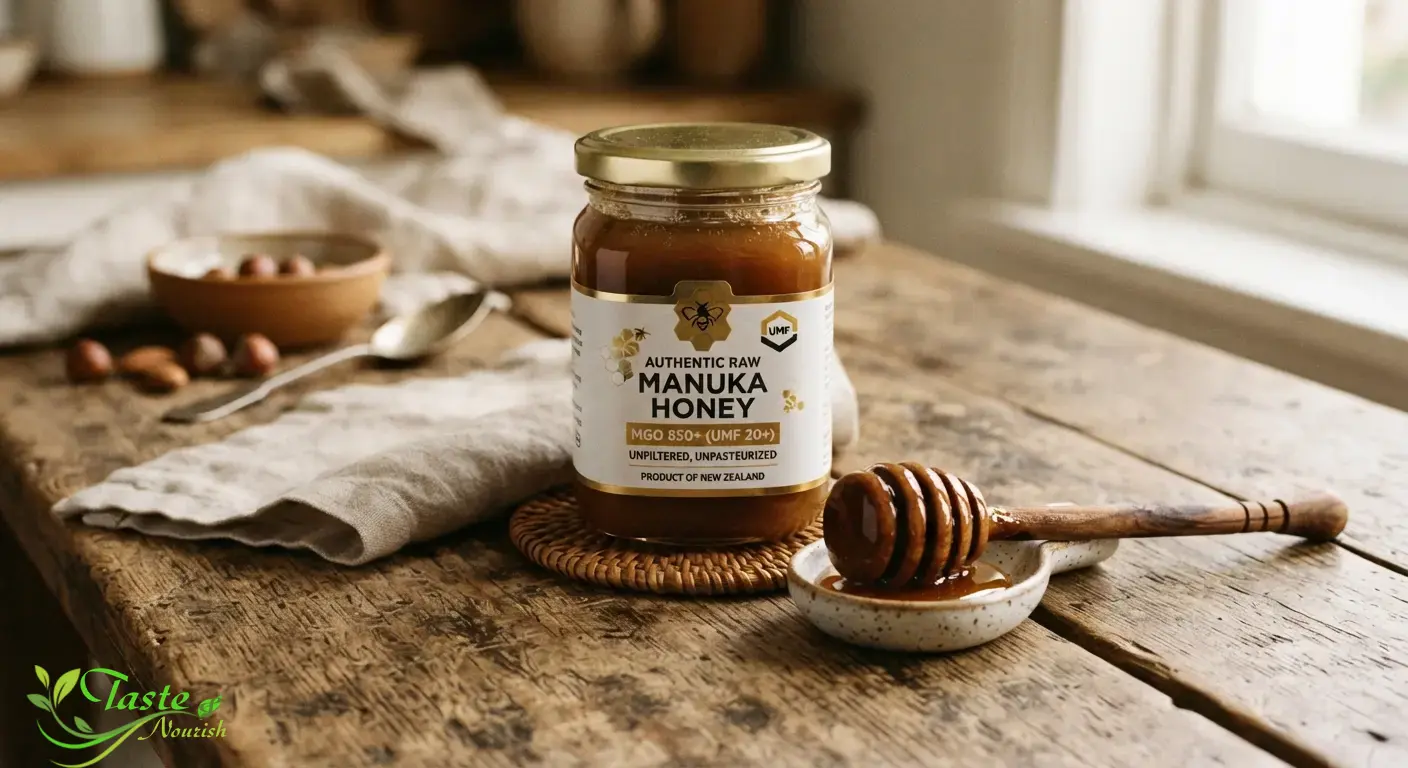
The compound that sets manuka apart is methylglyoxal, or MGO. Regular honey gets most of its antibacterial activity from hydrogen peroxide, which breaks down relatively quickly. Manuka honey’s antibacterial activity instead comes largely from MGO, a compound that remains stable over time and doesn’t rely on peroxide at all. This is sometimes called “non-peroxide activity,” and it’s the reason manuka honey can retain its potency even after exposure to light, heat, or the enzyme catalase (which neutralizes peroxide-based activity in other honeys).
MGO starts as a related compound called dihydroxyacetone (DHA), found in high concentrations in manuka nectar, which gradually converts into MGO as the honey matures. That’s why a jar of manuka honey can actually become more potent for a period after harvest, not less.
Key takeaway: Manuka honey isn’t magic — it’s chemistry. Its unique nectar source creates unusually high, stable levels of a specific antibacterial compound that ordinary honey simply doesn’t have in comparable amounts.
Understanding Manuka Honey Grading (UMF vs. MGO)
If you’ve shopped for manuka honey, you’ve likely seen labels reading “UMF 10+” or “MGO 400+” and wondered what any of it means. There are two main systems in wide use, and they measure related but distinct things.
MGO grading is the more straightforward of the two — it simply states the tested concentration of methylglyoxal in milligrams per kilogram of honey. UMF, short for Unique Manuka Factor, is a broader certification system that tests for MGO alongside two other markers: leptosperin (a compound unique to manuka nectar that confirms authenticity) and DHA (which indicates how much MGO potential remains as the honey ages). A UMF rating also checks hydroxymethylfurfural (HMF) levels, which flag whether the honey has been overheated or stored too long.
Considered a therapeutic-grade threshold by many producers
UMF 20+
Around 830 mg/kg
Higher-potency, often used for targeted short-term use
UMF 25+
1000+ mg/kg
Rare, premium grade
Pro tip: A high price tag doesn’t guarantee a high grade. Always check for an actual UMF or MGO number printed on the label, and where possible, verify the brand against the licensing body’s member list rather than trusting marketing copy alone.
Evidence-Based Benefits of Manuka Honey
This is where it’s worth separating solid clinical evidence from early-stage lab findings that haven’t yet been confirmed in people. Manuka honey has a genuinely interesting research profile — it’s just not a cure-all, and cautious framing matters here.
Wound and Burn Healing
This is manuka honey’s best-established use. Research on manuka honey’s antioxidant and antibacterial properties notes that clinical studies demonstrate benefits for treating acute wounds such as burns, though the same research cautions that high MGO concentrations may not be appropriate — and could even be counterproductive — for diabetic ulcers specifically. Medical-grade manuka honey, which is sterilized and manufactured specifically as a wound dressing, is what’s typically used in clinical settings — not the raw honey sitting in your kitchen cabinet.
A broader review of manuka honey’s role in tissue regeneration found that its non-peroxide bacteriostatic activity, tied to MGO, appears to support wound healing and epithelial regeneration, while also noting that researchers still need more detailed data on exactly how its various compounds work before drawing firm conclusions about efficacy across different conditions.
Oral Health and Gum Support
Manuka honey’s antibacterial properties have drawn interest for dental applications, with some research suggesting it may help reduce dental plaque buildup and ease symptoms associated with gingivitis. The theory is straightforward: if MGO can suppress harmful oral bacteria, it may support gum health as a complementary measure. That said, this shouldn’t replace brushing, flossing, or regular dental checkups — think of it as a possible add-on, not a substitute.
Soothing Sore Throats and Coughs
This is one of the more commonly reported home uses, and it lines up with what’s known about honey generally. Manuka honey’s combined antibacterial and anti-inflammatory properties are thought to help calm throat irritation and may help suppress coughing, similar to the mechanism behind honey’s long-documented use as a home remedy for upper respiratory discomfort. A spoonful in warm water or tea is a low-risk way to test whether it helps you personally — just remember this applies to older children and adults only, never infants.
Digestive Comfort, Including GERD
Emerging clinical research has started to examine manuka honey’s role in gastroesophageal reflux disease. One published clinical study looked specifically at using manuka honey as part of treatment for GERD patients, reflecting growing interest in honey’s potential to reduce inflammation of the gastrointestinal mucosa.
Separately, researchers have identified a compound in manuka honey called lepteridine that may inhibit enzymes involved in gut inflammation, and a feasibility trial is currently examining whether lepteridine-standardized manuka honey could ease symptoms of functional dyspepsia.
It’s worth being clear-eyed here: this research is still preliminary, and manuka honey should be viewed as a possible complementary approach discussed with a doctor — not a replacement for prescribed GERD or reflux treatment.
Skin Health and Inflammation
Manuka honey shows up constantly in skincare formulations, and there’s a reasonable mechanism behind it. Like other honeys, it’s naturally humectant, meaning it draws and holds moisture at the skin’s surface, and its emollient qualities can help smooth rough or dry patches. Some newer research has explored whether manuka honey can influence the aryl hydrocarbon receptor pathway in skin cells, a mechanism tied to calming certain inflammatory responses, with early interest in whether this could help conditions like eczema or rosacea when used carefully. It’s an active area of research rather than a settled conclusion, and standard high-quality honey may offer comparable basic hydrating and antioxidant benefits for skin at a fraction of the cost.
Antioxidant Activity and Emerging Cancer Research
Manuka honey contains a range of phenolic compounds and flavonoids associated with antioxidant activity, and studies measuring plasma antioxidant capacity after honey consumption have found measurable increases in some volunteers.
Separately, early-stage laboratory research out of UCLA Health found that manuka honey reduced tumor growth in mouse models of estrogen receptor–positive breast cancer by a notable margin and appeared to enhance the effect of an existing antiestrogen drug used in treatment, without harming normal breast cells in the study.
This kind of preclinical research is genuinely exciting, but it’s a long way from a clinical recommendation — mouse studies frequently don’t translate directly to human treatment outcomes, and no health authority currently recommends manuka honey as a cancer treatment or substitute for prescribed therapy.
Manuka Honey vs. Regular Honey: A Side-by-Side Comparison
Feature
Manuka Honey
Regular (Multifloral) Honey
Nectar source
Primarily Leptospermum scoparium (monofloral)
Mixed wildflower nectar
Primary antibacterial compound
Methylglyoxal (MGO), non-peroxide activity
Hydrogen peroxide (breaks down with heat/light)
Stability of antibacterial activity
Remains stable over time and with heat exposure
Degrades more readily
Grading system
UMF, MGO, or similar certified ratings
Generally ungraded
Typical price
Significantly higher
Lower
Best-supported clinical use
Topical wound/burn care (medical-grade)
General culinary and traditional home use
Availability
Imported, seasonal, limited supply
Widely available, year-round
Potential Risks and Who Should Avoid Manuka Honey
Manuka honey is generally recognized as safe for most healthy adults in normal food-level amounts, but “natural” doesn’t mean “risk-free,” and a few groups need to be more careful.
Infants and Botulism Risk
This is the single most important safety rule around any honey, manuka included: never give honey in any form to a child under 12 months old. Honey can carry spores of Clostridium botulinum, and while these spores are harmless to older children and adults with mature digestive systems, an infant’s immature gut can allow the bacteria to grow and produce a dangerous toxin, resulting in infant botulism. Health authorities are explicit that this includes not just spoonfuls of honey but honey-dipped pacifiers, honey stirred into baked goods, or any other indirect exposure.
♦ If an infant shows symptoms like unusual lethargy, weak crying, poor feeding, or muscle weakness after any possible honey exposure, that’s a medical emergency requiring immediate attention.
Blood Sugar and Allergy Considerations
Manuka honey is still sugar, roughly comparable in carbohydrate content to other honeys, so people managing diabetes or watching blood sugar closely should treat it the same way they would any concentrated sweetener — in moderation, and ideally with guidance from a healthcare provider. People with pollen or bee product allergies should also be cautious, since manuka honey can trigger allergic reactions in sensitive individuals.
♦ Anyone currently using manuka honey topically on a wound, especially a diabetic ulcer, should do so under medical supervision rather than as a DIY treatment, given the mixed research on high-MGO honey and certain wound types.
How to Buy and Store Manuka Honey
Look for a certified rating — UMF or a clearly stated MGO number — printed directly on the label rather than vague terms like “active” or “bio-active” with no accompanying figure. Genuine manuka honey should indicate New Zealand or, less commonly, Australian origin, and reputable brands make it easy to verify their certification through the relevant licensing association.
Store manuka honey the way you’d store any raw honey: at room temperature, tightly sealed, and away from direct sunlight or heat sources, which can degrade its beneficial compounds over time. Unlike some foods, honey doesn’t need refrigeration and has an extremely long shelf life when stored properly, though crystallization is normal and doesn’t indicate spoilage.
Common Myths About Manuka Honey
A few claims circulate widely enough that they deserve a direct answer:
“Manuka honey cures infections on its own.” It may support wound care as a complementary measure, particularly in medical-grade topical formulations, but it isn’t a replacement for antibiotics or medical treatment of active infections.
“Higher UMF always means better for your purposes.” Higher grades mean higher MGO concentration, but that’s not automatically “better” for general wellness use — and unnecessarily high-potency honey costs more without added benefit for everyday use.
“It significantly lowers cholesterol or reverses aging.” Fact-checking of these claims has found they’re largely unsupported or based on limited lab studies that haven’t been confirmed in real-world clinical settings.
“Any honey labeled manuka is genuine.” Because of its price premium, manuka honey has historically been a target for mislabeling, which is exactly why certification systems like UMF exist.
How to Add Manuka Honey to Your Routine
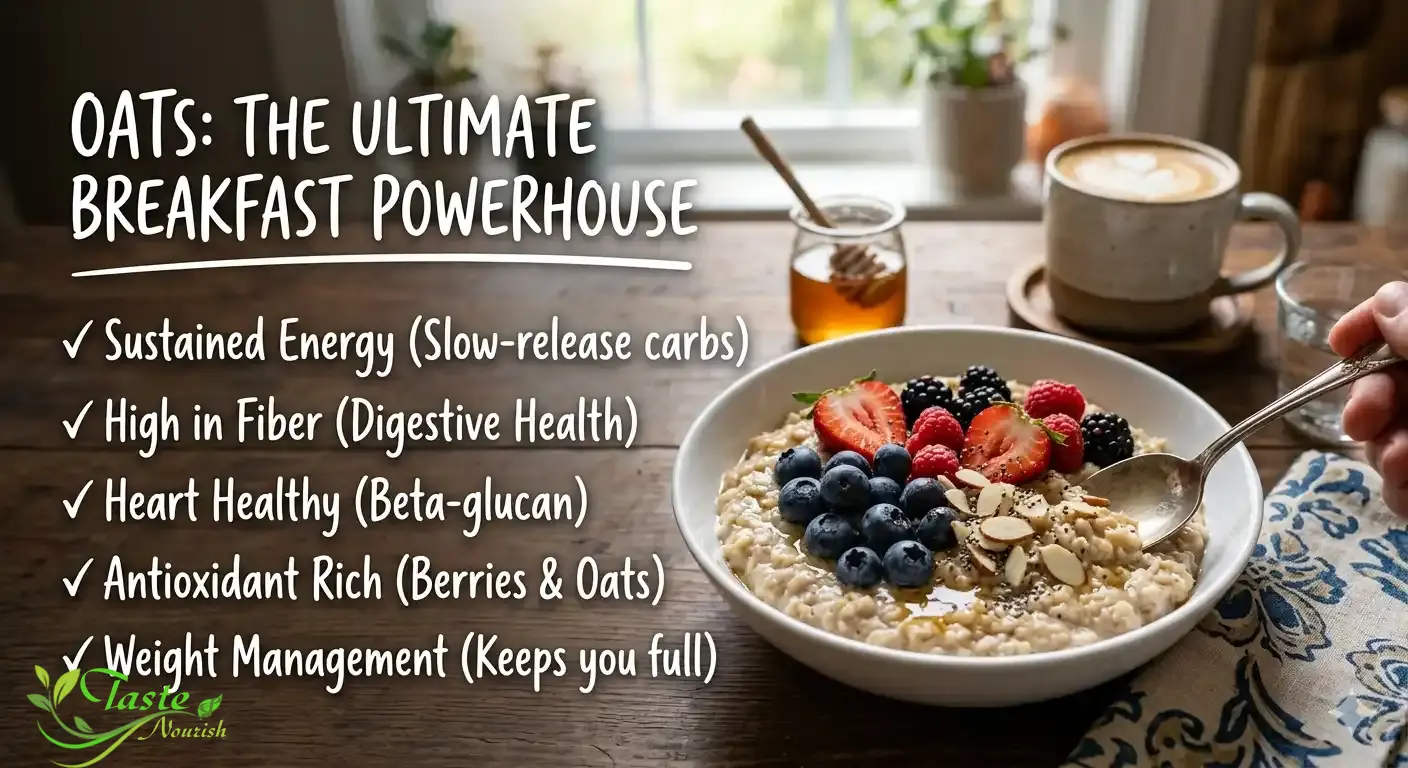
If you want to try manuka honey, simplicity works best. A spoonful stirred into warm (not boiling, which can degrade beneficial compounds) tea or water is a common way to use it for throat comfort. Some people prefer taking a small amount directly off a spoon in the morning as part of a wellness routine, while others use it as a natural sweetener in yogurt or oatmeal. For topical use on minor skin concerns, a thin layer applied briefly and rinsed off is typically how people patch-test it, though anyone with sensitive skin should do a small test patch first.
♦ If you’re exploring manuka honey for a specific health condition rather than general wellness, loop in your doctor, particularly if you’re managing diabetes, an autoimmune condition, or an open wound.
Related reading from our honey series: if you’re weighing manuka against other natural sweeteners, see our comparisons of honey vs. maple syrup and honey’s role in daily energy support — both are useful companion reads if you’re building out a broader honey routine.
Conclusion
Manuka honey earns some of its reputation honestly. Its uniquely stable antibacterial compound, MGO, sets it apart chemically from ordinary honey, and it has real, if narrow, clinical support for topical wound care in medical-grade forms. Beyond that, much of what’s circulating about manuka honey — digestive support, skin benefits, antioxidant effects — sits in the “promising but preliminary” category rather than settled science. Used sensibly, as a food and a possible complementary wellness tool rather than a medical treatment, manuka honey can be a reasonable addition to a health-conscious routine. Just keep it away from infants, check the label before you buy, and treat bold marketing claims with a healthy dose of skepticism.
Manuka Honey Benefits FAQs
Q1. Is manuka honey actually better than regular honey?
It depends on your goal. Manuka honey’s MGO content gives it more stable antibacterial activity, which matters for topical wound use, but for everyday cooking or sweetening, regular honey offers similar basic nutritional value at a much lower cost.
Q2. What UMF or MGO rating should I buy for general wellness?
Many people start around UMF 10+ or MGO 260+ for everyday use, reserving higher grades like UMF 20+ for more targeted, short-term purposes. There’s no universal “best” number — it depends on intended use and budget.
Q3. Can manuka honey help with acid reflux or GERD?
Some early clinical research has explored this use, and honey in general is associated with soothing effects on the digestive tract, but it shouldn’t replace prescribed reflux medication. Talk to your doctor before using it as a GERD management strategy.
Q4. Is it safe to give manuka honey to children?
Never give any honey, manuka included, to children under 12 months old due to infant botulism risk. For children over one year old without allergies, small amounts are generally considered safe as part of a normal diet.
Q5. Does manuka honey expire?
Properly stored honey has an extremely long shelf life and rarely “expires” in the traditional sense, though its potency (especially MGO activity) can gradually decline if it’s exposed to heat, sunlight, or improper sealing over time.
References
Rybak-Chmielewska, H. et al. The Antioxidant Potential of Commercial Manuka Honey from New Zealand—Biochemical and Cellular Studies. PMC, National Institutes of Health. https://pmc.ncbi.nlm.nih.gov/articles/PMC11275220/
Health Benefits of Manuka Honey as an Essential Constituent for Tissue Regeneration. PubMed, National Institutes of Health. https://pubmed.ncbi.nlm.nih.gov/28901255/
Gośliński, M. et al. Application of Manuka Honey in Treatment of Patients With GERD. National Center for Biotechnology Information, National Institutes of Health. https://www.ncbi.nlm.nih.gov/pmc/articles/PMC10804081/
Hanan Abo Samra is the founder of Taste & Nourish, sharing trustworthy nutrition guidance and recipes drawn from 20+ years of hands-on cooking experience. When she's not developing new recipes, Hanan is researching the science behind everyday ingredients to bring readers practical, evidence-based guidance for a healthier lifestyle.