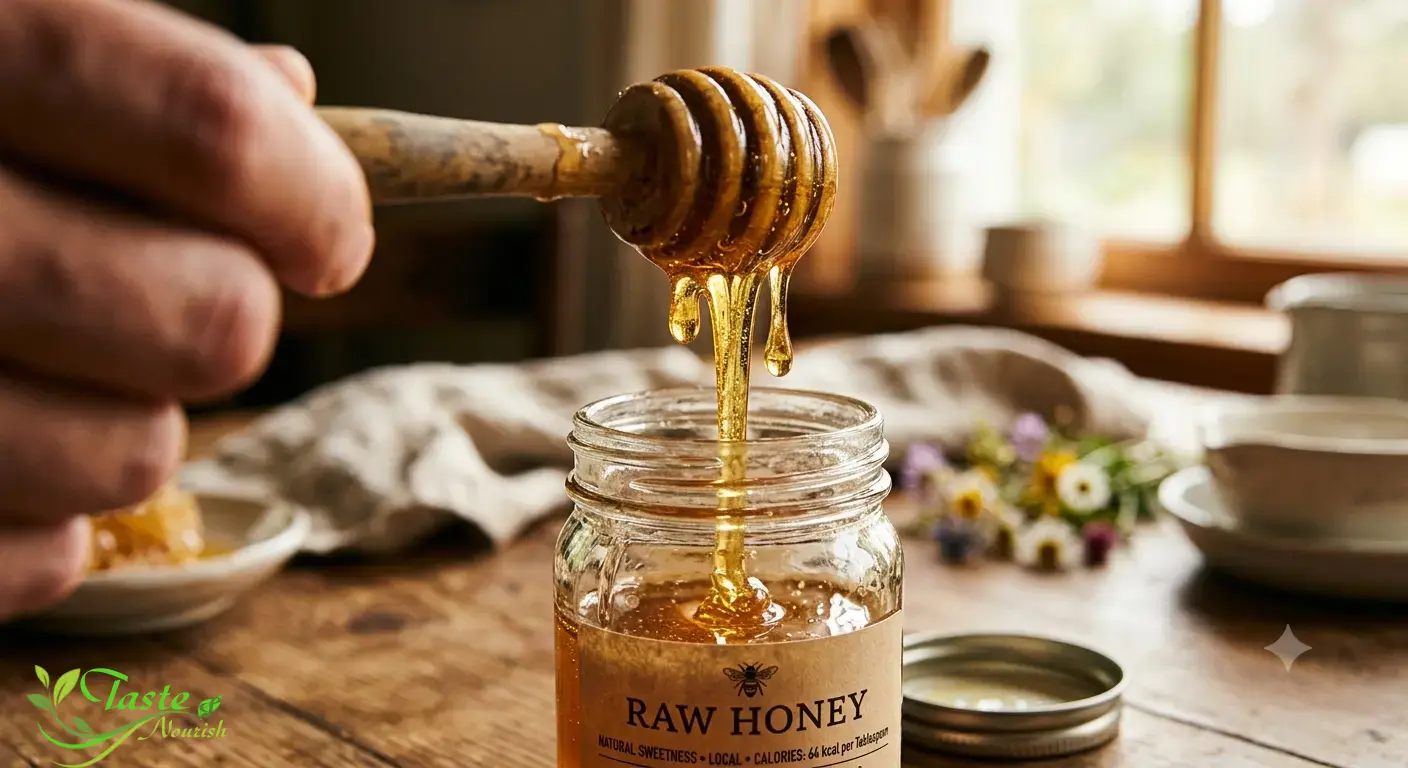
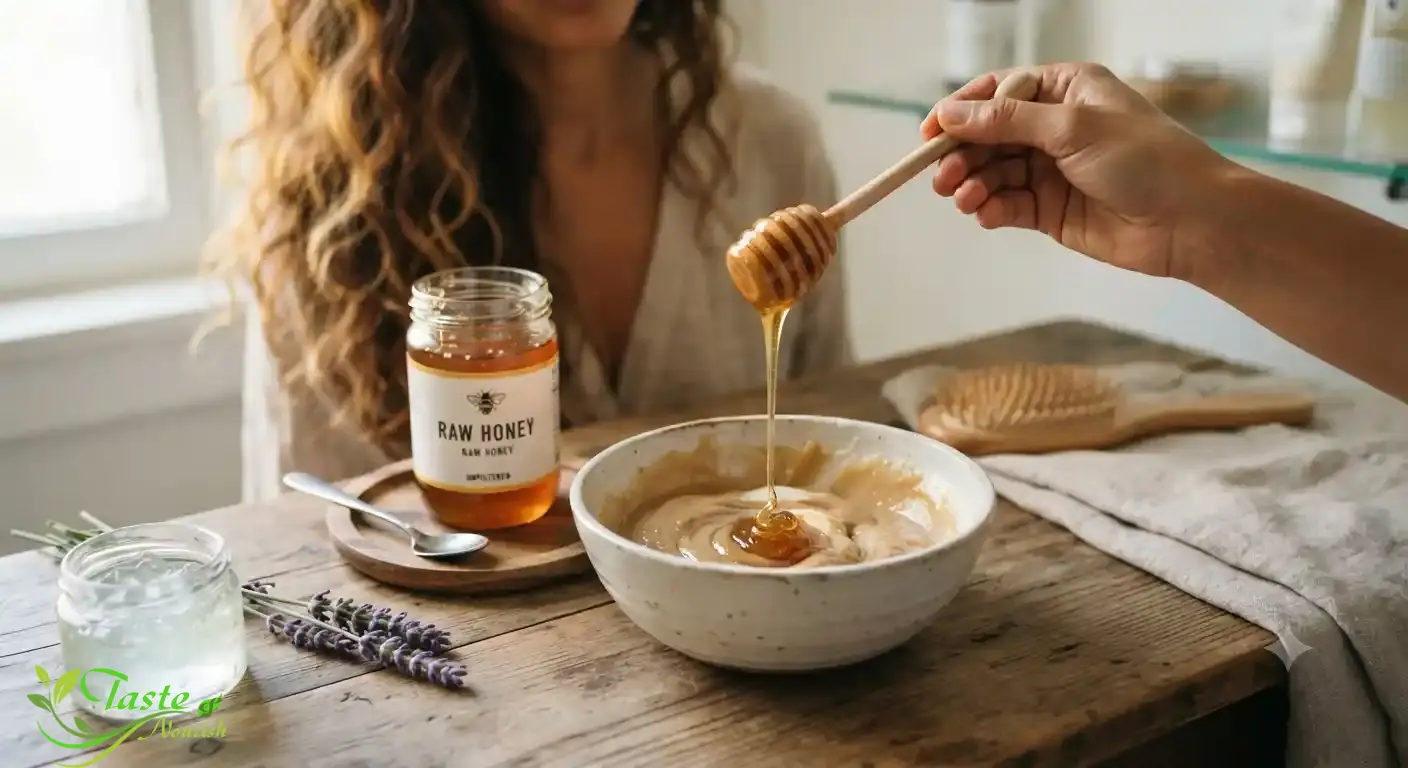
Honey for Lips — Your lips have no oil glands of their own, which means they dry out faster than almost any other part of your face. So it’s no surprise that honey, one of the oldest skin remedies around, keeps showing up in home lip care routines. But does it actually hold up beyond folklore?
This guide walks through what honey can realistically do for chapped, dry, or tired-looking lips, what the research actually supports, and where the evidence runs thin. We’ll also cover safe ways to use it, who should skip it, and the myths worth retiring for good.
Key Takeaways
Honey is a natural humectant, meaning it may help draw moisture to the skin’s surface and support hydration.
Research on honey’s antibacterial and wound-supportive properties is fairly strong, though most studies focus on wounds and general skin, not lips specifically.
Raw honey should never be given to children under 1 year old, including on pacifiers or near the mouth, because of the risk of infant botulism.
Honey works best as a short-term mask or occasional scrub ingredient, not as a stand-alone daily lip balm replacement.
Before reaching for any remedy, it helps to understand why lips chap so easily. Unlike the rest of your facial skin, your lips have no sebaceous (oil) glands and a much thinner outer layer, so they lose moisture quickly and can’t replenish it on their own.
Cold, dry air, wind, and low humidity pull moisture out of the thin skin on your lips faster than your body can restore it. Sun exposure adds to the damage, since the skin covering your lips is thin and contains little melanin for natural protection.
Habits play a role too. Frequently licking your lips can feel soothing in the moment, but saliva evaporates quickly and leaves lips drier than before, a cycle dermatologists call lip-licking dermatitis. Certain lip products can make things worse rather than better.
The American Academy of Dermatology (AAD) notes that many people mistake burning, stinging, or tingling from a lip product as a sign that it’s “working,” when it’s actually a sign of irritation that will only slow healing. A separate clinical review on lip-licking dermatitis published in the journal Pediatric Dermatology and archived on PubMed Central echoes this, recommending fragrance-free, bland lip balms and consistent hydration as the foundation of any lip-care routine.
Nutritional and Chemical Snapshot of Honey
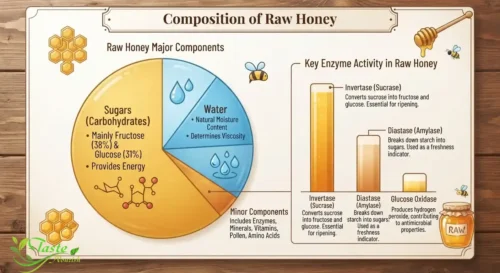
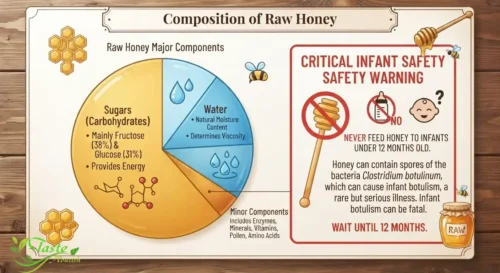
Honey is mostly sugar, but the specific mix of compounds is what gives it its skin-care reputation. A typical sample is roughly 70% reducing sugars (a blend of fructose and glucose), around 17% water, and a small remainder of organic acids, enzymes, amino acids, and trace minerals and antioxidants.
Component
Approximate Share
Relevance to Skin
Fructose & glucose
~65–75%
Hygroscopic sugars that may help draw and hold moisture at the skin’s surface
Water
~15–20%
Keeps honey in a liquid, spreadable state
Organic acids
Small amount
Give honey a naturally low pH (roughly 3.9–4.5), similar to healthy skin
Enzymes (e.g., glucose oxidase)
Trace
Generate small, steady amounts of hydrogen peroxide, linked to antibacterial activity
Antioxidants & trace vitamins
Trace
May help offset oxidative stress on skin, though topical evidence is still developing
Potential Benefits of Honey for Lips
Most of the science behind honey and skin comes from general dermatology and wound-care research rather than studies on lips specifically. Still, the mechanisms involved translate reasonably well to the thin, delicate skin on your mouth. Here’s what the evidence actually supports.
Moisturizing and Humectant Action
Honey’s best-documented skin benefit is its role as a humectant. Because its sugars are so good at attracting water, applying honey to skin may help temporarily boost surface hydration.
A 2024 study published in the peer-reviewed journal Pharmaceuticals and archived on the National Institutes of Health’s PubMed Central database tested hand creams with varying concentrations of honey on 23 volunteers over four weeks. The cream containing 15% honey produced a 29.7% increase in skin hydration, compared to a 10.6% increase for the honey-free placebo cream, and the difference was statistically significant.
That research was conducted on hand skin, not lips, and used a formulated cream rather than raw honey, so the results shouldn’t be read as a guaranteed outcome for your mouth. Even so, it’s a reasonable indicator that honey’s humectant properties are real and measurable, not just a beauty myth.
Pro Tip: Humectants work best when they have moisture to pull from. Apply honey to slightly damp lips rather than bone-dry ones, and follow up with a occlusive balm (like one containing beeswax or petroleum jelly) to help seal that moisture in.
Antibacterial and Skin-Supportive Properties
Honey’s antimicrobial reputation is one of the better-supported claims in natural skin care, largely thanks to decades of wound-care research. A widely cited review in the British Journal of Community Nursing, available through PubMed Central, notes that clinical evidence for honey’s role in fighting microbes and supporting wound healing now spans more than 2,000 patients across published studies, with its effects attributed largely to natural hydrogen peroxide production, high acidity, and its osmotic effect on bacterial cells.
For cracked, slightly broken lip skin, that same antibacterial action is one reason honey is sometimes recommended as a gentle, short-term soothing agent. It’s worth being cautious here, though: none of these studies were conducted on lip tissue specifically, and honey should not be treated as a substitute for medical care if lips are severely cracked, bleeding, or showing signs of infection such as swelling or pus.
Gentle, Natural Exfoliation
Because it’s viscous rather than gritty, honey on its own isn’t much of an exfoliant. Combined with a mildly abrasive ingredient like sugar, though, it becomes a common base for homemade lip scrubs.
Removing flaky, dead skin can make lips look smoother and help balm or lipstick sit more evenly. That said, the AAD specifically warns against over-exfoliating already chapped or cracked lips, since scrubbing broken skin can slow healing rather than speed it up.
Honey vs. Other Common Lip Care Ingredients
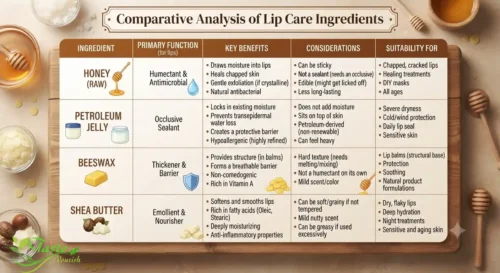
Honey isn’t the only natural option people reach for. Here’s how it compares to a few other lip-care staples.
Ingredient
Primary Action
Texture
Best For
Watch Out For
Honey
Humectant, mild antibacterial
Sticky, thick liquid
Occasional overnight masks, DIY scrubs
Allergy risk; unsafe for infants under 1
Petroleum jelly
Occlusive (seals in moisture)
Thick, non-sticky balm
Daily use, locking in hydration
Doesn’t add moisture on its own
Beeswax
Occlusive, protective barrier
Firm, waxy solid
Lip balm base, wind/cold protection
Possible allergy for those sensitive to bee products
Shea butter
Emollient (softens skin)
Creamy, semi-solid
Softening rough, flaky lips
Tree-nut-adjacent allergy concerns for some
Coconut oil
Emollient, mild occlusive
Light oil to semi-solid
Everyday softening, layering under balm
Can feel greasy; comedogenic for some skin types
In practice, many effective lip balms combine a humectant, an emollient, and an occlusive ingredient. Honey can reasonably fill the humectant role, but it works best alongside something occlusive, rather than as a full replacement for daily lip balm.
How to Use Honey on Your Lips Safely
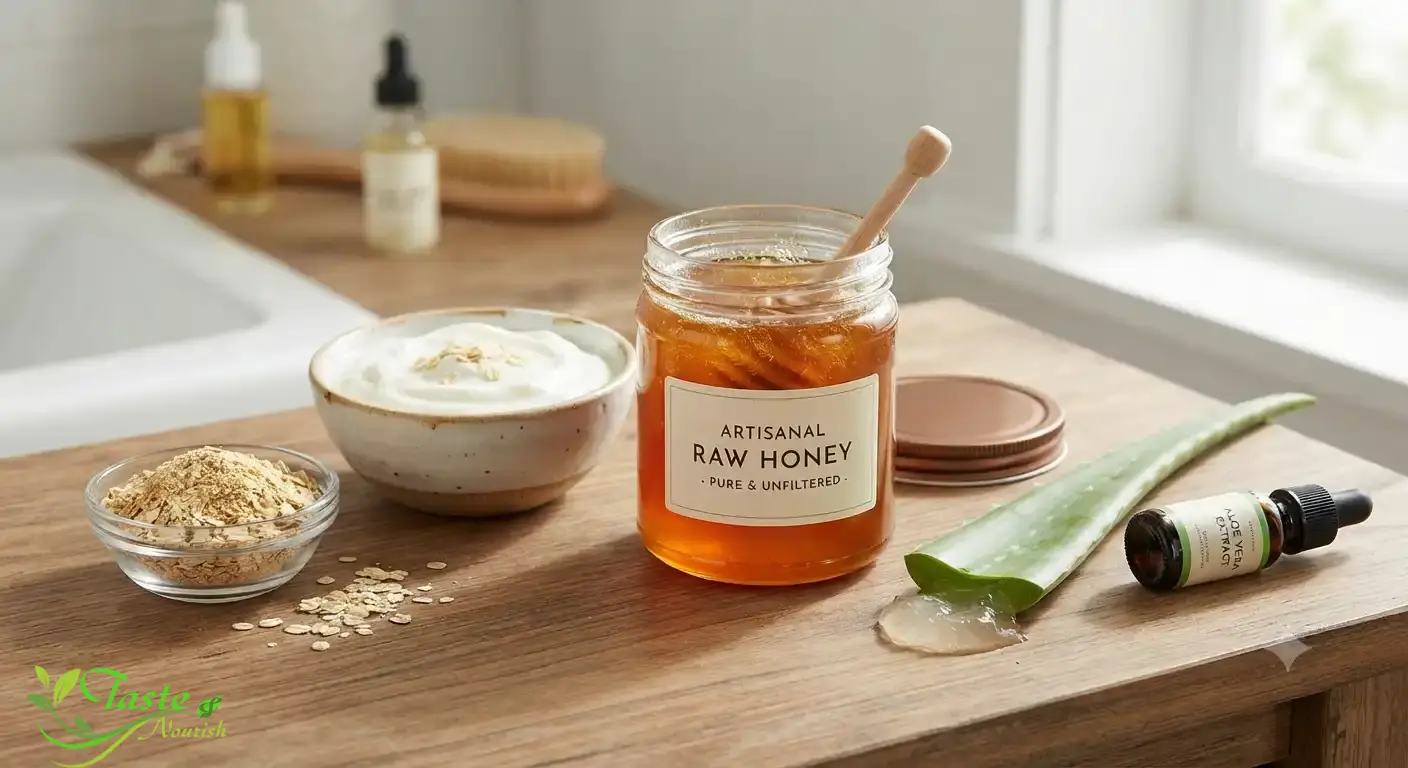
If you want to try honey on your lips, raw or minimally processed honey is generally recommended over honey blended with additives, syrups, or fragrance. Always patch-test a small amount on your inner forearm first and wait 24 hours before applying it to your lips, especially if you have any known pollen or bee-product allergies.
Honey Lip Mask
Wash your hands and make sure your lips are clean and dry.
Apply a thin, even layer of raw honey directly to your lips.
Leave it on for 15–20 minutes.
Rinse gently with lukewarm water and pat dry.
Follow with a fragrance-free lip balm to lock in moisture.
Honey and Sugar Lip Scrub
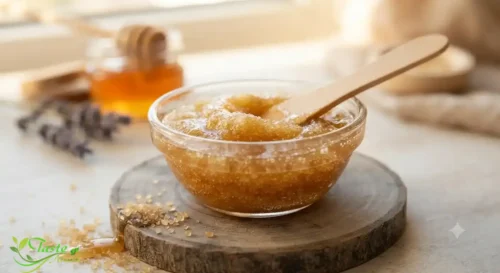
Mix 1 teaspoon of honey with 1 teaspoon of granulated sugar.
Gently massage the mixture onto lips in small circles for 30–60 seconds.
Rinse off with warm water.
Apply balm immediately afterward.
Limit this scrub to once or twice a week. Daily exfoliation can strip the thin lip barrier and make chapping worse, not better.
DIY Honey Lip Balm
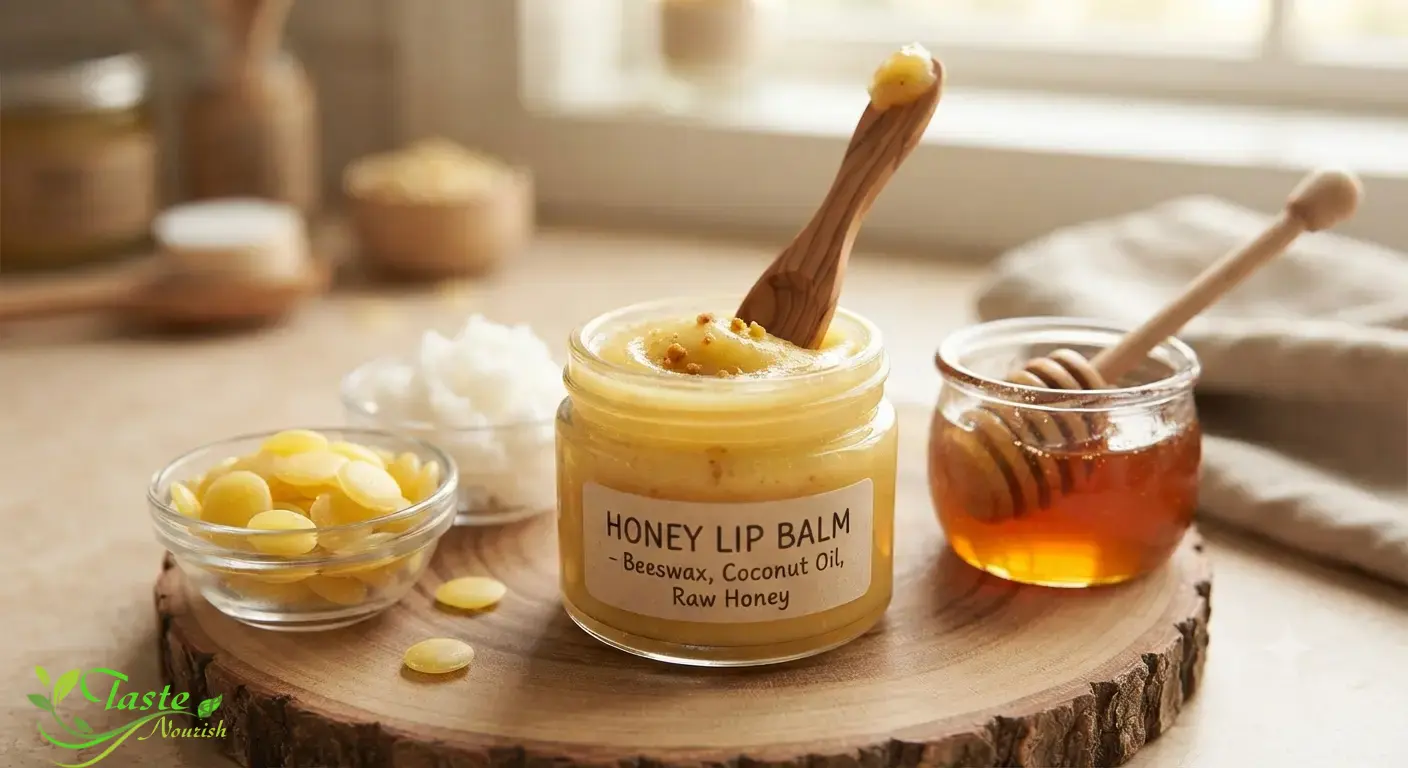
Melt 1 tablespoon beeswax pellets and 2 tablespoons coconut oil or shea butter together in a double boiler.
Remove from heat and stir in 1 teaspoon raw honey until fully combined.
Pour into small, clean containers or empty lip balm tubes.
Let cool completely before use, then store in a cool, dry place.
Common Mistakes to Avoid
Leaving honey on cracked or bleeding lips for extended periods without medical guidance
Using flavored or heavily processed honey, which may contain irritating additives
Over-exfoliating with honey-sugar scrubs on already damaged skin
Letting young children lick or taste homemade honey lip products
Honey for Lips: A Quick Overview
Honey is a thick, viscous liquid made by honeybees from flower nectar. Its exact flavor, color, and consistency depend heavily on which flowers the bees visited, ranging from light and floral (clover, acacia) to dark and robust (buckwheat, chestnut).
When it comes to skin and lip care, honey is typically used in one of three forms: raw honey straight from the jar, honey blended into a DIY mask or scrub, or as a purified ingredient inside commercial balms and cosmetics.
Taste and Texture on the Lips
Applied topically, honey feels sticky and tacky at first, then gradually softens as it warms against your skin. It has a mild, sweet scent and, if any seeps past your lip line, a distinctly sweet taste.
That stickiness is actually part of how it works. Honey’s natural sugars are hygroscopic, meaning they attract and hold onto water molecules, which is the same property that makes it feel tacky on the skin.
A Short History of Honey in Skin and Lip Care
Honey’s use as a topical remedy is not a modern wellness trend. Ancient Egyptian, Greek, and Chinese medical texts all describe honey being applied to skin wounds and irritation, often mixed with other natural ingredients.
Modern medicine eventually caught up with tradition. Medical-grade honey dressings, most notably manuka honey products, are now used in wound clinics across parts of Europe, Australia, and New Zealand for their antibacterial and healing-supportive properties. That clinical pedigree is part of why honey has held onto its place in home beauty and lip-care routines for centuries.
Risks, Side Effects, and Who Should Avoid Honey on Lips
Honey is generally well tolerated on skin, but it isn’t risk-free for everyone. Understanding who should be cautious matters just as much as knowing the potential benefits.
Allergic Reactions
People with pollen allergies, particularly to bee pollen, ragweed, or certain flowering plants, may experience contact reactions to honey, including redness, itching, or mild swelling. Anyone with a known bee, pollen, or bee-product allergy should avoid applying honey to the lips or skin altogether, or check with a healthcare provider first.
Infants and Honey Safety
This is the single most important safety note in this entire guide: honey, in any form, should never be given to or applied near the mouth of a child under 12 months old, including as a lip product, on a pacifier, or on a caregiver’s nipple during breastfeeding.
Raw honey can contain Clostridium botulinum spores, which are harmless to older children and adults with mature digestive systems, but can cause infant botulism, a serious and potentially life-threatening illness, in babies under one. A study published in Pediatrics and indexed on PubMed confirmed that honey consumption is directly linked to infant botulism cases, and that widespread detection of these spores in honey samples across the United States led health authorities to recommend against feeding honey to infants younger than 12 months. This guidance extends logically to any honey-based lip product that a baby could lick, mouth, or ingest.
This article is for general informational purposes and is not a substitute for professional medical or dermatological advice. If you have a known allergy, a chronic skin condition, severely cracked or bleeding lips, or are caring for an infant, speak with a healthcare provider before trying a new remedy.
Common Myths About Honey for Lips
“Honey permanently lightens dark lips.” There’s no solid clinical evidence that honey changes lip pigmentation long-term. Any brightening effect people notice is more likely from gentle exfoliation and temporary hydration, not an actual change in melanin.
“Raw honey is basically a lip balm replacement.” Honey lacks the occlusive, moisture-sealing properties of ingredients like beeswax or petroleum jelly, so it works better as an occasional treatment than a daily protective layer.
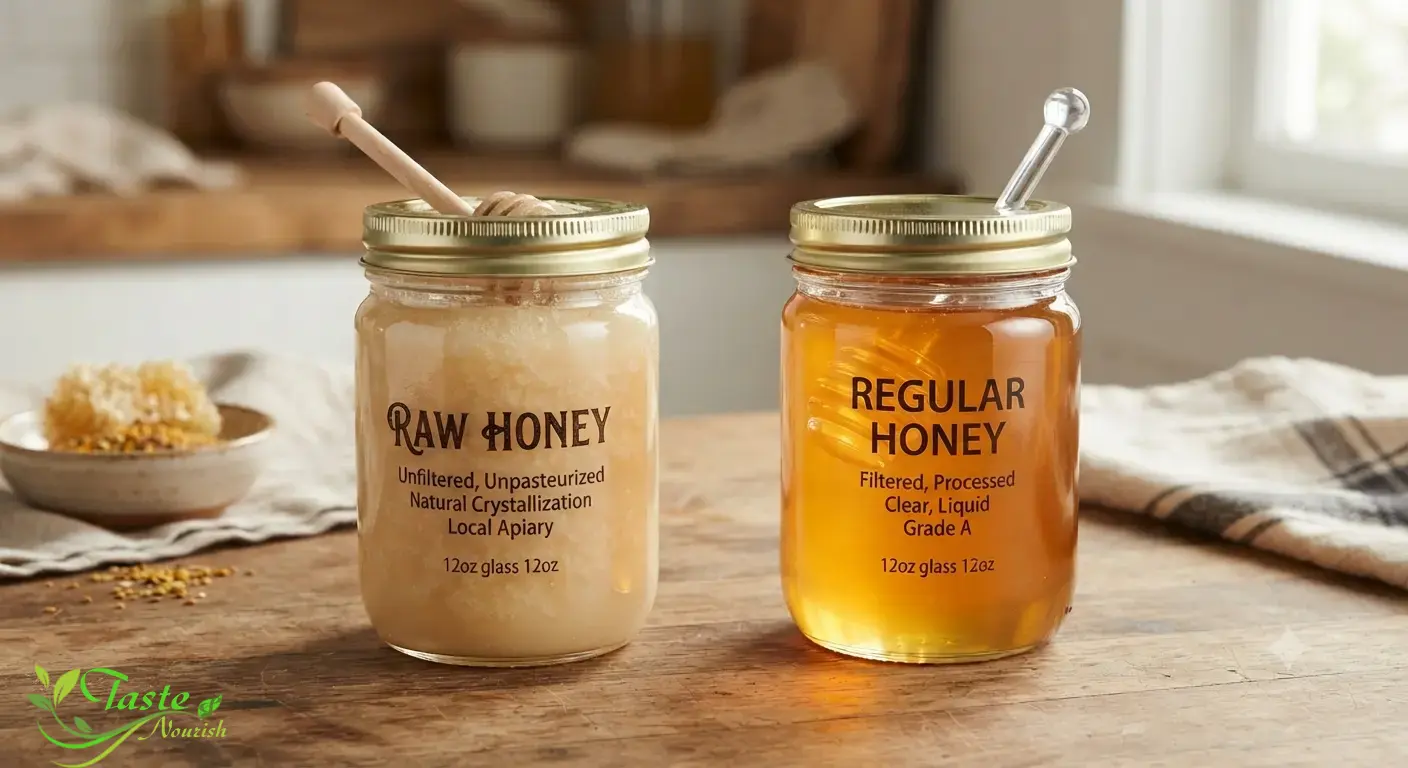
“All honey works the same way on skin.” Composition varies significantly by floral source and processing. Raw, minimally processed honey generally retains more of the enzymes and compounds associated with its skin benefits than heavily filtered or heated honey.
“If it stings, it’s working.” According to the AAD, a stinging or burning sensation on chapped lips is a sign of irritation, not effectiveness, whether that’s from honey or any other lip product.
Buying and Storing Honey for Skin Use
Choose raw or minimally processed honey over heavily filtered varieties, which may have lower levels of beneficial enzymes and antioxidants.
Check the label for “100% honey” with no added syrups, flavorings, or fillers.
Store at room temperature in a sealed container, away from direct sunlight; refrigeration isn’t necessary and can cause crystallization.
Keep a small, separate jar for skin use if you’re dipping fingers in repeatedly, to avoid introducing bacteria into your kitchen honey.
Watch for crystallization, which is a normal, harmless process and doesn’t mean the honey has spoiled; gently warming the jar in warm water can restore its texture.
Honey for Lips FAQs
Q1. Can I leave honey on my lips overnight?
It’s generally better to limit honey masks to 15–20 minutes rather than leaving raw honey on overnight. Extended contact increases the chance of it transferring onto bedding, attracting bacteria from repeated touching, or causing prolonged skin sensitivity in people with mild allergies.
Q2. Does honey help with cold sores or cracked corners of the mouth?
Honey’s antibacterial properties have shown promise in general wound care, but cold sores are caused by a virus, not bacteria, so honey isn’t a targeted treatment. For persistent cracking at the corners of the mouth or suspected cold sores, it’s best to consult a healthcare provider rather than rely on honey alone.
Q3. Is manuka honey better for lips than regular honey?
Manuka honey has some of the strongest documented antibacterial activity among honey varieties, which is why it’s used in medical-grade wound dressings. For everyday lip care, though, regular raw honey offers similar humectant benefits at a fraction of the cost, and there’s no dedicated research showing manuka is meaningfully better for routine lip hydration specifically.
Q4. Can people with diabetes use honey on their lips safely?
Topical honey isn’t absorbed into the bloodstream the way ingested honey is, so occasional external use on lips is unlikely to meaningfully affect blood sugar. That said, anyone managing diabetes should still consult their healthcare provider before adopting any new skin routine, particularly around wound-prone areas.
Q5. Why do my lips feel stickier after using honey than after regular lip balm?
That stickiness comes from honey’s high sugar content and hygroscopic nature, the very property that helps it attract moisture. It’s normal and temporary; rinsing after a honey mask and following with a balm removes the tackiness while keeping the hydration benefit.
Suwiński, G., & Nowak, I. (2024). Innovative Honey-Based Product and Its Beneficial Effects Measured by Modern Biophysical and Imaging Skin Techniques. Pharmaceuticals, National Institutes of Health, PubMed Central. https://pmc.ncbi.nlm.nih.gov/articles/PMC11677624/
Honey earns its long-standing place in home lip care for real, if modest, reasons. Its natural humectant properties may help support short-term hydration, and its antibacterial profile is genuinely well documented in broader skin and wound research, even if lip-specific studies are still lacking.
Used sensibly, as an occasional mask, gentle scrub base, or an ingredient blended into a homemade balm, honey can be a reasonable, low-cost addition to a lip care routine. It’s not a miracle fix, and it isn’t meant to replace a good daily lip balm or a dermatologist’s advice for anything beyond ordinary dryness. Used with a bit of caution around allergies and never around infants, it remains one of the more sensible natural options worth having in your routine.
**Hanan Abo Samra** shares practical cooking insights, delicious recipes, and evidence-based nutrition information. Drawing on more than 20 years of hands-on cooking experience, she creates helpful food content that combines everyday cooking knowledge with information from reliable scientific sources. Her goal is to help readers better understand the foods they eat, explore their nutritional benefits, and prepare delicious meals with confidence.