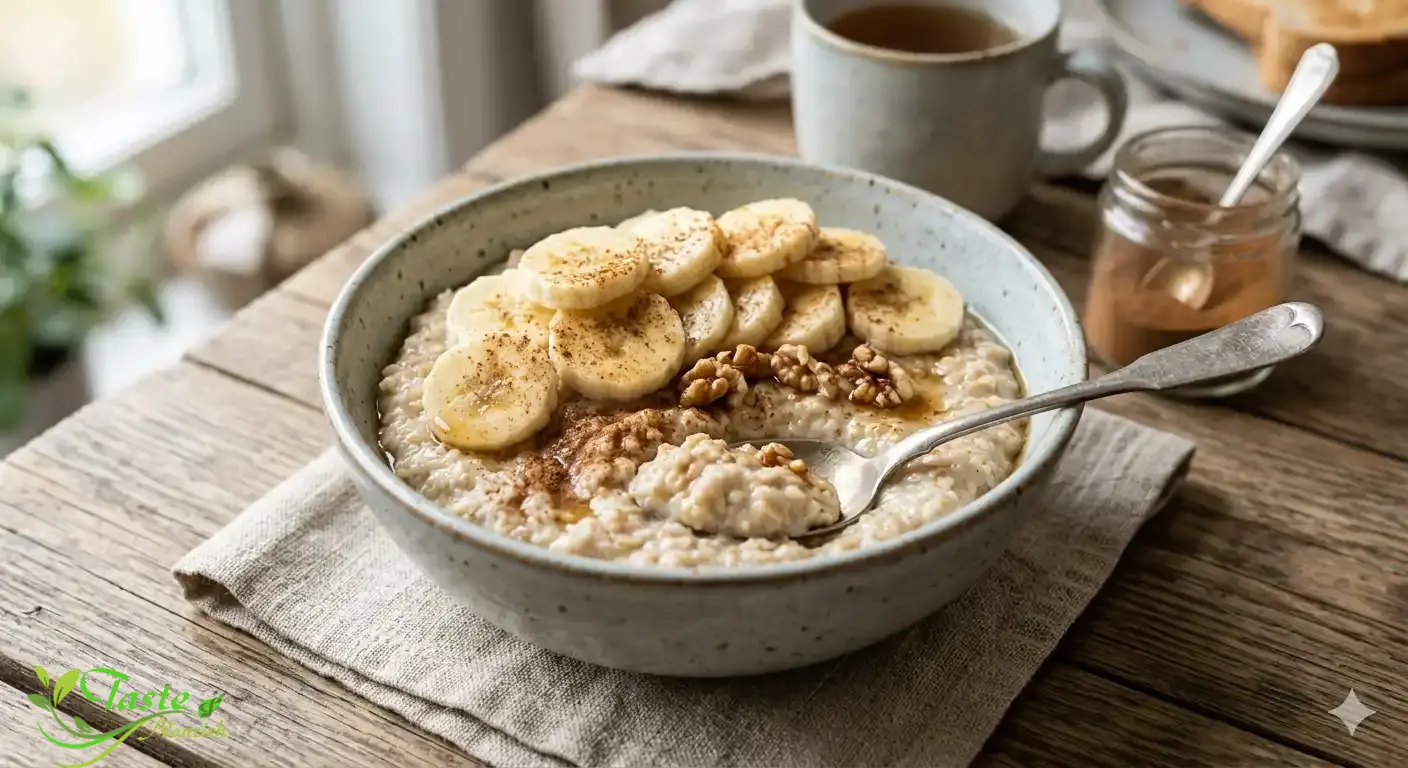
Running out of milk doesn’t mean your oatmeal has to suffer. Whether you’re lactose intolerant, watching your calorie intake, following a vegan diet, or you simply opened the fridge to find an empty carton, oatmeal without milk can be just as creamy, satisfying, and flavorful as the traditional version. The secret isn’t some exotic ingredient — it’s understanding ratios, technique, and a few smart additions that bring richness back into the bowl.
This guide walks through everything you need to know: the right oats-to-water ratio, step-by-step cooking methods for stovetop, microwave, and overnight prep, a full nutrition breakdown, and the topping combinations that turn a plain water-based bowl into something you’ll actually look forward to eating. By the end, you’ll have a foolproof system for dairy-free oatmeal that never feels like a compromise.
People skip milk in their oatmeal for a surprising number of reasons, and most of them have nothing to do with simply being out of groceries. Understanding your “why” actually helps determine the best method and toppings for your situation, so it’s worth pausing here before jumping into technique.
Lower Calorie and Fat Content
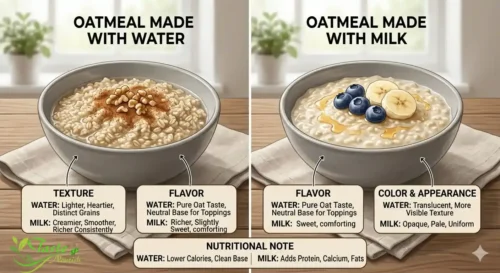
Water adds no calories to oatmeal, while milk contributes calories, protein, fat, and other nutrients depending on the type and amount used.
For example, a 40-gram serving of plain dry oats provides approximately 150 calories before adding liquid or toppings. Cooking the oats with water does not add calories from the liquid itself, while using milk increases the total according to the milk’s nutritional values and the amount added.
If you are comparing recipes, use the same amount of dry oats and calculate the calories from the liquid and other ingredients separately. This provides a more useful comparison than comparing bowl sizes alone.
Key takeaway: Oatmeal made with water generally contains fewer calories than the same amount of dry oats prepared with milk, but the nutritional differences depend on the ingredients and portions used.
Key takeaway: A plain bowl of oatmeal made with water typically lands around 150–160 calories per cooked cup, compared to roughly 260–270 calories for the same amount made with whole milk.
Lactose Intolerance, Allergies, and Dietary Preferences
Beyond calorie counting, millions of people avoid dairy entirely because their bodies can’t process it comfortably, or because of personal and ethical food choices.
For someone with lactose intolerance, a milk-based breakfast can mean bloating, cramping, or worse before they’ve even left the house.
Vegans and those with dairy allergies face the same restriction from a different angle, and they need a reliable method that doesn’t rely on dairy substitutes they may not always have on hand.
⇒ The debate between water and milk isn’t just about taste and texture; it’s also about nutrition, and neither choice is wrong since it comes down to what your body and goals need from breakfast. Water-based oatmeal sidesteps all of these concerns entirely while still delivering the fiber, protein, and slow-release energy oats are known for.
The Best Oat-to-Water Ratio for Perfect Texture
Getting the ratio right is the single biggest factor separating gluey, bland oatmeal from a bowl that’s genuinely creamy. The ideal ratio shifts depending on the type of oats you’re using and how thick you like the final result, so there’s no single universal number — but there are reliable starting points.
Stovetop Ratio Guide by Oat Type
Oat Type
Water Ratio (Oats : Water)
Cook Time
Texture
Rolled (Old-Fashioned) Oats
1 : 2
5 minutes
Soft, slightly chewy
Quick Oats
1 : 2
1–2 minutes
Smooth, mushy
Steel-Cut Oats
1 : 3 to 1 : 4
20–25 minutes
Hearty, chewy, nutty
Instant Oats (packet)
1 : 1.5
1 minute
Very soft
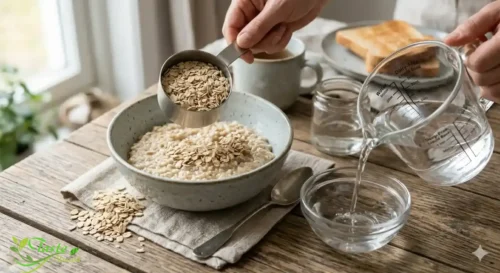
A reliable reference point is roughly ½ cup of oats to 1 cup of water, and it helps to stick to that ratio and then adjust thickness afterward by mixing in toppings rather than guessing blindly.
Old-fashioned rolled oats need about 2 cups of water for every cup of oats and take around 5 minutes to cook on the stove, while quick oats use the same liquid ratio but cook in roughly a minute. If your oatmeal keeps turning out either soupy or concrete-like, the ratio — not your cooking skill — is almost always the culprit.
Microwave Method Ratio
The microwave version follows a nearly identical ratio but compresses the timeline dramatically, which makes it the go-to choice on rushed mornings.
For a microwave bowl, combine the oats and water, then heat on high for about 90 seconds, adding further 15-second increments if the oatmeal needs more time to fully cook.
One practical note: microwaves vary in wattage, so the first time you try this method, watch the bowl closely instead of walking away, since oatmeal can boil over surprisingly fast in the final 20 seconds.
Step-by-Step — How to Make Oatmeal Without Milk
There isn’t just one “correct” way to prepare oatmeal without dairy — the right method depends on how much time you have and whether you’re prepping breakfast the night before or scrambling out the door in ten minutes.
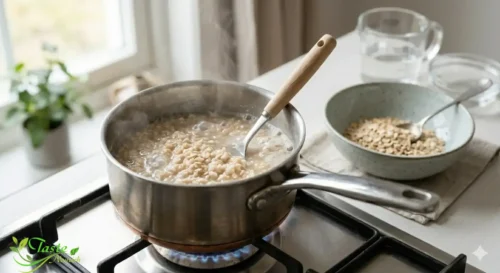
Pour your measured water into a small saucepan and bring it to a boil over medium-high heat.
Reduce the heat to low once it’s boiling, then pour in the oats. The Taste of Kosher
Once the mixture starts to simmer, lower the heat to its lowest setting and let it cook.
Stir occasionally to prevent sticking, cooking for 5 minutes for rolled oats or up to 25 minutes for steel-cut.
For a thicker texture, turn off the heat, cover the pan, and let the oats sit for an additional 3 minutes before serving.
Add a pinch of salt before serving — it sharpens the natural sweetness of the oats even in a savory bowl.
Microwave Method
Combine oats and water directly in a large, microwave-safe bowl, leaving room for expansion.
Microwave on high for 90 seconds.
Check the consistency and add further 15-second bursts until the oats reach your preferred thickness.
Let the bowl rest for one minute before stirring, since the oats continue absorbing liquid even after the microwave shuts off.
Stir in your chosen toppings while the oatmeal is still warm so any nut butter or sweetener melts in evenly.
Taste and adjust with a splash more hot water if the texture feels too thick.
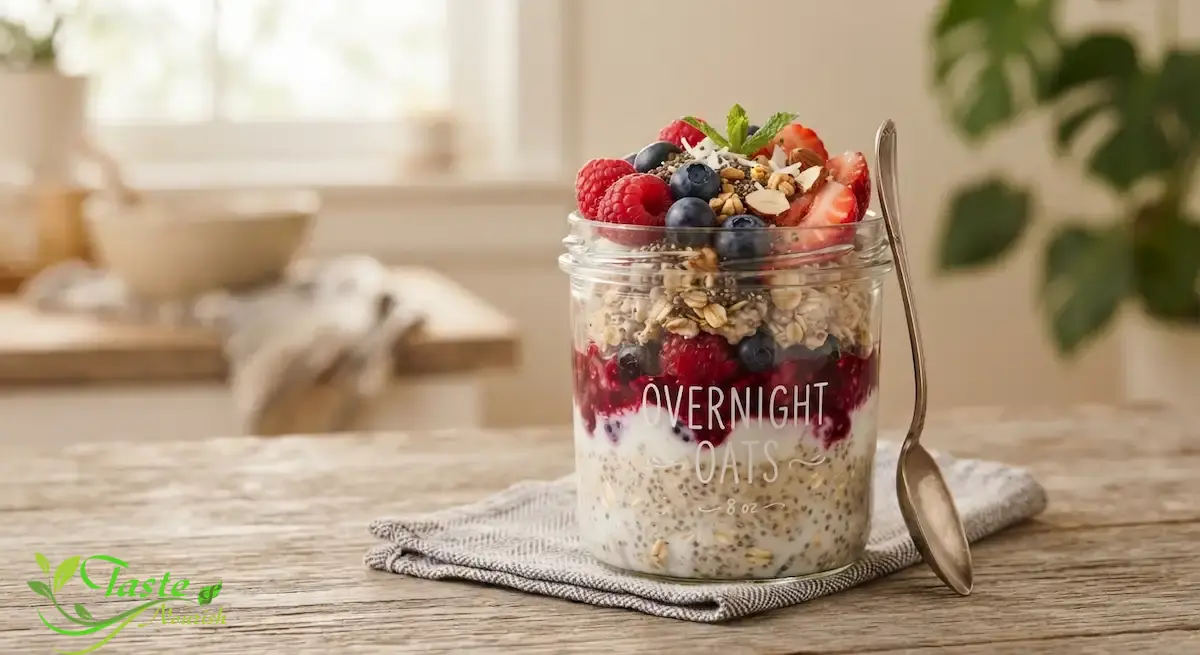
Overnight Oats (No-Cook Method)
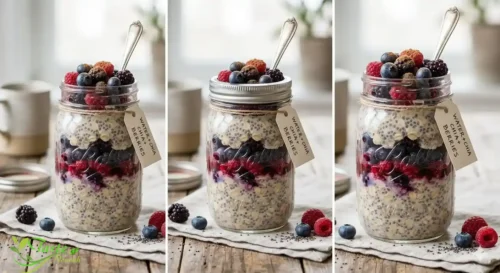
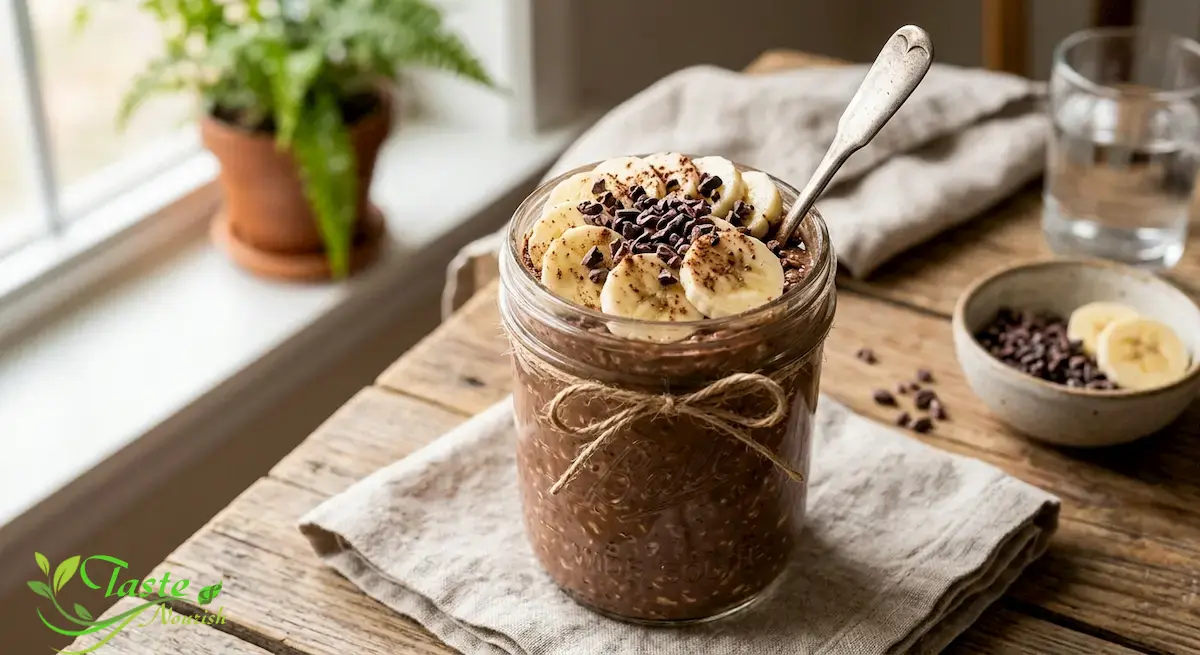
Overnight oats skip heat entirely, relying on time and refrigeration to soften the oats into a creamy, cold breakfast that’s ready the moment you wake up.
The basic ratio for overnight oats with water is usually 1:1, equal parts oats and water, though some recipes use slightly less water when chia seeds are added since they absorb extra liquid and help thicken the mixture. A 1:1 ratio of oats to water combined with ground flax seeds is one reliable way to soak up extra liquid and achieve a thicker, creamier consistency without any dairy at all.
Simply combine the oats, water, a sweetener like maple syrup, and any mix-ins in a jar, then refrigerate for at least 6 hours or overnight.
This method is genuinely meal-prep friendly, since a batch made this way is great for prepping breakfast that lasts an entire week.
Reader Tip: If your overnight oats turn out too thick the next morning, stir in a splash of cold water or fruit juice rather than reheating — it loosens the texture instantly without cooking out the nutrients.
Choosing the Right Oats
Not all oats behave the same way in water, and picking the wrong type for your method is one of the fastest ways to end up disappointed with the results.
Rolled vs. Quick vs. Steel-Cut Oats
Steel-cut oats are oat groats that have been roughly chopped, cooking more slowly than whole groats but producing a hearty, creamy porridge once finished.
Old-fashioned rolled oats are made by steaming oat groats and rolling them into flakes, giving them a short five-minute cooking time.
Quick oats are essentially rolled oats steamed and pressed even thinner, which is why they soften in roughly a minute but can turn mushy if overcooked.
Quick oats tend to get too soggy and don’t provide the same chewy texture as old-fashioned oats, while steel-cut oats won’t soften properly within a short cooking window at all. If texture matters to you, rolled oats are the safest middle ground — sturdy enough to hold their shape, but quick enough for a weekday breakfast.
The following list breaks down which oat type fits which lifestyle:
Rolled oats: Best all-around choice for stovetop, microwave, or overnight prep.
Quick oats: Ideal for kids or anyone who wants oatmeal ready in 60 seconds.
Steel-cut oats: Best for weekend batch cooking when you have 20+ minutes to spare.
Instant oat packets: Convenient but often contain added sugar — check labels carefully.
Oat groats: Least processed option, requiring the longest cook time of all.
Scottish oats: Stone-ground rather than rolled, producing a naturally creamy, porridge-like texture without milk.
Oatmeal Without Milk — Nutrition Facts
Here’s how a standard 1-cup serving of cooked rolled oats made with water compares nutritionally, based on commonly cited USDA-aligned values:
Nutrient
Amount (per 1 cup cooked, water-based)
Calories
~150–160 kcal
Protein
~5–6 g
Total Fat
~3 g
Carbohydrates
~27 g
Dietary Fiber
~4 g
Sugar
<1 g (natural)
Iron
~10% Daily Value
Magnesium
~14% Daily Value
Oats themselves provide fiber, B vitamins, and complex carbs, and water preserves those nutrients without adding any calories — though it helps to pair the bowl with a protein source like nuts, seeds, or yogurt for balanced satiety.
One common myth worth addressing directly — beta-glucan, the key soluble fiber in oats, remains intact regardless of which liquid you use, since cooking method and oat type affect viscosity far more than they affect fiber content. In other words, skipping milk doesn’t rob you of oatmeal’s most celebrated health benefit — the cholesterol-lowering soluble fiber stays exactly where it should.
Oatmeal With Water vs. Milk: A Side-by-Side Comparison
The choice between water and milk ultimately comes down to your personal goals rather than one option being objectively “healthier” across the board.
Factor
Water-Based Oatmeal
Milk-Based Oatmeal
Calories (1 cup cooked)
~150–160 kcal
~260–270 kcal (whole milk)
Protein
~5–6 g
~11–14 g
Fat
Minimal
Higher (varies by milk type)
Calcium
Low
High (dairy or fortified plant milk)
Dietary Fit
Vegan, lactose-free, low-calorie
Higher protein, calcium-focused diets
Texture
Lighter, chewier
Creamier, richer
How filling a bowl of oatmeal feels depends on the portion size, the ingredients, and individual needs. Milk can add protein and other nutrients, while water provides a simple base with no additional calories. You can also add yogurt, nuts, or seeds if you want to vary the meal’s nutritional content.
Oatmeal with water is the better fit if your primary goal is a low-calorie, low-fat meal, especially if you’re already getting plenty of protein and calcium elsewhere in your diet. Most people don’t need to overthink this decision at all — many home cooks land on a 50/50 mix of water and milk that balances flavor, texture, and ease of cooking. But if dairy is off the table entirely, water gives you a clean, neutral base that takes flavor additions exceptionally well.
How to Make Dairy-Free Oatmeal Taste Creamy and Rich
The biggest complaint about water-based oatmeal is that it can taste flat or watery compared to the milk version — but that’s a solvable problem, not an inherent limitation.
Plant-Based Milk Alternatives
If “no milk” specifically means “no dairy” rather than “no liquid besides water,” plant-based milks bridge the gap nicely.
There are many replacements for dairy in oatmeal, and the easiest substitute is simply using a favorite plant-based milk, including coconut, almond, cashew, or soy milk, all of which work for making vegan oatmeal.
Oat milk is a solid non-dairy alternative, though it’s worth seeking out a brand with a simple ingredient list that skips added sweeteners or stabilizers.
Interestingly, oat milk made from oats can actually add more calories and less fiber to your bowl than simply using water with whole oats, which is a detail many people overlook when assuming plant milk is automatically the lighter choice.
Creamy Mix-Ins That Aren’t Milk
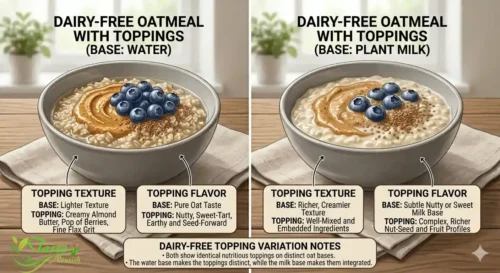
A handful of simple additions can make water-based oatmeal taste considerably richer without introducing any dairy at all:
Mashed banana — stirred in during the last minute of cooking for natural sweetness and creaminess.
Nut or seed butter — a tablespoon of almond or peanut butter adds richness and healthy fats.
Chia or ground flax seeds — they absorb liquid and create a thicker, pudding-like texture.
A splash of vanilla extract — rounds out the flavor without adding meaningful calories.
Cinnamon and nutmeg — warm spices that make plain oats taste more indulgent.
Greek yogurt swirled in after cooking — adds protein and tang without cooking the dairy at all.
If you want your bowl to feel more calorie-dense and satisfying, stirring in a tablespoon or two of almond butter is one of the simplest fixes.
Flavor Combinations and Topping Ideas
Once you’ve nailed the base, toppings are where oatmeal without milk really gets to shine, since the neutral flavor of water-cooked oats acts almost like a blank canvas.
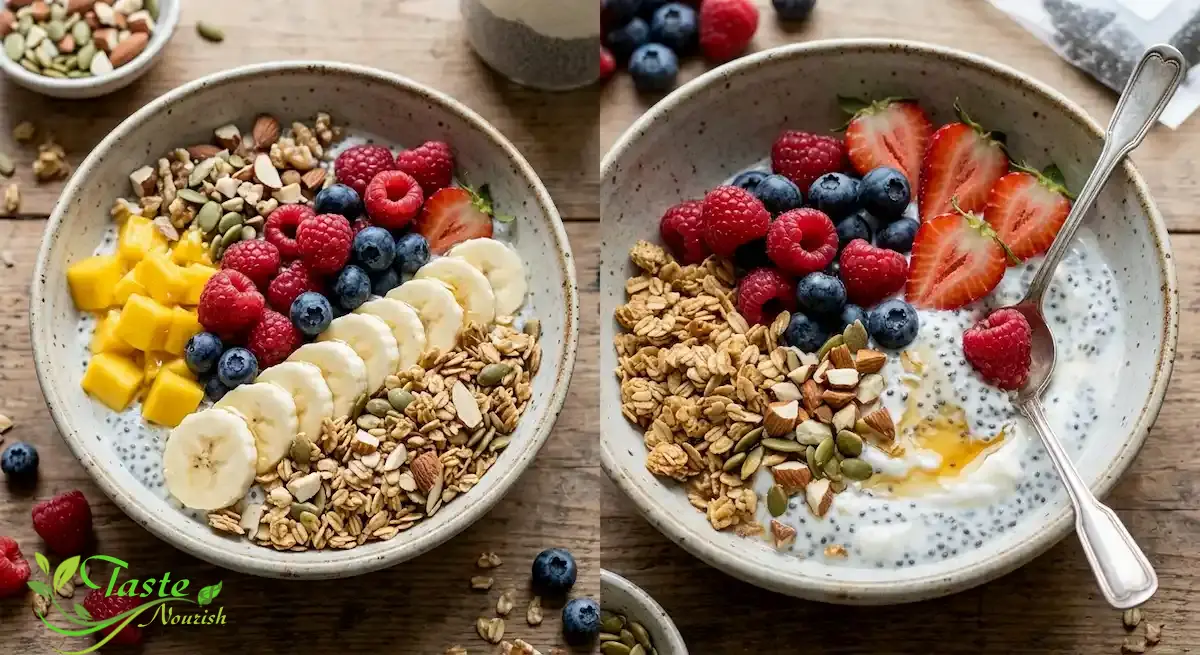
Topping ideas that work particularly well include fresh or frozen blueberries, strawberries, raspberries, mango, banana, peaches, apples, pineapple, or frozen pitted cherries.
A drizzle of nut butter on top, paired with a layer of fruit preserves at the bottom of the bowl, creates a parfait-style breakfast that doesn’t feel like a “diet” version of anything.
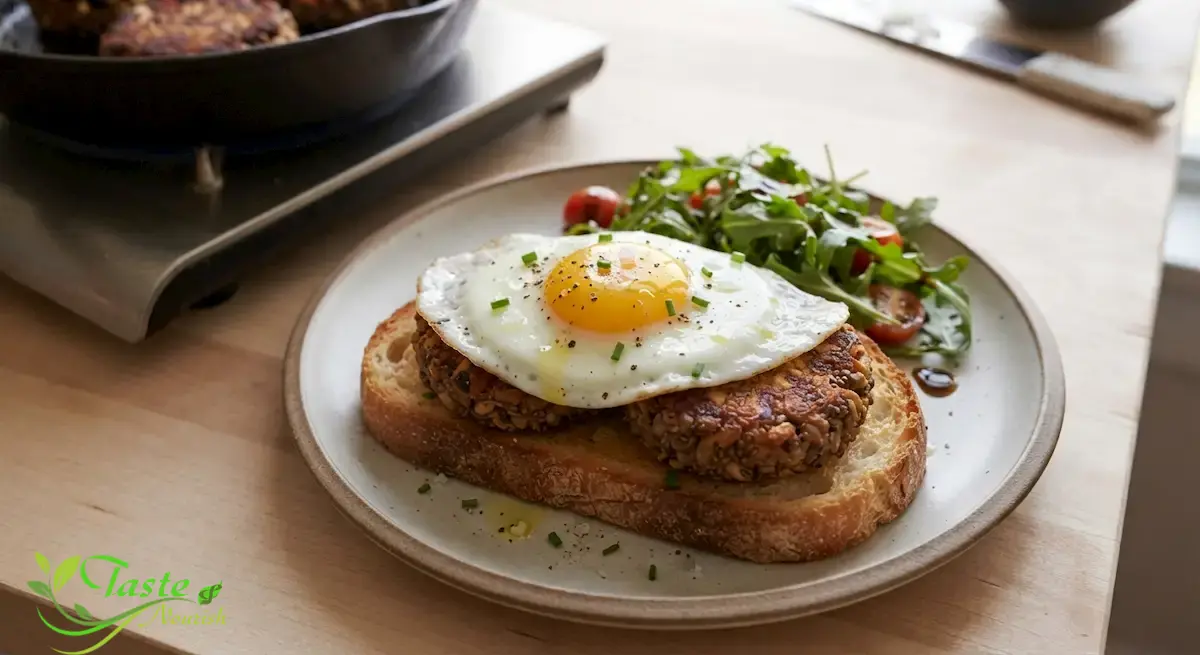
For a more savory direction, try topping cooked oats with a soft-boiled egg, a pinch of everything-bagel seasoning, and a drizzle of chili oil — it’s an unexpected combination, but the neutral base handles it surprisingly well.
Key takeaway: Because water-based oatmeal has a more neutral flavor than milk-based oatmeal, it actually pairs better with bold or savory toppings that would otherwise compete with milk’s natural sweetness.
Common Mistakes That Ruin Water-Based Oatmeal
A handful of small errors are responsible for nearly every bad bowl of water-based oatmeal, and almost all of them are easy to fix once you know what to look for.
Using too little water, which results in a thick, paste-like texture that’s hard to stir or eat comfortably.
Skipping the salt, since a pinch genuinely brings out sweetness and nuttiness that would otherwise stay flat.
Over-stirring the pot, since excessive stirring releases more starch and can cause oats to turn unpleasantly gummy.
Adding cold toppings to a barely-warm bowl, which drops the temperature before the toppings have a chance to meld with the oats.
Using steel-cut oats with a quick-oat cook time, leaving the oats hard and undercooked in the center.
Walking away during microwaving, which often leads to a boil-over in the final 15–20 seconds.
Oatmeal Without Milk FAQs
Is oatmeal healthier with water or milk?
Neither option is universally healthier. Water adds no calories and is suitable if you prefer a simple, dairy-free preparation. Milk adds calories and nutrients such as protein and, depending on the type, calcium. The better choice depends on your dietary needs, preferences, and the other foods you eat.
What is the best oats-to-water ratio for oatmeal?
A 1:2 ratio of oats to water works well for rolled and quick oats, while steel-cut oats typically need closer to 1:3 or 1:4 because of their longer cooking time and denser texture.
Does cooking oats in water remove any nutrients?
No. The fiber, protein, and complex carbohydrates in oats come from the oats themselves, not the liquid, so the core nutritional value stays intact whether you use water or milk.
How do I make oatmeal without milk taste less bland?
Add a pinch of salt before serving, then layer in mix-ins like cinnamon, mashed banana, nut butter, or vanilla extract. These additions add depth and richness without requiring any dairy.
Can I use plant-based milk instead of water in oatmeal?
Yes. Almond, oat, soy, and coconut milk all work well as dairy-free substitutes, though it’s worth checking labels since some plant milks add more calories and less fiber than simply using water.
A simple, creamy oatmeal recipe made entirely with water instead of milk. Dairy-free, low-calorie, and ready in under 10 minutes.
Ingredients
1/2 cup rolled oats
1 cup water
1 pinch salt
Toppings of choice (banana, cinnamon, nut butter, berries)
Directions
Bring 1 cup of water to a boil in a small saucepan over medium-high heat.
Reduce heat to low and stir in 1/2 cup of rolled oats.
Cook for 5 minutes, stirring occasionally, until the oats thicken and absorb the water.
Remove from heat, cover, and let sit for 3 minutes. Add a pinch of salt.
Add your favorite toppings such as banana, cinnamon, or nut butter, then serve warm.
Conclusion
Oatmeal without milk isn’t a downgrade — it’s simply a different version of a breakfast staple, one that happens to be lower in calories, dairy-free by default, and just as customizable as its milk-based counterpart. Getting the ratio right (generally 1:2 for rolled oats, slightly more for steel-cut) is the foundation, and everything else — salt, mix-ins, toppings, and cooking method — is where you make the bowl genuinely your own.
Whether you’re avoiding dairy for health reasons, counting calories, or you simply ran out of milk this morning, a well-made bowl of water-based oatmeal can be every bit as satisfying as the creamy version you grew up with.
**Hanan Abo Samra** shares practical cooking insights, delicious recipes, and evidence-based nutrition information. Drawing on more than 20 years of hands-on cooking experience, she creates helpful food content that combines everyday cooking knowledge with information from reliable scientific sources. Her goal is to help readers better understand the foods they eat, explore their nutritional benefits, and prepare delicious meals with confidence.