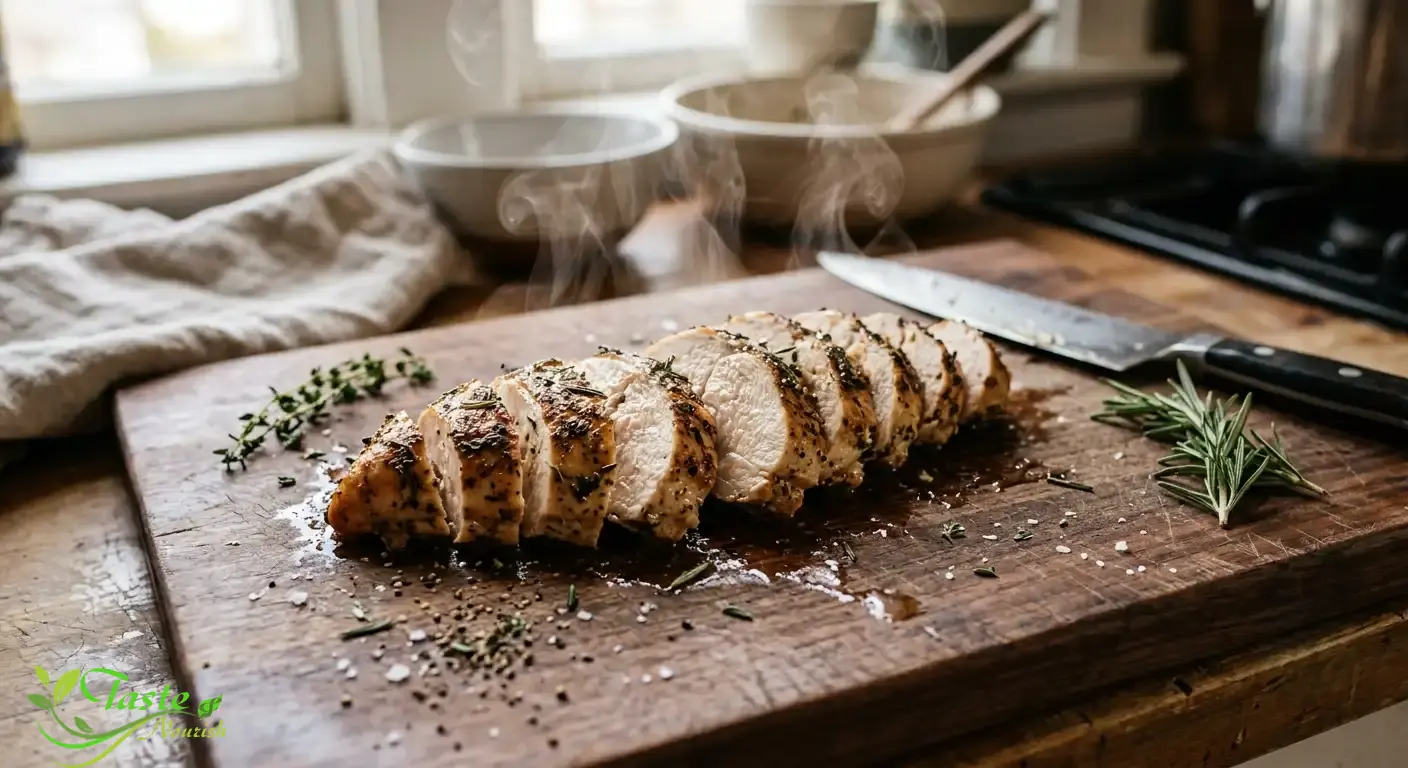
Dry, rubbery chicken breast has ruined more weeknight dinners than almost any other kitchen mishap. You follow a recipe, you check the clock, and somehow the chicken still comes out tough and chalky. The good news is that the fix isn’t complicated. It comes down to a handful of principles: the right temperature, the right technique, and a little patience.
This guide walks through everything you need — from picking out a good piece of chicken at the store to plating a perfectly juicy breast, backed by current USDA and public health guidance rather than kitchen folklore.
Key takeaways:
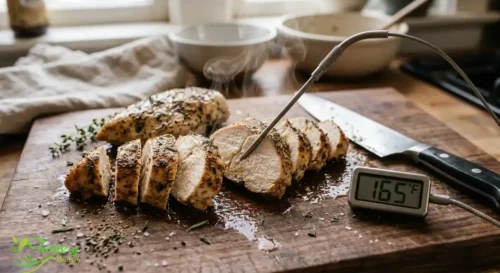
Chicken breast is safe to eat once it reaches 165°F (74°C) internally, according to the USDA .
A meat thermometer, not cook time or color, is the only reliable way to know your chicken is done.
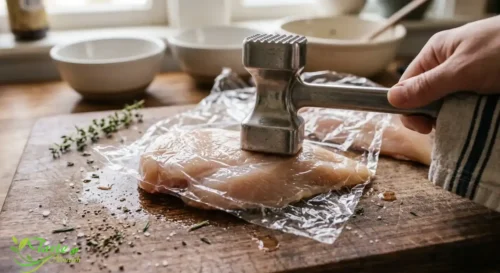
Pounding the breast to an even thickness before cooking is one of the simplest ways to prevent dry edges and an undercooked center.
Do not wash raw chicken before cooking — it spreads bacteria rather than removing it.
Why Chicken Breast Is a Kitchen Staple
Boneless, skinless chicken breast shows up in more home-cooked meals than almost any other protein, and it’s easy to see why. It’s mild in flavor, which means it takes on marinades, spice rubs, and sauces without a fight. It’s also relatively inexpensive compared to steak or seafood, and it cooks quickly enough for a weeknight dinner.
The tradeoff is that chicken breast has very little fat, so there’s a narrow window between “perfectly cooked” and “overcooked.” Fattier cuts like thighs forgive a few extra minutes on the heat. Breast meat does not. That’s really the whole story behind why so many people struggle with it — and why the techniques below matter more here than with almost any other cut of meat.
Chicken Breast Nutrition Facts: What’s Really in Your Chicken
Protein, Calories, and Macronutrients
Chicken breast is one of the most protein-dense, calorie-efficient foods in a typical grocery cart. A 3.5-ounce (100g) serving of cooked, skinless chicken breast provides roughly the following, based on USDA records:
Nutrient
Amount per 100g (cooked)
% Daily Value*
Calories
~165 kcal
—
Protein
~31 g
62%
Total Fat
~3.6 g
5%
Saturated Fat
~1 g
5%
Carbohydrates
0 g
0%
Cholesterol
~85 mg
28%
Sodium
~74 mg
3%
*Based on a 2,000-calorie daily diet. Values will vary somewhat with cooking method and whether fat or oil is added.
That macro profile — high protein, low fat, zero carbs — is why chicken breast is a go-to for anyone tracking calories or trying to hit a protein target. According to Harvard T.H. Chan School of Public Health’s Nutrition Source, poultry is generally considered a healthier protein choice than red meat, particularly when it’s prepared without heavy breading or frying.
Vitamins and Minerals Worth Knowing About
Beyond protein, chicken breast contributes meaningful amounts of B vitamins, especially niacin (B3) and B6, both of which are involved in converting food into usable energy. It also supplies selenium, an antioxidant mineral, and modest amounts of phosphorus, which supports bone health. None of this makes chicken breast a “superfood,” but it does mean a simple grilled or baked breast is doing more nutritional work than its plain appearance suggests.
Essential Equipment for Cooking Chicken Breast
You don’t need a fully outfitted kitchen to cook chicken breast well, but a few tools make a real difference:
An instant-read meat thermometer — genuinely the most important item on this list. Guessing by color or firmness is unreliable.
A heavy skillet (cast iron or stainless steel) for pan-searing and even browning.
A meat mallet or rolling pin for pounding breasts to an even thickness.
A rimmed baking sheet for oven methods.
Tongs, so you can flip chicken without piercing it and losing juices.
None of these are expensive specialty items, which is part of why chicken breast remains such an accessible, everyday protein.
The Safe Internal Temperature for Chicken Breast (Non-Negotiable)
This is the one part of cooking chicken breast that isn’t up for debate. Federal food safety agencies, including the USDA FSIS, set the minimum safe internal temperature for all poultry — including chicken breast — at 165°F (74°C), measured at the thickest part of the meat with a food thermometer.
At this temperature, harmful bacteria such as Salmonella and Campylobacter are destroyed almost instantly. The CDC notes that raw or undercooked chicken is a leading cause of foodborne illness in the United States, which is part of why guessing isn’t a safe substitute for actually checking.
A few practical notes worth knowing:
Because of carryover cooking, the internal temperature can climb another few degrees after the chicken leaves the heat. Many cooks pull chicken at 160–162°F and let it rest, watching it finish climbing to 165°F.
Pink meat near the bone in young chickens can be a harmless result of hemoglobin, not a sign of undercooking — the thermometer reading is what matters, not color.
There is no shortcut version of “cook it a little less and it’ll be fine.” Precise low-and-slow pasteurization tables exist for professional kitchens, but they require equipment and control that isn’t realistic for a home stove.
Pro tip: Insert the thermometer sideways into the thickest part of the breast, avoiding bone or the pan surface, for the most accurate reading.
How to Cook Chicken Breast: Step-by-Step Methods
There isn’t one “correct” way to cook chicken breast — the right method depends on your time, your equipment, and what you’re making. Here’s how the most common methods stack up:
Method
Total Time
Best For
Difficulty
Pan-Seared
15–20 min
Quick weeknight meals
Easy
Oven-Baked
30–35 min
Hands-off cooking, meal prep
Easy
Poached
20–25 min
Shredded chicken, soups, salads
Easy
Grilled
15–20 min
Smoky flavor, warm-weather cooking
Medium
Air Fryer
18–20 min
Crisp exterior, minimal cleanup
Easy
Pan-Seared Chicken Breast
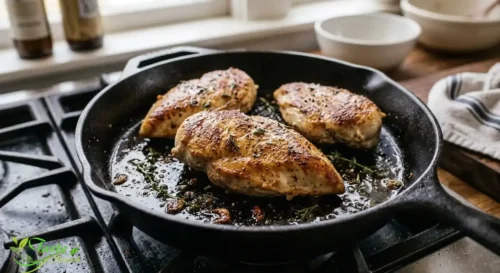
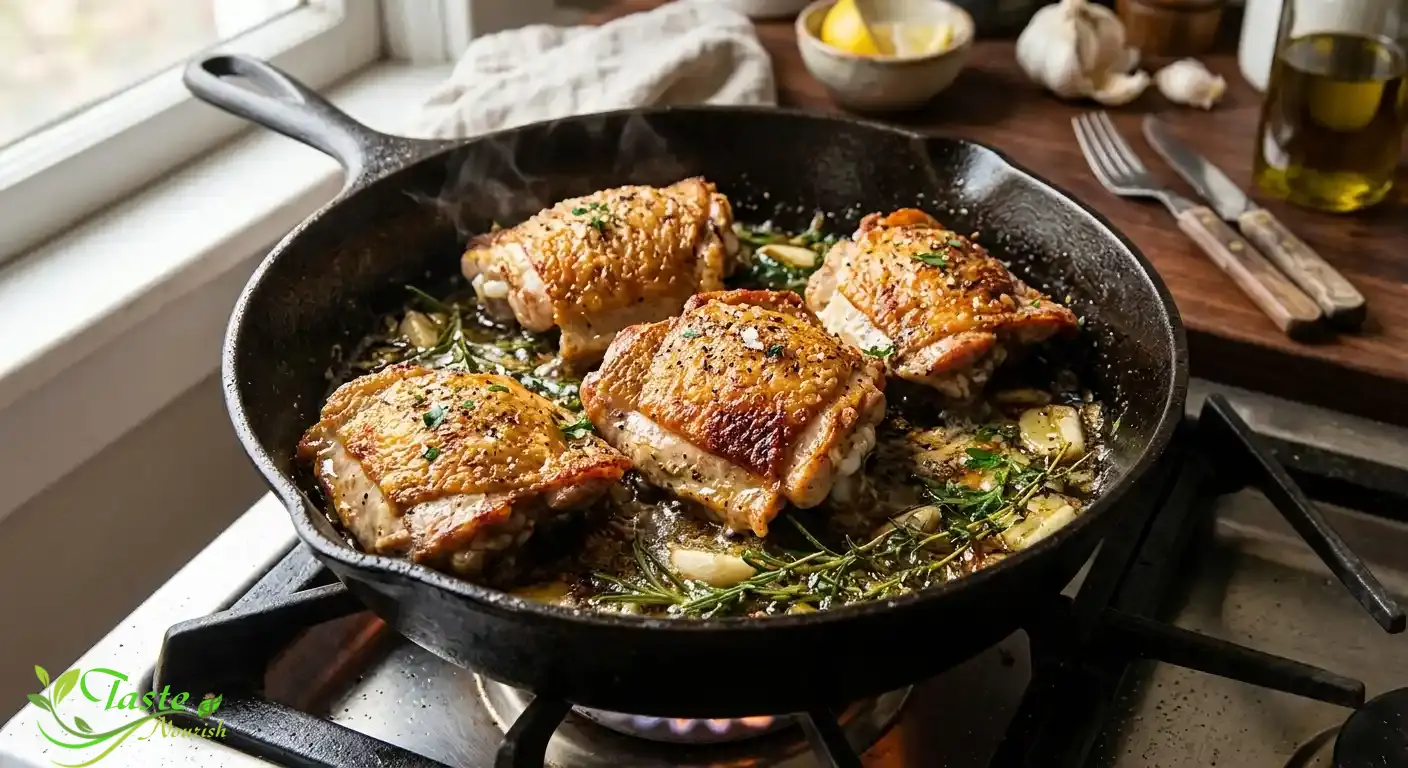
Pat the chicken dry, season both sides, and let it sit at room temperature for about 15 minutes before cooking — starting cold straight from the fridge leads to uneven cooking. Heat a tablespoon of oil in a skillet over medium-high heat until it shimmers, then add the chicken without crowding the pan. Sear for 5–6 minutes per side, resisting the urge to move it around, until the internal temperature reaches 165°F. Let it rest for 5 minutes before slicing so the juices redistribute instead of running out onto the cutting board.
Oven-Baked Chicken Breast
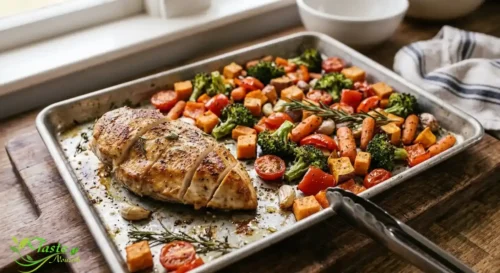
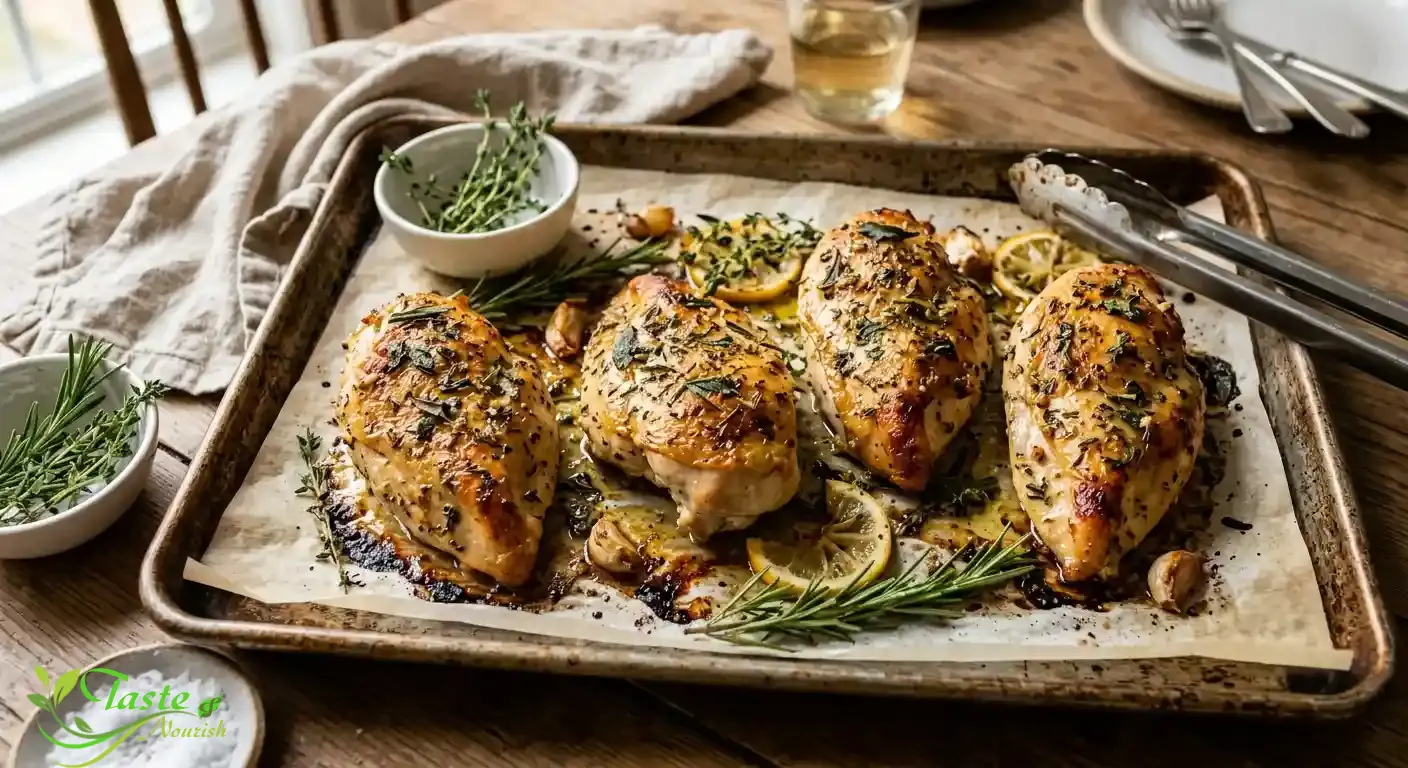
Preheat the oven to 400°F. Place seasoned chicken breasts on a lightly oiled baking sheet, spaced apart so hot air can circulate. Bake for 20–25 minutes depending on thickness, checking with a thermometer around the 20-minute mark. Baking is the most forgiving method for meal prep, since you can cook several breasts at once with almost no hands-on attention.
Poached Chicken Breast
Submerge chicken breasts in cold, lightly salted water or broth in a saucepan, then bring it just to a simmer — never a rolling boil, which toughens the meat. Cover and cook on low heat for 12–15 minutes, then check the internal temperature. Poaching produces exceptionally tender meat that shreds easily, which makes it ideal for chicken salad, soups, or tacos.
Grilled Chicken Breast
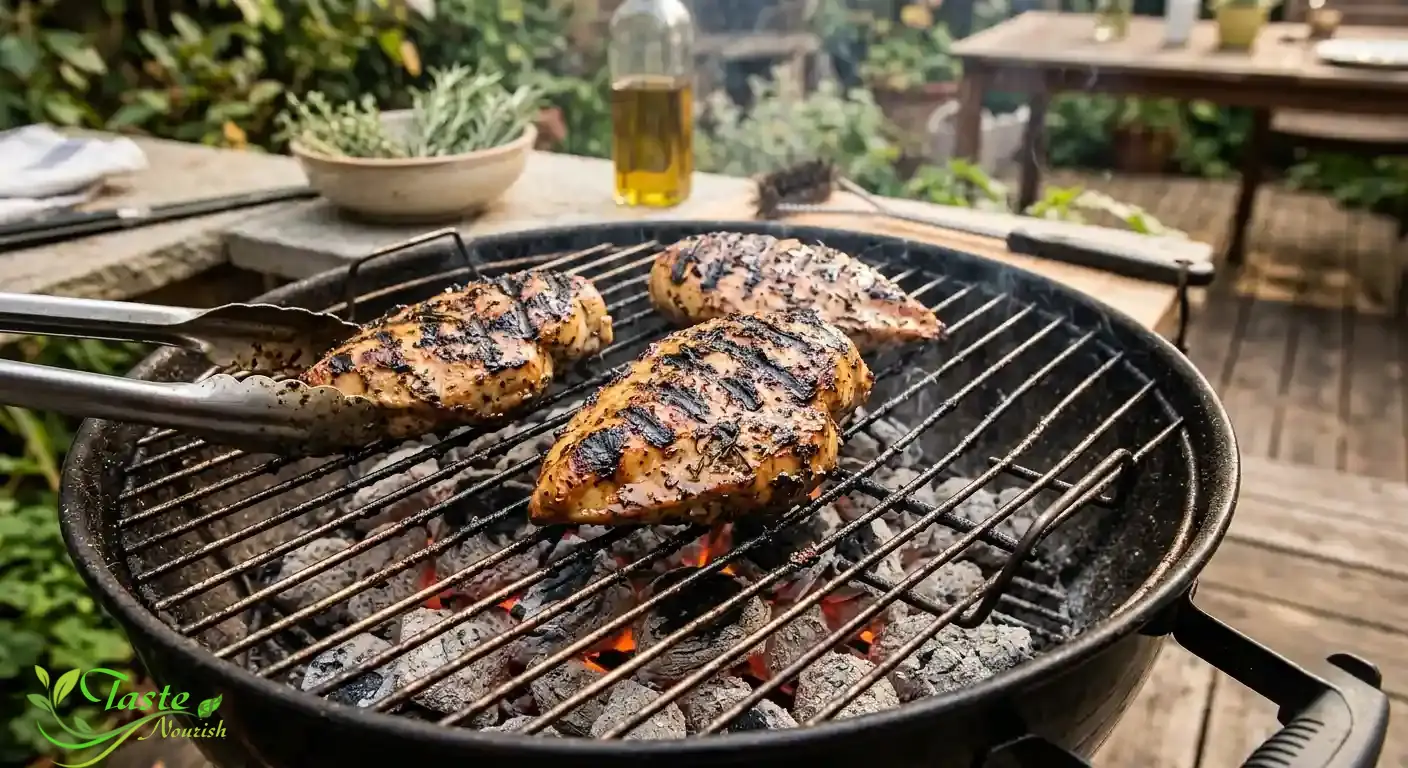
Pound the chicken to an even thickness first; grills cook fast, and uneven pieces will burn on the outside before the center catches up. Preheat the grill to medium-high heat and oil the grates to prevent sticking. Grill 6–7 minutes per side with the lid closed, checking temperature before removing. The direct high heat gives grilled chicken its signature char and smoky depth.
Air Fryer Chicken Breast
Preheat the air fryer to 375°F. Lightly coat the chicken in oil and seasoning, then arrange breasts in a single layer in the basket, leaving space between pieces. Cook for 9–10 minutes, flip, and cook another 8–10 minutes until the thermometer reads 165°F. The air fryer’s circulating hot air gives a lightly crisp exterior without deep-frying.
How to Choose and Store Raw Chicken Breast
What to Look for When Buying
Fresh raw chicken breast should look pale pink and feel firm, not slimy or tacky. Avoid packages with excess liquid pooling at the bottom, a grayish tint, or a sour smell once opened — all signs the chicken is past its prime. If you’re buying in bulk, look at the sell-by date and plan to cook or freeze within a day or two of purchase.
Frozen chicken breast is a perfectly good option and, in some cases, retains nutrients just as well as fresh, since it’s typically frozen shortly after processing. Just plan ahead for thawing time, since food safety guidance recommends thawing in the refrigerator rather than on the counter.
Safe Storage in the Fridge and Freezer
Raw chicken breast keeps for 1 to 2 days in the refrigerator and up to 9 months in the freezer without a significant quality drop, per USDA storage guidelines. Always store raw chicken on the bottom shelf of the fridge, sealed, so juices can’t drip onto other foods. This isn’t just a tidiness issue — it’s the single most common cause of cross-contamination in home kitchens.
Common Mistakes That Ruin Chicken Breast
Most dry, disappointing chicken breast comes down to a handful of repeatable mistakes:
Skipping the thermometer. Color and texture cues are unreliable; a thermometer removes the guesswork entirely.
Uneven thickness. A breast that’s thick on one end and thin on the other will overcook in the thin spot before the thick end is done.
Overcrowding the pan. Too many pieces at once traps steam and prevents browning, leading to gray, boiled-looking chicken instead of a seared crust.
Cooking straight from the fridge. A cold center takes longer to reach temperature, which often means the outside overcooks while you wait.
Skipping the rest. Cutting into chicken immediately after cooking lets the juices spill out rather than settle back into the meat.
Washing raw chicken. According to the FDA, rinsing raw poultry under the tap doesn’t remove bacteria — it splashes it onto your sink, counters, and hands instead. As Dr. Mindy Brashears of the USDA put it, “the best practice is not to wash poultry.”
Pro Tips for Juicier Chicken Every Time
Pro tip box: Brine, pound, rest, and check temperature — those four habits solve nearly every common chicken breast complaint.
A quick 15–30 minute brine in a simple saltwater solution helps the meat hold onto moisture during cooking, especially useful for high-heat methods like grilling. Pounding the chicken to a uniform ½-inch to ¾-inch thickness with a mallet solves the “raw center, dry edges” problem before it starts. Letting the chicken rest for 5 minutes after cooking is not optional if you want juicy slices rather than a puddle of juice on the cutting board. And above all, use the thermometer — it takes the guesswork, and the anxiety, out of the process entirely.
Seasoning, Marinades, and Flavor Variations
Chicken breast’s mild flavor is exactly why it works with so many cuisines. A simple dry rub of salt, pepper, garlic powder, and paprika covers most weeknight needs, while a marinade built on oil, acid (lemon juice or vinegar), and aromatics adds deeper flavor if you have 30 minutes to spare. Be cautious with marinating time, though — leaving chicken in a highly acidic marinade for more than a few hours can actually break down the texture and make it mushy rather than tender.
For variety, try a Mediterranean approach with lemon, oregano, and olive oil; a Tex-Mex version with cumin, chili powder, and lime; or a simple soy-ginger marinade for an Asian-inspired dinner. If you’re avoiding a specific ingredient, Greek yogurt can substitute for buttermilk in a marinade, and dried herbs can generally replace fresh at about a third of the quantity.
Storage, Reheating, and Meal Prep
Cooked chicken breast keeps for 3 to 4 days in the refrigerator when stored in a sealed container, and up to 2–3 months in the freezer. When reheating, bring it back to an internal temperature of 165°F, whether you’re using a microwave, oven, or stovetop — reheating isn’t just about warming it through, it’s a second food-safety checkpoint. Adding a splash of broth or water before microwaving helps prevent the meat from drying out further on the reheat.
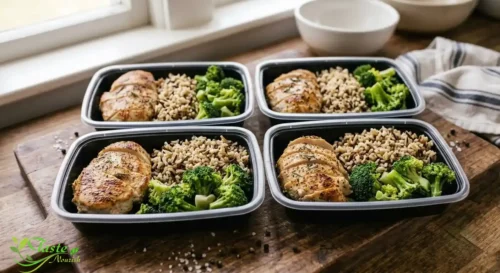
For meal prep, baked or poached chicken breast holds up best over several days, since it doesn’t dry out as quickly as a hard-seared piece. Slicing or shredding it while still slightly warm also makes portioning into containers faster and neater.
Conclusion
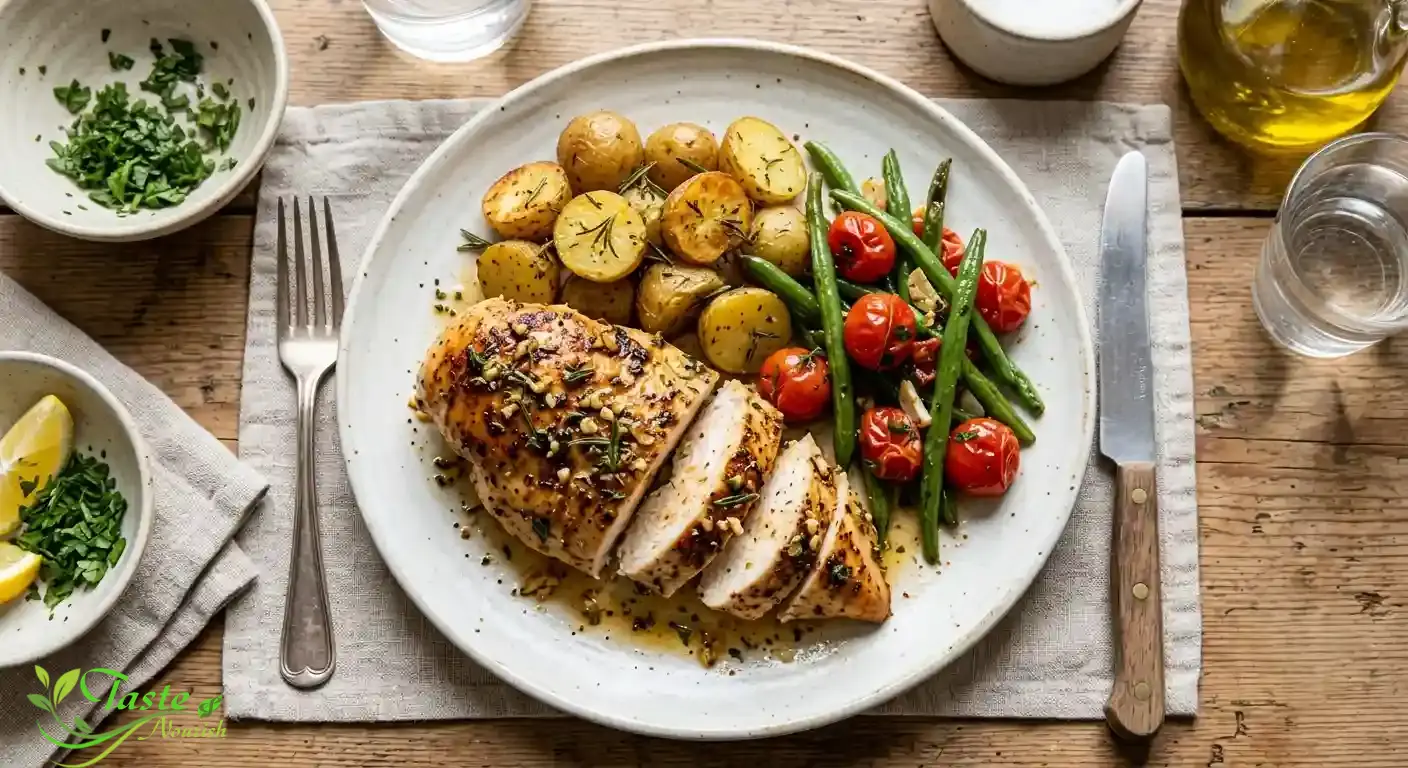
Cooking chicken breast well isn’t about a secret ingredient or an expensive gadget — it’s about a thermometer, a bit of patience, and a method that matches what you’re making tonight. Get the internal temperature to 165°F, give the meat a few minutes to rest, and you’ve solved the vast majority of what makes chicken breast frustrating for home cooks. From there, the seasoning and technique are just details you can adjust to taste.
How to Cook Chicken Breast FAQs
What temperature should chicken breast be cooked to?
Chicken breast is safe to eat once it reaches an internal temperature of 165°F (74°C), as measured with a food thermometer in the thickest part of the meat, according to USDA guidelines.
How long does it take to cook chicken breast in the oven at 400°F?
A standard boneless, skinless chicken breast typically takes 20–25 minutes at 400°F, though thicker pieces may need a few extra minutes. Always confirm doneness with a thermometer rather than relying on time alone.
Is it safe to eat chicken breast that’s slightly pink?
If the internal temperature has reached 165°F, slight pinkness — especially near the bone in young chickens — can be harmless. However, pink, soft meat that hasn’t reached that temperature should not be eaten.
Can I cook chicken breast from frozen?
Yes. It’s safe to cook chicken from frozen in the oven or on the stovetop, though it will take roughly 50% longer than cooking thawed chicken. Frozen chicken should not be cooked in a slow cooker.
How long can cooked chicken breast stay in the fridge?
Cooked chicken breast stays safe in the refrigerator for 3 to 4 days when stored in a sealed container. For longer storage, freeze it, where it will keep well for 2–3 months.
Hanan Abo Samra is the founder of Taste & Nourish, sharing trustworthy nutrition guidance and recipes drawn from 20+ years of hands-on cooking experience. When she's not developing new recipes, Hanan is researching the science behind everyday ingredients to bring readers practical, evidence-based guidance for a healthier lifestyle.