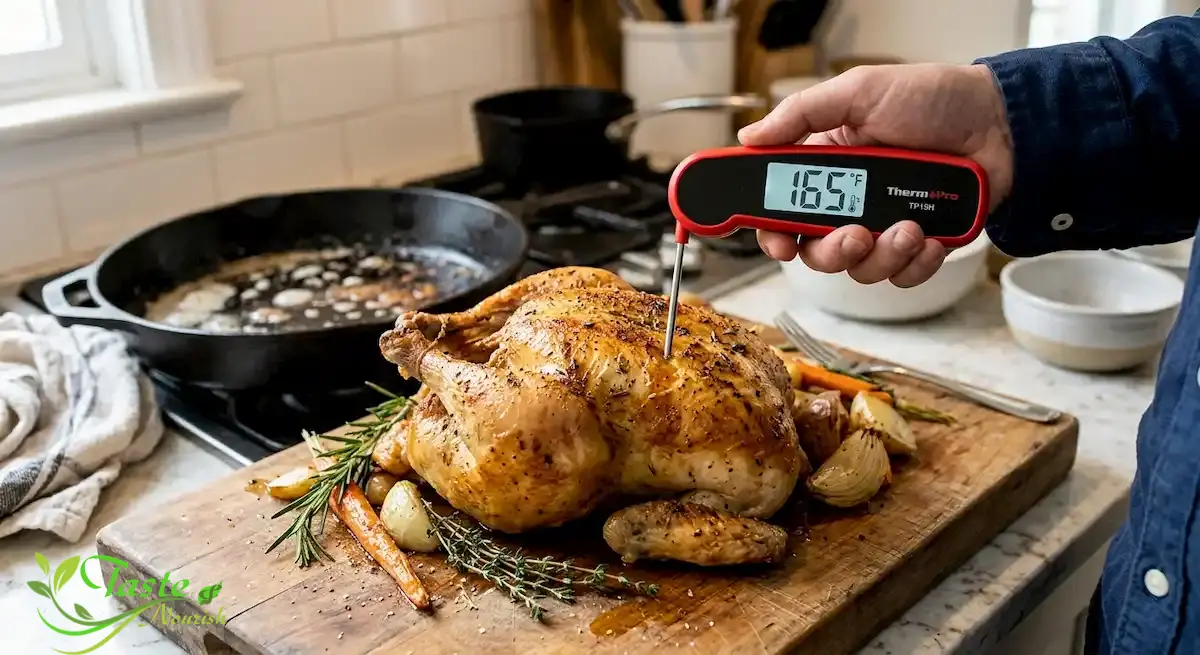
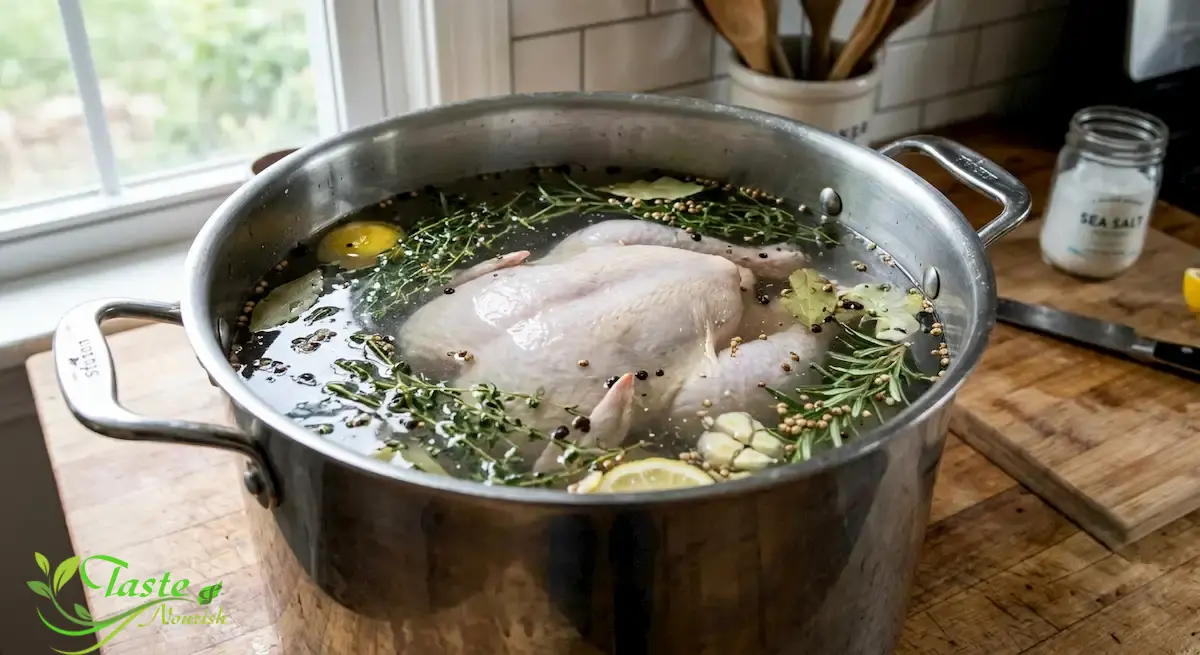
Raw chicken is one of the most common proteins in American kitchens, and it’s also one of the most likely to make someone sick when it’s handled or stored the wrong way. Knowing how to store raw chicken correctly, from the moment it leaves the grocery store to the moment it hits the pan, is one of the biggest factors in keeping your kitchen free of Salmonella and Campylobacter.
This guide covers exactly how to store raw chicken in the refrigerator and freezer, how long it actually stays safe, the best containers to use, and the mistakes that put most home cooks at risk without them realizing it.
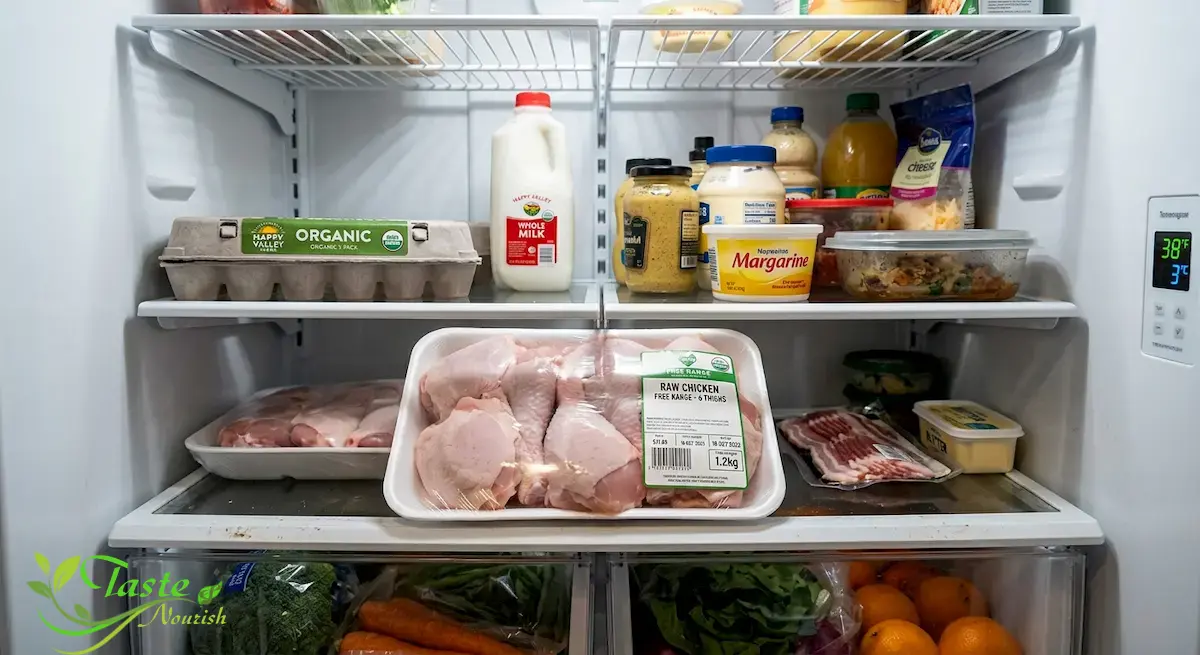
The safest way to store raw chicken is to keep it in its original packaging, or a leak-proof container, on the bottom shelf of the refrigerator at 40°F or below, and to cook or freeze it within 1 to 2 days of purchase. If you won’t use it within that window, move it to the freezer, where it’s safe indefinitely and holds good quality for close to a year.
Key Takeaways
Knowing how to store raw chicken correctly starts with keeping it at 40°F or below and using it within 1 to 2 days.
Store raw chicken on the bottom shelf of the fridge, sealed or in a tray, so juices can’t drip onto other foods.
Freezing keeps chicken safe indefinitely at 0°F, though quality is best within roughly 9 to 12 months.
Never wash raw chicken before storing or cooking it. Washing doesn’t remove bacteria, and it can spread it around your sink and counters.
Thaw frozen chicken in the refrigerator, in cold water, or in the microwave, never on the counter.
What You Need to Know Before Storing Raw Chicken
Raw chicken can carry bacteria such as Salmonella, Campylobacter jejuni, Listeria monocytogenes, Staphylococcus aureus, and E. coli, even when it looks and smells completely normal. These bacteria multiply fastest between 40°F and 140°F, a range food-safety agencies call the “danger zone.” Refrigeration slows that growth; it doesn’t stop it, and freezing pauses it entirely without killing the bacteria already present. Only cooking chicken to a safe internal temperature destroys it, according to the USDA and Inspection Service.
That’s why the clock starts the moment you leave the grocery store. Refrigerate raw chicken within 2 hours of purchase, or within 1 hour if it’s been sitting in a hot car or a warm kitchen above 90°F, according to the CDC.
How to Store Raw Chicken in the Refrigerator
Follow these steps as soon as you get chicken home from the store:
1. Check the packaging first. If the wrapping is torn, punctured, or leaking, transfer the chicken to a clean container before refrigerating it.
2. Place it on the bottom shelf. This keeps any juices that leak from dripping onto produce, leftovers, or other ready-to-eat food. Store it in a tray, plate, or shallow container if you’re worried about drips.
3. Keep it sealed. Original store packaging is fine for a day or two. If it’s been opened, move the chicken to a leak-proof container or a resealable bag.
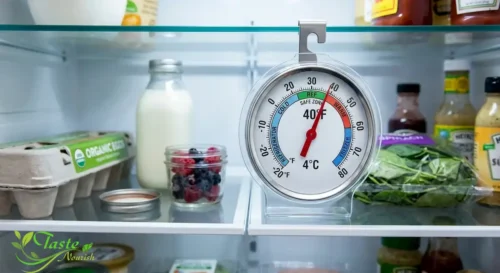
4. Confirm your fridge is cold enough. The refrigerator should hold a steady 40°F or below. Use an appliance thermometer if you’re not sure, since the built-in dial isn’t always accurate.
5. Cook or freeze it within 1 to 2 days. This applies to whole chickens, bone-in parts, boneless breasts, thighs, wings, and ground chicken alike.
Best Containers for Raw Chicken Fridge Storage
For short-term refrigerator storage, the original store packaging works well as long as it’s intact. Once it’s opened, a shallow container with a tight-fitting lid, or a heavy-duty resealable bag with the air pressed out, does a better job of containing juices and preventing odors from spreading to other foods. Avoid loosely wrapped butcher paper or open bowls for raw chicken fridge storage, since both make it easier for juices to leak or drip.
How to Store Raw Chicken in the Freezer
Freezing is the right move any time you won’t cook the chicken within 2 days. At 0°F, chicken is safe to eat indefinitely; freezing simply pauses bacterial growth rather than killing bacteria, so the food is still safe once thawed and cooked properly, even well past the “best quality” window.
Freeze in original packaging for short-term storage. If you’ll use the chicken within about 2 months, the store wrap is usually fine.
Overwrap for longer storage. For anything beyond 2 months, wrap the original package in airtight heavy-duty foil, freezer paper, or plastic wrap, or slide it into a freezer bag with the air squeezed out. This prevents freezer burn, which affects texture and flavor but not safety.
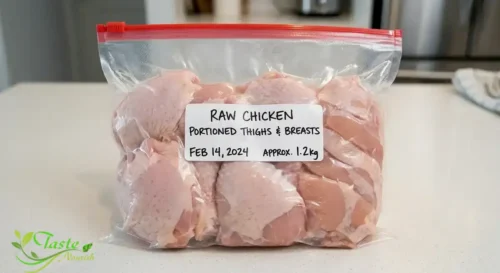
Portion before freezing when it helps. Splitting a family pack into individual meal-sized portions makes thawing faster and reduces the amount you have to refreeze or discard later.
Label and date every package. Freezer burn and forgotten dates are the two most common reasons good chicken ends up wasted.
How Long Raw Chicken Lasts: Quick Reference Table
Chicken Type
Refrigerator (40°F or below)
Freezer (0°F, for best quality)
Whole raw chicken
1 to 2 days
About 1 year
Raw chicken parts (breasts, thighs, wings, drumsticks)
1 to 2 days
About 9 months
Giblets or ground chicken
1 to 2 days
3 to 4 months
Marinating raw chicken
Same 1 to 2 day limit
Freeze before marinating if you need extra time
These freezer figures reflect quality, not a safety cutoff, based on guidance from USDA’s Ask FSIS. Chicken kept continuously frozen at 0°F remains safe to eat beyond these windows, though it may lose some texture and flavor over time.
How to Thaw Frozen Chicken Safely
Never thaw chicken on the counter. Room temperature lets the outer layer sit in the danger zone long before the inside defrosts, giving bacteria time to multiply. Instead, use one of these three methods:
Refrigerator (safest, but slowest): Move the chicken to a plate or tray on the bottom shelf. A whole chicken or bone-in parts can take 1 to 2 days or longer to thaw fully. Once thawed, it can stay in the fridge another day or two before cooking.
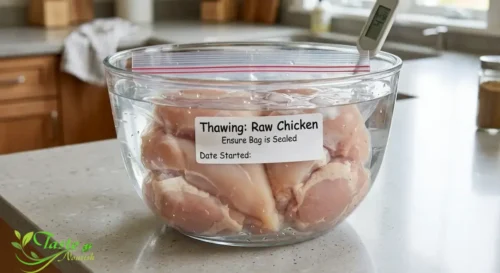
Cold water: Keep the chicken in a leak-proof bag and submerge it in cold tap water, changing the water every 30 minutes so it stays cold. This thaws chicken faster than the fridge, and it should be cooked immediately afterward.
Microwave: Use the defrost setting and cook the chicken right away, since some areas may start to cook during microwave thawing and shouldn’t sit raw afterward.
Chicken thawed in the refrigerator can safely be refrozen raw if it hasn’t left the fridge. Chicken thawed using the cold-water or microwave method should be cooked before it’s refrozen, according to the USDA and Inspection Service.
Signs Raw Chicken Has Gone Bad
Check for these signs before cooking any chicken that’s been in the fridge for a while:
Strong, sour, or ammonia-like odor. Fresh raw chicken has little to no smell.
Slimy or tacky texture. Fresh chicken should feel moist but not sticky or slippery.
Dull, gray, or yellowish color. Fresh chicken is typically pink with white fat; noticeable graying is a warning sign.
Swollen, leaking, or damaged packaging. This can signal bacterial growth or a broken cold chain.
Don’t rely on smell or appearance alone. Some bacteria that cause foodborne illness, including Salmonella, don’t always produce an obvious odor or visible change, so chicken that’s been refrigerated past 2 days should be discarded even if it seems fine.
Common Mistakes to Avoid When Storing Raw Chicken
Storing chicken on an upper shelf. Any leak can contaminate food below it. Keep raw chicken on the bottom shelf, below anything eaten raw.
Leaving chicken out while prepping other ingredients. Even 30 to 40 minutes at room temperature adds up. Take it out only when you’re ready to cook.
Washing raw chicken in the sink. Rinsing doesn’t kill bacteria; it just splashes it onto the faucet, counters, and nearby dish towels.
Refreezing chicken thawed in cold water or the microwave without cooking it first. Only chicken thawed in the refrigerator is safe to refreeze raw.
Trusting the sell-by date over your own storage clock. The 1 to 2 day refrigerator rule applies from the day you bring chicken home, not the date printed on the package.
Using the same cutting board for chicken and produce. Always switch boards, or wash thoroughly with hot, soapy water, between raw chicken and anything eaten raw.
Assuming marinating extends the storage window. Marinade doesn’t preserve raw chicken; it still needs to be cooked within the same 1 to 2 days.
Safe Chicken Storage Tips From the Kitchen
Bag raw chicken separately at the checkout counter or in your cart so packaging leaks can’t reach other groceries on the ride home.
Keep a fridge thermometer clipped to a shelf, since the dial setting and the actual temperature inside don’t always match.
If you buy chicken in bulk, portion and freeze most of it right away and only refrigerate what you’ll cook in the next day or two.
Set a reminder on the day you buy chicken so it doesn’t quietly slip past the 2-day window.
Keep a dedicated cutting board just for raw meat and poultry to cut down on cross-contamination without having to think about it.
Wash hands with soap and water for at least 20 seconds before and after handling raw chicken, and sanitize any surface it touched.
How to Store Raw Chicken FAQs
How long can you keep raw chicken in the fridge?
Raw chicken, whether whole, in parts, or ground, should be cooked or moved to the freezer within 1 to 2 days of refrigeration at 40°F or below.
What is the best way to store raw chicken in the refrigerator?
Keep it on the bottom shelf in its original packaging or a sealed, leak-proof container so any juices can’t drip onto other foods.
Can you freeze raw chicken in its store packaging?
Yes, for short-term freezing of about 2 months or less. For longer storage, overwrap the package with heavy-duty foil, freezer paper, or a freezer bag to prevent freezer burn.
How long does raw chicken last in the freezer?
For best quality, whole raw chicken keeps well for about a year and raw parts for about 9 months. Chicken stored continuously at 0°F stays safe to eat beyond that, though texture and flavor may decline.
Is it safe to wash raw chicken before storing or cooking it?
No. Washing doesn’t remove bacteria and can splash it onto the sink, counters, and nearby surfaces. Cooking to a safe internal temperature is the only way to destroy bacteria.
How can you tell if raw chicken has gone bad?
Watch for a sour or ammonia-like smell, a slimy or sticky texture, dull or grayish color, or damaged packaging. When in doubt, or once it’s past the 2-day window, it’s safer to discard it.
What’s the safest way to thaw frozen chicken?
Thaw it in the refrigerator, in cold water that’s changed every 30 minutes, or in the microwave on the defrost setting. Never thaw chicken on the counter at room temperature.
Does marinating raw chicken extend how long it can be stored?
No. Marinade doesn’t preserve raw chicken or slow bacterial growth. It still needs to be cooked within the same 1 to 2 day refrigerator window.
Conclusion
Once you understand how to store raw chicken the right way, the routine becomes second nature: keep it cold, keep it contained, keep it on the bottom shelf, and use it within 1 to 2 days or move it to the freezer. Those few habits, more than any single ingredient or recipe, are what keep chicken dinners safe night after night.
Hanan Abo Samra is the founder of Taste & Nourish, sharing trustworthy nutrition guidance and recipes drawn from 20+ years of hands-on cooking experience. When she's not developing new recipes, Hanan is researching the science behind everyday ingredients to bring readers practical, evidence-based guidance for a healthier lifestyle.