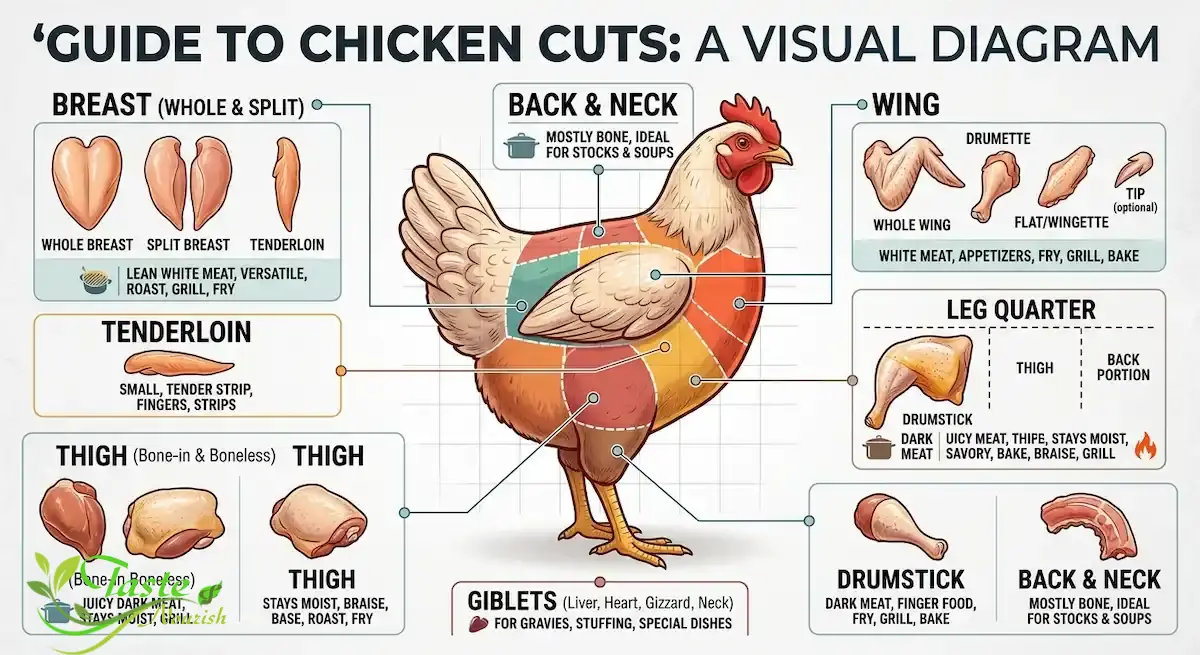
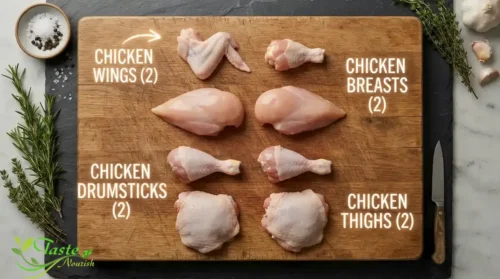
Confused by the poultry aisle? This guide has chicken cuts explained clearly — from breast and tenderloin to thighs, drumsticks, and wings — so you know exactly what to buy and how to cook it right. Whether you’re prepping a weeknight dinner or breaking down a whole bird for the first time, understanding each cut helps you choose the best cooking method, avoid dry or overcooked meat, and get more value from every chicken you buy.
A whole chicken breaks down into a handful of primary cuts: breast, tenderloin, thigh, drumstick, wing, and leg quarter (thigh and drumstick still attached). Each cut differs in fat content, bone structure, and cooking time, which is why chicken cuts explained correctly means matching the right piece to the right cooking method rather than treating “chicken” as one interchangeable ingredient.
Key Takeaways
White meat (breast, tenderloin) cooks fast and dries out easily; dark meat (thigh, drumstick, wing) has more fat and stays juicy through longer cooking.
Bone-in, skin-on cuts hold moisture and flavor better than boneless, skinless cuts, but they take longer to cook through.
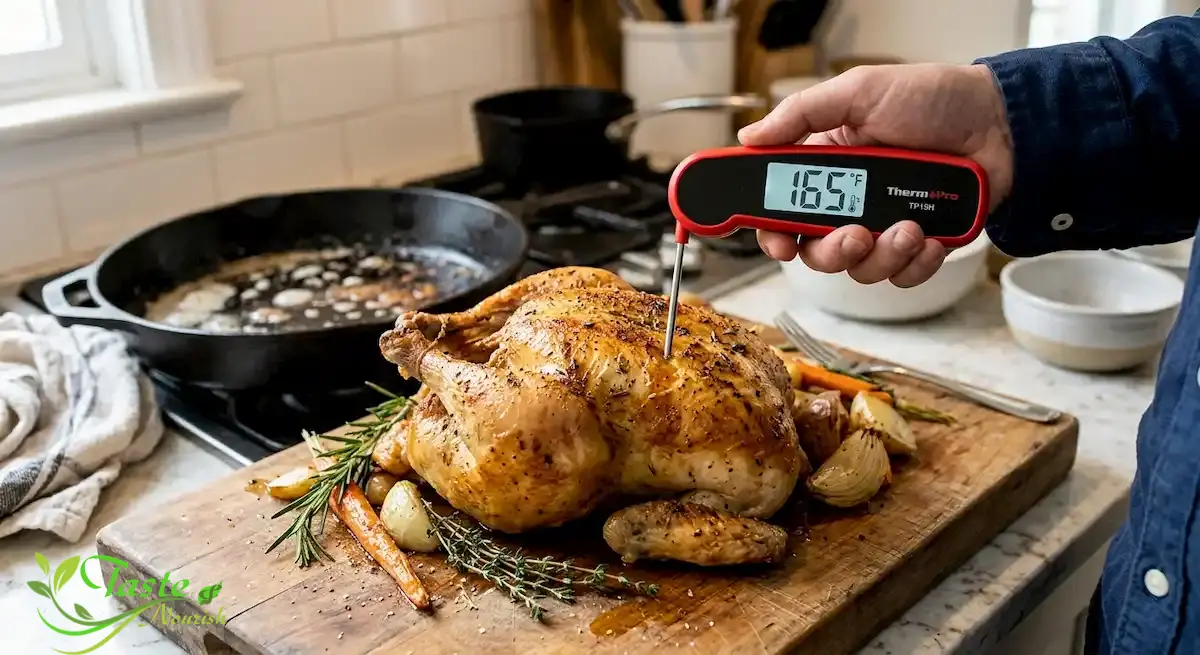
Every raw chicken cut must reach an internal temperature of 165°F to be safe to eat, no matter which part of the bird it comes from.
Once you understand chicken cuts explained by fat content and bone structure, you can substitute cuts in most recipes with only minor timing adjustments.
Ground chicken, cutlets, and tenders are all butchered from primary cuts, not separate parts of the bird.
What You Need to Know Before Buying Chicken
Almost every chicken cut you’ll find at the store falls into a few basic categories. Understanding these categories first makes the individual cuts much easier to keep straight.
White Meat vs. Dark Meat
Breast meat and tenderloins are white meat. They come from muscles the bird uses infrequently, so they have less fat, less connective tissue, and a milder flavor. Thighs, drumsticks, and wings are dark meat, taken from muscles the bird uses constantly for walking and standing. That extra use means more fat, more connective tissue, and a richer flavor that holds up to longer, higher-heat cooking.
Bone-In vs. Boneless
Bone-in cuts cook more slowly because the bone insulates the meat closest to it, but that same insulation helps the meat stay moist and adds flavor during roasting or braising. Boneless cuts cook faster and are easier to portion, but they have less built-in protection against overcooking.
Skin-On vs. Skinless
Skin holds in moisture during cooking and can be crisped for texture. Removing it before cooking cuts fat and calories but makes the meat underneath more prone to drying out, especially with breast meat.
Chicken Cuts Explained, Piece by Piece
Whole Chicken
A whole chicken includes the breast, thighs, drumsticks, wings, and back, usually with the neck and giblets packaged separately inside the cavity. It’s the most economical way to buy chicken per pound and gives you a carcass for stock afterward. Whole birds are best roasted, spatchcocked, or slow-cooked.
Chicken Breast
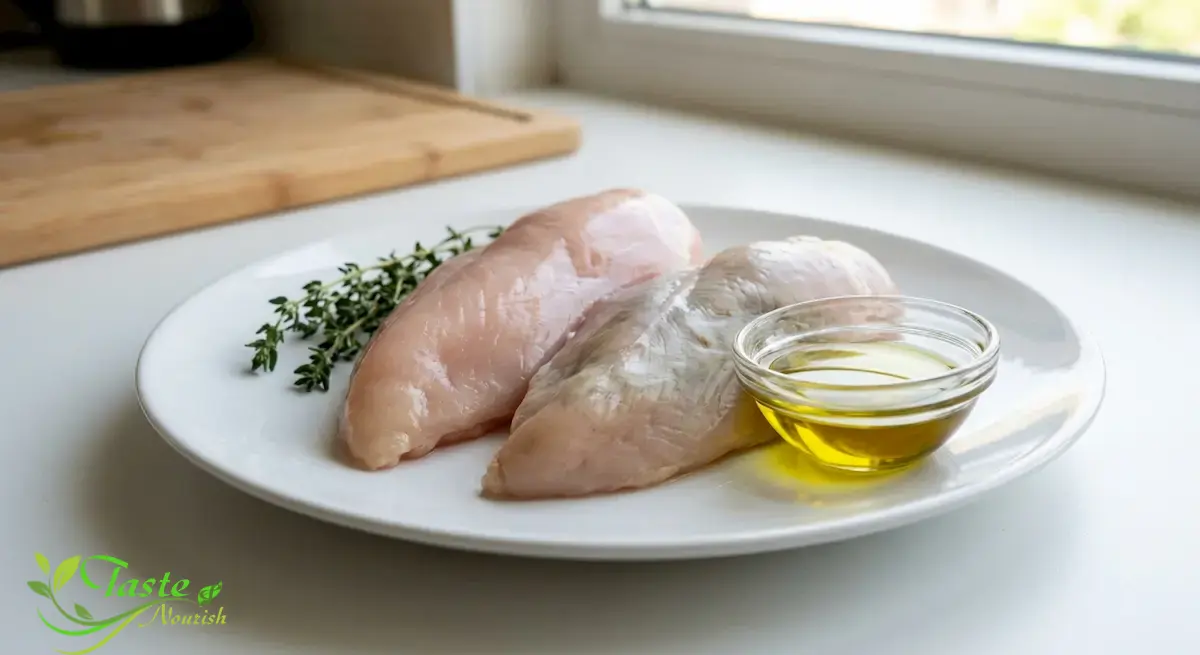
The breast is the lean muscle from the front of the bird’s chest. It’s sold bone-in with skin, boneless with skin, or boneless and skinless. Because it has almost no fat marbling, it cooks quickly and can go from juicy to dry in just a few extra minutes on the heat. Breast meat works well for grilling, pan-searing, baking, and poaching.
Chicken Tenderloin
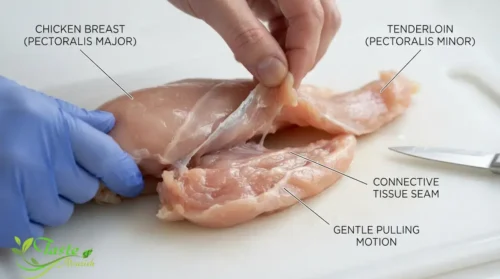
The tenderloin is a narrow strip of muscle attached to the underside of the breast. It’s the most tender part of the entire bird, cooks even faster than a full breast, and is a common choice for breading and frying, stir-fries, or kabobs.
Chicken Thigh
Thighs come from the upper leg and are sold bone-in or boneless, with or without skin. Their higher fat content makes them far more forgiving to cook than breast meat, since they stay juicy even a few minutes past done. Thighs are a good default choice for braising, roasting, grilling, and sheet-pan dinners.
Chicken Drumstick
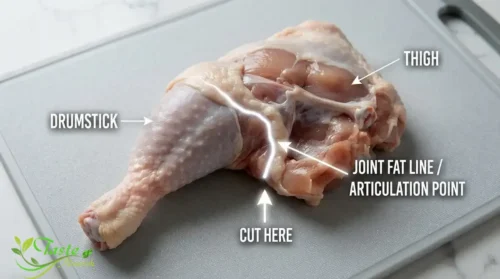
The drumstick is the lower leg, always sold bone-in. Like the thigh, it’s dark meat with more fat and connective tissue, which is why it holds up well to longer cooking times like baking, braising, or slow-roasting without drying out.
Chicken Leg Quarter
A leg quarter is the thigh and drumstick still connected as one piece, sometimes with a portion of the back attached. It’s typically one of the least expensive cuts and is well suited to roasting or braising as a single unit.
Chicken Wing
Wings are divided into three sections: the drumette (closest to the body), the flat (or wingette), and the tip, which is often removed before sale. Wings have a high skin-to-meat ratio, which is exactly why they crisp up so well when baked, fried, or grilled.
Chicken Cutlets
A cutlet is a boneless, skinless breast that has been sliced horizontally or pounded flat to create a thin, even piece. The thinner profile cooks in just a few minutes, which makes cutlets a common choice for quick pan-fried or breaded dishes.
Ground Chicken
Ground chicken is made by grinding various trimmings, and the fat content can vary depending on whether it’s made from breast meat alone, thigh meat alone, or a blend. Ground chicken labeled “breast” will be leaner and can dry out faster in dishes like burgers or meatballs than ground chicken made from thigh meat.
How to Choose the Right Cut for Your Recipe
If a recipe calls for quick, high-heat cooking, reach for breast, tenderloin, or cutlets. If it calls for long, slow, or braised cooking, thighs, drumsticks, or leg quarters hold up better and stay moist. When a recipe says “chicken pieces” without specifying, a mix of thighs and drumsticks is usually the safest substitute because both are dark meat with similar cooking times.
Quick Reference Table
Cut
Best Cooking Methods
Approx. Cook Time (Bone-In)
Best For
Whole Chicken (3–4 lb)
Roasting, spatchcocking
1 to 1.5 hours at 375°F
Sunday dinners, meal prep, stock
Breast
Grilling, baking, poaching, searing
25–35 minutes baked
Salads, sandwiches, quick weeknight meals
Tenderloin
Pan-frying, stir-frying, grilling
6–8 minutes
Kabobs, stir-fries, breaded strips
Thigh
Braising, roasting, grilling
35–45 minutes baked
Sheet-pan dinners, curries, stews
Drumstick
Baking, braising, grilling
35–45 minutes baked
Family-style meals, marinated dishes
Wing
Baking, frying, grilling
40–45 minutes baked
Appetizers, game-day food
Buying Tips: What to Look For at the Store
Check the sell-by or use-by date and choose the latest date available.
Look for plump, evenly colored flesh without gray or purplish patches.
Avoid packages with excess liquid pooling at the bottom, which can indicate improper storage or temperature fluctuation.
Choose packaging that is cold to the touch and place it in a separate bag at checkout to avoid contact with other groceries.
If buying skin-on cuts, the skin should look smooth, not slimy or discolored.
Handling and Storing Chicken Safely
Raw chicken carries a real risk of bacteria such as Salmonella and Campylobacter, so how you handle and store it matters as much as how you cook it.
Refrigerator Storage
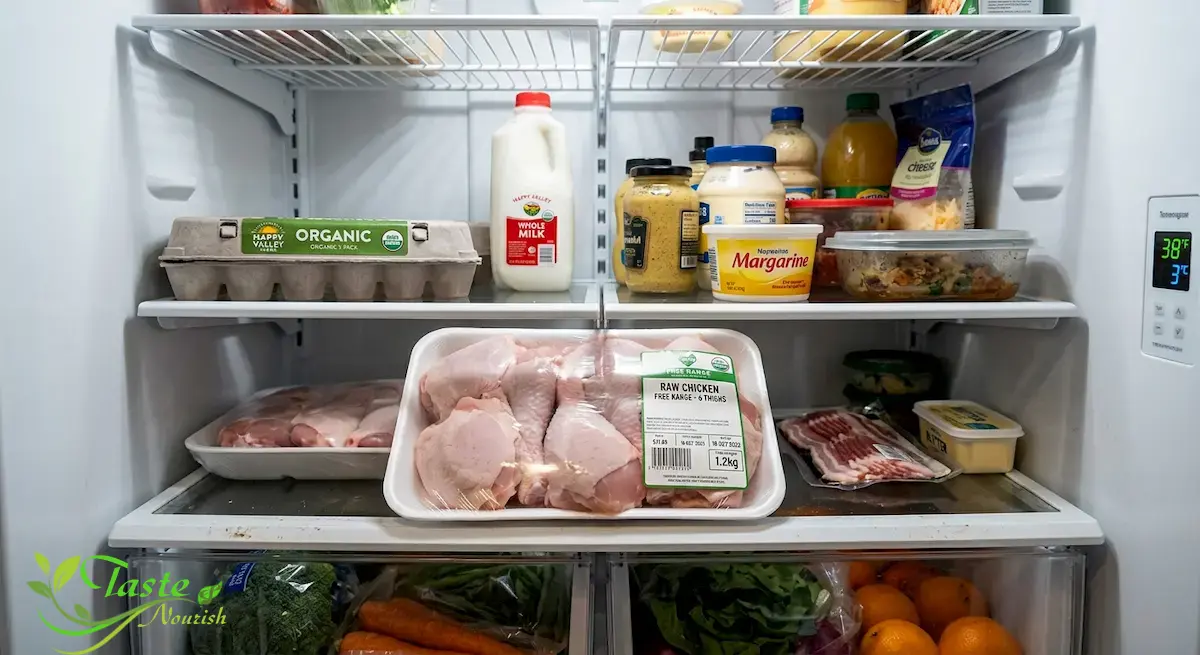
Raw chicken, whether whole or in pieces, keeps safely in the refrigerator for 1 to 2 days according to USDA FSIS guidance on chicken storage. Store it on the bottom shelf in its original packaging or a sealed container so juices can’t drip onto other food.
Freezer Storage
Chicken freezes safely indefinitely from a food-safety standpoint, but quality declines over time. USDA guidance on freezing poultry recommends using whole chicken within about a year and raw pieces within about 9 months for best quality. Wrap cuts tightly in freezer paper or a freezer bag with the air pressed out, and label the package with the cut and date.
Do Not Rinse Raw Chicken
Washing raw chicken under the tap doesn’t remove bacteria; it can splash bacteria-laden water onto your sink, countertops, and nearby dishes. Cooking to a safe internal temperature is what actually kills bacteria.
Food Safety: Cooking Temperature
Every cut of chicken, regardless of whether it’s white or dark meat, must reach a minimum internal temperature of 165°F, measured with a food thermometer inserted into the thickest part of the meat, according to the FoodSafety.gov safe minimum cooking temperature chart. Many cooks bring thighs and drumsticks to 175–185°F for better texture, but 165°F is the food-safety threshold that applies to every cut.
To avoid cross-contamination, use a separate cutting board for raw chicken, wash your hands and any surfaces the raw chicken touched with hot, soapy water, and never place cooked chicken back on a plate that held it raw. The CDC’s guidance on Salmonella prevention outlines these same handling practices in more detail.
Common Mistakes to Avoid
Using breast meat when a recipe was designed for thighs. The lower fat content means it will dry out faster; shorten the cooking time or add a marinade to compensate.
Cooking bone-in and boneless cuts for the same amount of time. Bone-in pieces need more time; check temperature rather than relying on the clock.
Rinsing raw chicken before cooking. This spreads bacteria rather than removing it.
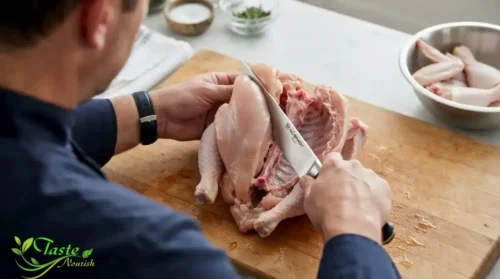
Buying a whole chicken to save money but not knowing how to break it down. Learning basic knife cuts along the joints makes this far easier than it looks.
Assuming all ground chicken is the same. Ground breast is leaner and behaves differently in recipes than ground thigh meat.
Not patting cuts dry before searing. Excess surface moisture prevents browning and can cause steaming instead of a crisp exterior.
Judging doneness by color instead of temperature. Color can be misleading; a food thermometer is the only reliable way to confirm chicken is safely cooked.
Expert Kitchen Tips
Buy a whole chicken and break it down yourself; it’s typically cheaper per pound than buying individual cuts.
Save the backbone and wing tips in the freezer to make stock later instead of throwing them away.
Pound cutlets or tenderloins to an even thickness so they cook evenly rather than drying out at the thin edges before the center is done.
Pat any cut dry with paper towels before seasoning; it helps seasoning stick and improves browning.
When substituting cuts in a recipe, match fat content: swap breast for tenderloin, or thigh for drumstick, rather than crossing between white and dark meat.
Let chicken rest for 5 minutes after cooking so the juices redistribute instead of spilling out when you cut into it.
Chicken Cuts Explained FAQs
What’s the difference between a chicken thigh and a chicken leg?
A thigh is the upper portion of the leg on its own. A “leg” or “leg quarter” usually refers to the thigh and drumstick still connected as one piece.
Which chicken cut is healthiest?
Skinless breast has the least fat per serving, but this is a nutrition consideration rather than a food-safety one; all cuts, when properly cooked, are equally safe to eat.
Can you substitute chicken thighs for chicken breast in a recipe?
Yes, in most cases. Thighs are more forgiving of extra cooking time because of their higher fat content, though the finished dish will have a slightly richer flavor and darker color.
How long does raw chicken last in the refrigerator?
About 1 to 2 days, per USDA guidance, regardless of which cut you’re storing.
Do all chicken cuts need to reach the same cooking temperature?
Yes. Every cut, whether breast, thigh, drumstick, or wing, needs to reach a minimum internal temperature of 165°F to be considered safe.
What is the best chicken cut for grilling?
Bone-in thighs are especially reliable on the grill because their fat content protects against drying out over direct heat, though breasts and drumsticks also grill well with attention to timing.
Why does chicken breast dry out so easily compared to other cuts?
Breast meat has very little intramuscular fat, so once it passes its ideal doneness, there’s nothing left to keep it moist, unlike thigh or drumstick meat.
Conclusion
Once you’ve got chicken cuts explained in terms of fat content, bone structure, and skin, choosing the right piece for a recipe stops being guesswork. Reach for breast or tenderloin when you want something quick and lean, and reach for thighs, drumsticks, or a whole leg quarter when you want a cut that forgives a few extra minutes on the heat. Whichever cut you buy, the same rule applies across the board: store it cold, handle it carefully, and cook it to 165°F.
Hanan Abo Samra is the founder of Taste & Nourish, sharing trustworthy nutrition guidance and recipes drawn from 20+ years of hands-on cooking experience. When she's not developing new recipes, Hanan is researching the science behind everyday ingredients to bring readers practical, evidence-based guidance for a healthier lifestyle.