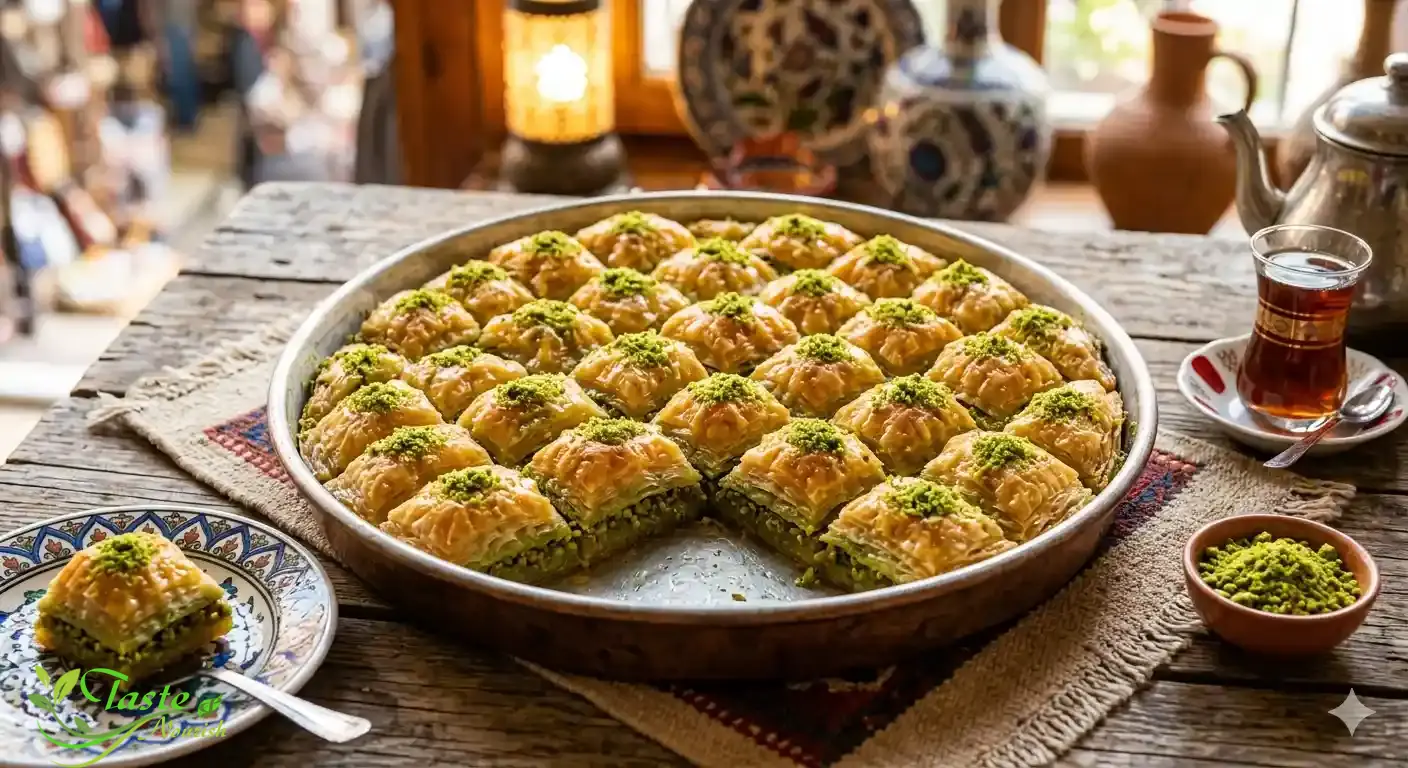
Basbousa is one of the most famous and beloved Arabic desserts — a sweet that perfectly combines simplicity in ingredients with richness in flavor. Across the Middle East and neighboring regions, different versions of basbousa and similar semolina cakes reflect local ingredients, traditions, and preparation methods. In this article, we will explore the main types of basbousa, how names and recipes vary across the region, and what affects the texture of the finished cake.
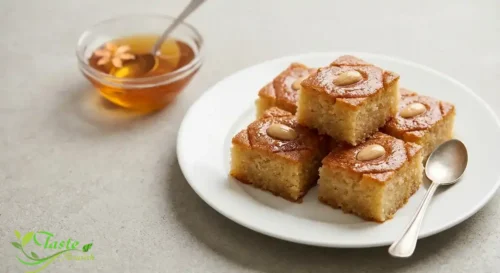
Basbousa is a traditional Middle Eastern dessert made mainly from semolina, sugar, butter or ghee, and syrup (also known as qater or sharbat). For a closer look at the main components, see what goes into basbousa. It is characterized by its rich taste and firm texture, often topped with almonds or pistachios. It’s baked until golden and then soaked in sugar syrup, giving it its signature sweetness.
The secret to a perfect basbousa lies in balancing the ingredients — it should neither be too dry nor too moist, but right in between. This balance makes it one of the most popular desserts on the Arabic table, especially during Ramadan and festive occasions.
Where Does Basbousa Come From?
The origin of basbousa is debated. According to the Asif Culinary Institute, a baked semolina cake similar to today’s version appears in a 14th-century Egyptian cookbook. A popular story links Turkish revani to the Ottoman conquest of Yerevan, but this is one of several competing explanations.
The name basbousa is often said to mean “just a kiss” in Arabic, which is a popular explanation rather than a confirmed etymology. What stays consistent across regions is the core idea: a semolina cake soaked in syrup, adapted by local ingredients and traditions.
Types of Basbousa by Ingredients
Yogurt Basbousa
Yogurt basbousa is among the most popular versions. The yogurt adds a tender texture and moist consistency that melts in your mouth. Semolina, sugar, and ghee are mixed with natural yogurt — sometimes with a touch of shredded coconut — then baked until golden and soaked in syrup. It’s often garnished with coconut flakes or pistachios for an extra luxurious taste. Perfect for those who enjoy the classic, balanced flavor between sweetness and softness.
Coconut Basbousa
This variation brings together the essence of the Middle East with a tropical twist. Similar in preparation to the previous recipe, the addition of coconut gives it a light crunch and aromatic flavor. Coconut is blended with semolina, sugar, butter, and yogurt, resulting in a denser and richer texture. After baking, it’s soaked in light syrup and served on festive occasions thanks to its celebratory appeal. Coconut basbousa pairs beautifully with coffee or tea.
Cream-Filled Basbousa (Qishta)
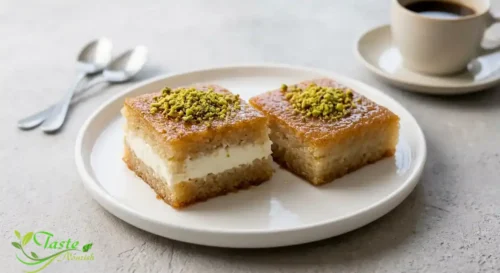
If traditional basbousa is a symbol of simplicity, the cream-filled version represents pure indulgence. It’s stuffed with a rich layer of fresh Arabic cream (qishta) and baked until the top turns golden, then drenched in light syrup. The result? A heavenly blend of creamy texture and soft sweetness — a favorite in weddings and special celebrations.
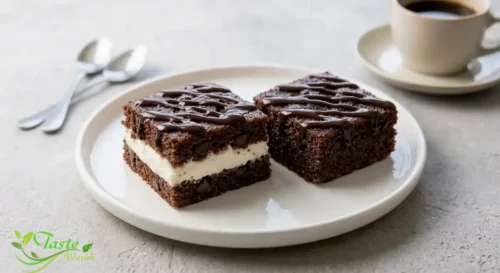
Chocolate basbousa is a relatively modern twist that merges the charm of Middle Eastern desserts with a Western flair. Cocoa powder is added to the basic mixture, and sometimes it’s filled with dark chocolate chunks or Nutella. The result is an irresistible flavor that appeals to both adults and kids alike. It’s a trendy choice for modern gatherings and youth parties.
Pistachio and Nut Basbousa
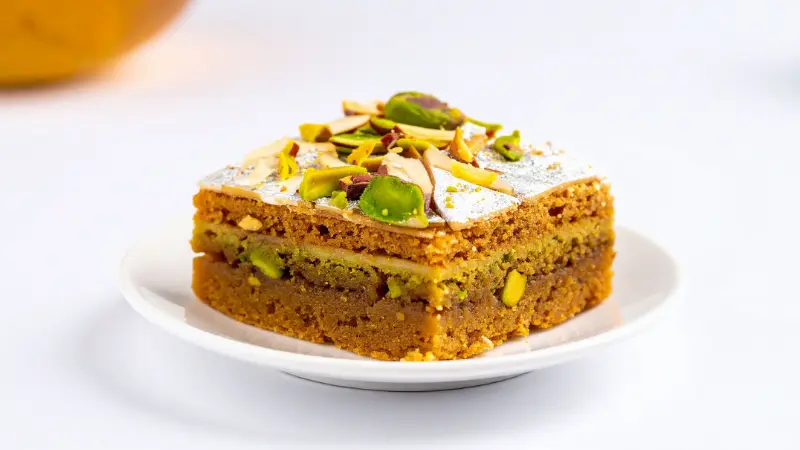
Pistachios and nuts are the crowning glory of basbousa. They can be used for topping or filling — commonly pistachios, almonds, or walnuts — and are often featured in festive versions. These are considered among the most luxurious and in-demand types in high-end pastry shops, admired for their beautiful appearance and refined taste.
Basbousa Types Compared
Basbousa varieties differ in their ingredients, texture, sweetness, and toppings. The following table highlights common differences, although individual recipes can vary.
Type
Typical Texture
Distinctive Ingredients or Features
Traditional basbousa
Tender with a slightly grainy texture
Semolina, sugar syrup, and ghee or butter
Yogurt basbousa
Moist and tender
Yogurt adds moisture and a slight tang
Coconut basbousa
Often denser with a noticeable coconut flavor
Shredded coconut
Cream-filled basbousa
Creamy in the center
Arabic cream (ashta or qishta)
Chocolate basbousa
Varies by recipe
Cocoa powder or chocolate
Nut-topped basbousa
Depends on the base recipe
Pistachios, almonds, or other nuts
The best choice depends on the texture, flavor, and level of sweetness you prefer.
How to Choose the Right Type of Basbousa
For a traditional flavor: Choose classic semolina basbousa with sugar syrup and ghee or butter.
For a coconut flavor: Try a version that includes shredded coconut in the batter or as a topping.
For a creamy dessert: Choose cream-filled basbousa, and refrigerate leftovers promptly because of the dairy filling.
For a chocolate variation: Look for recipes that include cocoa powder or chocolate in the batter.
For a plant-based option: Choose a recipe made with plant-based milk and oil instead of dairy ingredients.
For a gluten-free option: Use a tested recipe with suitable gluten-free flours rather than replacing semolina with another flour in equal amounts without adjustment.
Each variation has its own texture and flavor, so the best choice depends on your preferences and the recipe you follow.
Types of Basbousa by Country of Origin
At a glance, these are the most common names and features. Recipes vary by household and bakery.
Region
Common names
Typical features
Egypt
Basbousa
Often made with yogurt and coconut, topped with almonds, soaked in syrup
Levant
Harissa (hareesa), namoura
Often flavored with rose or orange blossom water; texture ranges from dense to tender
Gulf
Basbousa
Varies by household; some recipes use cardamom, saffron, or rose water
Turkey
Revani
Often made with flour and semolina; lemon zest or vanilla; lighter syrup
Greece
Ravani
Often citrus-flavored; lighter and served chilled in some versions
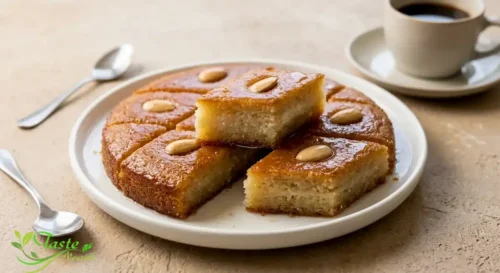
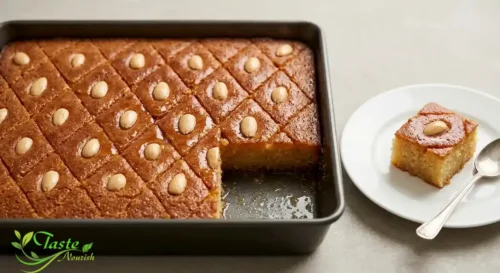
Egyptian basbousa is one of the best-known versions of this dessert in the Arab world. Its ingredients and preparation methods vary among households and pastry shops. It is usually made with coarse semolina, sugar, ghee, and yogurt, then topped with almonds before baking, traditionally one almond on each piece. Some recipes use hazelnuts or other nuts..
After baking, it is soaked in syrup (sharbat), giving it a rich and moist texture. What distinguishes Egyptian basbousa is its balance between sweetness and flavor — not overly sweet, with a golden crust and a soft, spongy center.
It is commonly served in Egyptian homes during holidays and Ramadan. Some variations include Coconut Basbousa and Plain Basbousa without yogurt, depending on family tradition.
Levantine Basbousa (Harissa and Namoura)
In parts of the Levant, similar semolina desserts are known as harissa or nammoura. The names and recipes vary by country and local tradition. Depending on the recipe, Levantine versions may have a dense or tender texture. They are commonly made with semolina, although the grain size and other ingredients vary.
This harissa (also spelled hareesa) is unrelated to the spicy chili paste of the same name from North Africa.
Levantine basbousa is often flavored with rose water or orange blossom water, giving it an aromatic, delicate scent that distinguishes it from the Egyptian version.
A popular Levantine variety is Harissa bil-Kishta — stuffed with fresh cream and topped with crushed pistachios, creating a luxurious balance of flavor and presentation.
In Palestine, Syria, and Lebanon, this cake is commonly called hareesa, according to the Asif Culinary Institute.
Palestinian Harissa
In Palestine, a semolina-based dessert known as harissa is a familiar part of traditional sweet-making. Its ingredients and preparation methods may vary among families and bakeries. It’s made in a simple way using a mixture of semolina, sugar, and ghee, then soaked in syrup immediately after baking. It’s known for its dense texture and rich sweetness and is often sold in local sweet shops alongside knafeh and qatayef.
Gulf Basbousa (Khaleeji Style)
In the Gulf countries, basbousa recipes vary by household and bakery. Some versions use cardamom, saffron, or rose water for aroma, and some recipes add condensed or evaporated milk for extra richness. Coconut versions are also popular, and basbousa is often served at Eid and family gatherings, usually with Arabic coffee.
Libyan Basbousa with Dates (Basbousa bil Tamr)
Basbousa bil tamr is a Libyan version of the cake that adds dates. Instead of a single layer, it is made with two layers of semolina cake with a layer of date paste spread between them, and this variety also includes desiccated coconut in the batter. According to TasteAtlas, the batter typically combines semolina with regular flour, butter, milk, sugar, and baking powder, flavored with cinnamon.
After baking, the cake is soaked in syrup and decorated with almonds. The Libyan Heritage House describes the syrup as date syrup, while other recipes may use a standard sugar syrup, so the exact method varies. The date layer gives it a soft, fruity center that sets it apart from plain basbousa. It is often served with qishta (Arabic cream) and a cup of Arabic cardamom coffee.
Turkish Basbousa (Revani)
Revani is a Turkish semolina cake that shares similarities with basbousa. Recipes differ in their proportions, texture, flavorings, and syrup preparation. It’s lighter in texture, often made with a mixture of flour and semolina, and flavored with lemon zest or vanilla instead of rose water.
The syrup used in Revani is thinner and less sweet, which makes it perfect for those who prefer a lighter dessert. It’s usually served cold and cut into neat squares, sometimes topped with coconut or powdered sugar.
Greek Basbousa (Ravani or Samali)
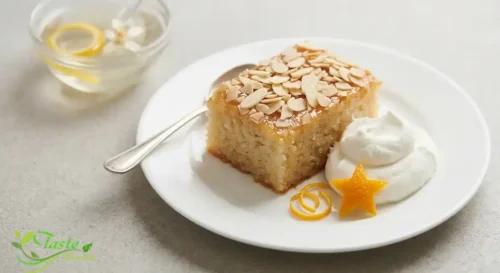
In Greece, ravani and samali are semolina-based desserts with regional variations. They share similarities with other syrup-soaked cakes found across the eastern Mediterranean, but their ingredients and preparation methods can differ. It’s typically flavored with lemon syrup and grated orange peel, giving it a refreshing citrus note. Greek Ravani is often decorated with almonds and served chilled with whipped cream or a scoop of ice cream.
The Greek version is lighter, slightly less sweet, and often accompanied by a cup of Greek coffee.
Types of Basbousa by Dietary Preference
Keto Basbousa
With the growing popularity of low-carb diets, Keto Basbousa has become a perfect alternative for dessert lovers who follow the keto lifestyle. In this version, traditional semolina is replaced with almond flour or coconut flour, and natural sweeteners such as erythritol or stevia are used instead of sugar.
The result is a variation inspired by traditional basbousa, with a different texture and nutritional profile. Whether it is suitable for a low-carbohydrate eating plan depends on the ingredients and serving size. Keto-style basbousa can be served with a syrup made using a suitable sugar substitute, such as monk fruit sweetener or erythritol. Regular sugar syrup, honey, and maple syrup all contain sugar, so they are not suitable for a sugar-free version.
It can be garnished with nuts or coconut flakes. The nutritional content depends on the ingredients and portion size.
Vegan Basbousa
For plant-based diet enthusiasts, Vegan Basbousa is a delightful option that’s completely free of animal products. Butter or ghee is replaced with coconut oil or olive oil, and almond milk or coconut milk is used instead of dairy yogurt.
The flavor and texture of vegan basbousa depend on the plant-based ingredients used. Coconut milk, almond milk, and different oils can produce different results. Adding vanilla extract, cinnamon, or cardamom enhances its aroma beautifully.
Vegan basbousa avoids dairy ingredients when prepared with suitable plant-based alternatives. It may be an option for people avoiding lactose, provided that all ingredients are checked. Its nutritional value depends on the recipe and portion size.
Gluten-Free Basbousa
For people with gluten sensitivity or celiac disease, there’s a Gluten-Free Basbousa variation that’s equally delicious. Depending on the recipe, rice flour, corn flour, or almond flour can replace semolina. Each flour absorbs moisture differently, so the texture may differ from traditional basbousa.
The result has a different texture from classic semolina basbousa, but the syrup, spices, and nuts can still give it a familiar flavor. As in other versions, the batter can be made with butter, ghee, or oil, and the cake is finished with syrup.
. The final texture and nutritional content depend on the ingredients and their proportions.
Gluten-free basbousa proves that even traditional desserts can evolve to fit modern dietary needs without losing their heritage.
♦ For people with celiac disease, choose ingredients labeled gluten-free and check packaged products for possible cross-contact with gluten.
How Ingredients Change the Nutrition of Basbousa
Exact calories, fat, and sugar vary widely depending on the recipe, portion size, and how much syrup the cake absorbs. The table below shows how each type tends to differ from classic basbousa rather than giving fixed numbers. For a specific recipe, use a nutrition calculator or look up your ingredients in the USDA FoodData Central database.
Type
What changes nutritionally
Traditional
Calories come mainly from semolina, sugar syrup, and butter or ghee
Cream-filled
The cream filling usually adds dairy fat
Coconut
Coconut adds fat, including saturated fat
Chocolate
Cocoa, chocolate, or spreads add fat and, often, sugar
Nut-topped
Nuts add fat, some protein, and fiber
Keto
Almond or coconut flour replaces semolina, which lowers carbohydrates from flour; sugar depends on the sweetener used
Vegan
Oil replaces butter and plant milk replaces yogurt; it is not automatically lighter
Gluten-free
Different flours replace semolina; it is not automatically lower in calories or sugar
The amount of syrup is often the biggest factor in sweetness and calories, so using less syrup is the simplest way to lighten any version.
Secrets of Making the Perfect Basbousa
Choosing the Right Semolina
Semolina is the key ingredient that defines the texture and success of your basbousa. Using the right type of semolina makes all the difference:
Coarse semolina gives a firm, slightly grainy texture.
Fine semolina creates a softer, smoother consistency.
Many chefs mix both types to achieve a perfect balance between softness and structure.
Pro tip: Do not overmix the batter — gentle mixing is enough to combine ingredients without making the texture dense.
Making the Syrup (Sharbat)
The syrup gives basbousa its signature sweetness and moistness. It’s made by boiling sugar, water, and a squeeze of lemon juice, then cooled to room temperature and poured slowly over the basbousa while it is still hot from the oven. The contrast between hot cake and cool syrup helps the cake absorb the syrup evenly without turning soggy.
To get the ideal syrup:
It should be medium in thickness — not too light (which makes the basbousa soggy), and not too thick (which prevents absorption).
You can add rose water, orange blossom water, or vanilla to enhance the flavor and preserve the authentic Middle Eastern aroma.
What Affects the Texture of Basbousa?
Several factors influence whether basbousa turns out tender, moist, or dense.
Semolina type: Coarse and fine semolina absorb liquid differently and produce different textures.
Ingredient ratios: Too much or too little liquid can change the consistency of the batter and the finished cake.
Mixing: Mix the ingredients just until combined, following the method specified in your recipe.
Baking time: Overbaking can dry out the cake, while insufficient baking may leave the center undercooked.
Syrup absorption: The amount and temperature of the syrup affect the final sweetness and moisture. Follow the instructions for your particular recipe.
For the most consistent results, measure ingredients accurately and avoid changing several quantities at once.
Common Mistakes to Avoid When Making Basbousa
Many people make small errors that can ruin the texture or flavor of their basbousa. Here are the most frequent ones:
Overmixing the batter — this makes the texture dense and heavy instead of soft.
Pouring hot syrup over hot basbousa. When both are hot, the cake absorbs the syrup too quickly and can turn heavy and soggy. Pour cooled syrup over the cake right after it leaves the oven. If the cake has already cooled, warm the syrup instead. The key is that one is hot and the other is not.
Using the wrong type of semolina — this changes the structure entirely.
Overbaking — makes the basbousa dry and flavorless.
Skipping the resting time after adding syrup — resting allows the syrup to absorb and the texture to settle.
How to Store Basbousa
The best storage method depends on the ingredients and filling.
Plain basbousa: Store it in a clean, covered container. For longer storage, refrigerate it or freeze it in suitable portions.
Cream-filled basbousa: Refrigerate promptly because the filling contains dairy. Do not leave it at room temperature for extended periods.
Frozen basbousa: Wrap portions well to help prevent moisture loss and freezer odors. Thaw in the refrigerator when appropriate.
For food safety, refrigerate perishable cream-filled desserts within two hours, or within one hour when the ambient temperature exceeds 90°F (32°C). Follow established food-safety guidance and use the storage instructions for your specific recipe.
Basbousa Types FAQs
What is the difference between basbousa, harissa, namoura, and revani?
They are all syrup-soaked semolina cakes. Basbousa is the common name in Egypt and much of the Arab world, harissa and namoura are used in parts of the Levant, and revani and ravani are the Turkish and Greek versions. Names, textures, and flavorings vary by region and family. This harissa is unrelated to the North African chili paste of the same name.
Is traditional basbousa vegan?
No. Traditional basbousa is usually made with butter or ghee and often with yogurt, so it contains dairy. Vegan versions replace the fat with oil and the yogurt with plant milk or plant yogurt, and the texture can differ.
Is basbousa gluten-free?
Not usually. Semolina is made from wheat, so classic basbousa contains gluten. Gluten-free versions use other flours, such as rice, corn, or almond flour, and the texture differs. If you have celiac disease, check labels for gluten-free certification and possible cross-contact.
What is the difference between plain and cream-filled basbousa?
Plain basbousa is a single syrup-soaked semolina cake, often topped with almonds. The cream-filled version has a layer of qishta (Arabic cream) in the middle, so it is richer and needs refrigeration. See our cream-filled basbousa recipe.
Which type of basbousa is best for beginners?
A yogurt basbousa is a common starting point, because the batter is simple and mixes in one bowl. Follow one tested recipe closely before changing quantities.
Is basbousa the same as semolina cake?
Basbousa is a type of semolina cake, specifically one baked and soaked in syrup. Not every semolina cake is syrup-soaked, so the names are not always interchangeable.
Final Thoughts
Basbousa comes in many varieties, from traditional Egyptian basbousa to cream-filled, coconut, chocolate, and nut-topped versions, as well as regional variations such as Libyan basbousa with dates. Similar semolina desserts, such as harissa, nammoura, and revani, also reflect the different culinary traditions of the region.
The best type depends on your preferred texture, sweetness, and ingredients. Whether you enjoy a classic syrup-soaked cake or want to try a different variation, understanding the ingredients and preparation methods can help you choose a version that suits your taste and prepare it with confidence.
**Hanan Abo Samra** shares practical cooking insights, delicious recipes, and evidence-based nutrition information. Drawing on more than 20 years of hands-on cooking experience, she creates helpful food content that combines everyday cooking knowledge with information from reliable scientific sources. Her goal is to help readers better understand the foods they eat, explore their nutritional benefits, and prepare delicious meals with confidence.