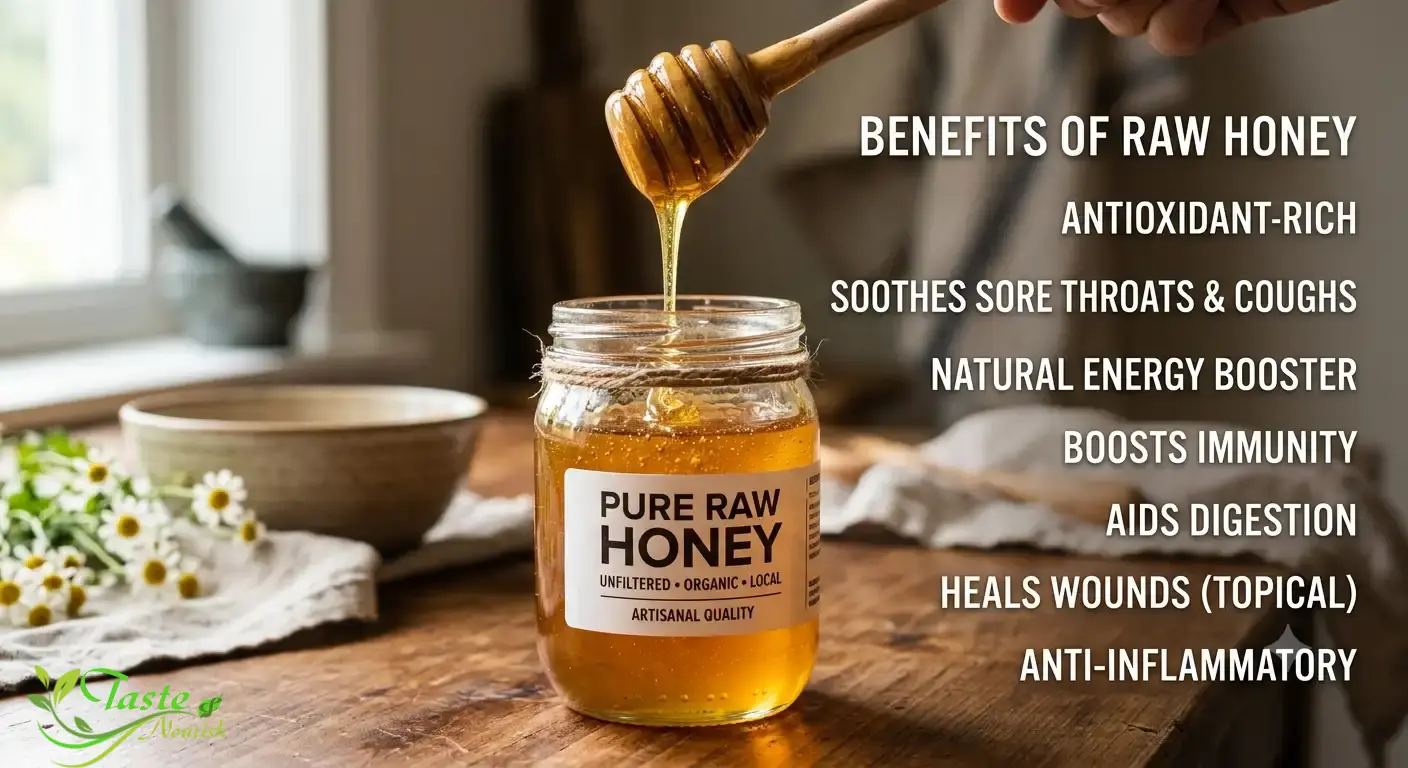
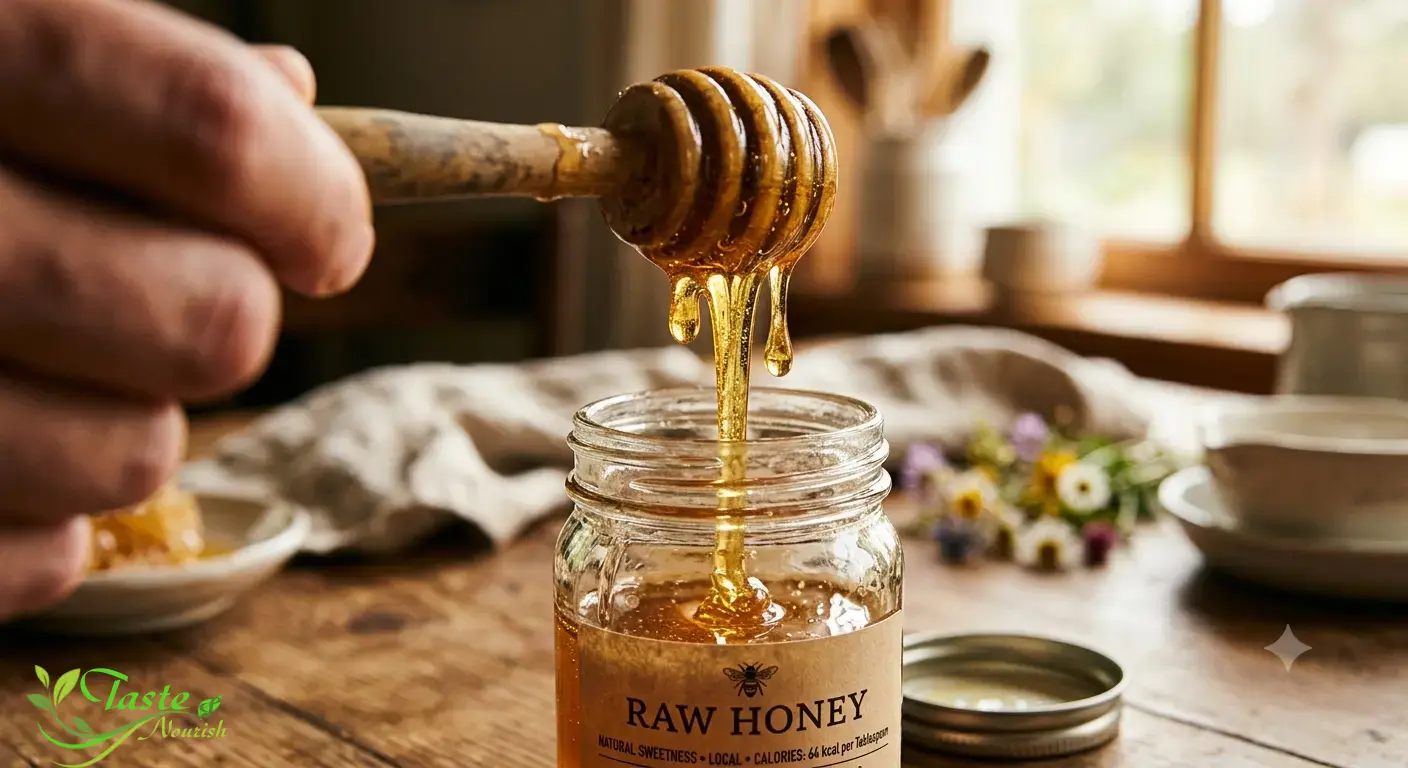
Have you ever wondered why honey has been treasured by humans for thousands of years — long before anyone even knew what an antioxidant was? From the ancient Egyptians who used it to dress wounds to modern clinical researchers publishing studies in peer-reviewed journals, honey has consistently earned its place as one of nature’s most remarkable foods. And the science in 2026 is more compelling than ever. Whether you drizzle it over your oatmeal, stir it into your morning tea, or apply it topically to a stubborn skin blemish, the benefits of honey stretch far beyond just sweetness.
This guide breaks down every major health benefit, what the latest research actually says, who should use it, who should avoid it, and exactly how to make honey work smarter for your health.
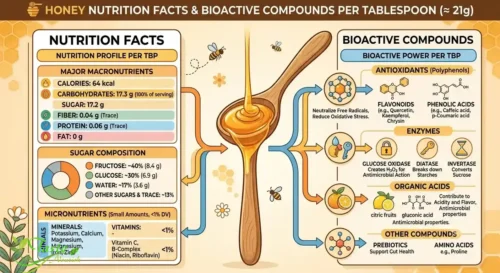
Honey isn’t just sugar in a jar — it’s an extraordinarily complex substance. Recent scientific research has focused on honey’s antioxidant capacity, which is linked to a variety of bioactive compounds such as phenolic acids, enzymes like glucose oxidase and catalase, flavonoids, ascorbic acid, carotenoids, amino acids, and proteins — all working synergistically to neutralize free radicals, regulate antioxidant enzyme activity, and reduce oxidative stress.
Think of honey as nature’s multi-vitamin sweetener — it comes loaded with functional compounds that plain table sugar simply cannot offer. Honey is rich in sugars, amino acids, enzymes, polyphenols, and flavonoids that contribute to its antimicrobial, antioxidant, and immunomodulatory properties, and it is effective in managing conditions such as antibiotic-resistant infections, inflammation, and oxidative stress-related diseases. The ancient world didn’t have double-blind clinical trials, but they got this one right.
Nutritional Profile of Honey
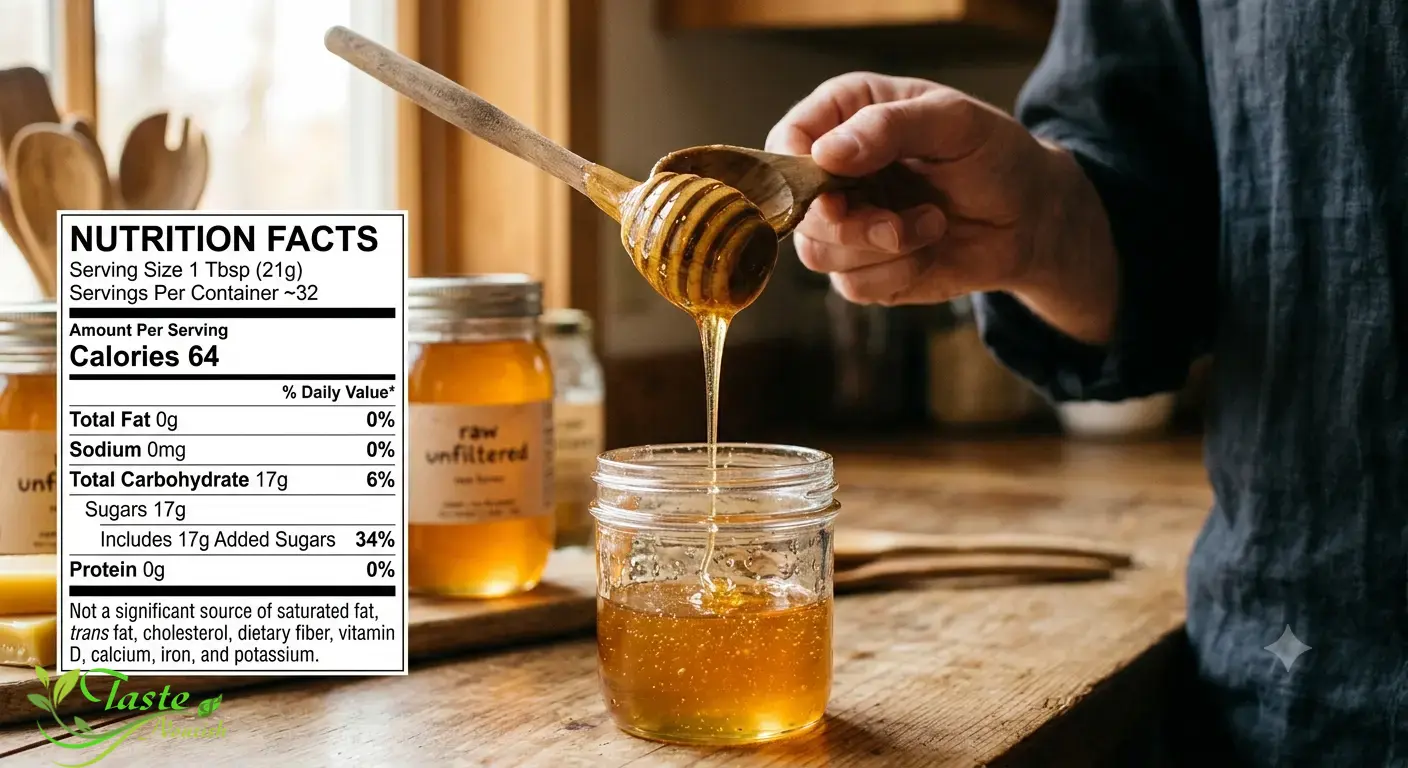
Honey Nutrition Facts Table
Before diving into the benefits, let’s ground everything in real nutritional data. Here is what one tablespoon (21g) of raw honey typically contains:
Nutrient
Amount per 1 tbsp (21g)
Calories
64 kcal
Total Carbohydrates
17.3g
Sugars (Fructose + Glucose)
~16g
Protein
0.06g
Fat
0g
Fiber
0g
Calcium
1.26mg
Iron
0.09mg
Magnesium
0.42mg
Potassium
10.9mg
Zinc
0.045mg
Vitamin C (trace)
<0.1mg
Antioxidants (Polyphenols)
Varies by type
Reader Note: The exact nutritional content of honey varies significantly depending on its floral source, geographic origin, and processing method. Darker honeys, like buckwheat, are generally richer in antioxidants.
Key Bioactive Compounds in Honey
The nutritional profile of honey is diverse and influenced by its geographical origin, floral source, processing, and storage conditions. It primarily consists of sugars and water along with proteins (enzymes), organic acids, vitamins such as B6, thiamine, niacin, riboflavin, and pantothenic acid, and minerals such as calcium, copper, iron, magnesium, and potassium. Beyond macro and micronutrients, honey’s real power lies in its bioactive compounds:
Flavonoids (quercetin, kaempferol, galangin) — anti-inflammatory and cardioprotective
Enzymes (glucose oxidase, catalase, invertase) — responsible for hydrogen peroxide production and antimicrobial activity
Methylglyoxal (MGO) — uniquely high in Manuka honey, potent antibacterial
Propolis — resinous compound with immune-boosting properties
Prebiotics — oligosaccharides that feed beneficial gut bacteria
Top Health Benefits of Honey Backed by Science
1. Powerful Antioxidant Properties
Let’s start with the big one. Honey stands out for its extensive health benefits, which include robust protection against cardiovascular issues, notable anticancer and anti-inflammatory effects, enhanced glycemic control in diabetes, immune modulation, neuroprotection, and effective wound healing.
These effects are largely attributed to its antioxidant arsenal. Free radicals are unstable molecules that cause oxidative stress in your body — think of them as tiny wrecking balls smashing through your cells, contributing to aging, cancer, and chronic disease. Antioxidants in honey neutralize these free radicals, essentially acting as a cleanup crew for your body at the cellular level.
One study showed that antioxidants in buckwheat honey were detectable in blood plasma, showing that eating honey could enhance antioxidant activity in the body. This is significant because it confirms honey’s bioactive compounds are actually absorbed — they don’t just pass through your system. Darker varieties tend to pack a bigger antioxidant punch, so choosing raw, minimally processed honey gives you the most benefit for your buck.
Key Takeaway: Not all honey is equal in antioxidant content. Darker honeys (buckwheat, manuka, wildflower) have significantly higher antioxidant levels than lighter varieties like acacia.
2. Natural Antibacterial and Antimicrobial Activity
One of the most well-established benefits of honey is its ability to fight bacteria — and this goes way beyond simply being a low-water, high-sugar environment that bacteria can’t survive in.
Honey exhibits significant antimicrobial activity and is effective against bacteria, fungi, and antibiotic-resistant pathogens, and these antimicrobial properties are multifactorial. The mechanisms behind this are genuinely fascinating.
Honey produces hydrogen peroxide through the enzyme glucose oxidase. Its low pH creates an acidic environment hostile to microbes. Its low water activity draws moisture out of bacterial cells, essentially dehydrating them to death.
Manuka honey takes this even further with its high methylglyoxal (MGO) content, which provides antibacterial activity even when hydrogen peroxide is neutralized — making it especially effective against drug-resistant strains.
Honey is effective in managing some conditions such as antibiotic-resistant infections, a fact that is becoming increasingly important as global antibiotic resistance continues to rise. This positions honey as more than a folk remedy — it’s a legitimate area of modern medical research.
How honey fights bacteria — a quick breakdown:
Produces hydrogen peroxide via glucose oxidase enzyme
Maintains a low pH (3.2–4.5) hostile to pathogens
Extremely low water activity dehydrates microbial cells
Methylglyoxal (MGO) in Manuka directly disrupts bacterial DNA
Bee defensin-1 (a peptide) activates the immune response
This is where ancient wisdom and cutting-edge medicine genuinely converge. A 2025 review notes that medical-grade honey may offer antibacterial and anti-inflammatory properties, and it may also help with tissue regeneration, potentially speeding recovery from burn wounds.
When applied to a wound, honey creates a moist healing environment, reduces bacterial load, minimizes inflammation, and actively stimulates tissue regeneration — essentially doing multiple jobs at once that often require several pharmaceutical products.
Research has demonstrated that honey accelerates tissue regeneration, reduces inflammation, and prevents the infection of wounds, burns, and ulcers. For skin health more broadly, the anti-inflammatory and antibacterial properties make honey an increasingly popular ingredient in skincare. It can help manage acne, soothe irritation, and maintain moisture balance.
Manuka honey in particular has been incorporated into clinical wound dressings and medical-grade products used in hospitals worldwide. The key distinction to remember is that medical-grade honey is sterile and regulated for clinical use — applying regular kitchen honey to a serious wound is not recommended.
⚠️ Important Note: Never apply regular store-bought honey directly to burns or serious wounds without medical advice. Medical-grade honey products are specially processed and sterile. For minor skin concerns, raw honey applied to clean skin is generally safe.
4. Benefits of Honey for Cough and Respiratory Health
If you’ve ever reached for honey when you had a sore throat, your instincts were well-founded. A 2021 review found that honey was beneficial for managing symptoms of an upper respiratory tract infection, and honey can be a safer option than cough sweets, which are generally not suitable for young children. This is a particularly important finding because health authorities in many countries have moved away from recommending over-the-counter cough medications for children, leaving parents searching for safe, effective alternatives.
In one study, 2 teaspoons of honey relieved children’s nighttime cough and allowed them to sleep. Honey works as a cough suppressant through multiple pathways: its thick, viscous texture coats and soothes irritated throat tissue; its antimicrobial compounds reduce the bacterial or viral load in the upper respiratory tract; and its anti-inflammatory properties reduce swelling and discomfort in the throat lining.
Research studies haven’t found that taking honey or using it as a nose spray eases seasonal allergy symptoms, so while honey helps with respiratory infections and coughs, it shouldn’t be expected to replace allergy medication.
Practical Tip: Mix one to two teaspoons of raw honey with warm (not boiling) water and a squeeze of lemon for an effective home remedy for sore throats and dry coughs. Never add honey to boiling water, as heat degrades its beneficial enzymes and antioxidants.
5. Benefits of Honey for Heart Health
Your heart might actually appreciate that drizzle of honey on your breakfast more than you realize. The protective effects of flavonoids in honey — including antioxidant, antithrombotic, anti-ischemic, and vasorelaxant properties — reduce the risk of coronary heart disorders through three mechanisms: improving coronary vasodilatation, reducing the ability of platelets in the blood to clot, and inhibiting low-density lipoproteins from oxidizing.
LDL oxidation is particularly important here — oxidized LDL is far more damaging to arterial walls than regular LDL cholesterol, and honey’s antioxidants help keep that oxidation process in check.
Honey may help lower cholesterol, which may help to improve heart health. The flavonoids quercetin and kaempferol, both found in honey, have been studied extensively for their cardiovascular benefits, including the ability to reduce blood pressure and improve endothelial function (the health of the inner lining of your blood vessels).
More beneficial effects of honey intake than no or negative effects on different cardiovascular and metabolic risk factors have been observed across clinical trial analyses, though researchers consistently note that more large-scale studies are needed to establish firm clinical guidelines.
6. Blood Sugar and Diabetes Management
Here’s where it gets nuanced — and where most honey articles get it wrong. Yes, honey raises blood sugar. It’s a sugar. But the way it raises blood sugar, and its secondary effects on metabolic health, are meaningfully different from refined sugar.
While honey raises blood sugar like other sugars, research suggests it may help improve fasting blood sugar levels and increase adiponectin, a hormone that can reduce inflammation and support blood sugar regulation. Adiponectin is a fascinating piece of this puzzle — it’s an anti-inflammatory hormone produced by fat tissue that also improves insulin sensitivity, and people with type 2 diabetes typically have low adiponectin levels. Honey appears to increase its production.
Despite being rich in carbohydrates, honey has been found to enhance insulin sensitivity and regulate glucose metabolism. Its low glycemic index makes it a preferred alternative to refined sugar, particularly for individuals managing diabetes or metabolic disorders. That said, people with diabetes should not treat honey as a free food — it still contains significant carbohydrates and must be factored into total daily intake.
Consulting a registered dietitian before adding honey to a diabetic meal plan is always the right call.
7. Gut Health and Digestive Benefits
The prebiotic properties of honey, which support gut health by promoting the growth of beneficial bacteria, further enhance its appeal as a dietary supplement. Prebiotics are essentially food for the good bacteria living in your gut — and a healthy gut microbiome is now linked to everything from immune function to mental health.
Honey contains oligosaccharides that act as fuel for beneficial strains like Lactobacillus and Bifidobacterium. Beyond prebiotics, studies suggest that honey might help ease diarrhea in people with infections caused by bacteria, and honey also might help lessen irritation that can happen with conditions that cause gut inflammation, such as ulcerative colitis. The antimicrobial activity of honey may help reduce pathogenic bacteria in the gut while its anti-inflammatory compounds soothe the gut lining.
Traditional Chinese medicine has used honey for digestive complaints for millennia, and as clinical studies have validated, the protective effects of honey on the gastric mucosa and its mild laxative properties align with its traditional use in treating ulcers, constipation, and indigestion.
Actionable Gut Health Tips Using Honey:
Add one teaspoon of raw honey to warm water first thing in the morning to gently support digestion
Use honey instead of sugar in fermented foods like yogurt to preserve probiotic cultures
Mix honey with apple cider vinegar and warm water as a traditional digestive tonic
Choose raw, unfiltered honey to retain prebiotic oligosaccharides that processing can degrade
Combine honey with ginger tea to address nausea and digestive discomfort
Avoid heating honey above 40°C (104°F) to preserve its enzyme and probiotic content
8. Anti-Inflammatory Effects
Chronic inflammation is increasingly recognized as the root driver of almost every major chronic disease — heart disease, diabetes, Alzheimer’s, and even certain cancers. Honey’s phenolic compounds, flavonoids, and enzymatic components play a central role in alleviating oxidative stress, controlling inflammatory pathways, and modulating intracellular processes, and by influencing these mechanisms, honey may interfere with disease-related pathogenic processes.
The anti-inflammatory action of honey operates at the cellular signaling level, modulating key pathways like NF-κB (nuclear factor kappa B), which acts like a master switch for inflammation in the body.
Quercetin, one of the most studied flavonoids in honey, is a particularly potent NF-κB inhibitor. What makes honey’s anti-inflammatory profile impressive is that it works through multiple simultaneous mechanisms rather than a single pathway — this is why it tends to be well-tolerated and why the risk of resistance or side effects is far lower than with pharmaceutical anti-inflammatory agents.
Types of Honey and Their Unique Benefits
Manuka vs. Raw vs. Regular Honey — A Comparison Table
Not all honey is created equal. The type you choose dramatically affects the concentration of beneficial compounds you actually get.
Honey Type
Key Feature
Best Used For
Antioxidant Level
Price Range
Manuka Honey
High MGO + UMF rating
Wound care, antibacterial
Very High
$$$$
Raw Honey
Unfiltered, unheated
General health, gut support
High
$$
Buckwheat Honey
Darkest variety
Antioxidant boost, cough
Very High
$$
Acacia Honey
Low GI, light flavor
Blood sugar management
Moderate
$$
Wildflower Honey
Diverse floral sources
Immunity, everyday use
High
$
Pasteurized Honey
Heat-treated, shelf-stable
Cooking, baking
Low-Moderate
$
Pro Tip: Varieties such as Manuka honey from New Zealand, acacia honey from Europe, and buckwheat honey from North America each possess unique chemical profiles and therapeutic potentials — for instance, Manuka honey is prized for its high MGO content, which confers exceptional antibacterial properties. ScienceDirect
How to Use Honey Daily — Practical Tips
Best Ways to Add Honey to Your Diet
Getting the most out of honey is as much about how you use it as how much you use. Heat is the enemy of honey’s beneficial enzymes — so pouring it into boiling tea or using it in high-heat cooking strips away much of what makes it special. Here are the smartest ways to incorporate honey into your daily routine:
In warm (not hot) beverages: Stir into warm water, herbal tea, or golden milk at temperatures below 40°C to preserve enzymes
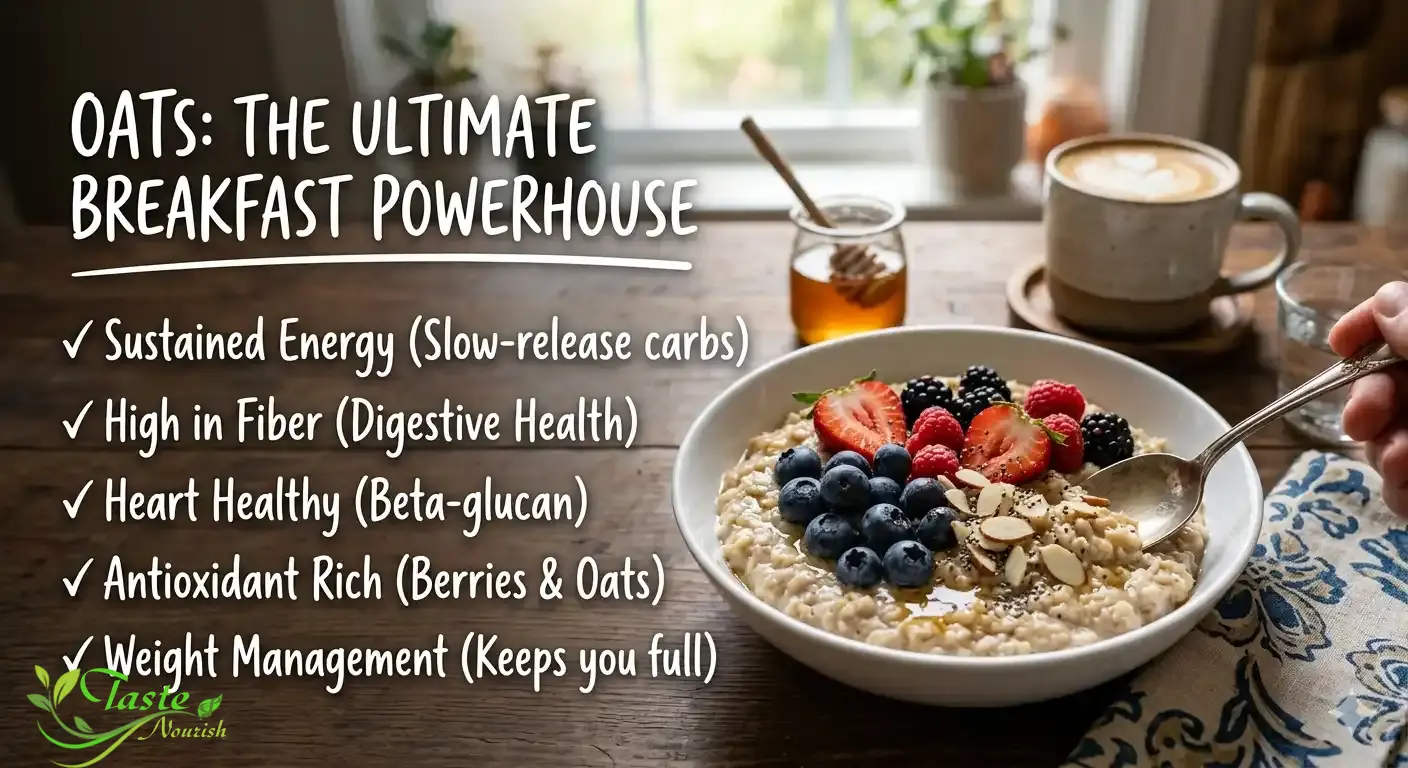
As a natural sweetener in oatmeal or yogurt: Replaces refined sugar while adding antioxidants and prebiotics
In salad dressings: Combine with olive oil, lemon juice, and Dijon mustard for a functional, delicious dressing
As a pre-workout energy source: A tablespoon of honey before exercise provides fast-releasing glucose for fuel
On whole-grain toast with nut butter: Combines complex carbs, healthy fats, protein, and honey’s antioxidants
In smoothies: Add raw honey after blending to avoid heat exposure and retain all bioactives
How Much Honey Should You Eat Per Day?
This is the question most people don’t ask — and they probably should. Honey is still a high-sugar food, and consuming it in unlimited quantities defeats its health purpose entirely.
The World Health Organization recommends limiting all free sugars (including honey) to less than 10% of total daily calorie intake — ideally below 5%. For a typical adult consuming 2,000 calories per day, that translates to roughly 25–50 grams of free sugar, or approximately 1.5 to 3 tablespoons of honey as the upper limit, assuming no other significant sugar sources.
Most health practitioners and nutritionists recommend starting with 1–2 teaspoons per day as a therapeutic amount that delivers benefits without contributing to excess sugar intake. The key is always using honey to replace other sweeteners rather than adding it on top of an already high-sugar diet.
Who Should Avoid Honey? Safety and Precautions
Honey is safe for the vast majority of people, but there are important exceptions that must be taken seriously.
Groups who should avoid or limit honey:
Infants under 12 months — Honey can cause a rare but serious digestive condition called infant botulism. Raw honey may have cells in it that bacteria use to make spores that can grow and multiply in a baby’s gut, making a harmful toxin that can make a baby seriously ill.
People with bee pollen allergies — Honey may have bee pollen in it, and bee pollen allergies, though rare, can cause serious reactions including wheezing and breathing problems and irregular heart rhythms.
People on Phenytoin (Dilantin) — Drug interaction risk noted in clinical literature
Uncontrolled diabetics — Should use only under dietitian supervision due to carbohydrate content
Those with fructose malabsorption — Honey is high in fructose and may cause digestive distress
Immunocompromised individuals — Should use only medical-grade honey products rather than raw honey
Honey vs. Sugar — Which Is Better for You?
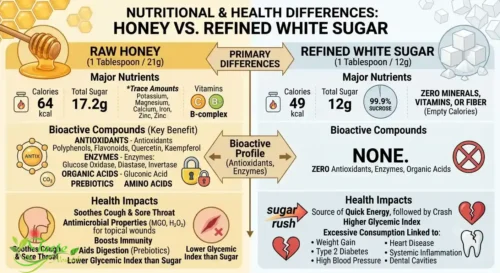
Honey vs. Sugar Comparison Table
The eternal sweetener debate. Here’s how raw honey stacks up against refined white sugar across key health metrics:
Feature
Raw Honey
Refined White Sugar
Calories per tbsp
~64 kcal
~48 kcal
Glycemic Index
45–64 (varies)
65
Antioxidants
Yes (polyphenols, flavonoids)
None
Antibacterial Properties
Yes
No
Prebiotic Effect
Yes
No
Vitamins & Minerals
Trace amounts
None
Anti-inflammatory
Yes
Promotes inflammation
Sweetness Relative to Sugar
Higher (use less)
Baseline
Processing
Minimal (raw)
Highly refined
Best Used As
Functional sweetener
Empty-calorie sweetener
The takeaway here is clear: while honey does contain more calories per tablespoon than white sugar, it delivers genuine nutritional and functional value that refined sugar simply cannot match. More beneficial effects of honey intake have been observed than no or negative effects, especially when its intake replaces the intake of other sweeteners. The key phrase is replaces — if you’re adding honey on top of a high-sugar baseline, the math still won’t work in your favor. But if you swap your teaspoon of table sugar for raw honey in your morning tea, you’re making a meaningful upgrade.
Benefits of Honey FAQs
What is the best time to eat honey for maximum health benefits?
Many nutritionists suggest consuming honey in the morning on an empty stomach — diluted in warm water — to kickstart digestion, deliver a gentle antioxidant boost, and provide slow-release energy. A teaspoon before bed is also popular for its potential calming effect and to support overnight liver glycogen stores.
Is raw honey better than regular honey?
Raw honey retains more of its beneficial enzymes, antioxidants, pollen, and propolis because it hasn’t been heat-treated or heavily filtered. For health purposes, raw or minimally processed honey is generally the better choice. However, researchers have found that processing does not significantly affect honey’s basic nutritional value or antioxidant levels, so even pasteurized honey provides some benefits.
Can honey help with weight loss?
Honey is not a weight loss food by itself, but replacing refined sugar with honey in your diet may support weight management indirectly. Honey’s higher sweetness intensity means you may use less of it for the same perceived sweetness. Honey’s polyphenol content can lead to the inhibition of lipogenic enzymes and through synergistic activity reduce weight gain and adipose tissue accumulation. Combined with a balanced diet, moderate honey use is compatible with healthy weight goals.
How much honey per day is safe for adults?
Most health guidelines suggest keeping total free sugar intake below 25–50 grams per day. For honey, this equates to approximately 1 to 3 tablespoons daily as an absolute maximum, with 1–2 teaspoons being a more conservative and commonly recommended therapeutic amount. Individual needs vary based on overall diet, health status, and activity level.
Is Manuka honey worth the high price?
For general daily health and sweetening, raw wildflower or buckwheat honey offers excellent antioxidant and prebiotic benefits at a much lower cost. Manuka honey’s exceptionally high MGO content makes it worth the investment specifically for wound care, treating antibiotic-resistant infections, or managing serious skin conditions — contexts where its unique antibacterial properties make a clinically meaningful difference that regular honey may not match.
Conclusion
The benefits of honey are genuinely impressive — and increasingly well-supported by rigorous modern science alongside thousands of years of traditional use. From its powerful antioxidant and antibacterial properties to its ability to support wound healing, soothe coughs, protect heart health, and nourish the gut, honey earns its status as one of nature’s most functional foods. The secret is choosing quality (raw, minimally processed honey from reputable sources), using it in moderation (1–2 teaspoons to 2 tablespoons daily maximum), and using it as a replacement for refined sugar rather than an addition to an already sweet diet.
It’s not a miracle cure — no single food is — but it’s a remarkably versatile, science-backed tool that belongs in a health-conscious kitchen. Next time you reach for that golden jar, know you’re reaching for something that has stood the test of time for very good reason.
Hanan Abo Samra is the founder of Taste & Nourish, sharing trustworthy nutrition guidance and recipes drawn from 20+ years of hands-on cooking experience. When she's not developing new recipes, Hanan is researching the science behind everyday ingredients to bring readers practical, evidence-based guidance for a healthier lifestyle.