Let’s be honest — eggs are confusing. One decade, scientists tell you they’re a near-perfect food. The next, the headlines scream about cholesterol and heart disease. If you’ve ever stood at the breakfast buffet wondering whether to grab that third scrambled egg, you’re definitely not alone.
Eggs occupy this fascinating, frustrating grey zone in nutrition science, where the benefits and the risks seem to cancel each other out depending on which study you read that morning.
This article breaks down the real, science-backed side effects of eating too many eggs, how many is genuinely too many for your specific health profile, and what the very latest 2026 research and food-safety developments are telling us. Whether you eat two eggs a day or ten, read this before your next trip to the fridge.
Here’s the truth — eggs are genuinely nutritious. They are minimally processed, relatively low-calorie foods packed with 6 grams of protein each, a surprisingly high amount of monounsaturated fat, brain-boosting choline, and lutein and zeaxanthin — two antioxidants known for supporting eye health. They contain zero sugar and are naturally low in sodium. That’s an impressive nutritional profile by any standard. But like almost everything in nutrition, the dose makes the poison.
When you go from one or two eggs to a half-dozen a day — which some gym-goers, keto dieters, and bodybuilders frequently do — the calculus starts to change in ways that matter for your long-term health.
Egg Nutrition Facts at a Glance
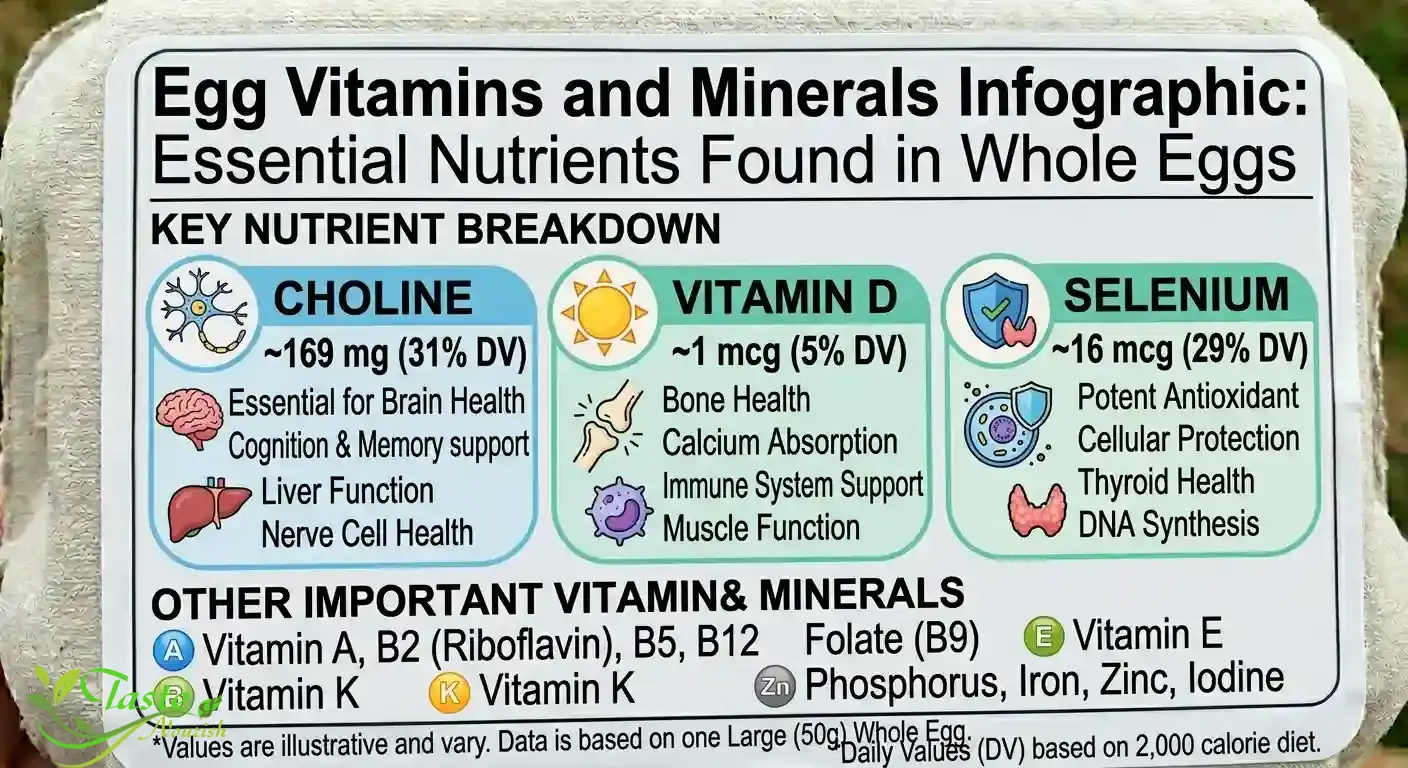
Before we talk about what goes wrong in excess, let’s understand what you’re actually consuming with every egg. A single large egg delivers a well-rounded nutritional package that would make most other single foods jealous.
Nutritional Profile of One Large Egg (approx. 50g)
Nutrient
Amount per Egg
% Daily Value
Calories
78 kcal
~4%
Protein
6g
12%
Total Fat
5g
6%
Saturated Fat
1.6g
8%
Cholesterol
186mg
62%
Choline
147mg
27%
Vitamin B12
0.6mcg
25%
Selenium
15.4mcg
28%
Vitamin D
41 IU
10%
Biotin (B7)
10mcg
33%
As you can see, a single egg delivers 62% of your daily cholesterol intake while weighing in at just 78 calories. That ratio — high cholesterol relative to calories — is precisely why the conversation around excessive egg consumption is so important. Stack three, four, or five eggs at a single meal, and you’ve blown past the entire day’s cholesterol budget before lunchtime.
How Many Eggs Are “Too Many”?
What the American Heart Association Recommends
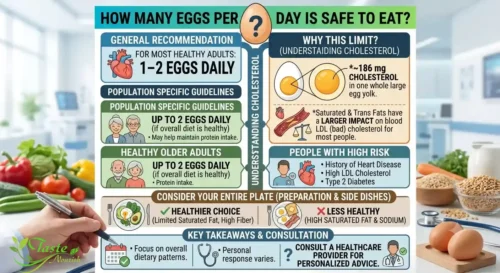
There’s no universal number that fits everyone, and that’s part of what makes this topic genuinely tricky. The American Heart Association suggests a limit of one egg serving per day — where one serving equals one whole egg or two egg whites. That’s a conservative guideline built primarily around the cholesterol content of the yolk, and it has been the gold standard recommendation for heart-conscious consumers for years.
When One a Day Becomes Too Many
The “one egg a day” rule works beautifully for most healthy adults who aren’t loading up their diets with red meat, full-fat dairy, and processed foods simultaneously. The problem arises when eggs become your primary — or only — protein source. Victoria Taylor, Senior Dietitian at the British Heart Foundation, puts it well: “Eating healthily is all about balance. If you’re eating too much of one thing, it leaves less room in the diet for other foods that may have more health benefit.
” If you’re eating five eggs for breakfast, skipping vegetables, and pairing your eggs with bacon and cheese every single day, you’re not just eating too many eggs — you’re building a dietary pattern that compounds risk at every level.
Egg Consumption Levels and Associated Risk
Daily Egg Intake
Cholesterol Load
Risk Level
Who It Applies To
1 egg/day
~186mg
Low
Most healthy adults
2 eggs/day
~372mg
Moderate
Healthy adults, athletes
3 eggs/day
~558mg
Moderate–High
People with risk factors should monitor
4+ eggs/day
744mg+
High
Not recommended for most adults
6+ raw eggs/day
Extreme
Very High
Risk of biotin deficiency
Side Effect #1 — Cholesterol Concerns and Cardiovascular Risk
This is the big one. The conversation that has haunted eggs for decades. And the science here is genuinely nuanced, so let’s treat it that way instead of oversimplifying it.
What the Latest Research Actually Shows
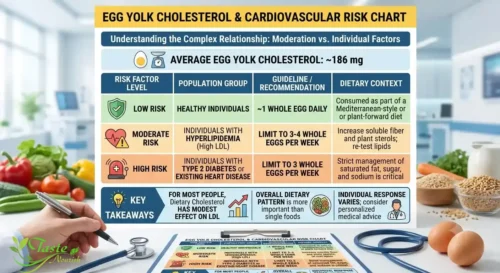
A 2025 study found that consuming 2 eggs daily as part of a low saturated fat diet actually lowered LDL cholesterol levels compared to a diet high in saturated fat. That’s a crucial finding — it suggests context matters enormously. Eggs consumed as part of an otherwise heart-healthy diet behave very differently than eggs piled onto a diet already drenched in saturated fat.
However, the picture gets darker when volume increases. A major systematic review and dose-response meta-analysis found that each additional egg per day was associated with a 7% higher risk of all-cause mortality and a 13% higher risk of cancer mortality. Non-linear analyses showed elevated risks for egg consumption of more than 1.5 eggs per day. That’s a sobering statistic that deserves serious attention, even if the effect sizes are described as modest.
A study published in JAMA found that each 300-milligram dose of dietary cholesterol was associated with increased risk for cardiovascular disease and mortality by 17% and 18%, respectively. When it came to eggs specifically, each half-egg per day caused a 6% and 8% increased risk, respectively. Half an egg. That context helps illustrate exactly why the cumulative effect of eating five or six eggs daily is not something to dismiss casually.
Who Is Most at Risk?
Not everyone responds to dietary cholesterol the same way — and this is where individual biology becomes critical. People at risk of cardiovascular disease or diabetes may need to limit their consumption of eggs more strictly than the general population. Those who are “hyper-responders” to dietary cholesterol — a genetic trait that makes their blood cholesterol rise more sharply in response to food cholesterol — face a disproportionately higher risk from high egg intake compared to “hypo-responders,” whose bodies compensate by producing less internal cholesterol when dietary cholesterol increases.
Side Effect #2 — Digestive Discomfort
Let’s talk about something that doesn’t make it into the nutrition headlines nearly as often as cholesterol does: what happens to your gut when you eat too many eggs. The digestive experience of an egg-heavy diet is something a lot of people discover the hard way, usually in the most inconvenient settings imaginable.
Bloating, Gas, and Diarrhea Explained
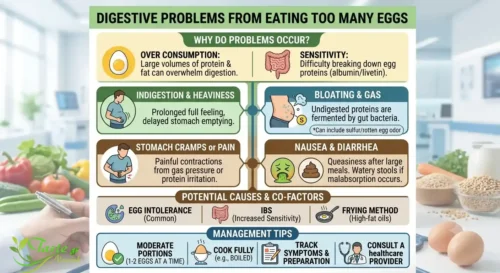
Eating too many eggs may lead to digestive discomfort in some people, particularly if they have sensitivities to eggs. Symptoms such as bloating, gas, and diarrhea may occur. The reason this happens is multifaceted. Eggs are high in sulfur-containing amino acids — particularly methionine and cysteine — which gut bacteria break down into hydrogen sulfide gas. If you’ve ever noticed that “rotten egg” smell after a heavy egg meal, now you know exactly why.
This sulfur fermentation process becomes more pronounced the more eggs you consume, and the bloating and flatulence that follow can range from mildly embarrassing to genuinely painful.
Additionally, the high fat content in egg yolks can slow gastric emptying, which means food sits in your stomach longer and creates that uncomfortable feeling of fullness combined with bloating. For people with irritable bowel syndrome (IBS) or pre-existing gastrointestinal sensitivities, eggs can act as a significant FODMAP trigger even at moderate intake levels — and at high intake levels, the discomfort can become a daily occurrence that dramatically reduces quality of life.
If your breakfast scramble is leaving you doubled over by mid-morning, your egg count is almost certainly the culprit.
Side Effect #3 — Weight Gain and Caloric Overload
Eggs are often celebrated as a weight loss food, and there’s genuine research to support their satiating properties. Studies show that two eggs per day for breakfast significantly increased satiety throughout the day in a young healthy population, which was associated with lower plasma ghrelin concentrations — the hunger hormone.
So far, so good. But here’s where things go sideways when “a couple of eggs” becomes “a carton a week.
The caloric math starts to stack up fast. At roughly 78 calories per egg, six eggs provide nearly 470 calories before you’ve added any oil, butter, cheese, or bread. Pair that with the fact that eggs are almost always cooked in additional fat — butter for pan frying, oil for scrambling — and a “high-egg breakfast” can easily clock in at 700–900 calories before you’ve even sat down at the table. Over weeks and months of sustained overconsumption, that caloric surplus will reliably convert to body fat, regardless of how clean the rest of your diet is.
The very quality that makes eggs satisfying — their protein and fat content — becomes the thing that tips the calorie scale when consumed in excess.
The key insight here: eggs suppress appetite effectively at one to two servings, but eating three, four, or five eggs doesn’t suppress appetite three to five times more. You hit the satiety ceiling quickly, and every egg beyond that is pure caloric overhead.
Side Effect #4 — Increased Risk of Foodborne Illness (Salmonella)
Here’s a side effect that cuts across consumption volume and hits even the most moderate egg eater if they’re not careful with food safety. Salmonella contamination in eggs is not a relic of the past — it’s an ongoing, active public health concern with serious real-world consequences.
2026 Egg Recall Outbreaks — A Wake-Up Call
In June 2025, a major Salmonella outbreak linked to brown cage-free and certified organic eggs supplied by August Egg Company in California resulted in 134 people infected across 10 states, with 38 hospitalizations and one death. The outbreak was ultimately declared over after the company recalled all affected products and diverted remaining eggs to an egg-breaker facility to eliminate the Salmonella risk.
This was actually the third Salmonella-related egg recall of 2025 alone, underscoring just how real and recurring this risk is. Salmonella is a common cause of food poisoning in the United States. Most people infected develop diarrhea, fever, abdominal cramps, and vomiting 12 to 72 hours after infection, and symptoms usually last 4 to 7 days. However, in some people, the diarrhea may be so severe that they need to be hospitalized.
The more eggs you consume, the more exposure events you accumulate over time — which statistically increases your chances of eventually encountering a contaminated egg. Raw and undercooked eggs carry significantly higher risk than fully cooked ones, and the FDA consistently recommends cooking eggs until both yolk and white are firm.
Egg Safety Checklist:
Buy eggs only from refrigerated cases
Inspect cartons for cracked shells before purchase
Store eggs at 40°F (4°C) or below
Cook eggs until yolk and white are fully firm
Never leave cooked eggs at room temperature for more than 2 hours
Use pasteurized eggs for recipes requiring raw or lightly cooked eggs
Side Effect #5 — Biotin Deficiency from Raw Eggs
This side effect catches people completely off guard, especially those in the fitness community who blend raw eggs into protein shakes. There’s a specific biochemical reason why this practice, done habitually and at high volumes, can quietly undermine your health.
Biotin deficiency may occur in people who consume raw eggs — around six per day — over many months. Egg white contains a protein called avidin, which binds to biotin extremely tightly, preventing its absorption. However, avidin is completely destroyed during cooking. Biotin, also known as vitamin B7, is essential for healthy hair, skin, nails, nervous system function, and energy metabolism.
A deficiency doesn’t announce itself dramatically at first — it creeps up gradually through fatigue, hair loss, dermatitis, and neurological symptoms that are easy to misattribute to a dozen other causes.
The cruel irony is that cooked eggs are actually an excellent source of biotin. One cooked egg provides 10 micrograms of biotin — a third of your daily value. But consume them raw in large quantities, and the very avidin in the whites actively steals biotin from your body rather than contributing to it. This is a perfect illustration of the difference between how a food behaves when prepared safely versus when consumed raw and in excess.
Reader Note: If you’re a bodybuilder or fitness enthusiast who consumes raw eggs regularly, consider switching to pasteurized egg products or simply cooking your eggs — you’ll preserve the biotin benefit and eliminate the Salmonella risk simultaneously.
Side Effect #6 — Kidney Strain from Excess Protein
Eggs are an outstanding protein source, delivering all nine essential amino acids in a highly bioavailable package. For most healthy adults, this is a feature. But for those with compromised kidney function, or those consuming extreme quantities of eggs as part of a high-protein diet, this same quality becomes a liability.
The kidneys are responsible for filtering and excreting the nitrogenous waste products that result from protein metabolism — primarily urea. When you dramatically increase protein intake — which happens naturally when you eat six to ten eggs per day — you’re asking your kidneys to process a significantly higher waste load continuously. In individuals with healthy kidneys, this is generally manageable over the short term, though long-term extremely high-protein diets remain an area of ongoing study. In those with pre-existing kidney disease, however, the strain can be genuinely dangerous, accelerating the decline of kidney function and increasing protein in the urine (proteinuria) — a key marker of kidney damage.
Side Effects of Too Many Eggs — Summary at a Glance
Side Effect
Onset
Who’s Most at Risk
Threshold
Cholesterol elevation
Weeks to months
People with CVD risk, diabetics
2+ eggs/day
Digestive discomfort
Hours to days
IBS sufferers, sensitive individuals
3+ eggs/day
Weight gain
Weeks to months
Sedentary individuals
Sustained caloric surplus
Salmonella infection
12–72 hours
Everyone, especially children/elderly
Any raw/undercooked egg
Biotin deficiency
Months
Raw egg consumers
6+ raw eggs/day
Kidney strain
Months to years
People with kidney disease
High daily protein load
Allergic reactions
Minutes to hours
Egg-allergic individuals
Any amount
Side Effect #7 — Egg Allergy and Sensitivity Reactions
Egg allergy is one of the most common food allergies in the world, and it’s particularly prevalent in children. Even in adults who don’t have a diagnosed egg allergy, egg sensitivity can develop or worsen over time — especially with repeated, high-volume exposure. An egg allergy is an immune system reaction to proteins in egg whites or yolks, and reactions can range from mild skin rashes and hives to severe anaphylaxis requiring emergency medical attention.
The more frequently and abundantly you consume eggs, the more exposure your immune system accumulates. For those with subclinical sensitivities that haven’t yet crossed the threshold into a full allergic response, sustained high consumption can sometimes push the immune system into a state of heightened reactivity. Symptoms of egg sensitivity that people often overlook include persistent skin breakouts, chronic sinus congestion, brain fog, and unexplained fatigue after meals — all of which can improve dramatically when egg intake is moderated or temporarily eliminated.
If you suspect eggs might be contributing to any of these symptoms, an elimination diet or allergy testing with a healthcare provider is worth pursuing.
Who Should Limit Egg Intake?
Not everyone needs to worry about eating two or three eggs a day. But certain populations should apply extra caution and consult with a healthcare provider before making eggs a dietary staple in high quantities:
People with type 2 diabetes — research shows a stronger association between high egg intake and cardiovascular risk in this group
Those with existing heart disease or high LDL cholesterol — the cholesterol burden of multiple daily eggs may worsen lipid profiles
Individuals with chronic kidney disease — high protein load strains already compromised filtration systems
People with egg allergies or intolerances — any amount can trigger reactions
Pregnant women — must ensure eggs are fully cooked to eliminate Salmonella risk; raw eggs pose serious dangers during pregnancy
Young children and elderly adults — more vulnerable to severe Salmonella infections and food poisoning
Practical Tips for Eating Eggs Safely
The goal here isn’t to frighten you away from eggs — it’s to help you enjoy them in a way that maximizes benefits while minimizing risks. Here’s how smart egg eaters do it:
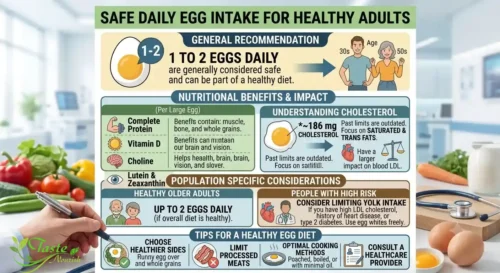
Stick to 1–2 whole eggs per day for most healthy adults, supplemented with egg whites if you need more protein without the cholesterol
Always cook eggs thoroughly — at least until the whites are fully set and the yolk is firm, or to an internal temperature of 160°F (71°C)
Refrigerate eggs immediately and use within 3 weeks of purchase for best quality and safety
Diversify your protein sources — rotate eggs with fish, legumes, lean poultry, and low-fat dairy to maintain nutritional balance
Pair eggs with vegetables rather than processed meats like bacon and sausage, which compound the saturated fat burden
Monitor your overall dietary cholesterol — if you’re eating eggs, be more conservative with other high-cholesterol foods like organ meats, shellfish, and full-fat dairy
Side Effects of Eating Too Many Eggs FAQs
Is it safe to eat 3 eggs a day?
For most healthy adults without cardiovascular risk factors, eating 3 eggs per day may be tolerable in the short term, but it pushes the boundaries of recommended dietary cholesterol intake. Each egg contains roughly 186mg of cholesterol, meaning 3 eggs delivers 558mg — nearly double what many health guidelines suggest as a daily upper limit. If you have no existing risk factors and your overall diet is low in saturated fat, 3 eggs daily may not cause harm, but it’s worth discussing with your doctor, especially over the long term.
What happens if you eat eggs every day for a year?
For healthy individuals eating one to two eggs daily as part of a balanced diet, daily egg consumption over a year is generally safe and may even support consistent protein intake and eye health. However, if you’re eating three or more eggs every single day over a year, you may see gradual changes in LDL cholesterol levels, particularly if your overall diet is also high in saturated fat. The cumulative risk increases with volume and pre-existing health conditions.
Can too many eggs cause acne or skin problems?
Yes, in some cases. Eggs can trigger inflammatory responses in people with sensitivities or intolerances, which may manifest as acne, eczema flare-ups, or general skin irritation. The high biotin content in cooked eggs can actually support skin health — but raw egg whites, by blocking biotin absorption, may paradoxically worsen skin over time. If you notice skin issues correlating with your egg intake, consider an elimination period of 2–3 weeks to see if symptoms improve.
Are egg whites safer to eat in large quantities than whole eggs?
Cooked egg whites are significantly lower in cholesterol and fat than whole eggs, making them a better option for those who want to increase protein without the cardiovascular concerns. However, raw egg whites pose a specific biotin deficiency risk due to the avidin protein, and large quantities of cooked egg whites still contribute to the overall protein load on your kidneys. They’re a smarter choice for high-volume consumption, but “high volume” should still be tempered by your overall health profile.
How many eggs a week is considered healthy?
Most mainstream nutrition guidelines and research support up to 7 eggs per week (one per day) as a safe target for the general healthy adult population. Some recent research suggests that up to 12 eggs per week may be acceptable for those without cardiovascular risk factors, provided the rest of the diet is balanced and low in saturated fat. The key variable is always the totality of your diet and your individual health status — eggs don’t exist in a vacuum.
Conclusion
Eggs are one of the most nutritionally complete foods on the planet — and that’s not marketing spin, it’s biochemical fact. But “nutritionally complete” doesn’t mean “unlimited.” The side effects of eating too many eggs are real, research-backed, and range from uncomfortable (bloating, gas) to genuinely serious (elevated cardiovascular risk, Salmonella infection, kidney strain). The science in 2025 paints a nuanced picture: moderate consumption of one to two eggs per day is safe for most healthy adults, and may even be beneficial. But push past that threshold consistently — especially without balancing your overall diet — and you’re taking on measurable risk.
The good news is that eating eggs safely is not complicated. Cook them thoroughly. Don’t pile on four or five at every meal. Balance them with a diverse diet rich in vegetables, whole grains, and varied protein sources. Know your personal risk factors — particularly if you have diabetes, heart disease, or kidney issues. And always, always store and handle eggs with proper food safety in mind, especially given the recurring Salmonella outbreaks we’ve seen as recently as 2025.
Hanan Abo Samra is the founder of Taste & Nourish, sharing trustworthy nutrition guidance and recipes drawn from 20+ years of hands-on cooking experience. When she's not developing new recipes, Hanan is researching the science behind everyday ingredients to bring readers practical, evidence-based guidance for a healthier lifestyle.












Thank you for the auspicious writeup. It in fact was a amusement account it.
Look advanced to far added agreeable from you! By the way,
how can we communicate?