Oats sit in one of the most confusing corners of the gluten-free world. They look safe. They’re sold in health food stores next to gluten-free products. Yet gastroenterologists still caution certain patients away from them — and the labels on oat packages can be genuinely baffling.
So what’s the real answer?
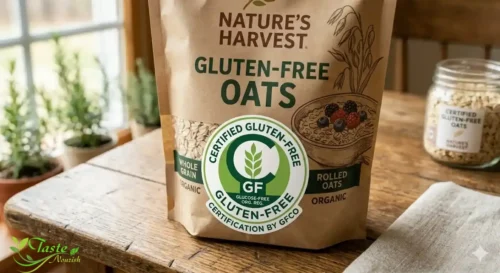
The short answer: oats are naturally gluten-free, but they can become contaminated with wheat, barley, or rye during growing, harvesting, or processing. If you need to avoid gluten, choose oats labeled gluten-free and follow your healthcare professional’s advice if you have celiac disease. Some people with celiac disease may also react to avenin, a protein naturally found in oats.
Key Takeaway: Oats do not contain gluten by nature, but cross-contamination during growing, harvesting, and processing makes most conventional oats unsafe for gluten-sensitive individuals. Always look for certified gluten-free oats if you need to avoid gluten.
Gluten is a family of proteins found naturally in wheat, barley, and rye. In wheat, the main culprits are called gliadins and glutenins. In barley it’s hordeins, and in rye it’s secalins.
These proteins trigger an immune response in people with celiac disease, damaging the lining of the small intestine and impairing nutrient absorption. In people with non-celiac gluten sensitivity (NCGS), they cause digestive discomfort without the intestinal damage.
Oats contain a related protein called avenin. Avenin makes up roughly 10–15% of the total protein in oats and has a structure similar to gluten proteins — which is why the oat question is more complicated than it first appears.
The Three Types of Gluten-Related Conditions
Understanding who needs to worry about oats requires knowing the difference between these conditions:
Celiac disease: An autoimmune disorder. Even trace amounts of gluten (as little as 10–50 mg) can trigger intestinal damage. Affects approximately 1% of the global population.
Non-celiac gluten sensitivity (NCGS): Gluten causes symptoms — bloating, fatigue, brain fog — but without the autoimmune intestinal damage seen in celiac disease.
Wheat allergy: An immune response specifically to wheat proteins, not all gluten-containing grains. Oats are generally tolerated unless there’s a separate oat allergy.
Do Oats Naturally Contain Gluten?
No. Oats (Avena sativa) are botanically unrelated to wheat, barley, and rye. They belong to a different genus entirely and do not naturally produce gliadin, hordein, or secalin — the proteins that constitute gluten as it is clinically defined.
The U.S. Food and Drug Administration (FDA) has confirmed that oats are inherently gluten-free grains. According to the FDA’s gluten-free labeling rule, products containing oats can carry a gluten-free label as long as they meet the requirement of less than 20 parts per million (ppm) of gluten.
But here’s where it gets complicated.
The Cross-Contamination Problem: Why Most Oats Aren’t Safe
Despite being gluten-free by nature, the vast majority of commercially produced oats are heavily contaminated with gluten. This happens at multiple points across the supply chain.
How Contamination Happens
Field rotation: Oat crops are routinely planted in fields that previously grew wheat, barley, or rye. Volunteer plants from the previous crop sprout up among the oats.
Shared farm equipment: Combines, seeders, and grain carts used across multiple crops carry residual grains from one harvest to the next.
Grain transport: Trucks and rail cars that haul wheat are often used for oats without adequate cleaning between loads.
Grain elevators and silos: Storage facilities commonly handle multiple grain types, creating co-mingling during loading, unloading, and storage.
Processing facilities: Mills that process wheat, barley, or rye alongside oats introduce airborne and surface contamination throughout the production line.
Studies have found that conventional oats regularly test above 200 ppm of gluten — ten times the FDA’s 20 ppm safety threshold for gluten-free labeling. Research published in the Journal of the Academy of Nutrition and Dietetics analyzed commercially available oat products and found that a significant proportion contained gluten levels well above the safe limit — even products not labeled as containing gluten.
Certified Gluten-Free Oats: What They Are and How They’re Made
Certified gluten-free oats are produced under strict protocols designed to eliminate cross-contamination at every stage. Two primary methods are used in the industry.
Method 1: Purity Protocol
Purity protocol oats are grown, harvested, transported, stored, and milled in a completely dedicated gluten-free system. This means:
Dedicated fields that have not grown gluten-containing crops for a defined period
Cleaned and inspected equipment used exclusively for gluten-free grains
Dedicated transport vehicles and storage facilities
Testing at multiple points in the supply chain to verify gluten levels remain below 20 ppm
Third-party certification from organizations such as the Gluten Intolerance Group (GIG) or NSF International
Purity protocol oats are widely regarded as the gold standard for celiac-safe oats and are preferred by most celiac disease organizations.
Method 2: Mechanical (Optical) Sorting
Some manufacturers use high-speed optical sorting technology to mechanically remove visually identifiable contaminating grains (wheat, barley, rye kernels) from oat batches. While this method is effective at removing whole grain contamination, it has limitations:
It cannot detect broken grains that look similar to oats
It cannot eliminate gluten that has already been milled into flour form
It does not address contamination introduced before the sorting stage
The debate between purity protocol and mechanical sorting remains active among celiac advocacy groups, with many recommending purity protocol oats when possible.
Reader Note: When buying gluten-free oats, look for the phrase “purity protocol” on the label or check the manufacturer’s website. Third-party certification logos (GIG’s Certified Gluten-Free seal, for example) provide additional assurance that the product has been independently tested.
Oats and Celiac Disease: The Avenin Question
Even if cross-contamination is completely eliminated, a separate question remains: can people with celiac disease tolerate the naturally occurring avenin protein in pure oats?
The answer, based on current research, is: most can — but not all.
What the Research Shows
The majority of clinical studies indicate that most adults with celiac disease can safely consume moderate amounts of pure, uncontaminated oats without triggering intestinal damage. A systematic review published in Nutrients found that oat consumption did not worsen intestinal histology (the appearance of intestinal tissue under a microscope) in the majority of celiac patients studied, provided the oats were free from gluten contamination.
However, a subset of celiac patients — estimated at approximately 1–8% — mount an immune response specifically to avenin itself. In these individuals, pure oats can trigger the same mucosal damage as gluten-containing grains.
Key Findings on Oat Tolerance in Celiac Disease
Most adult celiac patients tolerate up to 50–100 grams of pure oats per day without intestinal damage
Children with celiac disease appear to tolerate moderate oat intake as well, though evidence is somewhat more limited
A minority of patients are sensitive to avenin specifically and should avoid oats entirely
Oat sensitivity may be more common in patients with persistent or refractory celiac disease
Introduction of oats should happen after the gut has had time to heal on a gluten-free diet (typically 1–2 years)
Any individual introducing oats should do so under medical supervision with follow-up antibody testing
Important: Current guidelines from Celiac Disease Foundation and most gastroenterology societies recommend that people with celiac disease consult their physician before adding oats to their diet — even certified gluten-free varieties.
Oats and Non-Celiac Gluten Sensitivity
For people with non-celiac gluten sensitivity (NCGS), the picture is somewhat different. Since NCGS does not involve the autoimmune intestinal damage characteristic of celiac disease, certified gluten-free oats are generally considered well-tolerated.
That said, some individuals with NCGS do report digestive symptoms after eating oats, which may reflect:
Residual sensitivity to avenin protein
Sensitivity to the high fiber content of oats, particularly beta-glucan
Underlying irritable bowel syndrome (IBS), which is sometimes triggered by FODMAPs in oats
Undetected low-level contamination in the oat product
If you have NCGS and oats seem to worsen your symptoms, an elimination trial followed by a structured reintroduction (under medical guidance) can help identify whether oats are a personal trigger.
Nutritional Profile of Oats
Oats are among the most nutrient-dense whole grains available. For those who can tolerate them, they deliver an impressive array of nutrients — many of which can be deficient on a strict gluten-free diet (which often relies on refined, lower-fiber alternative grains).
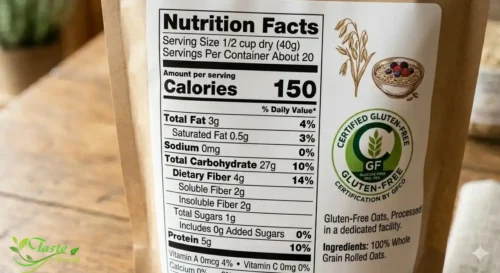
Nutrition Facts: Rolled Oats (1 cup / 81g, dry, uncooked)
Nutrient
Amount
% Daily Value*
Calories
307 kcal
—
Total Carbohydrates
55 g
20%
Dietary Fiber
8 g
29%
Total Sugars
1 g
—
Protein
11 g
22%
Total Fat
5 g
6%
Saturated Fat
0.9 g
5%
Iron
3.4 mg
19%
Magnesium
138 mg
33%
Phosphorus
408 mg
33%
Zinc
2.9 mg
26%
Thiamine (B1)
0.5 mg
42%
Folate
32 mcg
8%
Beta-glucan (soluble fiber)
~4 g
—
Manganese
3.6 mg
157%
*Percent Daily Values based on a 2,000-calorie diet. Source: USDA FoodData Central.
Oats are particularly notable for their beta-glucan content — a soluble fiber with well-documented cardiovascular benefits. The FDA has authorized a qualified health claim stating that beta-glucan soluble fiber from oats may reduce the risk of coronary heart disease when consumed as part of a diet low in saturated fat and cholesterol.
Types of Oats and Their Gluten-Free Status
Not all oat products are created equal. Understanding the different types helps you make informed choices — both in terms of gluten safety and nutritional value.
Oat Type
Processing Level
Cook Time
Naturally GF?
Typically Available as Certified GF?
Oat Groats
Minimal (hull removed)
45–60 min
Yes
Yes, from specialty suppliers
Steel-Cut Oats
Groats cut into pieces
20–30 min
Yes
Yes, widely available
Scottish Oats
Stone-ground groats
10 min
Yes
Less common
Rolled Oats (Old-Fashioned)
Steamed and flattened
5 min
Yes
Yes, widely available
Quick Oats
More finely rolled
1–2 min
Yes
Yes, available
Instant Oats (packets)
Pre-cooked, dried, and rolled
Under 1 min
Yes (base grain)
Sometimes — check labels carefully for additives
Oat Flour
Ground oats
N/A
Yes
Yes, widely available as certified GF
Oat Bran
Outer layer of oat groat
5 min
Yes
Yes, available
Practical tip: Instant oat packets — especially flavored varieties — often contain additives processed in shared facilities. Always read the ingredient list and allergen statement, not just the front-of-pack claims, before buying flavored or convenience oat products.
How to Read Labels When Buying Gluten-Free Oats
Label reading is a genuine skill when navigating the gluten-free oat market. Here’s what to look for and what to watch out for.
Green Flags on the Label
“Certified Gluten-Free” — accompanied by a recognized certification mark (GIG, NSF, GFFS)
“Purity Protocol” — indicates the highest standard of supply chain segregation
“Tested to less than 5 ppm” or “less than 10 ppm” — more stringent than the FDA’s 20 ppm requirement
Clear allergen statement with no mention of wheat, barley, or rye
A “Dedicated gluten-free facility” statement
Red Flags on the Label
“May contain wheat” or “Processed in a facility that also processes wheat” — these precautionary allergen statements indicate real cross-contamination risk
No gluten-free claim of any kind on conventional oat packaging
Vague claims like “natural” or “whole grain” with no GF certification
Flavored or sweetened oat products without a full ingredient review
Pro Tip: Third-party certification is more reliable than self-declared “gluten-free” claims. A certified gluten-free seal means an independent organization has tested and audited the product — a self-declared label means only that the manufacturer believes it to be true.
Gluten Threshold Comparison: Oat Products vs. FDA Standard
Product Type
What to Know
Conventional oats without a gluten-free claim
May be contaminated with wheat, barley, or rye.
Oats labeled gluten-free
Must meet the applicable gluten-free labeling standard in the market where they are sold. In the United States, the FDA standard is less than 20 parts per million (ppm).
Certified gluten-free oats
Third-party certification can provide additional assurance, but people with celiac disease should still follow individualized medical advice.
A gluten-free label does not mean that every person with celiac disease will tolerate oats. Individual responses to avenin can vary.
Oats in a Gluten-Free Diet: Practical Benefits
For people who can tolerate certified gluten-free oats, including them in a gluten-free diet offers several meaningful advantages.
Nutritional Gaps That Oats Can Fill
Many common gluten-free grains and flours — rice flour, tapioca starch, potato starch — are low in fiber, protein, and key micronutrients. People who have been on a strict gluten-free diet for years often show deficiencies in:
Iron and B vitamins (particularly thiamine, folate, and niacin)
Dietary fiber
Magnesium and zinc
Protein quality
Certified gluten-free oats address all of these gaps efficiently. A single bowl of oatmeal provides substantial fiber, plant-based protein, iron, magnesium, and B vitamins that many alternative GF starches cannot match.
The Heart Health Benefit of Beta-Glucan
Beta-glucan, oats’ signature soluble fiber, forms a viscous gel in the digestive tract that slows the absorption of cholesterol and helps maintain healthy blood sugar levels. A meta-analysis published in Nutrients found that regular beta-glucan consumption was associated with statistically significant reductions in LDL cholesterol — particularly relevant for celiac patients, who are at modestly elevated cardiovascular risk due to chronic inflammation.
How to Safely Introduce Oats If You Have Celiac Disease
If you have celiac disease and your physician approves a trial of certified gluten-free oats, a structured introduction reduces the risk of an undetected adverse reaction.
If you have celiac disease and are considering adding oats to your diet:
Consult your healthcare professional. Ask whether oats are appropriate for your individual situation and when to introduce them.
Choose oats labeled gluten-free. This helps reduce the risk of contamination with wheat, barley, or rye.
Follow individualized advice on portions. There is no single introduction schedule that is suitable for every person with celiac disease.
Monitor your response. If symptoms develop after eating oats, stop eating them and discuss the symptoms with your healthcare professional.
Follow your recommended medical monitoring plan. Your clinician can advise whether follow-up testing is appropriate and when it should take place.
Children with celiac disease should follow guidance from their pediatric healthcare team.
Reader Note: Children with celiac disease should follow the same careful introduction process, and this should always be managed by a pediatric gastroenterologist. Dosing guidance for children is weight-based and differs from adult recommendations.
Oat Alternatives: What to Use If You Can’t Tolerate Oats
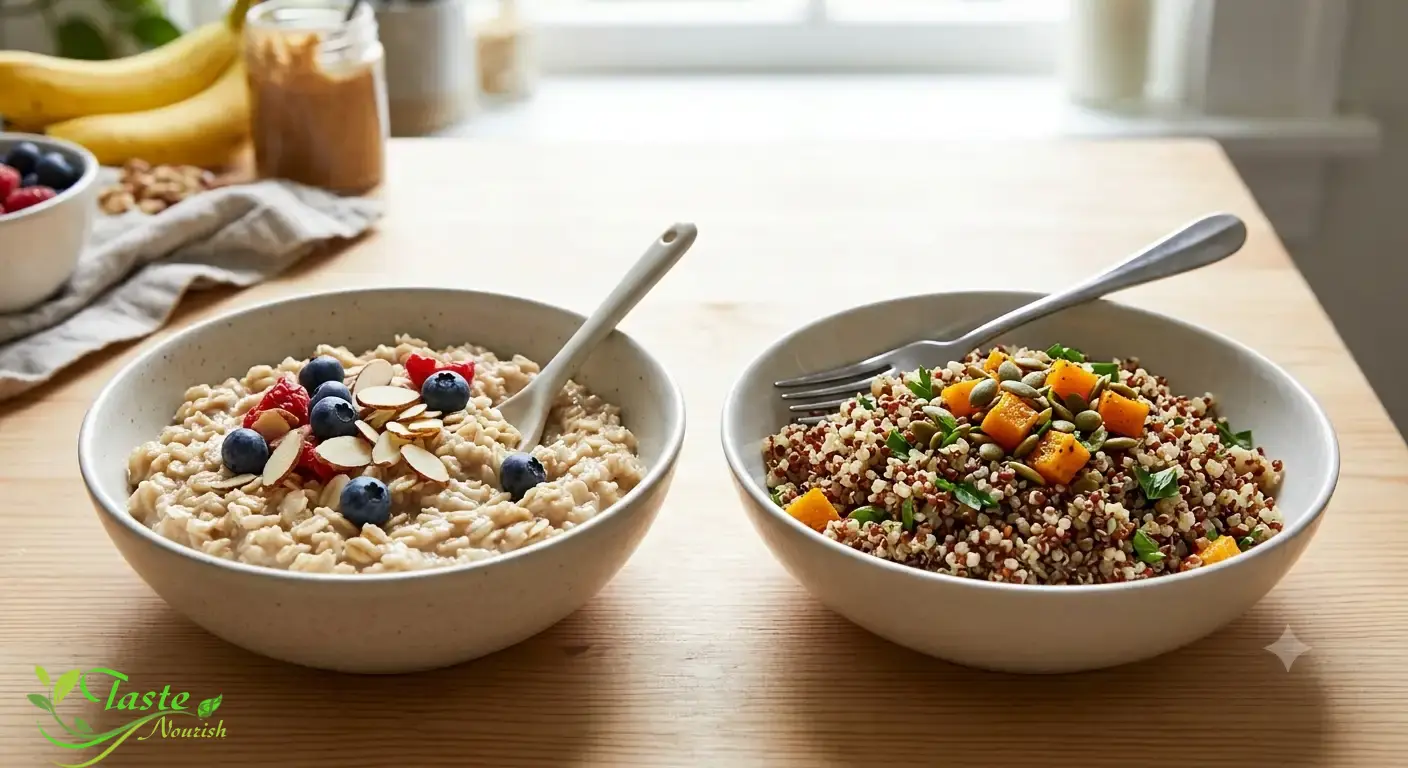
If you’ve determined that oats — even certified gluten-free varieties — don’t work for you, several whole-grain alternatives provide comparable nutritional benefits:
Quinoa: A complete protein with all nine essential amino acids, high in iron and magnesium, and naturally gluten-free. Works well as a porridge or in baked goods as flour.
Teff: A small Ethiopian grain with an earthy flavor, exceptionally high in iron and calcium. Used as a porridge (injera base) and in flour form for baking.
Buckwheat: Despite the name, buckwheat is not related to wheat and is fully gluten-free. Rich in rutin (an antioxidant), fiber, and protein. Works as a porridge or flour.
Millet: Mild-flavored, high in magnesium and phosphorus, and versatile for cooking. Naturally gluten-free and easily available.
Amaranth: High in protein (including lysine, an amino acid most grains lack), iron, and calcium. Good for porridge and as a flour blend ingredient.
Sorghum: Close in texture to oat-based products when used as flour. High in antioxidants and fiber, widely used in gluten-free baking.
Are Oats Gluten-Free FAQs
Can I eat oatmeal if I have a gluten intolerance?
If you have non-celiac gluten sensitivity, certified gluten-free oats are generally safe. If you have celiac disease, you need to consult your physician first. Most celiac patients tolerate pure oats, but a minority react to avenin protein regardless of contamination.
Are Quaker Oats gluten-free?
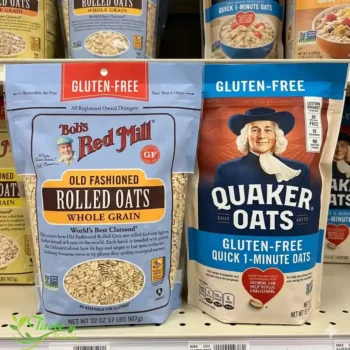
Quaker does produce a certified gluten-free oats line tested to below 20 ppm. However, their conventional product lines are not produced under gluten-free protocols. Always check for the certified gluten-free designation on the specific Quaker product you’re buying.
Is oat milk gluten-free?
Oat milk made from certified gluten-free oats can carry a gluten-free label. Conventional oat milk is often made from standard oats with high contamination levels. Several brands — including some major oat milk producers — now offer certified gluten-free oat milk, but you must check individual product labels.
Are overnight oats gluten-free?
Overnight oats are gluten-free only if made with certified gluten-free oats. The preparation method (soaking oats in liquid overnight) doesn’t affect their gluten status — the safety depends entirely on the oats used.
Are oats gluten-free in the UK and Europe?
Yes — oats are classified as a naturally gluten-free grain in the EU and UK, with certified gluten-free products required to contain less than 20 ppm. However, regulations on oats in celiac management differ slightly between countries, so people with celiac should follow local guidance from national celiac societies.
Why do some gluten-free diets exclude oats?
Some dietitians and celiac organizations historically excluded all oats from gluten-free diets to eliminate any risk of contamination and avenin reactivity. As evidence has evolved, most major celiac organizations now permit certified gluten-free oats for most patients — though individual programs and physician guidance vary.
Do oats have as much gluten as wheat?
No. Pure oats contain no gluten at all — only avenin, a related but distinct protein. Contaminated conventional oats may contain significant gluten from wheat, barley, or rye introduced during growing and processing, but this is contamination, not oats’ own composition.
The Bottom Line: Are Oats Gluten-Free?
Here’s the clearest summary possible:
Oats are naturally gluten-free. They don’t contain gliadin, hordein, or secalin.
Most commercial oats are heavily contaminated with gluten from wheat, barley, and rye — often far above the 20 ppm safety threshold.
Certified gluten-free oats can be suitable for many people who need to avoid gluten, but people with celiac disease should follow individualized medical advice because some may not tolerate oats.
Celiac patients need physician clearance before adding oats, and a minority will react to avenin protein regardless of contamination.
People with NCGS or wheat allergy generally tolerate certified GF oats without issues.
When in doubt, choose purity protocol certified oats, read allergen statements carefully, and avoid conventional oat products without any GF certification.
Oats can be a genuinely valuable food — nutritious, versatile, affordable, and heart-healthy. With the right product choice and, where needed, medical supervision, most people who need a gluten-free diet can enjoy them safely.
**Hanan Abo Samra** shares practical cooking insights, delicious recipes, and evidence-based nutrition information. Drawing on more than 20 years of hands-on cooking experience, she creates helpful food content that combines everyday cooking knowledge with information from reliable scientific sources. Her goal is to help readers better understand the foods they eat, explore their nutritional benefits, and prepare delicious meals with confidence.