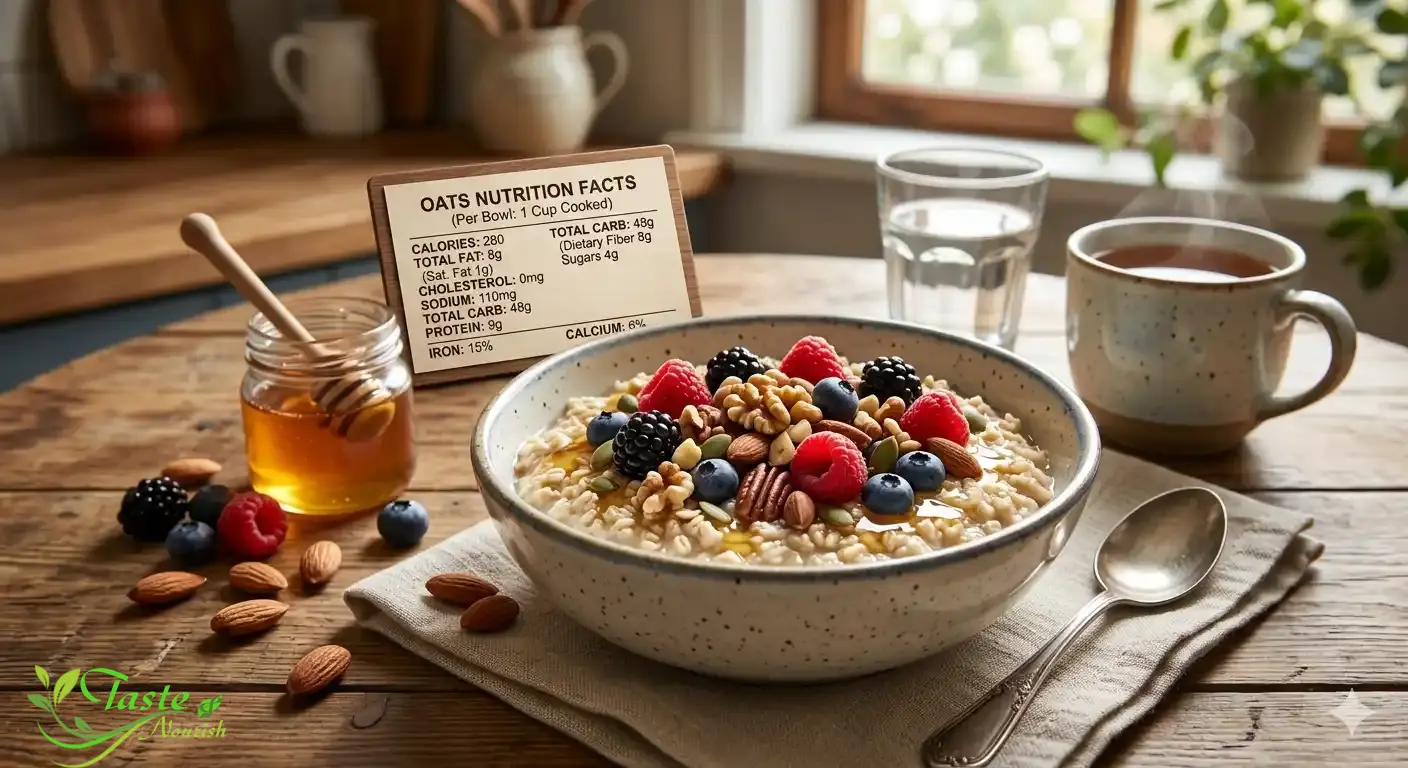
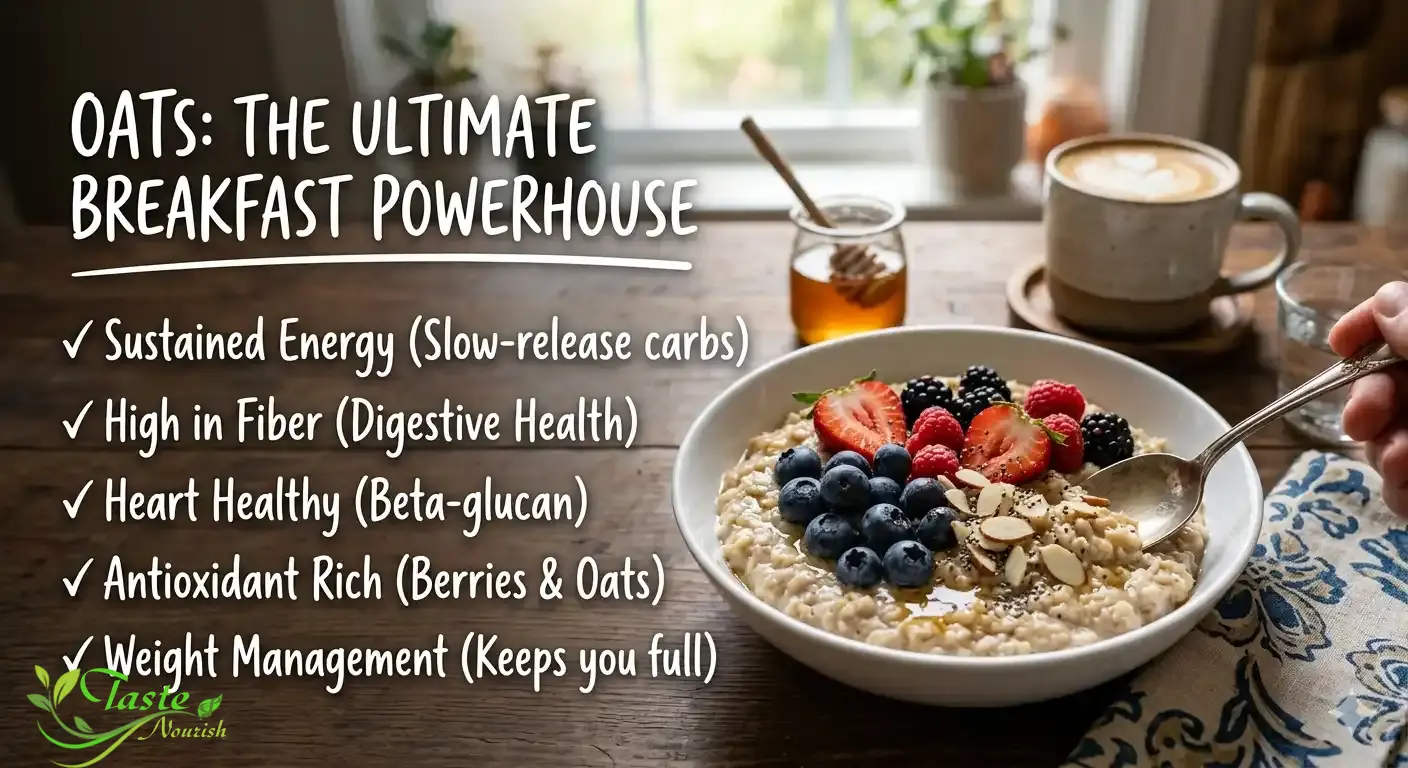
Oats are a whole grain that provides carbohydrates, protein, dietary fiber, and several essential vitamins and minerals. They also contain beta-glucan, a type of soluble fiber that has been studied for its potential effects on blood cholesterol.
Understanding oats nutrition facts can help you compare serving sizes, check the nutritional differences between dry and cooked oats, and choose products that fit your dietary needs.
In this guide, you’ll find the nutritional value of oats per 100 grams and per typical serving, including calories, protein, carbohydrates, fiber, fat, vitamins, and minerals. We’ll also explain how oat varieties and added ingredients can affect the nutrition of your meal.
💡 Key Takeaway: Oats provide carbohydrates, plant-based protein, dietary fiber, and important micronutrients. Their nutritional values depend on the serving size, oat variety, and ingredients added during preparation.
Oats (Avena sativa) are whole grains commonly eaten as oatmeal, overnight oats, and baked goods. They provide carbohydrates for energy, along with protein, dietary fiber, and a range of vitamins and minerals.
Unlike refined grains, whole-grain oats retain the bran, germ, and endosperm of the grain. These parts contribute to their nutritional value, including their fiber, minerals, and other naturally occurring compounds.
Oats are available in several forms, including steel-cut, rolled, and instant oats. These varieties differ in processing, texture, and cooking time. Plain versions generally provide similar core nutrients, although nutritional values can vary by product and serving size.
Oats can be a useful part of a balanced diet, but their nutritional contribution depends on the amount eaten and how they are prepared.
Oats Nutrition Facts Per 100g — The Full Breakdown
Macronutrients in Oats
Oats contain all three major macronutrients: carbohydrates, protein, and fat. Most of their calories come from carbohydrates, while their protein content is higher than that of some commonly eaten grains, such as white rice.
Oats also provide dietary fiber, including beta-glucan, a type of soluble fiber. The amount of fiber and other nutrients you consume depends on the portion size and the specific product.
Although oats can contribute useful amounts of protein and fiber, they are not a complete meal on their own for every nutritional need. Pairing them with foods such as milk, yogurt, nuts, seeds, or fruit can add nutrients and variety.
Source: USDA Food Data Central / Healthline Nutrition Data
Vitamins in Oats
Oats provide several B vitamins, which help the body carry out normal functions such as energy metabolism and cell development. The amounts vary by oat variety, serving size, and processing method.
Thiamin (vitamin B1) is one of the B vitamins found in oats. Oats also provide smaller amounts of other B vitamins, including niacin and pantothenic acid. These nutrients contribute to normal body functions, but oats should be considered one source among many in a varied diet.
The amount of each vitamin in a typical serving is lower than the amount listed for 100 grams. For a more practical comparison, check the serving size and the nutrition information for your specific product.
📊 Vitamins in Oats (Per 100g Raw)
Vitamin
Amount
Role
Thiamine (B1)
0.76mg (63% DV)
Energy metabolism, nerve function
Riboflavin (B2)
0.14mg (11% DV)
Red blood cell production
Niacin (B3)
0.96mg (6% DV)
Digestive & nervous system health
Pantothenic Acid (B5)
1.35mg (27% DV)
Hormone synthesis, energy
Pyridoxine (B6)
0.12mg (7% DV)
Brain health, immunity
Folate (B9)
56mcg (14% DV)
DNA synthesis, cell division
Biotin (B7)
~0.02mg
Vitamin E
0.42mg (3% DV)
Antioxidant protection
Minerals in Oats
Oats contain several essential minerals, including manganese, phosphorus, magnesium, iron, zinc, and copper. These minerals support a range of normal body functions, such as energy metabolism, bone maintenance, and the function of muscles and nerves.
The amount of each mineral depends on the serving size and the specific oat product. Although 100 grams of dry oats can provide substantial amounts of some minerals, a typical serving contains less.
Oats can contribute to mineral intake as part of a varied diet. However, the presence of a nutrient in oats does not mean that eating oats alone will prevent or correct a nutrient deficiency. The overall diet and individual nutritional needs remain important.
Types of Oats and How Processing Affects Nutrition
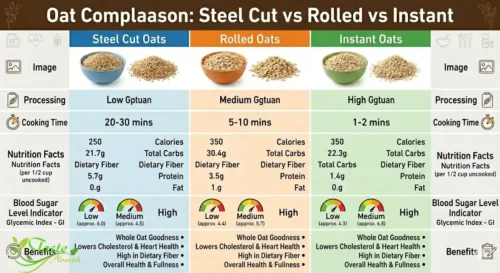
Oats are sold in several forms, including steel-cut oats, rolled oats, and instant oats. All three come from oat groats, but they differ in how they are processed, which affects their texture and cooking time.
Plain versions of these oat varieties can provide similar amounts of key nutrients when compared by dry weight. However, serving sizes, product formulations, and added ingredients can affect their nutritional values.
Processing can also influence the texture and digestibility of oats. The effect on blood glucose varies with the oat product, preparation method, portion size, and other foods eaten with the meal. Therefore, it is not accurate to assume that every serving of instant oats causes a high blood sugar spike or that steel-cut oats always produce a low response.
Steel-Cut Oats
Steel-cut oats are oat groats cut into smaller pieces. They have a firm, chewy texture and generally take longer to cook than rolled or instant oats.
Their less-flattened structure can affect digestion and the rate at which carbohydrates are absorbed. However, the blood glucose response still depends on portion size, preparation, and the rest of the meal.
Rolled Oats
Rolled oats are steamed and flattened between rollers. They cook relatively quickly and work well in oatmeal, overnight oats, baking, and other everyday recipes.
Plain rolled oats retain much of the nutritional value of whole-grain oats. They provide carbohydrates, protein, fiber, and several minerals.
Instant Oats
Instant oats are processed into thinner flakes and are often partially cooked before packaging, which reduces preparation time.
Plain instant oats can provide many of the same nutrients as other oat varieties. Flavored products may contain added sugar, sodium, or other ingredients, so check the nutrition label when comparing products.
📊 Oat Types Comparison Table (Per 100g Raw)
Feature
Steel-Cut Oats
Rolled Oats
Instant Oats
Processing
Cut groats
Steamed and flattened
Thin flakes, often precooked
Texture
Firm and chewy
Soft and creamy
Soft and quick-cooking
Cooking time
Usually longer
Usually shorter
Usually shortest
Main advantage
Chewy texture
Versatility
Convenience
What to check
Serving size
Serving size
Added sugar and sodium
Beta-Glucan in Oats: What the Research Shows
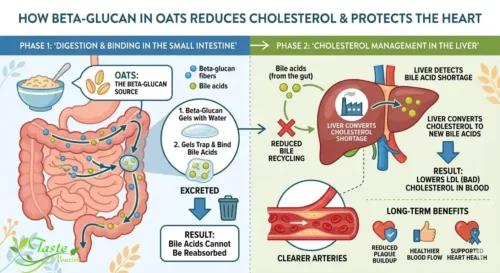
Beta-glucan is a type of soluble fiber naturally found in oats. When it mixes with water in the digestive tract, it forms a viscous substance that can influence digestion and the absorption of nutrients.
Researchers have studied oat beta-glucan for its effects on blood cholesterol. Evidence from clinical studies suggests that consuming sufficient amounts can help lower LDL cholesterol as part of an overall diet low in saturated fat.
The U.S. Food and Drug Administration allows a qualified health claim linking beta-glucan soluble fiber from oats or barley with a reduced risk of coronary heart disease when consumed as part of an appropriate diet. This does not mean that oats alone prevent heart disease or that every serving produces the same effect.
The amount of beta-glucan varies by oat product. A typical serving may provide less than the 3 grams per day referenced in the FDA health claim, so do not assume that one bowl automatically meets that amount.
Oats can be a useful source of beta-glucan within a varied, balanced diet. Their potential benefits should be considered alongside other factors that influence cardiovascular health, including the overall diet, physical activity, and individual health needs.
📌 Reader Note: A standard 40g serving of rolled oats contains approximately 1.2–1.5g of beta-glucan. To reach the clinically effective 3g daily threshold, aim for a 80–100g serving of oats or combine oats with barley throughout the day.
Oats and Weight Management
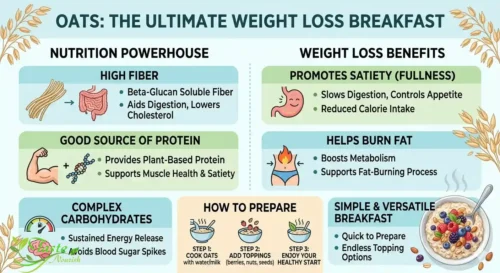
Oats provide carbohydrates, dietary fiber, and some protein, making them a useful option for meals that aim to combine whole grains with other nutrient-rich foods. Fiber may contribute to feelings of fullness, although the effect varies by person and meal composition.
Eating oats does not automatically lead to weight loss. Body weight is influenced by total calorie intake, overall dietary patterns, physical activity, and other individual factors.
For weight management, consider portion size and the ingredients added to oatmeal, such as milk, nuts, seeds, fruit, and sweeteners. For more detailed guidance, see our guide to [oats for weight loss](https://tnourish.com/oats-for-weight-loss-guide/).
Oats and Blood Sugar
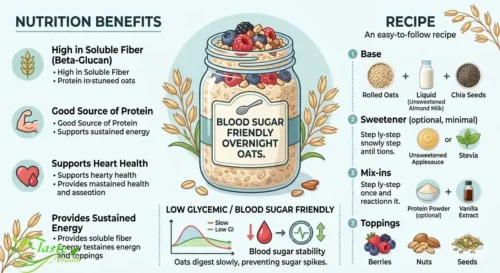
Oats contain carbohydrates, so they can affect blood glucose levels. Their beta-glucan fiber may influence how quickly carbohydrates are digested and absorbed, but the response varies with the oat variety, portion size, preparation method, and ingredients served with the meal.
Plain oats and sweetened instant oatmeal products can differ substantially in their added sugar content. Checking the nutrition label can help you compare options.
People with diabetes should account for the carbohydrate content of their meals and follow individualized guidance from their healthcare professional. Oats should not be described as preventing diabetes or guaranteeing stable blood sugar levels.
💡 Practical Tip: For maximum satiety, cook oats in unsweetened almond milk or whole dairy milk rather than water. The added protein and fat from the milk further slows digestion and dramatically increases the fullness duration.
Oats and Special Dietary Needs
Oats can fit into many eating patterns, but suitability depends on individual nutritional needs, product ingredients, and food preparation.
Are Oats Gluten-Free?
Oats are naturally gluten-free, but they can come into contact with wheat, barley, or rye during growing, transportation, or processing. People with celiac disease should choose oats labeled gluten-free and follow advice from their healthcare professional. Some people with celiac disease may not tolerate oats, even when cross-contact is controlled.
Are Oats Suitable for People with Diabetes?
Oats contain carbohydrates and can raise blood glucose. Their fiber content, serving size, preparation method, and added ingredients can influence the response. People with diabetes should consider the carbohydrate content of their portion and follow their individualized nutrition plan.
Are Oats Suitable for a Vegan Diet?
Plain oats are plant-based and suitable for vegan diets. However, ingredients added during preparation, such as milk or honey, may not fit a vegan eating pattern. Plant-based options such as fortified soy milk, nuts, seeds, and fruit can be used according to personal preferences.
Can People with Food Allergies Eat Oats?
Oat allergy is possible, although it is different from gluten-related conditions. Packaged oat products may also contain other ingredients or be exposed to allergens during manufacturing. Anyone with a diagnosed food allergy should check product labels and follow their healthcare professional’s advice.
How to Include Oats in a Balanced Diet
Oats are versatile and can be prepared in several ways. How you serve them can affect the calories, protein, fiber, sugar, and other nutrients in your meal.
Measure your portion: Weighing dry oats or using a consistent measuring cup can help you compare servings and estimate their nutritional value.
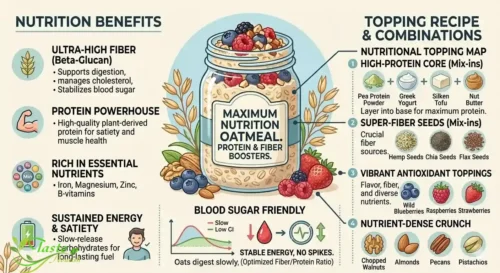
Add a protein source: Milk, plain yogurt, Greek yogurt, or fortified soy milk can increase the protein content of an oat-based meal.
Include fruit: Fresh or frozen fruit adds flavor, fiber, and a range of vitamins and minerals.
Choose toppings thoughtfully: Nuts and seeds provide unsaturated fats and other nutrients, while sweeteners can increase the added sugar content.
Check packaged products: Flavored oatmeal packets may contain added sugar or sodium. Compare nutrition labels when choosing between products.
Store oats properly: Keep dry oats in a sealed container in a cool, dry place and follow the storage instructions on the package.
There is no single preparation method that is best for everyone. Choose portions and ingredients that suit your nutritional needs, preferences, and overall eating pattern.
Common Myths About Oats Nutrition
Myth 1: All Oat Products Have the Same Nutritional Value
Plain steel-cut, rolled, and instant oats share many core nutrients, but their serving sizes, processing methods, and product formulations can differ. Flavored products may also contain added sugar or sodium.
Myth 2: Oats Automatically Cause Weight Loss
Oats can provide fiber and contribute to a filling meal, but they do not automatically cause weight loss. Total calorie intake, portion sizes, physical activity, and the overall dietary pattern all matter.
Myth 3: Instant Oats Are Always Unhealthy
Plain instant oats can provide useful amounts of fiber and other nutrients. The nutritional differences between products often depend on processing, portion size, and added ingredients, especially sugar and sodium.
Myth 4: Eating Oats Guarantees Lower Cholesterol
Oat beta-glucan has been studied for its ability to help lower LDL cholesterol when consumed in sufficient amounts as part of an appropriate diet. However, individual results vary, and eating oats alone does not guarantee a particular cholesterol level.
Oats Nutrition Facts FAQs
How many calories are in 100g of oats?
Raw rolled oats contain approximately 379–380 calories per 100g. When cooked with water, this drops to around 68–71 calories per 100g due to water absorption expanding the volume significantly. Always check whether a nutritional label refers to raw or cooked oats, as the difference is substantial.
Are oats a good source of protein?
Yes — oats contain approximately 13.2g of protein per 100g of raw oats, which is higher than most other commonly consumed whole grains including rice, wheat, and corn. The protein in oats includes a unique globulin called avenalin that closely resembles the protein profile of legumes in terms of quality and amino acid composition.
How much beta-glucan is in oats?
Raw rolled oats typically contain 4–5g of beta-glucan per 100g, meaning a standard 80g serving provides roughly 3.2–4g — enough to meet or exceed the FDA’s clinically effective threshold of 3g per day for heart health and cholesterol reduction benefits.
Are oats gluten-free?
Oats are naturally gluten-free in their pure form. However, most commercially available oats are processed in facilities that also handle wheat, barley, and rye, creating a significant risk of cross-contamination. Anyone with celiac disease or a diagnosed gluten sensitivity must choose oats that carry a certified gluten-free label from a dedicated gluten-free facility.
What is the best time of day to eat oats?
Oats are most commonly and most effectively consumed at breakfast, where their slow-release energy, high satiety properties, and blood sugar stabilizing effects provide the greatest benefit throughout the morning. That said, oats are nutritionally appropriate at any meal — as a savory lunch bowl, an afternoon snack, or even a pre-workout meal for their sustained energy release.
A science-backed, high-fiber, high-protein oatmeal bowl made with rolled oats, milk, and wholesome toppings. Designed to maximize the nutritional benefits of oats including beta-glucan, protein, and slow-release energy.
Ingredients
80g rolled oats (plain, unsweetened)
240ml whole milk or unsweetened almond milk
1 tablespoon natural almond butter or peanut butter
1/2 cup fresh or frozen blueberries
1 tablespoon chia seeds
1 teaspoon raw honey (optional)
1/4 teaspoon ground cinnamon
Pinch of salt
Directions
Pour 240ml of milk into a small saucepan and bring to a gentle simmer over medium heat. Using milk instead of water adds protein and calcium to the finished bowl.
Add 80g of rolled oats and a pinch of salt to the simmering milk. Stir to combine and reduce heat to medium-low.
Cook for 4–5 minutes, stirring occasionally, until the oats have absorbed most of the liquid and reached your preferred consistency. The mixture will thicken as beta-glucan fiber activates.
Stir in 1/4 teaspoon of ground cinnamon during the last minute of cooking for flavor and added blood sugar regulation benefits.
Transfer the cooked oatmeal to a bowl. Top with 1 tablespoon of almond butter, 1/2 cup of blueberries, and 1 tablespoon of chia seeds for added protein, healthy fat, and antioxidants.
Drizzle with 1 teaspoon of raw honey if desired. Serve immediately for best texture and flavor.
Conclusion: Understanding Oats Nutrition Facts
Oats provide carbohydrates, plant-based protein, dietary fiber, and several important vitamins and minerals. They also contain beta-glucan, a soluble fiber that has been studied for its potential role in supporting healthy LDL cholesterol levels.
The nutritional value of oats depends on the portion size, oat variety, and ingredients added during preparation. Dry oats and cooked oatmeal also differ in their nutritional concentration per 100 grams because cooking adds water.
For everyday meals, plain oats can be a practical way to include whole grains and fiber in a balanced diet. Pairing them with foods such as fruit, milk, yogurt, nuts, or seeds can add variety and other nutrients.
Rather than relying on oats to deliver a particular health outcome, consider them as one part of an overall eating pattern that meets your nutritional needs.
**Hanan Abo Samra** shares practical cooking insights, delicious recipes, and evidence-based nutrition information. Drawing on more than 20 years of hands-on cooking experience, she creates helpful food content that combines everyday cooking knowledge with information from reliable scientific sources. Her goal is to help readers better understand the foods they eat, explore their nutritional benefits, and prepare delicious meals with confidence.