Few vegetables get talked about as much as the humble sweet potato, and for good reason. Between its natural sweetness, its versatility on the plate, and its reputation as a “superfood,” it’s easy to see why home cooks and nutrition-minded eaters reach for it so often. But how much of that reputation holds up? This guide walks through the real, research-backed health benefits of sweet potatoes, along with the nutrition facts, possible downsides, and practical tips for buying, storing, and cooking them.
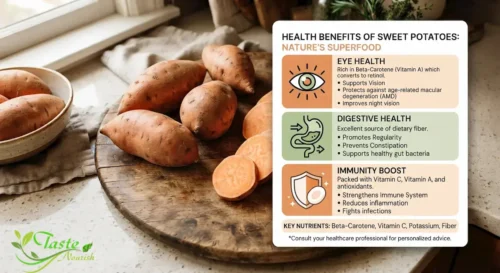
The health benefits of sweet potatoes come mainly from their fiber, beta-carotene (which the body converts into vitamin A), potassium, and antioxidant plant compounds. Research suggests these nutrients may support eye health, digestion, immune function, and healthy blood pressure, though sweet potatoes are best thought of as one helpful part of an overall balanced diet rather than a cure-all.
Key Takeaways
Sweet potatoes are a strong source of fiber, potassium, vitamin C, and beta-carotene, which the body converts to vitamin A.
The most well-documented health benefits of sweet potatoes relate to eye health, digestive health, and immune support.
Cooking method matters — baking or steaming preserves more nutrients than deep-frying or adding heavy amounts of butter and sugar.
Most healthy adults can enjoy sweet potatoes regularly, but people with kidney disease or a history of calcium-oxalate kidney stones may need to moderate their intake.
Sweet potatoes and yams are botanically different plants, despite the names often being used interchangeably in U.S. grocery stores.
What Is a Sweet Potato?
The sweet potato (Ipomoea batatas) is a starchy root vegetable native to Central and South America. It belongs to the morning glory family, which makes it botanically unrelated to the regular white potato (a nightshade) and to true yams (a separate tropical species mostly grown in Africa and the Caribbean).
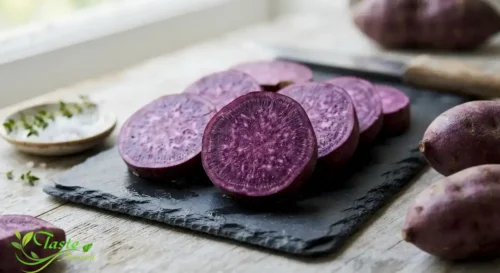
Sweet potatoes come in a range of flesh colors, including orange, white, and deep purple. The color isn’t just cosmetic — it reflects different concentrations of plant pigments like beta-carotene (orange) and anthocyanins (purple), each with slightly different nutrient profiles.
Sweet Potato Nutrition Facts
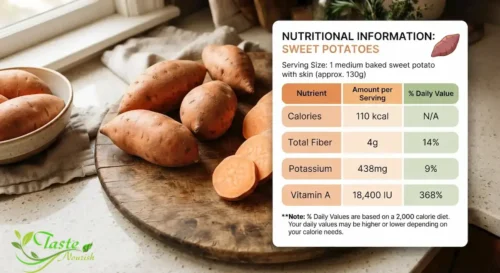
Nutrient values naturally shift a bit depending on size and cooking method, but here’s what a plain baked sweet potato (skin on, no added salt, fat, or sugar) generally provides per 100 grams, according to USDA FoodData Central.
Nutrient
Amount per 100g (baked, skin on)
% Daily Value (approximate)
Calories
About 90 kcal
—
Protein
About 2 g
—
Total fat
About 0.15 g
—
Carbohydrates
About 21 g
—
Dietary fiber
About 3.3 g
12%
Vitamin A (as beta-carotene)
Very high
Often over 100% in a whole medium potato
Vitamin C
About 20 mg
22%
Potassium
About 475 mg
10%
Vitamin B6
About 0.29 mg
17%
Manganese
About 0.5 mg
22%
A single medium baked sweet potato with the skin on typically supplies more than a full day’s worth of vitamin A, largely thanks to its beta-carotene content, which is one of the clearest and most consistent sweet potato health benefits nutritionists point to.
Health Benefits of Sweet Potatoes
Below are the most evidence-supported benefits of eating sweet potatoes, based on their nutrient makeup and current research.
1. May Support Eye Health
Sweet potatoes are one of the richest food sources of provitamin A carotenoids. The body converts beta-carotene into vitamin A, a nutrient that’s essential for normal vision, particularly in low light. According to the National Institutes of Health’s Office of Dietary Supplements, adequate vitamin A intake plays a key role in maintaining the light-sensing cells of the retina.
2. May Support Immune Function
Vitamin A also helps regulate immune cell activity and supports the health of mucous membranes, which act as a first line of defense against pathogens. Sweet potatoes further contribute vitamin C, another nutrient involved in immune support, making them a useful addition to an overall immune-supportive diet.
3. May Help Support Healthy Blood Pressure
With roughly 475 mg of potassium per 100 grams, sweet potatoes are a meaningful potassium source. Research summarized by the NIH Office of Dietary Supplements indicates that diets higher in potassium and lower in sodium may help lower blood pressure and reduce stroke risk, particularly when potassium comes from food rather than supplements.
4. May Support Digestive Health
Sweet potatoes, especially eaten with the skin on, contain a mix of soluble and insoluble fiber. Insoluble fiber adds bulk that helps move waste through the digestive tract, while soluble fiber can support a healthy gut microbiome. NIH-funded research summarized by NIH Research Matters notes that fiber’s effects can vary by type and individual, but that fiber-rich foods overall are consistently linked to better digestive and metabolic outcomes.
5. May Support Healthy Blood Sugar Management
Despite their sweetness, sweet potatoes have a moderate glycemic impact when prepared simply, largely because of their fiber content, which can slow the rise in blood sugar after eating. That said, portion size and cooking method both matter, so people managing blood sugar should still be mindful of serving size.
6. May Provide Antioxidant Support, Especially in Purple Varieties
Purple-fleshed sweet potatoes are particularly rich in anthocyanins, plant pigments with strong antioxidant activity. A 2025 peer-reviewed review published in Food Science & Nutrition found that these anthocyanins may help reduce oxidative stress and support insulin sensitivity in preclinical studies, with early human research also underway. The authors are careful to note that more clinical trials in humans are still needed before strong conclusions can be drawn.
7. May Support Skin Health
Vitamin A and vitamin C both play roles in skin repair and collagen-related processes. While eating sweet potatoes alone won’t transform your skin, they can be a useful part of a nutrient-dense diet that supports overall skin health from the inside.
Scientific Evidence Behind the Health Benefits of Sweet Potatoes
Much of what’s known about the health benefits of sweet potatoes comes from a combination of nutrient-composition data and research on the individual compounds sweet potatoes are rich in, namely beta-carotene, potassium, and fiber. Government fact sheets from the NIH’s Office of Dietary Supplements consistently link adequate intake of these nutrients to eye health, blood pressure regulation, and general metabolic health.
Where the evidence is still developing is around the specific antioxidant compounds in purple sweet potatoes. Animal studies and lab research, including the review referenced above, suggest promising effects on blood sugar control and oxidative stress, but researchers are still working to confirm these findings in larger human clinical trials. As with most single foods, sweet potatoes are best understood as one contributor to a broader healthy dietary pattern rather than a standalone treatment for any condition.
Potential Risks and Side Effects
Oxalate content: Sweet potatoes contain oxalates, compounds that can contribute to calcium-oxalate kidney stones in people who are prone to them.
High potassium load: While beneficial for most people, the potassium in sweet potatoes can be a concern for those with impaired kidney function, who may need to limit high-potassium foods.
Blood sugar spikes with certain preparations: Mashed, candied, or heavily sweetened sweet potato dishes can raise blood sugar more than a plain baked or roasted potato.
Digestive discomfort: Some people, particularly those with irritable bowel syndrome, may experience bloating or gas from the fermentable fibers in larger portions.
Who Should Avoid It?
Sweet potatoes are safe for most people in normal food amounts, but a few groups may want to talk to a healthcare provider or registered dietitian before eating them regularly:
People with chronic kidney disease who have been advised to limit potassium intake
People with a history of calcium-oxalate kidney stones
People with diabetes who need to closely manage carbohydrate intake, particularly with sweetened preparations
People with known sensitivities to fermentable fibers, such as some individuals with IBS
How Much Should You Eat?
There’s no official government guideline that specifies an exact amount of sweet potato to eat. Instead, sweet potatoes fall under the “starchy vegetables” subgroup within general vegetable intake recommendations. For most healthy adults, including a medium sweet potato a few times a week as part of a varied vegetable intake is a reasonable, food-first approach, rather than trying to hit a specific numeric target.
How to Choose the Best Sweet Potatoes
Look for sweet potatoes that are firm to the touch, without soft spots, bruising, or wrinkled skin.
Choose ones with smooth, unbroken skin and no visible mold or sprouting.
Size doesn’t affect quality much, but more uniform shapes are easier to cook evenly.
A slightly dusty or matte skin is normal and doesn’t indicate spoilage.
Storage Tips
Store raw sweet potatoes in a cool, dark, well-ventilated place, such as a pantry, rather than the refrigerator, since cold temperatures can negatively affect their texture and flavor over time.
Kept properly, raw sweet potatoes generally last several weeks.
Once cooked, refrigerate leftovers in a sealed container and use within three to five days.
Cooked sweet potatoes also freeze well for up to several months, especially mashed or cubed.
Best Ways to Eat or Cook Sweet Potatoes
Baking or roasting: Retains nutrients well and brings out natural sweetness without added sugar.
Steaming: A gentle cooking method that helps preserve water-soluble vitamins like vitamin C.
Air frying: A lower-fat alternative to deep frying that still delivers a crisp texture.
Leaving the skin on: Adds extra fiber and nutrients compared to peeling.
Pairing with a healthy fat: A small amount of olive oil or avocado can help improve absorption of the fat-soluble beta-carotene in sweet potatoes.
Common Mistakes to Avoid
Peeling off the skin, which removes a meaningful amount of fiber.
Boiling sweet potatoes for long periods, which can leach water-soluble nutrients into the cooking water.
Loading them with butter, brown sugar, or marshmallows, which can turn a nutrient-dense vegetable into a dessert-level dish.
Storing raw sweet potatoes in the refrigerator, which can give them a hard core and off flavor.
Assuming “sweet potato” and “yam” are interchangeable at the grocery store, which can cause confusion when following a recipe.
Myths vs. Facts
Myth
Fact
Sweet potatoes and yams are the same vegetable.
They are different species from different plant families; most “yams” sold in U.S. grocery stores are actually sweet potato varieties.
Sweet potatoes are unhealthy because they’re “starchy.”
Their fiber, potassium, and beta-carotene content make them a nutrient-dense carbohydrate source when prepared simply.
You should always peel sweet potatoes before eating them.
The skin is edible and contributes extra fiber, so leaving it on can be the more nutrient-rich choice.
All sweet potatoes have the same nutrient profile.
Orange, white, and purple varieties differ somewhat in their antioxidant and carotenoid content.
Sweet Potatoes vs. Regular Potatoes: A Quick Comparison
Factor
Sweet Potato
Regular (White) Potato
Calories (100g, baked, skin on)
About 90 kcal
Roughly similar, slightly higher
Vitamin A
Very high (rich in beta-carotene)
Minimal
Fiber
Moderate to high
Moderate, often slightly higher with skin
Potassium
High
Also high, sometimes higher
Folate
Lower
Higher
Neither vegetable is objectively “better” across the board; they simply offer different nutrient strengths, and both can fit into a balanced diet.
Health Benefits of Sweet Potatoes FAQs
What are the health benefits of sweet potatoes?
The main health benefits of sweet potatoes relate to their fiber, beta-carotene, potassium, and vitamin C content, which research suggests may support eye health, digestion, immune function, and healthy blood pressure.
Are sweet potatoes good for weight loss?
Sweet potatoes are relatively low in calories and high in fiber, which may help support fullness. However, weight management depends on total diet and lifestyle, not any single food.
Can people with diabetes eat sweet potatoes?
Many people with diabetes can include sweet potatoes in their diet in moderate, plain-prepared portions, but individual blood sugar response varies, so it’s worth discussing portion sizes with a healthcare provider or registered dietitian.
Is sweet potato skin healthy to eat?
Yes, the skin is edible for most people and adds extra fiber, provided the potato has been washed well and isn’t sprouting or damaged.
Sweet potato vs. regular potato: which is healthier?
Both offer valuable nutrients. Sweet potatoes are notably higher in vitamin A, while regular potatoes tend to be higher in folate. The “healthier” choice often depends on preparation method and what else is on your plate.
How many sweet potatoes should I eat per week?
There’s no single official number, but including a medium sweet potato a few times a week as part of a varied vegetable intake is a reasonable approach for most healthy adults.
Conclusion: The Bottom-Line Health Benefits of Sweet Potatoes
Sweet potatoes earn their reputation honestly. They’re not a miracle food, but the research on their fiber, beta-carotene, potassium, and antioxidant content points to real, measurable nutritional value. For most people, enjoying sweet potatoes prepared simply, skin on, a few times a week is a practical way to bring more of these nutrients into a balanced diet.
Maqsood, S., et al. “Anthocyanins From Sweet Potatoes (Ipomoea batatas): Bioavailability, Mechanisms of Action, and Therapeutic Potential in Diabetes and Metabolic Disorders.” Food Science & Nutrition, 2025, PMC. https://pmc.ncbi.nlm.nih.gov/articles/PMC12409302/
Hanan Abo Samra is the founder of Taste & Nourish, sharing trustworthy nutrition guidance and recipes drawn from 20+ years of hands-on cooking experience. When she's not developing new recipes, Hanan is researching the science behind everyday ingredients to bring readers practical, evidence-based guidance for a healthier lifestyle.
Hey there! I’m at work browsing your blog from my new apple iphone!
Just wanted to say I love reading your blog and look
forward to all your posts! Carry on the outstanding work!











Hey there! I’m at work browsing your blog from my new apple iphone!
Just wanted to say I love reading your blog and look
forward to all your posts! Carry on the outstanding work!