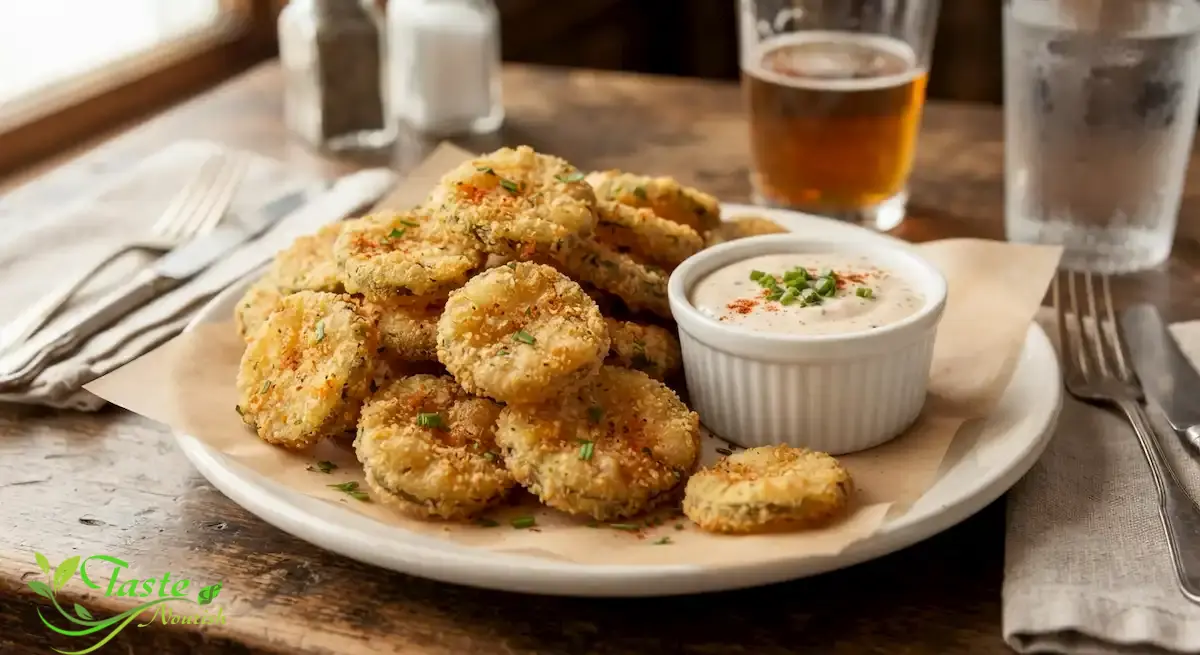
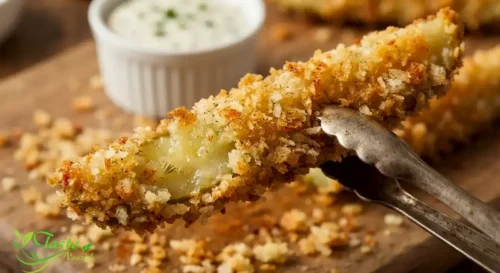
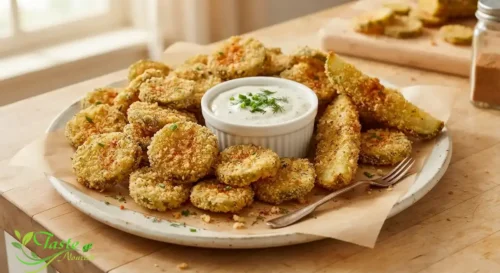
There’s a reason fried pickles show up on nearly every Southern appetizer menu: hot, briny, and impossibly crunchy is a hard combination to argue with. This fried pickles recipe uses a simple buttermilk-and-panko coating that shatters when you bite into it, so you get that restaurant-style crunch without a deep fryer or any special equipment. Twenty-five minutes from jar to plate, and most of that is hands-off frying time.
Quick Answer: The Best Fried Pickles Recipe in Under 30 Minutes
This fried pickles recipe coats drained dill pickle spears in seasoned flour, a buttermilk-egg wash, and crunchy panko breadcrumbs, then fries them at 350–375°F until deep golden brown, about 2–3 minutes per batch. Drain on a wire rack, not paper towels, and serve immediately with ranch or comeback sauce while the crust is still audibly crisp.
Recipe at a Glance
Detail
Time / Info
Prep Time
15 minutes
Cook Time
15 minutes (fried in batches)
Total Time
35 minutes
Yield
4 servings (about 20 pickle spears)
Difficulty
Easy
Key Takeaways
This fried pickles recipe uses a three-step dredge — flour, buttermilk, panko — for a crust that stays crisp instead of falling off in the oil.
Drying the pickles thoroughly before breading is the single biggest factor in whether the coating sticks.
Oil temperature matters more than timing; 350–375°F gives a golden crust without a greasy or raw-tasting interior.
Panko makes a lighter, shatter-crisp crust, while cornmeal gives a craggier, more traditional Southern texture.
Fried pickles are best eaten within minutes of coming out of the oil — they don’t hold well, even in a warm oven.
Why You’ll Love This Fried Pickles Recipe
The pickle itself does most of the flavor work — sour, briny, still a little firm — while the crust adds crunch and a savory, peppery edge. There’s no marinating, no specialty ingredients, and no need to slice anything; a jar of good dill spears gets you most of the way there. It’s a fast enough process to make as a last-minute appetizer, but the result tastes like something you’d order at a bar.
Ingredients for Crispy Fried Dill Pickles
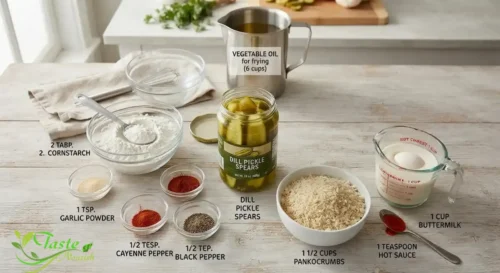
1 (24-ounce) jar dill pickle spears, drained
1 cup all-purpose flour
2 tablespoons cornstarch
1 teaspoon garlic powder
1 teaspoon smoked paprika
1/2 teaspoon cayenne pepper (optional)
1/2 teaspoon black pepper
1 cup buttermilk
1 large egg
1 teaspoon hot sauce (optional)
1 1/2 cups panko breadcrumbs
Vegetable, canola, or peanut oil, for frying (about 6 cups)
Ingredient Notes & Substitutions
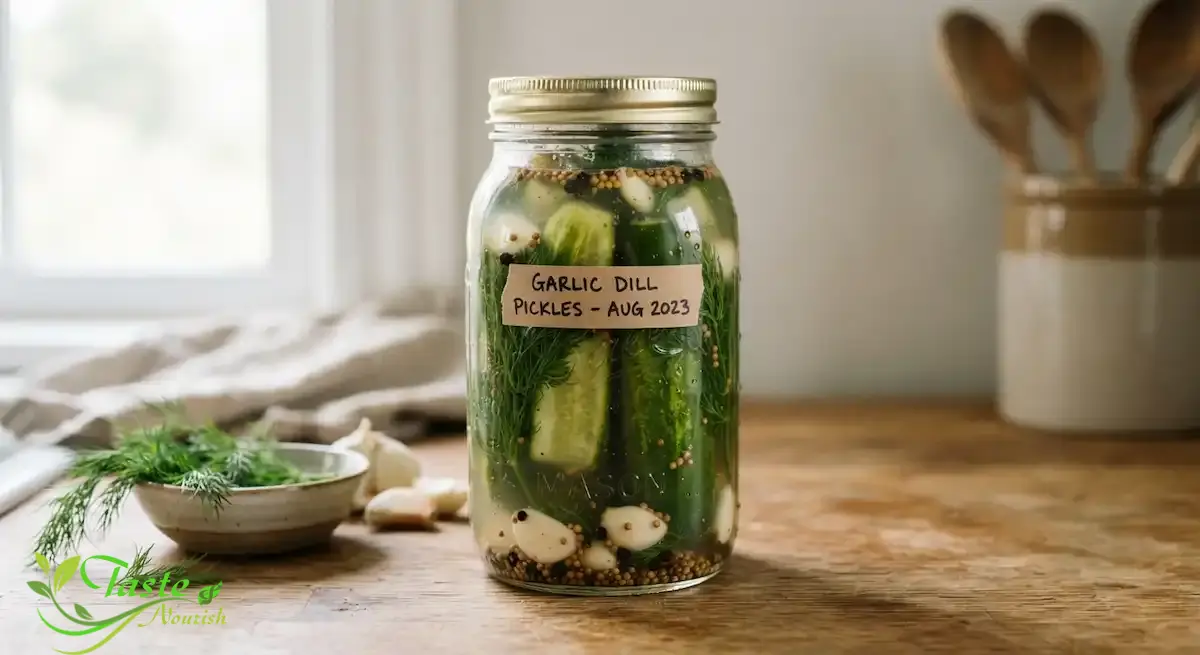
Pickles: Use classic or full-sour dill spears, not sweet or bread-and-butter pickles — the acidity is what balances the fried coating. Whole spears give the best ratio of crust to pickle; pickle chips work too and cook slightly faster. Worth noting: most jarred supermarket dill pickles are brined in vinegar and pasteurized rather than naturally fermented, so any live-culture benefits associated with fermented foods generally don’t apply here, according to the NIH Office of Dietary Supplements’ probiotics fact sheet.
Cornstarch: A small amount mixed into the flour makes the crust noticeably crisper. You can skip it, but the coating will be slightly softer.
Buttermilk: If you don’t keep it on hand, whisk 1 cup regular milk with 1 tablespoon lemon juice or white vinegar and let it sit 5 minutes.
Panko vs. regular breadcrumbs: Panko fries up lighter and crunchier because the flakes are larger and drier. Regular breadcrumbs work but produce a denser crust — this is a trade-off, not a straight swap.
Salt: The recipe doesn’t add extra salt to the breading, since pickle brine and panko already carry a fair amount of sodium.
Kitchen Tools Needed
Heavy-bottomed pot or Dutch oven, for even oil heat
Deep-fry or candy thermometer, to hold a steady frying temperature
Three shallow bowls or pie plates, for the dredging station
Wire rack set over a baking sheet, for breading and draining
Slotted spoon or spider strainer
How to Make Fried Pickles: Step-by-Step Instructions
1. Dry the pickles. Spread the pickle spears on a clean kitchen towel or several layers of paper towel and pat them thoroughly dry, about 5 minutes. This step matters more than any other — leftover moisture is why breading slides off in the oil.
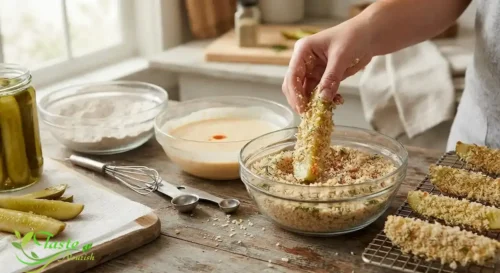
2. Set up the dredging station. In one bowl, whisk together the flour, cornstarch, garlic powder, smoked paprika, cayenne, and black pepper. In a second bowl, whisk the buttermilk, egg, and hot sauce. Put the panko in a third bowl.
3. Heat the oil. Pour oil to a depth of 2–3 inches into a heavy pot and clip on a thermometer. Heat to 350–375°F. The USDA’s guidance on deep-fat frying recommends high smoke-point oils like canola, peanut, corn, or vegetable oil for this kind of frying.
4. Bread each pickle. Dredge a pickle spear in the flour mixture, shaking off the excess. Dip it in the buttermilk mixture, letting extra drip off, then press it into the panko until fully and evenly coated. Set on the wire rack. Repeat with the remaining pickles.
5. Let the breading rest. Give the coated pickles 5 minutes before frying. This lets the panko adhere properly instead of sliding off on contact with hot oil.
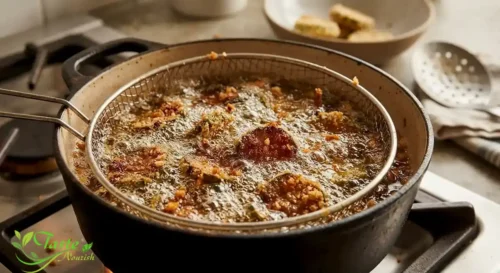
6. Fry in batches. Lower 6–8 pickles into the hot oil at a time — crowding the pot drops the oil temperature and leads to greasy, unevenly browned pickles. Fry 2–3 minutes, turning once, until deep golden brown and audibly crisp when tapped.
7. Drain and serve. Lift out with a slotted spoon and set on the wire rack, not paper towels, which trap steam underneath and soften the bottom crust. Serve immediately.
Expert Tips for the Crispiest Fried Pickles
Pat the pickles dry twice if needed — once right after draining the jar, and again just before breading.
For an extra-thick, shatter-crisp shell, run the pickles through the buttermilk and panko a second time before frying.
Check oil temperature between batches; it drops each time food goes in and needs a minute or two to recover.
Season the flour mixture generously — it’s the main source of flavor in the crust, since the panko itself is neutral.
Fry a test piece first if you’re unsure about your oil temperature or seasoning.
Common Mistakes to Avoid
Skipping the drying step. Water on the pickle surface turns to steam the moment it hits hot oil, which causes dangerous splattering and stops the breading from bonding. Pat every spear dry before it goes anywhere near the flour.
Frying in oil that’s too cool. Below 350°F, the coating absorbs oil instead of crisping, leaving pale, greasy pickles. Use a thermometer rather than guessing by sight.
Overcrowding the pot. Adding too many pickles at once crashes the oil temperature, so the batch cooks unevenly and turns soggy. Fry in small rounds and let the oil recover between them.
Pushing the oil too hot or frying too long. A crust that’s dark brown or bitter has usually spent too long at too high a heat. High-temperature cooking of starchy coatings can also increase compounds like acrylamide, which the FDA notes forms more readily the longer and hotter a starch-based food is cooked — another reason to watch color closely rather than fry on a timer alone.
Draining on paper towels. It seems like the obvious move, but trapped steam softens the underside almost immediately. A wire rack keeps air moving around the whole pickle.
Recipe Variations
Southern cornmeal-crusted: Swap the panko for an equal amount of fine cornmeal, or mix it half-and-half with panko, for a craggier, more traditional Southern crust.
Spicy fried pickles: Double the cayenne in the flour mixture and add an extra teaspoon of hot sauce to the buttermilk.
Air fryer version: Arrange breaded pickles in a single layer, spray lightly with oil, and air fry at 400°F for 8–10 minutes, flipping halfway. The crust is thinner and less shatter-crisp than deep frying, but noticeably lighter.
Gluten-free: Substitute a 1:1 gluten-free flour blend and gluten-free panko or crushed rice cereal. The texture is very close to the original.
Serving Suggestions
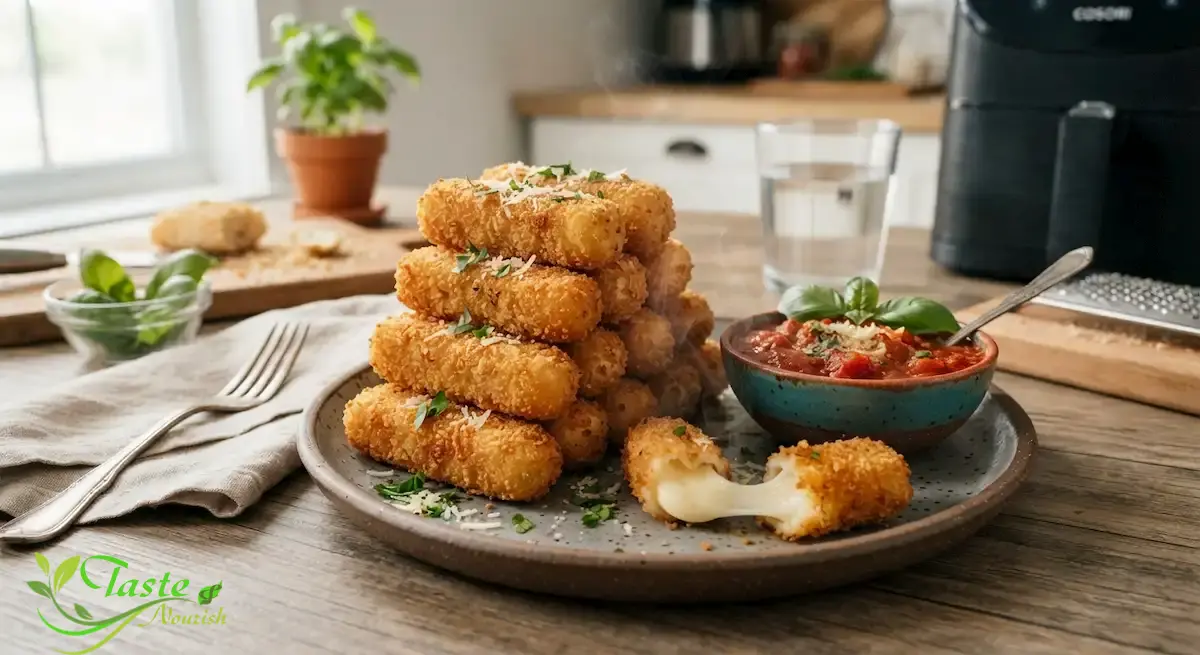
Serve fried pickles hot, with a cool, tangy dip to offset the richness — ranch, remoulade, or a quick comeback sauce (mayonnaise, ketchup, hot sauce, garlic powder, and a squeeze of lemon) all work well. They’re a natural side for burgers or fried chicken sandwiches, and they hold their own on a shared appetizer platter alongside onion rings or mozzarella sticks.
Nutrition Information for This Fried Pickles Recipe
Figures below are an estimate per serving (about 5 pickle spears) and will vary based on the specific pickle brand, breading thickness, and how much oil the coating absorbs during frying. Baseline values for pickles and common frying ingredients are drawn from the USDA FoodData Central database.
Nutrient
Approximate Amount
Calories
230–260
Fat
13–16g
Carbohydrates
22–26g
Protein
4–5g
Sodium
800–950mg
The sodium figure is worth noting specifically: dill pickles are brined in a salt solution, and that carries through the frying process. According to the CDC, most Americans consume more sodium than the recommended daily limit, so this dish is best treated as an occasional appetizer rather than a regular side.
Storage Instructions
Fried pickles are at their best in the first few minutes after frying and don’t hold well long-term. If you have leftovers, refrigerate them in an airtight container for up to 2 days — the crust will soften noticeably. To bring back some crispness, reheat in a 400°F oven or air fryer for 5–8 minutes; skip the microwave, which turns the coating rubbery. Freezing already-fried pickles isn’t recommended, since the crust turns soggy on thawing.
Make-Ahead Tips
You can bread the pickles up to 4 hours ahead — arrange them in a single layer on a wire rack, uncovered, in the refrigerator, and fry just before serving. For longer storage, freeze the breaded, uncooked pickles in a single layer on a tray until solid, then transfer to a freezer bag for up to 1 month. Fry straight from frozen, adding 1–2 extra minutes to the cook time.
Fried Pickles Recipe FAQs
Can I use sweet pickles instead of dill?
You can, but the tang of dill is what balances the richness of the fried coating. Sweet or bread-and-butter pickles give a noticeably sweeter, less classic result.
Why does my breading keep falling off?
It’s almost always moisture — either the pickles weren’t dried thoroughly before breading, or the breaded pickles went into the oil without the 5-minute rest.
Can I make this fried pickles recipe without deep frying?
Yes — the air fryer variation above gives a lighter, thinner crust with far less oil, though it won’t be quite as shatter-crisp as deep frying.
What’s the best oil for frying pickles?
A neutral, high smoke-point oil — canola, peanut, corn, or vegetable oil — fries most evenly and won’t compete with the pickle’s flavor.
Are fried pickles gluten-free?
Not as written, since the recipe uses wheat flour and standard panko, but the gluten-free variation above adapts easily.
Can I make fried pickles ahead of time?
You can bread them ahead and refrigerate or freeze, but fry them close to serving — the crust doesn’t hold its crunch once it sits.
A crispy fried pickles recipe featuring dill pickle spears coated in a seasoned buttermilk-panko crust and fried until deep golden brown, ready in about 35 minutes.
Ingredients
1 (24-ounce) jar dill pickle spears, drained
1 cup all-purpose flour
2 tablespoons cornstarch
1 teaspoon garlic powder
1 teaspoon smoked paprika
1/2 teaspoon cayenne pepper (optional)
1/2 teaspoon black pepper
1 cup buttermilk
1 large egg
1 teaspoon hot sauce (optional)
1 1/2 cups panko breadcrumbs
Vegetable, canola, or peanut oil, for frying (about 6 cups)
Directions
Spread the pickle spears on a clean kitchen towel or paper towels and pat thoroughly dry, about 5 minutes. Leftover moisture is why breading slides off in the oil.
Whisk flour, cornstarch, garlic powder, smoked paprika, cayenne, and black pepper in one bowl. Whisk buttermilk, egg, and hot sauce in a second bowl. Place panko in a third bowl.
Pour oil 2-3 inches deep into a heavy pot and heat to 350-375°F using a deep-fry thermometer.
Dredge each pickle spear in the flour mixture, dip in the buttermilk mixture, then press into panko until fully and evenly coated. Set on a wire rack.
Rest the coated pickles for 5 minutes so the panko adheres properly before frying.
Fry 6-8 pickles at a time for 2-3 minutes, turning once, until deep golden brown and audibly crisp.
Lift out with a slotted spoon, drain on a wire rack rather than paper towels, and serve immediately.
Conclusion
The details that make this fried pickles recipe work are small ones: dry pickles, a properly heated pot of oil, and a few minutes of patience while the breading sets before frying. Get those right, and you’ll have a crust that stays crisp long enough to actually enjoy — not just survive the walk from stove to table.
Hanan Abo Samra is the founder of Taste & Nourish, sharing trustworthy nutrition guidance and recipes drawn from 20+ years of hands-on cooking experience. When she's not developing new recipes, Hanan is researching the science behind everyday ingredients to bring readers practical, evidence-based guidance for a healthier lifestyle.