If you have typed “almonds weight loss” into a search bar hoping for a quick yes-or-no answer, here is the honest version: almonds will not melt fat off your body on their own, but a growing body of nutrition research suggests they can be a genuinely useful part of a weight-conscious eating pattern. With their mix of protein, fiber, and healthy fat, almonds tend to keep people feeling fuller for longer, which may help with overall calorie control. This guide walks through what the science actually shows, how much to eat, and how to work almonds into a realistic, sustainable routine.
Research on almonds weight loss is cautiously encouraging rather than dramatic. Clinical studies suggest that swapping a processed snack for a small daily portion of almonds (about one ounce, or roughly 23 almonds) may support modest weight loss or help prevent weight gain when almonds are eaten in place of, not in addition to, other calories.
The effect appears to come mainly from almonds’ fiber and protein content, which supports satiety, and from the fact that whole almonds are not fully digested, meaning fewer of their calories are actually absorbed than older estimates assumed.
Key Takeaways
Several randomized controlled trials link almond consumption to small reductions in body weight and body fat, especially when almonds replace refined-carbohydrate snacks.
Almonds weight loss benefits appear to be tied to portion control; eating them freely on top of your usual diet can add calories quickly.
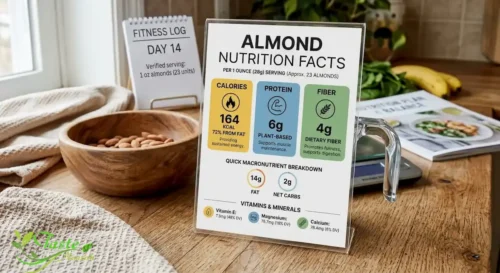
A one-ounce serving (about 23 almonds) provides roughly 165 calories, 6 grams of protein, 6 grams of carbohydrate, and 3 grams of fiber.
Almonds are calorie-dense, so people managing calorie intake should measure portions rather than eating from the bag.
Whole, unsalted, unsweetened almonds are generally the best choice for weight management goals compared with honey-roasted or chocolate-covered varieties.
What Are Almonds?
Almonds are the edible seeds of the almond tree, a plant native to the Mediterranean and Middle East that has been cultivated for thousands of years. Although we call them nuts in everyday language, almonds are technically the seed found inside a fruit called a drupe. Once the outer hull and shell are removed, the kernel we eat is left behind.
Today almonds are grown commercially in warm, dry climates, with California producing the majority of the global supply. They are sold raw, blanched, roasted, sliced, slivered, and ground into flour, and they are also the base ingredient for almond milk and almond butter.
Almonds Nutrition Facts
Almonds are considered a nutrient-dense food, meaning they pack a meaningful amount of protein, fiber, healthy fat, and micronutrients into a relatively small serving. According to Harvard T.H. Chan School , one ounce of almonds (about 23 almonds, or a quarter cup) contains the following.
Nutrient
Amount per 1 oz (28g) serving
Calories
About 165
Protein
6 grams
Total fat
14 grams (mostly monounsaturated)
Carbohydrate
6 grams
Fiber
3 grams
Vitamin E
About 7 mg, a significant share of the daily value
Magnesium
Meaningful contribution toward daily needs
Calcium
Modest but notable amount for a plant food
Vitamin E is worth highlighting on its own. Almonds are one of the richest natural food sources of this antioxidant nutrient, according to the National Institutes of Health Office of Dietary Supplements, which notes that vitamin E helps protect cells from oxidative damage and supports normal immune function.
Health Benefits
Beyond the weight-management angle, almonds are associated with several other health benefits that are worth understanding in context.
Heart Health
The unsaturated fat in almonds may help lower LDL, or “bad,” cholesterol when it replaces saturated fat in the diet. Large observational studies cited by Harvard’s Nutrition Source have linked regular nut consumption, including almonds, with a lower risk of cardiovascular disease.
Blood Sugar Support
Because almonds are low in carbohydrate and contain fiber, protein, and fat, they have a minimal effect on blood sugar compared with many packaged snack foods, which may make them a reasonable option for people watching their glucose response.
Gut Health
The fiber and plant compounds in almonds may support the growth of beneficial gut bacteria, though this is an area of ongoing research rather than settled science.
How Almonds Weight Loss Benefits Work
The connection between almonds weight loss outcomes and biology comes down to a few overlapping mechanisms researchers have identified.
Satiety from protein and fiber. Almonds combine protein and fiber in a way that tends to blunt hunger more effectively than low-protein, low-fiber snacks like crackers or chips.
Incomplete calorie absorption. Because almonds have a rigid cell wall structure, some of the fat inside whole or chopped almonds is not fully released during digestion, meaning the body absorbs somewhat fewer calories than a simple calorie count on the label would suggest.
Displacement of less healthy snacks. When almonds replace refined carbohydrate snacks rather than being added on top of them, the overall diet tends to shift toward more protein and fiber and less added sugar.
Slower, more mindful eating. The need to shell, chew, and portion almonds (compared with grabbing a handful of chips) may naturally slow down snacking pace for some people.
Almonds Weight Loss: What the Scientific Evidence Shows
A comprehensive narrative review published in the journal Nutrients and hosted on PubMed Central analyzed dozens of randomized controlled trials and found that almonds, more consistently than most other nuts studied, were linked to small but statistically significant reductions in body mass and fat mass compared with control diets. The review’s authors point to enhanced satiety, reduced usable calories from the nut matrix, and modestly higher resting energy expenditure as plausible explanations.
A three-month randomized controlled trial in overweight and obese women, published in the Journal of Research in Medical Sciences and available through PubMed Central, compared a calorie-controlled diet that included 50 grams of almonds daily with an otherwise identical nut-free diet. The almond group showed greater improvements in body measurements and lipid profile than the control group over the study period.
It is worth noting that not every study agrees. Some trials have found that almonds have a neutral effect on body weight when simply added to an existing diet without adjusting total calorie intake, which reinforces that portion control and context matter more than the nut itself.
Potential Risks and Side Effects
Almonds are generally well tolerated, but a few considerations are worth keeping in mind.
Allergic reactions. Tree nut allergies, including almond allergy, can range from mild to severe and, in some cases, life-threatening. Anyone with a known or suspected nut allergy should avoid almonds and seek medical guidance.
High calorie density. Because almonds pack a lot of calories into a small volume, mindless snacking can add up quickly and work against weight-loss goals rather than support them.
Digestive discomfort. Eating a large quantity at once can cause bloating or gas in some people due to the fiber content.
Oxalate content. Almonds contain oxalates, which in large amounts may be a concern for people prone to certain types of kidney stones.
Who Should Avoid It?
People with a diagnosed tree nut allergy should avoid almonds and almond-derived products entirely. Individuals with a history of calcium oxalate kidney stones may want to discuss almond intake with their doctor or a registered dietitian.
Young children should not be given whole almonds due to choking risk; almond butter or finely ground almond flour are safer alternatives for this age group. Anyone on a medically supervised low-fat diet should also check with their healthcare provider before adding a calorie-dense food like almonds.
Almonds Weight Loss: How Many Should You Eat Per Day
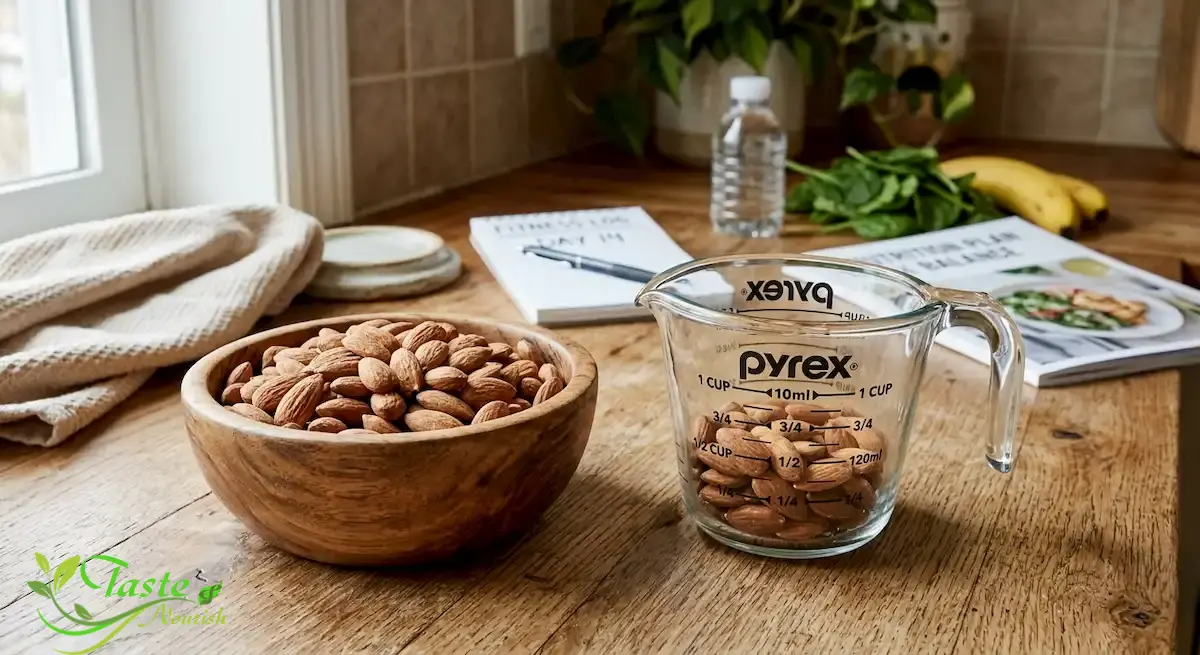
Most of the research linking almonds to weight management uses a daily portion of about one ounce, which works out to roughly 23 whole almonds or a quarter cup. Some studies have used slightly larger amounts, up to about 1.5 ounces per day, particularly in the context of heart-health research.
The key detail researchers consistently emphasize is substitution rather than addition. Almonds appear most useful for weight management when they take the place of a less nutritious snack in your usual eating pattern, rather than being eaten in addition to everything you already consume.
How to Choose the Best Almonds
Choose raw or dry-roasted almonds without added salt, sugar, or oil coatings when your goal is weight management.
Skip honey-roasted, chocolate-covered, or heavily salted varieties, which add extra calories and sodium without added nutritional benefit.
Check the “best by” date and give the almonds a quick smell test; a sharp, paint-like odor is a sign of rancidity.
Buying in smaller quantities more often helps ensure freshness, since almonds’ fat content makes them prone to going rancid over time.
Storage Tips
Store almonds in an airtight container in a cool, dark, and dry place to protect them from the heat and light that speed up rancidity. For longer-term storage, refrigerating or freezing almonds can extend their shelf life considerably; Harvard’s Nutrition Source notes that almonds kept below 40°F can last for roughly two years. Pre-portioning almonds into small containers or bags when you bring them home makes it much easier to stick to a one-ounce serving.
Best Ways to Eat Almonds for Weight Loss
Pre-portion a one-ounce serving into small containers so you are not eating straight from a large bag.
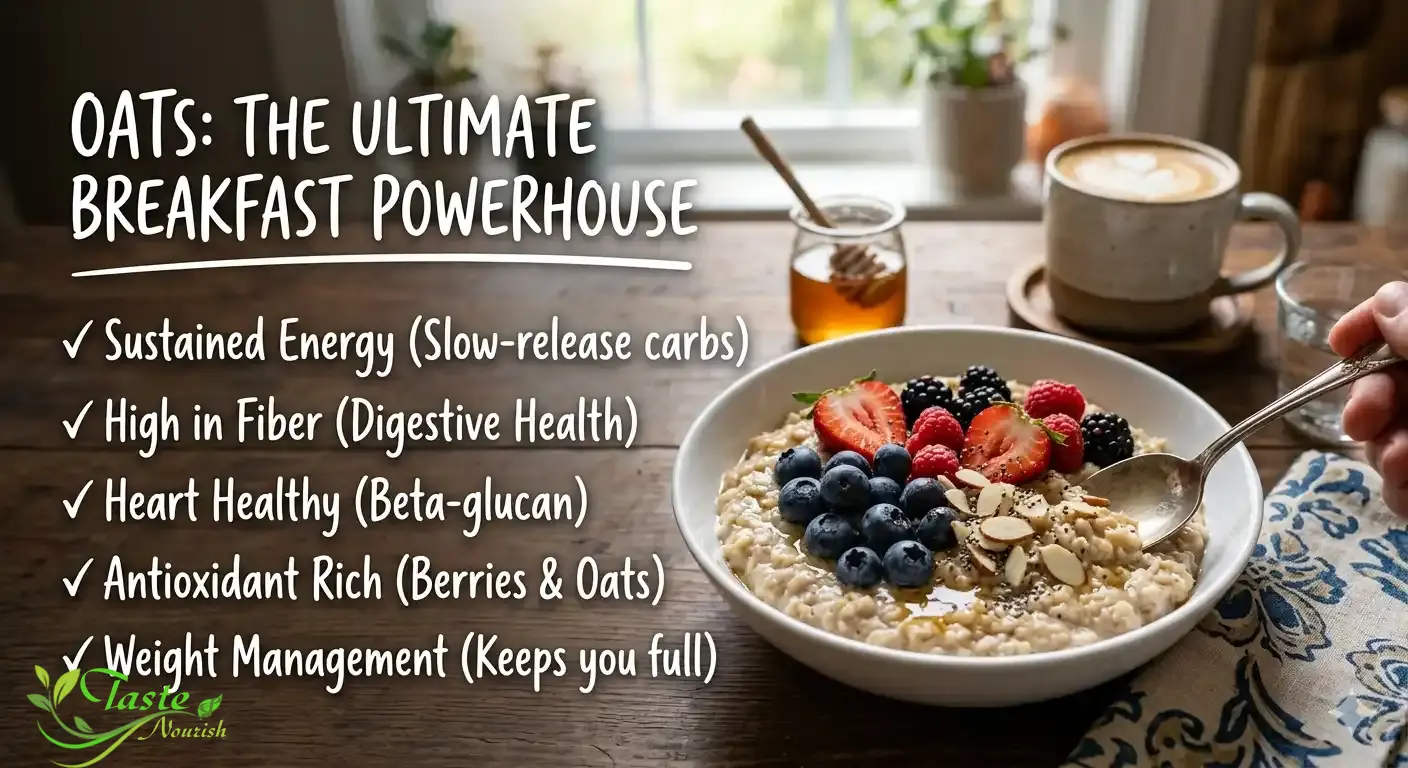
Add sliced or slivered almonds to salads, oatmeal, or plain yogurt for crunch and staying power without a large calorie add-on.
Pair a small handful of almonds with a piece of fruit for a balanced, fiber-and-protein snack.
Spread a thin layer of unsweetened almond butter on apple slices or whole-grain toast instead of using it by the spoonful.
Swap almond flour for a portion of refined flour in home baking to add protein and fiber to baked goods.
Common Almonds Weight Loss Mistakes to Avoid
Mistake
Why It Backfires
Eating straight from a large bag or container
Makes it very easy to lose track of portions and eat far more than one serving
Choosing flavored or coated almonds
Honey-roasted or chocolate-covered versions add sugar and calories without added benefit
Adding almonds on top of your usual diet
Research suggests the benefit comes from substitution, not addition, of calories
Expecting almonds alone to cause weight loss
No single food drives weight loss; overall diet quality and calorie balance matter most
Skipping measurement or portioning
Almonds are calorie-dense, so “eyeballing” a handful often means eating more than one ounce
Almonds and Weight Loss: Myths vs. Facts
Myth
Fact
Almonds are a “fat-burning” superfood
No single food burns fat directly; almonds may support a calorie-controlled diet through satiety, not through a metabolic fat-burning effect
Almonds are too high in fat and calories to eat while losing weight
The fat in almonds is mostly unsaturated, and research suggests moderate portions can fit into a weight-loss plan when used in place of other snacks
Almond milk has the same nutrition as whole almonds
Most commercial almond milk is mostly water and contains far less protein and fiber than whole almonds unless it is specifically fortified
Eating almonds automatically leads to weight loss
Weight change depends on overall calorie balance; almonds are a tool that can support that balance, not a guarantee on their own
Comparison Table: Almonds vs. Other Popular Nuts
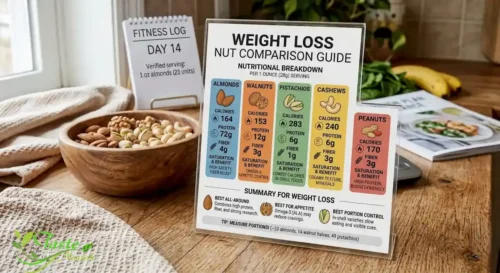
For context, here is roughly how almonds compare with a few other common nuts per one-ounce (28-gram) serving. These are approximate values and can vary slightly by brand and preparation method.
Nut (1 oz)
Calories
Protein
Fiber
Almonds
~165
~6 g
~3.5 g
Pistachios
~160
~6 g
~3 g
Peanuts
~160
~7 g
~2.4 g
Walnuts
~185
~4 g
~2 g
Cashews
~155
~5 g
~1 g
Almonds and pistachios stand out for offering a relatively high fiber count per calorie, which may partly explain why they show up so often in satiety-focused research.
FAQs About Almonds Weight Loss
Do Almonds Help You Lose Weight If You Eat Them Every Day?
Daily almond consumption, in the range of about one ounce, has been associated with modest weight or fat loss in several clinical trials, particularly when almonds replace a less healthy snack rather than being added to your usual intake. Results vary between studies, so almonds are best thought of as a supportive habit rather than a guaranteed weight-loss method.
What Is the Best Time to Eat Almonds for Weight Loss?
There is no research showing that a specific time of day makes almonds more effective for weight management. What matters more is using them as a planned snack or meal addition that fits within your overall calorie needs, whether that is mid-morning, mid-afternoon, or alongside a meal.
Can Eating Too Many Almonds Cause Weight Gain?
Yes. Because almonds are calorie-dense, eating large, unmeasured amounts on a regular basis can contribute to a calorie surplus, which may lead to weight gain over time regardless of how nutritious the food is.
Are Roasted Almonds as Good as Raw Almonds for Weight Loss?
Dry-roasted, unsalted almonds are nutritionally very similar to raw almonds and can be used the same way in a weight-management plan. Oil-roasted or heavily salted and flavored versions add extra calories, fat, or sodium, so plain raw or dry-roasted almonds are generally the better choice.
Do Almonds Target Belly Fat Specifically?
No food, including almonds, can target fat loss in one specific area of the body. Some studies have observed reductions in overall body fat with regular almond consumption as part of a calorie-controlled diet, but this reflects general fat loss rather than spot reduction.
Conclusion
The research on almonds weight loss points to a modest but real supportive role: almonds combine protein, fiber, and healthy fat in a way that tends to promote fullness, and their unique cell structure means the body absorbs somewhat fewer calories from them than older estimates assumed. Used thoughtfully, in place of less nutritious snacks and in reasonable one-ounce portions, almonds can be a practical addition to a weight-conscious way of eating.
Used mindlessly, straight from a large bag with no attention to portion size, they can just as easily add calories as help you manage them. As with most foods, context and consistency matter more than any single ingredient.
References
Dreher ML. A Comprehensive Review of Almond Clinical Trials on Weight Measures, Metabolic Health Biomarkers and Outcomes, and the Gut Microbiota. Nutrients, National Institutes of Health, PubMed Central. https://pmc.ncbi.nlm.nih.gov/articles/PMC8229803/
Abazarfard Z, Salehi M, Keshavarzi S. The Effect of Almonds on Anthropometric Measurements and Lipid Profile in Overweight and Obese Females in a Weight Reduction Program: A Randomized Controlled Clinical Trial. Journal of Research in Medical Sciences, National Institutes of Health, PubMed Central. https://pmc.ncbi.nlm.nih.gov/articles/PMC4116579
Hanan Abo Samra is the founder of Taste & Nourish, sharing trustworthy nutrition guidance and recipes drawn from 20+ years of hands-on cooking experience. When she's not developing new recipes, Hanan is researching the science behind everyday ingredients to bring readers practical, evidence-based guidance for a healthier lifestyle.