
Chia Pudding Recipe: The Foolproof Overnight Method for Creamy, Clump-Free Results
Craving a breakfast that’s ready before you even wake up? This chia pudding recipe takes just five minutes of hands-on time and turns into a thick, creamy, spoonable pudding overnight in your fridge. No stovetop, no fuss — just the right ratio, a few well-timed stirs, and patience while the seeds do the work.
Quick Answer
The basic chia pudding recipe is a 4-to-1 ratio: about 1/4 cup of chia seeds whisked into 1 cup of milk (dairy or plant-based), sweetened and flavored to taste, then refrigerated for at least 2 hours or overnight. The seeds absorb the liquid and swell, turning the mixture into a soft-set, tapioca-like pudding. Stirring once or twice during the first 15 to 20 minutes is what prevents the seeds from clumping together at the bottom of the jar.
Key Takeaways
- A basic chia pudding recipe uses roughly 1/4 cup chia seeds per 1 cup of liquid; going much lower leaves it runny, and going much higher makes it gluey.
- Stir the mixture within the first 15 to 20 minutes, and again once more, to keep the seeds from settling into clumps.
- Chill for at least 2 hours for a soft set, or overnight for the thickest, creamiest texture.
- This is a true make-ahead breakfast: it holds well in the refrigerator and only improves in texture after a day of chilling.
- If the pudding turns out too thin, it usually needs more time, not more chia seeds added on the spot.
What Is Chia Pudding?
Chia pudding is a no-cook breakfast made by soaking whole chia seeds in milk or a milk alternative until the seeds hydrate and form a thick, gel-like pudding. Each tiny chia seed is coated in a soluble fiber that turns gelatinous on contact with liquid, and because the seeds are covered in this gel on all sides, the entire mixture thickens rather than just the liquid around them.
The texture that results sits somewhere between tapioca pudding and a loose custard, with a pleasant, slightly springy bite from the seeds themselves.
Ingredients
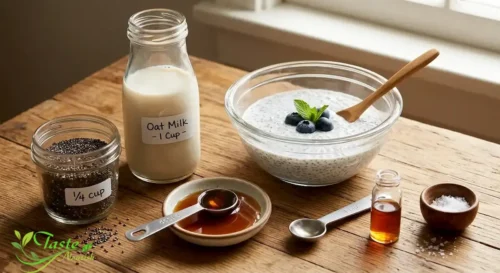
This basic version makes about 2 servings. Double or triple it for meal prep.
- 1/4 cup chia seeds
- 1 cup milk of choice
- 1 to 2 tablespoons sweetener
- 1/2 teaspoon vanilla extract
- A small pinch of salt
Ingredient Notes
- 1/4 cup chia seeds — Use whole chia seeds, black or white; both hydrate the same way. Ground chia (sometimes sold as chia meal) will not form the same gel structure and isn’t a good substitute here.
- 1 cup milk of choice — Whole milk gives the richest, creamiest result. Unsweetened almond, oat, coconut, or soy milk all work well; oat milk tends to produce an especially creamy set because of its natural starch content, while thinner nut milks can leave the pudding slightly looser.
- 1 to 2 tablespoons sweetener — Maple syrup, honey, or agave all dissolve easily into cold liquid. Granulated sugar can leave a slightly gritty texture unless well dissolved.
- 1/2 teaspoon vanilla extract — Rounds out the flavor so the pudding doesn’t taste flat or overly “seedy.”
- A small pinch of salt — Sharpens the sweetness and vanilla; leaving it out makes the pudding taste noticeably duller.
How to Make Chia Pudding
1. Combine the liquid ingredients first. In a jar or bowl, whisk together the milk, sweetener, vanilla, and salt until the sweetener is fully dissolved. Mixing these before adding the chia seeds helps the sweetness distribute evenly instead of settling at the bottom.
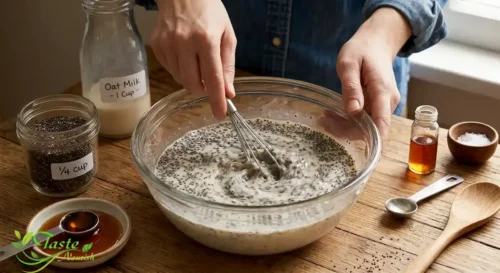
2. Add the chia seeds and whisk immediately. Pour in the chia seeds and whisk vigorously for about 30 seconds. This is the step most people rush, and it’s the one that prevents clumping — chia seeds start gelling on contact with liquid, so any seeds left touching each other will bind into a solid clump instead of separating evenly through the mixture.
3. Let it sit for 5 minutes, then stir again. After a short rest, the seeds will have started to swell slightly and often sink or cluster. A second thorough stir at this point redistributes them before they can settle into a layer at the bottom of the jar.
4. Stir once more after 15 to 20 minutes. This third stir is what locks in an even, smooth consistency. Skipping it is the single most common reason chia pudding turns out clumpy rather than uniformly thick.
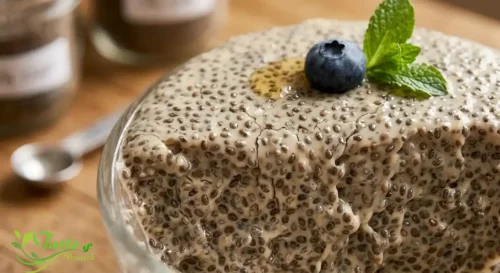
5. Cover and refrigerate for at least 2 hours, or overnight. The pudding is ready when it’s thick enough to hold a spoon standing upright and the individual seeds have turned soft and translucent rather than hard and crunchy. An overnight chill gives the creamiest, most fully set texture.
How to Get the Best Texture
Texture is really what separates a good chia pudding recipe from a mediocre one. Three things control it:
Ratio. Too little chia seed relative to liquid produces a texture closer to thick milk than pudding. Too much makes it dense and gluey rather than creamy. The 1/4-cup-to-1-cup ratio is a reliable middle ground; if you prefer a looser, more spoonable pudding, drop to 3 tablespoons of chia seeds per cup of milk instead.
Stirring timing. Because chia seeds gel almost instantly, the window for breaking up clumps is short. Stirring at the three points above (immediately, at 5 minutes, and at 15 to 20 minutes) is more effective than one long stir at the start.
Chilling time. Chia seeds continue absorbing liquid for hours, not minutes. A 2-hour chill gives a soft-set pudding that’s still a little loose; an 8-hour or overnight chill gives the classic thick, creamy, fully set texture most people picture when they think of chia pudding.
How to Get the Best Flavor
Chia seeds themselves are nearly flavorless, which means the milk, sweetener, and any add-ins carry almost all of the flavor. A few adjustments make a noticeable difference:
- Salt is not optional. Even a small pinch keeps the pudding from tasting flat, especially if you’re using a naturally sweeter milk like oat or coconut.
- Bloom your vanilla and sweetener in the liquid before adding chia. Whisking them into cold milk first, rather than stirring them in later, gives a more even flavor throughout instead of sweet pockets and bland ones.
- Taste before chilling, not after. Cold, thickened pudding mutes sweetness slightly, so the mixture should taste a touch sweeter than you want the final result to be.
No-Cook Method: Why You Don’t Need Heat
Unlike oatmeal or rice pudding, chia pudding doesn’t rely on heat to thicken. The gelling reaction happens at room temperature or in the refrigerator because chia seeds’ outer coating absorbs liquid on contact regardless of temperature. Heating the mixture won’t speed up the set meaningfully and can actually cause uneven thickening if the liquid gets hot enough to start separating dairy or plant milk. Cold preparation and refrigeration is genuinely the better method here, not just the more convenient one.
How to Serve Chia Pudding
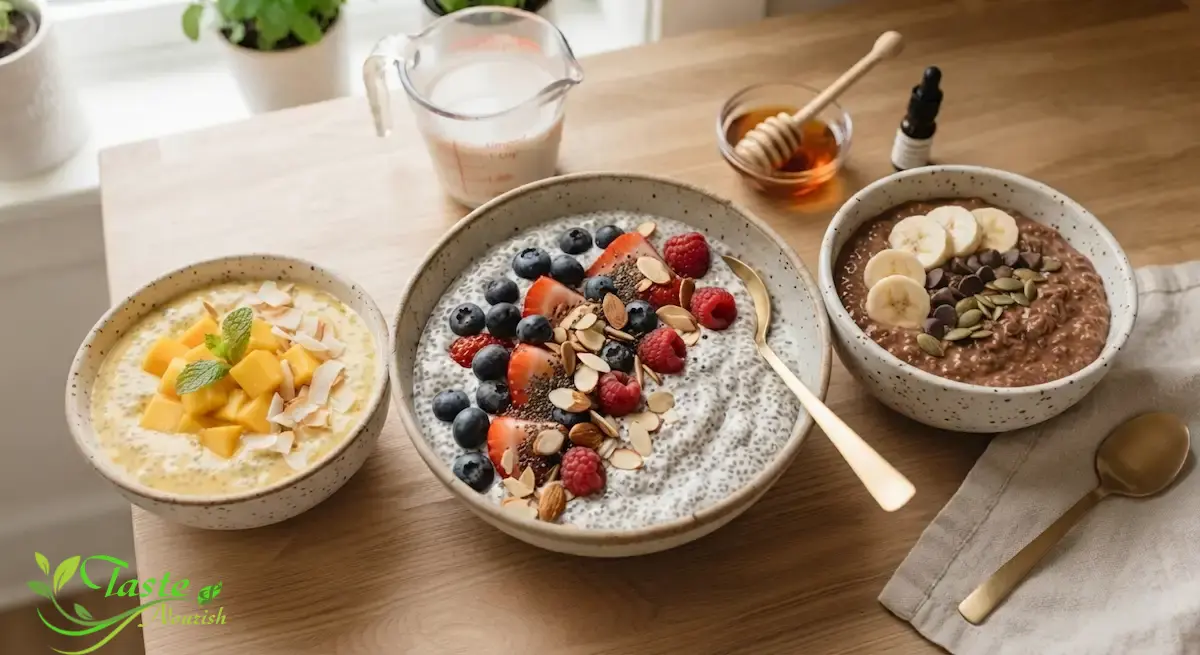
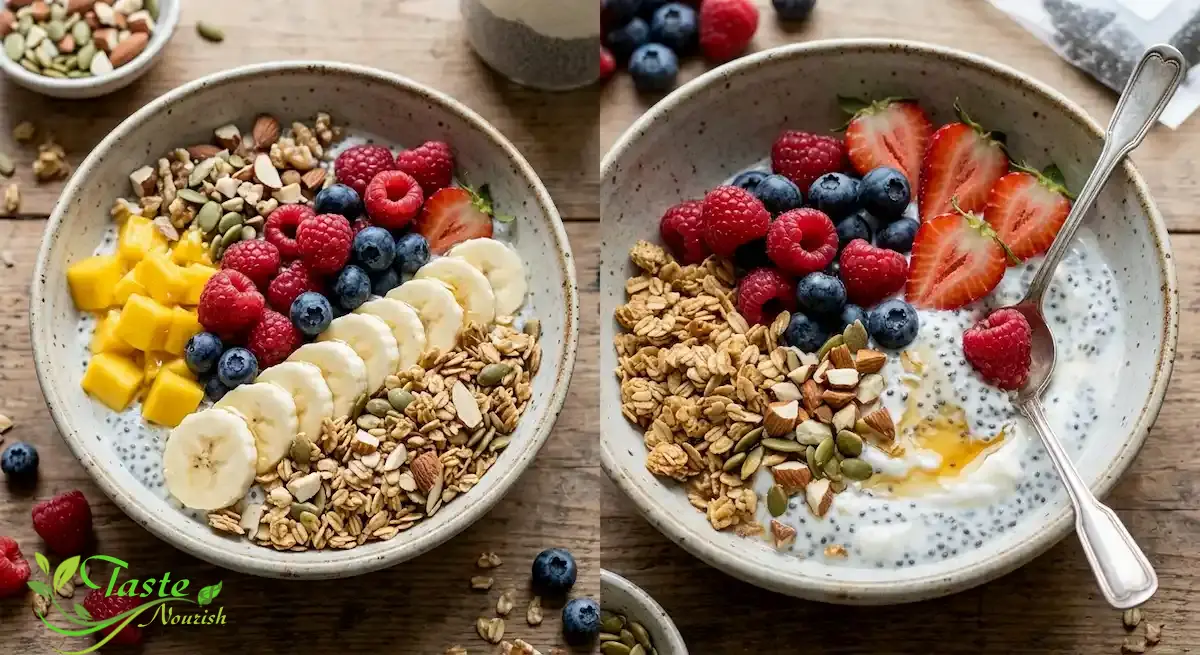
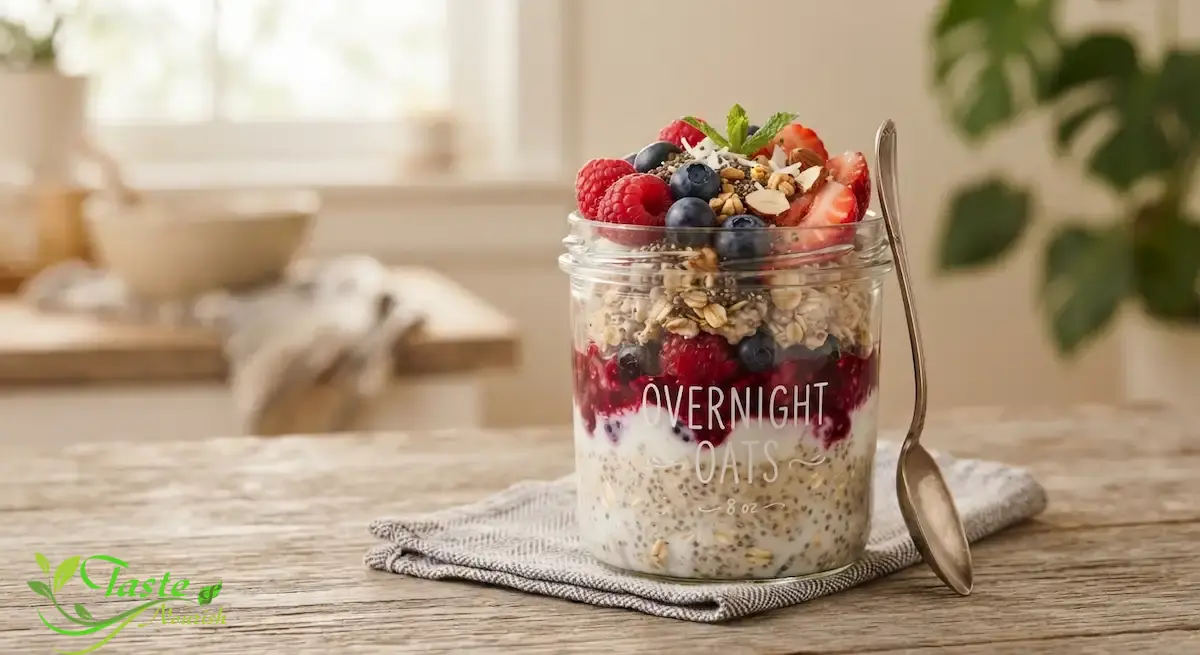
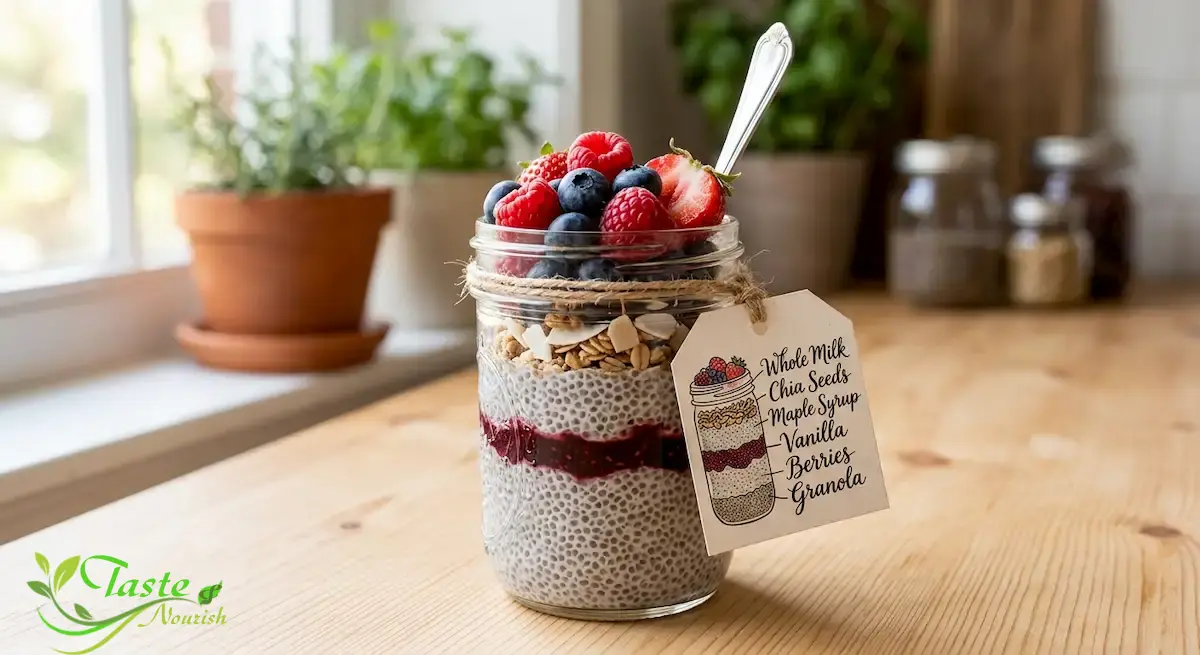
Chia pudding is meant to be served cold, straight from the refrigerator. Give it one more stir before serving, since some settling can happen even after the pudding has fully set. Spoon it into a bowl or glass on its own, or layer it with fruit and granola parfait-style for more visual appeal and textural contrast.
Toppings and Add-Ins
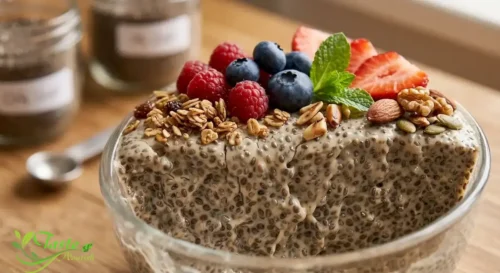
Because the base is intentionally simple, toppings do a lot of the work in making each bowl feel different:
- Fresh fruit — berries, sliced banana, mango, or pomegranate seeds add brightness and natural sweetness that balances the richness of the pudding.
- Nuts and seeds — toasted almonds, pumpkin seeds, or coconut flakes add crunch, which the pudding’s soft texture is otherwise missing entirely.
- Nut butter — a swirl of peanut or almond butter adds richness and turns the pudding into a more substantial breakfast.
- Granola — best added just before eating rather than during storage, since it will soften if it sits in the pudding.
Make-Ahead and Meal Prep
Chia pudding is one of the few breakfasts that genuinely tastes better after sitting. Because it needs at least a couple of hours to set anyway, making it ahead isn’t just convenient, it’s part of the method.
For meal prep, portion the pudding into individual jars or containers right after the final stir, before refrigerating. This saves you from dividing thick, set pudding later and lets each portion set evenly. Keep any toppings that would go soggy — granola, toasted nuts, fresh fruit that releases liquid — in a separate small container and add them right before eating.
Storage
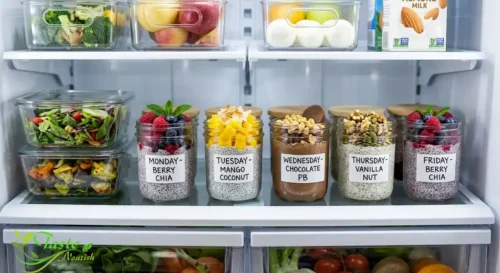
Store chia pudding in an airtight container in the refrigerator. Like other prepared dishes made with dairy or plant milk, it should be treated as a perishable food and kept consistently cold, at 40°F (4°C) or below, following general refrigerator storage guidelines from FoodSafety.gov. The pudding is typically good for several days in the refrigerator, though it’s best eaten within the first few days for the freshest flavor and texture, since the milk it’s made with is the more perishable component.
If the pudding smells sour, looks separated in a way that doesn’t restir smoothly, or has been left out of refrigeration for an extended period, discard it.
Common Mistakes
- Not stirring soon enough after adding the chia seeds. Chia seeds begin gelling within seconds of hitting liquid. Waiting even a couple of minutes to whisk lets seeds bind to each other before they’re distributed, creating hard little clumps that never fully smooth out.
- Only stirring once. A single stir at the start isn’t enough, because the seeds continue to settle as they swell. Skipping the follow-up stirs at 5 and 15–20 minutes is the most common reason for uneven texture.
- Not chilling long enough. Chia seeds need real time to fully hydrate. A 20-minute chill will look and taste more like sweetened milk with seeds floating in it than an actual pudding.
- Using too few chia seeds for the amount of liquid. Eyeballing the ratio instead of measuring is the fastest way to end up with a pudding that never thickens properly.
- Adding sweetener after the pudding has set. Sugar and syrup don’t distribute evenly into a mixture that’s already thick and gelled, leaving pockets of concentrated sweetness instead of an even flavor.
- Storing pudding with granola or crunchy toppings already mixed in. Anything crunchy will absorb moisture from the pudding overnight and turn soft, so those toppings belong on top at serving time, not stirred in ahead.
Troubleshooting
Chia pudding is too thin
Likely cause — Not enough chilling time, or too little chia seed relative to the amount of liquid used.
Fix — Whisk in an extra tablespoon of chia seeds and refrigerate for another hour or two; the seeds will continue absorbing liquid and thicken the mixture.
Prevent next time — Measure the chia seeds and liquid rather than estimating, and give the pudding a full 2 hours minimum before judging the texture.
Chia pudding is clumpy
Likely cause — The seeds weren’t stirred quickly or thoroughly enough right after being added to the liquid.
Fix — A blender or immersion blender can smooth out an already-clumpy batch, though the texture will be more uniform and less distinctly “pudding-like” afterward.
Prevent next time — Whisk immediately and vigorously when the chia seeds go in, and repeat the stir at the 5-minute and 15-to-20-minute marks.
Chia pudding is too thick or gluey
Likely cause — Too much chia seed was used relative to the liquid, or it sat in the refrigerator for an unusually long time.
Fix — Stir in a splash of additional milk until it loosens back to a spoonable consistency.
Prevent next time — Stick to the 1/4-cup-chia-to-1-cup-liquid ratio, or slightly less if you prefer a looser texture.
Variations
- Vegan and dairy-free: Use any plant-based milk and swap honey for maple syrup or agave. The base method doesn’t change at all.
- Chocolate chia pudding: Whisk 1 to 2 tablespoons of unsweetened cocoa powder into the milk mixture before adding the chia seeds, and increase the sweetener slightly to balance the cocoa’s bitterness.
- Higher-protein version: Stir a scoop of your usual protein powder into the milk before adding the chia seeds, and add a little extra liquid if the mixture seems too thick once the protein powder is incorporated.
- Tropical chia pudding: Use coconut milk as the base and top with mango and toasted coconut flakes.
Chia Pudding Recipe FAQs
Can I make chia pudding ahead of time?
Yes — it’s designed to be made ahead. In fact, an overnight chia pudding recipe like this one relies on advance preparation, since the seeds need hours to fully hydrate and thicken.
How long does chia pudding need to chill?
At least 2 hours for a soft-set pudding, and up to overnight (about 8 hours) for the thickest, creamiest result.
Why is my chia pudding still liquidy after a few hours?
It most likely needs either more time or slightly more chia seed relative to the liquid. Give it a stir, check that the ratio was measured correctly, and let it chill longer before adding more seeds.
Can I use ground chia seeds instead of whole ones?
Whole chia seeds are what create the classic pudding texture, since the gel forms around each intact seed. Ground chia will thicken liquid slightly but won’t produce the same set or texture, so it isn’t recommended as a substitute here.
How should I store chia pudding, and how long does it keep?
Store it covered in the refrigerator. It’s best enjoyed within the first several days, since it’s made with perishable milk; general cold-storage guidance for prepared dairy and plant-milk dishes is available through FoodSafety.gov’s cold food storage chart.
Can I freeze chia pudding?
Freezing isn’t recommended. Thawing tends to break the gel structure the chia seeds form, leaving a watery, separated texture once defrosted rather than the smooth pudding you started with.
What milk works best for chia pudding?
Whole milk and full-fat coconut milk give the richest results. Oat milk sets up especially creamy due to its natural starch. Thinner milks like skim or some nut milks will still work but may produce a slightly looser pudding.
Is chia pudding actually nutritious?
Chia seeds are a well-documented source of dietary fiber and omega-3 fatty acids (specifically alpha-linolenic acid, or ALA), both of which you can read more about through the National Library of Medicine’s overview of dietary fiber and the NIH Office of Dietary Supplements’ omega-3 fact sheet. Exact nutritional content will vary based on the specific milk and sweetener used; for a full breakdown of a particular brand or preparation, the USDA’s FoodData Central database is a reliable reference.
Conclusion
Once you’ve made it a couple of times, this chia pudding recipe becomes less of a recipe and more of a habit: mix it before bed, stir it a couple of times while you’re doing something else, and wake up to breakfast that’s already done. The technique is forgiving as long as you respect the ratio and give the seeds enough time to do their work — get those two things right, and clumping and wateriness stop being problems you have to think about.