
Cold Pressed Olive Oil Meaning: What It Really Tells You About Your Bottle
If you’ve stood in the oil aisle staring at a dozen bottles all claiming to be “cold pressed,” you’re not alone. It’s one of the most common phrases on olive oil labels, and also one of the most misunderstood.
The cold pressed olive oil meaning is simpler than the marketing makes it sound: it describes how the oil was extracted from the olives, not a separate quality grade you have to decode. Once you know what the term actually promises, choosing between bottles gets a lot easier.
Quick Answer: Cold Pressed Olive Oil Meaning in One Sentence
Cold pressed olive oil is oil extracted from crushed olives using only mechanical pressure, with no added heat and no chemical solvents. This keeps the oil’s natural flavor, aroma, and antioxidants more intact than oil made with heat-assisted or chemical extraction methods.
Key Takeaways
- The cold pressed olive oil meaning refers to a production method, not an official quality grade like “extra virgin” or “virgin.”
- Cold pressing uses mechanical crushing and pressure only, with extraction temperatures kept low enough to avoid heat damage.
- Most high-quality virgin and extra virgin olive oils on the market today are cold pressed or cold extracted by default.
- Lower grades, like refined “olive oil” or olive-pomace oil, are not cold pressed because they go through heat or chemical processing.
- Keeping cold pressed olive oil in a cool, dark spot in a sealed, opaque container protects the qualities that made it worth buying.
Cold Pressed Olive Oil Meaning: What You Need to Know Before You Shop
“Cold pressed” is a production term. It tells you how the oil was pulled from the olive, not how it was graded for quality afterward. That distinction matters, because a bottle can say “cold pressed” and still be a lower-grade oil, or say nothing about pressing at all and still be excellent extra virgin oil.
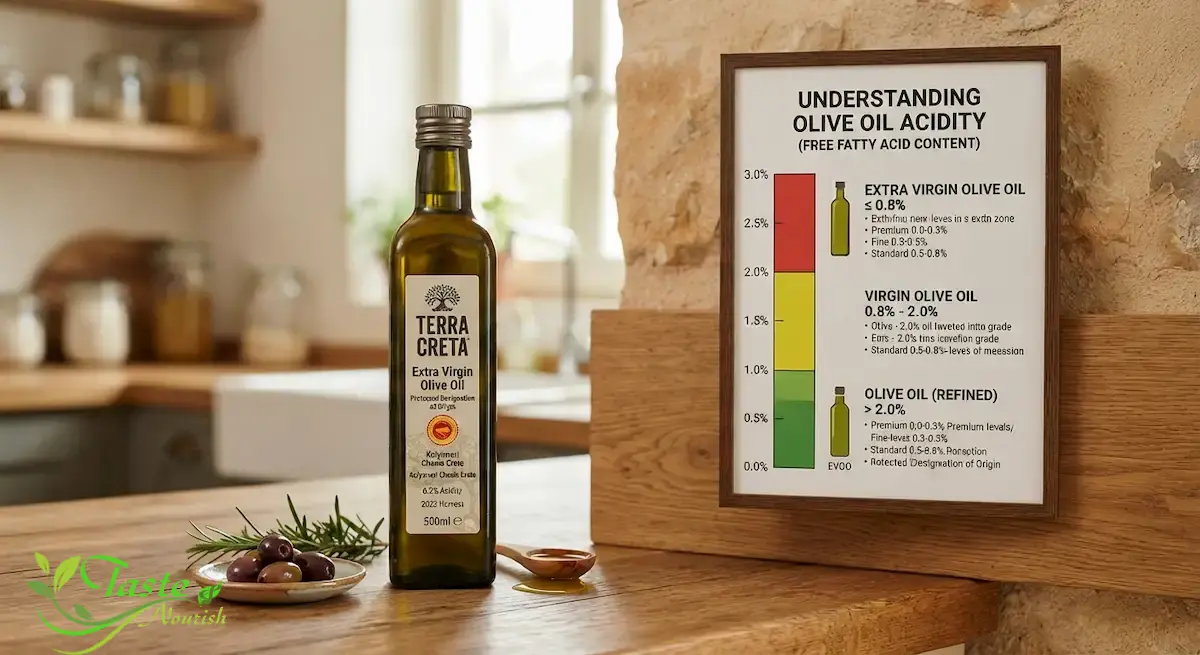
In the United States, there’s no single legal standard that regulates the phrase “cold pressed” on an olive oil label the way there is for grade terms like extra virgin or virgin. The USDA’s official grade standards for olive oil classify oils by how they’re extracted and refined, and by measures like free fatty acid content, flavor, and odor. Cold pressing is simply the traditional, low-heat method that virgin-grade oils are required to use.
Where the Term Comes From
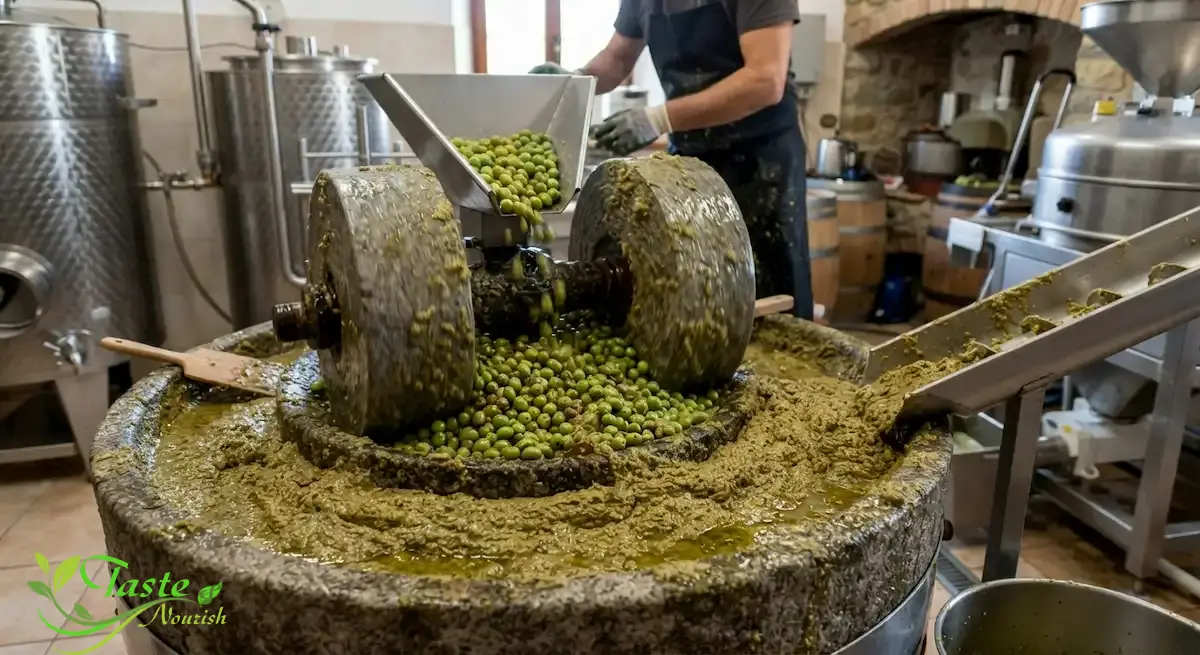
Traditionally, “cold pressed” referred to olives crushed into a paste and squeezed through a hydraulic press, with no heat added during the process. Most modern mills now use centrifugal decanters instead of literal presses to separate oil from paste and water. Producers still use “cold pressed” because it communicates the same idea consumers care about: no heat, no chemicals, just mechanical separation.
Why the Temperature Matters
Keeping extraction temperatures low protects the compounds that give good olive oil its flavor, aroma, and color. According to UC Davis Food Quality’s guidance on olive oil processing, the crushing and separation stages are designed to break down olive cells and release oil while limiting the fruit’s exposure to conditions that would degrade quality, including excess heat.
How Cold Pressed Olive Oil Is Made
- Harvest and cleaning. Olives are picked, sorted, and washed to remove leaves, stems, and debris.
- Crushing. Whole olives, pits included, are crushed into a paste using a mill or crusher.
- Malaxing. The paste is slowly stirred for a short period to help small oil droplets combine into larger ones, without adding heat.
- Extraction. The paste goes through a centrifuge or press that separates oil from water and solid pulp, using only mechanical force.
- Separation and filtering. The oil is separated from any remaining water, then filtered or left to settle before bottling.
No step in this process involves added heat or solvents, which is exactly what qualifies the result as cold pressed.
Cold Pressed vs Regular Olive Oil: What’s Actually Different
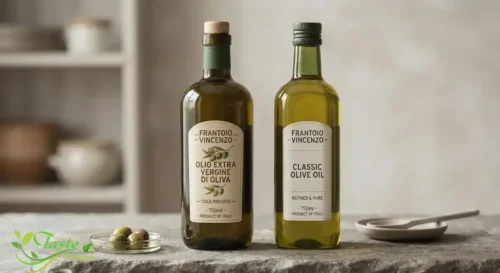
“Regular olive oil,” the kind simply labeled “olive oil” or “pure olive oil,” is usually a blend of refined olive oil and a smaller amount of virgin oil. Refined olive oil starts as lower-grade virgin oil with flavor defects, and it’s processed with heat and sometimes chemical treatment to strip out those defects and neutralize the acidity.
That refining step is the key difference. Cold pressed oils skip it entirely, going straight from crushed olives to bottle using mechanical extraction only. Regular olive oil goes through additional heat-based processing after the initial pressing, which is why it has a much milder flavor and a longer, more neutral shelf profile, but fewer of the fresh, fruity, or peppery notes people associate with good olive oil.
Cold Pressed Olive Oil Explained: The Grades You’ll See on the Label
| Term on Label | What It Means | Extraction Method | Typical Use |
|---|---|---|---|
| Extra Virgin Olive Oil | Highest quality virgin oil, with no flavor defects and low acidity | Mechanical crushing and cold extraction only | Finishing, dressings, dipping, everyday cooking |
| Virgin Olive Oil | Mechanically extracted like extra virgin, but with minor flavor imperfections or slightly higher acidity | Mechanical crushing and cold extraction only | General cooking |
| “Olive Oil” (sometimes “Pure” or “Light”) | A blend of refined olive oil and a smaller amount of virgin oil | Refining removes flavor defects after initial extraction | Higher-heat cooking, baking |
| Olive-Pomace Oil | Extracted from the leftover pulp and pits after the first extraction | Chemical solvent extraction, then refining | Food service and industrial use, rarely sold retail |
Only the top two categories, extra virgin and virgin, are genuinely cold pressed. Anything labeled simply “olive oil” or “pomace oil” has been through heat or solvent-based refining at some point.
How to Store Cold Pressed Olive Oil
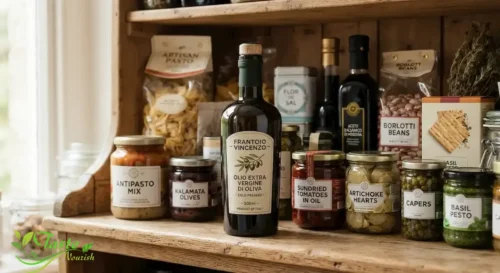
Cold pressed oils are worth protecting once they’re in your kitchen, since their flavor and antioxidant content are exactly what heat, light, and air will break down over time.
- Temperature: Store in a cool spot, ideally away from the stove, oven, or any appliance that generates heat. A pantry or cabinet works better than a shelf next to the range.
- Light: Keep the bottle out of direct sunlight. Dark glass, tin, or ceramic containers block light far better than clear glass.
- Air: Reseal the cap tightly after every use to limit oxygen exposure, which is the main driver of rancidity.
- Refrigeration: Not required for safety or necessary for everyday use. Cold temperatures can make olive oil turn cloudy or partially solidify; this is a normal quality change, not a sign of spoilage, and the oil clears again at room temperature.
- Bottle size: Buy an amount you’ll realistically use within a few months rather than a large tin that sits open for a year, especially for a premium cold pressed oil.
How to Tell If Cold Pressed Olive Oil Has Gone Bad
Cold pressed olive oil doesn’t spoil the way dairy or meat does, but it does go rancid as it oxidizes. Watch for:
- A musty, crayon-like, or paint-like smell, instead of the normal fresh, grassy, or fruity aroma
- A flat, greasy, or waxy taste with no fruitiness or pleasant peppery finish
- Noticeably darker color or a duller appearance than when you bought it
- A thicker, sludgier texture at room temperature
If the oil smells or tastes off in any of these ways, it’s best to discard it rather than cook with it. Rancid oil won’t make you sick the way undercooked meat would, but it won’t taste good and it has lost the qualities that made cold pressing worth paying for.
Best Containers and Tools for Cold Pressed Olive Oil
The original bottle is usually your best storage container, especially if it’s dark glass or tin, since producers typically choose packaging specifically to limit light exposure. If you decant into a countertop cruet for daily use, choose an opaque or dark-tinted one and keep only a small amount in it at a time, refilling from the main bottle stored in the pantry. A bottle with a controlled pour spout also helps limit how much air gets in each time you use it.
Common Mistakes to Avoid
- Storing the bottle next to the stove. The heat from cooking speeds up rancidity even if the bottle is sealed. Move it to a cabinet a few feet away.
- Leaving oil in a clear glass bottle on the counter. Sunlight degrades the oil’s flavor compounds faster than almost any other factor. Decant into a dark container if the original packaging is clear.
- Assuming “cold pressed” alone means top quality. The term describes the extraction method, not the grade. Look for “extra virgin” alongside it for the highest quality tier.
- Avoiding cold pressed extra virgin oil for cooking out of smoke point fear. Good extra virgin olive oil has a smoke point well within the range used for most home sautéing and roasting; it doesn’t need to be reserved only for raw use.
- Not resealing the cap tightly. Every extra minute the oil sits exposed to air accelerates oxidation.
- Buying more than you’ll use in a few months. A large tin that sits open for a year loses freshness long before it’s finished.
- Judging quality by color. A deep green color doesn’t automatically mean better oil, and a lighter golden color doesn’t mean lower quality. Color depends on olive variety and harvest timing, not grade.
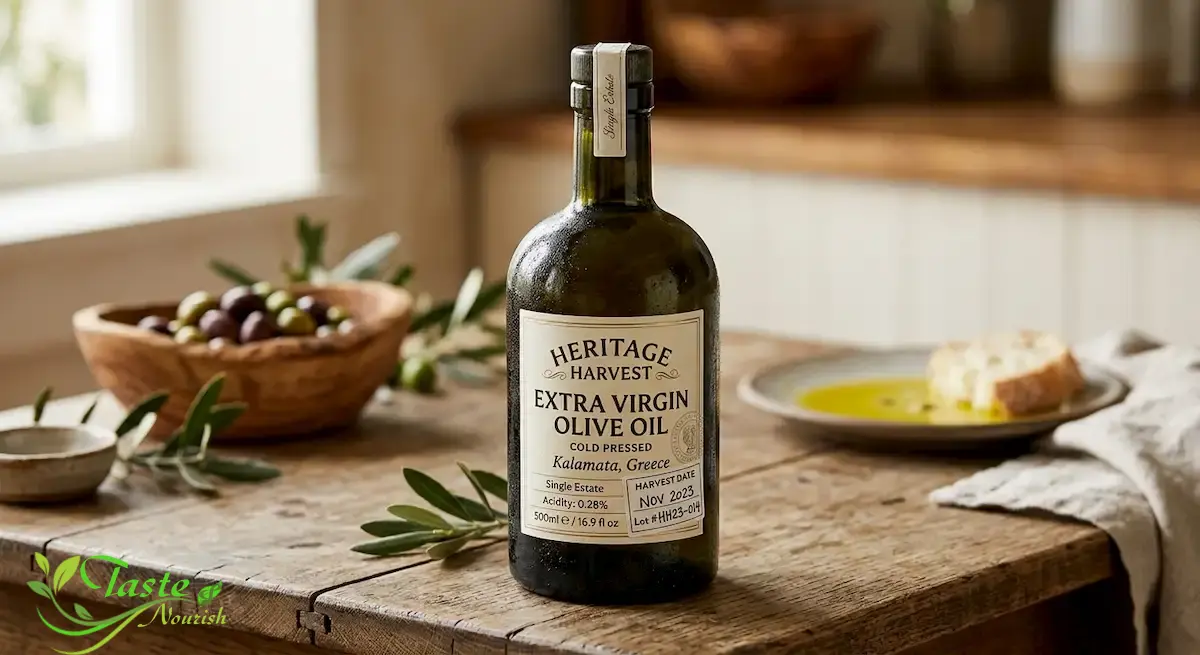
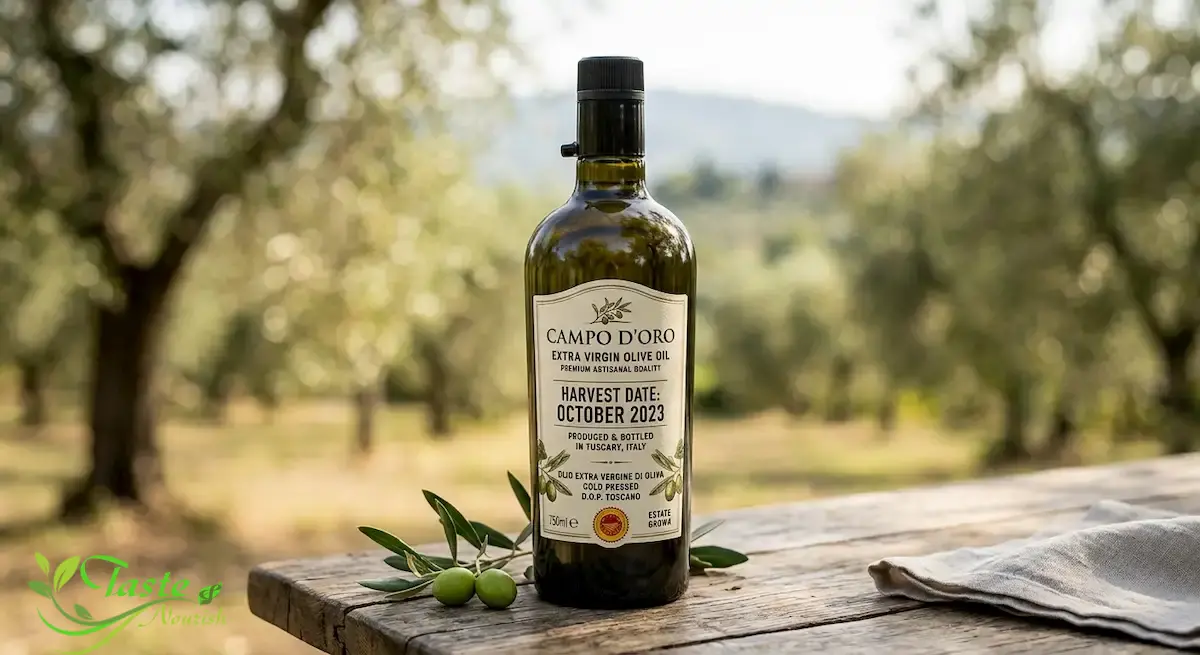
- Ignoring the harvest date. A bottle with a recent harvest date is generally fresher than one with only a distant “best by” date, since best-by dates are often set far in advance.
Expert Kitchen Tips
- Look for a harvest date on the label, not just a best-by date; it’s a more reliable indicator of freshness.
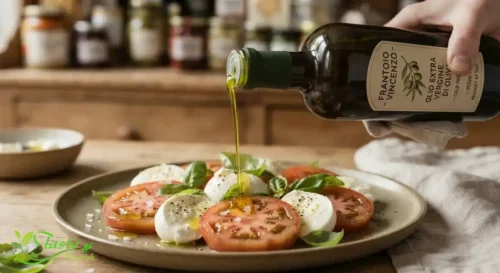
- Reserve your best cold pressed extra virgin oil for finishing dishes, dressings, and dipping, where its flavor actually shows.
- Keep a second, less expensive bottle of regular olive oil on hand for higher-heat, everyday cooking to stretch your good oil further.
- Taste a small spoonful before using a new bottle in a recipe. Fresh oil should have some fruitiness and a peppery bite at the back of the throat; flat or greasy oil has lost quality.
- Buy from retailers with good turnover rather than oil that’s been sitting on a shelf for a long time.
- Check for regional quality seals, such as those from recognized olive oil councils or protected origin designations, as an added quality signal.
- Store bottles upright and away from the dishwasher, oven vents, or any appliance that releases heat during use.
Variations and Alternatives
You may also see “cold extracted” on some labels. It refers to the same low-heat principle as cold pressed, but describes modern centrifugal separation rather than a literal mechanical press. In practice, the two terms are used almost interchangeably today, since true hydraulic pressing has largely been replaced by centrifuge systems in commercial production.
The same cold-extraction principle applies to other finishing oils, including cold pressed avocado oil, walnut oil, and flaxseed oil. If a recipe calls for cold pressed olive oil specifically for its flavor, an unrefined, cold-pressed nut or seed oil can work as a substitute in dressings or drizzles, though the flavor profile will differ noticeably from olive oil.
Cold Pressed Olive Oil FAQs
What does “cold pressed” mean on an olive oil label?
It means the oil was extracted from crushed olives using only mechanical pressure and low temperatures, with no added heat or chemical solvents. This preserves more of the oil’s natural flavor, aroma, and antioxidants compared to heat- or solvent-based extraction methods used for refined oils.
Is cold pressed olive oil the same as extra virgin olive oil?
Not exactly. Cold pressed describes the extraction method, while extra virgin describes the quality grade. Extra virgin oils are cold pressed, but the term “cold pressed” by itself doesn’t guarantee extra virgin quality.
Is cold pressed olive oil healthier than regular olive oil?
Research from the UC Davis Food Quality program indicates that oils extracted without heat retain more of their natural antioxidant compounds than refined oils, which lose some of these compounds during heat-based processing. That said, olive oil’s broader health effects depend on your overall diet, and this article isn’t a substitute for individualized nutrition advice.
Can you cook with cold pressed olive oil, or is it only for finishing?
You can cook with it. Cold pressed extra virgin olive oil has a smoke point suitable for typical home cooking methods like sautéing and roasting. Many cooks simply prefer to save their best bottle for raw or finishing uses, where the flavor is most noticeable, and use a more affordable oil for higher-heat cooking.
How long does cold pressed olive oil last once opened?
There’s no single fixed number, since it depends on storage conditions and how the bottle is handled, but oil kept sealed in a cool, dark spot holds its best flavor noticeably longer than oil left near heat or light. Once you notice a dull, flat, or off smell, the oil has passed its best quality.
Does cold pressed olive oil need to be refrigerated?
No. Refrigeration isn’t necessary for safety and isn’t typically recommended for everyday storage. Cold temperatures can cause the oil to turn cloudy or partly solidify, which is a normal, reversible quality change rather than spoilage.
Why is cold pressed olive oil more expensive?
Cold pressing and cold extraction are more labor- and time-intensive than refining, and they typically start with higher-quality, carefully handled olives. Refined oils can use lower-grade starting material because the refining process corrects flavor defects, which lowers production cost.
How can you tell if a “cold pressed” claim on a label is trustworthy?
Look for it paired with an actual grade, like extra virgin, along with a harvest date, a specific country or region of origin, and packaging that protects the oil from light. Vague labeling with no grade, origin, or date is a weaker signal than a bottle that specifies all of these details.
Key Takeaways: Cold Pressed Olive Oil Meaning
- The cold pressed olive oil meaning describes an extraction method: mechanical pressure only, no added heat, no solvents.
- Extra virgin and virgin olive oils are cold pressed by nature of their grade requirements.
- Refined “olive oil” and olive-pomace oil are not cold pressed, since both involve heat or chemical processing.
- Cold pressing preserves more flavor, aroma, and antioxidant content than refining does.
- Store cold pressed oil in a cool, dark, tightly sealed container, and use it within a reasonable window after opening for the best flavor.
Conclusion
Once you understand the cold pressed olive oil meaning, label reading gets much simpler. It’s a production method, not a quality grade on its own, so look for it alongside terms like extra virgin, a harvest date, and protective packaging. Store the bottle away from heat and light, use it within a few months of opening, and you’ll get the flavor and freshness you paid for.
Sources
This article draws on guidance from the USDA Agricultural Marketing Service’s official grade standards for olive oil, olive oil processing and quality research from the UC Davis Food Quality program, consumer guidance from UC Davis Magazine’s guide to choosing olive oil, and general food storage guidance from FoodSafety.gov’s food safety charts.
References
- “Olive Oil and Olive-Pomace Oil Grades and Standards.” U.S. Department of Agriculture, Agricultural Marketing Service. https://www.ams.usda.gov/grades-standards/olive-oil-and-olive-pomace-oil-grades-and-standards
- “Olive Oil Processing.” UC Food Quality, University of California, Davis. https://ucfoodquality.ucdavis.edu/olive-oil/olive-oil-processing
- “Olive Oil Quality.” UC Food Quality, University of California, Davis. https://ucfoodquality.ucdavis.edu/olive-oil/olive-oil-quality
- “How to Choose the Best Olive Oil.” UC Davis Magazine, University of California, Davis. https://www.ucdavis.edu/magazine/how-to-choose-the-best-olive-oil
- “Food Safety Charts.” FoodSafety.gov, U.S. Department of Health and Human Services. https://www.foodsafety.gov/food-safety-charts