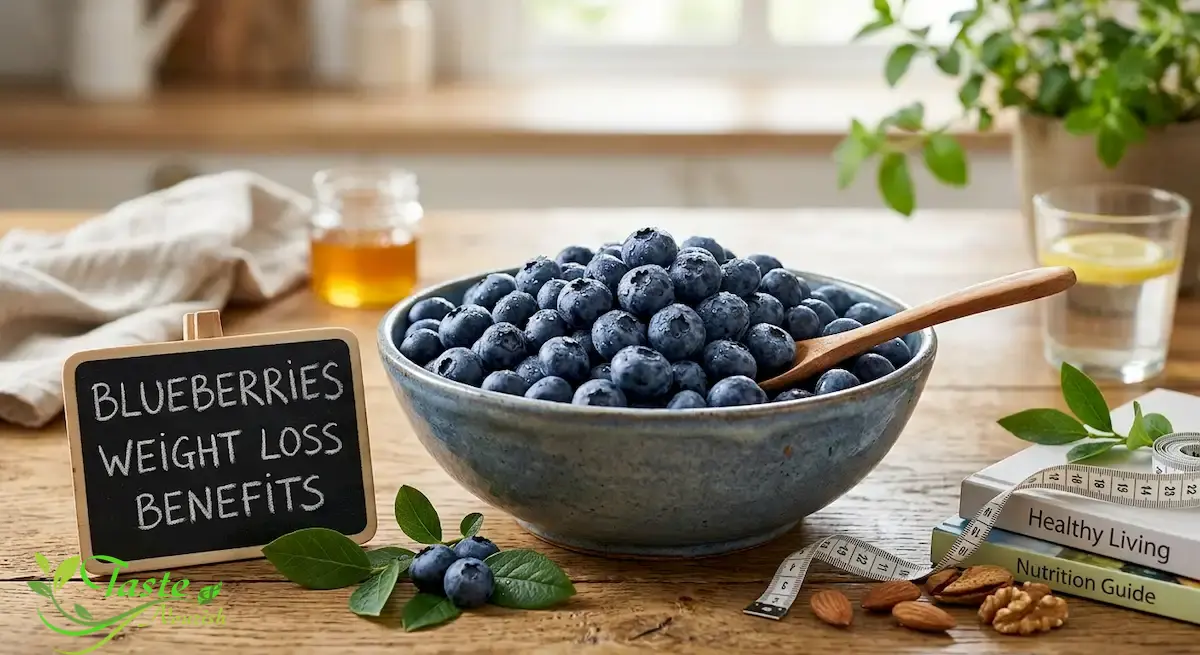
If you’ve ever wondered whether that carton of blueberries in your fridge is doing more than just tasting good, you’re not alone. Blueberries weight loss claims show up everywhere, from wellness blogs to grocery store endcaps, and it’s fair to ask how much of it is actually backed by evidence.The short version: blueberries won’t melt fat on their own, but they bring real nutritional advantages that can support a weight-loss plan when you eat them in place of higher-calorie foods.
In this guide, we’ll break down what the research actually shows, how blueberries fit into a realistic eating plan, and how to use them without falling for the hype.
Blueberries alone won’t cause weight loss, but they may support it. They’re low in calories, high in fiber and water, and rich in antioxidant compounds called anthocyanins. Research on blueberries weight loss connections points to indirect benefits — better satiety, steadier blood sugar, and a nutrient-dense swap for less healthy snacks — rather than any built-in fat-burning switch. Pair them with a balanced, calorie-appropriate diet and regular movement for real results.
Key Takeaways
One cup of fresh blueberries has around 84 calories and roughly 3.6 grams of fiber, which can help you feel full on fewer calories.
Current evidence on blueberries weight loss is encouraging but modest — most studies show a supportive role, not a dramatic standalone effect.
Blueberries contain anthocyanins, plant pigments linked to healthier blood sugar and cholesterol markers in several human studies.
Swapping high-calorie snacks for blueberries, rather than simply adding them on top of your usual diet, is where most of the benefit comes from.
Frozen, unsweetened blueberries are just as nutritious as fresh and are often more budget-friendly.
What Are Blueberries?
Blueberries are small, round berries that grow on shrubs in the genus Vaccinium. Native to North America, they come in two main types sold commercially: highbush blueberries, the larger, more common variety found in most grocery stores, and wild (lowbush) blueberries, which are smaller, slightly more tart, and especially concentrated in antioxidants.
They’re in season in the U.S. from roughly May through October, though frozen blueberries are available year-round and hold onto most of their nutritional value.
Blueberry Nutrition Facts
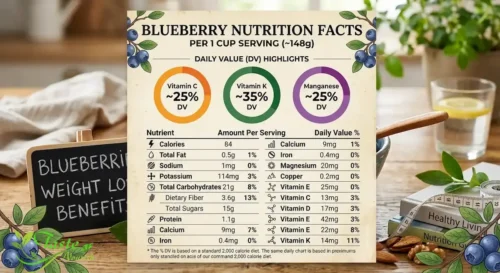
Here’s what you’re getting in a standard 1-cup (148 g) serving of raw, unsweetened blueberries, according to USDA :
Nutrient
Amount per 1 cup (148 g)
% Daily Value (approx.)
Calories
84 kcal
—
Carbohydrates
21 g
—
Dietary Fiber
3.6 g
13%
Total Sugars
15 g
—
Protein
1.1 g
—
Fat
0.5 g
—
Vitamin C
14 mg
16%
Vitamin K
28.6 mcg
24%
Manganese
0.5 mg
22%
Water content
~84% of weight
—
Blueberries are also one of the richest common fruit sources of anthocyanins, the pigments responsible for their deep blue-purple color and a major focus of current nutrition research.
Health Benefits of Blueberries for Weight Loss
Low Calorie Density, High Water and Fiber Content
Blueberries are mostly water, with a modest amount of fiber and natural sugar. That combination means you get a satisfying portion of food for relatively few calories. According to the CDC’s , foods with high water and fiber content can add volume to meals and snacks, helping people feel full while eating fewer overall calories.
Fiber and Satiety
Fiber slows digestion and can help you feel fuller for longer after eating. This matters for weight management because feeling satisfied on fewer calories makes it easier to maintain a calorie deficit without constant hunger. A cup of blueberries provides a meaningful fiber boost compared with lower-fiber snacks like crackers, chips, or candy.
Anthocyanins and Metabolic Health
Blueberries’ antioxidant pigments, anthocyanins, have been studied for their potential role in blood sugar regulation, cholesterol levels, and inflammation. Research summarized by the National Institutes of Health on the health benefits of blueberries and their anthocyanins suggests these compounds may support healthier metabolic markers, which can indirectly make weight management easier over time.
A Smart Swap for Less Healthy Snacks
One of the more practical, and often overlooked, benefits: replacing a cookie, candy bar, or sugary yogurt with a bowl of blueberries can meaningfully cut your daily calorie and added-sugar intake, especially if it’s a habit you repeat often.
How Blueberries Weight Loss Benefits Actually Work
It helps to understand the mechanism instead of just the headline. Blueberries don’t contain any compound that directly triggers fat loss. Instead, the blueberries weight loss connection mostly comes down to three things working together:
Lower calorie density compared with many processed snacks, meaning you can eat a satisfying volume of food for fewer calories.
Fiber-driven fullness, which may reduce how much you eat later in the day.
Steadier blood sugar response, thanks to fiber and polyphenols slowing how quickly sugar enters the bloodstream, which may help manage hunger and cravings.
None of this replaces the basics of weight management — an overall calorie deficit, adequate protein, and regular physical activity remain the primary drivers.
Blueberries Weight Loss: What the Research Shows
Long-Term Observational Data
One of the most cited pieces of evidence comes from a large, long-running set of studies following more than 100,000 U.S. adults over multiple decades. Published research on changes in fruit and vegetable intake and weight change over up to 24 years found that among common fruits, higher blueberry intake was associated with the smallest amount of weight gain over time, compared with other fruits studied. This is an association, not proof of cause and effect, but it lines up with what we know about fiber, glycemic load, and satiety.
Clinical and Mechanistic Research
Smaller controlled studies have looked more directly at blueberries and appetite. Some trials in adults with overweight or obesity have found that including blueberries as part of a calorie-reduced diet was associated with reduced food cravings and better preservation of lean body mass compared with a similar-calorie control food, though sample sizes in this area remain small and results should be considered preliminary rather than definitive.
Cardiometabolic Evidence
A recent expert review of the evidence on wild blueberries and cardiometabolic health found that regular blueberry consumption may favorably affect blood sugar control, blood lipids, and gut microbiome composition. Because metabolic health and weight regulation are closely linked, these findings help explain why blueberries keep showing up in weight-related nutrition research, even though no single study shows blueberries causing significant fat loss by themselves.
The Honest Bottom Line on the Evidence
Do blueberries help you lose weight directly? Not on their own. What the research supports is more nuanced: blueberries are a nutrient-dense, low-calorie food that fits well into a weight-management plan, and some of their compounds may support the metabolic conditions that make weight loss and maintenance easier. That’s meaningfully different from a “fat-burning food” claim, and any source suggesting otherwise is overstating the science.
Potential Risks and Side Effects
Blueberries are considered safe for most people, but a few things are worth knowing:
Digestive discomfort: Eating very large amounts at once can cause bloating or loose stools in people sensitive to fiber or natural fruit sugars (fructose).
Blood sugar considerations: While blueberries have a relatively moderate glycemic impact, portion size still matters for people managing blood sugar closely.
Medication interactions: Blueberries contain a modest amount of vitamin K, which can matter for people on certain blood-thinning medications who need to keep vitamin K intake consistent.
Pesticide residue: Conventionally grown blueberries have thin skins and can carry residue; washing thoroughly or choosing organic can help if this is a concern for you.
Who Should Avoid It?
Blueberries aren’t risky for the vast majority of people, but a few groups may want to talk to a healthcare provider or registered dietitian before increasing their intake:
People with a diagnosed berry or fruit allergy (uncommon, but possible).
People on warfarin or other vitamin K–sensitive medications who need consistent vitamin K intake.
People following a medically supervised low-fiber or low-FODMAP diet for a specific digestive condition.
People with diabetes who are still learning how their body responds to different amounts of fruit; portion guidance from a dietitian can help.
How Much Should You Eat?
Most research linking blueberries to weight and metabolic benefits used amounts in the range of about 1 cup (roughly 150 grams) of fresh or frozen blueberries per day. This also lines up well with general fruit intake guidance from the Dietary Guidelines for Americans, which recommends most adults aim for around 1.5 to 2 cups of fruit daily as part of an overall healthy eating pattern.
There’s no evidence that eating more than this speeds up weight loss — more isn’t automatically better, and blueberries still count toward your total daily calories.
How to Choose the Best Blueberries
Look for berries that are deep blue to purple with a light silvery-white coating (called the “bloom”) — this is natural and a sign of freshness.
Avoid berries that look shriveled, soft, or have visible mold, and check the bottom of the container for juice stains, which suggest crushed or overripe fruit.
Size doesn’t indicate quality — smaller wild blueberries are often more concentrated in antioxidants than larger cultivated varieties.
Frozen, unsweetened blueberries are a reliable, affordable alternative and work well in smoothies, oatmeal, and baking.
Storage Tips
Keep fresh blueberries unwashed in the refrigerator; washing them too early can encourage mold growth.
Store them in a shallow, breathable container lined with a paper towel to absorb excess moisture.
Fresh blueberries typically stay good for 1 to 2 weeks refrigerated.
To freeze, wash and thoroughly dry berries, spread them on a baking sheet to freeze individually, then transfer to a freezer bag. This keeps them from clumping and helps them last up to 10 to 12 months.
Best Blueberries Weight Loss Recipes and Meal Ideas
How you eat blueberries matters almost as much as how many you eat. Pairing them with protein and healthy fats helps slow digestion further and keeps you fuller for longer.
Stir a handful into plain Greek yogurt with a sprinkle of nuts or seeds.
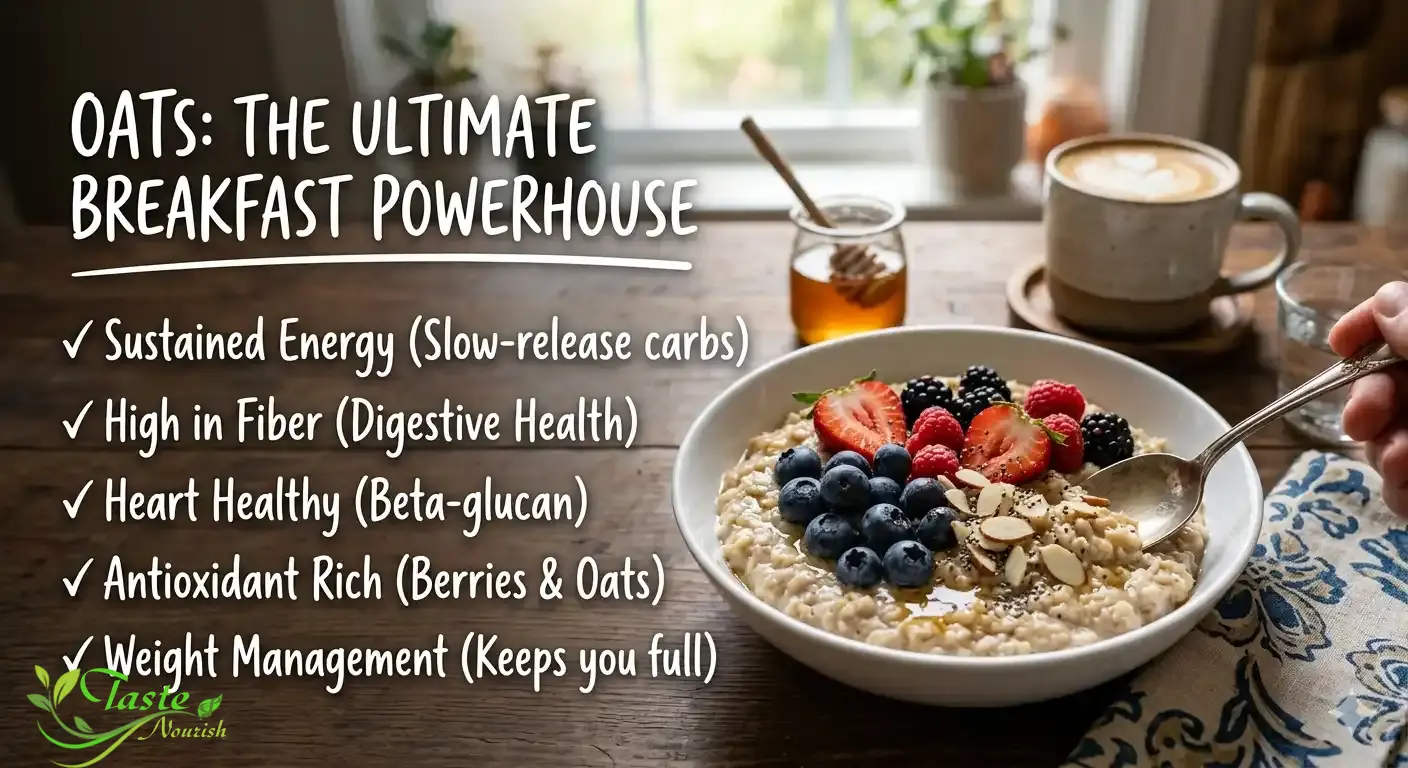
Add fresh or frozen blueberries to oatmeal instead of brown sugar or syrup.
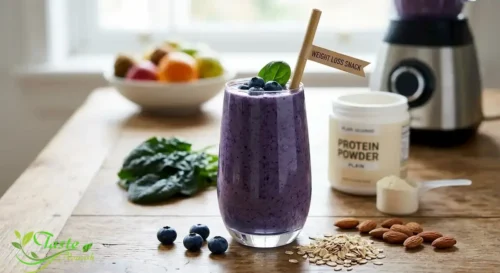
Blend into a smoothie with protein powder, spinach, and unsweetened almond milk.
Toss into a spinach salad with grilled chicken, feta, and a light vinaigrette.
Make a quick warm compote by simmering blueberries with a splash of water and cinnamon, then spoon over cottage cheese.
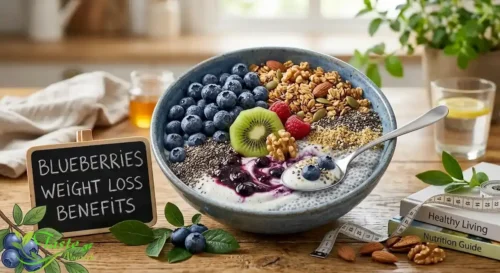
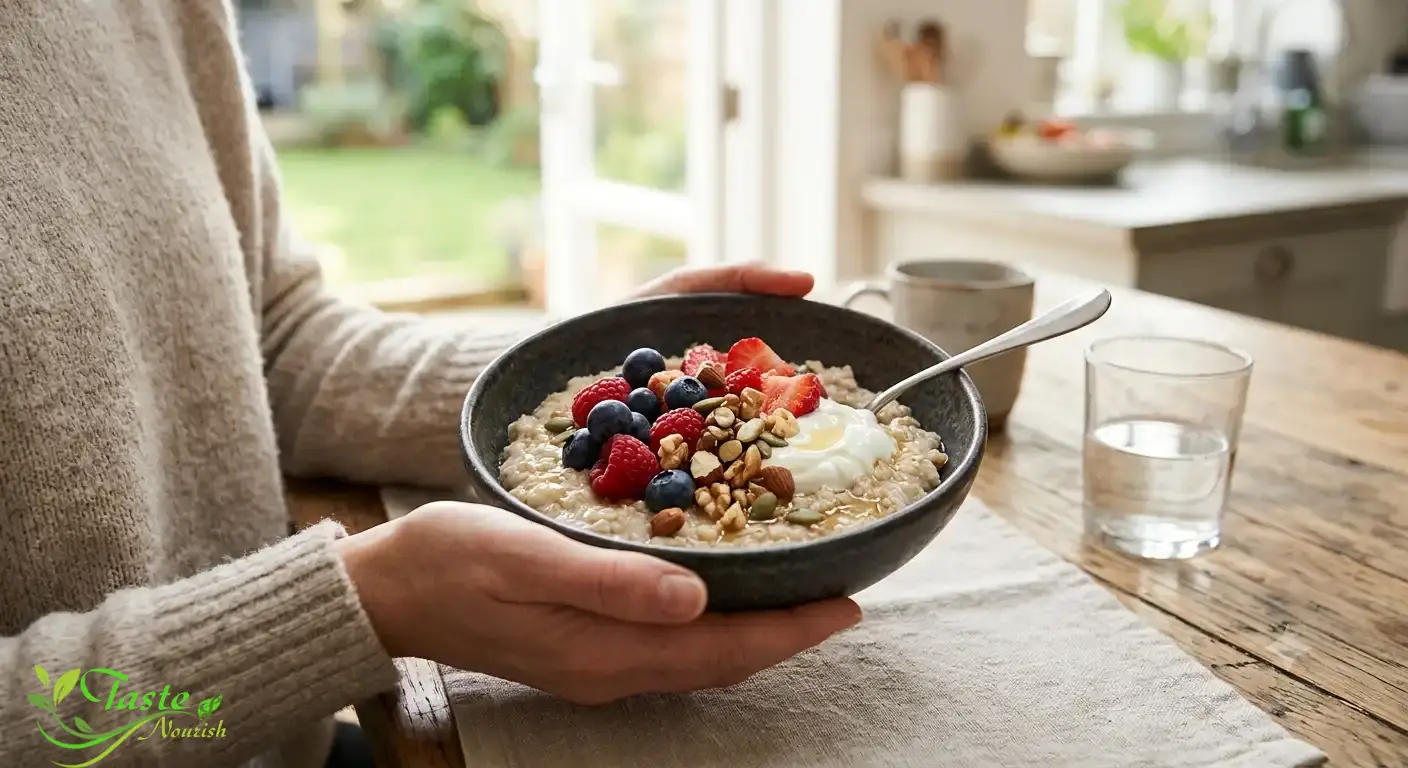
Simple High-Fiber Blueberry Breakfast Bowl
A quick, filling breakfast that puts the fiber-and-protein combination to work.
Ingredients (serves 1):
3/4 cup plain Greek yogurt
1/2 cup fresh or frozen blueberries
1 tablespoon chia seeds
1 tablespoon chopped walnuts or almonds
Optional: a light drizzle of honey or a dash of cinnamon
Instructions:
Spoon the Greek yogurt into a bowl.
Top with blueberries, chia seeds, and chopped nuts.
Add cinnamon or a small drizzle of honey if desired, and serve immediately.
Common Mistakes People Make
Relying on blueberry juice instead of whole berries. Juicing removes most of the fiber, which is a big part of the satiety benefit.
Loading smoothies with extra sweeteners. Adding honey, syrup, or juice can quietly turn a healthy smoothie into a high-calorie drink.
Ignoring portion size. Blueberries are healthy, but eating several cups a day still adds up in calories.
Pairing them with high-calorie toppings. Whipped cream, sugary granola, or flavored yogurt can cancel out the benefit.
Expecting fast results from one food. No single ingredient replaces an overall balanced diet and activity level.
Myths vs. Facts About Blueberries and Weight Loss
Myth
Fact
Blueberries burn belly fat directly.
No single food targets fat in a specific area. Weight loss depends on overall calorie balance; blueberries may support that process, not bypass it.
You need blueberry supplements or powders to get the benefits.
Whole fresh or frozen blueberries provide fiber and nutrients that concentrated extracts often lack.
Frozen blueberries are less nutritious than fresh.
Frozen blueberries are typically frozen at peak ripeness and retain comparable nutrient levels to fresh.
All berries offer the same weight-loss benefit.
Berries vary in fiber, sugar, and calorie content, so the specific type and portion size matter.
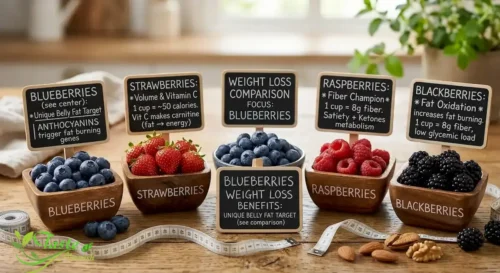
Blueberries vs. Other Berries: A Quick Comparison
Berry (1 cup)
Calories
Fiber
Sugar
Blueberries
84
3.6 g
15 g
Strawberries
49
3 g
7 g
Raspberries
64
8 g
5 g
Blackberries
62
7.6 g
7 g
All four are solid choices for a weight-conscious diet. Raspberries and blackberries offer more fiber per calorie, while blueberries stand out for their anthocyanin content and mild, versatile flavor.
Blueberries Weight Loss FAQs
Do blueberries help you lose weight?
Not by themselves. Blueberries are low in calories and high in fiber, which can support a calorie-controlled diet, but weight loss still depends on your total calorie intake and activity level.
How many blueberries should I eat a day for weight loss?
Around 1 cup (roughly 150 grams) per day is a reasonable amount based on the research and general fruit intake guidelines. There’s no evidence that eating more speeds up results.
Are frozen blueberries as good as fresh for weight loss?
Yes. Unsweetened frozen blueberries retain most of their fiber and nutrient content and are often more affordable and convenient.
Can eating blueberries every day cause any harm?
For most healthy adults, no. Large amounts may cause digestive discomfort in sensitive individuals, and people on certain medications should keep intake consistent rather than highly variable.
What’s the best time of day to eat blueberries for weight loss?
There’s no research showing that timing changes the benefit. What matters more is pairing blueberries with protein or healthy fat to extend fullness, whether that’s at breakfast, as a snack, or after a meal.
Is blueberry juice as effective as whole blueberries?
No. Juicing removes most of the fiber, which is a key part of why whole blueberries support satiety.
References
The claims in this article are grounded in nutrition data and peer-reviewed or government research, cited throughout the text and listed in full below.
Conclusion
Blueberries aren’t a magic weight-loss food, and no honest nutrition guide should claim otherwise. What they are is a genuinely useful tool: low in calories, high in fiber and water, and rich in antioxidant compounds that research increasingly links to better metabolic health.
Used consistently, in reasonable portions, and in place of less nutritious snacks, blueberries can be one small but real part of a sustainable approach to managing your weight. Pair them with an overall balanced diet, regular activity, and realistic expectations, and they’re one of the easier healthy habits to stick with.
Sources
FoodData Central — U.S. Department of Agriculture, Agricultural Research Service.
Hanan Abo Samra is the founder of Taste & Nourish, sharing trustworthy nutrition guidance and recipes drawn from 20+ years of hands-on cooking experience. When she's not developing new recipes, Hanan is researching the science behind everyday ingredients to bring readers practical, evidence-based guidance for a healthier lifestyle.