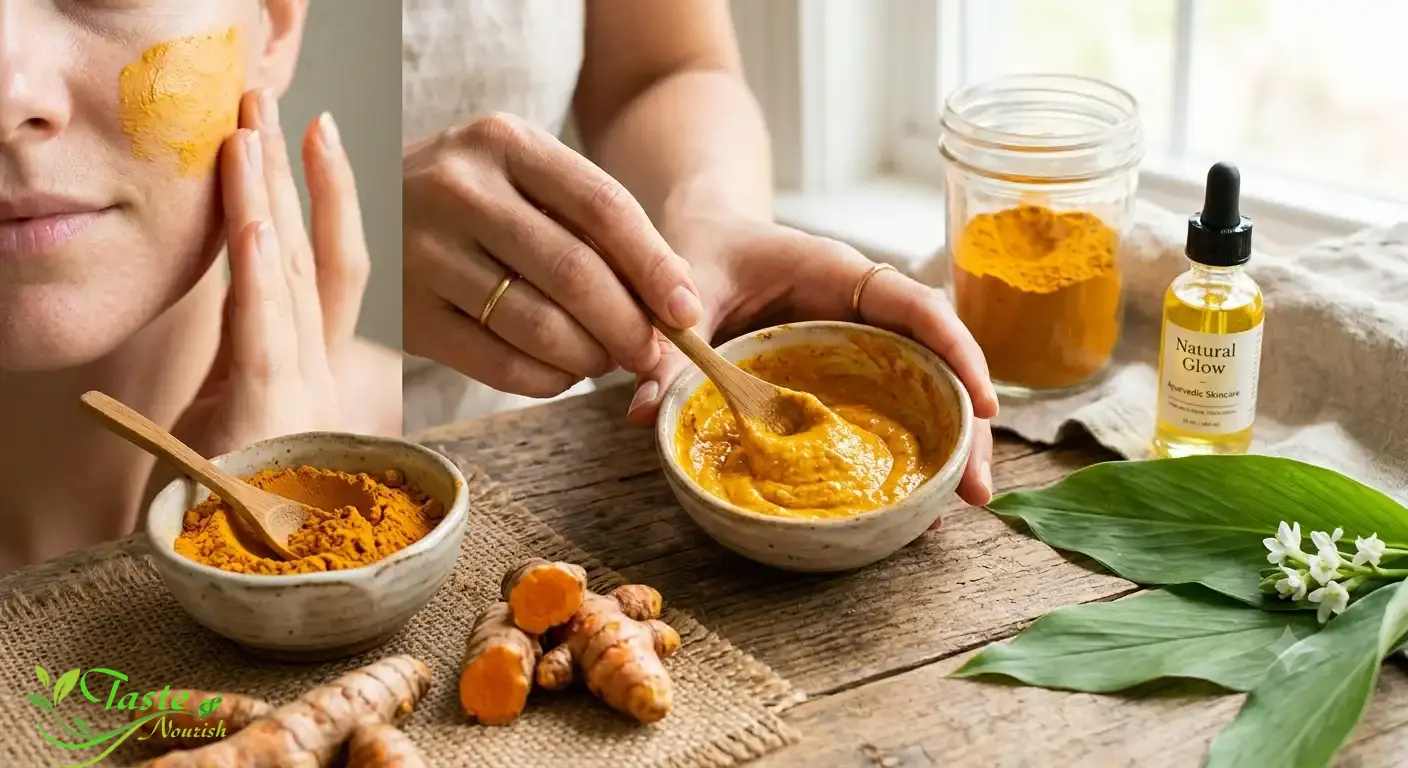
If you’ve scrolled through skincare content lately, you’ve probably seen turmeric masks promising a “natural glow” in one weekend. The claim isn’t baseless — turmeric really does have documented effects on skin, and dermatology researchers have been studying it seriously for years. But there’s a real gap between what a jar of kitchen turmeric can do and what the marketing suggests.
This guide walks through what the science actually says about turmeric for skin: how it may help, where the evidence is thin, who should be cautious, and how to use it without staining your bathroom sink orange.
Key Takeaways
Turmeric’s skin benefits are mainly attributed to curcumin, which has anti-inflammatory, antioxidant, and mild antimicrobial properties.
The strongest evidence supports its use as a complementary approach for inflammatory skin conditions like eczema and psoriasis.
Evidence for acne, brightening, and anti-aging use is promising but still developing.
Staining and allergic contact dermatitis are real, documented risks — always patch-test first.
Turmeric works best alongside, not instead of, dermatologist-recommended treatment for diagnosed skin conditions.
What Is Turmeric, and Why Is It Used on Skin?
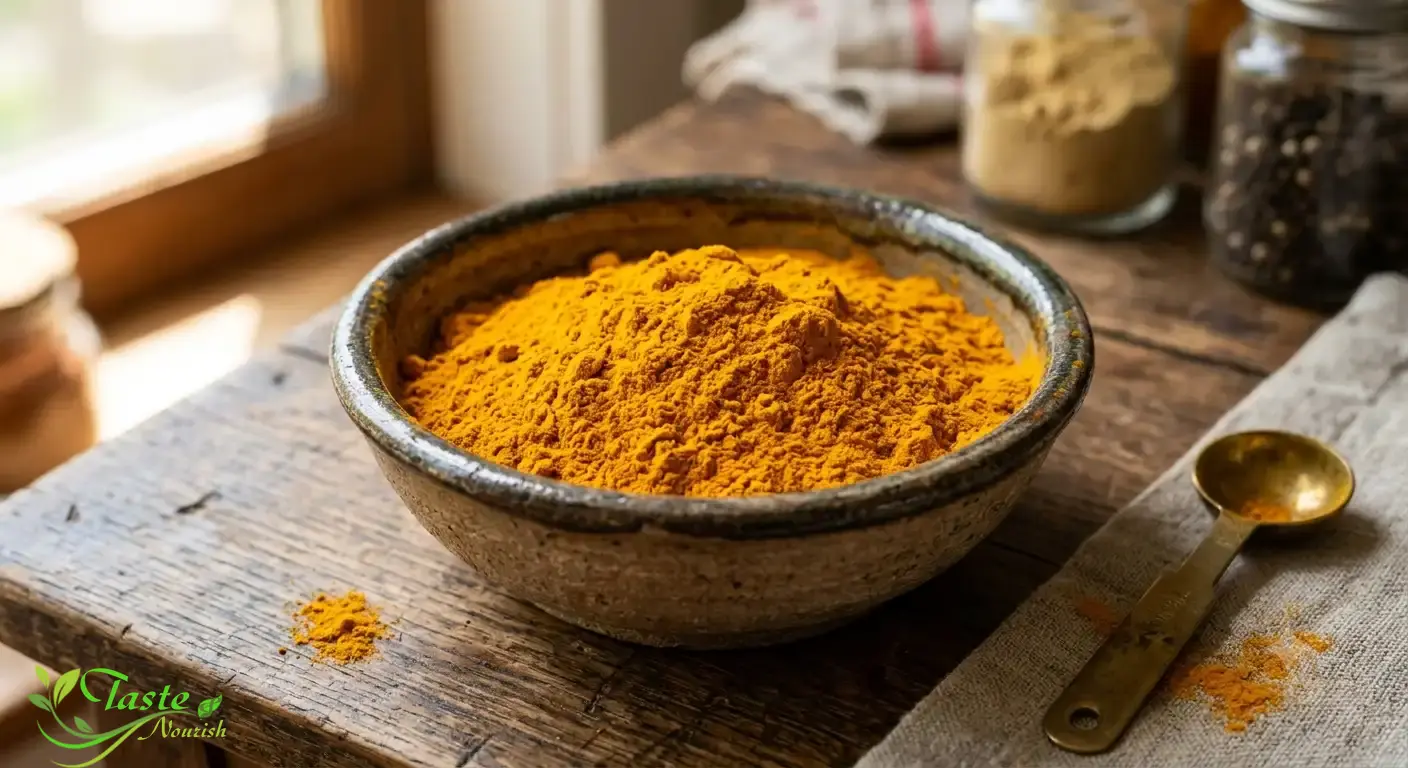
Turmeric is a bright yellow spice made from the ground rhizome of Curcuma longa, a plant in the ginger family native to South and Southeast Asia. It’s been a kitchen staple in South Asian cooking for centuries, but its use goes well beyond curry powder.
Long before modern dermatology existed, turmeric was applied topically in Ayurvedic, Chinese, and other traditional medicine systems for skin infections, wounds, and inflammation, according to the National Center for Complementary and Integrative Health (NCCIH). It’s also woven into cultural and religious practices, including South Asian pre-wedding ceremonies where a turmeric paste, or “haldi,” is applied to the skin.
The compound responsible for most of turmeric’s biological activity is curcumin, a curcuminoid that gives the spice its signature color. Curcumin is what researchers focus on when they study turmeric’s effects on inflammation, oxidative stress, and skin cell behavior. It’s worth knowing this distinction, because “turmeric” and “curcumin” get used almost interchangeably in skincare marketing, even though curcumin makes up only a small percentage of raw turmeric by weight.
Potential Benefits of Turmeric for Skin
Here’s where it helps to get specific. “Good for skin” is a vague claim; the research is more precise about which skin concerns turmeric is actually associated with.
Acne and Breakouts
Acne has a strong inflammatory and bacterial component, and this is one area where curcumin’s dual antimicrobial and anti-inflammatory action is thought to be relevant. The theory is that curcumin may help calm the redness and swelling around active breakouts while also making it harder for acne-causing bacteria to thrive.
That said, most of the direct evidence here comes from lab and small clinical studies rather than large, controlled acne trials, so it’s more accurate to say turmeric may help support clearer-looking skin rather than treat acne outright.
Uneven Tone and Hyperpigmentation
Curcumin’s influence on melanin production is one of the more studied mechanisms, and it’s the basis for turmeric’s reputation as a “brightening” ingredient. By interacting with pathways involved in pigment production, curcumin may help reduce the appearance of dark spots over time. It’s a gradual effect, not an overnight fix, and results vary a lot depending on skin type and how consistently it’s used.
Signs of Aging
Because so much visible skin aging is driven by cumulative sun damage, ingredients with strong antioxidant activity get a lot of attention in this space. Curcumin’s antioxidant and anti-inflammatory properties are part of why researchers have started calling it a potential “anti-photoaging agent.” It’s not a replacement for daily sunscreen, but it may offer a supportive role.
Eczema and Psoriasis
This is arguably where the clinical evidence is strongest. A systematic review of clinical studies found that turmeric or curcumin improved skin disease severity across ten studies covering psoriasis, atopic dermatitis, facial photoaging, oral lichen planus, itching, radiodermatitis, and vitiligo, with statistically significant results. Even so, the consistent recommendation from dermatology researchers is that turmeric works best as a complementary option alongside standard treatment, not a replacement for it.
Wound Healing
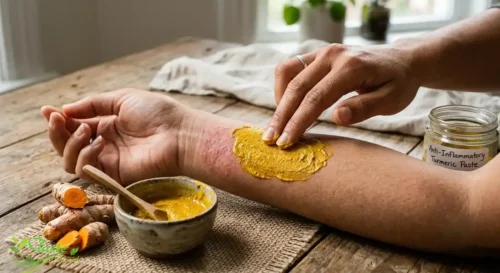
Traditional medicine has long used turmeric on minor wounds, burns, and bruises, and modern research on curcumin’s role in wound healing lends some support to that use. Curcumin appears to act on multiple phases of wound repair, including inflammation, tissue formation, and remodeling, which may help speed healing time in some cases. This doesn’t mean turmeric should replace proper wound care for anything beyond a very minor scrape.
The Science Behind Turmeric and Skin Health
Curcumin’s effects on skin are largely tied to three properties: its antioxidant activity, its anti-inflammatory action, and its influence on pigmentation pathways. Each of these plays a different role in how skin looks and behaves.
Antioxidants matter because skin is constantly exposed to oxidative stress, from UV rays, pollution, and normal metabolic processes. Curcumin’s anti-inflammatory action is thought to work by dialing down specific inflammatory signaling pathways in skin cells, which is why it keeps showing up in research on conditions with an inflammatory component, like acne, eczema, and psoriasis.
A 2025 review published in Frontiers in Pharmacology looked specifically at curcumin’s role in photoaging, the skin damage caused by chronic sun exposure. The researchers noted that curcumin may help prevent ultraviolet radiation-induced skin photoaging and related inflammation, with effects including inhibition of melanin production, wrinkle reduction, and antioxidant and anti-inflammatory action.
That same review pointed out something skincare marketing rarely mentions: curcumin also appears to support skin barrier repair and hydration by encouraging hyaluronic acid production, which is a newer and still-developing area of research.
A separate review in a peer-reviewed dermatology journal broadened the picture further. It concluded that curcumin shows meaningful potential in dermatology for conditions including atopic dermatitis, psoriasis, chronic wounds, skin cancer, and infections, largely through its anti-inflammatory, antioxidant, anticancer, and antimicrobial properties.
What the Research Actually Shows
It’s worth being upfront about the strength of the evidence, because that’s where a lot of skincare content oversells the case. A comprehensive review in a peer-reviewed journal summarized it this way: curcumin, isolated from turmeric, may represent an effective agent in the treatment of several skin conditions, based on a growing body of in vitro and in vivo research.
The same review flagged a real limitation: curcumin has low oral bioavailability and is broken down quickly in the body, which is part of why researchers are experimenting with nanoparticle and gel-based delivery systems to make topical curcumin more effective.
Skin Concern
Evidence Strength
What Research Suggests
Eczema / Atopic Dermatitis
Moderate
May reduce inflammation and itching as a complementary therapy
Psoriasis
Moderate
Several studies show improved severity scores
Photoaging / Wrinkles
Emerging
Antioxidant action may reduce UV-related damage
Hyperpigmentation
Emerging
May influence melanin-related pathways
Acne
Limited
Anti-inflammatory and antimicrobial action is plausible, but direct trials are scarce
Wound Healing
Emerging
May support faster healing through anti-inflammatory effects
Key takeaway: Most turmeric-and-skin research is still early-stage — strong on mechanism, promising in small trials, but not yet at the level of large, well-controlled human studies that would support bold treatment claims.
Common Myths About Turmeric and Skin
A few ideas about turmeric persist online despite not holding up well under scrutiny.
“Turmeric works instantly.” Any visible skin change from curcumin, if it happens at all, tends to build gradually over weeks, not one mask session.
“More turmeric means better results.” Higher concentrations mostly raise the risk of irritation and staining without necessarily improving outcomes.
“Turmeric can replace prescription treatment.” For psoriasis, eczema, or acne, research supports turmeric as a complementary approach, not a substitute for dermatologist-guided care.
“Turmeric is 100% risk-free because it’s natural.” Natural doesn’t mean harmless — allergic contact dermatitis from turmeric is a documented and studied phenomenon.
Risks, Side Effects, and Who Should Avoid Turmeric on Skin
This is the part most turmeric skincare content glosses over, and it deserves real attention.
Skin Staining
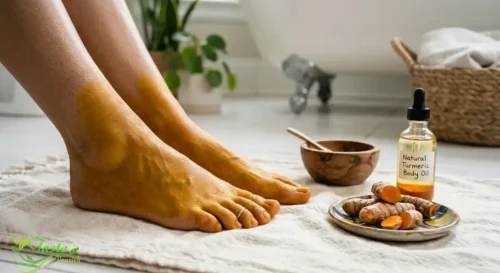
Curcumin is a strong yellow-orange pigment that binds to skin proteins, which means it will temporarily tint the skin, especially on lighter complexions. This typically fades within a day or two with normal washing, but it’s a real consideration if you’re trying turmeric before a photo, an event, or a work presentation.
Allergic Contact Dermatitis
Turmeric allergy is uncommon but well-documented in dermatology literature. A review published in the Indian Dermatology Online Journal described curcumin as a recognized contact allergen, with case reports linking topical turmeric exposure to itching, dermatitis, and pigmentation changes at the site of contact.
Reported rates vary widely depending on the population studied — patch-testing in the general dermatitis-clinic population tends to show a low single-digit percentage, while people who already use turmeric regularly on their skin have shown much higher positive patch-test rates in smaller studies. That gap likely reflects repeated exposure increasing sensitization risk over time, not that turmeric itself is inherently high-risk for most people.
Photosensitivity and Sun Exposure
Some people report increased sun sensitivity after topical turmeric use, though this is less consistently documented than staining or allergy risk. Wearing sunscreen after any topical treatment is a reasonable habit regardless.
Who Should Be Cautious or Avoid It
People with a known allergy to turmeric, curcumin, or other plants in the ginger family (Zingiberaceae)
Anyone with active eczema flares, broken skin, sunburn, or open wounds beyond very minor cuts
People with a history of multiple contact allergies, who may have a higher baseline sensitization risk
Anyone on blood-thinning medication should be cautious with concentrated curcumin products, since curcumin may interact with these drugs when used in larger amounts
Pro tip: If you’ve never applied turmeric topically before, patch-test on your inner forearm and wait 24 hours before using it anywhere near your face. This single step catches most reactions before they become a bigger problem.
How to Use Turmeric on Your Skin Safely
If you want to try turmeric topically, a cautious, low-concentration approach makes sense given the allergy and staining data above.
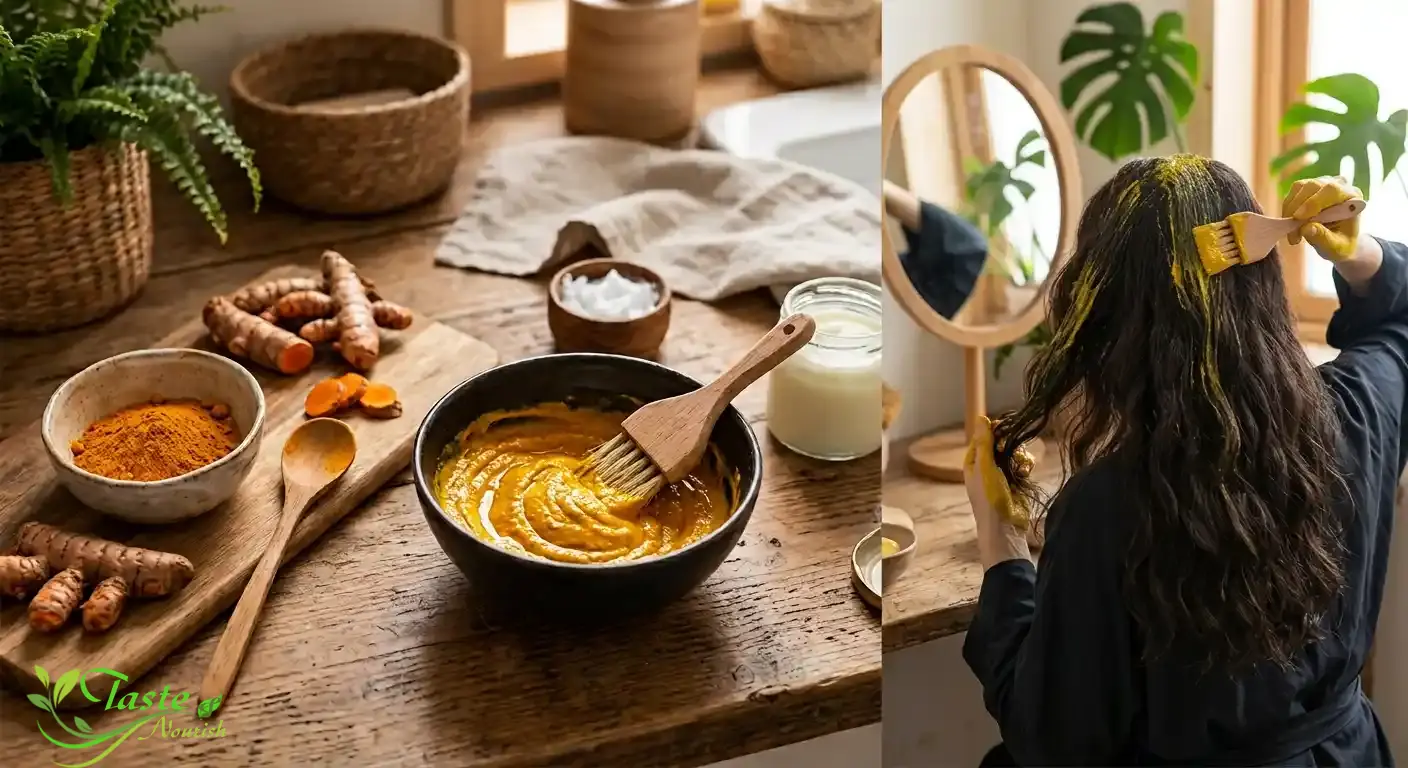
DIY Turmeric vs. Formulated Skincare Products
Factor
DIY Raw Turmeric Paste
Formulated Turmeric Skincare
Staining risk
High
Lower (often reformulated to reduce staining)
Concentration control
Difficult to measure
Standardized dosing
Added irritants
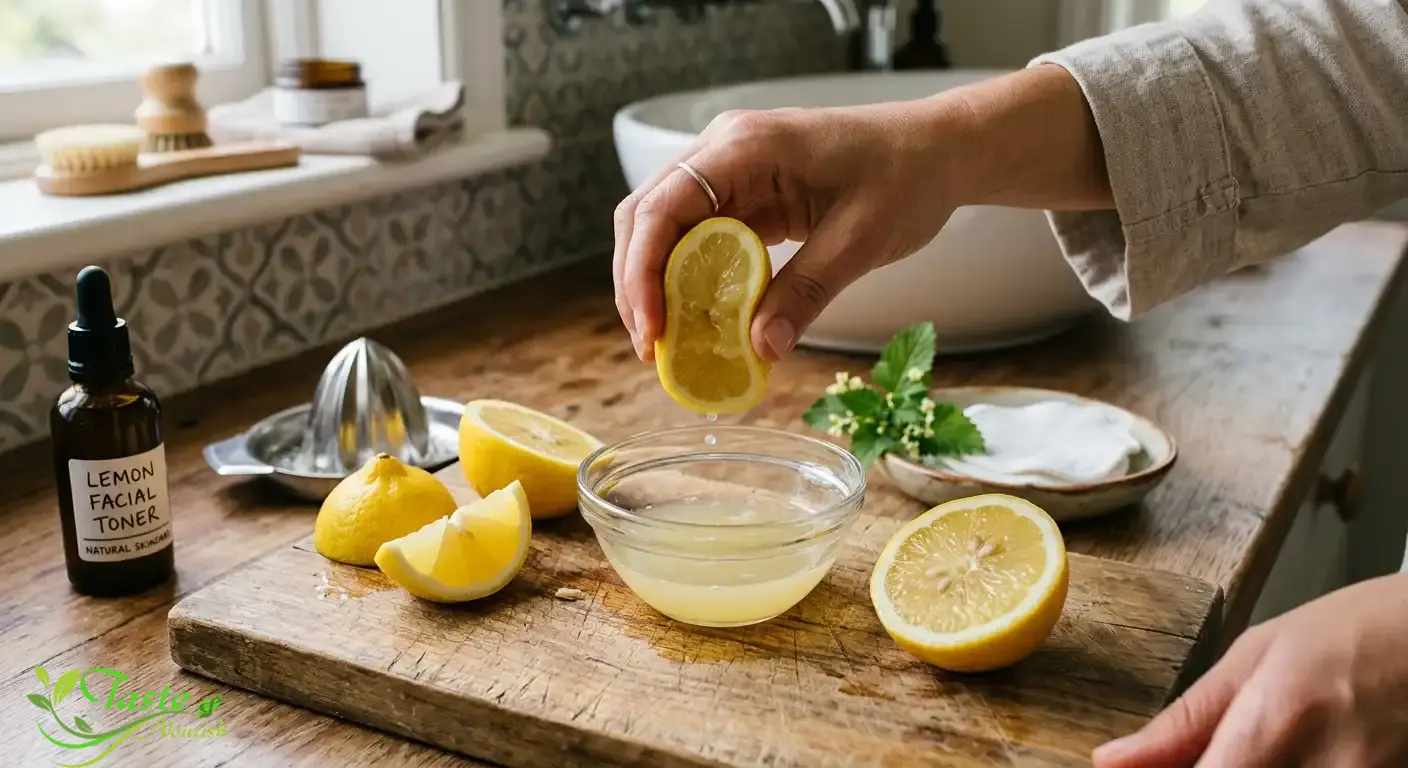
Depends on recipe (lemon, milk, etc. can irritate)
Usually tested for skin compatibility
Cost
Very low
Moderate to high
Shelf stability
Short, must be made fresh
Formulated for longer shelf life
Best for
Occasional, cautious experimenting
Regular, consistent use
Basic Application Steps
Patch-test a small amount on your inner forearm and wait 24 hours.
If no reaction occurs, apply a thin layer to clean, dry skin — avoid the eye area.
Leave it on for 10–15 minutes, not longer; extended contact time raises staining and irritation risk without added benefit.
Rinse with lukewarm water, without scrubbing.
Follow with a gentle, fragrance-free moisturizer and daytime sunscreen.
Skip anything applied to open wounds, sunburned skin, or active eczema flares without talking to a dermatologist first. If you notice burning that doesn’t calm down after rinsing, hives, swelling, or blistering, stop use and seek medical attention, since these can indicate a genuine allergic reaction rather than mild irritation.
Buying and Storing Turmeric for Skin Use
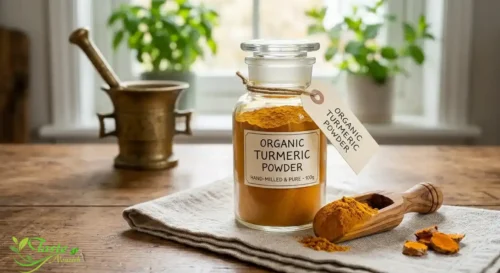
For topical use, culinary-grade turmeric powder is generally what people reach for, but it isn’t formulated for skin the way a skincare product is. If you’re buying turmeric specifically for DIY use, look for organic, additive-free powder from a reputable spice source, since some low-cost turmeric has been found to contain lead-based additives used to enhance color — a food-safety issue that also matters for skin contact.
Store it in an airtight container away from light and moisture to preserve potency, the same way you’d store any spice.
If you’d rather skip the staining and guesswork, formulated turmeric serums, masks, and cleansers are widely available and are typically designed to minimize the tint and irritation that come with raw spice. These products vary a lot in curcumin concentration and quality, so checking the ingredient list rather than relying on marketing copy is the more reliable approach.
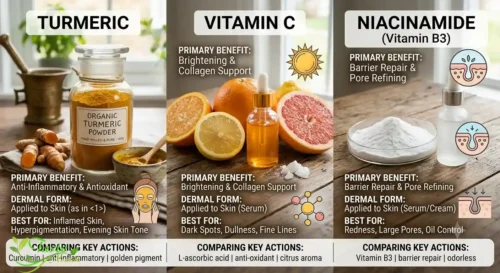
Turmeric vs. Other Brightening and Anti-Inflammatory Ingredients
Turmeric is often compared to other popular skincare actives that target tone, inflammation, or aging. Here’s how it generally stacks up:
Ingredient
Primary Benefit
Staining Risk
Irritation Potential
Evidence Level
Turmeric (Curcumin)
Anti-inflammatory, may support brightening
High (raw form)
Moderate
Emerging to moderate
Vitamin C
Brightening, antioxidant
None
Low to moderate
Strong
Niacinamide
Barrier support, tone evening
None
Low
Strong
Retinoids
Anti-aging, cell turnover
None
Moderate to high
Strong
Azelaic Acid
Acne, redness, pigmentation
None
Low to moderate
Strong
Turmeric isn’t a direct substitute for ingredients like vitamin C or niacinamide, which have a larger body of controlled clinical research behind them. It’s better understood as a complementary, lower-cost option — especially appealing if you already value plant-based or traditional remedies — rather than the most clinically proven choice available.
Conclusion
Turmeric earns its place in skincare conversations for real reasons: curcumin has measurable anti-inflammatory and antioxidant activity, and a growing body of research links it to improvements in several inflammatory skin conditions. At the same time, the evidence is stronger in some areas, like eczema and psoriasis support, than in others, like acne or dramatic brightening claims you’ll see online.
Used thoughtfully, with a patch test and realistic expectations, turmeric can be a reasonable addition to a skincare routine.
Used as a miracle cure, it’s likely to disappoint — and for a small percentage of people, it can trigger genuine allergic reactions. As with most botanical ingredients, the honest answer is that turmeric may help, not that it definitely will, and it works best as one part of a broader skincare approach rather than the whole plan.
Turmeric for Skin FAQs
Does turmeric lighten skin permanently?
No. Any brightening effect from turmeric on hyperpigmentation is gradual and tied to consistent use, not a permanent change to your natural skin tone. Results also vary significantly between individuals.
How long should I leave turmeric on my face?
Around 10–15 minutes is generally enough. Leaving it on longer increases the risk of staining and irritation without adding meaningful benefit.
Can turmeric help with acne scars?
Some research suggests curcumin’s anti-inflammatory and pigment-related effects could support the appearance of post-acne marks over time, but evidence specific to scarring is limited. Dedicated treatments like retinoids or professional procedures tend to have stronger evidence for scarring specifically.
Is turmeric safe for sensitive skin?
It can be, but sensitive skin is also more prone to irritation and allergic reactions from turmeric. A patch test is especially important, and starting with a lower concentration or a formulated product rather than raw paste is a safer approach.
Can I use turmeric on my skin every day?
Most sources recommend limiting topical turmeric to a few times a week rather than daily use, since frequent exposure may increase the risk of irritation or sensitization over time. Formulated skincare products with tested concentrations are generally better suited to regular use than raw DIY pastes.
References
National Center for Complementary and Integrative Health. “Turmeric: Usefulness and Safety.” National Institutes of Health. https://www.nccih.nih.gov/health/turmeric
“Advancements in Dermatological Applications of Curcumin: Clinical Efficacy and Mechanistic Insights in the Management of Skin Disorders.” National Center for Biotechnology Information, PMC. https://pmc.ncbi.nlm.nih.gov/articles/PMC11100965/
Hanan Abo Samra is the founder of Taste & Nourish, sharing trustworthy nutrition guidance and recipes drawn from 20+ years of hands-on cooking experience. When she's not developing new recipes, Hanan is researching the science behind everyday ingredients to bring readers practical, evidence-based guidance for a healthier lifestyle.