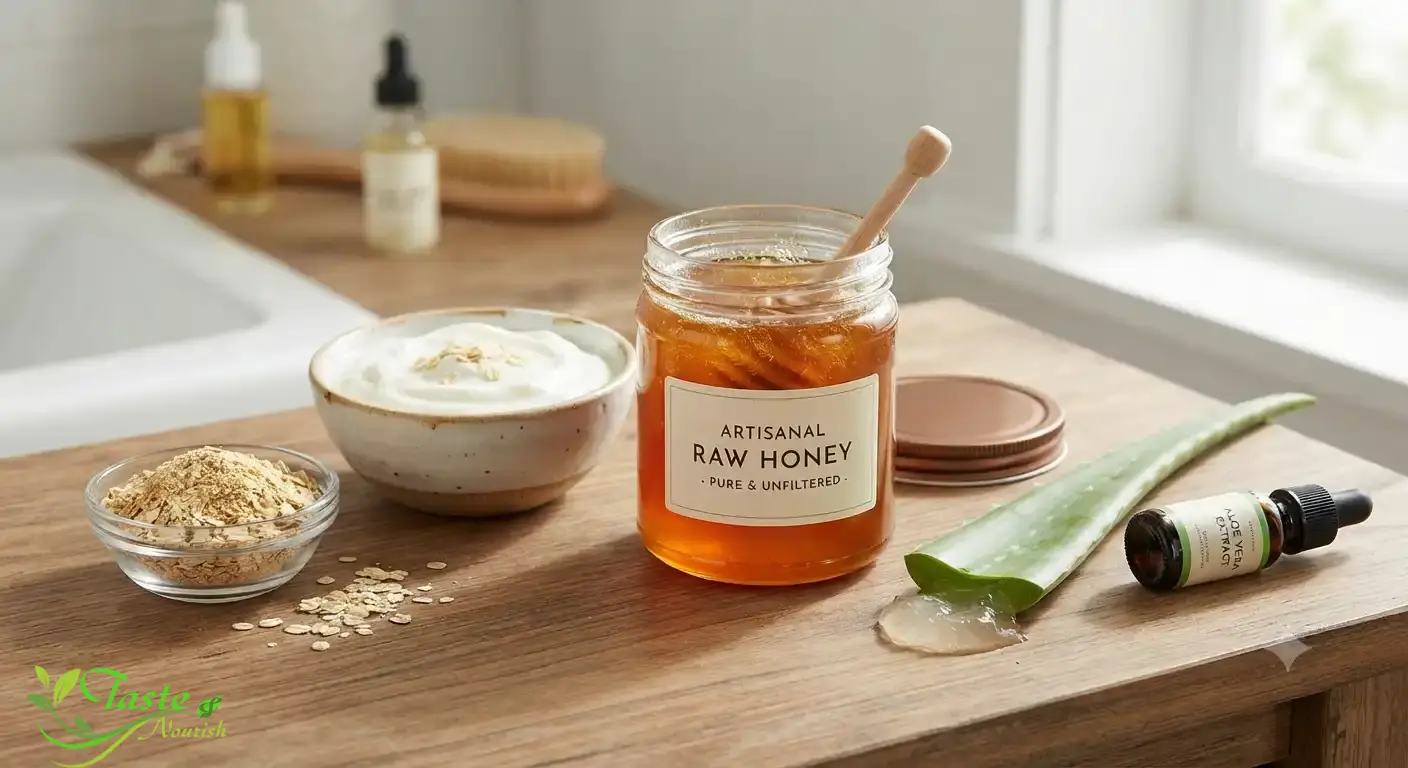
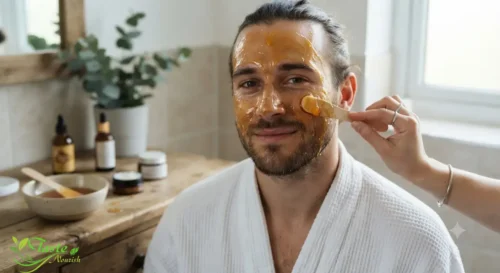
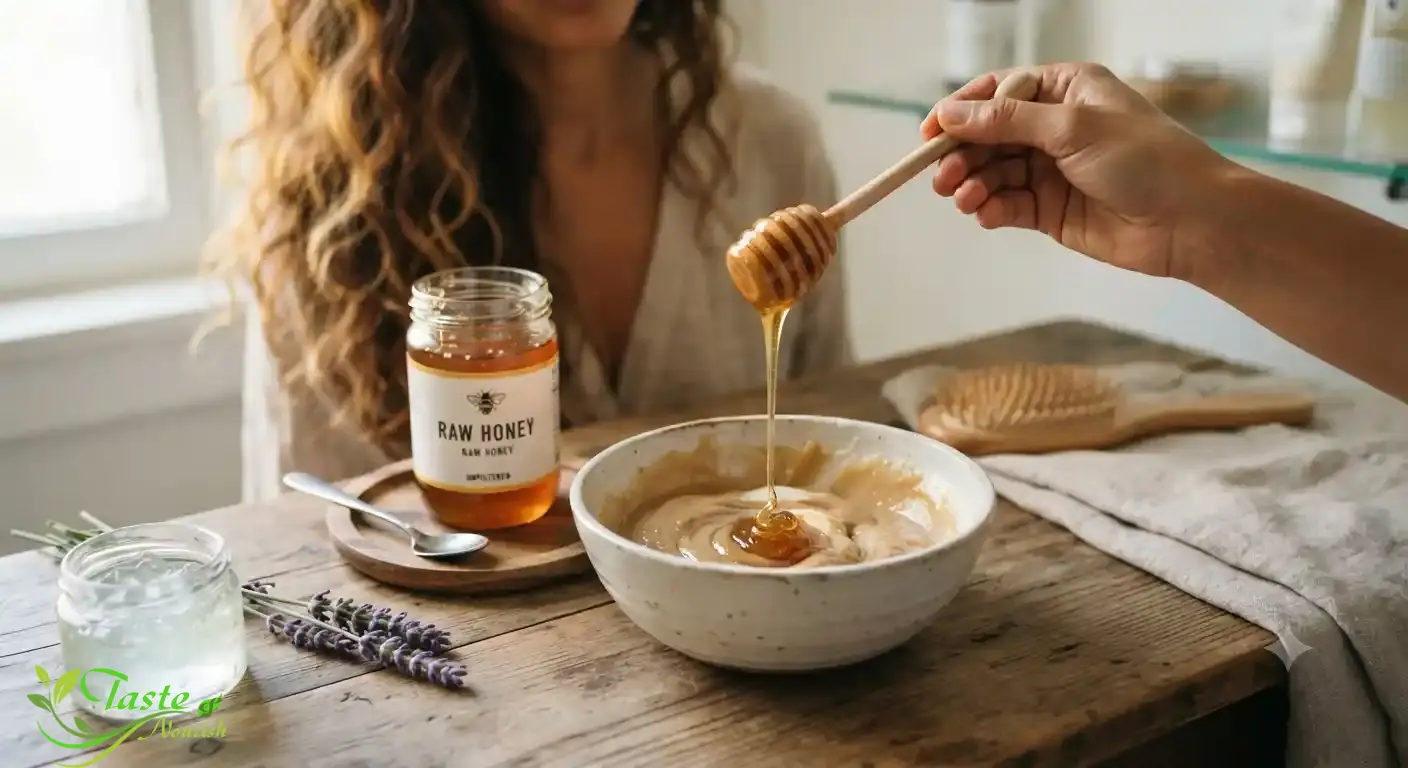
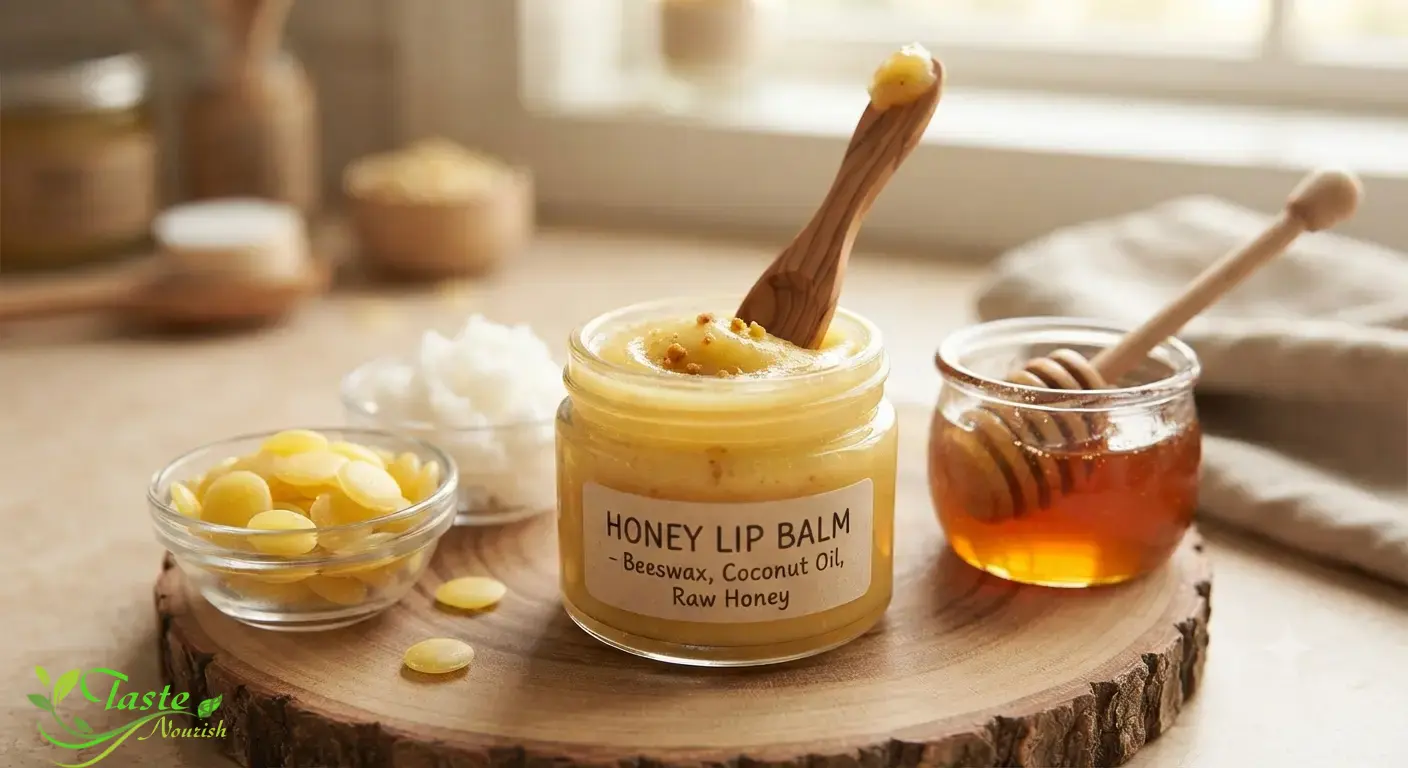
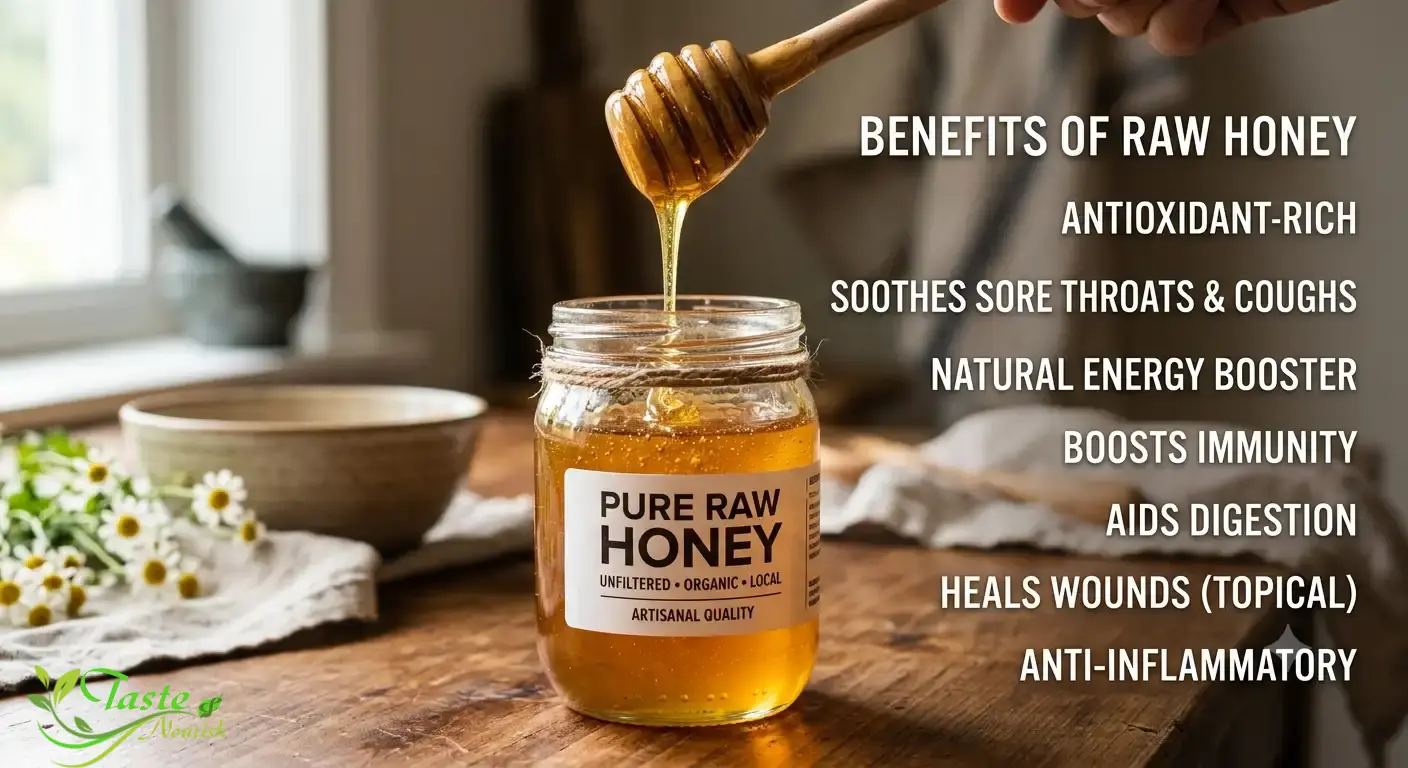
Honey has been rubbed onto skin for thousands of years, long before “skincare routine” was a phrase anyone used. Today it shows up in derm-approved masks, acne treatments, and DIY beauty blogs alike. But does it actually do anything for your face, or is this just ancient folklore with good marketing?
The honest answer sits somewhere in the middle. Some of honey’s reputation holds up under clinical scrutiny — its antibacterial and moisturizing properties, in particular, are well documented. Other claims are thinner on evidence than the internet suggests. This guide walks through what a honey face mask can realistically do for your skin, what it can’t, who should skip it, and how to use it correctly if you decide to try it.
Key Takeaways
– Honey may help skin feel softer because of its moisture-retaining properties.
– Evidence that honey face masks treat acne, eczema, or other skin conditions is limited.
– Medical-grade honey used in wound care is different from ordinary honey used in homemade face masks.
– Patch-test before use, especially if you have sensitive skin or a history of reactions to bee products.
– A honey face mask is an optional cosmetic step, not a substitute for proven skincare treatments.
Honey looks simple — sugar and water, mostly — but its composition is more complex than that. Honey contains sugars, organic acids, and small amounts of enzymes and plant compounds. Some honey varieties can produce hydrogen peroxide under certain conditions, contributing to antimicrobial activity. However, the composition varies, and laboratory antimicrobial effects do not establish that a homemade honey mask treats skin infections or acne.
A widely cited review on honey’s use for skin disorders, published through the National Institutes of Health’s PMC database, notes that laboratory studies have repeatedly found honey from various regions has meaningful antimicrobial activity against bacteria commonly found on skin. The same review points out that honey also appears to interact with the skin’s immune response, though far more research has focused on wound healing than on cosmetic use specifically.
Component
What It May Do for Skin
Hydrogen peroxide (enzymatic)
May contribute to antimicrobial activity under certain conditions
Polyphenols & flavonoids
Plant compounds studied for antioxidant activity
Natural sugars (fructose, glucose)
May help retain moisture on the skin surface
Organic acids
Contribute to honey’s naturally acidic pH
Trace enzymes
Effects on skin exfoliation from a homemade mask are not well established
Science-Backed Benefits of Honey for the Face
Hydration Without Heaviness
Honey can help the skin feel softer after a mask is rinsed off because it has moisture-retaining properties. However, its effects depend on the skin and the formulation, and it has not been established as an equivalent replacement for a moisturizer designed for dry or dehydrated skin.
Support for Acne-Prone Skin
This is where the research gets more nuanced. A randomized controlled trial published through PMC tested medical-grade kanuka honey combined with glycerine against acne over 12 weeks and found it did not significantly outperform a standard antibacterial soap routine alone. That’s a useful reality check: honey may offer mild antibacterial support, but it isn’t a proven acne treatment on its own, and it shouldn’t replace dermatologist-recommended therapies for moderate to severe acne.
Antioxidant Protection
Honey contains polyphenols and other compounds with antioxidant activity in laboratory studies. However, there is insufficient clinical evidence that a honey face mask prevents premature skin aging or protects skin against UV damage. Sunscreen and evidence-based skincare remain important for protecting the skin.
Gentle Exfoliation and Brightening
Honey has a naturally acidic composition, but evidence that the enzymes in an ordinary honey mask provide reliable exfoliation or visibly brighten the skin is limited. If your goal is to treat uneven skin tone or exfoliate regularly, choose products formulated for that purpose and follow their instructions.
Calming Irritated or Sensitive Skin
Because of its low potential for irritation compared to many active ingredients, honey is sometimes used in soothing masks for sensitive or reactive skin. The NIH’s National Center for Complementary and Integrative Health (NCCIH) notes that Manuka honey has been studied for skin conditions like impetigo, though it describes the evidence there as insufficient to firmly recommend or dismiss its use. That’s an important distinction between “traditionally used for” and “clinically proven to treat.”
Some people may find a simple honey mask comfortable on their skin, while others may experience irritation or an allergic reaction. Evidence that homemade honey masks treat eczema, rosacea, or other inflammatory skin conditions is insufficient. Avoid applying honey to skin that is actively inflamed, broken, or infected without medical advice.
Wound-Adjacent Skin Support
Research on honey in wound care mainly concerns specially prepared medical-grade products used for specific wounds. This evidence does not establish that an ordinary honey face mask helps heal cuts, active infections, or damaged skin. Do not use kitchen honey on open wounds as a substitute for appropriate medical care.
Types of Honey — Which Works Best for Skin?
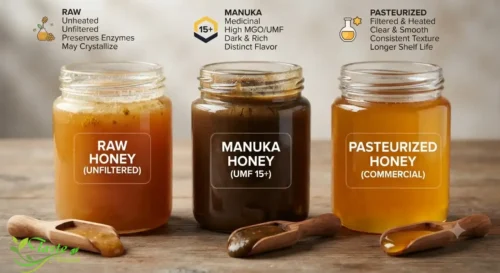
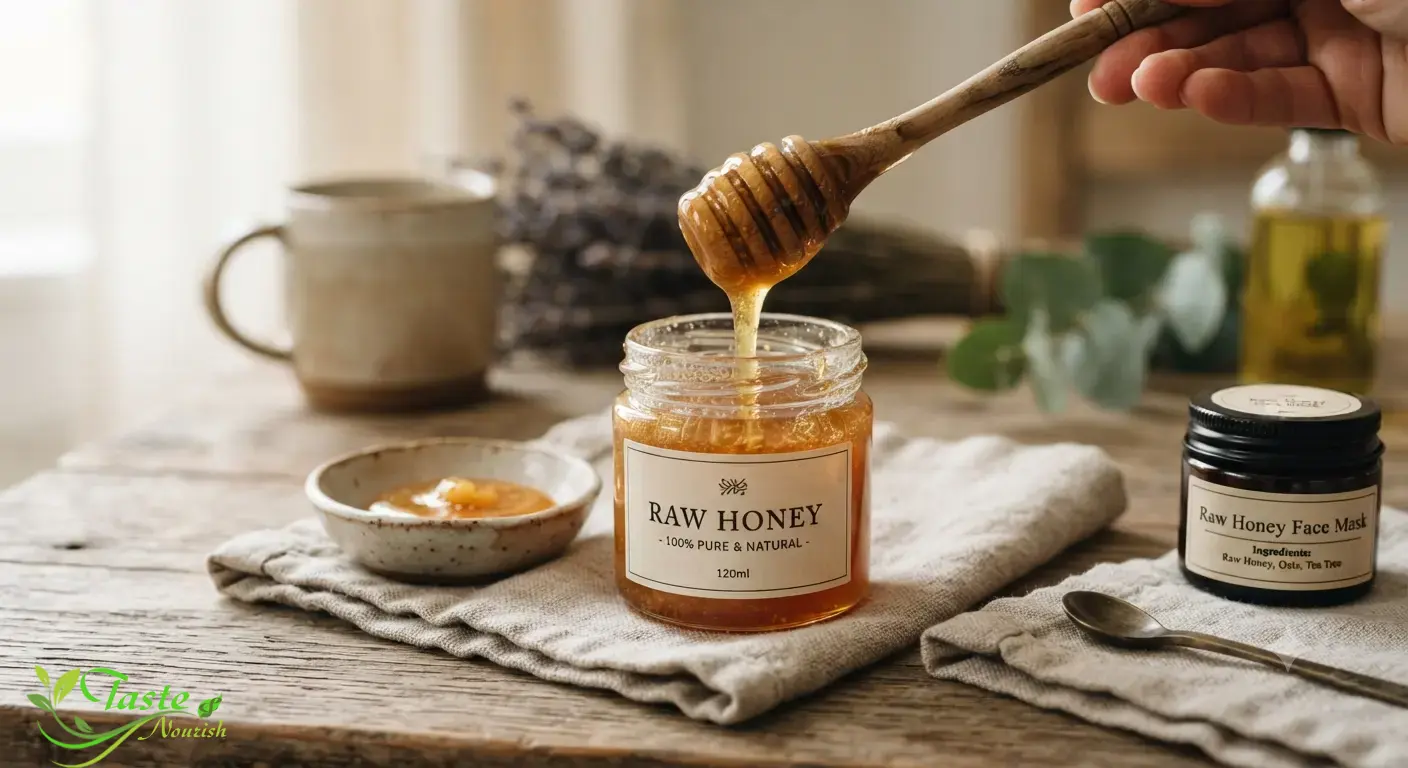
Not all honey is created equal when it comes to topical use. Processing, floral source, and purity all affect how much of the “active” content survives.
Honey Type
Best For
Considerations
Raw, unfiltered honey
Optional cosmetic use on intact skin
Retains more enzymes and antioxidants than processed honey
Manuka honey
Studied for certain antimicrobial applications; cosmetic superiority is unproven
Graded by UMF/MGO rating; higher grades cost significantly more
Kanuka honey
Investigated in limited clinical research for some skin concerns
Studied in clinical trials for acne, eczema, and psoriasis
Pasteurized/commercial honey
Can be used as a cosmetic ingredient if tolerated, but benefits are not guaranteed
Heat processing reduces enzyme activity and antioxidant levels
Honey powder or infused products
Effects depend on the complete formulation
Formulation matters more than the honey label alone
How to Use a Honey Face Mask
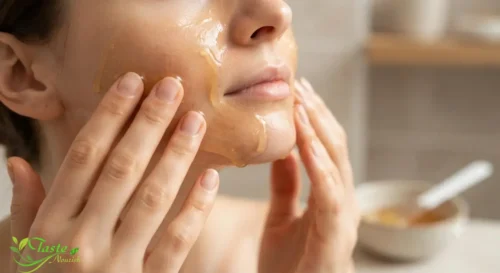
A basic honey mask doesn’t require a formula — it requires clean skin, a thin layer, and patience.
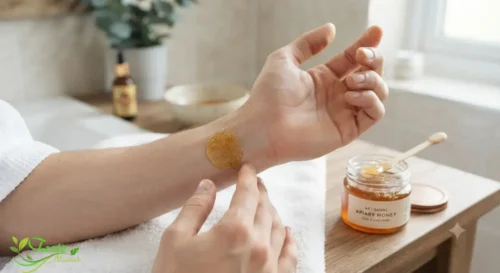
Before using a honey mask, test a small amount on a limited area of skin and monitor for irritation. Do not use it if you have a known allergy to honey or other bee products. Stop immediately if redness, itching, swelling, or discomfort develops.
Cleanse first. Apply honey to freshly washed, dry skin so it isn’t sitting on top of makeup or excess oil.
Apply a thin, even layer. A little goes a long way; you don’t need a thick coating for it to work.
Let it sit for 10–20 minutes. Longer isn’t necessarily better, and very long applications can just dry out on the skin.
Rinse with lukewarm water. Hot water can strip natural oils; cold water won’t dissolve the honey as efficiently.
Follow with moisturizer. Honey hydrates the surface, but a proper moisturizer helps lock that hydration in.
Mask Combination
Best For
Time
Honey alone
Simple hydration, sensitive skin
15–20 min
Honey + plain yogurt
Brightening, mild lactic acid boost
15 min
Honey + oatmeal
Redness, irritation-prone skin
10–15 min
Honey + cinnamon
Not recommended for sensitive skin; cinnamon can cause irritation
8–10 min
Honey + aloe vera
Optional cosmetic combination for intact skin; soothing effects are not guaranteed
15–20 min
Pro Tip: Cinnamon is a common skin sensitizer. If you’re combining it with honey, patch test the cinnamon separately from the honey first — reactions to this combination are more often caused by the cinnamon than the honey.
Common Mistakes to Avoid
A few habits quietly undercut the benefits of a honey mask. Using honey on top of active retinoids or exfoliating acids without spacing them out can increase irritation, since you’re layering multiple active ingredients at once. Skipping the patch test is another frequent misstep — honey is natural, but “natural” doesn’t mean it’s universally non-reactive.
Leaving a mask on far longer than recommended doesn’t intensify the benefit; it mostly just risks the honey drying out and becoming harder to rinse cleanly. Finally, using honey as a substitute for prescribed treatment on a diagnosed skin condition, rather than as a complementary step, is a mistake worth flagging directly — talk to a dermatologist before replacing any treatment plan.
Who Should Avoid Honey Face Masks
Honey is generally considered low-risk for topical use, but it isn’t risk-free for everyone. A 2025 peer-reviewed review on bee product safety describes how honey, along with other bee-derived products like propolis and royal jelly, can trigger reactions ranging from localized contact dermatitis to, rarely, more serious systemic responses in sensitized individuals.
Consider avoiding or checking with a doctor first if you:
Have a known allergy to bees, bee venom, or pollen
Have previously reacted to propolis, beeswax, or royal jelly in cosmetics
Have broken, actively infected, or open skin (outside of clinical wound care)
Have very reactive or eczema-prone skin that flares with new topical ingredients
It’s also worth noting that honey should never be given orally to infants under 12 months due to the risk of infant botulism, a caution well established by the CDC (CDC). This applies to ingestion, not topical use, but it’s a good reminder to keep any honey product out of reach of very young children generally.
Buying and Storing Honey for Skincare
If you choose to use honey in a homemade face mask, store it in a clean, sealed container and use a clean spoon to avoid contamination. Raw honey is not sterile, and choosing a raw or specialty variety does not guarantee better cosmetic results. Medical-grade honey products intended for wound care should be used according to their specific instructions.
If you’re using Manuka or kanuka honey specifically for its studied antibacterial properties, check for a UMF (Unique Manuka Factor) or MGO rating on the label, since these indicate potency more reliably than the word “Manuka” alone. Honey doesn’t spoil easily, but cross-contamination from dirty fingers dipped repeatedly into a jar can introduce bacteria over time — a clean spoon is a small habit worth keeping.
Honey vs. Other Natural Mask Ingredients
Ingredient
Primary Benefit
Best Paired With
Honey
Hydration, mild antibacterial action
Yogurt, oatmeal, aloe
Aloe vera
Cooling, anti-inflammatory
Honey, cucumber
Yogurt
Mild exfoliation (lactic acid)
Honey, turmeric
Oatmeal
Soothing, anti-itch
Honey, milk
Turmeric
Antioxidant, mild brightening
Yogurt, honey
What the Research Actually Supports (and Doesn’t)
It’s easy to find bold claims about honey “curing” acne, eczema, or aging skin. The research tells a more measured story. NCCIH‘s review of complementary approaches for skin conditions specifically states there’s insufficient evidence to either recommend or dismiss Manuka honey for conditions like impetigo, and similar caution applies to rosacea-related claims. That’s a meaningfully different statement than “honey doesn’t work” — it means the science hasn’t caught up to the folklore yet, in either direction.
What’s better supported is honey’s role as a gentle, low-irritation moisturizing and mildly antibacterial addition to a routine — not a stand-alone treatment for diagnosed skin disease. Treating it as a complementary step, rather than a cure, keeps expectations realistic and use safe.
Honey Face Mask FAQs
Q1. Is it safe to leave honey on your face overnight?
Most guidance suggests limiting honey masks to 10–20 minutes rather than overnight use. Leaving raw honey on skin for extended periods increases the chance of it drying out, attracting dust or debris, or causing irritation in sensitive individuals.
Q2. Can honey help with acne scars?
There is insufficient clinical evidence that honey face masks fade acne scars. Persistent scars or discoloration may benefit from treatments recommended by a dermatologist.
Q3. What’s the difference between Manuka honey and regular honey for skin?
Manuka honey has a characteristic composition, including methylglyoxal levels that vary by product. However, there is insufficient evidence to conclude that it provides better cosmetic results than ordinary honey in homemade face masks. Medical-grade products used for wound care are a separate category.
Q4. Can you use honey on oily skin?
Some people with oily skin may tolerate a short honey mask, but it is not a proven treatment for excess oil or acne. Test it on a small area first, rinse thoroughly, and stop if irritation develops.
Q5. Do I need to refrigerate honey used for skincare?
No. Honey is shelf-stable at room temperature and refrigeration can actually cause it to crystallize, making it harder to spread evenly on skin.
Conclusion
A honey face mask is a simple cosmetic option that may leave the skin feeling softer, but its benefits should not be overstated. Evidence for treating acne, fading scars, preventing wrinkles, or managing inflammatory skin conditions remains limited.
If you choose to try a honey mask, use it on intact skin, patch-test first, and rinse it off after a short application. Stop if irritation occurs, and continue using appropriate skincare products for your skin’s needs.
**Hanan Abo Samra** shares practical cooking insights, delicious recipes, and evidence-based nutrition information. Drawing on more than 20 years of hands-on cooking experience, she creates helpful food content that combines everyday cooking knowledge with information from reliable scientific sources. Her goal is to help readers better understand the foods they eat, explore their nutritional benefits, and prepare delicious meals with confidence.