Eggs have quietly been the most misunderstood superfood on the planet. For decades, they were vilified for their cholesterol content, shoved to the side of the nutritional conversation, and replaced by less satisfying alternatives. But here’s the thing — science has done a dramatic U-turn.
Today, eggs are celebrated by nutritionists, athletes, brain health researchers, and even cardiologists as one of the most nutrient-dense foods you can possibly eat. So what exactly are the benefits of eggs, and why should you be eating them more often? Let’s break it all down.
Think about it — a single egg contains everything biologically necessary to create and sustain an entirely new life. That’s not marketing language; that’s literal biology. When nutritionists call eggs a complete food, they’re referring to the extraordinarily dense package of macronutrients, micronutrients, antioxidants, and bioactive compounds found in every single shell.
No other single food on earth combines high-quality protein, healthy fats, essential vitamins, and powerful antioxidants in such a compact, affordable, and accessible format. That’s why the benefits of eggs extend far beyond what most people realize — from the gym to the classroom, from aging gracefully to managing your weight.
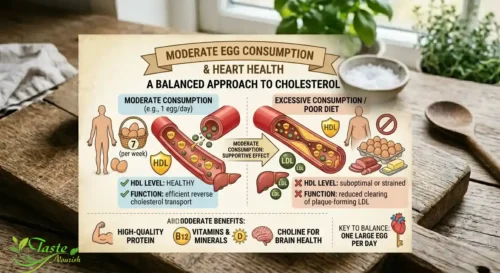
The reputation of eggs has had quite the redemption arc. After decades of being labeled a heart disease culprit because of their cholesterol content, recent studies now demonstrate a lack of correlation between dietary cholesterol from eggs and cardiovascular disease.
Today, leading authorities including the Australian Heart Foundation emphasize that overall dietary quality, rather than the inclusion of specific foods such as eggs, is the key determinant of cardiovascular risk. In short, eggs aren’t the villain — they never really were.
Complete Egg Nutrition Facts
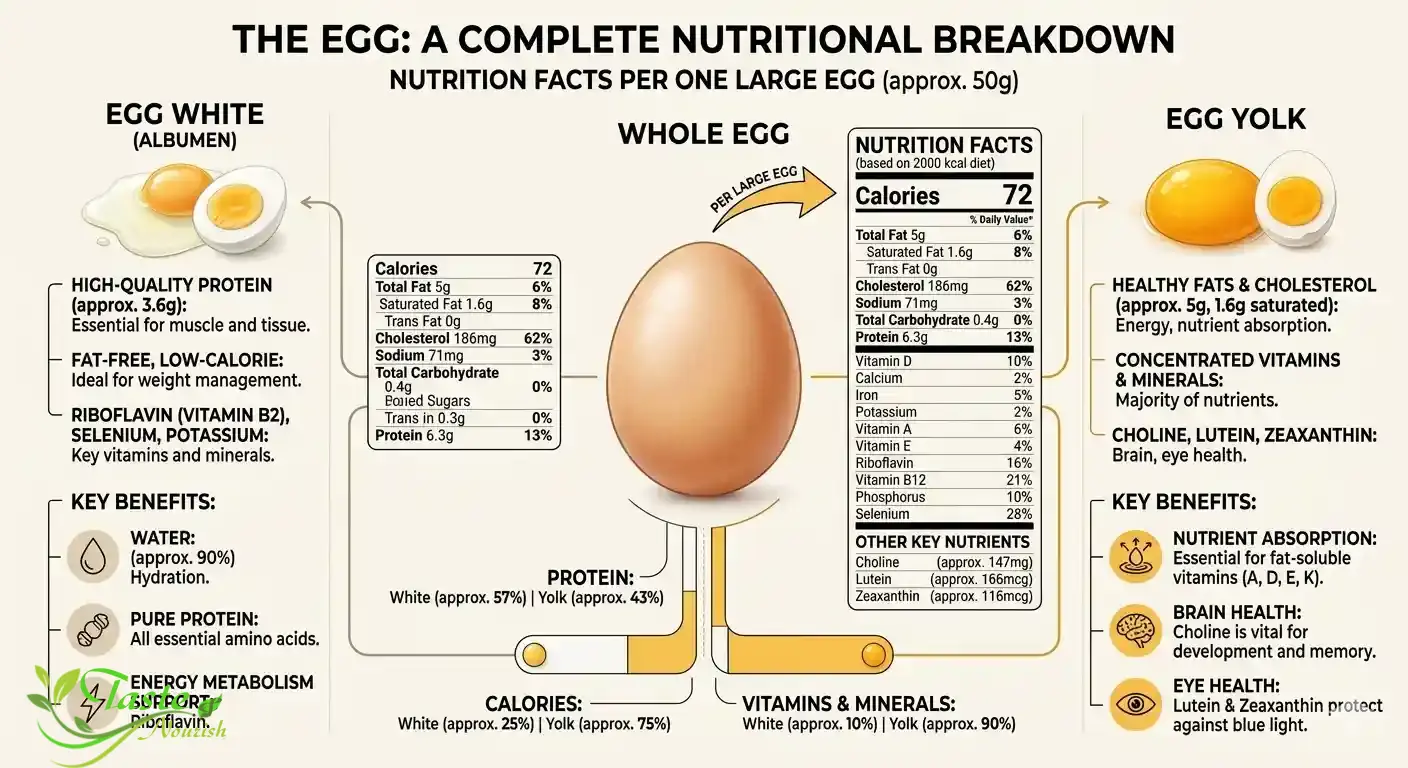
Before we dive into the benefits, let’s talk numbers. Understanding what’s actually inside an egg helps you appreciate why the nutritional value of eggs is so impressive.
Macronutrient Breakdown
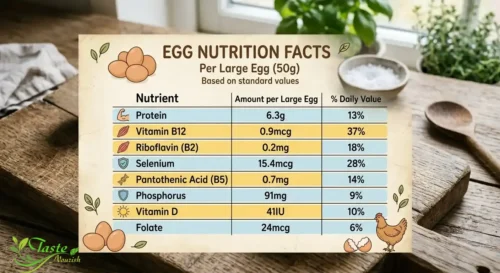
A large egg contains approximately 74–78 calories, almost zero carbohydrates (glycemic index of approximately 0), and about 12.6 grams of protein per 100 grams. That combination of virtually zero carbs and substantial protein makes eggs one of the most metabolically favorable foods available, especially for anyone managing blood sugar, pursuing fat loss, or building lean muscle.
Egg Nutrition Facts (Per 1 Large Whole Egg)
Nutrient
Amount
% Daily Value
Calories
74–78 kcal
~4%
Protein
6.3 g
13%
Total Fat
5 g
6%
Saturated Fat
1.6 g
8%
Cholesterol
186 mg
62%
Carbohydrates
0.6 g
0%
Vitamin D
1.1 mcg
6%
Choline
147–169 mg
27–31%
Vitamin B12
0.6 mcg
25%
Selenium
15.4 mcg
28%
Lutein + Zeaxanthin
252 mcg
N/A
Vitamins and Minerals in Eggs
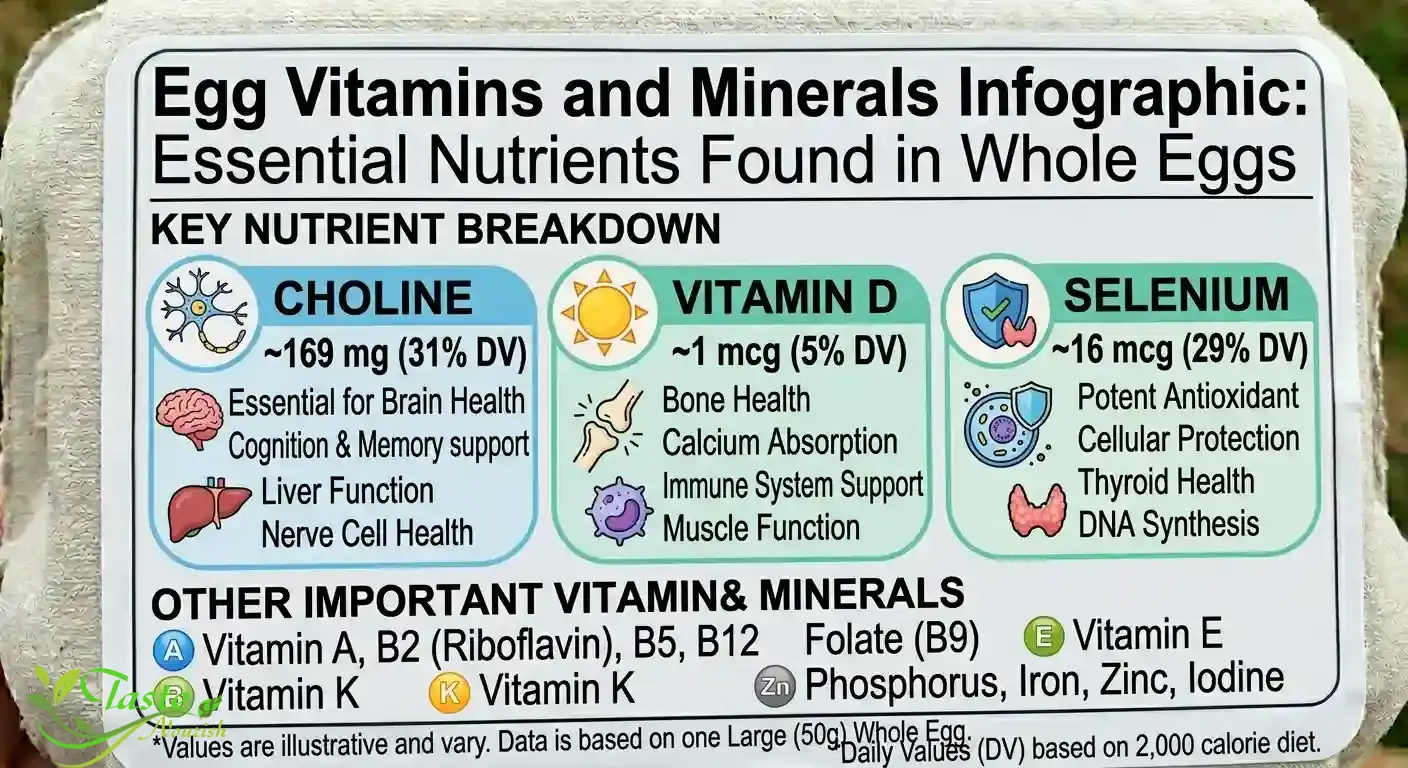
Eggs provide important vitamins such as B12, D, A, and E, as well as minerals like selenium and choline, which support brain health, immune function, and metabolism. What makes this even more impressive is the bioavailability — your body absorbs the nutrients in eggs at an unusually high rate compared to most other food sources. So you’re not just ingesting these nutrients; you’re actually using them.
Key Takeaway: A single egg delivers 25% of your daily Vitamin B12, 28% of your daily selenium, and nearly a third of your recommended daily choline — all for under 80 calories. That’s an extraordinary nutritional return on investment.
Top Health Benefits of Eating Eggs
1. Eggs Are a Complete Protein Powerhouse
When people talk about high-protein foods, chicken breast and Greek yogurt often steal the spotlight. But eggs belong right at the top of that conversation. Egg protein has been recognized as highly digestible and an excellent source of essential amino acids, with the highest attainable protein digestibility-corrected amino acid score (PDCAAS).
That score matters because it tells you how efficiently your body can actually use the protein — and eggs score a perfect 1.0, meaning your body uses essentially every gram of protein you consume from an egg.
Each medium-sized egg contains 6.29 grams of protein, along with the essential amino acid tryptophan at 77 mg per egg, which crosses the blood-brain barrier for conversion to serotonin — a neurotransmitter involved in decision-making and memory. This means eating eggs doesn’t just feed your muscles; it subtly supports your mental clarity and mood as well.
The amino acid profile of egg protein is so complete and well-balanced that food scientists literally use eggs as the reference standard against which all other proteins are measured. Think of eggs as the benchmark — everything else in the protein world is trying to catch up.
Protein Content Comparison — Eggs vs. Other Common Sources
Protein Quality Comparison
Food Source
Protein per 100g
PDCAAS Score
Calories
Whole Egg
12.6 g
1.0 (highest)
155
Chicken Breast
31 g
0.92
165
Greek Yogurt
10 g
0.80
97
Lentils
9 g
0.52
116
Tofu
8 g
0.58
76
Whey Protein
80–90 g
1.0
400+
2. Eggs Support Brain Health and Cognitive Function
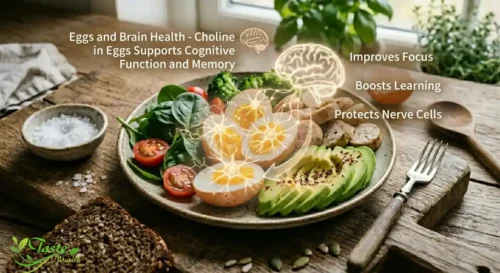
Here’s a benefit that doesn’t get nearly enough attention — eggs are arguably the best brain food you can eat. Eggs contain choline, phospholipids, tryptophan, and omega-3 fatty acids, which individually support cognitive processes such as memory, attention, and neurogenesis. Neurogenesis is the brain’s ability to generate new neurons, and supporting that process through diet is one of the most exciting areas of nutritional neuroscience right now.
Choline (150 mg per egg) is a precursor to acetylcholine, a neurotransmitter involved in memory and learning. Most people don’t get nearly enough choline in their daily diet — and eggs are the single richest dietary source available.
Recent data from the Rush Memory and Aging Cohort found a relationship between egg consumption and a lower risk of Alzheimer’s dementia, a relationship driven specifically by dietary choline. That’s not a minor finding — it’s the kind of data that should make eggs a non-negotiable part of every adult’s diet, especially as they age.
Six Cognitive Benefits of Egg Nutrients:
Choline supports the production of acetylcholine, essential for learning and memory retention
Tryptophan converts to serotonin, regulating mood, focus, and decision-making
Omega-3 fatty acids (DHA) protect myelin sheaths around neurons, improving signal speed
Phospholipids support healthy brain cell membrane integrity
Vitamin B12 prevents neurological damage and supports cognitive longevity
Lutein, concentrated in the brain as well as the eyes, is linked to better processing speed in older adults
3. Eggs Promote Eye Health
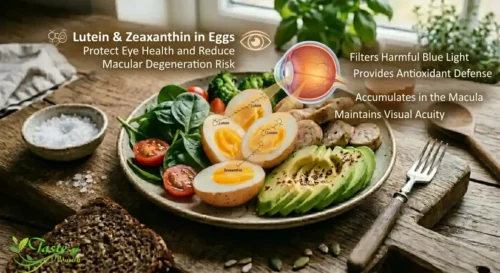
Your eyes age whether you like it or not — but what you eat can dramatically influence how fast that process happens. Eggs contain two powerful antioxidants, lutein and zeaxanthin, that accumulate in the retina of the eye. Research suggests consuming adequate amounts of these nutrients can significantly reduce the risk of cataracts and macular degeneration. These are two of the most common causes of vision loss as we age, and the fact that a simple dietary habit — eating eggs — can help protect against them is genuinely powerful.
Carotenoids such as lutein and zeaxanthin, derived from feed sources like marigold petals or corn, contribute to the egg yolk’s orange-yellow hue while promoting visual health and reducing the risk of age-related macular degeneration.
Beyond those two star antioxidants, eggs also contain Vitamin A, which is essential for preventing night blindness and maintaining healthy vision in dim light. The combination of these eye-supporting nutrients in a single food is hard to find any where else in the diet, which makes eggs especially valuable for anyone over 40 or with a family history of eye disease.
Reader Note: The lutein and zeaxanthin in eggs are more bioavailable than those found in leafy greens like spinach or kale, because the fat in the egg yolk enhances their absorption. Eat the whole egg — don’t just stick to whites.
4. Eggs Aid in Weight Management
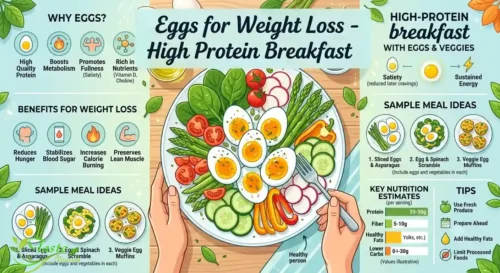
Anyone who has tried to lose weight knows the single biggest challenge — hunger. When you’re hungry, you make poor food choices. When you’re satisfied, you make better ones. Eggs are one of the most satiating foods on the planet, and science backs that up completely. Eggs are naturally low in carbs, provide high-quality protein which promotes fullness, and preserve muscle mass — making them an excellent choice for anyone looking to lose weight.
The satiety mechanism works at a hormonal level. Eating a high-protein breakfast like eggs reduces the hunger hormone ghrelin and increases satiety hormones like peptide YY and GLP-1. What does that mean in practical terms? You eat less later in the day without even trying. Egg protein has been demonstrated to decrease appetite, resulting in a reduction in caloric intake from the next meal and subsequent weight reduction.
Imagine eating breakfast and still feeling comfortably full well past lunch — that’s the egg effect. For anyone managing calorie intake without suffering through hunger pangs, making eggs a morning staple isn’t a diet trick; it’s strategic nutrition.
Six Practical Tips for Using Eggs in a Weight Loss Diet:
Start your day with a 2-egg breakfast instead of cereal or toast to cut mid-morning snacking
Pair eggs with non-starchy vegetables like spinach, tomatoes, or capsicum to add volume and fiber
Choose boiled or poached eggs over fried to reduce added fat and calories
Add hard-boiled eggs to salads as a protein anchor instead of croutons or high-calorie dressings
Prepare egg muffins or frittatas in advance for grab-and-go, portion-controlled meals
Use eggs as a post-workout snack to support muscle repair and prevent fat storage
5. Eggs and Heart Health
Eggs provide protein, vitamins, minerals, and other nutrients, but they also contain dietary cholesterol. Research on egg consumption and cardiovascular health has produced mixed findings, and the overall dietary pattern matters.
For many healthy adults, eggs can fit into a balanced eating pattern. However, the effect of dietary cholesterol can vary between individuals. People with elevated LDL cholesterol, cardiovascular disease, diabetes, or inherited cholesterol disorders may need individualized dietary advice.
Rather than judging eggs in isolation, consider how they are prepared and what foods accompany them. A meal built around vegetables, whole grains, and unsaturated fats can fit into a heart-conscious eating pattern.
Current evidence from observational studies does not provide strong support for a detrimental role of moderate egg consumption on the risk of cardiovascular disease, especially in European studies. Eggs raise HDL cholesterol — the “good” kind that actively removes arterial plaque from your bloodstream. They also contain phosphatidylcholine, which plays a role in maintaining healthy lipid metabolism.
Recent analyses indicate no association between moderate egg intake and cardiovascular disease or mortality, with overall evidence supporting a favorable risk-benefit profile for eggs when consumed in moderation as part of a balanced diet. The key phrase here is “as part of a balanced diet” — eggs aren’t a magic bullet, but they are absolutely not the cardiac threat they were once made out to be.
6. Eggs Boost Muscle Growth and Recovery
If you work out — whether you’re running marathons, lifting weights, or doing yoga — your muscles need protein to recover and grow. Eggs deliver that protein in an extraordinarily efficient form. Eggs may help build muscle mass not just from the protein, but from the combination of proteins and other nutrients, with researchers documenting a muscle-building response in people who eat eggs after working out.
Egg protein is protective against sarcopenia — the age-related loss of muscle mass that affects millions of adults over 50. Sarcopenia isn’t just a cosmetic concern; it’s a major driver of frailty, falls, and reduced quality of life in older age. By consistently eating eggs throughout life, you’re essentially making an investment in your functional strength for decades to come.
♦ For athletes specifically, the combination of fast-digesting egg whites and slower-digesting egg yolk proteins creates a sustained amino acid release that supports both immediate recovery and longer-term muscle protein synthesis.
7. Eggs Are Excellent for Bone Health
Vitamin D is one of the most widespread nutrient deficiencies in the modern world, and inadequate Vitamin D is directly linked to weakened bones, increased fracture risk, and even immune dysfunction. Eggs are one of the relatively few natural dietary sources of Vitamin D. Vitamin D is one of the dietary components eggs contribute to the diet that is particularly important during aging.
Each egg provides approximately 6% of your daily Vitamin D needs — which doesn’t sound huge until you consider that most foods contribute virtually zero. Combined with the phosphorus and Vitamin K2 found in eggs, regular consumption contributes meaningfully to maintaining bone mineral density over time.
Benefits of Eggs for Specific Groups
Benefits of Eggs for Women
Key Egg Nutrients and Their Specific Benefits for Women
Nutrient
Benefit for Women
Amount Per Egg
Choline
Critical for fetal brain development in pregnancy
147–169 mg
Vitamin D
Supports bone density, especially post-menopause
~1.1 mcg
Protein
Preserves lean muscle through hormonal transitions
6.3 g
Lutein & Zeaxanthin
Protects against age-related eye disease
252 mcg
Vitamin B12
Prevents neurological decline, supports energy
0.6 mcg
Iron (via B12 support)
Aids red blood cell production in menstruating women
Indirect
For midlife women navigating perimenopause and menopausal transition, eggs deliver high-quality protein, vitamin D, choline, carotenoids, and unsaturated fats that collectively support cardiometabolic, musculoskeletal, and cognitive health. The choline in eggs is especially important during pregnancy — adequate choline intake during fetal development is linked to better memory and cognitive outcomes in children, yet most prenatal diets fall dramatically short of the recommended daily intake.
Benefits of Eggs for Older Adults
Aging changes everything about how your body processes and uses nutrients. Absorption efficiency drops, appetite often decreases, and the risk of nutrient deficiencies rises. For aging adults, high-quality protein, choline, vitamin B12, lutein, zeaxanthin, and vitamin D are key dietary components that eggs uniquely contribute, with the American Heart Association recognizing the nutritional benefits of eggs and recommending up to 2 eggs per day within the context of a heart-healthy diet for healthy older adults.
Given that older adults often eat less food overall, every bite needs to carry maximum nutritional value — and eggs deliver that efficiency better than almost anything else.
Benefits of Eggs for Athletes
Athletes have elevated protein needs, and they also need to recover efficiently from training-induced muscle damage. Six key ways eggs specifically benefit athletes:
Complete amino acid profile fuels rapid muscle protein synthesis post-exercise
Leucine content in egg protein triggers the mTOR pathway, a key activator of muscle growth
Choline supports production of acetylcholine, which controls muscle contraction and coordination
B vitamins (B2, B6, B12) support energy metabolism during endurance exercise
Phosphorus plays a critical role in ATP production — the body’s primary energy currency
Selenium acts as an antioxidant, reducing exercise-induced oxidative stress and inflammation
How Many Eggs Should You Eat Per Day?
There is no single daily number of eggs that is appropriate for everyone. Eggs can be part of a balanced diet, but individual needs depend on overall dietary habits and health factors. People with elevated LDL cholesterol, cardiovascular disease, diabetes, or inherited cholesterol disorders should discuss their dietary choices with a healthcare professional.
General Egg Consumption Guidelines by Health Goal
General health maintenance: 1–2 whole eggs per day as part of a balanced, varied diet
Weight loss: 2–3 eggs at breakfast to maximize satiety and reduce overall caloric intake
Muscle building: 3–4 eggs per day alongside other protein sources to hit elevated daily protein targets
Heart health focus: Up to 2 eggs per day, prioritized as part of an overall heart-healthy dietary pattern
Pregnancy: Ensure adequate intake for choline — at least 1–2 eggs daily, ideally more
Older adults: Up to 2 eggs per day is supported by the American Heart Association for healthy seniors
What the 2025 Dietary Guidelines Say About Eggs
The 2025 Dietary Guidelines for Americans do not mention dietary cholesterol at all, aligning with the FDA’s updated definition of “healthy” and reflecting the scientific consensus that eggs can be enjoyed as part of a healthy dietary pattern.
This is a landmark shift. After decades of being told to limit egg consumption because of cholesterol concerns, the most authoritative nutrition guidance in the United States has essentially removed eggs from the “caution” list entirely.
The scientific review literature shows that egg is a safe food that provides energy, important nutrients, and several chemical-physical properties that make it particularly useful in the preparation of various recipes.
Best Ways to Cook Eggs to Maximize Nutrition
How you cook your eggs matters more than most people realize. High heat, excessive oil, and overcooking can degrade some of the delicate nutrients in eggs. Here are the best preparation methods ranked by nutritional retention:
Best Egg Cooking Methods for Nutrition
Poached: Cooked in water with no added fat, maximum nutrient retention, protein perfectly preserved
Soft-boiled: Yolk remains slightly runny, protecting fat-soluble vitamins and carotenoids
Hard-boiled: Convenient, portable, and excellent protein retention — ideal for meal prep
Scrambled (low heat): Gentle scrambling with minimal butter preserves B vitamins and protein structure
Baked or oven-cooked: Even heat distribution, no added fat necessary, great for frittatas
Fried (minimal oil): Acceptable when using heart-healthy oil like olive oil at medium heat
Practical Tip: Pair your eggs with vegetables rich in Vitamin C (tomatoes, bell peppers) — the fat in the egg yolk dramatically improves the absorption of fat-soluble nutrients from those vegetables simultaneously.
Common Myths About Eggs — Debunked
Myth #1: Eggs will raise your cholesterol and cause heart disease. As established by multiple large-scale studies, moderate egg consumption is not associated with increased cardiovascular risk in healthy adults.
Myth #2: You should only eat egg whites. The yolk contains the vast majority of eggs’ nutritional value — nearly all the vitamins, minerals, antioxidants, and healthy fats. Discarding the yolk discards most of the benefit.
Myth #3: Brown eggs are more nutritious than white eggs. Shell color is determined by hen breed, not nutrition. White eggs and brown eggs have virtually identical nutritional profiles.
Myth #4: Raw eggs are more nutritious than cooked. Actually, cooking eggs increases the bioavailability of protein — studies show that cooked egg protein is absorbed at approximately 91% efficiency compared to 51% for raw egg protein.
Myth #5: Eggs are bad for people trying to lose weight. The opposite is true. Eggs are one of the most effective satiety-promoting foods available, actively supporting calorie control and weight management.
Do Eggs Raise Bad Cholesterol?
This deserves its own deeper look because it’s the most persistent myth surrounding eggs. While higher egg intake may increase serum total cholesterol in some individuals, current evidence from observational studies does not provide strong support for a detrimental role of moderate egg consumption on the risk of cardiovascular disease, especially in European populations.
The key distinction is between dietary cholesterol (what you eat) and blood cholesterol (what’s circulating in your arteries). For most people, the liver compensates for dietary cholesterol by producing less of its own — meaning eating more cholesterol from food doesn’t necessarily translate to higher blood cholesterol levels.
People with familial hypercholesterolemia or specific metabolic conditions should absolutely discuss egg intake with their doctor, but for the general population, the evidence is clear: moderate egg consumption is safe.
Benefits of Eggs FAQs
What are the main benefits of eating eggs every day?
Eating eggs daily supports high-quality protein intake, brain health through choline and B12, eye protection via lutein and zeaxanthin, satiety for weight management, and muscle maintenance. For most healthy adults, 1–2 eggs per day is safe and nutritionally advantageous.
Are eggs good for weight loss?
Yes. Eggs are low in carbohydrates, high in protein, and extremely satiating. Research shows that a high-protein breakfast featuring eggs reduces overall caloric intake throughout the day by suppressing hunger hormones and increasing satiety hormones.
Do eggs raise cholesterol levels?
For most people, moderate egg consumption does not significantly raise harmful LDL cholesterol. In fact, eggs raise HDL (good) cholesterol. The 2025 Dietary Guidelines for Americans no longer restrict dietary cholesterol, reflecting scientific consensus.
Is it better to eat whole eggs or just egg whites?
Whole eggs are far superior nutritionally. The yolk contains the majority of vitamins, minerals, antioxidants like lutein and zeaxanthin, healthy fats, and choline. Eating only egg whites provides protein but misses most of the nutritional benefit.
How many eggs is it safe to eat per week?
Current evidence supports eating up to 1–2 whole eggs per day for most healthy adults, which equates to 7–14 eggs per week. People with specific conditions like familial hypercholesterolemia or type 2 diabetes should consult a healthcare provider for personalized guidance.
The easiest and most nutritious way to prepare eggs — hard-boiled for maximum protein retention, portability, and a zero-added-fat healthy snack or meal addition.
Ingredients
6 large fresh eggs
Water (enough to fully submerge eggs)
1 teaspoon salt (optional, for easier peeling)
Ice cubes (for ice bath)
Directions
Place eggs in a single layer in a saucepan. Cover with cold water by at least 1 inch. Add salt if desired.
Place the saucepan over medium-high heat and bring water to a full rolling boil.
Once boiling, reduce heat to medium and cook for exactly 10–12 minutes for fully hard-boiled eggs with a firm yolk.
Transfer eggs immediately to a bowl of ice water. Let sit for at least 5 minutes to stop cooking and make peeling easier.
Gently tap and peel under cold running water. Serve immediately or refrigerate unpeeled for up to 7 days.
Conclusion
The benefits of eggs are as extensive as they are well-supported by modern nutritional science. From providing the highest-quality protein your body can use, to protecting your eyes from age-related degeneration, supporting your brain through choline and omega-3s, aiding weight management through satiety, and promoting muscle health at every age — eggs earn their reputation as one of nature’s most complete foods. They’re affordable, versatile, quick to prepare, and packed with nutrients that many people are chronically deficient in.
Whether you’re a student needing brain fuel, an athlete demanding recovery nutrition, a woman navigating pregnancy or menopause, or simply someone who wants to age well and feel strong — eggs belong on your plate.
**Hanan Abo Samra** shares practical cooking insights, delicious recipes, and evidence-based nutrition information. Drawing on more than 20 years of hands-on cooking experience, she creates helpful food content that combines everyday cooking knowledge with information from reliable scientific sources. Her goal is to help readers better understand the foods they eat, explore their nutritional benefits, and prepare delicious meals with confidence.