
Banana Protein Shake Recipe: Thick, Creamy & High Protein
Banana Protein Shake Recipe: Quick Answer
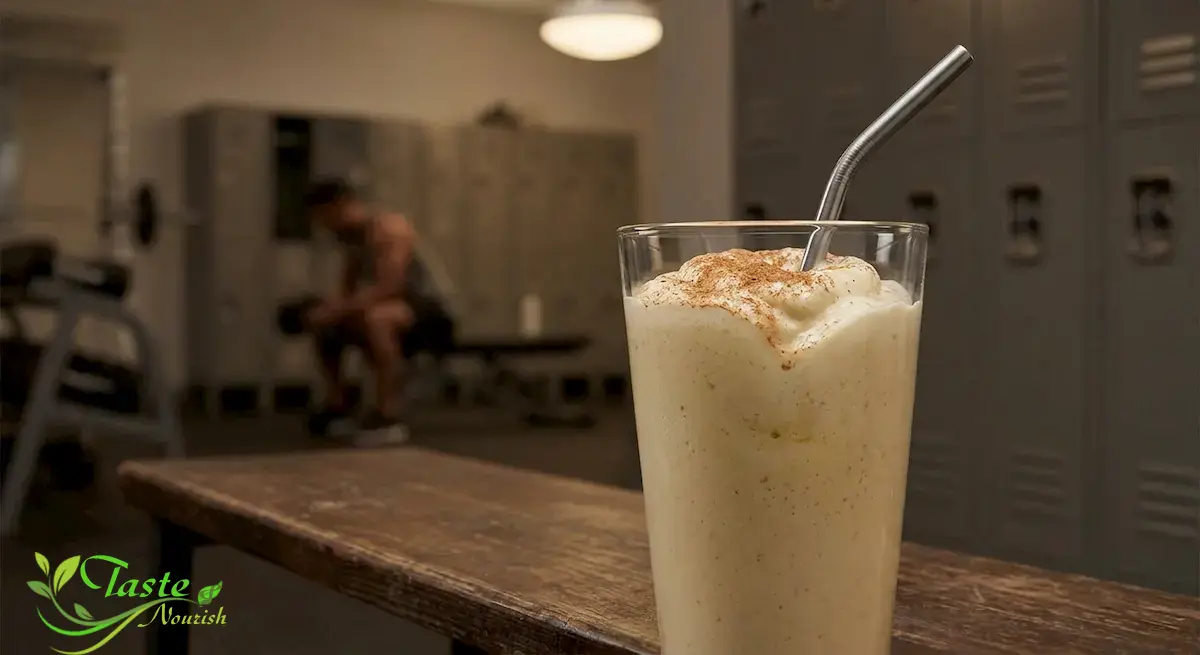
For a reliable banana protein shake recipe, blend 1 large frozen banana, 1 scoop vanilla protein powder, ½ cup plain Greek yogurt, and ¾ cup milk for 45 seconds. The frozen banana makes ice unnecessary, so the shake stays thick and full-flavored instead of watery.
Key Takeaways
- This banana protein shake recipe uses a frozen banana instead of ice, so the texture is thick without dilution.
- Pour the liquid in first and add the powder before the frozen fruit to avoid clumps stuck under the blades.
- Spotty ripe bananas supply most of the sweetness, so no added sweetener is needed.
- One shake provides roughly 40 to 46 grams of protein, depending on the powder you choose.
- Because it contains dairy, drink it fresh or refrigerate it promptly.
What Makes This High Protein Banana Shake Different
- Protein comes from three sources. Powder, Greek yogurt, and milk share the load, so you need only one scoop of powder. That also reduces the grainy, artificial taste some powders have in larger amounts.
- The texture comes from the banana, not ice. Frozen banana slices blend into a soft-serve consistency that holds its body longer in the glass.
- Yogurt adds a slight tang. It cuts through the sweetness of ripe banana, so the shake does not taste flat or sugary.
- It is easy to scale. The ratio is simple enough to adjust for a lighter snack or a bigger post-workout drink.
Ingredients for One Banana Protein Shake
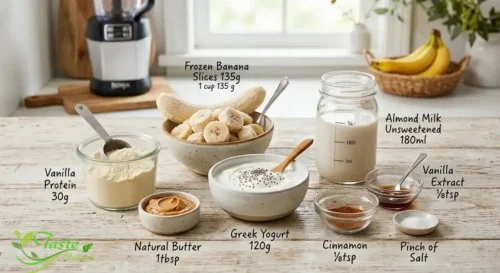
- 1 large banana, peeled, sliced, and frozen (about 1 cup of slices, or 135 g)
- 1 scoop vanilla protein powder (about 30 g)
- ½ cup plain Greek yogurt, nonfat or low-fat (about 120 g)
- ¾ cup milk, dairy or unsweetened soy (about 180 ml)
- 1 tablespoon peanut butter (optional, about 16 g)
- ⅛ teaspoon ground cinnamon
- ⅛ teaspoon vanilla extract
- 1 small pinch of salt
Why Each Ingredient Is There
The banana provides sweetness, potassium, and the bulk of the thickness. Choose one with brown freckles on the peel before freezing, because a barely yellow banana tastes starchy and less sweet. The yogurt thickens the shake and adds protein without adding much fat. Milk loosens the mixture enough for the blender to circulate.
Cinnamon and a pinch of salt sharpen the banana flavor without making the drink taste spiced. The peanut butter adds richness and slows the shake from feeling thin, but it also adds about 95 calories, so leave it out if you want a lighter version.
How to Make This Banana Protein Shake Recipe
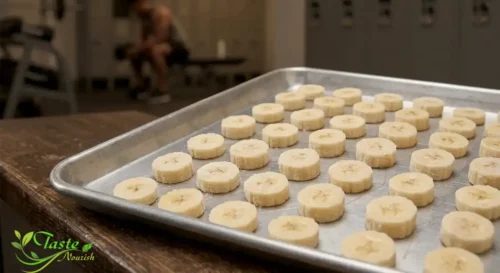
1. Peel the banana, slice it into coins about ½ inch thick, and spread them on a plate or tray in a single layer. Freeze for at least 2 hours, until firm. Slices frozen in one layer do not fuse into a single block.
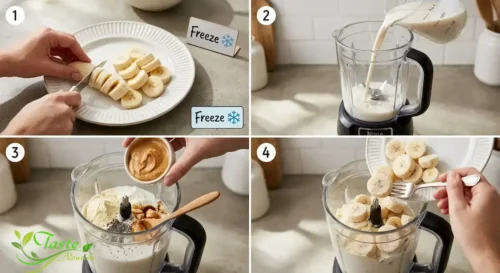
2. Pour the milk into the blender jar first. Liquid at the bottom helps the blades pull the solids down.
3. Add the yogurt, protein powder, vanilla, cinnamon, salt, and peanut butter, if using.
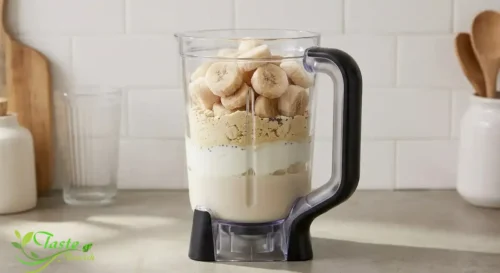
4. Add the frozen banana slices last.
5. Start on low for 10 seconds to break up the banana, then blend on high for 30 to 45 seconds. Stop when the shake is uniformly pale, with no flecks of powder along the sides and no visible banana chunks.
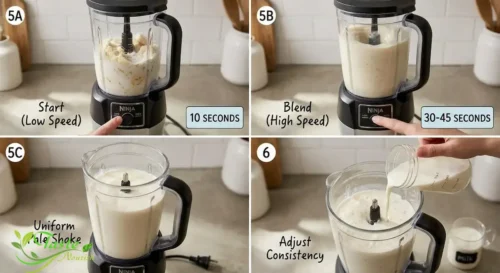
6. If the blades spin without pulling the mixture down, add 1 to 2 tablespoons more milk and blend again.
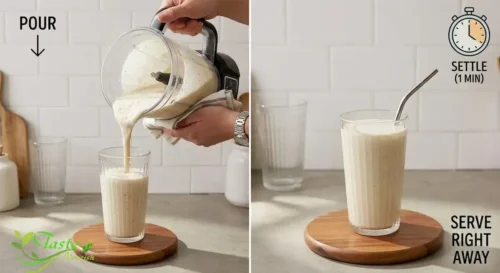
7. Pour into a tall glass and serve right away. Whey-based shakes can be foamy, so let it stand for a minute before drinking if you do not like the froth.
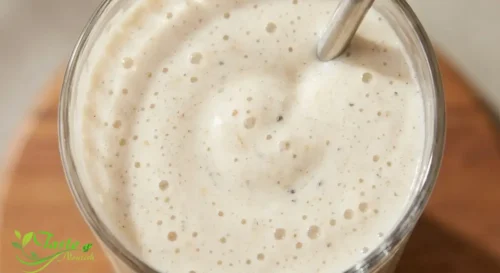
Getting the Thickness Right
The ratio in this banana protein shake recipe is roughly 1 cup of frozen fruit to 1¼ cups of total liquid and yogurt combined. That produces a drinkable, spoonable shake. Protein powders absorb liquid differently: casein and many plant powders thicken noticeably as they sit, while whey stays thinner.
If your powder is a casein or plant blend, start with an extra 2 tablespoons of milk and blend a few seconds longer. If the banana is not fully frozen, the shake will be thinner and less cold, and a few ice cubes will not fix it without watering down the flavor. Freeze the fruit instead.
A Post Workout Banana Protein Recipe: Timing and Fit
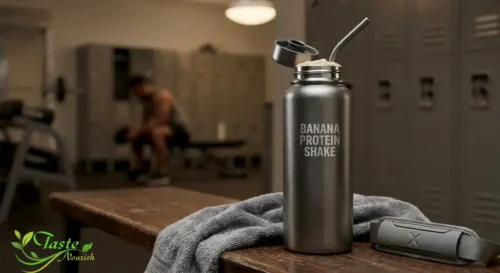
As a post workout banana protein recipe, this shake pairs carbohydrates from the banana with protein from three sources, and it is easy to drink when you do not feel like chewing. Protein needs vary by age, body size, and activity level, so use this shake as one option rather than a requirement; the Dietary Guidelines for Americans describe general protein recommendations.
If you want less sugar after training, use a smaller banana. If you want more fuel, add ¼ cup of rolled oats and blend a few seconds longer.
Substitutions That Work
- Dairy-free — Use unsweetened soy milk and a thick unsweetened soy or coconut yogurt. Protein drops slightly if you use almond milk, because it has far less protein than dairy or soy milk.
- Chocolate version — Use chocolate protein powder and add 1 teaspoon unsweetened cocoa. The banana already adds sweetness, so no extra sweetener is needed.
- Less sweet — Replace half the banana with ½ cup frozen cauliflower rice. It thickens the shake with little flavor, though the banana taste will be milder.
- Peanut butter swap — Almond butter gives a similar richness with a slightly lighter flavor. Sunflower seed butter works for nut-free kitchens.
- Without yogurt — Use 1 cup of milk and increase the powder to 1½ scoops. The shake will be thinner and slightly less tangy.
How to Fix a Shake That Isn’t Quite Right
- Too thick: Frozen bananas can make a shake surprisingly thick, especially when the powder absorbs some of the liquid. Add milk one tablespoon at a time, blending briefly after each addition until the shake reaches a smooth, pourable consistency. Adding too much milk at once can leave it thinner than intended.
- Too thin: If the banana was only partially frozen or you added more milk than needed, the shake may lack that creamy, milkshake-like texture. Blend in a few additional frozen banana slices, adding them gradually. Alternatively, mix in 2 tablespoons of Greek yogurt for a thicker texture with a slight tang.
- Too sweet: A very ripe banana or a sweetened powder can make the finished shake sweeter than expected. Stir in a tablespoon of plain Greek yogurt to balance the sweetness with a little tang. A small squeeze of lemon juice can also brighten the flavor, but start with just a few drops so the citrus doesn’t overpower the banana.
- Chalky or gritty: This texture can occur when the powder hasn’t fully blended into the liquid. Blend for another 15 seconds, then check the consistency before blending again. If the powder needs a little more time to hydrate, let the shake rest for about a minute and stir. Some powders naturally remain slightly grainy, even after thorough blending.
- Bland: A shake can taste flat when the banana flavor is mild or the other ingredients lack contrast. Try adding a small pinch of salt and a little extra cinnamon, then blend briefly and taste again. The salt should be barely noticeable; its purpose is to balance the flavors, not make the shake taste salty.
- Not banana-forward enough: For a more pronounced banana flavor, start with a fully ripe banana before freezing it. The yellow peel should have a few brown speckles, without signs of spoilage. If the banana flavor still seems subtle, add a small drop of vanilla extract to round out the flavor without overwhelming the other ingredients.
Common Mistakes to Avoid
- Using an unripe banana. It tastes starchy and needs added sweetener. Wait for freckles on the peel.
- Adding powder last. Dry powder sits on top of the frozen fruit and clumps. Add it with the liquid.
- Using ice and a fresh banana. The shake ends up thin and weak. Freeze the banana instead.
- Using two scoops of powder. The shake turns thick, foamy, and dry in the mouth. One scoop plus yogurt is usually enough.
- Freezing whole bananas in the peel. They are hard to peel and slice once frozen. Peel and slice first.
Can You Make a Banana Protein Shake Ahead?
This shake tastes best within minutes of blending. Banana darkens as it is exposed to air, and the shake will thicken and separate slightly as it sits. If you need to prepare it ahead, the safest and best-tasting method is to pre-portion the dry ingredients and frozen banana in a bag or container, then add the milk and yogurt and blend when you are ready.
Because the shake contains milk and yogurt, it should not sit out. USDA guidance says perishable food should not stay in the temperature danger zone between 40 °F and 140 °F for more than 2 hours, or 1 hour when the temperature is above 90 °F. If you do store a finished shake, keep it in a sealed container in a refrigerator at 40 °F or below, and for best quality drink it within about 24 hours. Shake or stir it well before drinking, because it will have separated. If the shake was left out too long, discard it rather than tasting it to check.
Can You Freeze a Banana Protein Shake?
You can, though the texture will change. Pour the finished shake into an ice cube tray or a freezer-safe container, leaving about an inch of headspace because liquid expands as it freezes. Frozen foods held at 0 °F stay safe indefinitely according to USDA freezing guidance, but quality declines over time.
Thaw in the refrigerator, not on the counter, and re-blend, because the shake will separate and the texture will be less smooth than fresh. Frozen shake cubes also work well as a ready-to-blend base: drop a few in the blender with a splash of milk.
Serving Suggestions
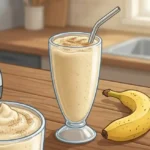
Serve this banana protein shake in a tall glass right after blending, while it is thick and cold. A sprinkle of cinnamon on top is enough. For a heartier breakfast, serve it with a slice of whole-grain toast with nut butter. If you are drinking it on the way out of the gym, pour it into an insulated bottle to keep it cold, but drink it the same day and keep it cool.
Handling Bananas and Equipment Safely
Even though you will peel the banana, wash it under running water first. The FDA recommends washing produce even when you plan to peel it, because a knife or your hands can transfer germs from the peel to the fruit. Clean your blender jar and lid soon after use, since dairy residue left on the blades can spoil and cause odors.
Nutrition Facts
Approximate amount per serving (1 shake, about 16 ounces, including the optional peanut butter):
- Calories: about 490
- Protein: about 46 g
- Carbohydrates: about 49 g
- Fat: about 13 g
- Fiber: about 4.5 g
- Sugar: about 32 g, mostly naturally occurring from banana, milk, and yogurt
These values are calculated estimates based on typical ingredient data from USDA FoodData Central, not laboratory-tested values. Protein powders differ by brand, so check your label. Without the peanut butter, expect about 400 calories and 42 grams of protein.
Banana Protein Shake Recipe FAQs
Can I use a fresh banana instead of a frozen one?
Yes, but the shake will be thinner and less cold. Add about 1 cup of ice, or reduce the milk to ½ cup, to get closer to the same thickness. Expect a milder flavor and a slightly watery finish with ice.
How much protein is in this shake?
About 46 grams with the peanut butter, based on a powder with 24 grams per scoop. Check your own powder label, because scoop sizes and protein content vary.
Do I need to add sweetener?
Usually not. A ripe banana provides enough sweetness for most people, and many protein powders are already sweetened. Taste before adding anything.
Can I make it with plant-based protein powder?
Yes. Pea and soy-based powders tend to thicken faster than whey, so add a little extra milk and blend a bit longer for a smooth finish.
Why does my shake taste chalky?
Chalkiness usually comes from undissolved powder or too much of it. Stick to one scoop, add it with the liquid, and blend for the full 30 to 45 seconds.
Is a banana protein shake a meal replacement?
It can work as a quick snack or light breakfast, but it contains little of the variety found in a full meal. Pair it with whole foods when you need more.
Banana Protein Shake
A thick, creamy banana protein shake made with a frozen banana, Greek yogurt, milk, and one scoop of protein powder. No ice is needed.
1
servings5
minutes1
minute490
kcalIngredients
1 large banana, peeled, sliced, and frozen (about 1 cup of slices, or 135 g)
1 scoop vanilla protein powder (about 30 g)
1/2 cup plain Greek yogurt, nonfat or low-fat (about 120 g)
3/4 cup milk, dairy or unsweetened soy (about 180 ml)
1 tablespoon peanut butter, optional (about 16 g)
1/8 teaspoon ground cinnamon
1/8 teaspoon vanilla extract
1 small pinch of salt
Directions
- Peel the banana, slice it into coins about 1/2 inch thick, and spread them on a plate or tray in a single layer. Freeze for at least 2 hours, until firm.
- Pour the milk into the blender jar first.
- Add the yogurt, protein powder, vanilla, cinnamon, salt, and peanut butter, if using.
- Add the frozen banana slices last.
- Blend on low for 10 seconds, then on high for 30 to 45 seconds, until the shake is uniformly pale with no flecks of powder or banana chunks.
- If the blades spin without pulling the mixture down, add 1 to 2 tablespoons more milk and blend again.
- Pour into a tall glass and serve right away.
Notes
- Nutrition is approximate and varies by brand. Add milk 1 tablespoon at a time if the shake is too thick.
Final Thoughts
This banana protein shake recipe works because the frozen banana, Greek yogurt, and a single scoop of powder do the work that ice and extra sweetener usually do. For the best result, freeze ripe banana slices ahead of time and always add the liquid first.
References
- Danger Zone (40 °F – 140 °F). U.S. Department of Agriculture, Food Safety and Inspection Service. https://www.fsis.usda.gov/food-safety/safe-food-handling-and-preparation/food-safety-basics/danger-zone-40f-140f
- Freezing and Food Safety. U.S. Department of Agriculture, Food Safety and Inspection Service. https://www.fsis.usda.gov/food-safety/safe-food-handling-and-preparation/food-safety-basics/freezing-and-food-safety
- Selecting and Serving Produce Safely. U.S. Food and Drug Administration. https://www.fda.gov/food/buy-store-serve-safe-food/selecting-and-serving-produce-safely
- FoodData Central. U.S. Department of Agriculture. https://fdc.nal.usda.gov/
- Dietary Guidelines for Americans. U.S. Department of Agriculture and U.S. Department of Health and Human Services. https://www.dietaryguidelines.gov/