Flax seeds show up in smoothies, granola, and bread recipes constantly, but knowing how to use flax seeds well makes a real difference in whether you actually get anything out of them. The form you buy, how you store it, and how much you eat in a day matter more than most quick tips let on.
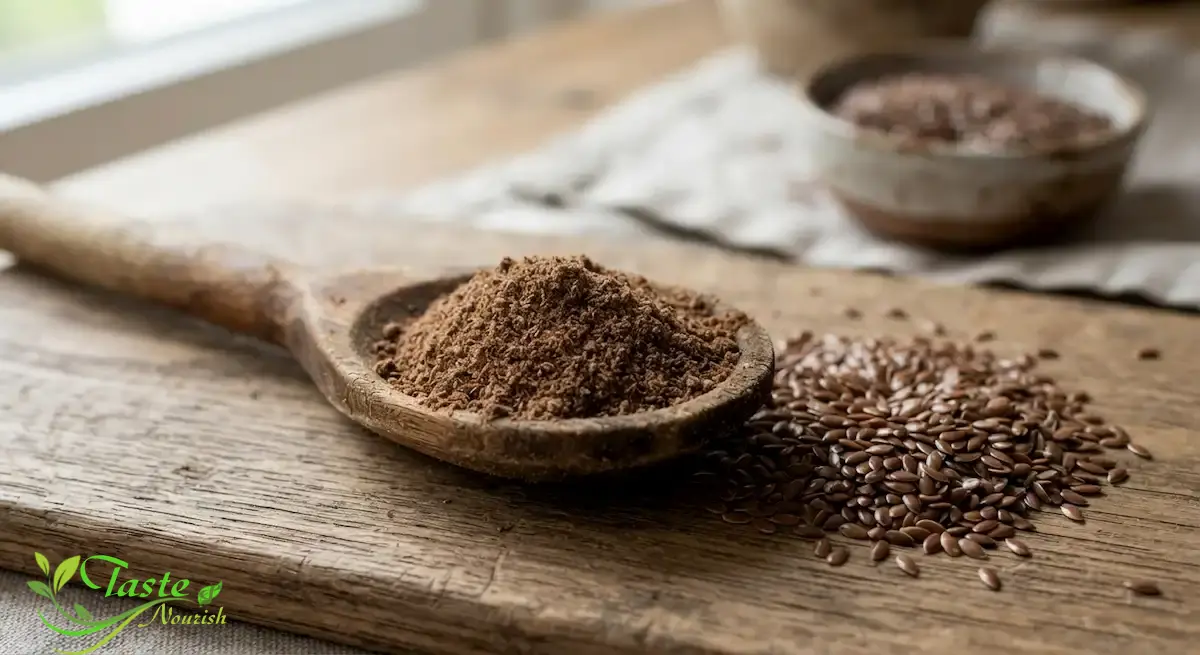
The most effective way to use flax seeds is to grind them and stir about 1 to 2 tablespoons into foods you already eat, such as oatmeal, yogurt, smoothies, baked goods, or sauces. Whole flax seeds often pass through the digestive tract largely intact, so grinding them (or buying pre-ground flaxseed meal) is what allows your body to absorb the fiber, fat, and plant compounds inside.
Key Takeaways: How to Use Flax Seeds
Learning how to use flax seeds mostly comes down to one rule: grind them. Whole seeds frequently pass through the gut undigested.
A practical daily amount for most healthy adults is roughly 1 to 2 tablespoons of ground flaxseed, mixed into food rather than eaten alone.
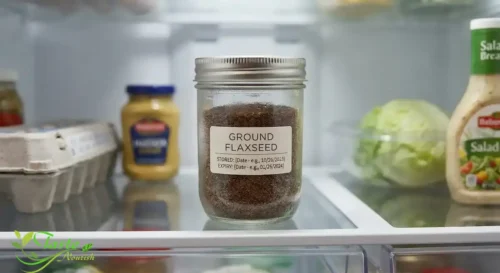
Ground flaxseed oxidizes faster than whole seed, so keeping it in an airtight container in the refrigerator or freezer helps preserve its quality.
Flax seeds work well stirred into oatmeal and smoothies, baked into bread or muffins, and used as an egg substitute in some vegan baking.
Raw or unripe flax seeds should be avoided; seeds that are ground, roasted, or baked as usual are considered the safer everyday form.
Anyone on blood-thinning medication, pregnant, or managing a digestive condition should check with a healthcare provider before making flax seed a daily habit, since research in these areas is limited.
What Are Flax Seeds?
Flax seeds come from the flax plant, Linum usitatissimum, one of the oldest cultivated crops, historically grown for both its fiber and its seed oil (Britannica). The small, oval seeds range from reddish-brown to pale gold depending on the variety, and both colors are nutritionally similar.
You’ll typically find flax sold three ways: whole seed, ground flaxseed (also called flaxseed meal), and flaxseed oil, each of which behaves a little differently in cooking and in the body.
Flax Seed Nutrition Facts
According to Mayo Clinic, one tablespoon (about 7 grams) of ground flaxseed provides approximately 37 calories, 2 grams of polyunsaturated fat (including the plant omega-3 alpha-linolenic acid, or ALA), and 2 grams of dietary fiber.
Harvard Health cites a similar tablespoon serving as providing about 2 grams of protein and roughly 3 grams of fiber, a small variation likely explained by differences in seed form and rounding between databases .
Nutrient
Amount per 1 Tbsp Ground Flax Seed (~7 g)
Calories
37
Total Fat
~3 g (about 2 g polyunsaturated, largely ALA omega-3)
Carbohydrate
~2 g
Dietary Fiber
2–3 g
Protein
~1–2 g
Flax seeds also supply meaningful amounts of minerals and B vitamins, including magnesium, phosphorus, manganese, iron, and thiamine, along with plant compounds called lignans, which are concentrated in flax seed more than in most other foods in the typical diet (Britannica; MDPI, 2025). Exact mineral values vary somewhat by soil, growing region, and whether the seed is whole or ground, so treat these as general characteristics rather than fixed numbers.
Whole vs. Ground Flax Seeds: Which Should You Use?
This is the single most important decision in using flax seeds well. Mayo Clinic notes that most nutrition experts recommend ground over whole flaxseed specifically because the ground form is easier to digest — whole seeds can pass through the intestine largely intact, meaning you miss out on much of their fiber and fat content .
A related Mayo Clinic discussion adds that it isn’t entirely clear which specific components of flaxseed drive its potential heart-health effects, so getting the whole ground seed — rather than an isolated oil or extract — is generally considered the more complete option.
In practice, that means:
Buy pre-ground flaxseed meal, or grind whole seeds yourself in a coffee grinder or small food processor.
If you prefer whole seeds for texture (in granola or as a topping), understand you’re getting a smaller nutritional return per spoonful.
Grinding a batch and storing it properly is more practical for daily use than grinding fresh every time, as long as you store it correctly (see storage tips below).
How to Use Flax Seeds in Everyday Meals
Ground flaxseed has a mild, slightly nutty flavor and blends into most foods without changing the taste much, which is part of why it’s easy to work into a routine.
Breakfast and Smoothies
Stir a tablespoon into oatmeal, yogurt, or cottage cheese, or blend it directly into a smoothie. Because flaxseed’s fiber forms a gel when it meets liquid, it can also lightly thicken a smoothie or overnight oats.
Baking, Including as an Egg Substitute
Ground flaxseed mixed with water forms a gel that can replace eggs in some baked goods, particularly muffins, pancakes, and quick breads. A common ratio is 1 tablespoon of ground flaxseed whisked with 3 tablespoons of water and left to sit for a few minutes until it thickens, used in place of one egg. It works best in recipes that don’t rely on eggs for a lot of structure or rise, such as denser baked goods rather than airy cakes.
Savory Dishes and Sauces
Flaxseed meal can be stirred into soups, sauces, meatballs or veggie burgers as a binder, or sprinkled over salads and roasted vegetables. Its neutral flavor makes it easy to fold into dishes that aren’t sweet.
A Few Practical Tips
Grind only what you’ll use in the next few weeks, or buy small bags of pre-ground meal, since ground flax loses freshness faster than whole seed.
Add ground flaxseed to a liquid (water, milk, batter, smoothie) rather than eating it dry, both for texture and to help the fiber do its job.
Start with a smaller amount, such as 1 teaspoon to 1 tablespoon a day, and increase gradually to let your digestive system adjust.
Pair flaxseed with plenty of fluids, since its fiber absorbs water.
Use whole seeds for crunch on top of a dish, but rely on ground flaxseed if the goal is nutrition rather than texture.
Toast ground flaxseed lightly in a dry pan if you want a slightly nuttier flavor in baked goods, but avoid prolonged high heat, which can degrade its fats.
How to Eat Flax Seeds Daily: A Reasonable Amount
There’s no single official serving size specifically for flax seed, but mainstream clinical guidance offers a useful range. Cleveland Clinic suggests aiming for around 2 tablespoons of ground flaxseed spread across the day as a practical way to work toward the adult Adequate Intake for ALA, which is about 1.6 grams a day for men and 1.1 grams a day for women, according to the National Institutes of Health Office of Dietary Supplements (NIH Office). Many people find 1 to 2 tablespoons a day, split between meals, easy to sustain without digestive discomfort.
The National Center for Complementary and Integrative Health (NCCIH) notes that higher doses of flaxseed or flaxseed oil supplements can cause bloating, fullness, or diarrhea, and it does not establish a single “ideal” clinical dose for general dietary use (NCCIH). Rather than chasing a maximum amount, it’s more useful to find a portion that fits comfortably into your usual meals and stick with it consistently.
Why People Add Flax Seeds to Their Diet
Flax seed’s appeal comes from three components working together: fiber, ALA omega-3 fat, and lignans, a group of plant compounds with mild estrogen-like activity. A registered dietitian at Cleveland Clinic explains that flaxseed’s soluble fiber forms a gel in the digestive tract that can slow digestion, which is one reason flaxseed is often used to support regularity and has been associated with modest improvements in cholesterol and blood sugar markers.
Mayo Clinic similarly notes that flaxseed may help lower total and LDL (“bad”) cholesterol, which in turn may help reduce cardiovascular risk, though it adds that researchers aren’t yet certain which specific component of flaxseed is responsible, or whether the fiber, fat, lignans, or their combination matters most.
A peer-reviewed review of flaxseed research describes similar anti-inflammatory, antioxidant, and lipid-modulating properties tied to its ALA and lignan content, while also noting that much of this evidence spans a mix of laboratory, animal, and human studies of varying strength (PubMed).
In short: the nutritional case for flaxseed is reasonably solid, but it’s fair to describe most of its specific health effects as “may support” rather than proven or guaranteed outcomes.
Storage Tips: Keeping Flax Seeds Fresh
Flax seed’s fat content is what makes it nutritionally useful, and also what makes it prone to going rancid if it’s mishandled. A few general principles apply:
Whole flax seed, protected by its outer coat, keeps reasonably well in a cool, dark pantry in an airtight container.
Ground flaxseed has much more surface area exposed to air, so it oxidizes noticeably faster than whole seed.
Refrigerating or freezing ground flaxseed in an airtight container slows this oxidation and helps it stay usable longer than leaving it at room temperature.
Rancid flaxseed typically smells sharp, bitter, or paint-like rather than mild and nutty; if it smells or tastes off, it’s best discarded rather than used.
Exact shelf life depends on how the seed was processed and stored, so it’s more reliable to judge freshness by smell and taste than by a fixed timeline.
Possible Drawbacks and Who Should Be Careful
Flax seed is generally well tolerated as a food, but a few points are worth knowing before making it a daily habit.
Raw or unripe seeds: NCCIH advises against eating raw or unripe flax seeds, since they may contain compounds that are potentially toxic in that state. Flax seed that has been ground, roasted, or baked as part of a normal recipe is considered the appropriate everyday form (NCCIH).
Digestive symptoms: Because of its fiber content, eating a lot of flaxseed at once, especially without enough fluid, can cause bloating, gas, or diarrhea. Increasing your intake gradually tends to reduce this.
Medication interactions:NCCIH notes there are theoretical reasons flaxseed or flaxseed oil could interact with certain medications, including blood thinners, so anyone taking prescription medication should talk with a healthcare provider before adding flaxseed regularly .
Pregnancy and breastfeeding:NCCIH describes the evidence on flaxseed use during pregnancy as inconclusive, with some studies suggesting it is possibly unsafe, and states that little is known about its safety while breastfeeding. This is a case where checking with a healthcare provider first is the more cautious approach .
Allergies: As with any seed, a flaxseed allergy is possible, though uncommon. Anyone with a known seed allergy should introduce it cautiously or avoid it.
Common Misconceptions About Using Flax Seeds
Myth: Whole and ground flax seeds are nutritionally interchangeable. In practice, whole seeds often pass through the digestive tract without being fully broken down, so much of their fiber and fat may go unabsorbed. Grinding is what makes the nutrients accessible (Mayo Clinic).
Myth: Flaxseed oil gives you everything whole or ground flaxseed does. Flaxseed oil concentrates the ALA fat but leaves behind the fiber and much of the lignan content, so it isn’t a full substitute for the seed itself .
Myth: Raw flax seed is the most “natural” and therefore the best way to eat it. Health authorities specifically advise against raw or unripe seeds; the ground, roasted, or baked forms used in typical cooking are the appropriate choice (NCCIH).
How to Use Flax Seeds FAQs
What is the best way to use flax seeds?
Grind them and stir 1 to 2 tablespoons into food you already eat, such as oatmeal, smoothies, yogurt, or baked goods, rather than eating whole seeds on their own.
How do you eat flax seeds daily without digestive upset?
Start with a small amount, such as a teaspoon a day, mixed into a liquid or moist food, and increase gradually while drinking enough fluids.
Is it better to eat flax seeds whole or ground?
Ground is generally considered the better everyday choice, since whole seeds may pass through digestion largely intact.
Can you eat too much flax seed?
Large amounts, especially without enough fluid, can cause bloating, gas, or diarrhea. There’s no single official upper limit for food use, so a moderate, consistent daily amount is the more practical approach.
Do flax seeds need to be refrigerated?
Whole seeds can generally be kept in a cool, dark pantry, but ground flaxseed stays fresher longer when refrigerated or frozen in an airtight container.
Can you substitute flax seed for eggs in baking?
Yes, in many recipes. A common approach is 1 tablespoon of ground flaxseed mixed with 3 tablespoons of water, left to thicken, and used in place of one egg — best suited to denser baked goods rather than recipes that rely on eggs for a lot of lift.
Conclusion
The practical answer to how to use flax seeds comes down to a short list: buy or grind it fresh, mix a tablespoon or two into meals you’re already making, store it properly so the fats don’t go rancid, and keep an eye on portion size and any relevant health conditions or medications. Used this way, flax seed is a simple, inexpensive way to add fiber and plant-based omega-3 fat to a regular diet, without needing to treat it as a cure-all or a complicated addition to your routine.
Hanan Abo Samra is the founder of Taste & Nourish, sharing trustworthy nutrition guidance and recipes drawn from 20+ years of hands-on cooking experience. When she's not developing new recipes, Hanan is researching the science behind everyday ingredients to bring readers practical, evidence-based guidance for a healthier lifestyle.