If you’ve ever wondered why your olive oil tastes flat, waxy, or just “off” compared to when you first opened the bottle, storage is almost always the reason. Knowing how to store olive oil correctly is the single biggest factor in whether it keeps its peppery bite and fruity aroma or turns dull and stale months before the date on the label.
The short version: keep it in a dark, tightly sealed container, away from heat and light, and use it within a reasonable window after opening. The rest of this guide walks through exactly how to do that, what containers work best, and how to tell when a bottle has gone downhill.
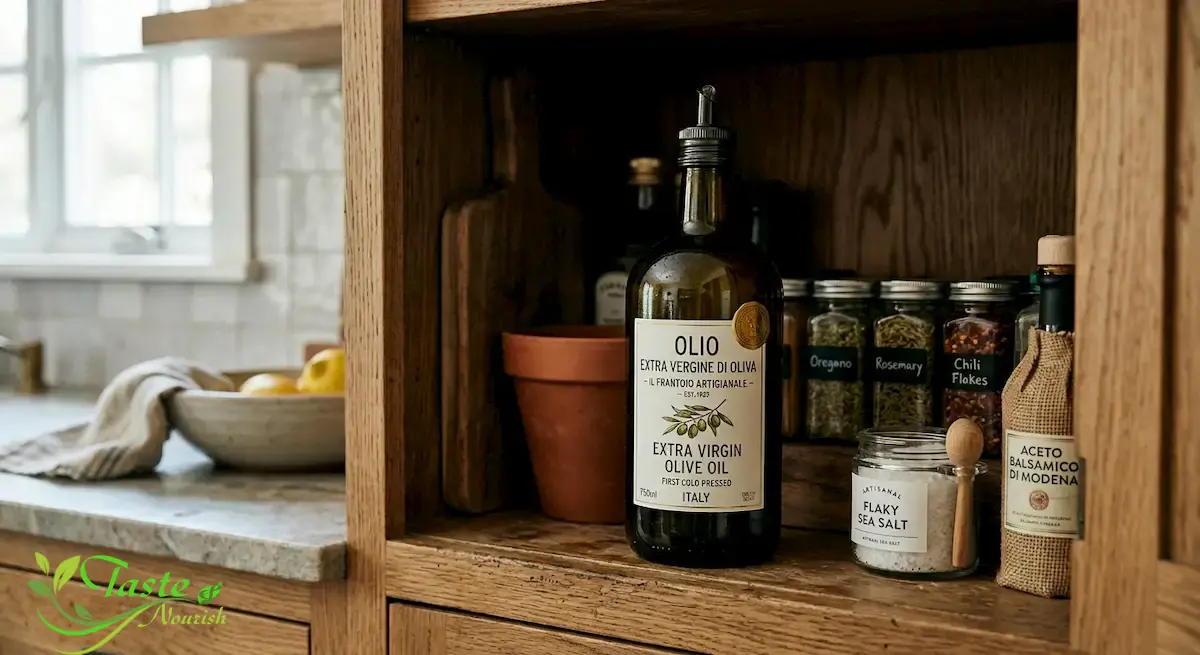
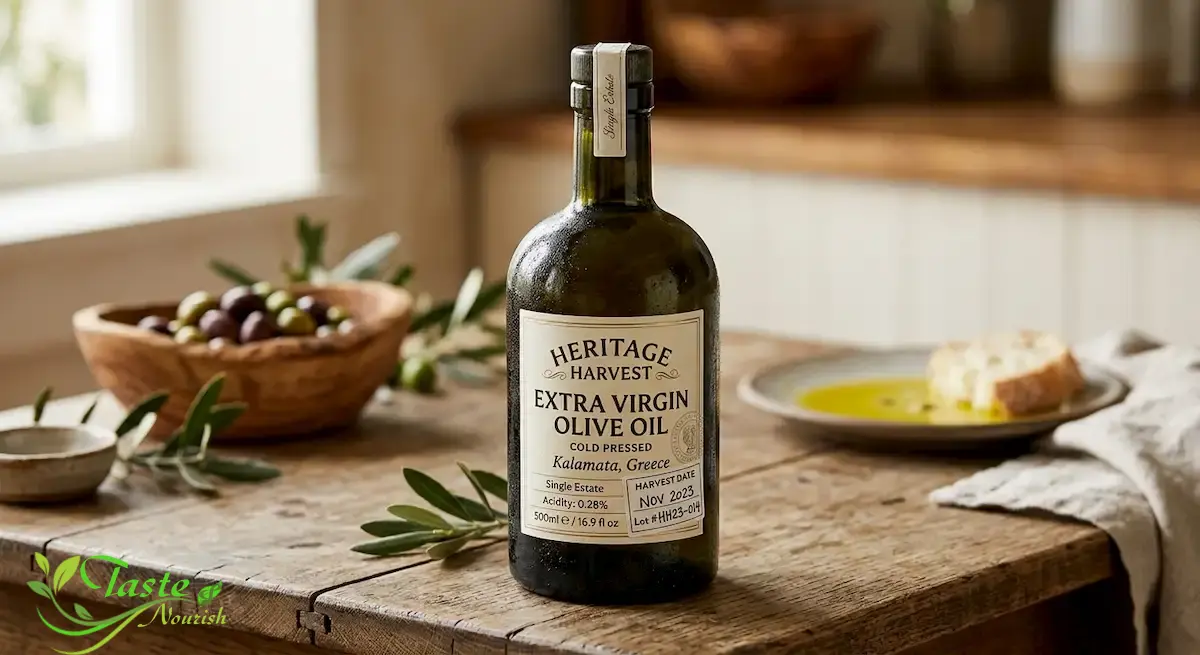
The best way to store olive oil is in its original dark glass or tin container, tightly capped, in a cool cabinet or pantry away from the stove, oven, and any window. Olive oil is a fresh product that degrades through exposure to light, heat, and air, so minimizing all three is the key to how to store olive oil properly. Aim for a spot that stays consistently below room temperature and never gets warm from cooking appliances.
Key Takeaways
Store olive oil in a dark, airtight container away from heat and sunlight.
A cabinet away from the stove works better than a countertop rack or windowsill.
Light and heat are the two fastest ways to ruin olive oil’s flavor.
Opened bottles should be used within a few months for the best taste.
What You Need to Know About Olive Oil Storage
Olive oil is not like vinegar or honey. It doesn’t improve with age, and it isn’t shelf-stable in the same indefinite way as salt or sugar. It’s a fresh fruit juice, pressed from olives, and like any fruit product it slowly breaks down through a chemical process called oxidation.
Three things speed up oxidation: light, heat, and air. Every time olive oil is exposed to one of these, it moves a little closer to rancidity. None of this makes old olive oil dangerous to eat in the way spoiled meat or dairy can be. Rancid olive oil is a quality problem, not typically a food-safety hazard, but it does taste noticeably worse and loses much of the flavor and aroma that make good olive oil worth buying in the first place.
This is also why the color of the bottle, the tightness of the cap, and where you keep it in your kitchen matter far more with olive oil than with most other pantry staples.
How to Store Olive Oil the Right Way
Follow these steps for everyday storage of both opened and unopened bottles.
Keep it in a dark container. Dark green or amber glass, tin, or stainless steel all block light. If your oil came in clear glass, consider transferring it to a dark bottle or keeping it inside a cabinet at all times.
Seal it tightly after every use. Air exposure accelerates oxidation, so screw the cap back on completely rather than leaving a pour spout open.
Pick a cool, dark spot. A pantry shelf or a cabinet away from the oven is ideal. Avoid anywhere that gets warm or gets direct sun for part of the day.
Keep it away from the stove and dishwasher. These are two of the most common storage spots in a kitchen, and both expose oil to repeated heat and steam.
Buy a size you’ll finish in a few months. A large tin looks economical, but if it sits half-used for a year, you lose more in flavor than you saved in cost. Decant into a smaller daily-use bottle if needed, and keep the reserve sealed and dark.
Label opened bottles with the date. A small piece of tape with the date you opened it helps you track freshness, since “best by” dates only apply to unopened oil.
Best Way to Store Olive Oil for Maximum Freshness
The best way to store olive oil for the long haul is to treat it more like a bottle of wine than a bottle of vinegar: cool, dark, upright, and undisturbed. Research from the University of California, Davis Olive Center has repeatedly found that packaging material makes a measurable difference in how fast oil degrades, with dark or opaque containers slowing oxidation compared to clear glass or plastic.
If you buy olive oil in bulk from a specialty shop where it’s dispensed from a large steel tank, ask whether they keep the tank away from light and heat, since the same principles that protect oil on an industrial scale apply at home.
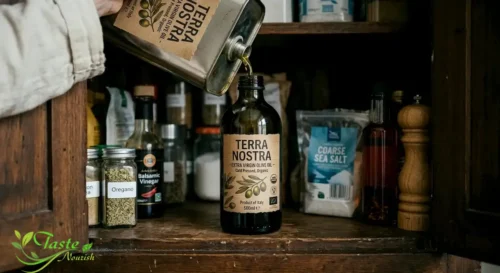
Once you get it into your kitchen, decanting a working amount into a small dark bottle for daily use, while keeping the bulk of your supply sealed in its original container in a dark cabinet, gives you the convenience of easy pouring without exposing your whole supply to light every time you cook.
Olive Oil Storage Tips for Light and Heat
Light and heat deserve special attention because they’re the two factors most home cooks unintentionally get wrong.
Light. Ultraviolet and even regular kitchen light can break down chlorophyll and other compounds in olive oil, dulling flavor and reducing its natural antioxidants. A bottle sitting on an open shelf or a sunny counter can lose noticeable quality within weeks. If you like displaying your olive oil, choose a spot away from direct light, or keep a decorative bottle for show and your working bottle inside a cabinet.
Heat. Warm temperatures speed up every chemical reaction involved in oxidation. The cabinet directly above or beside the stove is one of the worst places to keep oil, even though it’s also one of the most convenient. The same goes for shelves near the oven, a sunny windowsill, or anywhere temperatures swing between hot and cool throughout the day.
A steady, cool temperature, ideally somewhere in the range university food-quality researchers recommend for bulk storage, around the high 50s to mid 60s Fahrenheit, does far more to protect flavor than any container choice alone.
Best Containers, Tools, and Equipment for Storing Olive Oil
You don’t need specialty gear to store olive oil well, but the right basics help:
Dark glass bottles (green, amber, or cobalt) block most damaging light while letting you see the oil level.
Tin containers block all light and are common for larger volumes.
Stainless steel canisters work well for countertop use if you want oil handy but still protected from light.
A pour spout or cruet with a tight cap is fine for daily use as long as it’s opaque and you refill it in small amounts rather than leaving it exposed for weeks.
Avoid clear glass for anything other than very short-term countertop use, and avoid long-term storage in reactive metals or thin plastic, which can allow more oxygen transfer and, in some cases, off-flavors from the container itself.
How Long Does Olive Oil Last?
Unopened olive oil, stored properly in a cool, dark place, generally holds good quality for well over a year from its bottling date, and many bottles carry a “best by” date roughly 18 to 24 months out. Once opened, oil is exposed to air every time you pour it, so quality declines faster.
Most quality-focused producers and olive oil researchers recommend using an opened bottle within a couple of months for the brightest flavor, understanding that it remains usable well beyond that, just less vibrant.
These are quality timelines, not sharp safety cutoffs. Olive oil doesn’t have a single day where it flips from fine to unsafe; it fades gradually, and how quickly depends entirely on how well it’s been stored.
Should You Refrigerate Olive Oil?
Refrigeration isn’t necessary for olive oil and isn’t the traditional way to store it, but it isn’t harmful either. Cold temperatures will make olive oil turn cloudy and even solidify into a butter-like consistency; this is a normal physical reaction to cold, not spoilage, and the oil returns to its liquid state and normal appearance once it warms back up at room temperature.
Some people refrigerate a bottle they know they won’t use for a long stretch, then move a smaller amount to a countertop cabinet for regular cooking. For most home cooks, though, a cool, dark cabinet does the job without the inconvenience of a solid block of oil.
Can You Freeze Olive Oil?
Freezing isn’t a standard storage method for olive oil, mainly because it isn’t needed. Olive oil already has a long shelf life when kept cool and dark, so freezing offers little practical benefit for everyday bottles. That said, olive oil can be frozen without safety concerns. Some cooks freeze small portions in ice cube trays, then transfer the frozen cubes to a freezer bag, as a way to portion oil for cooking or to preserve a batch of homemade herb-infused oil.
Frozen olive oil will thaw back to a liquid at room temperature, though repeated freezing and thawing isn’t necessary and won’t improve its quality.
How to Tell If Olive Oil Has Gone Bad
Because rancidity is gradual, trust your nose and your eyes rather than a single date on the bottle. Signs that a bottle has passed its prime include:
A crayon-like or putty smell. This is the classic sign of oxidized oil, replacing the fresh, grassy, or peppery aroma of good olive oil.
A flat, greasy, or dull taste instead of the fruity or slightly bitter finish fresh oil should have.
A musty or stale odor that wasn’t there when you first opened the bottle.
Cloudiness that doesn’t clear at room temperature (as opposed to the normal, temporary cloudiness from refrigeration).
Visible sediment buildup or a change in color over a long storage period, particularly darkening.
If oil smells or tastes rancid, it’s best to discard it rather than cook with it, since the flavor will carry into whatever you’re making.
Food Quality vs. Food Safety: Understanding the Dates
It helps to separate two different questions: is this oil still good, and is this oil still safe? A “best if used by” date, which is what you’ll typically find on an olive oil label, is a manufacturer’s estimate of peak quality, not a safety deadline. According to federal guidance on food date labeling, these quality dates are not required by law for most products and are not an indicator of whether a food is safe to eat.
In practice, this means olive oil past its “best by” date isn’t automatically unsafe. It may simply taste less vibrant. The exception is if the oil shows clear signs of spoilage, like a strongly rancid smell, in which case quality has declined enough that it’s no longer worth using, even though the risk is about flavor rather than illness.
Common Mistakes to Avoid When Storing Olive Oil
Keeping the bottle next to the stove. It’s convenient while cooking, but it’s one of the warmest, most exposed spots in the kitchen. Move your working bottle to a nearby cabinet instead.
Storing oil in clear glass on an open shelf. If your bottle came in clear glass, keep it inside a cabinet rather than on display.
Leaving the cap loose or the pour spout open. Every extra minute of air exposure adds up over time.
Buying more than you’ll use in a few months. A giant tin can seem like a bargain, but oil that sits half-finished for a year will taste noticeably worse than a smaller, fresher bottle.
Assuming refrigeration is required. It isn’t necessary, and dealing with solidified oil is more hassle than it’s worth for regular use.
Ignoring the smell test. Many cooks keep using oil out of habit without noticing it’s turned. A quick sniff before cooking takes seconds.
Decanting into reactive or unlabeled containers. Always use food-safe containers, and label anything you transfer oil into so you don’t lose track of how old it is.
Expert Kitchen Tips
Buy olive oil in a size you’ll realistically finish within two to three months of opening for the best flavor.
Store your everyday bottle in the cabinet farthest from the stove, not the one right above it.
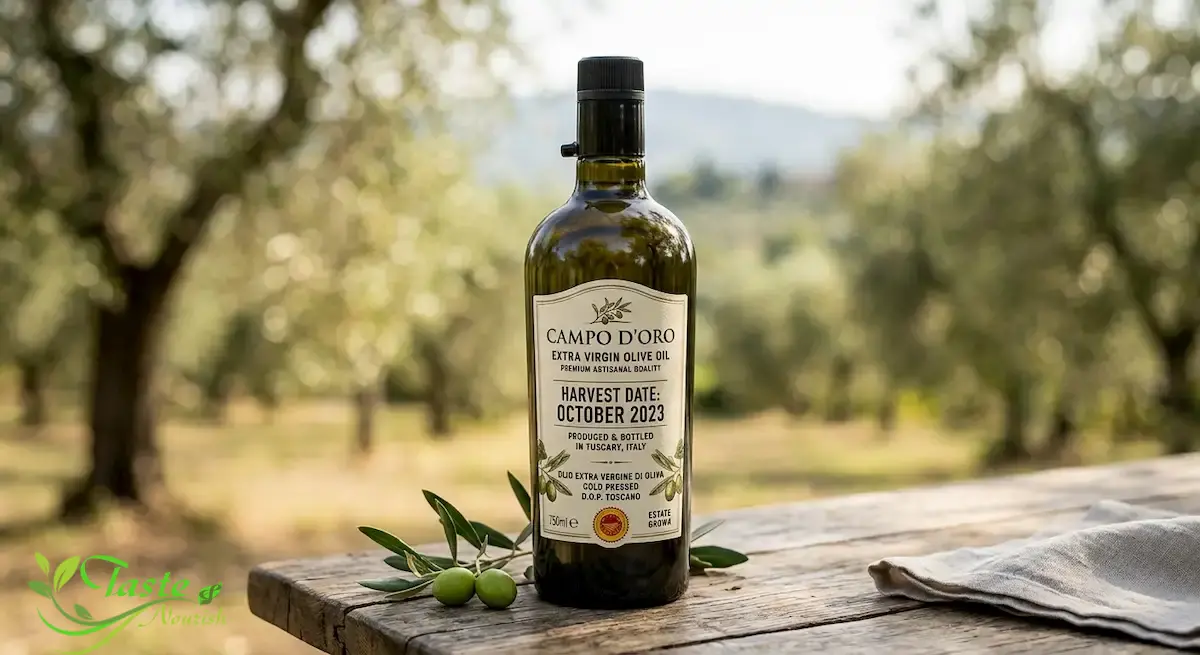
If you love a particular olive oil, buy it closer to harvest season rather than stockpiling a year’s supply.
Keep a small dark bottle for daily use and a larger sealed tin as backup stock in a cooler spot.
Give a bottle a quick smell before using it in a dish you care about, especially if it’s been open for a while.
Don’t judge freshness by color alone; color varies naturally by olive variety and harvest time.
If oil solidifies in the fridge, let it sit at room temperature for an hour or two rather than trying to speed it up with heat.
Variations: Storing Different Types of Olive Oil
Extra virgin olive oil, being less processed, is more sensitive to light and heat than refined olive oil, so it benefits the most from careful storage. Homemade infused oils, such as garlic or herb-infused olive oil, are a different situation altogether: because fresh ingredients can introduce bacteria that grow in a low-oxygen environment, these should be refrigerated and used within a short window, typically just a few days, rather than stored at room temperature like plain olive oil.
♦ If you make infused oils regularly, treat them as a perishable item, not a pantry staple.
Quick Reference Table
Storage Factor
Recommendation
Why It Matters
Container
Dark glass, tin, or stainless steel
Blocks light that speeds oxidation
Location
Cool cabinet away from the stove or oven
Heat accelerates flavor breakdown
Seal
Cap tightened fully after each use
Limits air exposure
Refrigeration
Optional, not required
Safe, but causes temporary cloudiness or solidifying
Unopened shelf life
Generally good well past a year before the “best by” date
Quality guideline, not a safety cutoff
Opened shelf life
Best used within a couple of months
Air exposure from repeated pouring speeds decline
How to Store Olive Oil FAQs
How do you store olive oil at home?
Keep olive oil in a dark, tightly sealed container in a cool cabinet away from the stove, oven, and direct sunlight. This protects it from the light, heat, and air exposure that cause it to lose flavor over time.
What is the best way to store olive oil long term?
For long-term storage, keep unopened tins or dark glass bottles sealed in a cool, dark pantry, and only bring out a smaller working bottle for daily cooking so the rest of your supply stays protected from repeated light and air exposure.
Does olive oil need to be refrigerated?
No, refrigeration isn’t required. A cool, dark cabinet works well for regular storage. Refrigerating oil is safe if you prefer it, but it will turn cloudy and solid until it warms back to room temperature.
Can you freeze olive oil?
Yes, olive oil can be frozen safely, though it isn’t a common or necessary practice for everyday bottles. Freezing in small portions can be useful for preserving homemade infused oils or portioning oil for later use.
How long does olive oil last once opened?
An opened bottle generally tastes best when used within a couple of months, though it remains usable for longer. Flavor gradually fades from ongoing air exposure rather than the oil suddenly becoming unsafe.
Why does olive oil taste bitter or waxy after a while?
A waxy, crayon-like taste is a classic sign of oxidation, caused by prolonged exposure to light, heat, or air. It signals the oil has passed its peak quality, even though it isn’t typically a safety concern.
Is it safe to use olive oil past its best-by date?
Usually yes. A “best if used by” date reflects quality, not safety, so oil past that date is generally fine to use if it smells and tastes normal. Discard it if it smells rancid or off.
What’s the safest way to store olive oil to prevent it from going rancid?
The safest way to preserve flavor is to keep the bottle sealed, store it in a dark, cool spot away from cooking heat, and buy an amount you’ll use within a few months rather than letting it sit open for a long time.
Key Takeaways: How to Store Olive Oil
Light, heat, and air are the three main causes of olive oil losing quality over time.
Knowing how to store olive oil properly means choosing a dark container and a cool spot away from the stove.
Refrigeration is optional and safe, but not required for good storage.
“Best by” dates reflect flavor and quality, not food safety.
A rancid, waxy, or musty smell is the clearest sign it’s time to replace the bottle.
Buying smaller amounts you’ll use within a couple of months preserves flavor better than stockpiling.
Conclusion
Good olive oil is worth protecting, and doing it right doesn’t take much effort. Keep it dark, keep it cool, keep it sealed, and use it at a reasonable pace, and you’ll get the fruity, peppery flavor you paid for instead of a flat, tired-tasting oil months down the line. Once these habits become routine, how to store olive oil stops being a question and just becomes part of how your kitchen runs.
Hanan Abo Samra is the founder of Taste & Nourish, sharing trustworthy nutrition guidance and recipes drawn from 20+ years of hands-on cooking experience. When she's not developing new recipes, Hanan is researching the science behind everyday ingredients to bring readers practical, evidence-based guidance for a healthier lifestyle.