If you’ve searched for cucumber water content hydration information, you’re probably wondering how much water is actually packed into this crunchy vegetable, and whether eating it can genuinely help you stay hydrated. It’s a fair question. Cucumbers have a reputation as one of the most water-dense foods you can buy, and that reputation is backed by real nutrition data, not just marketing.
This guide breaks down exactly how much water cucumbers contain, what the research actually says about eating them for hydration, and how to fit them into a realistic daily routine without expecting them to do a job that plain water still does best.
Cucumbers are about 95 to 96 percent water, making them one of the most water-rich vegetables commonly eaten in the United States. That’s the short version of cucumber water content hydration: because cucumbers are almost entirely water, snacking on them can contribute to your daily fluid intake alongside drinking water, though research suggests whole foods like cucumber work best as a supplement to fluids, not a replacement for them.
Key Takeaways
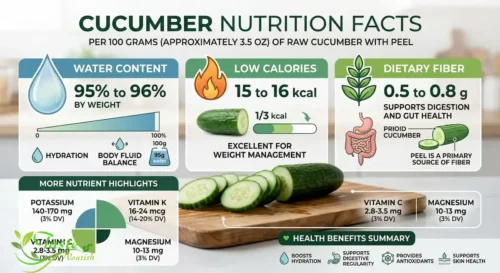
Cucumber water content hydration go hand in hand because raw cucumber is roughly 95 to 96 percent water by weight, according to United States Department of Agriculture data.
A 100-gram serving of raw cucumber has only about 15 calories, so it adds volume and fluid without much energy.
Research on children found that higher intake of water-rich fruits and vegetables was linked to better hydration status, though this evidence isn’t specific to cucumber alone.
Cucumbers still contain fiber, vitamin K, vitamin C, and potassium, so their high water content doesn’t mean they’re nutritionally empty.
Eating cucumbers can help you meet daily fluid needs, but health authorities still recommend drinking water as your primary source of hydration.
What Is a Cucumber?
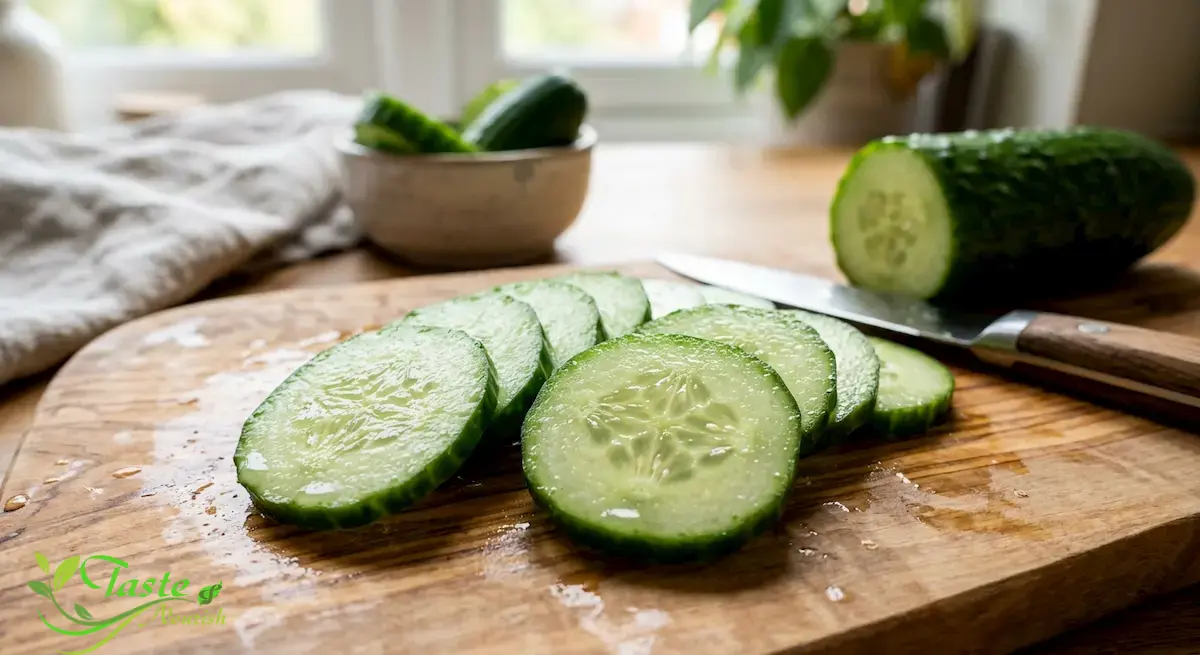
A cucumber is the fruit of the Cucumis sativus plant, a member of the gourd family that also includes melons and squash. Botanically it’s a fruit, but it’s used and cooked like a vegetable in nearly every cuisine.
There are three broad types you’ll run into at the grocery store or farmers market:
Slicing cucumbers — the common garden variety, often waxed for shelf life, usually peeled before eating.
English or hothouse cucumbers — long, thin-skinned, and typically shrink-wrapped, with fewer seeds and a milder flavor.
Pickling cucumbers — smaller, bumpier, and firmer, bred specifically for brining and canning.
All three share the same defining trait: a very high water content packed into a low-calorie, mild-tasting flesh.
Cucumber Nutrition Facts
The table below reflects standard values for raw cucumber with the peel intact, per 100 grams, based on United States Department of Agriculture food composition data.
Nutrient
Amount per 100g raw cucumber
Water
About 95.2 grams
Calories
15 kcal
Carbohydrates
3.6 grams
Dietary fiber
0.5 grams
Protein
0.7 grams
Fat
0.1 grams
Vitamin K
Modest amount, mostly in the skin
Potassium
Small but meaningful amount
Cucumber Water Content Hydration: What the Numbers Show
According to the USDA’s SNAP-Ed Connection , cucumbers are made up of about 96 percent water. Other USDA food composition records put whole raw cucumber closer to 95 percent, with peeled cucumber running slightly higher, since much of the fiber and dry matter sits in and just under the skin.
Either way, cucumber percent water is high enough that a typical serving contributes real fluid volume to your diet, even though it isn’t a beverage. For comparison, most fruits and vegetables average somewhere between 80 and 95 percent water, so cucumber sits near the top of that range.
Why People Choose Cucumbers for Hydration Benefits
Cucumbers show up constantly in hydration advice, spa menus, and summer recipe roundups, and there’s a reasonable basis for that. People reach for cucumbers for hydration benefits mainly because the vegetable delivers fluid, electrolytes, and volume without adding many calories or much sugar.
Cucumber Water Content Hydration Benefits for Your Body
Adds to daily fluid intake — Because cucumbers are mostly water, eating them contributes to the fluid you take in from food, which the Centers for Disease Control and Prevention notes can meaningfully supplement what you drink.
Low-calorie way to add volume — At roughly 15 calories per 100 grams, cucumbers can bulk up salads and meals without adding much energy, which may help with appetite management as part of a balanced diet.
Contains electrolytes like potassium — Potassium plays a role in fluid balance, so cucumbers offer a small electrolyte contribution alongside their water content.
Provides antioxidant plant compounds — Cucumbers contain flavonoids and tannins, compounds that research suggests may help neutralize free radicals, though this is separate from their hydration role.
Supports fiber intake when eaten unpeeled — The skin holds most of the fiber, which can support digestion and regularity.
Expert tip: Leave the skin on when you can. It holds most of the fiber and a good share of the vitamin K, and washing it well under running water addresses most surface residue concerns.
The Science Behind Cucumber Water Content Hydration
There isn’t a large body of research testing cucumbers specifically for hydration in controlled human trials. Most of what we know comes from broader studies on water-rich fruits and vegetables as a category, plus basic food composition analysis.
One relevant study, published in the American Journal , followed more than 1,200 dietary records and 24-hour urine samples from German schoolchildren. The researchers found that children with higher intakes of solid fruits and vegetables had better hydration status, measured through a urine-based biomarker, compared to children who ate less produce. Each additional 100 grams of fruit and vegetable intake was associated with a meaningful improvement in that hydration marker.
This study didn’t isolate cucumber specifically, so it can’t tell us cucumber performs better or worse than, say, celery or bell pepper. But it does support the general idea that water-rich produce, cucumber included, can meaningfully add to total water balance. The National Institutes of Health’s MedlinePlus Magazine echoes this, noting that fruits and vegetables with high water content can help people stay hydrated alongside drinking fluids.
What’s missing is a dedicated clinical trial isolating cucumber as the sole intervention. Until that kind of study exists, it’s most accurate to say cucumbers may help support hydration as part of an overall eating pattern, rather than claiming they hydrate the body in some unique way other water-rich vegetables don’t.
Potential Risks and Side Effects
Cucumbers are generally well tolerated, but a few things are worth knowing.
Digestive discomfort: Some people experience bloating or gas after eating cucumber, particularly the skin and seeds, due to compounds called cucurbitacins and the vegetable’s fiber content.
FODMAP sensitivity: Cucumbers contain fermentable carbohydrates that can trigger symptoms in people with irritable bowel syndrome who are sensitive to FODMAPs.
Oral allergy syndrome: People with ragweed pollen allergies occasionally notice mild itching or tingling in the mouth after eating raw cucumber, a cross-reactivity effect.
Pesticide residue on the skin: Conventionally grown, waxed cucumbers may carry more surface residue, so washing or choosing to peel them is a reasonable precaution.
Vitamin K and blood thinners: Cucumber skin contains vitamin K, which can interact with anticoagulant medications like warfarin if intake changes suddenly and significantly.
Who Should Be Cautious With Cucumbers?
Most people can eat cucumbers freely, but a few groups may want to pay closer attention:
People on blood-thinning medication: Keeping vitamin K intake, including from cucumber skin, relatively consistent day to day is generally recommended, so check with a doctor or pharmacist before making large changes.
People with kidney conditions requiring fluid restriction: Since cucumbers add fluid volume, anyone on a medically supervised fluid restriction should factor water-rich vegetables into their totals.
People with known cucurbitaceae allergies: Those allergic to melon, squash, or zucchini may also react to cucumber.
People with IBS or FODMAP sensitivity: Smaller portions or peeled and de-seeded cucumber may be easier to tolerate.
If you fall into any of these groups, a conversation with a doctor or registered dietitian is the safest way to figure out what amount works for you.
How Much Cucumber Should You Eat?
There’s no official recommended daily amount specifically for cucumber. It counts toward general vegetable intake goals, and a typical serving is about one cup of sliced cucumber, which weighs roughly 100 to 120 grams.
For overall fluid needs, the National Academies of Sciences, Engineering, and Medicine suggests an adequate daily total water intake of about 13 cups for men and 9 cups for women, counting both beverages and food. Water-rich foods like cucumber contribute to that total, but they’re not designed to replace the bulk of it. A cup of sliced cucumber might add a couple of ounces of fluid, which is a helpful supplement rather than a substitute for actually drinking water throughout the day.
How to Choose the Best Cucumbers
Look for cucumbers that feel firm and heavy for their size, with no soft or mushy spots.
Choose ones with deep, even green color; yellowing usually signals the cucumber is overripe.
Check the ends for shriveling, which is an early sign of moisture loss and aging.
Smaller to medium cucumbers tend to have fewer, smaller seeds and a milder, less bitter flavor than oversized ones.
If you plan to eat the skin, look for unwaxed cucumbers, often labeled organic or found at farmers markets.
Storage Tips for Keeping Cucumbers Fresh
Store whole, unwashed cucumbers in the refrigerator crisper drawer, ideally wrapped in a paper towel and placed in a perforated bag.
Use within about five to seven days for the best texture and flavor.
Keep cucumbers away from bananas, apples, and tomatoes, which release ethylene gas and can speed up spoilage.
Avoid storing cucumbers below about 50°F, since prolonged cold exposure can cause pitting and a water-soaked appearance known as chilling injury.
Once sliced, store in an airtight container and use within two to three days, as cut surfaces lose moisture and crispness quickly.
Best Ways to Eat Cucumbers for Hydration
Infused water: Sliced cucumber, mint, and lemon steeped in a pitcher of water is a classic, refreshing way to encourage more fluid intake.
Salads: Cucumber adds crunch and volume to green salads, grain bowls, and Greek-style salads.
Tzatziki or raita: Grated cucumber blended with yogurt makes a cooling, protein-containing dip or sauce.
Cold soups: Chilled cucumber soup or gazpacho works well in hot weather.
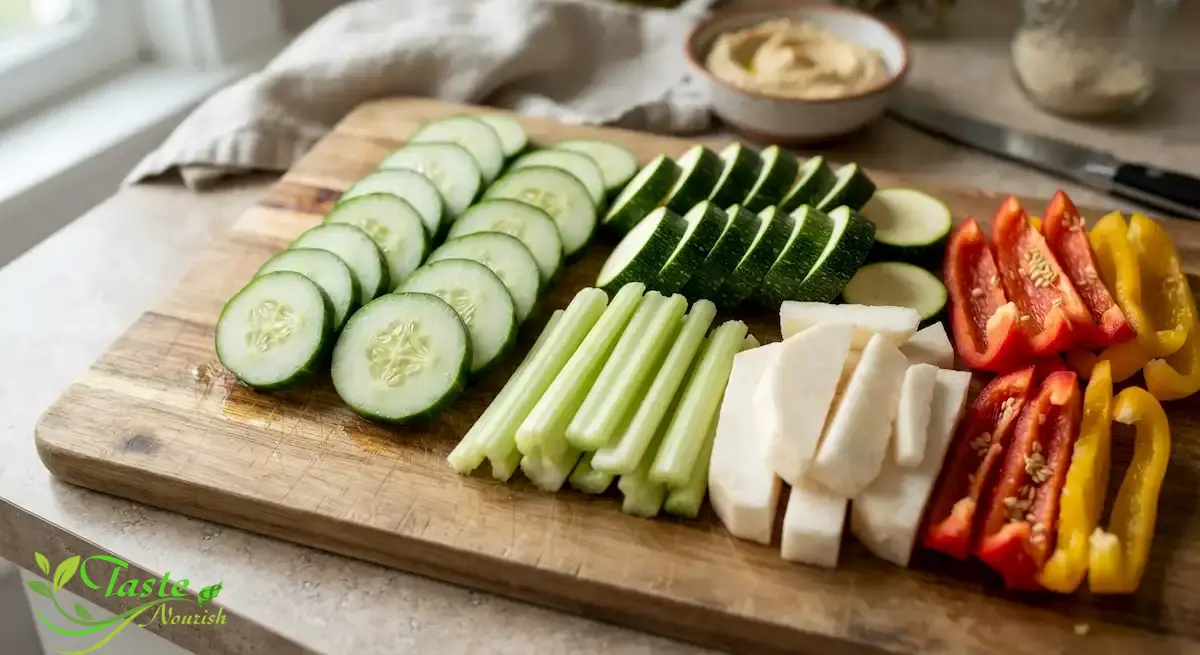
Simple snacking: Cucumber spears with hummus or a squeeze of lime and salt make an easy, low-calorie snack.
Quick pickles: A vinegar brine turns cucumber into a tangy, low-calorie condiment.
Common Mistakes People Make With Cucumbers
Peeling every cucumber out of habit: This removes fiber and some nutrients along with the skin.
Salting cucumbers too far in advance: Salt draws water out through osmosis, which can leave salads watery and cucumbers limp if prepped too early.
Treating cucumber as a full water replacement: It’s a helpful supplement to fluid intake, not a substitute for drinking water.
Storing cucumbers next to ethylene-producing fruit: This speeds up spoilage and softens the texture.
Buying oversized cucumbers for flavor: Larger, older cucumbers tend to be more bitter and seedy than smaller ones.
Cucumber Hydration Myths vs Facts
Myth
Fact
Eating cucumbers can fully replace drinking water.
Cucumbers contribute fluid, but health authorities still recommend water as the primary source of hydration.
Cucumber’s high water content means it has no real nutrition.
Cucumbers still provide fiber, vitamin K, vitamin C, potassium, and antioxidant plant compounds, mostly concentrated in the skin.
Cucumber skin is bitter or toxic and should always be removed.
The skin is edible and nutrient-dense for most people; bitterness varies by variety and freshness, not toxicity.
All cucumbers have identical water content.
Water content varies slightly by variety and whether the peel is included, generally landing between about 95 and 97 percent.
Cucumber vs Other Hydrating Foods: A Water Content Comparison
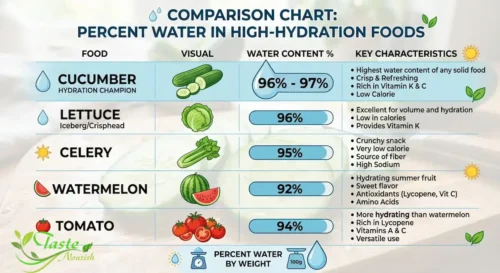
Cucumber percent water is high, but it’s not alone at the top of the list. Here’s how it compares to other commonly cited hydrating foods, based on typical USDA food composition figures.
Food
Approximate water content
Calories per 100g
Cucumber
95–96%
15
Iceberg lettuce
~96%
14
Celery
~95%
14
Watermelon
~91%
30
Tomato
~94%
18
Cucumber and lettuce are essentially tied at the top of this group, with celery close behind. Watermelon has slightly less water by percentage but brings more natural sugar and calories along with it.
Cucumber Water Content Hydration FAQs
How much of a cucumber is water?
Raw cucumber is about 95 to 96 percent water by weight, according to USDA food composition data, making it one of the most water-dense vegetables commonly eaten.
Can eating cucumbers replace drinking water?
No. Cucumbers can add to your daily fluid intake, but health agencies including the CDC recommend plain water as the main source of hydration, with water-rich foods serving as a helpful supplement.
How Does Cucumber Water Content Hydration Compare to Plain Water?
Plain water is 100 percent water with zero calories, while cucumber is about 95 to 96 percent water plus a small amount of fiber, vitamins, and natural sugar. Cucumber offers extra nutrients alongside fluid, but ounce for ounce, water still delivers more pure hydration in less volume.
Is cucumber good for hydration in hot weather or after exercise?
Cucumber can be a refreshing, low-calorie way to add fluid and a small amount of potassium during hot weather or light activity, but it shouldn’t be relied on as your only source of fluid or electrolytes after intense exercise.
Does peeling a cucumber reduce its hydration benefit?
Not significantly. The flesh itself already holds most of the water. Peeling mainly reduces fiber and some vitamin K content rather than the water percentage.
How many calories are in a cucumber?
A 100-gram serving of raw cucumber has about 15 calories, making it one of the lowest-calorie vegetables you can add to meals or snacks.
Conclusion
Cucumber water content hydration is a genuinely useful pairing of facts: cucumbers really are about 95 to 96 percent water, and that water content does contribute to your daily fluid intake. What the research doesn’t support is treating cucumber, or any single food, as a stand-in for drinking water. Used the way they’re best suited for, as a low-calorie, nutrient-containing snack or salad ingredient, cucumbers are a smart, evidence-backed addition to a hydration-conscious diet.
Montenegro-Bethancourt G, Johner SA, Remer T. “Contribution of fruit and vegetable intake to hydration status in schoolchildren,” American Journal of Clinical Nutrition, National Library of Medicine, National Institutes of Health. https://pubmed.ncbi.nlm.nih.gov/23966431/
Hanan Abo Samra is the founder of Taste & Nourish, sharing trustworthy nutrition guidance and recipes drawn from 20+ years of hands-on cooking experience. When she's not developing new recipes, Hanan is researching the science behind everyday ingredients to bring readers practical, evidence-based guidance for a healthier lifestyle.