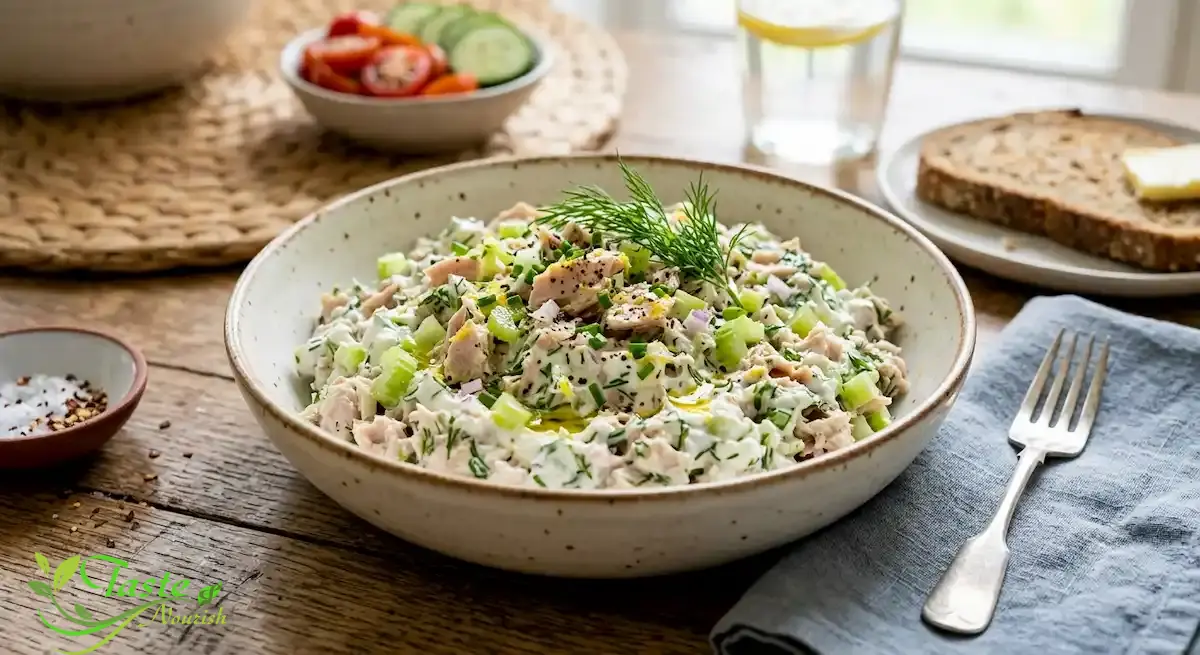
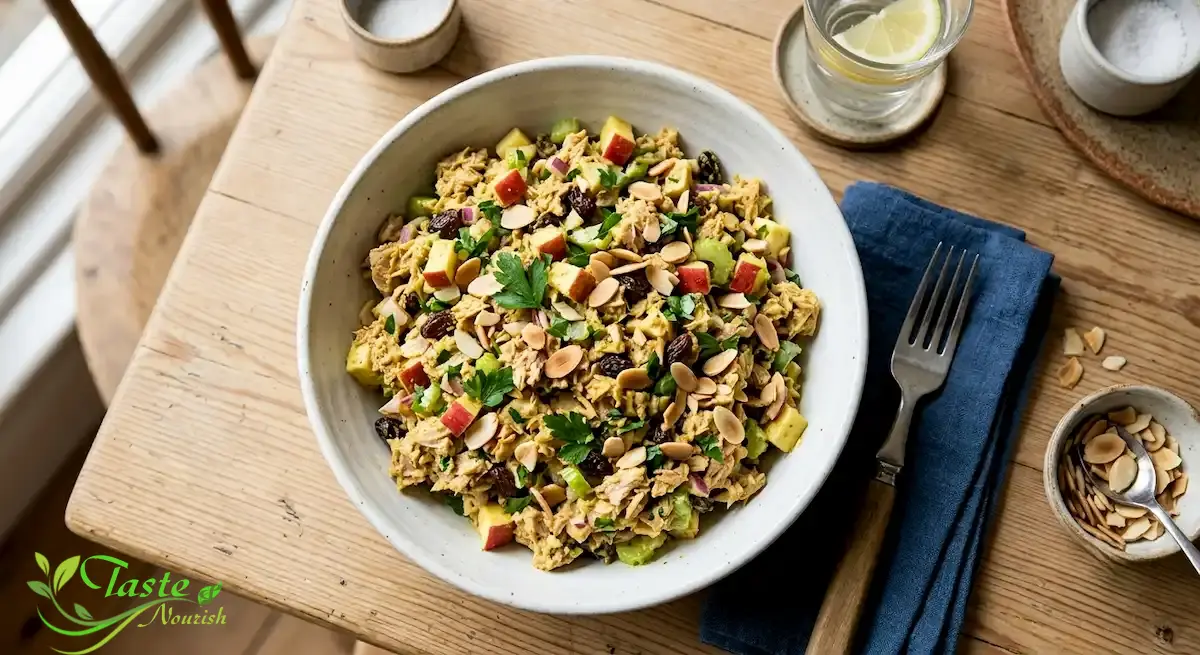
Some of the best comfort foods don’t need a jar of mayonnaise to taste rich and satisfying, and this tuna salad without mayo recipe is proof. Swap the mayo for plain Greek yogurt, a spoonful of Dijon, and a good squeeze of lemon, and you get a lighter, tangier salad that still feels indulgent. It comes together in one bowl in about ten minutes, holds up well in the fridge for weekday lunches, and suits anyone who’s out of mayo, watching their fat intake, or simply prefers a brighter flavor.
This tuna salad without mayo recipe swaps mayonnaise for creamy Greek yogurt, tangy Dijon mustard, and fresh lemon juice, keeping all the crunch and flavor of the classic version. In about 10 minutes, you’ll have a protein-packed salad that’s lighter and brighter than the original, whether piled on toast or scooped straight from the bowl.
Recipe at a Glance
Detail
Time / Amount
Prep Time
10 minutes
Cook Time
0 minutes (no cooking required)
Total Time
10 minutes, plus an optional 20-minute chill
Yield
4 servings (about 3 cups)
Difficulty
Easy
Key Takeaways
This tuna salad without mayo recipe uses plain Greek yogurt and Dijon mustard to build a creamy base that’s noticeably lighter than a mayonnaise-based version.
It’s ready in about 10 minutes with zero cooking, using ingredients most people already keep on hand.
Canned light tuna in water keeps the dish high in protein while staying on the lower end for mercury exposure.
Diced celery, red onion, and fresh dill add crunch and brightness so the salad never tastes flat.
It’s flexible enough for sandwiches, lettuce wraps, stuffed avocados, or a scoop over greens.
Why This Tuna Salad Without Mayo Recipe Works
Mayonnaise brings fat and richness, but it isn’t the only way to get there. Greek yogurt does the same job with a tangier finish and considerably less fat, and Dijon mustard adds the same emulsified creaminess mayo is known for, just with more punch. Lemon juice ties it together and keeps the tuna from tasting flat or one-note.
Tuna itself is doing a lot of nutritional heavy lifting here. It’s a lean, affordable protein source, and it naturally contains the long-chain omega-3 fats EPA and DHA, which the National Institutes of Health notes are important components of cell membranes and may support heart and brain health as part of an overall eating pattern. None of that changes when you remove the mayo — you’re just changing the dressing, not the fish.
Ingredients for Mayo-Free Tuna Salad
This makes about 3 cups, enough for four sandwiches or two generous salad bowls.
2 (5-ounce) cans light tuna in water, drained well
Optional: 1 tablespoon capers or sweet pickle relish
Ingredient Notes
Light tuna — usually skipjack or yellowfin — sits in the FDA and EPA’s “Best Choices” category for mercury, so it’s fine to eat several servings a week. Albacore (“white”) tuna has noticeably more mercury and the same guidance caps it around 6 ounces weekly, so it’s worth sticking with light tuna for a salad you’ll eat often.
Draining the tuna thoroughly matters more than it seems. Press it against the side of the can or blot it with a paper towel; leftover liquid is the single biggest reason mayo-free tuna salad turns watery, since there’s no thick mayo to absorb the extra moisture.
Full-fat or 2% Greek yogurt gives the best texture. Nonfat yogurt works but tastes thinner and slightly more sour, so you may want to add a little extra Dijon to compensate.
Substitutions
For a dairy-free version, swap the Greek yogurt for a half of a mashed ripe avocado. It’s a genuine trade-off rather than a straight swap: avocado adds its own flavor and turns the salad slightly greener, and because avocado browns quickly, that version is best eaten the same day rather than stored for later.
No Dijon on hand? Regular yellow mustard works, though the flavor will be milder and less sharp. White wine vinegar can stand in for the lemon juice, but it won’t bring quite the same brightness.
How to Make Tuna Salad Without Mayo
Drain the tuna. Press each can firmly with a fork or empty into a strainer and press with a spoon until no liquid drips out.
Build the dressing. In a medium bowl, whisk together the Greek yogurt, Dijon mustard, lemon juice, salt, and pepper until smooth.
Add the tuna. Flake the drained tuna into the bowl with a fork, folding it into the dressing. Break it up enough to distribute evenly, but leave some texture — you don’t want a paste.
Fold in the crunch. Add the celery, red onion, and dill (plus capers or relish, if using), and stir gently until everything is coated.
Taste and adjust. Canned tuna already carries some sodium, so taste before adding more salt. Add an extra squeeze of lemon if it needs more brightness.
Chill, if you can. Let the salad rest in the fridge for 15 to 20 minutes before serving. It’s good right away, but the flavors settle and sharpen as it sits.
Expert Cooking Tips
Dice the celery and onion small and even — large chunks throw off the ratio of crunch to creaminess in every bite.
Fresh dill has a much stronger, brighter flavor than dried; if substituting dried, use about a third of the amount called for.
Soak diced red onion in cold water for 5 minutes and drain if you want its crunch without the sharp bite.
Mix the dressing ingredients before adding the tuna — it’s much easier to get a smooth, lump-free base that way.
Common Mistakes to Avoid
Skipping the drain. Leftover liquid from the can waters down the dressing and leaves the salad soupy; press or blot the tuna dry first.
Overmixing. Stirring too aggressively turns the tuna into a paste and loses the texture that makes this salad satisfying. Fold gently instead.
Salting too early. Canned tuna and capers already add sodium, so salting before tasting often leads to an oversalted batch.
Serving it straight from mixing. Skipping the short chill means the flavors haven’t had time to meld, so the salad can taste flatter than it should.
Easy Tuna Salad No Mayo Recipe Variations
Curried tuna salad: Add 1/2 teaspoon curry powder and a small handful of golden raisins for warmth and sweetness.
Mediterranean-style: Stir in chopped kalamata olives, a bit of crumbled feta, and swap the dill for fresh parsley.
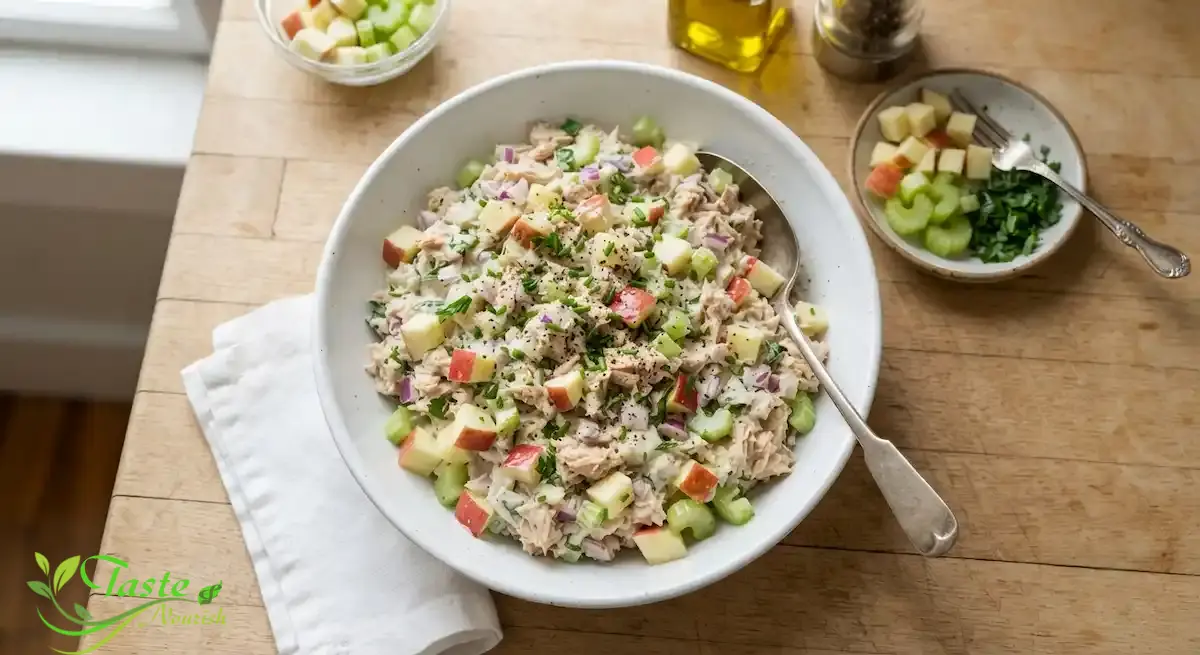
Apple and walnut: Fold in 1/4 cup diced apple and 2 tablespoons chopped walnuts for sweetness and crunch.
Spicy version: Add a teaspoon of hot sauce or a pinch of cayenne to the dressing for heat.
Serving Suggestions
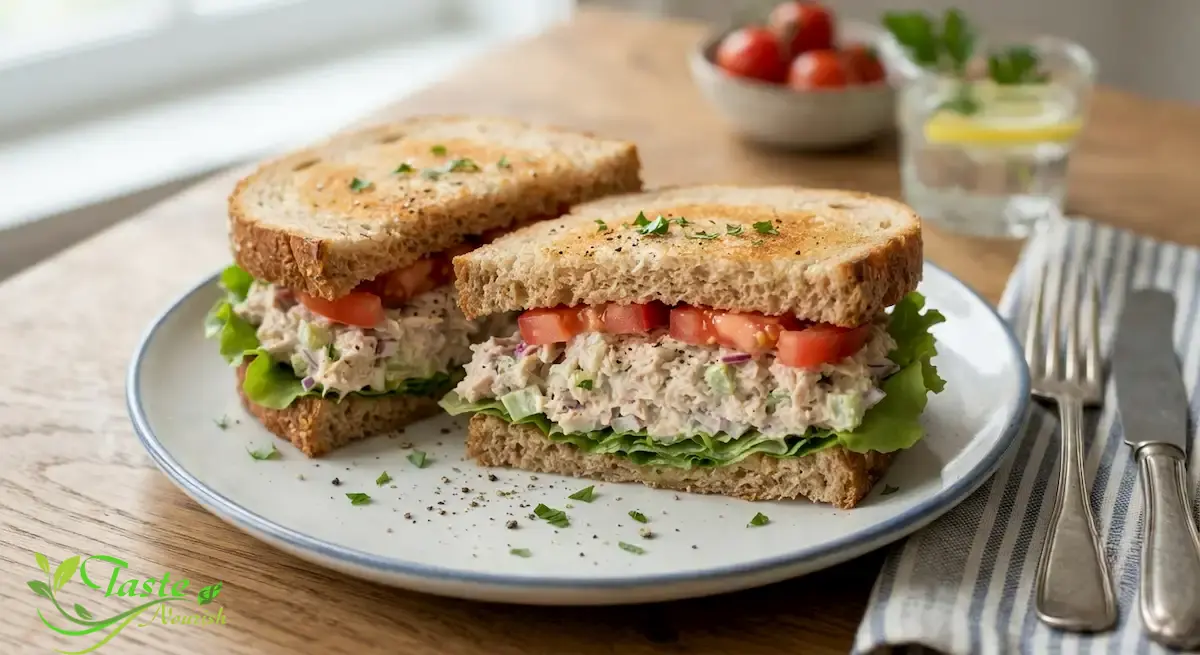
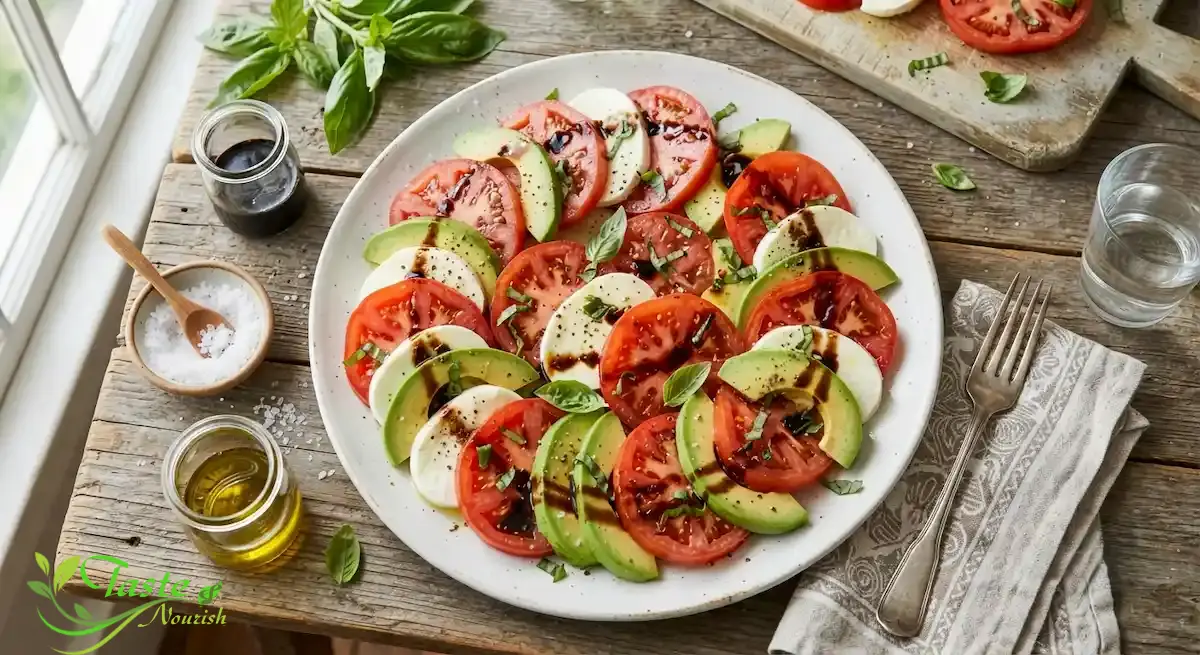
This salad works anywhere classic tuna salad would, and then some. Pile it onto toasted whole-grain bread with lettuce and tomato, spoon it into butter lettuce cups for a low-carb lunch, or stuff it into a halved avocado. It’s also good scooped over a bed of mixed greens with a light vinaigrette, or served with whole-grain crackers and cucumber slices for dipping. Working a serving of this into your weekly rotation is an easy way to move toward the at least 8 ounces of seafood per week that federal dietary guidance recommends for most adults.
Nutrition Information (Estimated)
Values below are approximate, calculated for one of four servings (about 3/4 cup) using USDA nutrient data for canned light tuna in water and plain 2% Greek yogurt. Actual numbers will vary depending on brands used and any substitutions you make.
Nutrient
Approximate Amount
Calories
160
Protein
22 g
Total Fat
5 g
Carbohydrates
3 g
Sodium
420 mg
Storage Instructions
Refrigerate the salad in an airtight container within two hours of making it. Per USDA food safety guidance on cold salads, it will keep for 3 to 4 days at 40°F or below. This salad doesn’t freeze well — the yogurt-based dressing separates and turns watery once thawed, so plan to make only what you’ll eat within a few days.
Make-Ahead Tips
You can whisk the yogurt-mustard dressing up to two days ahead and store it separately in the fridge; combine it with the tuna and vegetables the day you plan to eat it for the best texture. If you’re using the avocado variation, wait to make it until just before serving, since mashed avocado browns within a few hours.
Recipe FAQs: Tuna Salad Without Mayo
What can I use instead of mayonnaise in tuna salad?
Plain Greek yogurt is the closest swap for texture and creaminess, with Dijon mustard and lemon juice added for tang. Mashed avocado, cottage cheese blended smooth, or plain kefir are other options, though each shifts the flavor slightly.
Is tuna salad without mayo healthier than the classic version?
It’s generally lower in fat and calories, since Greek yogurt has less fat than mayonnaise. Whether that makes it “healthier” depends on your own dietary goals — both versions can fit into a balanced diet.
Can I make this dairy-free?
Yes. Replace the Greek yogurt with half a mashed ripe avocado, or use a plain dairy-free yogurt alternative. The texture will be a little different, but the salad still holds together well.
What’s the best canned tuna to use for this recipe?
Light tuna packed in water is the best everyday choice, since it’s lower in mercury and lighter in flavor than albacore. Choose whichever brand you like the taste and texture of, and make sure to drain it thoroughly.
How long does mayo-free tuna salad last in the fridge?
About 3 to 4 days when stored in an airtight container at or below 40°F. If it develops an off smell, sliminess, or noticeable sourness, discard it.
Can I freeze this tuna salad?
It’s not recommended. The yogurt-based dressing separates when frozen and thawed, leaving the texture watery and unappetizing.
Why did my tuna salad turn out watery?
This almost always comes down to underdrained tuna. Press the tuna firmly against the can or through a strainer before mixing to remove as much liquid as possible.
A creamy tuna salad without mayo recipe made with Greek yogurt, Dijon mustard, celery, and fresh lemon. Ready in about 10 minutes with no cooking required.
Ingredients
2 (5-ounce) cans light tuna in water, drained well
1 tablespoon capers or sweet pickle relish (optional)
Directions
Press each can firmly with a fork or empty into a strainer and press with a spoon until no liquid drips out.
In a medium bowl, whisk together the Greek yogurt, Dijon mustard, lemon juice, salt, and pepper until smooth.
Flake the drained tuna into the bowl with a fork, folding it into the dressing. Break it up enough to distribute evenly, leaving some texture.
Add the celery, red onion, and dill (plus capers or relish, if using), and stir gently until everything is coated.
Taste before adding more salt, since canned tuna already carries sodium. Add an extra squeeze of lemon if needed.
Let the salad rest in the fridge for 15 to 20 minutes before serving for the best flavor.
Conclusion
Once you’ve made tuna salad this way, the mayo jar starts to feel optional rather than essential. Drain the tuna well, taste before you salt, and give the salad a short rest in the fridge — that’s really all it takes to get a version that’s just as satisfying as the classic, minus the mayo.
References
FoodData Central. U.S. Department of Agriculture, Agricultural Research Service. https://fdc.nal.usda.gov/
**Hanan Abo Samra** shares practical cooking insights, delicious recipes, and evidence-based nutrition information. Drawing on more than 20 years of hands-on cooking experience, she creates helpful food content that combines everyday cooking knowledge with information from reliable scientific sources. Her goal is to help readers better understand the foods they eat, explore their nutritional benefits, and prepare delicious meals with confidence.