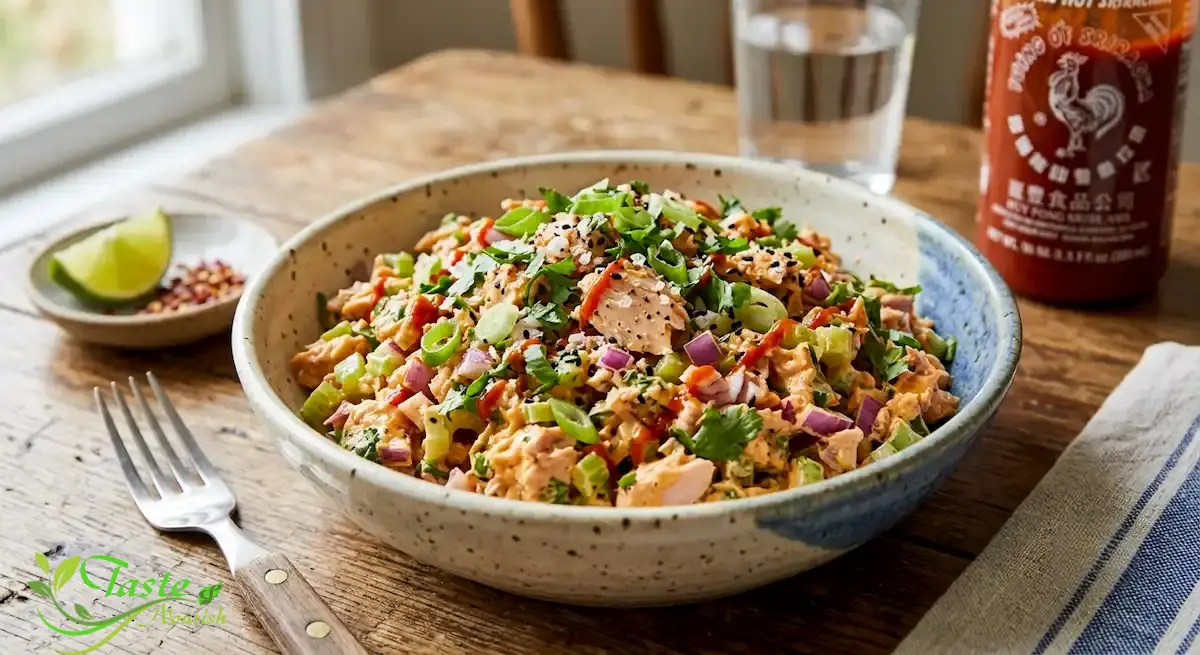
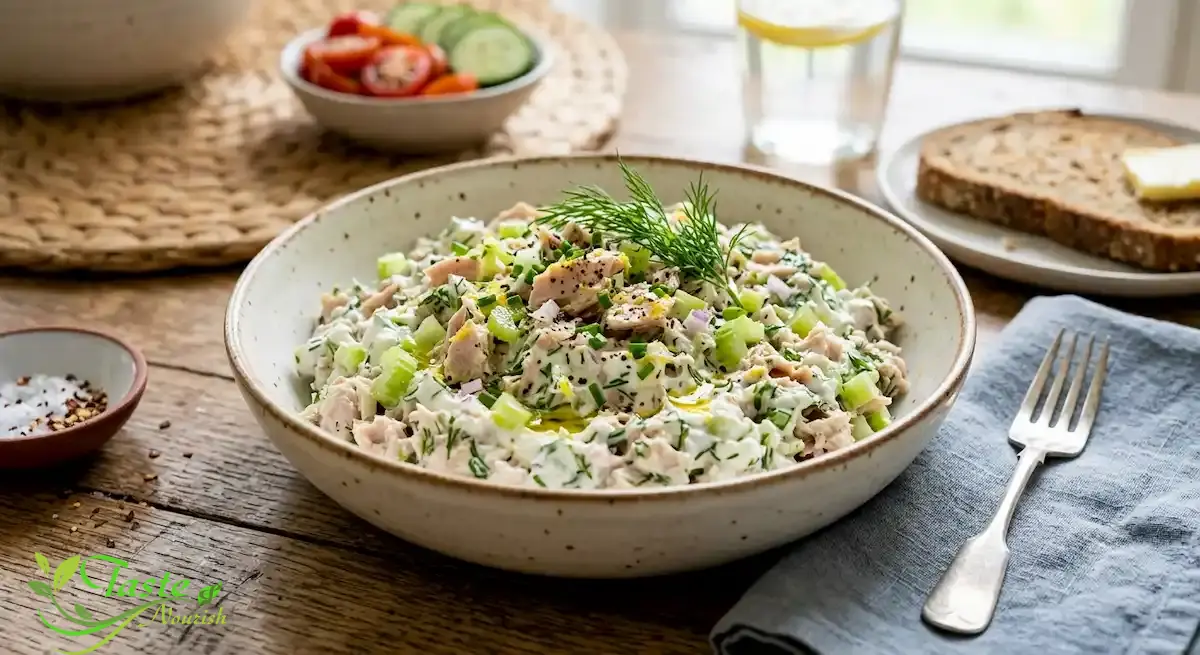
If your tuna salad routine feels stuck on repeat, this tuna apple salad recipe is the fix. Swapping in crisp, sweet-tart apple for some of the usual filler gives the whole bowl a lighter, brighter crunch, while the tuna still does the heavy lifting on protein. It’s the kind of small upgrade that turns a desk-lunch staple into something you’ll actually look forward to eating.
Ready in under fifteen minutes with pantry and fridge staples, it’s an easy tuna salad with apple recipe that works equally well piled onto bread, scooped with crackers, or spooned over greens.
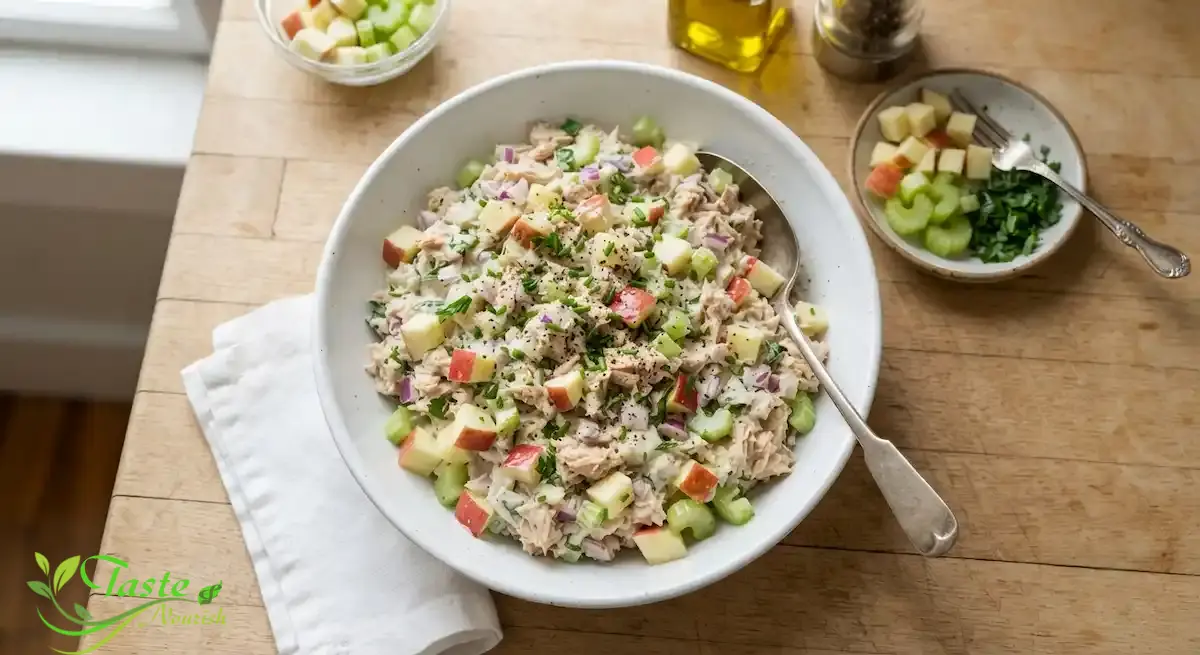
This tuna apple salad recipe combines flaked canned tuna, diced crisp apple, celery, and a light mayonnaise-mustard dressing for a sweet-and-savory salad ready in about 15 minutes. Use canned light tuna packed in water, a firm apple like Honeycrisp or Fuji, and chill briefly before serving on bread, greens, or crackers.
Recipe at a Glance
Detail
Time / Amount
Prep Time
15 minutes
Cook Time
None (no-cook recipe)
Chill Time (optional but recommended)
20 minutes
Total Time
15–35 minutes
Yield
4 servings (about 3 cups)
Difficulty
Easy
Key Takeaways
This tuna apple salad recipe comes together in about 15 minutes and needs no cooking.
A firm, crisp apple — Honeycrisp, Fuji, or Gala — holds its texture far better than a soft variety like McIntosh.
Canned light tuna packed in water keeps the dressing from turning greasy and is one of the lower-mercury tuna choices.
Swapping some or all of the mayonnaise for plain Greek yogurt lightens the dressing without flattening the flavor.
Stored properly in the refrigerator, the salad keeps well for up to 3 days.
A squeeze of lemon juice on the diced apple keeps it from browning before serving.
Why You’ll Love This Tuna Apple Salad Recipe
Most tuna salads lean on one texture: soft, creamy, done. This one plays sweet against savory and crisp against creamy, so every bite has contrast — the apple stays crunchy even after the dressing goes on, and the celery and walnuts add another layer of bite. It’s also a genuinely sweet and savory tuna apple salad rather than a sweet salad with tuna added as an afterthought; the mustard and lemon keep the dressing from tipping into dessert territory.
Canned tuna is also a convenient way to get lean protein and marine omega-3 fatty acids into a weekday lunch without any cooking, and the NIH Office of Dietary Supplements notes that fish and seafood are among the main dietary sources of these fats.
Ingredients
2 (5-ounce) cans light tuna in water, drained
1 medium crisp apple (Honeycrisp, Fuji, or Gala), diced small
2 celery stalks, finely diced
1/4 cup red onion, finely diced (or 2 scallions, thinly sliced)
1/3 cup mayonnaise (or plain Greek yogurt)
1 tablespoon Dijon mustard
1 tablespoon fresh lemon juice, divided
1/4 cup walnuts or pecans, toasted and roughly chopped (optional)
2 tablespoons fresh dill or flat-leaf parsley, chopped
Salt and freshly ground black pepper, to taste
Ingredient Notes
Canned light tuna (skipjack) is a practical everyday choice here: it’s budget-friendly, and FDA and EPA’s joint advice on eating fish lists canned light tuna among the lower-mercury “Best Choices” that most people, including those who are pregnant or breastfeeding, can eat two to three times a week. Albacore (“white”) tuna works too, but it runs higher in mercury, so the same guidance recommends limiting it to about one serving a week for that same group.
For the apple, firmness matters more than sweetness. A watery or mealy apple will soften and weep liquid into the dressing within an hour. Beyond texture, fruit like apples contributes dietary fiber to the meal — the USDA Food and Nutrition Service notes that fiber from fruit can support heart health and normal bowel function as part of an overall healthy eating pattern.
Substitutions
Plain Greek yogurt can replace some or all of the mayonnaise for a tangier, higher-protein dressing — expect a slightly looser texture and a sharper tang rather than a true one-for-one swap. Pecans work in place of walnuts with no real trade-off. If you’re out of Dijon, a scant teaspoon of yellow mustard is a fine stand-in, though it’s milder and slightly sweeter. Grapes can stand in for part of the apple for extra juiciness, but they won’t give you the same crunch.
How to Make This Tuna Apple Salad Recipe
Drain the tuna. Drain both cans very well, pressing out the excess liquid with the back of a fork, then flake the tuna into a large mixing bowl.
Prep the apple. Dice the apple into roughly 1/4-inch pieces (peeling is optional) and toss it immediately with half the lemon juice so it stays pale and crisp instead of browning.
Add the crunch. Add the diced apple, celery, red onion, and walnuts to the bowl with the tuna.
Make the dressing. In a small bowl, whisk together the mayonnaise, Dijon mustard, remaining lemon juice, salt, and pepper until smooth.
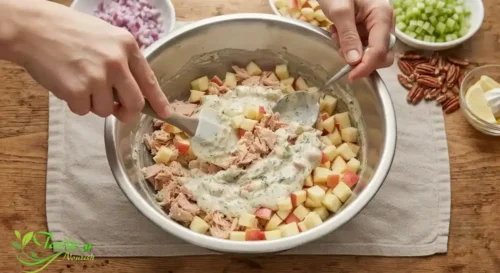
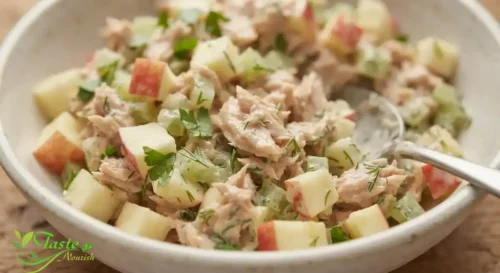
Combine. Pour the dressing over the tuna mixture and fold gently with a spatula until everything is coated. You should still see distinct flecks of apple and herb — not a uniform paste.
Rest and adjust. Stir in the dill or parsley, then taste and adjust salt, pepper, or lemon juice. Chilling for 15–20 minutes before serving lets the flavors settle.
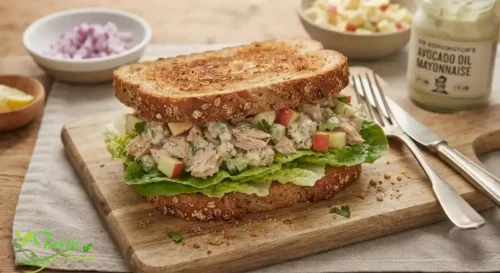
Serve. Serve chilled, piled onto bread, scooped with crackers, or spooned over greens.
Expert Cooking Tips
Drain the tuna thoroughly. Leftover canning liquid waters down the dressing and turns the salad soupy by the next day.
Add the mayonnaise gradually rather than all at once — canned tuna varies in saltiness, so it’s easier to season correctly in stages.
Toast the walnuts in a dry skillet for 2–3 minutes until fragrant. It deepens their flavor noticeably compared to using them raw.
Dice the apple and celery to roughly the same size as the flaked tuna so every bite gets a bit of each texture.
If the salad seems dry after chilling, the apple has absorbed some dressing — stir in an extra teaspoon of mayonnaise or yogurt rather than more lemon juice.
Common Mistakes to Avoid
Mistake
Why It Happens
The Fix
Using a soft apple variety
Softer apples like McIntosh are common on-hand fruit but break down quickly once cut and dressed
Choose a firm variety — Honeycrisp, Fuji, Gala, or Granny Smith — that holds its bite
Skipping the lemon juice
Diced apple oxidizes and starts browning within 10–15 minutes of cutting
Toss the diced apple in lemon juice as soon as it’s cut, before adding it to the bowl
Not draining the tuna well
Residual canning liquid dilutes the dressing and makes the salad watery
Press the tuna firmly in a fine-mesh strainer or against the can lid before flaking
Adding all the dressing at once
It’s easy to pour in the full amount without tasting first, which can mute the apple’s crunch
Add the dressing in stages and stop once the salad is coated, not soaked
Recipe Variations
Once the base ratio is dialed in, this salad takes well to a few realistic twists:
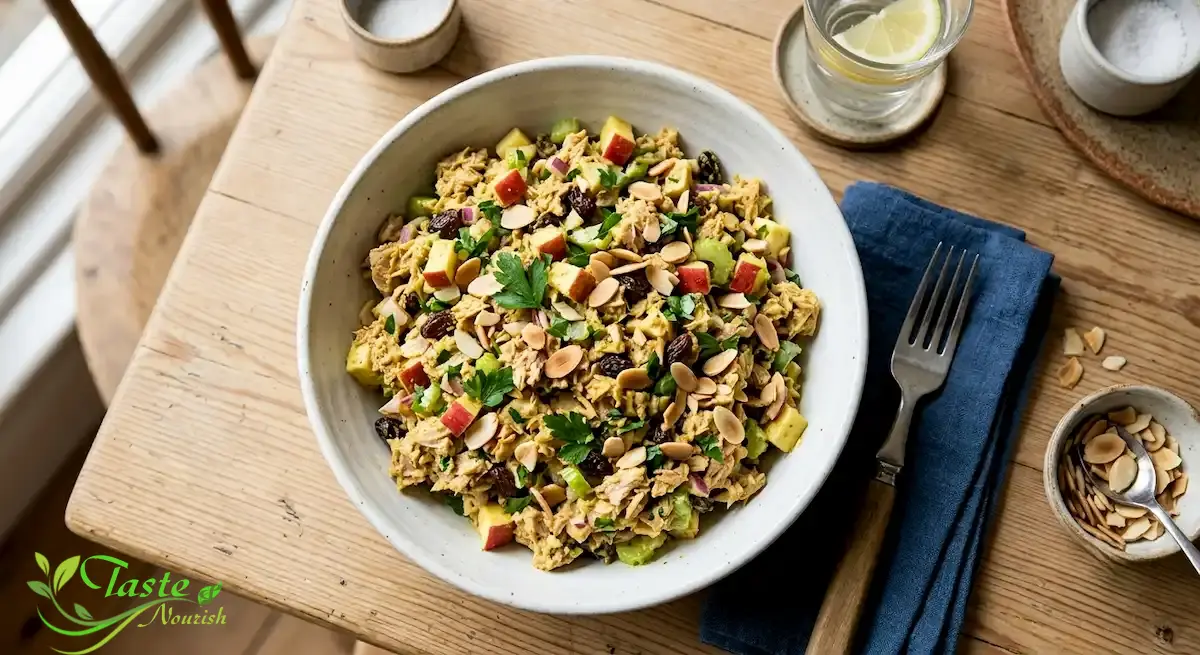
Curried tuna apple salad: stir in 1/2 teaspoon curry powder and a spoonful of golden raisins for a warmer, slightly sweeter version.
Grape and walnut: add 1/2 cup halved red grapes alongside the apple for extra sweetness and juiciness.
Avocado-lightened: replace half the mayonnaise with mashed avocado for a creamier dressing — best eaten the same day, since avocado browns quickly.
Apple-cheddar: fold in 1/3 cup shredded sharp cheddar for a heartier, sandwich-shop-style salad.
Serving Suggestions
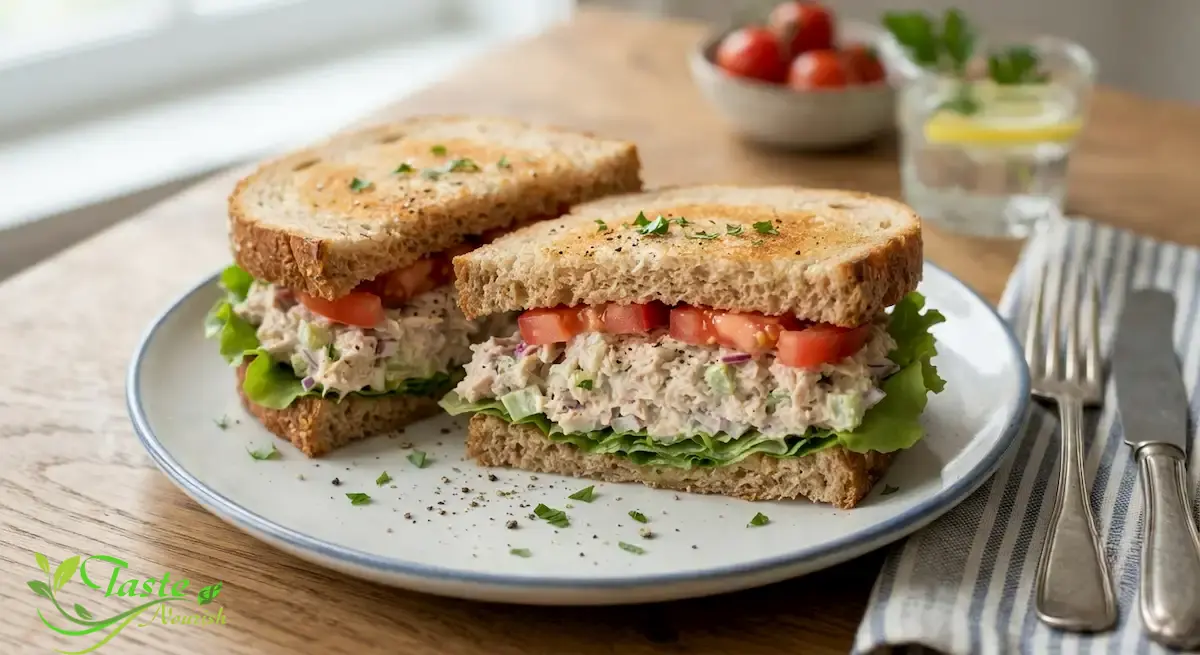
This salad is flexible enough to build a whole meal around. Pile it onto toasted whole-grain or sourdough bread with lettuce for a classic sandwich, or spoon it into butter lettuce cups for a lighter, lower-carb option. It also holds up well scooped with whole-grain crackers or cucumber rounds, or served over a bed of mixed greens with a few extra apple slices on top. For a light lunch, pair a scoop with a cup of soup, such as tomato or a simple vegetable broth.
Nutrition Information
The figures below are estimates for one serving (about 3/4 cup), based on the ingredients listed and standard values from USDA . Actual values will vary depending on the specific brands, apple size, and how much dressing you use.
Nutrient
Approximate Amount per Serving
Calories
~230 kcal
Protein
~19 g
Total Fat
~13 g
Saturated Fat
~2 g
Carbohydrates
~10 g
Dietary Fiber
~2 g
Sodium
~430 mg
Canned tuna is a source of lean, complete protein, and research summarized by the NIH Office of Dietary Supplements suggests that the omega-3 fatty acids found in fish may support heart health as part of an overall healthy eating pattern. This information is for general awareness and is not medical advice; talk with a healthcare provider or registered dietitian about how this fits your individual needs.
Storage Instructions
Refrigerate leftover tuna apple salad in an airtight container and use it within 3 to 4 days. Because this is a mayonnaise-based salad, it’s a perishable, time-and-temperature-sensitive food: the USDA’s Food Safety and Inspection Service advises never leaving perishable foods out of refrigeration for more than 2 hours (or 1 hour if the surrounding temperature is above 90°F), since bacteria multiply quickly between 40°F and 140°F.
Freezing isn’t recommended — mayonnaise-based dressings separate and turn watery once thawed, and the apple loses its crunch entirely. If you want to prep ahead for the freezer, portion and freeze the flaked tuna on its own, then make the salad fresh with dressing and apple after thawing.
Make-Ahead Tips
The tuna and dressing can be prepared up to 2 days ahead and stored separately in the fridge. Hold off on dicing the apple until closer to serving time, or toss it in lemon juice right after cutting if you need to prep it earlier in the day. Combine everything within a few hours of serving for the best texture.
Tuna Apple Salad Recipe FAQs
What’s the best apple for tuna apple salad?
A firm, crisp variety works best. Honeycrisp, Fuji, and Gala all hold their texture well against the dressing; Granny Smith adds more tartness if you want extra contrast to the sweetness.
Can I use Greek yogurt instead of mayonnaise?
Yes. Plain Greek yogurt makes a tangier, higher-protein dressing. It’s slightly looser than mayonnaise, so start with a bit less liquid (lemon juice) and adjust from there.
Is canned tuna safe to eat regularly?
For most adults, yes. According to FDA and EPA’s fish advisory, canned light tuna is categorized as a “Best Choice” that can be eaten two to three times a week. Albacore tuna is higher in mercury and is generally limited to about once a week, particularly for those who are pregnant, breastfeeding, or feeding young children.
How long does tuna apple salad last in the fridge?
Stored in an airtight container at or below 40°F, it keeps for 3 to 4 days. The apple will soften gradually over that time but remains safe to eat as long as it’s been refrigerated promptly.
Can I freeze tuna apple salad?
It’s not recommended once assembled, since both the mayonnaise dressing and the apple lose their texture after freezing and thawing. Flaked plain tuna on its own freezes fine.
Why did my apple turn brown?
Cut apple oxidizes on contact with air. Tossing the diced pieces in lemon juice right after cutting slows this down significantly, which is why the recipe builds that step in early.
This tuna apple salad recipe combines flaked canned tuna, diced crisp apple, celery, and a light mayonnaise-mustard dressing for a sweet-and-savory salad ready in about 15 minutes.
Ingredients
2 (5-ounce) cans light tuna in water, drained
1 medium crisp apple (Honeycrisp, Fuji, or Gala), diced small
2 celery stalks, finely diced
1/4 cup red onion, finely diced (or 2 scallions, thinly sliced)
1/3 cup mayonnaise (or plain Greek yogurt)
1 tablespoon Dijon mustard
1 tablespoon fresh lemon juice, divided
1/4 cup walnuts or pecans, toasted and roughly chopped (optional)
2 tablespoons fresh dill or flat-leaf parsley, chopped
Salt and freshly ground black pepper, to taste
Directions
Drain both cans very well, pressing out excess liquid with the back of a fork, then flake into a large mixing bowl.
Dice the apple into roughly 1/4-inch pieces and toss immediately with half the lemon juice so it stays pale and crisp.
Add the diced apple, celery, red onion, and walnuts to the bowl with the tuna.
Whisk together the mayonnaise, Dijon mustard, remaining lemon juice, salt, and pepper until smooth.
Pour the dressing over the tuna mixture and fold gently until coated but still chunky.
Stir in the dill or parsley, taste, adjust seasoning, and chill 15 to 20 minutes before serving.
Serve chilled, piled onto bread, scooped with crackers, or spooned over greens.
Conclusion
This tuna apple salad recipe earns its place in a lunch rotation because it’s fast, needs no cooking, and doesn’t taste like a compromise. For the best texture over multiple days, keep the dressing and diced apple separate until the day you plan to eat it, then combine just before serving.
**Hanan Abo Samra** shares practical cooking insights, delicious recipes, and evidence-based nutrition information. Drawing on more than 20 years of hands-on cooking experience, she creates helpful food content that combines everyday cooking knowledge with information from reliable scientific sources. Her goal is to help readers better understand the foods they eat, explore their nutritional benefits, and prepare delicious meals with confidence.