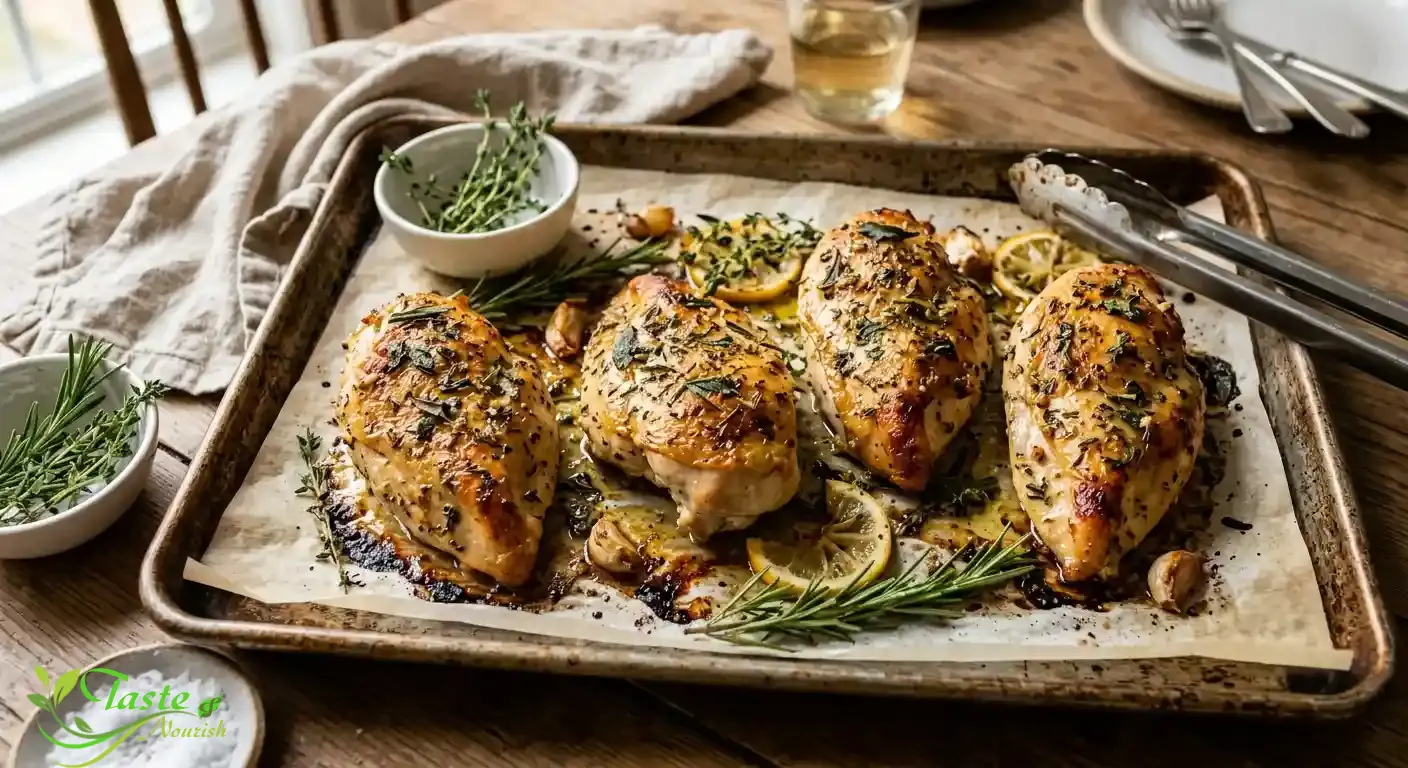
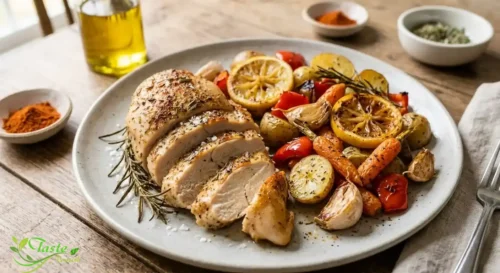
Baked chicken has a permanent spot on America’s weeknight dinner rotation, and it’s easy to see why. It’s affordable, endlessly adaptable, and — when you get the technique right — genuinely delicious rather than dry and boring. This guide walks through what baked chicken actually is, what the nutrition science says, how it compares to other cooking methods, and exactly how to bake a juicy batch yourself, backed by guidance from federal food-safety and nutrition authorities.
What Is Baked Chicken, Exactly?
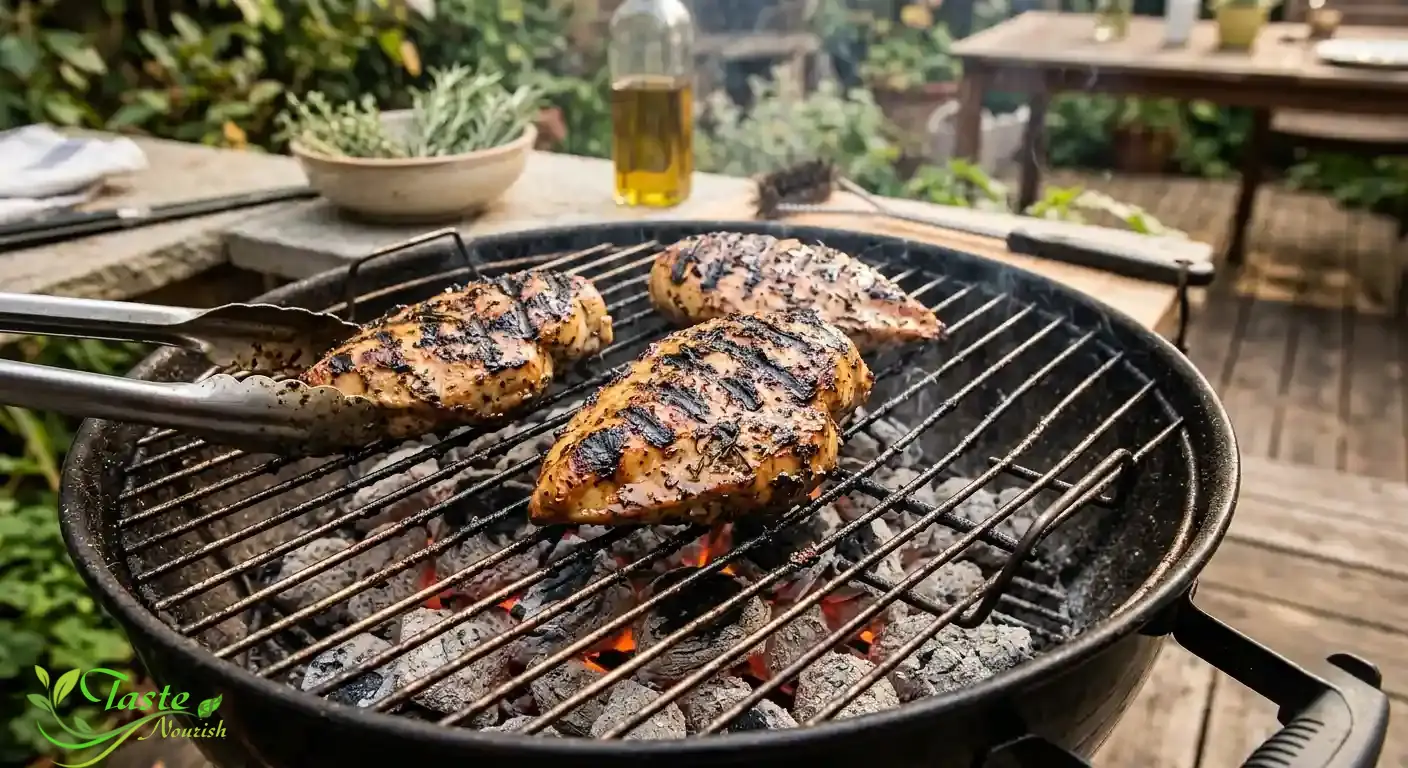
Baked chicken simply means chicken cooked uncovered in a conventional oven, using dry, indirect heat rather than direct flame or hot oil. The term gets used almost interchangeably with “roasted chicken,” though purists sometimes reserve “roasting” for higher oven temperatures (400°F and up) and whole birds, while “baking” covers a broader range of temperatures and cuts, including breasts, thighs, and drumsticks.
What makes baking distinct from grilling, pan-frying, or deep-frying is the cooking environment. The chicken sits in a pan, surrounded by consistently heated air, so it cooks evenly without needing added oil for heat transfer.
That single difference is a big part of why baked chicken shows up so often in nutrition-focused meal plans and why it’s the technique most home cooks reach for when they want something simple and reliable on a weeknight.
Key takeaway: Baking uses dry, even oven heat instead of direct flame or oil, which is why it’s typically lower in added fat than frying or pan-searing.
The Foolproof Baked Chicken Recipe
Ingredients and Equipment
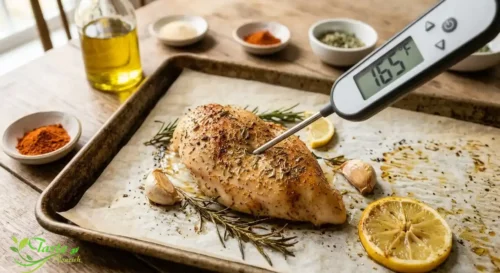
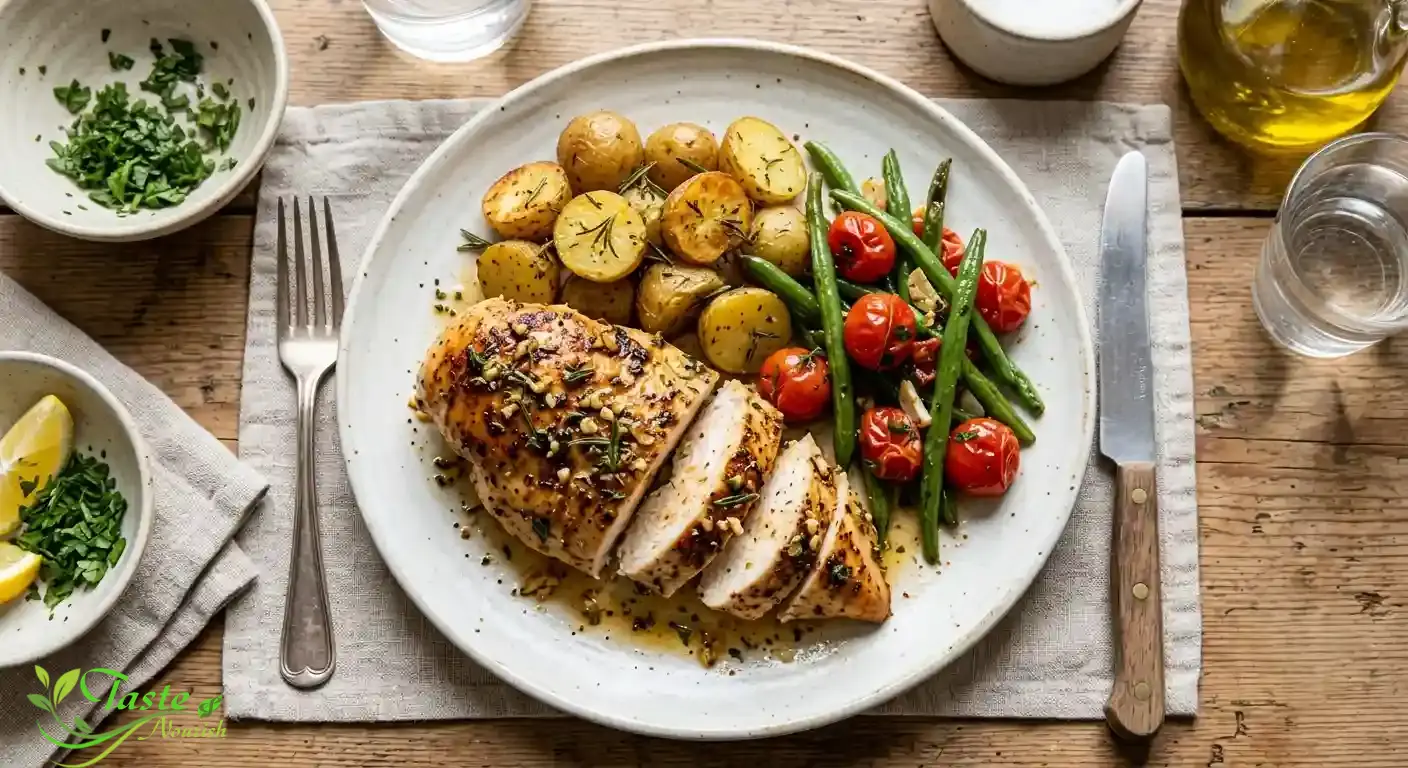
“A simple, foolproof method for baking juicy chicken breast in the oven, seasoned with garlic, paprika, and herbs, and baked to a safe internal temperature of 165°F.”
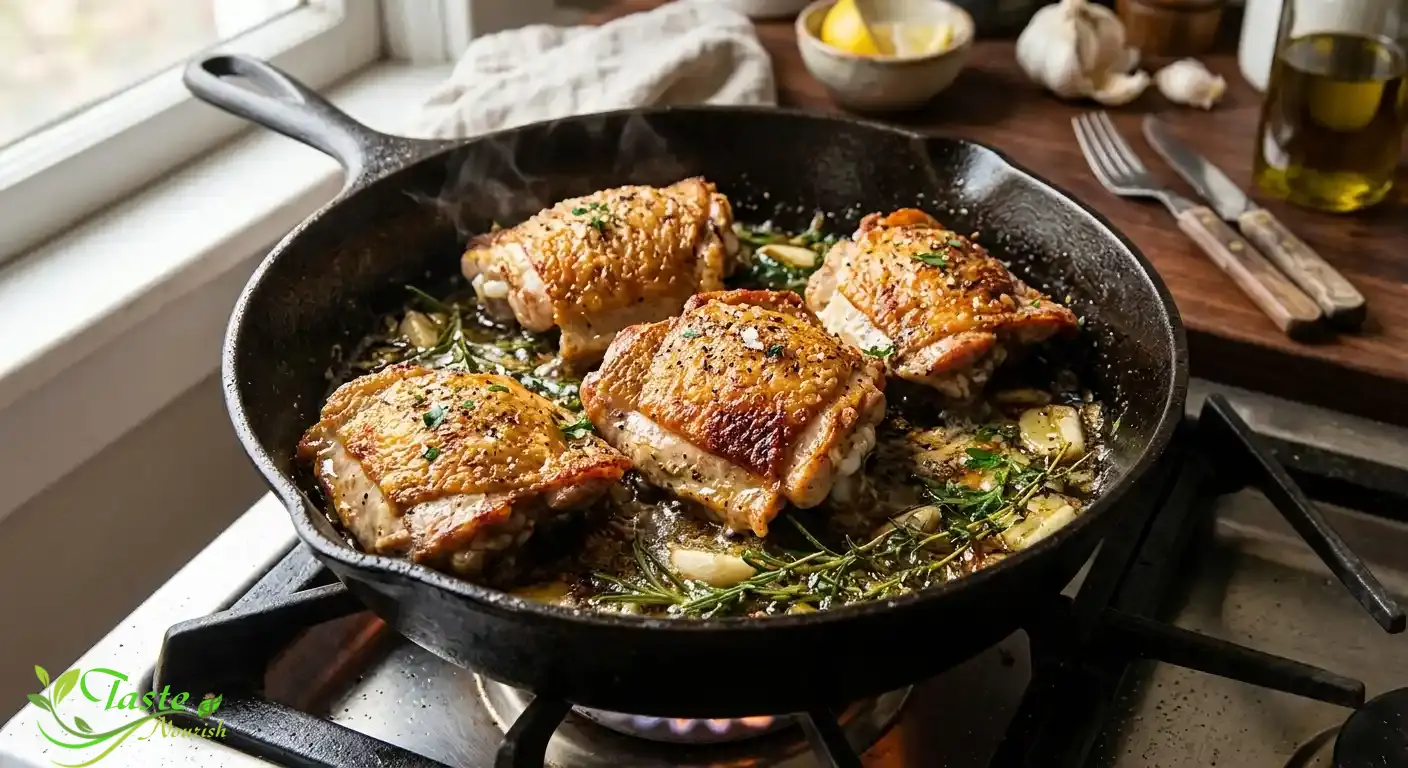
This base recipe uses boneless, skinless chicken breasts, but the same method and seasoning approach works for thighs or drumsticks with adjusted timing (see the chart below).
Type: “Main Course”
Cuisine: “American”
Recipe Yield: “4 servings”
Calories: “290 calories”
Preparation Time: “PT10M”
Cooking Time: “PT25M”
Total Time: “PT35M”
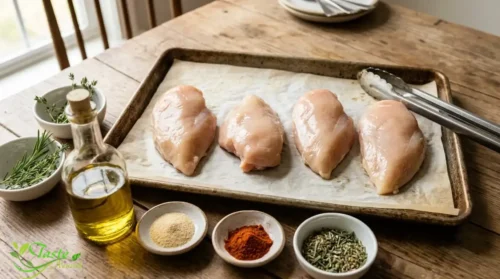
Ingredients (serves 4):
4 boneless, skinless chicken breasts (about 6 oz each)
2 tablespoons olive oil
1 teaspoon kosher salt
1/2 teaspoon black pepper
1 teaspoon garlic powder
1 teaspoon paprika
1/2 teaspoon dried oregano or Italian seasoning
Equipment:
Rimmed baking sheet or oven-safe dish
Parchment paper or a light coat of cooking spray
Meat thermometer (instant-read)
Mixing bowl or resealable bag for seasoning
Step-by-Step Instructions
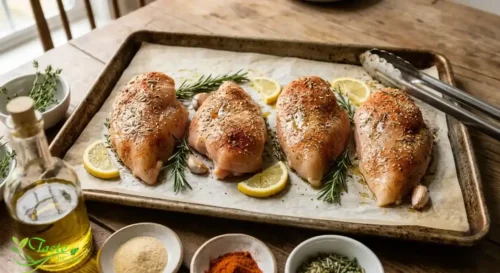
Preheat the oven to 400°F and line a baking sheet with parchment paper.
Pat the chicken dry with paper towels — this helps the seasoning stick and improves browning.
Season generously. Toss the chicken with olive oil and all the dry seasonings until evenly coated on both sides.
Arrange in a single layer on the baking sheet, leaving space between pieces so they bake rather than steam.
Bake for 20–25 minutes, depending on thickness, flipping halfway through if you want even browning on both sides.
Check the internal temperature with a meat thermometer inserted into the thickest part of the largest piece. It’s done at 165°F, per USDA guidance.
Rest for 5 minutes before slicing. This allows juices to redistribute instead of running out onto the cutting board.
Baking Time and Temperature Chart
Cut
Oven Temp
Approx. Bake Time
Safe Internal Temp
Boneless, skinless breast
400°F
20–25 min
165°F
Bone-in, skin-on breast
375°F
35–45 min
165°F
Boneless thighs
400°F
25–30 min
165°F
Bone-in thighs/drumsticks
375°F
40–45 min
165°F
Whole chicken (3–4 lb)
375°F
1 hr 20 min–1 hr 30 min
165°F (thigh & breast)
Times are approximate and vary with oven calibration and chicken size. Always confirm doneness with a food thermometer rather than time alone.
Why Baked Chicken Deserves a Spot on Your Weekly Menu
A Lean, High-Protein Choice
Chicken breast, in particular, is one of the most protein-dense foods available at a typical grocery store, and baking it doesn’t strip away that advantage. Federal dietary guidance groups poultry alongside seafood, eggs, and beans as core “protein foods” that Americans are encouraged to rotate through regularly as part of a healthy eating pattern, rather than relying on any single protein source.
Because baked chicken requires little to no added fat during cooking, most of the calories on your plate are still coming from protein rather than from oil absorbed during the cooking process.
This matters for anyone tracking macronutrients, managing weight, or simply trying to build meals around whole foods instead of ultra-processed convenience items. A baked chicken breast can anchor a bowl, a salad, a wrap, or a sheet-pan dinner without contributing much beyond lean protein and whatever seasonings you choose to add.
Fewer Added Fats Than Frying
Frying — whether pan-frying in oil or deep-frying in a batter coating — adds calories and fat that have nothing to do with the chicken itself. Baking sidesteps that almost entirely; a light brush of oil for browning is usually all that’s needed, compared with the cup or more of oil a proper fried chicken recipe requires.
If you’re comparing a fried chicken thigh to a baked one, the cooking method alone can account for a meaningful chunk of the calorie difference, independent of the chicken itself.
Pro tip: If you love the crunch of fried chicken but want to bake instead, coat the chicken lightly in panko breadcrumbs and mist it with oil from a spray bottle before baking at a higher temperature (425–450°F). You’ll get a crisp exterior with a fraction of the added fat.
Baked Chicken Nutrition Facts
Calories, Protein, and Fat per Serving
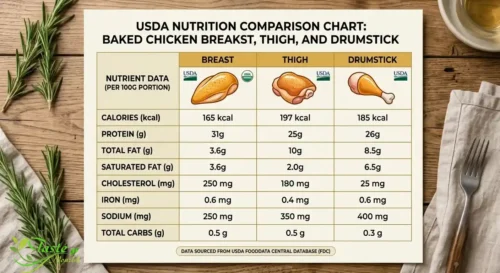
According to data from the U.S. Department of Agriculture’s FoodData Central database, a 3.5-ounce (100-gram) serving of cooked, skinless chicken breast contains roughly 165 calories, about 31 grams of protein, and around 3.6 grams of fat, with essentially no carbohydrates. That protein-to-calorie ratio is part of why chicken breast shows up so consistently in meal plans built around lean protein.
Leaving the skin on changes the math. Skin adds meaningful fat and calories without adding much additional protein, so if you’re watching either number closely, removing the skin before or after baking is the simplest lever you have.
Dark meat cuts like thighs and drumsticks sit in between — slightly higher in fat and calories than skinless breast, but still a reasonably lean protein source compared to many red meat cuts.
Cut (cooked, per 3.5 oz / 100 g)
Approx. Calories
Approx. Protein
Approx. Fat
Breast, skinless
~165
~31 g
~3.6 g
Breast, with skin
Higher
Similar-to-slightly lower
Notably higher
Thigh, skinless
Moderate-high
~25–26 g
Moderate
Drumstick, skinless
Moderate
~24–28 g
Moderate
Values are approximate and will vary by bird size, preparation, and added ingredients.
Vitamins and Minerals Worth Knowing
Beyond protein, baked chicken contributes a handful of B vitamins — particularly niacin (B3) and B6 — which are involved in energy metabolism, along with smaller amounts of phosphorus and selenium.
None of these nutrients are unique to chicken, but the combination of a strong protein profile with a reasonable micronutrient contribution is part of why nutrition guidance continues to list poultry as a solid rotating option within the protein food group rather than a food to avoid or limit.
Potential Health Benefits
Because baked, skinless chicken breast is high in protein and comparatively low in saturated fat, it’s often recommended as part of eating patterns associated with weight management, muscle maintenance, and general cardiometabolic health.
Federal dietary guidance recommends prioritizing high-quality, nutrient-dense protein foods and specifically encourages swapping deep-fried preparations for baked, broiled, roasted, or grilled cooking methods. Baked chicken fits that recommendation directly, since it delivers protein without the added fat load that comes from frying.
Protein-rich meals like baked chicken may also help support satiety, meaning they can help you feel fuller for longer compared with lower-protein meals of similar calorie counts. This is a commonly cited reason people include lean poultry in weight-management-focused diets, though individual results vary and overall dietary pattern matters more than any single food.
It’s worth being cautious here: no single food, including baked chicken, is a guaranteed path to a particular health outcome, and these are associations rather than promises.
Who Should Be Cautious With Chicken
People with hypertension or other sodium-sensitive conditions should limit heavily salted marinades, brines, and store-bought seasoning blends, as these can significantly increase sodium intake.
Individuals following a low-purine diet for gout management should consume chicken in moderation, since poultry contains moderate levels of purines, although less than organ meats and certain seafood.
Pregnant women, young children, older adults, and immunocompromised individuals should ensure chicken is thoroughly cooked to a safe internal temperature to reduce the risk of foodborne illness.
People with poultry or egg allergies should avoid recipes containing these ingredients or use appropriate substitutes, particularly when egg-based coatings are involved.
Moderation and proper preparation are key to maximizing the nutritional benefits of chicken while minimizing potential health risks.
Baking vs. Grilling, Frying, and Roasting
Every cooking method comes with trade-offs, and the “best” one really depends on what you’re optimizing for — flavor, convenience, or a specific health consideration.
Method
Added Fat
Texture
Notable Consideration
Baking
Low (little to none required)
Tender, evenly cooked
Gentler heat may produce fewer high-heat cooking byproducts than grilling or frying
Grilling
Low-moderate
Charred, smoky
High, direct heat can promote formation of certain compounds linked to cancer risk in lab and observational studies
Pan-frying
Moderate-high
Crispy exterior
Added oil increases calories and fat
Deep-frying
High
Very crispy
Highest added fat and calorie load of the four methods
Roasting (whole bird)
Low-moderate
Crisp skin, juicy meat
Similar to baking; skin often left on, raising fat content
One nutrition consideration that doesn’t get discussed often enough: the National Cancer Institute has studied how meat cooked at very high temperatures — like pan-frying or grilling directly over an open flame — can form compounds called heterocyclic amines (HCAs) and polycyclic aromatic hydrocarbons (PAHs), both of which have been linked to increased cancer risk in laboratory and epidemiological research.
Baking at moderate oven temperatures, by contrast, tends to produce meaningfully less of these compounds than high-heat grilling or frying, which is one more reason baked chicken is often positioned as the “safer default” preparation method, alongside poaching and stewing.
How to Buy and Store Chicken Safely
At the Grocery Store
Food safety starts well before the oven. The Centers for Disease Control and Prevention recommends placing raw chicken in a disposable bag or at the bottom of your cart so its juices can’t drip onto produce or ready-to-eat foods, and making it one of the last items you pick up before checkout. Check the package for tears or excessive liquid, and avoid chicken that’s past its sell-by date or has an off odor once opened.
In Your Refrigerator or Freezer
Once home, chicken should go on the bottom shelf of the refrigerator, sealed tightly, so any leaking juices can’t contaminate other foods below it. Raw chicken is generally best used within one to two days of purchase if refrigerated, or it can be frozen for longer storage. Contrary to a very common kitchen habit, health authorities are clear that raw chicken does not need to be rinsed before cooking — doing so can actually spread bacteria around your sink and counters rather than removing it.
Common Baked Chicken Mistakes to Avoid
Even a simple dish has a handful of ways to go wrong, and most of them are easy to fix once you know what to look for.
Skipping the thermometer. Color and clear juices are not reliable indicators of doneness — a thermometer reading of 165°F is the only way to confirm chicken is safe to eat.
Overcrowding the pan. Pieces touching each other trap steam and prevent browning, leading to pale, soggy chicken instead of a nicely caramelized exterior.
Skipping the rest period. Cutting into chicken immediately after baking lets the juices run out, leaving the meat drier than it needs to be.
Using chicken straight from the fridge. Very cold chicken added directly to a hot oven cooks unevenly; letting it sit at room temperature for 10–15 minutes first helps it cook more consistently.
Under-seasoning. Chicken breast is mild on its own, so a light hand with salt and spices often leads to a bland result — don’t be afraid to season both sides generously.
Storage, Reheating, and Substitutions
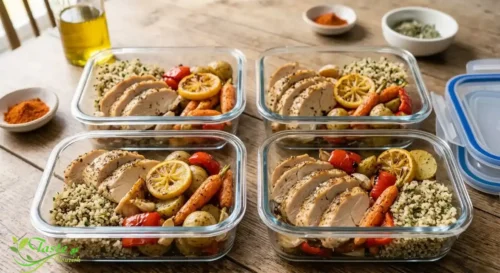
Baked chicken keeps well, which is part of what makes it such a good meal-prep staple. Refrigerate leftovers in an airtight container within two hours of baking — or within one hour if it’s been sitting out in a hot environment — and CDC guidance recommends this same window for poultry generally to limit bacterial growth. Properly stored, baked chicken keeps for three to four days in the refrigerator, or up to four months in the freezer without a significant drop in quality.
To reheat, a 350°F oven for about 10–15 minutes (covered loosely with foil to retain moisture) works better than a microwave, which tends to dry out the meat unevenly. If you’re avoiding chicken entirely — whether for dietary, ethical, or allergy reasons — firm tofu, tempeh, or canned chickpeas can be seasoned and baked using nearly identical timing and spice combinations, making this method flexible well beyond poultry.
Popular variations include lemon-herb, honey mustard, Cajun-spiced, and Parmesan-crusted baked chicken — all of which use this same base method with different seasoning blends swapped in at step 3.
Conclusion
Baked chicken earns its reputation as a kitchen staple honestly: it’s lean, protein-dense, budget-friendly, and about as forgiving a cooking method as exists, provided you respect two rules — season generously and check the temperature. Whether you’re meal-prepping for the week, feeding a family on a weeknight, or just trying to eat a bit more protein without reaching for a fryer, a well-seasoned tray of baked chicken checks a lot of boxes. Pair it with the storage and food-safety habits outlined above, and it becomes one of the more reliable, low-effort dinners in your regular rotation.
Baked Chicken FAQs
1. What temperature should I bake chicken at?
Most cuts bake well between 375°F and 400°F. Higher temperatures (400°F+) tend to produce better browning on boneless cuts, while slightly lower temperatures (375°F) work well for bone-in pieces that need more time to cook through evenly.
2. How do I know when baked chicken is done without cutting into it?
Use an instant-read meat thermometer inserted into the thickest part of the chicken, avoiding bone. It’s safe to eat once it reads 165°F, regardless of color.
3. Is baked chicken healthier than grilled chicken?
Both are considered lower-fat cooking methods compared with frying. Baking at moderate temperatures may produce fewer high-heat cooking byproducts than grilling directly over an open flame, according to National Cancer Institute research, though both are reasonable choices within a balanced diet.
4. Can I bake chicken from frozen?
Yes — USDA guidance confirms chicken can be baked from a frozen state in the oven, though the cooking time will run about 50% longer than for thawed chicken, and it should not be cooked from frozen in a slow cooker.
5. Why does my baked chicken turn out dry?
Overbaking is the most common cause. Pulling the chicken out as soon as it hits 165°F, rather than baking “a little extra to be safe,” combined with a 5-minute rest before slicing, makes a noticeable difference in juiciness.
National Institutes of Health, National Library of Medicine (PMC). “Dietary Guidelines for Americans, 2020–2025: Understanding the Scientific Process, Guidelines, and Key Recommendations.” https://pmc.ncbi.nlm.nih.gov/articles/PMC8713704/
Hanan Abo Samra is the founder of Taste & Nourish, sharing trustworthy nutrition guidance and recipes drawn from 20+ years of hands-on cooking experience. When she's not developing new recipes, Hanan is researching the science behind everyday ingredients to bring readers practical, evidence-based guidance for a healthier lifestyle.