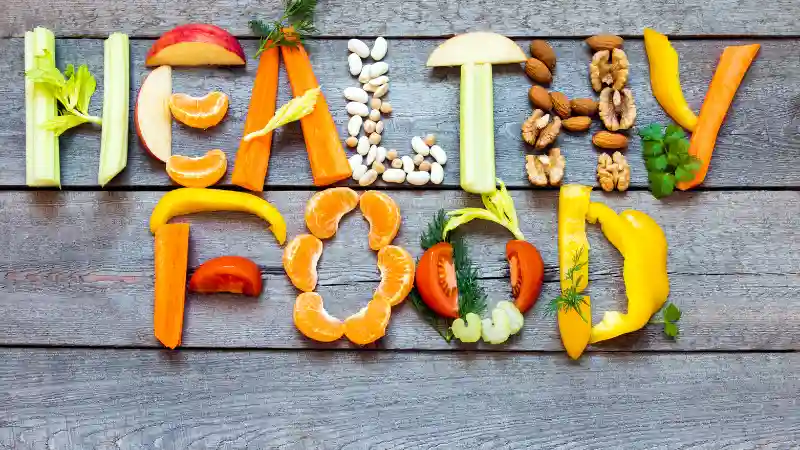
The most healthy foods in the world include a variety of vegetables, fruits, whole grains, legumes, nuts, and other nutrient-rich foods. Each group provides different vitamins, minerals, fiber, protein, or healthy fats that support a balanced diet.
No single food provides every nutrient your body needs. This guide explores 20 nutritious food choices, their key nutrients, and simple ways to include them in everyday meals.
What Makes a Food Healthy?
Nutrient density refers to the amount of beneficial nutrients a food provides relative to its calories. Nutrient-rich foods can supply vitamins, minerals, fiber, protein, and healthy fats.
A balanced diet includes a variety of foods because different ingredients provide different nutrients. Food preparation and combinations can also affect how the body absorbs certain nutrients. For example, adding a source of vitamin C to a meal can improve the absorption of iron from plant foods.
Top 20 Most Healthy Foods in the World
The foods below offer a range of nutrients that can contribute to a balanced diet. They are grouped by food type, with examples of their key nutrients and simple ways to enjoy them.
Each of these foods has been selected based on studies published in journals such as Nutrients, The American Journal of Clinical Nutrition, and The Journal of Food Science. We’ll discuss their calorie count, nutrient profile, and how to incorporate them into your diet effectively.
Leafy Greens: The Unsung Heroes of Nutrition
Leafy greens are nature’s multivitamin. They’re loaded with fiber, vitamins A, C, and K, folate, iron, and calcium—yet they’re incredibly low in calories. These greens not only help detoxify your body but also promote gut health and strong bones.
Kale tops the chart for a reason. One cup of raw kale provides over 600% of your daily vitamin K and 200% of vitamin A needs, all for just 33 calories. It’s also rich in lutein and zeaxanthin, antioxidants that protect your eyes from UV damage.
Spinach is another superfood favorite. Known for its high iron and folate content, spinach supports red blood cell formation and helps fight fatigue. Studies show that regular spinach consumption can lower blood pressure and oxidative stress.
Swiss chard adds a colorful twist with its rainbow stems. It’s rich in magnesium, an essential mineral for muscle and nerve function. The vibrant pigments in chard are flavonoids that combat inflammation and protect against chronic diseases.
Tip: Toss them into smoothies, soups, or sautés. Add a squeeze of lemon to enhance iron absorption naturally.
Berries: Tiny Fruits with Massive Benefits
If there’s one food group that proves big things come in small packages, it’s berries. These colorful gems are nutritional powerhouses filled with antioxidants, fiber, and essential vitamins. Berries are not only delicious but also one of the most studied foods in the world for their health-promoting effects.
Blueberries lead the pack as one of the healthiest foods you can eat. They’re rich in anthocyanins, the compounds responsible for their deep blue color and their powerful anti-inflammatory properties. According to research from the Journal of Agricultural and Food Chemistry, blueberries help improve cognitive function, memory, and heart health. Just one cup has about 84 calories and provides nearly 25% of your daily vitamin C needs.
Acai berries, native to the Amazon rainforest, have become a global superfood sensation. They contain high levels of antioxidants—particularly polyphenols—that combat oxidative stress. Acai also provides healthy fats, including omega-9 and omega-6, which are rare in most fruits.
Strawberries are another nutrient-rich berry, packed with vitamin C, manganese, and folate. Their high fiber content helps regulate blood sugar, making them a great choice for diabetics. Eating strawberries regularly may reduce bad cholesterol (LDL) and improve heart function, as shown in a study by Nutrients Journal.
Pro Tip: Add a mix of berries to your breakfast yogurt, smoothie bowls, or oatmeal for a vibrant and nutrient-packed start to your day.
Fatty Fish: The Omega-3 Superstars
When it comes to brain and heart health, fatty fish reign supreme. These aquatic wonders are rich in omega-3 fatty acids—EPA and DHA—which are crucial for brain function, reducing inflammation, and supporting cardiovascular health.
Salmon is perhaps the best-known healthy fish, providing high-quality protein, B vitamins, and selenium. Wild-caught salmon is especially prized for its nutrient profile. A 100-gram serving of salmon contains about 206 calories, 22 grams of protein, and 2 grams of omega-3 fats. Studies have shown that regular consumption of salmon can reduce triglycerides and improve mood stability due to its impact on neurotransmitter function.
Sardines might be small, but they’re nutritional giants. Packed with calcium (from their edible bones), vitamin D, and B12, sardines are one of the best foods for bone health. A single serving can meet over 100% of your daily vitamin D requirement.
Mackerel, another fatty fish, is rich in both omega-3 and omega-6 fatty acids. It’s also a great source of Coenzyme Q10, which plays a key role in energy production and antioxidant protection at the cellular level.
Eating Tip: Try baking or grilling these fish with herbs and olive oil. Avoid frying, as it diminishes the omega-3 benefits.
Nuts and Seeds: Small but Mighty Nutrient Bombs
Nuts and seeds are tiny nutritional dynamos, loaded with protein, fiber, healthy fats, and a wide range of essential minerals. Despite their small size, they have an impressive effect on satiety and heart health.
Almonds are high in vitamin E, magnesium, and antioxidants that combat oxidative stress. A handful (about 28 grams) provides roughly 161 calories and 6 grams of protein. Studies have linked almond consumption to improved cholesterol profiles and reduced belly fat.
Walnuts stand out for their brain-shaped appearance—and it’s not just coincidence. They are one of the best plant-based sources of omega-3 fatty acids, which promote cognitive health. Regular walnut intake may improve memory and slow cognitive decline, according to The Journal of Nutrition.
Chia seeds are nutritional goldmines. Just two tablespoons deliver 10 grams of fiber, 5 grams of protein, and a substantial dose of calcium and omega-3 fats. They expand in liquid, forming a gel-like texture that helps keep you full for longer.
Flaxseeds are another fiber-rich food known for their lignan content—plant compounds with powerful antioxidant effects. They’re excellent for supporting digestive health and balancing hormones.
Pro Tip: Sprinkle seeds on salads, blend into smoothies, or add to oatmeal for an effortless nutrient boost.
Whole Grains: Fuel for the Body and Brain
Whole grains are complex carbohydrates that deliver sustained energy, unlike refined grains that cause sugar spikes. They also provide fiber, B vitamins, and essential minerals that support heart and digestive health.
Quinoa, often dubbed a “complete protein,” contains all nine essential amino acids—a rarity among plant foods. It’s also gluten-free and rich in iron, magnesium, and zinc. One cup of cooked quinoa has around 222 calories, 8 grams of protein, and 5 grams of fiber.
Oats are a breakfast classic that support heart health and lower cholesterol levels. They’re rich in beta-glucan, a soluble fiber known for improving blood sugar control. Studies published in The American Journal of Clinical Nutrition show that daily oat consumption can reduce LDL cholesterol by up to 10%.
Brown rice provides more nutrients and fiber than its white counterpart. It’s particularly high in manganese and selenium, both important for metabolism and antioxidant defense.
How to Eat: Replace refined grains with whole versions—like using quinoa instead of white rice or oatmeal instead of sugary cereals.
Fermented Foods: The Gut Health Guardians
Fermented foods are gaining fame for their powerful effect on gut microbiota—the community of beneficial bacteria living in your digestive system. These foods aid digestion, enhance nutrient absorption, and strengthen the immune system.
Yogurt with live cultures is one of the easiest ways to support gut health. It provides probiotics, calcium, and protein. Choose plain, unsweetened yogurt to avoid added sugars.
Kefir, a fermented milk drink, contains a diverse range of probiotic strains—often more than yogurt. It supports digestive health, reduces inflammation, and even improves lactose digestion.
Kimchi and sauerkraut are plant-based probiotic powerhouses. Made from fermented cabbage and radishes, they are rich in vitamins A, C, and K, as well as beneficial bacteria.
Research from Frontiers in Microbiology confirms that regular consumption of fermented foods can increase microbial diversity and reduce inflammation markers.
Quick Tip: Incorporate a small serving of fermented foods daily for optimal gut function.
Colorful Vegetables: Nature’s Disease Fighters
When it comes to preventing disease, no group of foods does it better than colorful vegetables. They’re loaded with antioxidants, vitamins, and plant compounds that protect your body from oxidative stress and inflammation. The more vibrant your plate, the more nutrients you’re getting — that’s the golden rule of healthy eating.
Carrots are a prime example. Their bright orange color comes from beta-carotene, which your body converts into vitamin A — essential for vision, skin health, and immune function. A single cup of chopped carrots provides over 400% of your daily vitamin A requirement. Carrots also contain carotenoids that act as powerful antioxidants, reducing the risk of certain cancers.
Broccoli, often called the “king of cruciferous vegetables,” is packed with sulforaphane — a compound with potent anti-cancer properties. It’s also rich in vitamin C, folate, and fiber. Steamed or lightly sautéed broccoli retains more nutrients than boiled versions, making it a true powerhouse when cooked properly.
Sweet potatoes are another colorful vegetable that deserves the spotlight. They’re loaded with complex carbs, fiber, and antioxidants like anthocyanins. A medium sweet potato (about 130 grams) provides roughly 112 calories, 26 grams of carbs, and 400% of your daily vitamin A intake. Sweet potatoes help regulate blood sugar and improve gut health due to their resistant starch content.
Tip: Mix colors on your plate—orange carrots, green broccoli, and purple sweet potatoes—for a full spectrum of disease-fighting nutrients.
Legumes: The Protein-Packed Plants
Legumes are among the most versatile and affordable sources of plant-based protein. They’re loaded with fiber, vitamins, and minerals, making them excellent for heart health, blood sugar control, and digestion.
Lentils are a top choice for vegetarians and vegans. One cup of cooked lentils offers 18 grams of protein and nearly 15 grams of fiber. They’re rich in folate, magnesium, and potassium, which all contribute to maintaining heart health and lowering cholesterol levels.
Chickpeas, also known as garbanzo beans, are a staple in many global cuisines. They’re high in protein, iron, and phosphorus. Studies have shown that chickpea consumption can improve satiety and reduce overeating by balancing blood sugar levels.
Black beans are loaded with anthocyanins—the same antioxidant pigments found in berries. They’re also a great source of plant-based iron and magnesium. A cup of black beans provides about 227 calories, 15 grams of protein, and 15 grams of fiber, making them a balanced food for muscle recovery and digestion.
Pro Tip: Combine legumes with whole grains like rice or quinoa to form a complete protein profile that includes all essential amino acids.
Tropical Fruits: Exotic, Delicious, and Nutritious
Tropical fruits bring not just a taste of paradise but also a nutritional explosion. They’re rich in vitamins, enzymes, and antioxidants that support everything from skin health to digestion.
Avocado is the king of healthy fats. Unlike most fruits, it’s rich in monounsaturated fats, which help lower bad cholesterol and boost heart health. A medium avocado has about 240 calories, 10 grams of fiber, and nearly 20 essential nutrients, including potassium and folate. Its creamy texture also makes it an excellent substitute for unhealthy spreads and dressings.
Papaya contains an enzyme called papain, which aids digestion and reduces bloating. It’s also loaded with vitamin C and beta-carotene. Studies have found that papaya can support skin health by promoting collagen production and reducing signs of aging.
Mango, often called the “king of fruits,” is a nutritional delight with a rich supply of vitamin A, vitamin C, and antioxidants like zeaxanthin. Mangoes not only enhance immunity but also support eye health and digestion.
Tip: Combine tropical fruits in smoothies or fruit bowls with a squeeze of lime for a refreshing, vitamin-packed treat.
Herbs and Spices: Tiny Additions, Huge Health Gains
Never underestimate the power of herbs and spices. Beyond flavor, these small ingredients carry some of the most potent health benefits known to science.
Turmeric is arguably the most famous medicinal spice. Its active compound, curcumin, is known for its strong anti-inflammatory and antioxidant effects.
Ginger is another superstar spice, celebrated for its digestive and anti-nausea properties. It contains gingerol, a compound with powerful antioxidant and anti-inflammatory effects. Regular consumption of ginger tea can reduce muscle pain, improve digestion, and support immune function.
Garlic has been used for centuries as a natural remedy. It contains allicin, a sulfur compound that helps reduce blood pressure and cholesterol while boosting immunity. A study published in The Journal of Nutrition showed that daily garlic consumption could lower the risk of cardiovascular disease by improving blood lipid profiles.
Tip: Use herbs and spices liberally. They enhance flavor without adding calories or sodium, making healthy eating enjoyable and satisfying.
Healthy Oils: The Good Fats You Shouldn’t Fear
Contrary to popular belief, not all fats are bad. In fact, your body needs healthy fats for hormone production, brain function, and nutrient absorption. The key lies in choosing the right types of oils.
Olive oil, especially extra virgin olive oil, is a cornerstone of the Mediterranean diet. It’s rich in monounsaturated fats and antioxidants that protect the heart and reduce inflammation. According to the New England Journal of Medicine, people who consume olive oil regularly have a significantly lower risk of cardiovascular disease.
Coconut oil has become popular for its unique composition of medium-chain triglycerides (MCTs), which are quickly metabolized into energy rather than stored as fat. MCTs can boost metabolism, support brain function, and aid in weight management.
While both oils offer distinct benefits, moderation is key. Drizzle olive oil over salads or vegetables, and use coconut oil for high-heat cooking or baking.
Dark Chocolate: The Guilt-Free Indulgence
Yes, you read that right—chocolate can be healthy, but only if you choose the right kind. Dark chocolate, specifically with at least 70% cocoa content, is one of the richest sources of antioxidants on the planet. It’s loaded with polyphenols, flavanols, and catechins—compounds that have remarkable effects on heart and brain health.
According to studies published in The American Journal of Clinical Nutrition, regular consumption of moderate amounts of dark chocolate can help:
lower blood pressure.
improve circulation.
and even boost mood by increasing serotonin levels.
The flavanols in cocoa help stimulate the production of nitric oxide in the blood, which relaxes blood vessels and improves blood flow.
A 30-gram serving of dark chocolate provides around 170 calories, 2 grams of protein, and 12 grams of healthy fat. It also offers small but meaningful amounts of iron, copper, and magnesium.
But not all chocolate is created equal. Milk chocolate and candy bars are loaded with sugar and dairy, which can cancel out the benefits of cocoa. Stick to high-quality dark chocolate or raw cacao nibs for the full nutritional punch.
Tip: Enjoy a few squares of dark chocolate after dinner or mix cacao powder into smoothies for a natural energy boost.
Hydration Foods: Beyond Plain Water
Water is essential for life, but did you know that many foods can hydrate you just as effectively—sometimes even better? Hydration foods contain high water content along with vital electrolytes like potassium, magnesium, and sodium that keep your body balanced.
Cucumber tops the hydration chart with nearly 96% water. It’s also low in calories and contains antioxidants such as flavonoids and tannins that help combat inflammation. Adding cucumber slices to water or salads can keep you refreshed and hydrated throughout the day.
Watermelon is another champion of hydration. With about 92% water, it provides electrolytes, vitamin C, and lycopene—a powerful antioxidant linked to heart health and cancer prevention. A cup of diced watermelon has only 46 calories, making it perfect for summer snacks or smoothies.
Celery is often underrated, but its high water and fiber content make it excellent for hydration and digestion. It’s rich in potassium and vitamin K, and its natural saltiness helps maintain fluid balance.
Pro Tip: Combine cucumber, watermelon, and mint for a refreshing detox water that supports hydration, digestion, and skin health.
Nutrients in 13 Nutritious Foods
Food
Key Nutrients
Kale
Vitamins K, C, and A
Blueberries
Fiber and polyphenols
Salmon
Protein and omega-3 fats
Almonds
Vitamin E and unsaturated fats
Quinoa
Protein, fiber, and minerals
Yogurt
Protein and calcium
Broccoli
Vitamin C, folate, and fiber
Lentils
Protein, folate, and fiber
Avocado
Unsaturated fats and potassium
Turmeric
Curcumin and other plant compounds
Olive oil
Monounsaturated fats
Dark chocolate
Cocoa flavanols and minerals
Sweet potato
Carbohydrates, fiber, and beta-carotene
Ginger
Gingerols and other plant compounds
Papaya
Vitamin C and fiber
Oats
Beta-glucan and other fibers
Chia seeds
Fiber and plant-based omega-3 fats
Watermelon
Water and lycopene
Garlic
Sulfur-containing compounds
Kefir
Protein, calcium, and live cultures, depending on the product
How to Incorporate These Foods into Your Daily Diet
Healthy eating doesn’t have to be complicated or boring. Incorporating the world’s healthiest foods into your everyday meals can be simple and delicious when done strategically.
Breakfast: Start your day with a nutrient-packed smoothie made from spinach, blueberries, chia seeds, and Greek yogurt. Or try overnight oats topped with almonds and a drizzle of honey.
Lunch: Opt for a quinoa and chickpea salad loaded with colorful veggies and drizzled with olive oil and lemon juice. Add a serving of grilled salmon or sardines for a protein boost.
Dinner: Go for a hearty lentil and vegetable stew with turmeric and garlic for added flavor and health benefits. Pair it with a side of sautéed kale or roasted sweet potatoes.
Snacks: Swap chips and candy for handfuls of walnuts, dark chocolate squares, or fresh papaya slices. Yogurt or kefir mixed with berries also makes a satisfying mid-afternoon snack.
Tip: Rotate your foods weekly to ensure you get a wide range of nutrients while keeping your meals exciting and flavorful.
The Science Behind Longevity and Diet
Research on dietary patterns suggests that diets rich in vegetables, fruits, legumes, whole grains, nuts, and unsaturated fats are associated with better long-term health. Overall eating patterns matter more than any single food, and associations observed in studies do not guarantee the same outcome for every individual.
FAQs About the Most Healthy Foods in the World
Q1. What are the healthiest foods to eat regularly?
Vegetables, fruits, legumes, whole grains, nuts, and suitable protein sources can all contribute to a balanced diet. The best choices depend on individual needs, preferences, and access to food.
Q2. Are superfoods necessary for good health?
No. The term “superfood” is a marketing term rather than a scientific category. A varied diet matters more than any single food.
Q3. How can I eat healthy on a budget?
Choose affordable staples such as beans, lentils, oats, seasonal produce, and frozen vegetables. Cooking at home and planning meals can also help manage costs.
Q4. Can dark chocolate be part of a healthy diet?
Yes. Dark chocolate can fit into a balanced diet in moderate portions, but it can still contain substantial calories, saturated fat, and added sugar.
Q5. What is a simple way to start eating healthier?
Add a fruit or vegetable to meals, choose whole grains more often, and include a variety of protein sources. Small changes that fit your routine can be easier to maintain.
Conclusion
The most healthy foods in the world come from a variety of food groups, including vegetables, fruits, whole grains, legumes, nuts, and fish. Each offers a different mix of nutrients, so variety is more useful than relying on a single so-called superfood.
Start with small, practical changes, such as adding vegetables to meals, choosing whole grains more often, or including beans and nuts in your weekly menu.
**Hanan Abo Samra** shares practical cooking insights, delicious recipes, and evidence-based nutrition information. Drawing on more than 20 years of hands-on cooking experience, she creates helpful food content that combines everyday cooking knowledge with information from reliable scientific sources. Her goal is to help readers better understand the foods they eat, explore their nutritional benefits, and prepare delicious meals with confidence.