What if the single best thing you could do for your morning was already sitting in your fridge? No expensive supplements, no complicated meal plans — just eggs. These humble, oval powerhouses have been fueling humans for thousands of years, and in 2026, they remain the gold standard of breakfast nutrition. Whether you’re rushing out the door on a Tuesday or luxuriating over a slow Sunday brunch, there is an egg breakfast that fits your life perfectly.
In this guide, we’re diving deep into the best breakfast with eggs — covering nutrition, recipe ideas, health goals, cooking tips, and everything in between — so you never run out of reasons (or ideas) to crack one open in the morning.
Before we dive into recipes, let’s look at the numbers. Understanding what’s inside an egg helps you appreciate why it belongs at the center of your breakfast plate every single day.
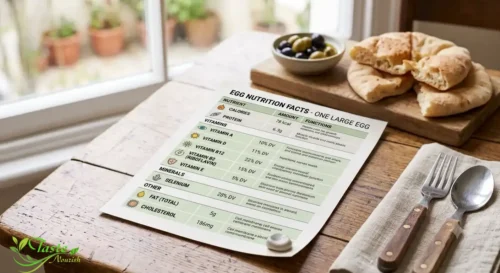
Nutrition Table: One Large Whole Egg (approx. 50g)
Nutrient
Amount Per Egg
% Daily Value
Calories
77.5 kcal
~4%
Protein
6 g
~12%
Total Fat
5.3 g
~7%
Carbohydrates
<1 g
~0%
Vitamin B12
0.6 µg
~25%
Vitamin D
1.1 µg
~6%
Selenium
15.4 µg
~28%
Choline
~147 mg
~27%
Vitamin A
74.5 µg
~8%
Hard-boiled eggs provide only 77.5 calories, 5.3 grams of fat, and a very small amount of carbs, while being a very good source of lean protein at about 6 grams per egg. Eggs contain all nine essential amino acids, and both the white and yolk contain this important nutrient.
Macronutrient Breakdown of a Whole Raw Egg (per 100g)
Macronutrient
Content
Water
77%
Protein
12.7%
Fat
9.6%
Carbohydrates
0.7%
Egg Breakfast Cooking Methods Compared
Cooking Method
Calories Added
Key Benefit
Best For
Boiled (hard/soft)
0
No added fat, portable
Meal prep, on-the-go
Scrambled (with butter)
~35
Creamy texture
Comfort breakfasts
Poached
0
Clean, light
Elegant brunch
Fried (olive oil)
~40
Crispy edges, rich yolk
Savory plates
Baked/Frittata
Minimal
Hands-off, batch cook
Meal prep
The 10 Best Breakfast Ideas with Eggs
1. Classic Scrambled Eggs on Whole-Grain Toast
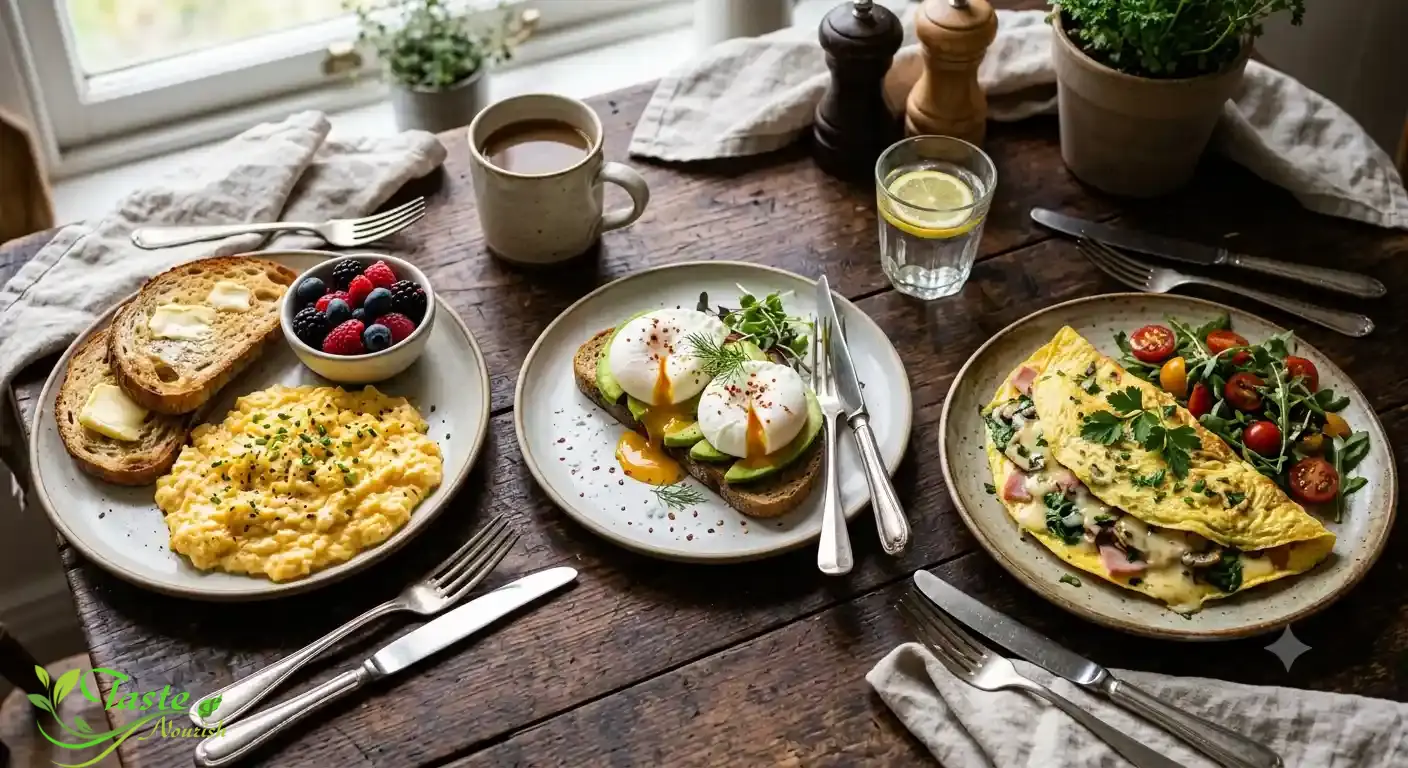
There’s a reason this combination has stood the test of time — it works on every level. Soft scrambled eggs with butter, toast, and fruit are one of the simplest and most satisfying breakfasts you can make, yielding eggs that are layered and not broken into a million pieces. The key to truly great scrambled eggs is patience and low heat. Pull the pan off the burner early, fold gently rather than stirring aggressively, and let the residual heat finish the job.
The result is a silky, custardy texture that elevates what could be an ordinary breakfast into something genuinely pleasurable. Pair with whole-grain toast for fiber and complex carbohydrates that complement the protein hit from the eggs, and you’ve got a breakfast that checks every nutritional box without requiring any culinary school training.
Pro Tip: Add a tablespoon of Greek yogurt to your egg mixture before cooking for extra creaminess and a slight protein boost — a trick borrowed from Mediterranean kitchens that transforms ordinary scrambled eggs completely.
2. Avocado and Boiled Egg Toast
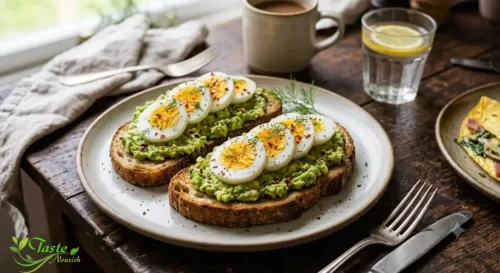
This combination became a cultural phenomenon for good reason: it’s nutritionally exceptional. Slicing boiled eggs and pairing them with avocado on multigrain toast — sprinkled with chili flakes or lemon juice — combines good fats with protein for a balanced breakfast that keeps you fuller for longer and supports sustained energy release.
The healthy monounsaturated fats in avocado work synergistically with the egg’s fat-soluble vitamins (A, D, E, and K), meaning your body actually absorbs more nutrition from the meal as a whole than it would from either ingredient alone. This is the nutrition equivalent of a tag team — each ingredient makes the other more effective. Add a sprinkle of everything bagel seasoning, red pepper flakes, or even a drizzle of tahini to keep things interesting and prevent breakfast fatigue.
3. Veggie-Loaded Omelette
An omelette is essentially a blank canvas dressed in protein. When you load it with vegetables, you transform a simple egg dish into a nutrient powerhouse that rivals most salads for micronutrient content. A fluffy folded omelette loaded with color and flavor, with versatile toppings that can be customized to your liking using fresh veggies and herbs, is ready in just 10 minutes. Think bell peppers for vitamin C, spinach for iron and folate, mushrooms for B vitamins and umami depth, and cherry tomatoes for lycopene and acidity.
The trick to a perfect omelette is a hot pan, a confident flip, and not overfilling — you want the egg to fold cleanly rather than explode like a breakfast piñata. Season well, cook quickly, and serve immediately for maximum fluffiness.
Reader Note: Omelettes are one of the most flexible egg breakfasts you can make — they work equally well with cheese, herbs, leftover roasted vegetables, or even canned beans. There’s almost no fridge leftover that doesn’t improve inside a properly cooked omelette.
4. Shakshuka – The Middle Eastern Egg Classic
If you haven’t discovered shakshuka yet, consider this your official introduction to one of the world’s greatest egg breakfasts.
Shakshuka features a runny yolk and cooked egg whites poached in a freshly prepared tomato sauce with onion, peppers, garlic, spices, and feta. It’s the kind of dish that looks dramatically impressive — all deep reds and golden yolks gleaming from a cast iron pan — but requires surprisingly little effort. The tomato base is rich in lycopene (a powerful antioxidant), while the eggs provide complete protein, making this one of the most nutritionally well-rounded breakfast options in the world.
It’s equally at home on a Tuesday morning or a leisurely weekend brunch table, and it scales effortlessly from one person to a crowd.
5. Egg Muffins for Meal Prep
Egg muffins are the busy person’s secret weapon — batch-cooked on Sunday and ready to grab every morning of the week.
Egg muffins are so versatile, and they can be kept in the freezer so you’ll always have a healthy meal or snack to grab and go. The concept is beautifully simple: whisk eggs with your choice of fillings (cheese, diced vegetables, cooked sausage, herbs), pour into a greased muffin tin, and bake. Each muffin is a self-contained, protein-rich breakfast that reheats in under 90 seconds. You can customize each batch entirely — make half with spinach and feta, and half with turkey and bell peppers — so breakfast variety is built right in.
These little egg bombs are also naturally low-carb, making them particularly popular in paleo, keto, and gluten-free eating patterns.
Actionable Tip: Make a double batch of egg muffins on Sunday. Store them in an airtight container in the fridge for up to 4 days, or freeze individually and microwave from frozen for 60–90 seconds on a busy morning.
6. Spinach and Mushroom Frittata
Think of a frittata as an omelette that went to finishing school. It’s started on the stovetop and finished in the oven, producing a thick, sliceable egg cake that’s equally delicious hot or cold.
A spinach mushroom and artichoke frittata made with eggs, dairy-free milk, and plenty of veggies is a protein-packed, nutrient-dense meal that’s naturally gluten- and dairy-free. A frittata can be cut into portions and stored in the fridge for quick breakfasts all week, and it’s also delicious tucked into a sandwich or served with a side salad for lunch.
The spinach provides a substantial hit of iron, folate, and magnesium, while mushrooms contribute B vitamins and a savory, umami quality that makes the whole dish feel satisfying in a deeply comforting way. It’s the kind of breakfast that makes you feel genuinely taken care of.
7. Egg and Avocado Breakfast Burrito
When you need breakfast that eats like a meal and travels like a snack, the breakfast burrito is your answer. A breakfast burrito bowl made with eggs, spicy sausage, beans, and roasted veggies provides a protein-packed, balanced meal with healthy fats, fiber, and plenty of elements to keep you full. Wrap all of that in a whole-wheat tortilla and you’ve added a layer of complex carbohydrates that fuels sustained energy.
The beans deserve a particular shoutout here — they add fiber, plant-based protein, and minerals that transform the burrito from a comfort food indulgence into a genuinely balanced performance meal. If you’re making these for the week, assemble them, wrap in foil, and freeze; they reheat beautifully in an oven or air fryer within minutes.
8. Soft-Poached Eggs with Sautéed Greens
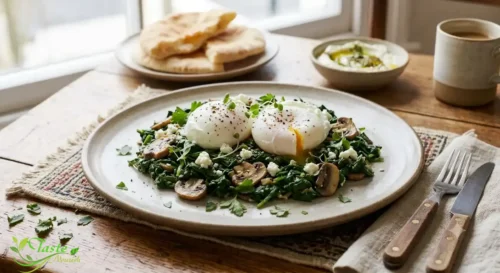
Poached eggs are the quiet sophisticates of the egg world — understated, elegant, and rewarding in a way that feels earned. A perfectly poached egg, with its billowing white and liquid-gold yolk that flows like warm custard the moment you break it, is a morning meditation as much as it is breakfast.
Serve two poached eggs over a bed of wilted kale or sautéed spinach finished with olive oil and a squeeze of lemon, and you’ve created a breakfast that would feel at home in a fine restaurant. The combination is rich in vitamins A, C, D, K, iron, calcium, and omega-3 fatty acids — almost a complete nutritional profile from a single plate. Consider eating eggs with other nutritious foods such as whole grain toast, whole fruit, or sautéed vegetables to get maximum benefit.
9. Turkish Menemen
Menemen is Turkey’s answer to shakshuka — a scrambled egg dish cooked directly in a sauce of tomatoes, peppers, onions, and oregano that’s been simmering in olive oil until fragrant and soft. This nutritious breakfast is one of Turkey’s most famous dishes, made in just one pan and 20 minutes, with soft scrambled eggs mixed with tomatoes, peppers, onions, and fragrant oregano, served Turkish-style with sesame bread rings.
What distinguishes menemen from shakshuka is the texture: instead of the eggs being poached whole in the sauce, they’re scrambled directly into it, creating a cohesive, saucy mixture that’s incredible scooped up with fresh bread. It’s a dish that makes breakfast feel like a warm, communal experience — the kind of morning meal that slows you down just enough to actually enjoy the start of your day.
10. Egg Fried Rice Bowl
Before you raise an eyebrow at rice for breakfast — hear us out. The egg fried rice bowl is a legitimate morning powerhouse, particularly popular across East Asia where it’s considered a completely normal and perfectly sensible way to start the day.
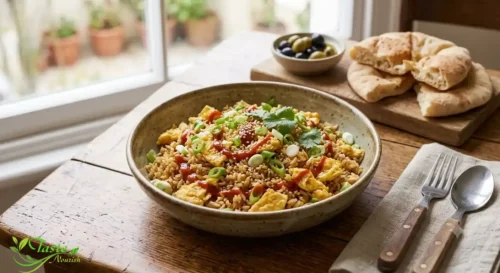
A crispy rice omelette with corn and scallions turns leftover rice, eggs, corn, scallions, and spicy gochujang into a quick, satisfying breakfast with protein, carbs, and plenty of flavor. The leftover rice gets the heat treatment — crisped in a hot pan — before the eggs are scrambled in, creating contrasting textures that keep every bite interesting.
Add scallions, sesame oil, soy sauce, and a drizzle of sriracha or gochujang for a breakfast that’s simultaneously comforting, nourishing, and boldly flavored. It’s the ultimate use-what-you-have morning meal.
Quick vs. Make-Ahead Egg Breakfasts: Which Is Right for You?
Not every morning is equal. Some days you have 20 minutes and the desire to cook; other days you need breakfast done in 5 minutes or not at all. The beauty of egg-based breakfasts is that they accommodate both realities with equal grace. Understanding which category you fall into on any given day helps you plan smarter and eat better without stress.
Quick Egg Breakfasts (under 10 minutes):
Scrambled eggs on toast
Fried egg sandwich
Soft-boiled egg with soldiers
Microwave egg cup with vegetables
Masala omelette
Make-Ahead Egg Breakfasts (prep once, eat all week):
Egg muffins (freezer-friendly)
Frittata slices
Hard-boiled eggs
Overnight egg and vegetable casserole
Baked shakshuka (refrigerates beautifully)
Best Egg Breakfast Combinations by Health Goal
One of the most underrated aspects of egg-based breakfasts is how easily they can be tailored to specific health and fitness goals. The egg itself is a flexible foundation — what you pair it with determines the nutritional direction of the entire meal. Knowing your goal and building around it transforms breakfast from a routine habit into a strategic advantage.
For Weight Loss
If your goal is weight loss, starting your day with a balanced breakfast can help control hunger, support metabolism, and provide sustained energy throughout the morning. An ideal egg-based breakfast combines 2 eggs with plenty of non-starchy vegetables and only a small amount of added healthy fat.
Great options include two poached eggs served over sautéed spinach and cherry tomatoes or a vegetable-packed egg white omelet paired with a side of fresh fruit. This combination provides high-quality protein, fiber, and essential nutrients that promote fullness and reduce the urge to snack before lunch.
In contrast, breakfast foods such as sugary cereals, pastries, and white toast are often high in refined carbohydrates and added sugars while being low in nutritional value. These foods are less satisfying and can lead to energy crashes and increased hunger later in the day. Eggs, on the other hand, help keep you feeling fuller for longer, making them an excellent choice for effective weight management.
For Muscle Building
If you’re training hard and looking to build or maintain muscle, eggs are non-negotiable in your breakfast rotation. The complete amino acid profile — particularly leucine, which directly triggers muscle protein synthesis — makes eggs one of the most efficient protein sources you can consume post-workout or first thing in the morning. Egg protein can support skeletal muscle growth and prevent loss of muscle mass.
For maximum muscle-building impact, pair 3–4 whole eggs with whole-grain toast, a side of Greek yogurt, and a banana. This combination delivers protein, complex carbohydrates, potassium, and probiotics — a comprehensive recovery and growth meal in one plate.
For Energy and Focus
For a brain-powering, focus-enhancing breakfast, the egg’s choline content is your secret weapon. Choline is a precursor to acetylcholine, the neurotransmitter associated with memory, attention, and cognitive function — and eggs are one of the richest dietary sources of it on the planet.
Eggs are naturally rich in vitamin B2, vitamin B12, vitamin D, selenium, and iodine, and also contain vitamin A and a number of other B vitamins including folate, biotin, pantothenic acid, and choline. Pair eggs with smoked salmon (omega-3 fatty acids for brain health), whole-grain toast (steady glucose for mental energy), and a handful of blueberries (antioxidants for cognitive protection) for a breakfast that makes your brain feel as nourished as your body.
Tips for Cooking the Perfect Egg Breakfast Every Time
Getting more from your egg breakfasts isn’t just about the recipe — technique matters enormously. Here are actionable, tested tips that genuinely elevate your morning egg game:
Use room-temperature eggs when scrambling or poaching — they cook more evenly and the whites set better without turning rubbery.
Low and slow is the golden rule for scrambled eggs — high heat produces rubbery, watery eggs; medium-low heat produces clouds.
Add acid to your poaching water — a teaspoon of white vinegar helps the egg white coagulate faster and hold its shape.
Don’t overcrowd the pan when frying — steam from adjacent eggs makes the whites wet rather than crisped at the edges.
Season after cooking, not before — salting eggs too early draws out moisture and can toughen the texture.
Rest your frittata for 5 minutes after removing from the oven — it continues cooking off the heat and slices far more cleanly when not piping hot.
Why Eggs Are the Ultimate Breakfast Superfood
Let’s be honest — the breakfast landscape is crowded. You’ve got sugary cereals that spike your blood sugar and leave you crashing by 10 AM, pastries that taste great but offer very little nutritionally, and processed options packed with sodium and preservatives.
So why do eggs consistently rise above the noise? The answer lies in their extraordinary nutritional density combined with their incredible versatility. Eggs are naturally rich in high-quality protein and provide a wide range of essential nutrients, including vitamins A, D, E, and B12, omega-3 fats, choline, iron, and antioxidants. That’s not just good nutrition — that’s breakfast royalty.
What really sets eggs apart from other morning staples is the way they work with your body. Think of eggs as the Swiss Army knife of your kitchen: they can be boiled, scrambled, poached, baked, or fried, and they pair beautifully with nearly every food group on the planet. Eggs work at pretty much any time of day, and they can turn a few simple foods into a balanced meal.
Pair them with whole-grain toast for complex carbs, sautéed spinach for iron and fiber, or avocado for healthy fats — and you’ve built a nutritionally complete plate in under 10 minutes. That’s the kind of efficiency that makes eggs non-negotiable on any serious breakfast list.
The Nutritional Power Inside Every Egg
Every time you crack an egg, you’re unlocking a remarkable package of nutrition. Eggs are one of the best sources of high-quality protein and contain all the essential amino acids that cannot be produced by the body on their own. Both egg whites and egg yolks contain high amounts of vitamins A, D, and B, as well as nutrients such as zeaxanthin, choline, selenium, and a healthy fatty acid called linoleic acid.
This combination of fat-soluble vitamins and essential minerals makes the whole egg — yolk included — far more valuable than most people realize. For a long time, the yolk was unfairly vilified because of its cholesterol content, but modern nutritional science has largely rehabilitated the egg’s reputation.
A standard serving of 2 large eggs provides 13 grams of complete protein, supplying essential amino acids to build and repair muscles, organs, and body tissues. Protein also helps to slow digestion, meaning you’ll feel fuller for longer when including a quality source of protein in your meals.
This satiety factor is what makes eggs particularly brilliant for breakfast — they genuinely keep hunger at bay for hours, reducing the temptation to reach for mid-morning snacks. Imagine your appetite as a bonfire: eggs are the slow-burning hardwood log, while sugary cereals are the dry kindling that burns bright and fast before leaving you cold.
What Does Science Say About Eating Eggs for Breakfast?
The science here is increasingly compelling, and it’s largely good news for egg lovers. More recent research shows that dietary cholesterol doesn’t affect blood cholesterol levels the way we once thought, and for most healthy individuals, eating eggs daily can absolutely be part of a balanced diet.
Research shows eating two eggs per day meets 10% to 30% of the vitamin requirements for adults, and egg protein can support skeletal muscle growth, prevent loss of muscle mass, and promote normal growth in children. These findings align with the growing body of evidence that positions eggs not as a dietary villain but as one of the most nutrient-efficient foods available at any price point.
Key Takeaway: Eggs are scientifically supported as a daily breakfast staple for most healthy adults. Their complete amino acid profile, micronutrient density, and satiety-boosting protein make them one of the most efficient breakfast foods you can eat.
Common Egg Breakfast Mistakes to Avoid
Even experienced home cooks make these mistakes regularly, and they make a bigger difference to the final result than most people expect. Cooking eggs is deceptively simple — the margin between perfect and disappointing is narrow.
Cooking on too-high heat: The single most common mistake. High heat makes scrambled and fried eggs tough and rubbery. Medium or medium-low is almost always the right setting.
Adding too much filling to your omelette: An overstuffed omelette tears instead of folds. Fill it less than you think you should — you can always serve extras on the side.
Skipping the seasoning: Eggs are naturally mild. A pinch of good salt, freshly cracked black pepper, and fresh herbs like chives or parsley transform a flat-tasting egg into something genuinely delicious.
Using a cold pan for fried eggs: Drop an egg into a cold pan and it sticks, cooks unevenly, and takes forever. Always preheat your pan first.
Ignoring carry-over cooking: Eggs keep cooking after you remove them from the heat. Pull scrambled eggs off the burner when they still look slightly underdone — they’ll finish perfectly on the plate.
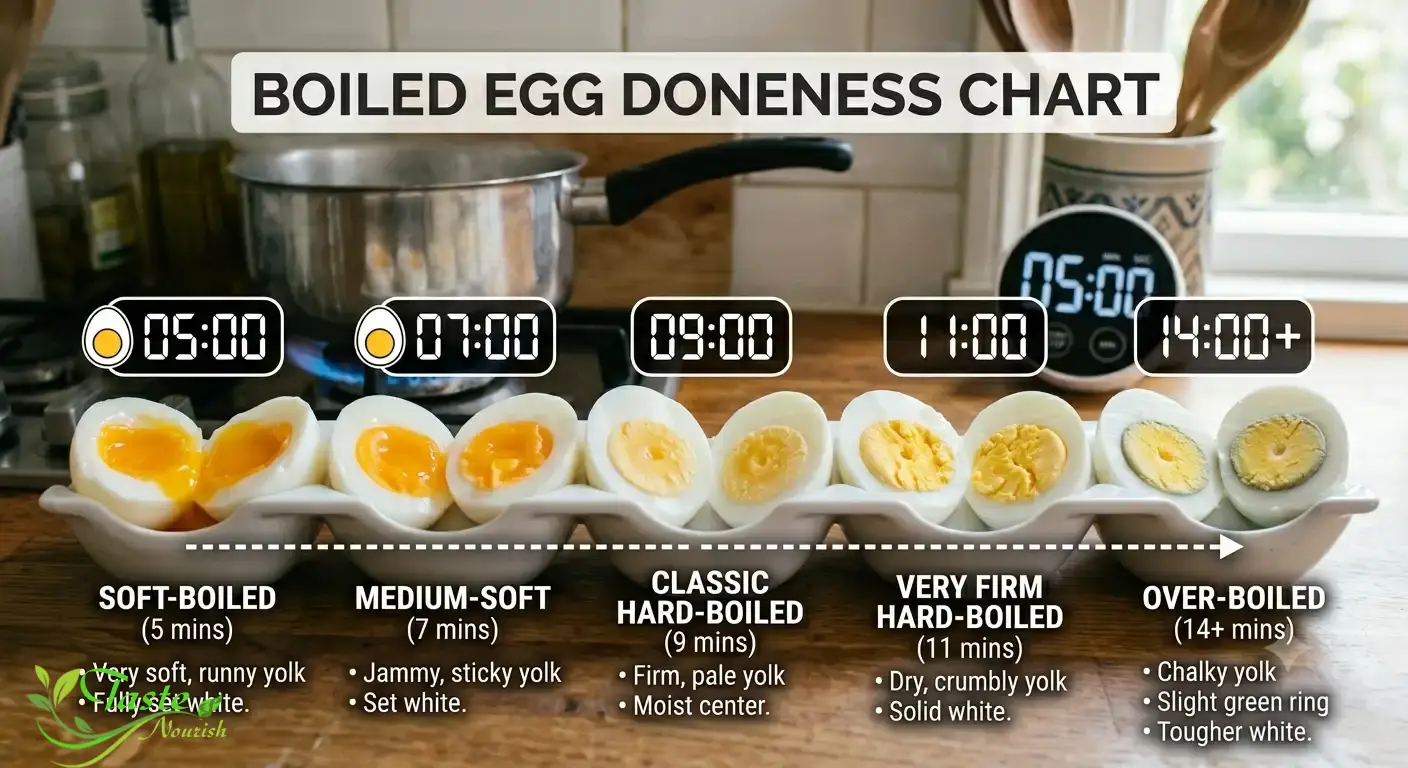
Boiling eggs at a rolling boil: A gentle simmer gives you more control over the final texture and prevents that dreaded grey ring around the yolk in hard-boiled eggs.
Best Breakfast with Eggs FAQs
How many eggs should I eat for breakfast to stay healthy?
For most healthy adults, 1–3 eggs per day is well within safe and beneficial territory based on current nutritional research. The overall balance of your diet matters far more than the number of eggs consumed — pair them with vegetables, whole grains, and healthy fats for a complete breakfast profile.
Is it better to eat whole eggs or just egg whites for breakfast?
Whole eggs are nutritionally superior for most people. While egg whites are pure protein, the yolk contains the majority of the vitamins, minerals, healthy fats, and choline. Unless you have a specific medical reason to limit dietary cholesterol, eating the whole egg gives you far more nutritional value per calorie.
What is the best breakfast with eggs for weight loss?
Poached or boiled eggs paired with sautéed leafy greens, cherry tomatoes, and a slice of whole-grain toast is one of the most effective weight-loss breakfasts you can make. High in protein and fiber, very low in calories, and deeply satisfying — it checks every box for hunger management throughout the morning.
Can I eat eggs for breakfast every single day?
Yes, for most healthy individuals, daily egg consumption is supported by current evidence. If you have pre-existing cardiovascular conditions, type 2 diabetes, or high LDL cholesterol, it’s worth discussing egg frequency with your doctor or dietitian, as individual responses can vary.
What are the fastest egg breakfast ideas for busy mornings?
Microwave scrambled eggs (ready in 2 minutes), pre-made egg muffins reheated from the freezer, hard-boiled eggs prepared the night before and served with avocado, or a simple fried egg sandwich are all excellent options that deliver serious nutrition in under 5 minutes.
Shakshuka is a bold, flavour-packed egg breakfast featuring eggs poached in a rich tomato, pepper, and spice sauce — ready in 25 minutes and perfect for brunch.
Ingredients
4 large eggs
1 can (400g) crushed tomatoes
1 red bell pepper, diced
1 medium onion, finely chopped
3 garlic cloves, minced
1 teaspoon cumin
1 teaspoon smoked paprika
1/2 teaspoon chili flakes (adjust to taste)
2 tablespoons olive oil
Salt and black pepper to taste
Fresh parsley or cilantro for garnish
Crumbled feta cheese (optional)
Directions
Heat olive oil in a large cast iron skillet over medium heat. Add onion and bell pepper and cook for 5–7 minutes until softened. Add garlic and cook for 1 more minute.
Add cumin, paprika, and chili flakes to the pan. Stir for 30 seconds until fragrant. Pour in the crushed tomatoes, season with salt and pepper, and simmer for 10 minutes until the sauce thickens.
Using a spoon, create 4 wells in the tomato sauce. Crack one egg into each well. Cover the skillet and cook on low heat for 5–7 minutes until egg whites are set but yolks remain runny.
Sprinkle with crumbled feta and fresh parsley or cilantro. Serve directly from the skillet with warm crusty bread or pita.
Conclusion
Eggs are not a breakfast compromise — they are a breakfast triumph. From the lightning-fast scramble you throw together on a rushed weekday morning to the carefully constructed shakshuka you craft for a leisurely Sunday brunch, eggs meet you exactly where you are and give you exactly what you need. They are nutritionally dense, endlessly versatile, budget-friendly, quick to cook, and genuinely delicious in a way that few other foods can match across so many preparations. Eggs have been identified as the lowest-cost animal source for protein, vitamin A, iron, vitamin B12, riboflavin, and choline — making them accessible to virtually everyone.
Whether your morning goal is weight loss, muscle building, cognitive performance, or simply the pleasure of a great-tasting meal, there is an egg breakfast in this guide that will serve you brilliantly. Start with one new recipe this week, and let the egg revolution take over your mornings.
**Hanan Abo Samra** shares practical cooking insights, delicious recipes, and evidence-based nutrition information. Drawing on more than 20 years of hands-on cooking experience, she creates helpful food content that combines everyday cooking knowledge with information from reliable scientific sources. Her goal is to help readers better understand the foods they eat, explore their nutritional benefits, and prepare delicious meals with confidence.